Key Takeaway
How BPC-157 may support anti-aging and longevity. Research-backed guide on tissue repair, neuroprotection, cardiovascular support, and physician-supervised peptide therapy.
Quick Answer: BPC-157 hasn't been directly studied as an anti-aging compound. But its demonstrated effects in animal studies, including tissue repair, neuroprotection, cardiovascular support, and anti-inflammatory activity, address several core mechanisms of aging. Human clinical trials specific to anti-aging applications don't yet exist.
What Is BPC-157?
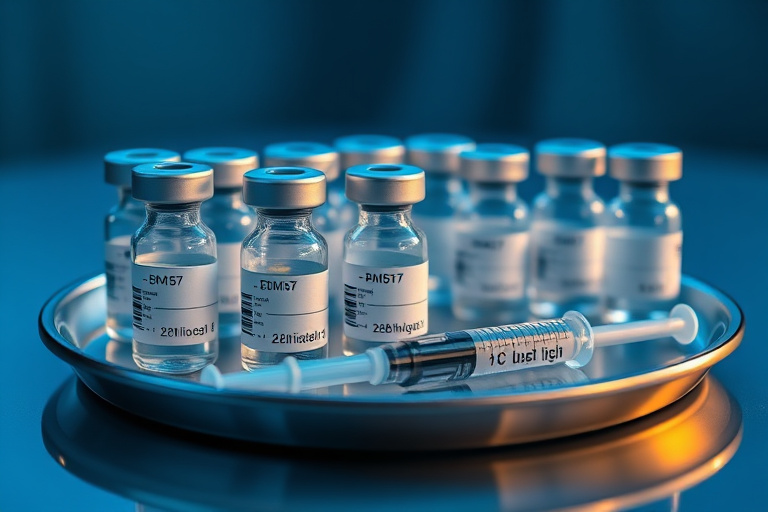
BPC-157 (Body Protection Compound-157) is a 15-amino-acid synthetic peptide derived from a naturally occurring protein in human gastric juice . It has been studied extensively in animal models for its potential to support tissue healing, reduce inflammation, and protect various organ systems. For a complete overview, see our BPC-157 benefits guide.
While BPC-157 hasn't been specifically developed or studied as an anti-aging therapy, many of its documented mechanisms directly overlap with the biological processes that drive aging. This overlap is what has drawn the attention of physicians and researchers interested in longevity and healthy aging.
How Aging at the Biological Level
Aging isn't a single process. It's the cumulative result of multiple overlapping biological changes, including:
- Chronic low-grade inflammation ("inflammaging"): As we age, the body tends toward a state of persistent, low-level inflammation that contributes to tissue breakdown and disease.
- Declining tissue repair capacity: The body's ability to heal from injury and maintain tissue integrity decreases with age.
- Reduced angiogenesis: The formation of new blood vessels slows, reducing nutrient delivery to tissues.
- Neurodegeneration: The nervous system gradually loses neurons and synaptic connections.
- Cardiovascular decline: Blood vessel flexibility decreases, and the risk of cardiovascular disease increases.
- Gut health deterioration: The intestinal barrier weakens, potentially contributing to systemic inflammation.
- Growth factor signaling decline: The body produces and responds to growth factors less effectively.
What makes BPC-157 interesting from an anti-aging perspective is that animal research shows it positively influences nearly every one of these processes.
How BPC-157 Addresses Aging Mechanisms
1. Countering Chronic Inflammation
One of the most consistent findings across BPC-157 research is its anti-inflammatory activity. In animal models, BPC-157 has reduced pro-inflammatory cytokines (including TNF-alpha and IL-6) while supporting the resolution of inflammation . This is different from simply suppressing the immune system. BPC-157 appears to help the body transition from inflammatory to healing states more efficiently.

From the FormBlends catalog
BPC-157
The body protection compound for accelerated healing · From $169/mo · compounded by a licensed 503A pharmacy, dispensed only after provider review.
View BPC-157 →Since chronic inflammation is considered a primary driver of age-related disease, including cardiovascular disease, neurodegeneration, and metabolic dysfunction, this property is highly relevant to healthy aging.
2. Maintaining Tissue Repair Capacity
As we age, injuries take longer to heal. Tendons, ligaments, muscles, and skin all lose their regenerative capacity over time. BPC-157 has demonstrated the ability to accelerate healing across all of these tissue types in animal studies.
The peptide achieves this by upregulating growth factor receptors and promoting angiogenesis, effectively giving aging tissues a stronger healing signal and better blood supply . For more on tissue healing, see our guides on BPC-157 for joint pain, BPC-157 for muscle recovery, and BPC-157 for skin health.
3. Supporting Cardiovascular Health
Cardiovascular decline is one of the hallmarks of aging. In animal models, BPC-157 has shown the ability to:
- Protect against arrhythmias
- Support blood vessel healing and formation
- Modulate blood pressure through the nitric oxide system
- Promote healing of damaged blood vessels
These effects are relevant to maintaining cardiovascular function as you age, though human cardiovascular studies with BPC-157 haven't been published.
4. Neuroprotective Effects
Brain health is a major concern in aging. Animal research shows BPC-157 may support neurological function by:
- Accelerating nerve regeneration following injury
- Modulating the dopamine and serotonin systems, which decline with age
- Counteracting some forms of experimentally induced brain damage
- Protecting against peripheral neuropathy in animal models
The dopamine system is of particular interest because its decline is associated with age-related changes in motivation, mood, movement, and cognitive processing speed.
5. Gut Health and the Aging Microbiome
The gut plays an increasingly recognized role in systemic health and aging. As we age, the intestinal barrier can become more permeable ("leaky"), allowing inflammatory molecules to enter the bloodstream and contribute to systemic inflammation.
BPC-157 has demonstrated the ability to restore gut barrier function and promote healing of the intestinal mucosa in animal models . By supporting gut integrity, BPC-157 may help reduce one of the sources of age-related inflammation. See our dedicated BPC-157 for gut health guide for more.
6. Skin Health and Wound Healing
Skin aging involves reduced collagen production, slower wound healing, and decreased blood supply to the skin. BPC-157 has shown the ability to accelerate wound healing, increase collagen deposition, and improve tissue organization in animal models.
While BPC-157 isn't a cosmetic anti-aging treatment in the traditional sense, its effects on skin repair and collagen are relevant to maintaining skin health as you age. See our BPC-157 for skin health guide.
7. Growth Factor Signaling
One of the key changes with aging is a decline in growth factor signaling. BPC-157 upregulates growth hormone receptors and increases the expression of VEGF, which may help compensate for some of this age-related decline . This enhanced signaling supports tissue maintenance and repair throughout the body.
What BPC-157 Is Not
While the overlap between BPC-157's effects and aging mechanisms is compelling, we want to set clear expectations:
- BPC-157 isn't a proven anti-aging drug. No human clinical trials have studied it specifically for longevity or aging.
- It won't reverse aging. No compound can reverse the aging process. The goal of any longevity-focused therapy is to slow decline and support healthy function.
- It isn't a replacement for foundational health habits. Exercise, nutrition, sleep, stress management, and preventive medical care remain the most evidence-backed tools for healthy aging.
- It isn't FDA-approved for any anti-aging or age-related condition.
Who May Consider BPC-157 for Anti-Aging
Based on the available evidence, individuals who may find BPC-157 worth discussing with their physician include:
- Adults noticing slower recovery from injuries or exercise
- Individuals experiencing age-related joint stiffness or pain
- People with chronic gut health issues that may contribute to systemic inflammation
- Those interested in a multi-faceted approach to longevity and wellness
- Adults looking to support cardiovascular and neurological health as they age
Dosing Considerations for Anti-Aging
Because BPC-157 hasn't been specifically dosed for anti-aging in clinical trials, protocols in this context draw from the general dosing literature:
- Dose: 250 to 500 mcg per day is commonly discussed for general wellness and preventive applications
- Administration: Subcutaneous injection or oral, depending on the primary target
- Cycling: Most physicians recommend defined cycles (4-8 weeks) with breaks, rather than continuous indefinite use
Your physician will tailor your protocol based on your health profile and goals. For detailed dosing information, see our BPC-157 dosage guide.
Complementary Anti-Aging Strategies
BPC-157 is most valuable when combined with evidence-based lifestyle practices:
- Regular exercise: Both resistance training and cardiovascular exercise have strong anti-aging evidence.
- Nutrient-dense diet: Adequate protein, healthy fats, and micronutrient-rich foods support tissue maintenance and repair.
- Quality sleep: 7-9 hours of restorative sleep supports growth hormone release, immune function, and tissue repair.
- Stress management: Chronic stress accelerates biological aging through multiple pathways.
- Preventive medical care: Regular screenings and health monitoring catch issues early.
- Social connection: Strong social relationships are consistently associated with better health outcomes in aging populations.
Safety and Side Effects
BPC-157 has shown a favorable safety profile in animal studies, with no identified toxic dose . Side effects in human use are generally mild. For individuals considering BPC-157 as part of a long-term wellness strategy, safety is especially important because of the extended timeframe involved.
We recommend regular physician check-ins and periodic evaluation of whether continued use is appropriate. For complete safety information, see our BPC-157 side effects guide.
How FormBlends Can Help
Aging well requires a thoughtful, personalized approach. At FormBlends, our physician-supervised telehealth platform helps you explore whether BPC-157 may complement your broader health and wellness strategy.
When you work with us, you receive:
- A thorough health evaluation focused on your aging and wellness goals
- Pharmaceutical-grade BPC-157 from licensed compounding pharmacies
- A personalized protocol that considers your full health picture
- Ongoing monitoring and adjustments as your needs evolve
- Honest guidance about what BPC-157 can and can't do
Frequently Asked Questions
Can BPC-157 slow down aging?
There's no direct evidence from human studies that BPC-157 slows aging. But its effects on inflammation, tissue repair, neuroprotection, and cardiovascular health address several core biological mechanisms of aging. It's best viewed as one potential tool within a broader healthy aging strategy.
At what age should I start considering BPC-157?
There's no specific age recommendation. Most interest comes from adults in their 30s through 60s who are noticing age-related changes in recovery, joint health, or overall vitality. Your physician can help determine whether BPC-157 is appropriate for your situation.
How long should I use BPC-157 for anti-aging purposes?
Long-term safety data in humans is limited. Most physicians recommend defined cycles with breaks rather than continuous use. Your protocol should be reassessed periodically based on your response and evolving health needs.
Is BPC-157 the same as growth hormone therapy?
No. BPC-157 isn't a hormone and doesn't directly increase growth hormone levels. It upregulates growth hormone receptors, which may enhance the body's sensitivity to its own growth hormone signaling. This is a fundamentally different mechanism than exogenous growth hormone administration.
Can BPC-157 replace other anti-aging treatments?
No. BPC-157 should be considered a potential complement to foundational health practices (exercise, nutrition, sleep, stress management) and evidence-based medical care. It isn't a replacement for any of these.
Medical References
- Sikiric P, Hahm KB, Blagaic AB, et al. Stable Gastric Pentadecapeptide BPC 157, Robert's cytoprotection, and Selye's stress-coping response. Curr Pharm Des. 2018;24(18):2030-2049. [PubMed | DOI]
Invest in Your Future Health
Aging well isn't about finding a single solution. It's about building a thorough plan with the right guidance. FormBlends connects you with a licensed physician who can help you determine if BPC-157 belongs in your wellness strategy.
Disclaimer: This article is for informational purposes only and doesn't constitute medical advice. BPC-157 isn't FDA-approved for any medical condition, including any anti-aging or age-related condition. The information presented here is based primarily on preclinical (animal) research and doesn't constitute evidence that BPC-157 slows, reverses, or prevents aging. Always consult with a licensed healthcare provider before beginning any peptide therapy. Individual results may vary. FormBlends doesn't claim that BPC-157 cures, treats, or prevents any disease.
Ready when you are
BPC-157
The body protection compound for accelerated healing · From $169/mo · compounded by a licensed 503A pharmacy, dispensed only after provider review.
View BPC-157 →