Key Takeaway
Cerebrolysin for sleep quality. How neurotrophic peptides affect sleep architecture and what to know about timing your protocol.
Quick Answer: Cerebrolysin for sleep has an indirect but meaningful relationship. Cerebrolysin isn't a sleep aid, but its neurotrophic effects on brain health can influence sleep quality through improved neuronal function and reduced neuroinflammation. Some patients report better sleep during and after treatment courses. But Cerebrolysin can also cause insomnia or vivid dreams in some users due to its neurostimulatory properties, so morning administration is recommended. For dedicated sleep improvement, improving sleep hygiene and addressing underlying causes is more effective than relying on Cerebrolysin .
How Cerebrolysin Affects Sleep
- Positive effects: BDNF (which Cerebrolysin mimics) plays a role in sleep regulation and slow-wave sleep quality. Improved neurotrophic signaling can support healthier sleep architecture over time
- Potential disruption: Cerebrolysin's neurostimulatory properties can cause insomnia or vivid dreams in 2-4% of users, especially with afternoon or evening dosing
- Neuroinflammation reduction: Brain inflammation disrupts sleep. By reducing neuroinflammation, Cerebrolysin may improve sleep quality indirectly
Timing Recommendations
| Timing | Effect on Sleep | Recommendation |
|---|---|---|
| Morning (before 10 AM) | Minimal sleep disruption | Preferred for most patients |
| Afternoon | May cause difficulty falling asleep | Avoid if sleep-sensitive |
| Evening | Most likely to disrupt sleep | Not recommended |
Better Sleep Solutions
If sleep improvement is your primary goal, these approaches have stronger direct evidence:
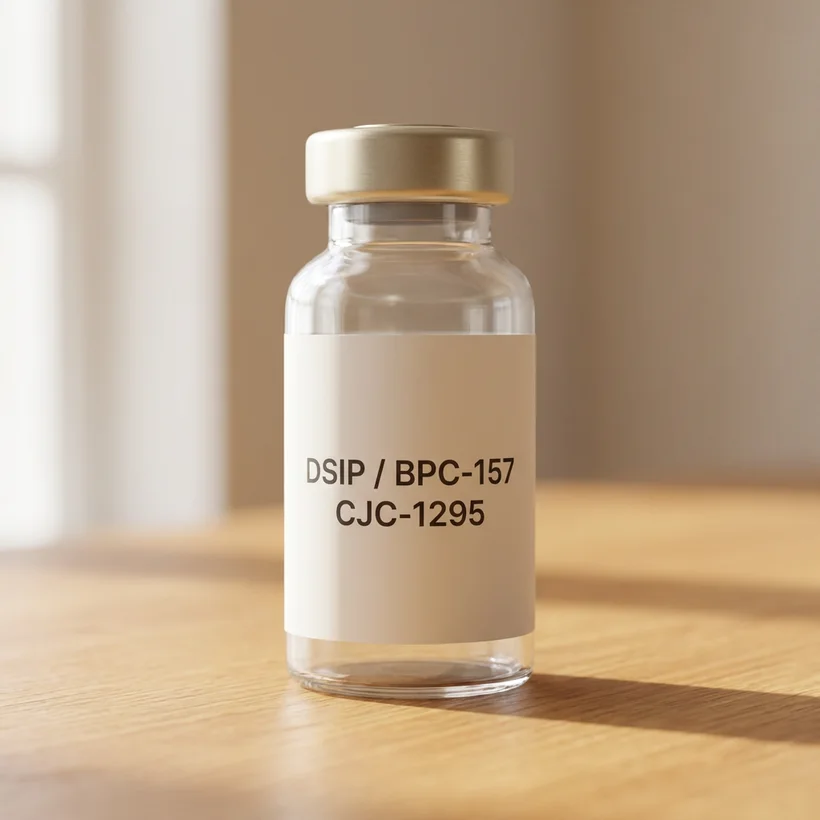
From the FormBlends catalog
Sleep + Recovery Stack
Sleep and repair support with DSIP, BPC-157, and CJC · From $299/mo · compounded by a licensed 503A pharmacy, dispensed only after provider review.
View Sleep + Recovery Stack →
- Sleep hygiene improvement (consistent schedule, dark room, cool temperature)
- Magnesium glycinate supplementation
- Growth hormone peptides like CJC-1295/Ipamorelin (GH is primarily released during deep sleep)
- Addressing underlying causes (stress, sleep apnea, hormonal imbalances)
Frequently Asked Questions
Will Cerebrolysin keep me awake?
Most patients don't experience insomnia. The 2-4% who do typically resolve the issue by switching to morning administration. If insomnia persists, discuss dose adjustment with your physician.
Can better brain health improve my sleep long-term?
Yes. The brain's sleep-regulating centers (hypothalamus, brainstem nuclei) benefit from neurotrophic support. Over time, improved neuronal health in these areas can contribute to more consistent, restorative sleep.
Improve Brain and Sleep Health
At FormBlends, our physicians consider sleep quality when designing your neurotrophic protocol, ensuring treatments support rather than disrupt your rest.
Disclaimer: This article is for informational purposes only and doesn't constitute medical advice. Always consult with a licensed healthcare provider. Individual results may vary.
Ready when you are
Sleep + Recovery Stack
Sleep and repair support with DSIP, BPC-157, and CJC · From $299/mo · compounded by a licensed 503A pharmacy, dispensed only after provider review.
View Sleep + Recovery Stack →