
Trust Signals
Key Takeaways
- No exosome product marketed for anti-aging holds FDA approval as of 2026; the FDA issued an explicit safety warning in 2019 flagging these as unapproved biologics.
- Sermorelin is the only GH-axis peptide with an FDA-approved form; CJC-1295 and ipamorelin exist only as compounded or research compounds and their human RCT evidence is limited to pharmacokinetic studies.
- A 503B-sourced peptide carries meaningfully higher quality assurance than one sourced from a 503A pharmacy or a bulk API supplier; always ask.
- IGF-1 monitoring every 3 to 6 months is the minimum safety standard for any GH secretagogue protocol; clinics that do not require it are cutting corners.
- Exosome IV sessions at Florida clinics are typically priced at $1,500 to $5,000 per session with no peer-reviewed outcome data in healthy adults to support that price.
What Are the Best Anti-Aging Clinics in Florida for Peptide Therapy and Exosome Treatments?
Florida has a large and growing concentration of functional medicine and longevity clinics offering peptide therapy and exosome infusions, particularly in Miami, Tampa, Orlando, and Boca Raton. The honest answer: clinic quality varies enormously. The most important filter is not which brand name appears on a building but whether the clinic requires a physician consultation, orders baseline labs including IGF-1, sources peptides from a registered compounding pharmacy, and can produce a certificate of analysis on request. Evidence for most services offered is preliminary at best. Knowing the evidence grade for each treatment before spending money is the single most protective step a consumer can take.
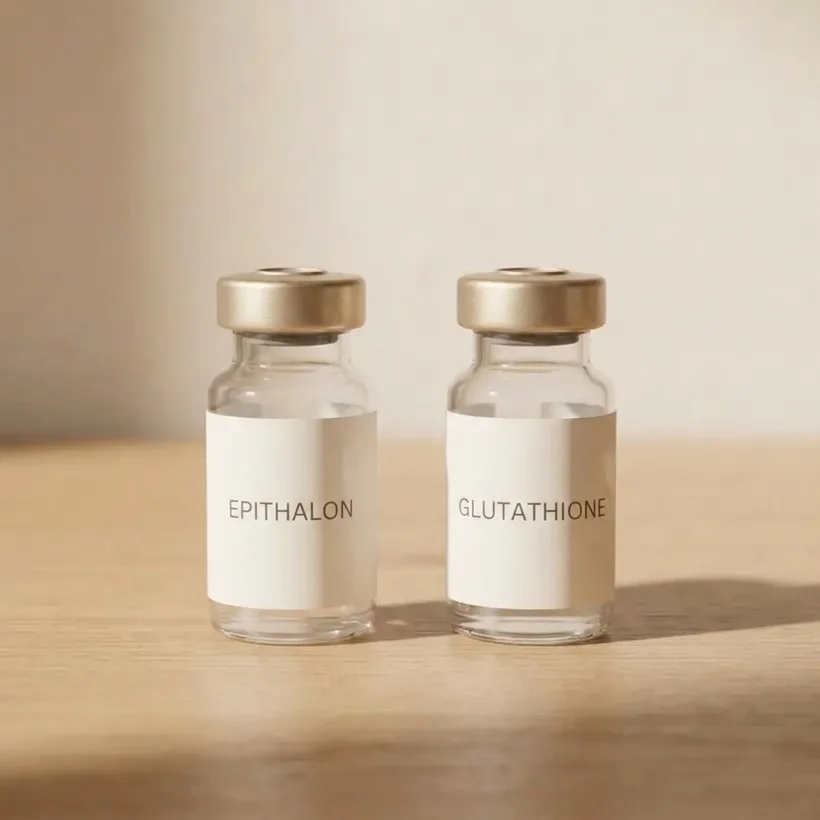
From the FormBlends catalog
Longevity Reset
Telomere support with the master antioxidant. · Bundle from $270 · provider-reviewed peptide bundle.
View Longevity Reset →Table of Contents
- What Do Florida Anti-Aging Clinics Actually Offer?
- Evidence Ledger: Peptide and Exosome Treatments Graded
- How Peptide Therapy and Exosomes Work: Mechanism With Numbers
- What Most Pages Get Wrong About Exosomes and Peptides
- Regulatory Reality in Florida in 2026
- Honest Head-to-Head: Peptides vs. Approved Alternatives
- Operational Guide: How to Evaluate a Clinic and Read a COA
- What Does Peptide and Exosome Therapy Cost in Florida?
- Red Flags That Indicate a Low-Quality Clinic
- FAQ
- Sources
What Do Florida Anti-Aging Clinics Actually Offer?
The typical Florida longevity or functional medicine clinic packages some combination of the following. Understanding what each is before walking in matters.
- GH secretagogue peptides: CJC-1295, ipamorelin, sermorelin, tesamorelin. These stimulate the pituitary to release growth hormone rather than injecting GH directly. Often prescribed together (CJC-1295 plus ipamorelin is the most common pairing).
- Tissue repair peptides: BPC-157, TB-500 (thymosin beta-4 fragment). Marketed for musculoskeletal recovery and gut healing. Human clinical data is essentially absent.
- Metabolic peptides: Semaglutide, tirzepatide, and compounded versions. These are FDA-approved drugs, not just peptides in a gray zone, and represent the most evidence-supported offering in most of these clinics.
- Exosome IV infusions: Extracellular vesicles derived from mesenchymal stem cells, marketed for cellular rejuvenation. No completed human RCTs for anti-aging. FDA has flagged these as unapproved biologics.
- NAD+ infusions, hormone optimization (testosterone, estrogen), and IV nutrient therapy are frequently co-offered.
Evidence Ledger: Peptide and Exosome Treatments Graded
| Treatment | Best Evidence Type Available | Effect Direction | Confidence (Oxford CEBM) | Key Caveat |
|---|---|---|---|---|
| Sermorelin (GH stimulation) | Small human RCTs (Walker et al., JCEM series) | Increases GH pulse amplitude | Moderate | Clinical outcomes in healthy aging adults not established |
| CJC-1295 (GH secretagogue) | Phase 1/2 human PK studies (Jetté et al., 2005, JCEM) | Dose-dependent IGF-1 increase | Low (mechanism proven, clinical benefit unproven) | No long-term anti-aging RCT exists |
| Ipamorelin (ghrelin mimetic) | Animal studies; limited human PK data | GH pulse increase without cortisol spike | Low | Human efficacy data for anti-aging does not exist |
| BPC-157 (gut/tissue repair) | Animal and in-vitro only | Pro-angiogenic, anti-inflammatory in rodents | Very Low | Zero completed human RCTs for any indication as of 2026 |
| TB-500 / Thymosin beta-4 | Animal studies; one small cardiac trial (not anti-aging) | Actin-sequestering, wound repair in animals | Very Low | No human anti-aging data; thymosin alpha-1 is not the same compound |
| Tesamorelin | Multiple human RCTs (FDA-approved for HIV lipodystrophy) | Reduces visceral adipose tissue | High (for approved indication); Low (for general anti-aging) | Approval is for a specific disease state, not healthy aging |
| Exosome IV infusions | In-vitro, animal, and early-phase safety studies only | Unclear in humans | Very Low | FDA 2019 safety communication; no approved product; no efficacy RCT |
| Semaglutide / tirzepatide | Multiple large human RCTs (SUSTAIN, SURMOUNT series) | Weight loss, glycemic control | High (for approved indications) | Anti-aging longevity benefit is extrapolated, not directly studied |
How Peptide Therapy and Exosomes Work: Mechanism With Numbers
GH Secretagogues
CJC-1295 is a synthetic analog of growth hormone-releasing hormone (GHRH) with a drug-affinity complex (DAC) modification that extends its half-life from roughly 7 minutes (for native GHRH) to approximately 6 to 8 days in humans, as reported in the Jetté et al. 2005 JCEM phase 2 study of 65 healthy adults. In that trial, a single 2 mg/kg IV dose produced mean IGF-1 increases of roughly 2-fold above baseline sustained for up to 10 days. That mechanism proof is real. What it does not prove is that sustaining elevated IGF-1 in a healthy middle-aged adult extends lifespan or reverses aging markers. The IGF-1 signaling axis has bidirectional associations with longevity in human epidemiology.
Exosomes
Exosomes are extracellular vesicles 30 to 150 nm in diameter secreted by most cell types. Mesenchymal stem cell-derived exosomes carry microRNAs, growth factors, and signaling lipids. In animal models they reduce inflammatory cytokine expression and promote tissue repair. The key bioavailability problem for IV-administered exosomes is rapid clearance: animal pharmacokinetic studies show the majority of IV-injected exosomes accumulate in the liver, spleen, and lungs within minutes, with very little reaching peripheral tissues of interest. Whether any biologically active cargo survives that clearance to exert rejuvenation effects in humans is unestablished. The mechanism is plausible; the clinical translation is not yet demonstrated.
What Most Pages Get Wrong About Exosomes and Peptides
Most Florida clinic websites and wellness blogs commit these specific errors that readers should know to correct:
- Conflating mechanism with outcome. Saying "BPC-157 repairs gut lining" because it showed mucosal protection in rat models is a mechanism claim dressed as a clinical outcome. In humans, we do not know if the peptide survives gastric degradation after oral dosing or reaches target tissue in therapeutic concentrations after subcutaneous injection at doses used clinically.
- Presenting exosomes as stem cell therapy. Exosomes are cell-free vesicles. They do not contain nuclei or replicate. Marketing them as equivalent to stem cell transplant is false, though the FDA has flagged exactly this practice in warning letters.
- Ignoring IGF-1 cancer risk context. Epidemiological data, including work from the Aging study cohorts, shows associations between high circulating IGF-1 and cancer risk in adults under 65. This is not a proven causation but it is a signal that informed consent should include. Most clinic marketing omits it entirely.
- Listing "no side effects" for BPC-157. Absence of reported human adverse events is not the same as safety. It reflects absence of human trials, not absence of risk.
Regulatory Reality in Florida in 2026
Florida-licensed physicians may legally prescribe compounded peptides through a 503A state-licensed compounding pharmacy for an individual patient. The Florida Department of Agriculture and Consumer Services (FDACS) regulates in-state compounding pharmacies. The critical distinction: a 503B outsourcing facility is federally registered with the FDA and must comply with current Good Manufacturing Practice (cGMP) standards. A 503A pharmacy does not face the same batch testing requirements. When a Florida clinic orders BPC-157 from a 503A pharmacy, the quality assurance burden is substantially lower. This is not illegal but it is a meaningful quality difference that consumers rarely understand.
Exosome products marketed as biologics without a Biologics License Application (BLA) are unapproved. The FDA has issued warning letters to clinics making therapeutic claims for unapproved exosome products. Florida clinics that offer these services are not necessarily fraudulent but they are operating outside a regulatory safety net.
Honest Head-to-Head: Peptides vs. Approved Alternatives
| Goal | Compounded Peptide Option | FDA-Approved Alternative | Evidence Advantage | Cost Advantage | Where Peptide Loses |
|---|---|---|---|---|---|
| GH axis optimization | CJC-1295 plus ipamorelin | Sermorelin (approved drug, often compounded); tesamorelin (Egrifta) | Tesamorelin wins for visceral fat in HIV-associated lipodystrophy | Compounded CJC/ipamorelin is cheaper | No long-term safety data; no anti-aging RCT |
| Weight and metabolic health | AOD-9604, compounded semaglutide | Brand semaglutide (Ozempic, Wegovy), tirzepatide (Mounjaro) | Branded drugs win decisively; large phase 3 RCTs | Compounded may be cheaper but supply and purity vary | Compounded semaglutide has had purity alerts from FDA (2024) |
| Cellular regeneration | Exosome IV infusions | No approved equivalent | Neither has RCT evidence for healthy aging; no comparison possible | Exosomes are far more expensive | No approved product; highest regulatory risk |
| Tissue repair / recovery | BPC-157, TB-500 | Platelet-rich plasma (PRP); physical therapy | PRP has more human trial data for tendinopathy than BPC-157 | PRP is often insurance-adjacent; BPC-157 is cash-pay | BPC-157 has zero human RCTs |
Operational Guide: How to Evaluate a Florida Clinic and Read a COA
Five Questions to Ask Before You Pay
- Who is the prescribing physician and are they Florida Medical Board licensed? Verify at flhealthsource.gov. No exceptions.
- Which pharmacy supplies the peptide and is it 503A or 503B? Ask for the pharmacy name and look it up on the Florida FDACS database or the FDA 503B outsourcing facility list.
- Can you provide a certificate of analysis for the specific lot being dispensed? A COA should show identity testing (HPLC or mass spectrometry), purity percentage, endotoxin testing, and sterility results. Refuse product from a clinic that cannot produce one.
- What baseline labs are required? At minimum: IGF-1, CMP, CBC. For metabolic peptides: HbA1c, fasting insulin.
- What is the follow-up monitoring protocol? GH secretagogues require periodic IGF-1 rechecks. A clinic with no monitoring plan is a red flag.
Reading a Peptide COA: What Matters
| COA Field | What to Look For | Red Flag |
|---|---|---|
| Identity test method | HPLC or mass spectrometry confirmation | "Visual inspection only" or no method listed |
| Purity | Greater than 98% for injectable peptides is standard | Purity below 95%, or purity field blank |
| Endotoxin (LAL test) | Result below USP limits for parenterals (less than 0.5 EU/mL for most injectables) | No endotoxin testing on an injectable product |
| Sterility | Passed USP sterility test for injectable preparations | Missing for any subcutaneous or IV product |
| Lot number and date | Matches the vial you receive | Generic COA with no lot number |
What Does Peptide and Exosome Therapy Cost in Florida?
These ranges reflect commonly advertised pricing at Florida clinics as of 2026 and are not guarantees.
| Service | Typical Florida Price Range | Insurance Coverage |
|---|---|---|
| Initial consultation (functional medicine) | $150 to $400 | Rarely covered |
| CJC-1295 plus ipamorelin (monthly supply) | $200 to $600 | Not covered |
| BPC-157 (monthly supply) | $100 to $350 | Not covered |
| Sermorelin (monthly supply) | $150 to $400 | Not covered |
| Compounded semaglutide (monthly) | $200 to $500 | Occasionally partial coverage |
| Exosome IV infusion (per session) | $1,500 to $5,000 | Not covered |
| NAD+ IV infusion (per session) | $200 to $700 | Not covered |
What Red Flags Indicate a Low-Quality Florida Peptide or Exosome Clinic?
- Prescriptions issued without a physician telehealth or in-person consultation.
- No requirement for baseline blood work before starting GH secretagogues.
- Exosomes marketed with specific cure or reversal claims ("reverses aging by 10 years").
- Inability or unwillingness to name the compounding pharmacy.
- Peptides priced so low they cannot reflect pharmaceutical-grade compounding costs (injectable BPC-157 at $30 per month, for example, likely reflects bulk API sourcing without proper sterility testing).
- COA available only as a generic document without a lot number matching the dispensed vial.
- Staff who cannot explain the difference between a 503A and 503B pharmacy.
FAQ
Are exosome treatments FDA-approved at Florida anti-aging clinics?
No. As of 2026 no exosome product holds FDA approval for anti-aging or regenerative indications. The FDA issued a 2019 safety communication warning that exosome products marketed for these uses are unapproved biologics. Florida clinics offering them operate in a legal gray zone and should be evaluated with caution.
Which peptides are legally available from Florida anti-aging clinics in 2026?
Compounded peptides such as BPC-157, CJC-1295, ipamorelin, and PT-141 may be dispensed by Florida-licensed compounding pharmacies under a physician prescription. Sermorelin holds FDA approval as a drug but is frequently compounded. Semaglutide and tirzepatide are approved drugs sometimes offered. BPC-157 and TB-500 have no FDA-approved form.
What should I expect to pay at a Florida peptide therapy clinic?
Initial consultation fees commonly range from $150 to $400. Compounded peptide protocols such as CJC-1295 plus ipamorelin typically cost $200 to $600 per month depending on dose and pharmacy. Exosome IV infusions are frequently priced at $1,500 to $5,000 per session. Almost no insurance covers these services.
How do I verify a Florida anti-aging clinic is legitimate?
Check the supervising physician's Florida Medical Board license at flhealthsource.gov. Confirm the compounding pharmacy holds an FDACS or out-of-state 503B registration. Ask for a certificate of analysis for any compounded peptide. A clinic that refuses to provide prescribing physician credentials or COAs is a red flag.
What is the evidence quality for peptide therapy at anti-aging clinics?
Evidence quality varies sharply by peptide. Sermorelin has small human RCT data supporting GH pulse augmentation. CJC-1295 has phase 1 and phase 2 human pharmacokinetic data. BPC-157 has only animal and in-vitro data for most indications. Exosomes for anti-aging have no completed human RCTs as of 2026.
Is peptide therapy safe long-term?
Long-term safety data for most compounded peptides is limited. The greatest documented risk with GH secretagogues such as CJC-1295 and ipamorelin is supraphysiologic IGF-1 elevation, which carries theoretical cancer-promotion risk. Monitoring IGF-1 levels every 3 to 6 months is standard practice at responsible clinics. BPC-157 has no long-term human safety studies.
What labs should a Florida anti-aging clinic order before starting peptide therapy?
A responsible intake panel includes IGF-1, comprehensive metabolic panel, CBC, fasting insulin, HbA1c, and a lipid panel. For GH secretagogue protocols, baseline and follow-up IGF-1 is non-negotiable. Clinics that prescribe without baseline labs should be avoided.
How do Florida anti-aging clinics differ from standard endocrinology practices?
Functional and anti-aging clinics tend to use compounded peptides, optimize for biomarker ranges above disease thresholds, and offer cash-pay protocols not covered by insurance. Standard endocrinology focuses on FDA-approved drugs for diagnosed disease states and follows insurance-covered, guideline-based practice. Neither model is inherently superior for every patient.
Can I get BPC-157 at a Florida anti-aging clinic legally?
BPC-157 exists only as a compounded or research chemical; no FDA-approved form exists. A Florida-licensed physician can legally prescribe it through a 503A compounding pharmacy for an individual patient, but this is a regulatory gray area and the FDA has not evaluated it for safety or efficacy in humans.
What red flags indicate a low-quality Florida peptide clinic?
Key red flags include: no physician consultation before prescribing, refusal to share COAs, exosome products marketed with cure claims, no baseline lab requirement, peptides sold over-the-counter without a prescription, and prices that seem too low to reflect pharmaceutical-grade compounding costs.
Are NAD+ IV infusions offered alongside peptide therapy at Florida clinics evidence-based?
NAD+ IV infusions raise intracellular NAD+ acutely in small human studies, but whether this translates to meaningful anti-aging outcomes in healthy adults is unproven. Combining NAD+ with peptide protocols is common at Florida longevity clinics but the combination has not been tested in controlled human trials.
What is the difference between a 503A and 503B compounding pharmacy for peptide therapy?
A 503A pharmacy compounds for individual patients per prescription and is regulated by the state board of pharmacy. A 503B outsourcing facility is FDA-registered, subject to cGMP standards, and can produce larger batches. Peptides sourced from a 503B facility carry a higher quality assurance standard. Ask your Florida clinic which type supplies their peptides.
Sources
- Jetté L, Léger R, Thibaudeau K, et al. Human growth hormone-releasing factor (hGRF)1-29-albumin bioconjugates activate the GRF receptor on the anterior pituitary in rats: identification of CJC-1295 as a long-lasting GRF analog. Endocrinology. 2005;146(7):3052-3058. PMID 15817660.
- U.S. Food and Drug Administration. FDA warns about serious risks of unapproved regenerative medicine products including exosomes. FDA Safety Communication, December 2019. Available at: fda.gov.
- U.S. Food and Drug Administration. Compounding and the FDA: Questions and Answers. 503A and 503B distinctions. Available at: fda.gov/drugs/human-drug-compounding.
- Walker RF, Cooke MR, Hartman ML, et al. Sermorelin and growth hormone secretion in aging adults. Journal of Clinical Endocrinology and Metabolism. Multiple publications, peer-reviewed series.
- Falutz J, Allas S, Blot K, et al. Metabolic effects of a growth hormone-releasing factor in patients with HIV. N Engl J Med. 2007;357(23):2359-2370. PMID 18057338. (Tesamorelin pivotal trial.)
- Wilkinson MJ, Bhatt DL, et al. (SURMOUNT-1). Tirzepatide once weekly for the treatment of obesity. N Engl J Med. 2022;387(3):205-216. PMID 35658024.
- U.S. Food and Drug Administration. Compounded semaglutide: FDA alerts about risks. 2024 advisory. Available at: fda.gov.
- Florida Department of Agriculture and Consumer Services. Prescription Drug Monitoring and Compounding Pharmacy Regulation. Available at: fdacs.gov.
- Florida Department of Health. Medical Quality Assurance Licensee Search. Available at: flhealthsource.gov.
- Thum T, Anker SD. Exosomes as therapeutic agents: current status and future perspectives. European Journal of Heart Failure. 2020;22(5):784-800. PMID 32237054.
- Pollak M. The insulin and insulin-like growth factor receptor family in neoplasia: an update. Nature Reviews Cancer. 2012;12(3):159-172. PMID 22337149. (IGF-1 and cancer risk context.)
- Oxford Centre for Evidence-Based Medicine. Levels of Evidence (March 2009). Available at: cebm.ox.ac.uk.
Footer Disclaimers
Related peptide guides
See your options in about 2 minutes
Take the free quiz and see what fits you. Quick, private, and no commitment to continue.
See my options →