Key Takeaway
Proper GHK-Cu storage is important for maintaining potency. Learn temperatures, shelf life, light protection, and travel storage for both lyophilized and reconstituted forms.
·. FormBlends Medical Team
Proper storage of GHK-Cu is critical for maintaining its potency and safety. Lyophilized (freeze-dried) GHK-Cu is stable for months when stored correctly, while reconstituted GHK-Cu must be refrigerated and used within a defined window. Heat, light, moisture, and contamination are the primary threats to peptide stability. This guide covers storage requirements for every form of GHK-Cu, including travel considerations.
Storing Lyophilized (Unreconstituted) GHK-Cu
Lyophilized GHK-Cu is the most stable form of the peptide. In this freeze-dried state, the peptide is a powder or cake inside a sealed vial.
Temperature
- Ideal: Refrigerator, 36 to 46 degrees Fahrenheit (2 to 8 degrees Celsius)
- Acceptable for long-term: Freezer, at or below 0 degrees Fahrenheit (-18 degrees Celsius). Freezing can extend shelf life to 12 months or more.
- Short-term room temperature: Lyophilized GHK-Cu can tolerate brief periods at room temperature (during shipping, for example) without significant degradation, but prolonged room temperature storage should be avoided.
Light Protection
Store vials in their original packaging or in a dark, opaque container. Light exposure, particularly UV light, can degrade the peptide and the copper complex.
Moisture Protection
Keep vials sealed and dry. Moisture can cause the lyophilized powder to partially dissolve or clump, which compromises sterility and may indicate degradation. If the powder appears wet or collapsed without reconstitution calculator, contact your pharmacy.
Shelf Life
Lyophilized GHK-Cu stored in the refrigerator is typically stable for 6 to 12 months. In the freezer, stability may extend beyond 12 months. Always check the expiration date on the vial provided by your pharmacy.
Storing Reconstituted GHK-Cu
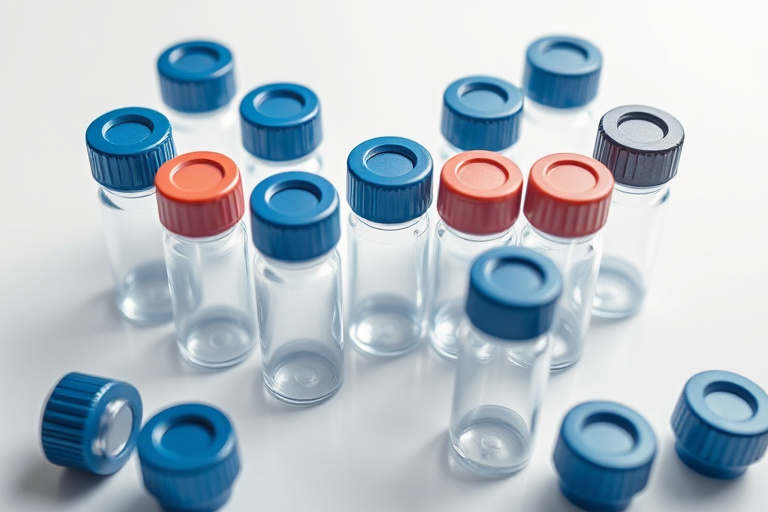
Once mixed with bacteriostatic water, GHK-Cu becomes a liquid solution that's significantly more susceptible to degradation than the lyophilized form.
View data table
| Category | Clinical Interest Score | Detail |
|---|---|---|
| BPC-157 | 88 | Tissue repair and gut healing |
| TB-500 | 82 | Injury recovery |
| Sermorelin | 78 | Growth hormone support |
| Ipamorelin | 75 | Anti-aging and recovery |
| GHK-Cu | 70 | Skin and tissue repair |
Temperature
- Required: Refrigerator, 36 to 46 degrees Fahrenheit (2 to 8 degrees Celsius). Reconstituted GHK-Cu must be refrigerated at all times.
- Never freeze: Don't freeze reconstituted GHK-Cu. Freezing and thawing can damage the peptide structure and compromise the solution.
- Room temperature: Avoid leaving reconstituted GHK-Cu at room temperature for more than a few minutes during dose preparation.
Shelf Life After Reconstitution
When reconstituted with bacteriostatic water and stored in the refrigerator, GHK-Cu is generally stable for up to 4 weeks. Some sources suggest up to 6 weeks, but the 4-week window is the more conservative recommendation.
If reconstituted with sterile water for injection (SWFI) instead of bacteriostatic water, the solution lacks preservative and should be used within 24 to 48 hours. Bacteriostatic water is strongly recommended for multi-dose vials.
Sterility Maintenance
Each time you draw a dose:
- Wipe the vial stopper with a fresh alcohol swab
- Use a new, sterile syringe and needle
- Return the vial to the refrigerator immediately after drawing your dose
- Never leave the vial open or remove the stopper
Signs That GHK-Cu Has Degraded
Discard your GHK-Cu and contact your pharmacy if you observe any of the following:

From the FormBlends catalog
GHK-Cu (Copper Peptide)
A copper peptide studied for skin and tissue support · From $179/mo · compounded by a licensed 503A pharmacy, dispensed only after provider review.
View GHK-Cu (Copper Peptide) →- Cloudiness or turbidity: Properly reconstituted GHK-Cu should be clear (with a possible faint blue tint). Cloudiness indicates contamination or degradation.
- Visible particles or floaters: Any particulate matter suggests the solution is no longer safe to use.
- Color change: While a slight blue tint is normal for GHK-Cu, darkening, yellowing, or any unexpected color change is a warning sign.
- Unusual odor: A strong or off-putting smell when the vial is opened may indicate bacterial contamination.
- Lyophilized powder appears wet or discolored: If the powder looks different before reconstitution, the vial may have been compromised.
When in doubt, err on the side of caution and use a new vial.
Traveling With GHK-Cu
If you need to travel with GHK-Cu, proper temperature maintenance is important:
Short Trips (Under 24 Hours)
- Use an insulated bag with a cold pack. Separate the cold pack from the vial with a cloth or paper towel to prevent direct contact (which could freeze the solution).
- Refrigerate as soon as you arrive at your destination.
Longer Trips
- Use a portable medical cooler designed for temperature-sensitive medications.
- If flying, carry GHK-Cu in your carry-on luggage. Checked luggage is subject to extreme temperature fluctuations in the cargo hold.
- Bring your prescription documentation. TSA allows injectable medications with proper documentation.
- Consider bringing lyophilized (unreconstituted) vials for long trips, as they're more temperature-stable than reconstituted solution.
Traveling With Lyophilized GHK-Cu
Unreconstituted GHK-Cu is more travel-friendly because it tolerates brief temperature fluctuations better than the liquid form. You can reconstitute at your destination if you bring bacteriostatic water and syringes.
Common Storage Mistakes and How to Avoid Them
Even experienced peptide users occasionally make storage errors. Here are the most frequent mistakes and their consequences:
Storing in the Refrigerator Door
The door is the warmest part of the refrigerator and experiences the most temperature fluctuation every time it's opened. Peptides should be stored on a middle shelf in the main compartment where temperature is most stable.
Placing Vials Near the Back Wall
Many refrigerators have cold spots near the back wall where temperatures can drop below freezing. Reconstituted GHK-Cu that accidentally freezes may be damaged. Leave a few inches of space between vials and the back wall.
Failing to Label Reconstituted Vials
Without a label indicating the reconstitution date and concentration, you risk using expired solution or administering incorrect doses. Always label immediately after reconstitution with the date, peptide name, and concentration (e.g., "GHK-Cu 5 mg/mL, reconstituted 3/6/26").
Leaving Vials on the Counter During Use
It takes only a few minutes to draw a dose, but some people leave vials out for extended periods while preparing their injection. Make it a habit to remove the vial, draw your dose, and return it to the refrigerator immediately. The total out-of-fridge time should be under 2 minutes per use.
Storing Multiple Peptides Together Without Organization
If you use multiple peptides, store them in a designated container or section of the refrigerator with clear labeling. Mixing up vials can result in taking the wrong peptide or wrong dose. Color-coded labels or a dedicated small box can prevent confusion.
Not Checking Expiration Dates
Both lyophilized and reconstituted GHK-Cu have defined shelf lives. Make it a habit to check dates before each use. Set a phone reminder for 4 weeks after reconstitution to flag when a vial should be discarded.
Storing Topical GHK-Cu Products
Topical GHK-Cu creams and serums have different storage requirements depending on their formulation:
- Follow the manufacturer's instructions on the product label.
- Most topical GHK-Cu products should be stored at room temperature away from direct sunlight and heat.
- Some formulations may benefit from refrigeration. check the product instructions.
- Keep containers tightly sealed to prevent contamination and oxidation.
Frequently Asked Questions
Can I store GHK-Cu in the freezer?
Lyophilized (unreconstituted) GHK-Cu can be stored in the freezer for extended shelf life. Reconstituted (liquid) GHK-Cu should never be frozen, as freeze-thaw cycles damage the peptide.
What if my GHK-Cu was left out of the fridge overnight?
If reconstituted GHK-Cu was left at room temperature for several hours, its stability may be compromised. The degree of degradation depends on the temperature and duration of exposure. As a precaution, it's best to discard the vial and use a new one. Consult your pharmacy or physician for guidance specific to your situation.
How can I tell if GHK-Cu is still good?
Visual inspection is your first line of defense. The solution should be clear (possibly with a slight blue tint), free of particles, and within its recommended use window. If you have any doubts, use a fresh vial.
Does the blue color mean it has gone bad?
No. A slight blue tint is completely normal for GHK-Cu and results from the copper ion in the complex. Deepening of the blue color or a shift to other colors, however, may indicate a problem.
Where in the refrigerator should I store GHK-Cu?
Store GHK-Cu in the main body of the refrigerator, not in the door (which experiences more temperature fluctuation) and not against the back wall (which may be cold enough to freeze items). A consistent, cool temperature is key.
Conclusion
Proper storage ensures your GHK-Cu remains potent and safe throughout its use. The key principles are simple: keep lyophilized GHK-Cu cold and dry, keep reconstituted GHK-Cu refrigerated and use it within 4 weeks, protect all forms from light and contamination, and never freeze the reconstituted solution. Following these guidelines protects your investment and your health.
Schedule a consultation with the FormBlends medical team for guidance on your GHK-Cu protocol, including storage and handling.
Ready when you are
GHK-Cu (Copper Peptide)
A copper peptide studied for skin and tissue support · From $179/mo · compounded by a licensed 503A pharmacy, dispensed only after provider review.
View GHK-Cu (Copper Peptide) →