All GLP-1 medications from licensed 503A compounding pharmacies Browse Products

GHK-Cu vs Epithalon: Which Is Better?

GHK-Cu vs Epithalon comparison. Tissue remodeling peptide vs Telomerase-activating peptide. When to use each and how they differ.

By FormBlends Editorial Research|Source reviewed by FormBlends Medical Team||

Source Reviewed

Written by FormBlends Editorial Research · Checked against primary sources by FormBlends Medical Team

GHK-Cu vs Epithalon: Which Is Better? custom 2026 header image for Peptide Therapy
Custom header image for GHK-Cu vs Epithalon: Which Is Better?, Peptide Therapy, and better treatment decision-making.
In This Article

This article is part of our Peptide Therapy collection. See also: GLP-1 Guides | Provider Comparisons

Search and AI answer brief

Practical answer: GHK-Cu vs Epithalon: Which Is Better?

GHK-Cu vs Epithalon comparison. Tissue remodeling peptide vs Telomerase-activating peptide. When to use each and how they differ.

Short answer

GHK-Cu vs Epithalon comparison. Tissue remodeling peptide vs Telomerase-activating peptide. When to use each and how they differ.

Search intent

This page answers a specific Peptide Therapy question rather than a generic overview.

What to verify

peptide evidence quality

How to use it

Use this information to prepare sharper questions for a licensed provider.

Key Takeaway

GHK-Cu vs Epithalon comparison. Tissue remodeling peptide vs Telomerase-activating peptide. When to use each and how they differ.

Quick Answer: GHK-Cu vs Epithalon compares a tissue remodeling peptide with a telomerase-activating peptide. GHK-Cu is used for collagen stimulation, skin rejuvenation. Epithalon is used for telomere extension, anti-aging. These compounds serve different purposes and your choice depends on your primary health goal. They can often be used together since they work through independent mechanisms .

Head-to-Head Comparison

GHK-Cu vs Epithalon
FactorGHK-CuEpithalon
CategoryTissue remodeling peptideTelomerase-activating peptide
Primary roleCollagen stimulation, skin rejuvenationTelomere extension, anti-aging
MechanismCopper-mediated collagen/elastin/GAG stimulation, antioxidantTelomerase activation, pineal gland regulation, melatonin normalization
Best forSkin anti-aging, wound remodeling, hair growthLongevity, anti-aging, sleep regulation via melatonin
AdministrationTopical or SC injectionSC injection daily for 10-20 day courses
EvidencePreclinical + clinical (topical)Preclinical + limited clinical (Khavinson research)

When to Choose GHK-Cu

  • Skin anti-aging is your primary goal
  • You want collagen stimulation, skin rejuvenation
  • Skin anti-aging, wound remodeling, hair growth are your focus areas

When to Choose Epithalon

  • Longevity is your primary goal
  • You want telomere extension, anti-aging
  • Longevity, anti-aging, sleep regulation via melatonin are your focus areas

Can You Use Both?

Yes. GHK-Cu and Epithalon work through independent mechanisms and don't interfere with each other. They can be combined when your health goals span both collagen stimulation and telomere extension. Your physician can design a protocol that incorporates both compounds with appropriate timing and dosing.
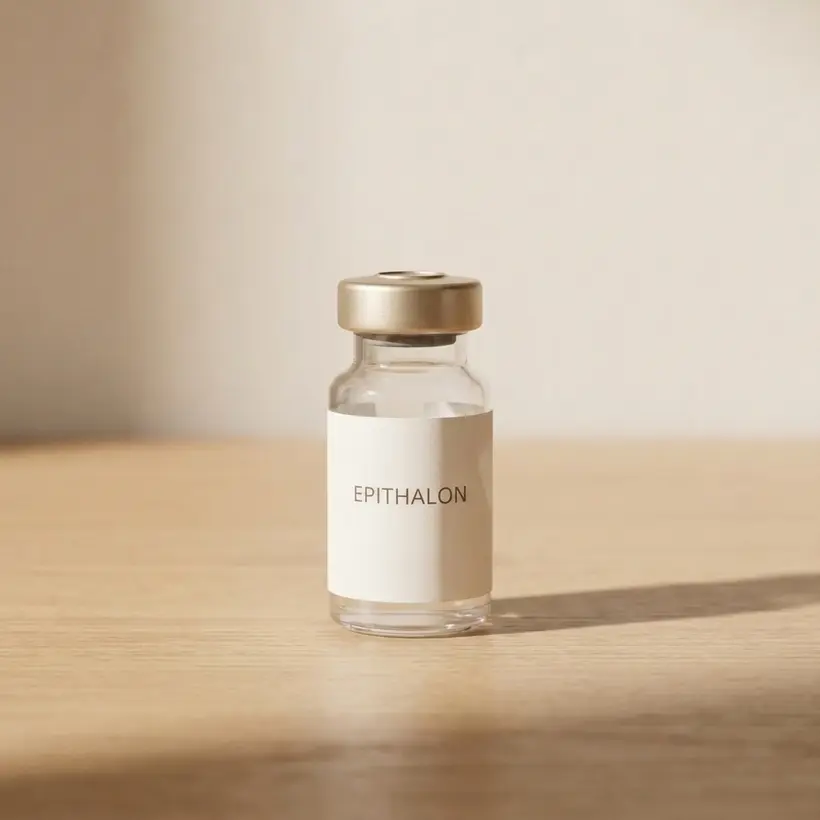
Epithalon (Epitalon)

From the FormBlends catalog

Epithalon (Epitalon)

The telomerase activator for cellular youth · From $199/mo · compounded by a licensed 503A pharmacy, dispensed only after provider review.

View Epithalon (Epitalon) →
Popular Therapeutic Peptides by Use Case Clinical Interest Score 0 22 44 66 88 88 82 78 75 70 BPC-157 TB-500 Sermorelin Ipamorelin GHK-Cu Based on published peptide research literature
Popular Therapeutic Peptides by Use Case. Based on published peptide research literature.
View data table
Bar chart showing popular therapeutic peptides by use case: BPC-157 (88), TB-500 (82), Sermorelin (78), Ipamorelin (75), GHK-Cu (70)
CategoryClinical Interest ScoreDetail
BPC-15788Tissue repair and gut healing
TB-50082Injury recovery
Sermorelin78Growth hormone support
Ipamorelin75Anti-aging and recovery
GHK-Cu70Skin and tissue repair
Illustration for GHK-Cu vs Epithalon: Which Is Better?

Frequently Asked Questions

Which has stronger evidence?

GHK-Cu has preclinical + clinical (topical). Epithalon has preclinical + limited clinical (khavinson research). The strength of evidence depends on the specific application you're considering.

Which should I start with?

Start with whichever addresses your most pressing health concern. If you need collagen stimulation, start with GHK-Cu. If you need telomere extension, start with Epithalon. A physician can help you prioritize.

Find Your Optimal Protocol

At FormBlends, our physicians evaluate your health goals and recommend the most effective approach, whether single compounds or strategic combinations.

Schedule Your Free Consultation

Disclaimer: This article is for informational purposes only and doesn't constitute medical advice. Always consult with a licensed healthcare provider. Individual results may vary.

Epithalon (Epitalon)

Ready when you are

Epithalon (Epitalon)

The telomerase activator for cellular youth · From $199/mo · compounded by a licensed 503A pharmacy, dispensed only after provider review.

View Epithalon (Epitalon) →
Browse the full catalog →

Research Snapshot

Head-to-head comparison

Entities covered

Page type
Head-to-head comparison
FormBlends review
Last reviewed
2026-04-01
FormBlends review
FormBlends official source
Official source
Before you buy
Confirm current pricing, medication availability, pharmacy sourcing, and cancellation terms directly with the provider.
Check before ordering

Provider pricing, medication availability, pharmacy partners, insurance support, and cancellation rules can change quickly. This snapshot is designed to make verification easier, not to replace checking the official source before making a medical or purchase decision. Last page review: 2026-04-01.

Evidence standard

How this page was source-checked

Editorial policy

FormBlends does not claim an individual clinician byline unless a named reviewer is available. For this page, the editorial team checks medical and regulatory claims against primary sources, clinical trials, public datasets, and regulator guidance.

PubMed evidence trail

Research sources used to frame this page

For GHK-Cu vs Epithalon: Which Is Better?, FormBlends checks the page topic against primary trials, systematic reviews, guidelines, and current PubMed-indexed literature where available. These citations are context, not medical advice, proof of eligibility, or a claim that every study applies to every patient.

Comparison decision path

Use this comparison to narrow the provider review question

Direct answer

GHK-Cu vs Epithalon: Which Is Better? should help you decide which option deserves a clinical review, not force a one-size answer.

Evidence check

A strong comparison should connect mechanism, evidence strength, safety, access, and cost instead of only naming a winner.

Safety check

The right choice can change based on history, medication interactions, side effects, budget, and availability.

Next step

After comparing, use the get-started flow to route your goals and health history into the right prescription review path.

FormBlends Editorial Context

Reviewed May 14, 2026

GHK-Cu vs Epithalon comparison. Tissue remodeling peptide vs Telomerase-activating peptide. When to use each and how they differ. Treat "GHK-Cu vs Epithalon: Which Is Better?" as a way to pressure-test a decision before money, medication, or provider access is involved. The article ties the main claim, safety boundary, and next practical step back to comparison and decision support. It belongs in a peptide therapy guide where research status, sourcing, compounding quality, dosing, and clinician oversight all need extra scrutiny. Because this article has 6 major sections, scan the headings first and then use the FAQ or summary sections to pressure-test the answer. Keep the final call tied to your own labs, history, medications, and clinician guidance.

  • Confirm whether the page is discussing an FDA-approved use, a compounded option, or research-only context.
  • Ask a licensed clinician how the evidence applies to your health history, medications, labs, and side-effect risk.
  • Check the latest label, trial update, pharmacy policy, or state rule when the article touches medication access.

Original tools and data

Use the FormBlends research stack

These assets are built to be useful beyond a single article: shareable data pages, calculators, provider comparisons, and safety checks that give Google and readers something original to crawl.

Editorial refresh

Practical 2026 note for GHK

GHK now carries extra 2026 context around BPC-157, ghk, epithalon, which, better, because those are the subtopics readers tend to compare before they trust a medical or wellness recommendation.

Instead of adding filler, this page keeps the named treatment terms, practical verification points, and next-step questions close to ghk cu vs epithalon which is better.

Readers should use the section to check current eligibility, pharmacy or provider policies, and safety questions with a licensed professional before acting.

GHK custom 2026 image for peptide therapy on FormBlends

Custom 2026 image for GHK, peptide therapy, and better treatment decision-making.

Image description: Unique image for this page covering GHK, peptide therapy, safety, cost, provider selection, and patient decision-making.

Download the Peptide Quick Reference Card

A printable 2-page reference covering popular peptides, dosing ranges, stacking protocols, and storage.

Free download. We'll also send helpful GLP-1 guides to your inbox. Unsubscribe anytime.

Medical Disclaimer: This content is for informational purposes only and does not constitute medical advice. Always consult a qualified healthcare provider before starting, stopping, or changing any medication or treatment. FormBlends articles are source-checked against medical and regulatory references, but they are not a substitute for a personal medical consultation.

Written by FormBlends Editorial Research

Prepared by FormBlends Editorial Research. Claims are checked against primary regulatory, trial, label, and public-health sources where available. Reviewed by FormBlends Medical Team for medical accuracy, sourcing, and patient-safety framing.

Ready to get started?

Provider-reviewed GLP-1 and peptide therapy, delivered to your door.

Start Your Consultation

Ready to Start Your Weight Loss Journey?

Get a free medical consultation with a licensed provider. Compounded GLP-1 medications starting at $99/month with free shipping.

Next Best Reads

Free Tools

Provider-informed calculators to support your weight loss journey.