Compounded medications are not FDA-approved Browse Products

Glutathione with Tirzepatide: Best Protocol

Glutathione with Tirzepatide: Best Protocol. No direct pharmacological interactions are known between Glutathione a...

By FormBlends Editorial Research|Editorial research; no named clinician review documented||
In This Article

This article is part of our Peptide Therapy collection. See also: GLP-1 Guides | Provider Comparisons

Key Takeaway

Glutathione with Tirzepatide: Best Protocol. No direct pharmacological interactions are known between Glutathione a...

Quick Answer: Combining Glutathione with Tirzepatide (Mounjaro/Zepbound) is a topic of growing interest. Glutathione is a tripeptide antioxidant used for antioxidant defense, detoxification. Tirzepatide is a dual glp-1/gip receptor agonist FDA-approved for weight loss and type 2 diabetes. These compounds work through independent mechanisms, meaning they can potentially be used together under physician supervision without pharmacological conflict.

How does telehealth prescribing of compounded tirzepatide work?

Verify the actual producing and dispensing entities, current state licenses, formulation and applicable compounding conditions. Section 503A pharmacies and registered section 503B outsourcing facilities are different pathways. Registration does not mean FDA approval or establish eligibility to compound GLP-1 drugs from bulk substances. Compounded preparations are not FDA-approved. Primary regulatory source

Glutathione and tirzepatide compared: category, role and mechanism

Glutathione + Tirzepatide
FactorGlutathioneTirzepatide
CategoryTripeptide antioxidantDual GLP-1/GIP receptor agonist
Primary roleAntioxidant defense, detoxificationWeight loss, appetite suppression, blood sugar control
MechanismFree radical neutralization, liver detoxIncretin receptor activation in brain and gut
AdministrationIV push, SC injection, oral (liposomal)SC injection weekly

Why do glutathione and tirzepatide carry low interaction risk?

  • Independent mechanisms: Glutathione and Tirzepatide work through different receptor systems, reducing interaction risk
  • Complementary goals: Glutathione addresses liver support, skin brightening, immune defense while Tirzepatide drives weight loss and metabolic improvement
  • Physician supervision required: Any combination protocol should be designed and monitored by a licensed physician
  • Sequential start: Begin one compound first, stabilize, then add the second to identify any individual reactions
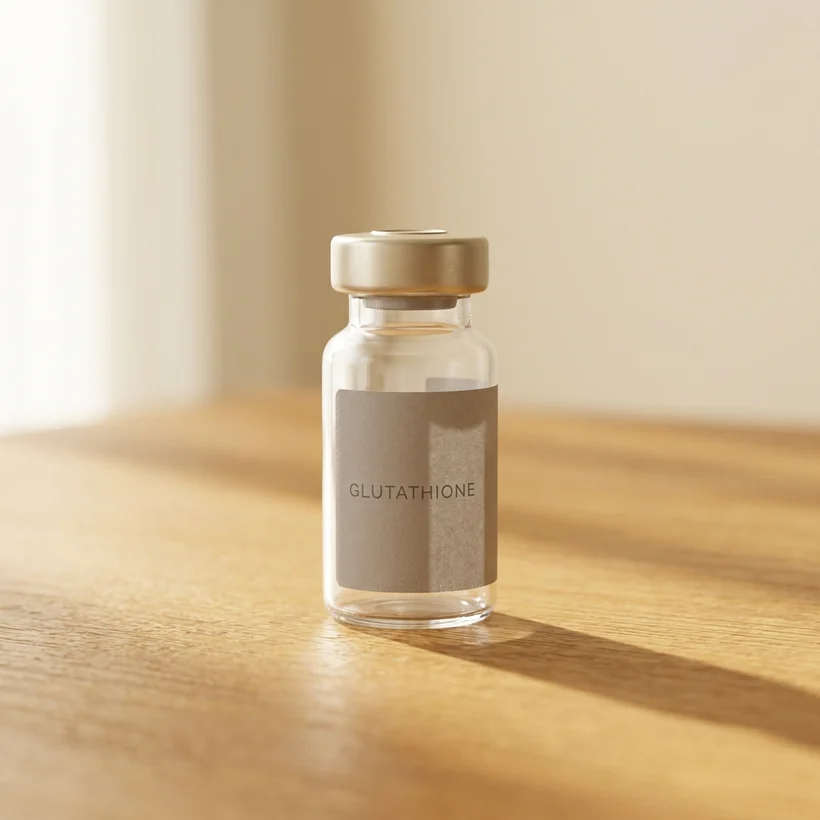
Glutathione Injectable

From the FormBlends catalog

Glutathione Injectable

Injectable antioxidant support for cellular wellness · From $119/mo · prescription review required; compounded medications are not FDA-approved.

Learn about Glutathione Injectable →

Does glutathione interact with tirzepatide?

No direct pharmacological interactions are known between Glutathione and Tirzepatide. But combining any compounds requires physician oversight to monitor for unexpected effects and ensure both are appropriate for your health profile . Check out our see real Zepbound results for detailed data.

Glutathione with Tirzepatide: scientist in lab coat holds pipette with liquid, shelves of vials in background

Is it better to add glutathione after tirzepatide is stable?

No. Start with one compound (typically Tirzepatide), titrate to your target dose, and stabilize before adding Glutathione. This allows clear identification of which compound causes any effects.

How are combined weight loss and peptide protocols designed by physicians?

At FormBlends, our physicians design combination protocols that maximize results while maintaining safety.

Schedule Your Free Consultation

Disclaimer: This article is for informational purposes only and doesn't constitute medical advice. Always consult with a licensed healthcare provider. Individual results may vary.

Glutathione Injectable

Ready when you are

Glutathione Injectable

Injectable antioxidant support for cellular wellness · From $119/mo · prescription review required; compounded medications are not FDA-approved.

Learn about Glutathione Injectable →
Browse the full catalog →

Adverse event reports for tirzepatide and glutathione

The FDA adverse event database tracks voluntary reports submitted for each agent through late 2026.

All reportsNauseaFatigueDiarrhoeaHeadacheVomiting
Tirzepatide181,06819,738 (10.9%)5,698 (3.1%)11,312 (6.2%)3,999 (2.2%)9,395 (5.2%)
Glutathione2,215135 (6.1%)116 (5.2%)97 (4.4%)101 (4.6%)73 (3.3%)

openFDA data updated 2026-10-28. A report means someone linked a symptom to a drug, not that the drug caused it, and report counts cannot give a rate among all users. Terms are MedDRA preferred terms.

Source: openFDA drug adverse event endpoint (FAERS), patient.drug.openfda.generic_name and reactionmeddrapt.exact counts (accessed 2026-11-16)

Clinical trials and published literature count

Study counts from registry and bibliographic databases show the volume of human research completed for both substances.

Registered studiesWith posted resultsHuman studies on PubMedRandomized trials on PubMed
Tirzepatide317481,501135
Glutathione2773361,4561887

Counts from ClinicalTrials.gov and PubMed searches on each name, read 2026-11-16. PubMed tags are applied by indexers and some papers are reviews or case reports, so treat these as a measure of how much research exists, not of whether it works.

Sources: ClinicalTrials.gov data API (accessed 2026-11-16); PubMed, humans[mh] and randomized controlled trial[pt] filters (accessed 2026-11-16)

Questions on glutathione and tirzepatide safety

Patients considering tirzepatide alongside glutathione often compare reported side effects, handling guidelines for injectable products, and the research record for each compound.

What side effects overlap between glutathione and tirzepatide?

Both substances share several reported digestive and systemic reactions. In the FDA adverse event database (FAERS), glutathione reports cite nausea (135 of 2,215 reports, 6.1%), fatigue (116 of 2,215, 5.2%), headache (101 of 2,215, 4.6%), and diarrhoea (97 of 2,215, 4.4%). Tirzepatide reports list nausea in 19,738 of 181,068 cases (10.9%), diarrhoea in 11,312 (6.2%), and fatigue in 5,698 (3.1%).

What safety rules apply when injecting compounded peptides?

The FDA advises using a new sterile needle and syringe for every dose. Multi-dose vials should be discarded within 28 days after first use, even if medication remains or compounder instructions claim longer. In addition, the FDA notes that the safety and effectiveness of adding ingredients such as cyanocobalamin, pyridoxine, levocarnitine, or NAD to incretin medications have not been established.

Sources: openFDA drug adverse event endpoint (FAERS), patient.drug.openfda.generic_name and reactionmeddrapt.exact counts (accessed 2026-11-16); ClinicalTrials.gov and PubMed counts (accessed 2026-11-16); FDA: concerns with unapproved GLP-1 drugs used for weight loss (accessed 2026-11-16)

Glutathione with Tirzepatide: Best Protocol
FormBlends guide cover for Glutathione with Tirzepatide: Best Protocol.

Continue with decision-grade research

Compare the options behind this question

These pages separate verified facts, commercial terms, and unresolved claims so you can check the evidence before choosing a provider.

GLP-1 decision path

Use this page to decide if a provider review is the right next step

Related treatment context

Glutathione with Tirzepatide: Best Protocol research is most useful when it helps you compare eligibility, expected results, side effects, cost, and the supervision needed before treatment.

Evidence check

The strongest GLP-1 pages connect the practical answer to clinical trials, FDA labeling where applicable, and real access constraints.

Safety check

A licensed clinician still needs to review health history, contraindications, current medications, side effects, and dose escalation.

Next step

When the page matches your goal, continue into the FormBlends get-started flow so the intake can route you toward the right prescription review path.

FormBlends Editorial Context

  • Confirm whether the page is discussing an FDA-approved use, a compounded option, or research-only context.
  • Ask a licensed clinician how the evidence applies to your health history, medications, labs, and side-effect risk.
  • Check the latest label, trial update, pharmacy policy, or state rule when the article touches medication access.

Original tools and data

Use FormBlends tools and data

Compare provider prices, explore local access and check calculations using FormBlends tools and data.

Download the Peptide Quick Reference Card

A printable 2-page reference covering popular peptides, dosing ranges, stacking protocols, and storage.

Free download. We'll also send helpful GLP-1 guides to your inbox. Unsubscribe anytime.

Medical Disclaimer: This content is for informational purposes only and does not constitute medical advice. Always consult a qualified healthcare provider before starting, stopping, or changing any medication or treatment. FormBlends articles are source-checked against medical and regulatory references, but they are not a substitute for a personal medical consultation.

Written by FormBlends Editorial Research

Prepared by FormBlends Editorial Research.

Ready to get started?

Provider-reviewed GLP-1 and peptide therapy, delivered to your door.

Start Your Consultation

Ready to Start Your Weight Loss Journey?

Get a free medical consultation with a licensed provider. Compounded semaglutide first month $99, then $190 per month, shipping included.

Next Best Reads

Peptide Therapy

Glutathione with Tirzepatide: Stacking Guide

Glutathione with Tirzepatide: Stacking Guide. No direct pharmacological interactions are known between Glutathione a...

Peptide Therapy

Glutathione With Tirzepatide Combination Guide

Can you combine Glutathione with Tirzepatide? Learn about potential synergies, safety considerations, and clinical guidance from FormBlends physicians.

Peptide Therapy

Glutathione with Tirzepatide: Can You Take Together

Glutathione with Tirzepatide: Can You Take Together. No direct pharmacological interactions are known between Glutathione a...

Peptide Therapy

Glutathione with Tirzepatide: Interaction Safety

Glutathione with Tirzepatide: Interaction Safety. No direct pharmacological interactions are known between Glutathione a...

Peptide Therapy

Glutathione with Tirzepatide: Benefits Of Combining

Glutathione with Tirzepatide: Benefits Of Combining. No direct pharmacological interactions are known between Glutathione a...

Peptide Therapy

Glutathione with Semaglutide: Best Protocol

Glutathione with Semaglutide: Best Protocol. No direct pharmacological interactions are known between Glutathione a...

Peptide Therapy

CJC-1295 with Tirzepatide: Best Protocol

CJC-1295 with Tirzepatide: Best Protocol. No direct pharmacological interactions are known between CJC-1295 and ...

Peptide Therapy

NAD+ with Tirzepatide: Best Protocol

NAD+ with Tirzepatide: Best Protocol. No direct pharmacological interactions are known between NAD+ and Tirz...

Peptide Therapy

GHK-Cu with Tirzepatide: Best Protocol

GHK-Cu with Tirzepatide: Best Protocol. No direct pharmacological interactions are known between GHK-Cu and Ti...

FormBlends for iPhone

Reconstitution math, dose schedules and logs in one place

The free FormBlends iPhone app keeps peptide schedules, concentrations, reminders, inventory and progress notes together.

Free Tools

Calculators to support your weight loss journey.