Key Takeaway
TB-500 typically takes 2 to 6 weeks to produce noticeable effects, with most patients reporting initial improvements in the 2 to 4 week range depending on the condition being treated.
Most patients report noticing initial effects from TB-500 within 2 to 4 weeks, with more substantial improvements typically appearing by weeks 4 through 6 of consistent use.
Why TB-500 Takes Time to Produce Results
TB-500 is a synthetic form of Thymosin Beta-4, a peptide involved in cell migration, blood vessel formation, and tissue repair at the cellular level. Unlike pain medications or anti-inflammatories that mask symptoms within hours, TB-500 works by supporting the biological processes that rebuild damaged tissue. This takes time because the body has to actually perform the repair work.
The peptide promotes healing through several mechanisms that operate on different timelines:
- Cell migration (days to weeks). TB-500 upregulates actin, a protein important for cell movement. This allows repair cells to migrate to injury sites more effectively. This process begins relatively quickly but takes days to translate into visible tissue changes.
- Angiogenesis (weeks). The formation of new blood vessels to supply healing tissue is a multi-week process. TB-500 promotes angiogenesis, which improves blood flow to injured areas but requires sustained signaling over weeks.
- Tissue remodeling (weeks to months). The final phase of healing involves laying down organized collagen and strengthening repaired tissue. This is the slowest phase and continues well beyond the initial loading period of TB-500.
Timeline by Condition
The time to noticeable results varies based on what is being treated. These ranges are based on clinical observations and patient reports under physician supervision, not controlled clinical trials.

Soft Tissue Injuries (Tendons, Ligaments, Muscle Strains)
Patients using TB-500 for tendon or ligament injuries commonly report reduced pain and improved range of motion within 2 to 3 weeks. More meaningful functional improvement, such as returning to exercise or activity, often occurs around weeks 4 to 8. Chronic tendon issues that have persisted for months may require a full 8 to 12 week protocol before significant progress is apparent.
Joint Inflammation and Stiffness
Reduced joint stiffness and improved mobility are among the earlier effects patients report, often within 1 to 3 weeks. The anti-inflammatory properties of Thymosin Beta-4 may contribute to these relatively rapid initial improvements. Deeper structural changes to joint tissue take longer.
Post-Surgical Recovery
When used as part of a post-surgical recovery protocol under physician supervision, TB-500 may accelerate the healing timeline. Patients have reported faster reduction in swelling and earlier return to rehabilitation milestones compared to previous surgical recoveries. Results typically begin appearing within 2 to 4 weeks post-surgery.
General Recovery and Inflammation
Some patients using TB-500 for general recovery from overtraining or chronic low-grade inflammation report improved energy, reduced soreness, and better exercise recovery within 1 to 2 weeks. These are often the first noticeable effects.
The Loading Phase and Maintenance Phase
Most TB-500 protocols prescribed by physicians follow a two-phase structure:
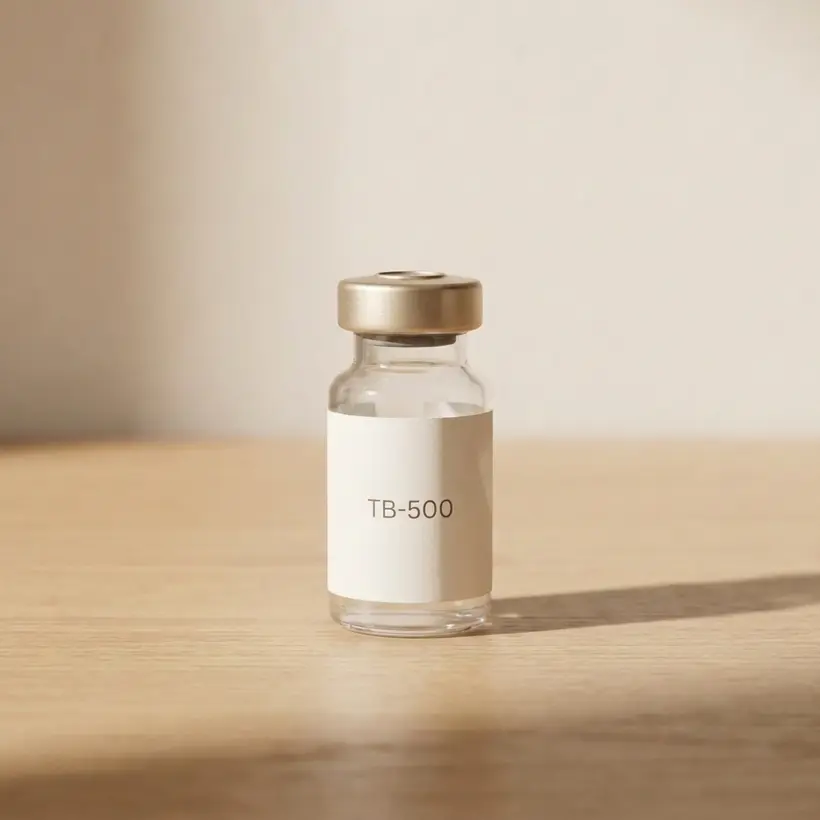
From the FormBlends catalog
TB-500 (Thymosin Beta-4)
Universal repair peptide for tissue regeneration · From $49/mo · compounded by a licensed 503A pharmacy, dispensed only after provider review.
Learn about TB-500 (Thymosin Beta-4) →Loading phase (weeks 1 through 4 to 6): Higher doses are administered, typically twice per week, to build tissue levels of the peptide and kick-start the healing process. Most clinicians use doses in the range of 2 to 2.5 mg per injection during loading. This is the phase where the foundation for healing is laid, though visible results may still be developing.
Maintenance phase (weeks 5 or 7 onward): The dose is reduced, often to once per week or once every two weeks, to sustain the effects achieved during loading. Many patients find that the most noticeable improvements actually become apparent during the early maintenance phase, as the cumulative effects of the loading period manifest.
Total protocol length varies from 8 to 16 weeks depending on the condition being treated and individual response. Your prescribing physician will adjust timing based on your progress.
What the Research Indicates
Preclinical studies support the timeline observed in clinical practice. Research published in the Annals of the New York Academy of Sciences (2010) demonstrated accelerated wound healing in animal models within 2 weeks of Thymosin Beta-4 administration. Cardiac repair studies in mice showed measurable improvements in heart function within 4 weeks of treatment following induced myocardial infarction (Journal of Molecular and Cellular Cardiology, 2004).
These animal timelines roughly align with the human clinical experience, though direct translation between species should be interpreted cautiously.
Factors That Influence How Quickly TB-500 Works
- Severity and chronicity of the injury. Acute injuries generally respond faster than chronic conditions that have been present for months or years.
- Overall health and nutrition. Adequate protein intake, micronutrient status, and sleep quality all support the healing processes that TB-500 promotes. Deficiencies in any of these areas can slow results.
- Concurrent therapies. Some physicians combine TB-500 with BPC-157 for combined healing effects. Patients using combination protocols sometimes report faster onset of results.
- Consistency of dosing. Skipping doses during the loading phase reduces tissue saturation and delays results.
- Age. Older patients may experience slower healing responses due to reduced baseline regenerative capacity.
Safety During the Waiting Period
TB-500 isn't FDA-approved. Reported side effects under physician supervision are generally mild and include temporary fatigue, head rush shortly after injection, and mild redness at the injection site. These tend to diminish after the first few administrations.
If you haven't noticed any improvement after 6 to 8 weeks of consistent use at appropriate doses, discuss this with your physician. The protocol may need adjustment, or the underlying condition may require a different approach.
Related Questions
- Can I speed up TB-500 results? Supporting your body's healing processes improves outcomes. Prioritize sleep (7 to 9 hours), protein intake (0.7 to 1 gram per pound of body weight), and reducing inflammatory stressors like alcohol and excessive training. Some physicians also add BPC-157 to the protocol for complementary healing effects.
- Will I feel TB-500 working immediately? Some patients notice a mild head rush or warmth after injection, but therapeutic effects on tissue healing aren't immediate. The peptide works at the cellular level over days and weeks, not minutes.
- What happens when I stop taking TB-500? The healing that occurs during a TB-500 protocol is structural, meaning repaired tissue remains repaired after you stop. But stopping too early (before adequate healing) may result in incomplete recovery. Your physician will determine the appropriate protocol length for your situation.
Frequently Asked Questions
How should I store How Long Does TB-500 Take?
Most peptides should be stored refrigerated at 36-46 degrees F (2-8 degrees C) after reconstitution calculator. Unreconstituted lyophilized peptides can often be stored at room temperature. Always check the specific storage instructions for your product.
What results can I expect from How Long Does TB-500 Take?
Results vary based on the specific peptide, dosage, individual biology, and adherence to the protocol. Most users report noticeable effects within 2-6 weeks. Tracking biomarkers and keeping a symptom journal helps measure progress.
Is How Long Does TB-500 Take FDA approved?
Regulatory status varies by peptide. Some peptides are FDA-approved for specific medical uses, while others are available through compounding pharmacies for research or off-label use. Discuss the regulatory status with your provider.
Medical References
- Goldstein AL, Hannappel E, Sosne G, Kleinman HK. Thymosin beta4: a multi-functional regenerative peptide. Basic properties and clinical applications. Expert Opin Biol Ther. 2012;12(1):37-51. [PubMed | DOI]
Start Your TB-500 Protocol at FormBlends
FormBlends physicians design TB-500 protocols tailored to your injury, your health history, and your recovery goals. Every prescription comes from a regulated compounding pharmacy, and your clinician monitors your progress throughout treatment. Begin your evaluation at FormBlends.com.
Ready when you are
TB-500 (Thymosin Beta-4)
Universal repair peptide for tissue regeneration · From $49/mo · compounded by a licensed 503A pharmacy, dispensed only after provider review.
Learn about TB-500 (Thymosin Beta-4) →