Key Takeaway
Learn how to store Thymosin Alpha-1 properly, including temperature requirements, reconstitution calculator storage, shelf life, and travel storage tips.
| Peptide Q&A
Thymosin Alpha-1 (Ta1) must be stored in a refrigerator at 36 to 46 degrees Fahrenheit (2 to 8 degrees Celsius) to maintain its potency and stability. Unreconstituted lyophilized powder can tolerate brief periods at room temperature but should be refrigerated upon receipt. Once reconstituted with bacteriostatic water, Ta1 must remain refrigerated and is typically stable for up to 28 days. Never freeze reconstituted Ta1, and always protect vials from direct light and excessive heat.
Storing Unreconstituted (Lyophilized) Thymosin Alpha-1
Lyophilized Ta1 arrives as a freeze-dried powder in a sealed vial. In this form, the peptide is more stable than its reconstituted counterpart. Storage guidelines for the powder form:
- Temperature: Refrigerate at 36 to 46 degrees Fahrenheit (2 to 8 degrees Celsius).
- Light exposure: Store in the original packaging or a dark container to protect from light degradation.
- Shelf life: Unreconstituted Ta1 typically remains stable for 12 to 24 months when properly refrigerated. Check the expiration date on your vial.
- Room temperature tolerance: Brief exposure to room temperature (during shipping or preparation) is generally acceptable, but avoid prolonged exposure above 77 degrees Fahrenheit (25 degrees Celsius).
For long-term storage of unopened vials, some practitioners recommend freezer storage at -4 degrees Fahrenheit (-20 degrees Celsius), which can extend shelf life. But follow your pharmacy's specific recommendations.
Reconstitution and Post-Reconstitution Storage
Once you add bacteriostatic water to lyophilized Ta1, the clock starts on a shorter shelf life. Follow these guidelines after reconstitution:
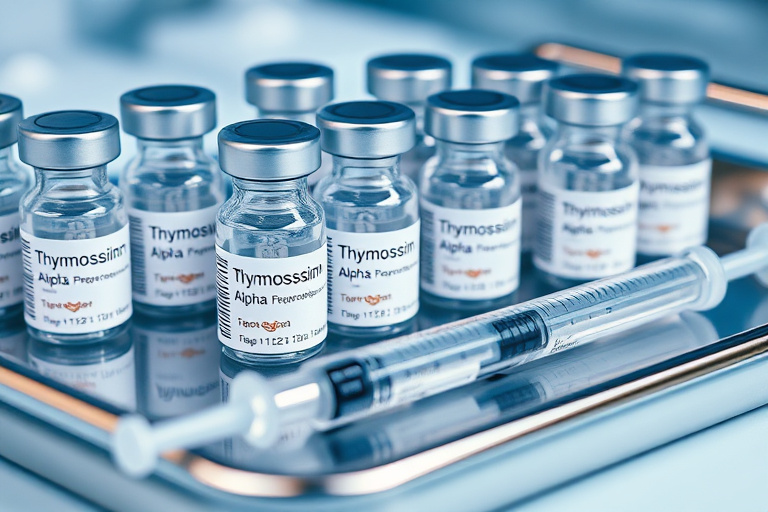
- Refrigerate immediately: Place the reconstituted vial in the refrigerator right after mixing.
- Use within 28 days: Most compounding pharmacies recommend using reconstituted Ta1 within 28 days, though some specify shorter windows. Follow your pharmacy's label.
- Never freeze: Freezing reconstituted peptide solution can cause protein denaturation and loss of effectiveness.
- Minimize temperature fluctuations: Don't repeatedly remove the vial from the refrigerator for extended periods. Take it out only long enough to draw your dose, then return it promptly.
- Use bacteriostatic water: Always reconstitute with bacteriostatic water (containing 0.9% benzyl alcohol) rather than sterile water, as the preservative helps prevent microbial growth over the multi-use period.
Signs of Degraded Thymosin Alpha-1
Inspect your Ta1 before each use. Don't use the product if you notice any of the following:

From the FormBlends catalog
Thymosin Alpha-1
The master immune regulator peptide · From $249/mo · compounded by a licensed 503A pharmacy, dispensed only after provider review.
View Thymosin Alpha-1 →- Cloudiness or particulate matter in a reconstituted solution (it should be clear)
- Discoloration or yellowing of the solution
- Unusual odor when opening the vial
- Damaged or compromised vial seal
- The product has exceeded its expiration or beyond-use date
If you suspect your Ta1 has degraded, discard it and use a fresh vial. Using degraded peptides may result in reduced effectiveness or, in rare cases, adverse reactions.
Travel Storage Tips
When traveling with Thymosin Alpha-1, maintaining proper temperature is important. Use an insulated medication travel case with gel ice packs to keep vials cold during transit. For air travel, pack medication in your carry-on bag where temperatures are more controlled than in the cargo hold. can you travel with thymosin alpha-1
If traveling for several days, consider bringing unreconstituted vials along with bacteriostatic water and syringes to reconstitute on arrival. This approach is more forgiving of temperature fluctuations during travel.
Refrigerator Organization Tips
- Store Ta1 on a middle shelf where temperature is most consistent (avoid the door)
- Keep vials in a small container or zip-lock bag to prevent contamination
- Label vials with the reconstitution date and the 28-day expiration date
- Store away from food items to maintain a clean environment
- Use a refrigerator thermometer to verify temperature stays within range
Thymosin alpha-1 for beginners guide
Frequently Asked Questions
Can Thymosin Alpha-1 be stored at room temperature?
Unreconstituted lyophilized Ta1 can tolerate short periods at room temperature (a few hours during shipping or preparation) without significant degradation. But reconstituted Ta1 should always be refrigerated. Extended room temperature storage of either form will reduce potency over time.
What happens if Thymosin Alpha-1 gets too warm?
Excessive heat accelerates peptide degradation. If reconstituted Ta1 has been left at room temperature for more than a few hours, its potency may be compromised. Brief accidental warming (under an hour) is usually not a significant concern, but prolonged heat exposure means you should discard the vial and use a fresh one.
Can I freeze Thymosin Alpha-1?
Unreconstituted lyophilized powder can be frozen for long-term storage at -4 degrees Fahrenheit (-20 degrees Celsius). But never freeze reconstituted Ta1 solution, as freezing can denature the peptide and render it ineffective.
How do I know if my Thymosin Alpha-1 has gone bad?
Check for cloudiness, discoloration, particles floating in the solution, or an unusual smell. A properly stored reconstituted solution should be clear and colorless. If anything looks or smells off, discard the vial. Also discard any vial that has exceeded its beyond-use date.
How long does reconstituted Thymosin Alpha-1 last?
When stored properly in the refrigerator at 36 to 46 degrees Fahrenheit and reconstituted with bacteriostatic water, Ta1 typically remains stable for up to 28 days. Always follow the specific beyond-use date provided by your compounding pharmacy, as it may differ.
Ready when you are
Thymosin Alpha-1
The master immune regulator peptide · From $249/mo · compounded by a licensed 503A pharmacy, dispensed only after provider review.
View Thymosin Alpha-1 →