All GLP-1 medications from licensed 503A compounding pharmacies Browse Products

MOTS-c for Injury Recovery: How Effective?

Can MOTS-c help with injury recovery? We examine the research on this mitochondrial peptide's role in tissue repair, inflammation, and cellular...

By Dr. Rachel Nguyen, DO|Reviewed by Dr. David Kim, MD, FACE||

Medically Reviewed

Written by Dr. Rachel Nguyen, DO · Reviewed by Dr. David Kim, MD, FACE

MOTS-c for Injury Recovery: How Effective? custom 2026 header image for Peptide Therapy
Custom header image for MOTS-c for Injury Recovery: How Effective?, Peptide Therapy, and better treatment decision-making.
In This Article

This article is part of our Peptide Therapy collection. See also: GLP-1 Guides | Provider Comparisons

Search and AI answer brief

Practical answer: MOTS-c for Injury Recovery: How Effective?

Can MOTS-c help with injury recovery? We examine the research on this mitochondrial peptide's role in tissue repair, inflammation, and cellular...

Short answer

Can MOTS-c help with injury recovery? We examine the research on this mitochondrial peptide's role in tissue repair, inflammation, and cellular...

Search intent

This page answers a specific Peptide Therapy question rather than a generic overview.

What to verify

peptide evidence quality

How to use it

Use this information to prepare sharper questions for a licensed provider.

Key Takeaway

Can MOTS-c help with injury recovery? We examine the research on this mitochondrial peptide's role in tissue repair, inflammation, and cellular regeneration.

MOTS-c for injury recovery works through an indirect mechanism rather than directly healing damaged tissue. Unlike peptides such as BPC-157 or TB-500 that target tissue repair pathways specifically, MOTS-c supports recovery by enhancing mitochondrial function, modulating inflammation, and improving cellular energy production. These effects create a more favorable environment for healing, but MOTS-c should be understood as a metabolic support tool rather than a primary healing compound .

How MOTS-c Relates to Recovery

Injury recovery demands significant cellular energy. Damaged tissues need fuel to rebuild collagen, clear debris, form new blood vessels, and restore function. Mitochondria are the cellular powerhouses that provide this energy, and their efficiency directly affects how quickly and completely tissues heal.

MOTS-c enhances mitochondrial function through several pathways:

  • AMPK activation: MOTS-c activates AMPK, which stimulates mitochondrial biogenesis (the creation of new mitochondria) and improves the efficiency of existing ones
  • Improved glucose metabolism: Better cellular glucose uptake provides more raw fuel for tissue repair processes
  • Stress resistance: MOTS-c has been shown to improve cellular resistance to metabolic stress, which is improved during injury recovery

MOTS-c and Inflammation

Inflammation is a double-edged sword in injury recovery. Acute inflammation is necessary for clearing damaged tissue and initiating repair. Chronic or excessive inflammation, however, impairs healing and can lead to secondary tissue damage.

Popular Therapeutic Peptides by Use Case Clinical Interest Score 0 22 44 66 88 88 82 78 75 70 BPC-157 TB-500 Sermorelin Ipamorelin GHK-Cu Based on published peptide research literature
Popular Therapeutic Peptides by Use Case. Based on published peptide research literature.
View data table
Bar chart showing popular therapeutic peptides by use case: BPC-157 (88), TB-500 (82), Sermorelin (78), Ipamorelin (75), GHK-Cu (70)
CategoryClinical Interest ScoreDetail
BPC-15788Tissue repair and gut healing
TB-50082Injury recovery
Sermorelin78Growth hormone support
Ipamorelin75Anti-aging and recovery
GHK-Cu70Skin and tissue repair
Illustration for MOTS-c for Injury Recovery: How Effective?

Research suggests MOTS-c may help regulate the inflammatory response:

  • In preclinical models, MOTS-c reduced markers of systemic inflammation including TNF-alpha and IL-6
  • By activating AMPK, MOTS-c may suppress NF-kB, a master regulator of inflammatory gene expression
  • This anti-inflammatory effect could help transition the injury site from the inflammatory phase to the proliferative (rebuilding) phase more efficiently

MOTS-c vs. Dedicated Recovery Peptides

To set proper expectations, here is how MOTS-c compares to peptides that are specifically studied for tissue repair:
Check your GLP-1 eligibility

Use our free BMI Calculator to see if you may qualify for provider-reviewed GLP-1 therapy.

Try the BMI Calculator →
  • BPC-157: Directly promotes angiogenesis, tendon healing, gut repair, and tissue regeneration. Hundreds of preclinical studies on tissue repair specifically BPC-157 benefits
  • TB-500 (Thymosin Beta-4): Promotes cell migration, blood vessel formation, and wound healing through direct tissue-repair pathways
  • MOTS-c: Supports recovery indirectly by improving the metabolic environment for healing. Best used as a complement to dedicated repair peptides, not a replacement

Many practitioners who prioritize injury recovery will combine MOTS-c with BPC-157 or TB-500, using MOTS-c for metabolic support and the other peptide for direct tissue repair peptide stacking guide.

When MOTS-c May Help with Recovery

  • Chronic or slow-healing injuries: When mitochondrial dysfunction or chronic inflammation is slowing recovery, MOTS-c's metabolic support may help break the stalemate
  • Post-surgical recovery: The metabolic demands of surgical recovery are high. MOTS-c may support cellular energy production during this period
  • Overtraining recovery: Athletes who have overtrained and are dealing with systemic fatigue and multiple minor injuries may benefit from MOTS-c's metabolic restoration
  • Age-related recovery challenges: Older individuals naturally have lower MOTS-c levels and declining mitochondrial function. Supplementing may help close the gap in recovery capacity

Medical References

  1. Goldstein AL, Hannappel E, Sosne G, Kleinman HK. Thymosin beta4: a multi-functional regenerative peptide. Basic properties and clinical applications. Expert Opin Biol Ther. 2012;12(1):37-51. [PubMed | DOI]

Frequently Asked Questions

Does MOTS-c help with injury recovery?

MOTS-c may support injury recovery indirectly through enhanced mitochondrial function, better cellular energy production, and inflammation regulation. But it isn't a direct tissue-repair peptide. For targeted injury healing, peptides like BPC-157 or TB-500 have stronger evidence. MOTS-c works best as a complementary metabolic support alongside dedicated recovery compounds.

Can I stack MOTS-c with BPC-157 for recovery?

Yes, many practitioners combine MOTS-c (for metabolic support) with BPC-157 (for direct tissue repair). The two peptides target different pathways and don't have known conflicts. Discuss stacking protocols with your physician to determine appropriate dosing.

How long does MOTS-c take to help with recovery?

Improved energy and reduced fatigue may become noticeable within 1 to 2 weeks. Effects on inflammation markers and healing support may take 4 to 6 weeks to become meaningful. MOTS-c is best viewed as a medium-term metabolic intervention rather than an acute recovery treatment.

Is MOTS-c better than BPC-157 for healing?

For direct tissue healing, BPC-157 has substantially more research evidence. MOTS-c is better suited for metabolic improvement and cellular energy support. They serve different purposes and work well together rather than as replacements for each other.

FormBlends physicians can design recovery-focused peptide protocols combining MOTS-c with targeted healing peptides. Start your consultation to discuss the best approach for your recovery.

Evidence standard

How this page was source-checked

Editorial policy

FormBlends does not claim an individual clinician byline unless a named reviewer is available. For this page, the editorial team checks medical and regulatory claims against primary sources, clinical trials, public datasets, and regulator guidance.

PubMed evidence trail

Research sources used to frame this page

For MOTS-c for Injury Recovery: How Effective?, FormBlends checks the page topic against primary trials, systematic reviews, guidelines, and current PubMed-indexed literature where available. These citations are context, not medical advice, proof of eligibility, or a claim that every study applies to every patient.

Peptide decision path

Move from research interest to supervised review

Direct answer

MOTS-c for Injury Recovery: How Effective? should be evaluated through research status, legal access, source quality, safety context, and clinician oversight rather than a shortcut purchase decision.

Evidence check

Useful peptide pages should separate human data, animal research, mechanistic evidence, and marketing claims.

Safety check

Peptides can vary by legal status, compounding pathway, purity testing, patient history, and interaction risk.

Next step

If the topic still fits your goal after reading, the get-started flow should collect the clinical context needed for provider review.

FormBlends Editorial Context

Reviewed May 14, 2026

Can MOTS-c help with injury recovery? We examine the research on this mitochondrial peptide's role in tissue repair, inflammation, and cellular regeneration. "MOTS-c for Injury Recovery: How Effective?" earns its keep when it helps a reader move from a broad question to a cleaner next step. This is a peptide therapy guide where research status, sourcing, compounding quality, dosing, and clinician oversight all need extra scrutiny, and the reader usually needs help with patient education and clinical context. Pay extra attention to the main claim, safety boundary, and next practical step and related tags such as peptides, peptide therapy, mots-c. Because this article has 5 major sections, scan the headings first and then use the FAQ or summary sections to pressure-test the answer.

  • Confirm whether the page is discussing an FDA-approved use, a compounded option, or research-only context.
  • Ask a licensed clinician how the evidence applies to your health history, medications, labs, and side-effect risk.
  • Check the latest label, trial update, pharmacy policy, or state rule when the article touches medication access.

Original tools and data

Use the FormBlends research stack

These assets are built to be useful beyond a single article: shareable data pages, calculators, provider comparisons, and safety checks that give Google and readers something original to crawl.

Editorial refresh

Practical 2026 note for MOTS

For this peptide therapy page, the 2026 refresh focuses on BPC-157, mots, injury, recovery, how, effective so the article stays close to the question behind "MOTS".

The useful details are the practical ones: what to verify, what changes risk or cost, and which details separate MOTS from nearby GLP-1, peptide, hormone, or provider-comparison searches.

Readers can use the added context to bring sharper questions to a licensed provider before making a treatment, cost, or care decision.

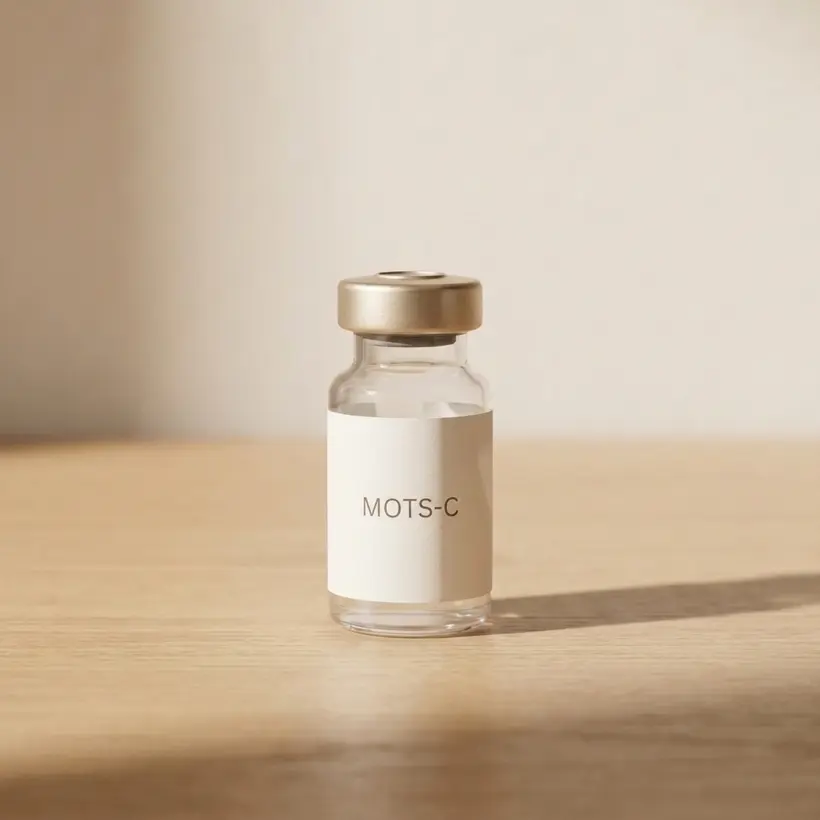
MOTS custom 2026 image for peptide therapy on FormBlends

Custom 2026 image for MOTS, peptide therapy, and better treatment decision-making.

Image description: Unique image for this page covering MOTS, peptide therapy, safety, cost, provider selection, and patient decision-making.

Download the Peptide Quick Reference Card

A printable 2-page reference covering popular peptides, dosing ranges, stacking protocols, and storage.

Free download. We'll also send helpful GLP-1 guides to your inbox. Unsubscribe anytime.

Medical Disclaimer: This content is for informational purposes only and does not constitute medical advice. Always consult a qualified healthcare provider before starting, stopping, or changing any medication or treatment. FormBlends articles are source-checked against medical and regulatory references, but they are not a substitute for a personal medical consultation.

Written by Dr. Rachel Nguyen, DO

Obesity Medicine Specialist. This article was researched against primary regulatory, trial, prescribing, and manufacturer sources where available. Reviewed by Dr. David Kim, MD, FACE for medical accuracy, sourcing, and patient-safety framing.

Ready to get started?

Provider-reviewed GLP-1 and peptide therapy, delivered to your door.

Start Your Consultation

Ready to Start Your Weight Loss Journey?

Get a free medical consultation with a licensed provider. Compounded GLP-1 medications starting at $99/month with free shipping.

Next Best Reads

Free Tools

Provider-informed calculators to support your weight loss journey.