Key Takeaway
What to expect from NAD+ therapy: realistic timelines, common experiences, and what the research says about measurable changes before and after treatment.
Quick Answer: People who undergo NAD+ therapy commonly report improvements in energy levels, mental clarity, mood, and physical endurance. Some effects are noticeable within hours of an IV infusion, while subcutaneous and oral protocols may take days to weeks. Individual responses vary. Controlled long-term human data is still accumulating as of 2026. NAD+ therapy isn't FDA-approved for any medical condition.
What Is NAD+?
NAD+, or NAD nicotinamide adenine dinucleotide, is a coenzyme found in every cell of your body. It's important for converting food into cellular energy, supporting cellular repair, and activating sirtuins. Sirtuins are a family of proteins that regulate aging and stress responses.
NAD+ levels decline significantly with age. This decline has been connected to reduced mitochondrial function, accumulated cellular damage, and many of the physical and cognitive changes associated with aging. The premise of NAD+ therapy is straightforward: restore what time has depleted.
This guide covers what people typically experience before and after starting NAD+ therapy. You'll see what the research shows for measurable changes, how different delivery methods bypass the digestive system, and how to set realistic expectations for your overall health.
Before NAD+ Therapy: Common Starting Points
People who seek out NAD+ therapy often share a common set of concerns. Understanding where you're starting from helps frame what to look for as therapy progresses.
View data table
| Category | Clinical Interest Score | Detail |
|---|---|---|
| BPC-157 | 88 | Tissue repair and gut healing |
| TB-500 | 82 | Injury recovery |
| Sermorelin | 78 | Growth hormone support |
| Ipamorelin | 75 | Anti-aging and recovery |
| GHK-Cu | 70 | Skin and tissue repair |
Common Reasons People Start NAD+ Therapy
- Persistent fatigue: Feeling tired despite adequate sleep, often described as a deeper cellular exhaustion rather than simple sleepiness.
- Brain fog: Difficulty concentrating, slower mental processing, or feeling less sharp than in previous years.
- Reduced physical performance: Decreased endurance, slower recovery from workouts, or a sense that the body doesn't bounce back like it used to.
- Accelerated aging concerns: Noticing age-related changes in skin, energy, sleep quality, or overall resilience.
- Metabolic changes: Weight gain that seems resistant to diet and exercise, or shifts in blood sugar and cholesterol markers.
- Poor sleep quality: Difficulty falling asleep, staying asleep, or waking feeling unrested.
These experiences align with what researchers observe in the context of declining NAD+ levels. Mitochondrial dysfunction, which NAD+ depletion contributes to, can manifest in exactly these ways.
After NAD+ Therapy: What People Report
Anecdotal reports and early clinical data suggest several categories of improvement after NAD+ therapy. Individual experiences vary and these reports don't constitute guaranteed outcomes. The NAD+ before and after pictures and results below reflect common patterns, not guarantees.
From the FormBlends catalog
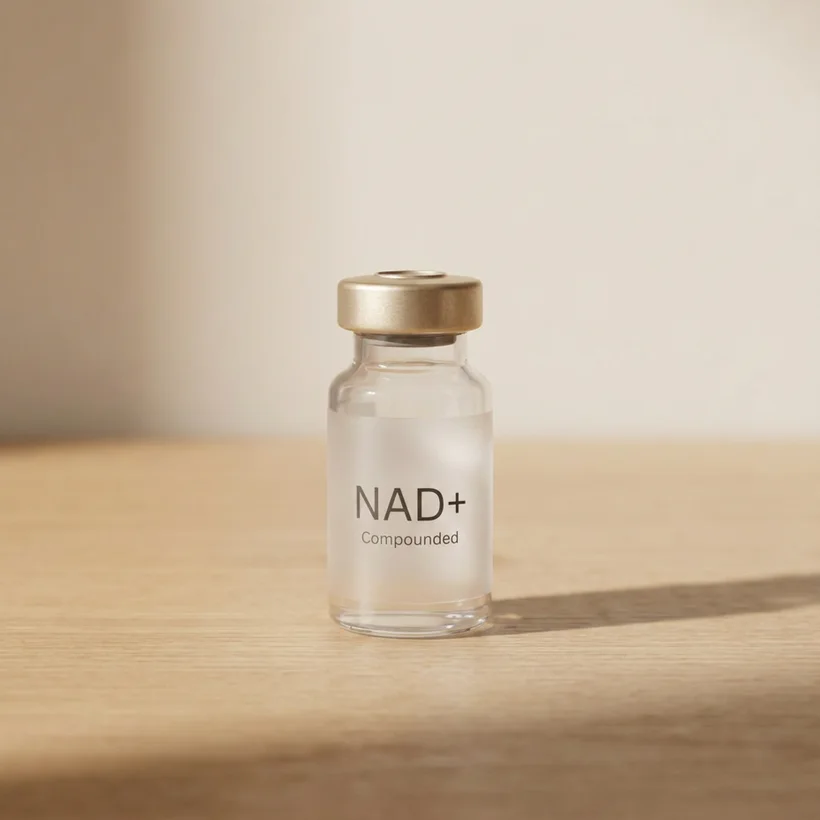
NAD+ Peptide Complex
Restore cellular energy and DNA repair capacity · From $179/mo · compounded by a licensed 503A pharmacy, dispensed only after provider review.
View NAD+ Peptide Complex →Energy Levels and Vitality
Improved energy levels are the most consistently reported change. Many people describe it not as a stimulant-like burst but as a restoration of baseline vitality. They feel more like themselves. Energy sustains through the day rather than peaking and crashing.
With IV infusions, some people notice this shift within hours of their first session. These methods bypass the digestive system for faster absorption. With subcutaneous injections, the change tends to build over the first 1 to 2 weeks. Oral precursors may take 2 to 4 weeks for noticeable effects.
Mental Clarity and Focus
Improved cognitive function is another frequently reported benefit. People describe clearer thinking, better focus, and improved ability to sustain attention on complex tasks. Some report that the "fog" they had grown accustomed to simply lifts.
This aligns with preclinical research showing that NAD+ restoration improves neuronal energy metabolism and reduces neuroinflammation in animal models.
Sleep Quality
Many people report improvements in sleep quality after beginning NAD+ therapy. This may be related to NAD+'s role in regulating circadian rhythm through sirtuin-mediated pathways. SIRT1, activated by NAD+, plays a role in the molecular clock that governs sleep-wake cycles.
Reports include falling asleep more easily, fewer nighttime awakenings, and waking feeling more rested. These changes are typically noticed within the first 1 to 3 weeks.
Physical Performance and Recovery
Athletes and active individuals often report improved workout endurance and faster recovery after starting NAD+ therapy. This is consistent with research showing that NAD+ supports mitochondrial function in skeletal muscle, which directly impacts exercise capacity.
Some people notice reduced muscle soreness, faster return to baseline between training sessions, and improved overall health and physical resilience. Cellular repair processes accelerate when NAD+ levels are restored. These effects are typically observed after 2 to 4 weeks of consistent therapy.
For more on this topic, see our NAD+ for muscle recovery guide.
Mood and Emotional Wellbeing
Some individuals report improvements in mood and overall sense of wellbeing. While NAD+ isn't a treatment for mood disorders, its role in cellular energy production and neurotransmitter metabolism may contribute to a general sense of improved emotional resilience.
Skin and Appearance
Some people report improvements in skin quality, including better hydration, improved texture, and a healthier overall appearance. NAD+ supports DNA repair in skin cells and may influence the cellular processes that contribute to skin aging.
For a deeper look, see our NAD+ for skin health guide.
What the Research Measures
Beyond subjective reports, clinical studies have measured objective changes associated with NAD+ restoration:
Blood NAD+ Levels
Clinical trials have confirmed that both oral precursors and injectable NAD+ effectively raise circulating NAD+ levels in humans. A study of NMN supplementation showed significant increases in blood NAD+ metabolites within weeks of starting treatment.
Insulin Sensitivity
A 2021 clinical trial in postmenopausal women found that NMN supplementation improved skeletal muscle insulin sensitivity, a marker of metabolic health.
Physical Function
Studies in older adults have shown improvements in gait speed, grip strength, and other measures of physical function with NAD+ precursor supplementation, though results have been mixed across different trials.
Vascular Health
A clinical trial of NR demonstrated improvements in blood pressure and aortic stiffness in older adults, suggesting benefits for cardiovascular health.
Realistic Timeline of Changes
Setting appropriate expectations is important. Here is a general timeline based on clinical observations and anecdotal reports:
IV NAD+ Infusion
- During and immediately after: Some people report feeling a noticeable energy shift within hours. Others feel fatigued on the day of infusion and energized the following day.
- After 2 to 4 sessions: Most people report consistent improvements in energy, clarity, and overall wellbeing.
- After loading phase: Transitioning to a maintenance protocol helps sustain benefits.
Subcutaneous NAD+ Injection
- Week 1: Some individuals notice subtle improvements in energy. Others may not feel significant changes yet.
- Weeks 2 to 3: Most people begin noticing consistent improvements in energy and cognitive function.
- Week 4 and beyond: Benefits tend to stabilize and become part of a new baseline.
Oral NAD+ Precursors (NMN, NR)
- Weeks 1 to 2: Minimal noticeable changes for most people.
- Weeks 3 to 4: Gradual improvements in energy and wellbeing begin to emerge.
- Months 2 to 3: Cumulative benefits become more apparent, including potential improvements in measurable biomarkers.
Factors That Affect Your Results
- Starting NAD+ levels: Individuals with more severely depleted NAD+ may notice more dramatic improvements.
- Age: Older individuals, who typically have lower baseline NAD+ levels, may experience more noticeable benefits.
- Delivery method: IV and subcutaneous infusions bypass the digestive system for faster, more bioavailable delivery. Oral routes are effective but work on a different timeline.
- Lifestyle factors: Sleep quality, exercise, diet, and stress management all influence how well NAD+ therapy works. NAD+ supports cellular function, but it works best as part of a thorough health approach.
- Consistency: Regular, consistent dosing produces better results than sporadic use.
Safety and Side Effects
NAD+ therapy has demonstrated a favorable safety profile in clinical studies. Side effects are generally mild and include flushing, nausea, chest tightness (with IV infusion), and injection site discomfort.
For a thorough safety overview, see our NAD+ side effects guide. For dosing information, visit our NAD+ dosage guide.
How FormBlends Can Help
At FormBlends, we help you set realistic expectations and track your progress throughout NAD+ therapy. Our licensed physicians work with you to determine the right approach for your goals and monitor your response over time.
When you work with us, you receive:
- A personalized consultation with a licensed physician
- Pharmaceutical-grade NAD+ from licensed compounding pharmacies
- Ongoing medical supervision with regular check-ins
- Guidance on complementary lifestyle strategies to maximize your results
We believe that informed patients get the best outcomes. Our team is committed to helping you understand what to expect at every stage of therapy.
Frequently Asked Questions About NAD+
How quickly will I feel results from NAD+ therapy?
With IV infusion, some people notice improvements within hours. With subcutaneous injections, most people report consistent benefits within 2 to 3 weeks. Oral precursors typically take 3 to 4 weeks or longer. Individual responses vary.
What is the first thing people notice after starting NAD+?
Improved energy and mental clarity are the most commonly reported initial benefits. Many people describe it as a return to a more youthful baseline rather than a stimulant-like effect.
Will I feel worse before I feel better?
Some people experience mild fatigue or flu-like symptoms during the first day or two of therapy, particularly after IV infusions. This is generally temporary and resolves quickly. If symptoms persist, contact your physician.
How long do the benefits of NAD+ therapy last?
Benefits are maintained with ongoing therapy. If you stop NAD+ supplementation, NAD+ levels will gradually return to their pre-treatment baseline over time. Your physician can help you establish a maintenance protocol.
Can I measure my NAD+ levels before and after therapy?
Some labs offer NAD+ level testing through blood draws. While not yet standard clinical practice, measuring NAD+ levels before and during therapy can help confirm that your protocol is effectively raising your levels. Ask your physician about testing options.
Ready to Learn More?
If you want to explore whether NAD+ therapy could support your health goals, FormBlends can connect you with a licensed physician for a personalized consultation. Our team is here to help you make informed decisions and track your progress.
Disclaimer: This article is for informational purposes only and doesn't constitute medical advice. NAD+ therapy isn't FDA-approved for any medical condition. The experiences described in this article are based on anecdotal reports and early clinical research as of 2026, and may not reflect the results of every individual. Always consult with a licensed healthcare provider before beginning any therapy. Individual results may vary. FormBlends doesn't claim that NAD+ cures, treats, or prevents any disease.
Ready when you are
NAD+ Peptide Complex
Restore cellular energy and DNA repair capacity · From $179/mo · compounded by a licensed 503A pharmacy, dispensed only after provider review.
View NAD+ Peptide Complex →