Key Takeaway
What to realistically expect from TB-500 therapy. Evidence-based timelines, research outcomes, and honest perspectives on before-and-after results.
Quick Answer: TB-500 results vary by individual and condition. Research and clinical observation suggest noticeable improvements in recovery, inflammation, and tissue repair may begin within 2 to 4 weeks, with fuller results emerging over 6 to 12 weeks. Dramatic overnight transformations aren't realistic. Honest expectations, physician supervision, and quality compounds produce the best outcomes.
What Is TB-500?
TB-500 is a synthetic peptide derived from the active segment of Thymosin Beta-4 (TB4), a naturally occurring protein involved in cell migration, tissue repair, angiogenesis, and anti-inflammatory signaling. It works by interacting with actin, a structural protein important for cell movement and wound healing.
Because TB-500 supports repair at the cellular level, its effects tend to be gradual and cumulative rather than immediate. This guide examines what published research, clinical observation, and honest user reporting suggest about the timeline and nature of TB-500 results.
Setting Realistic Expectations
The internet is full of dramatic before-and-after claims for peptides. Before examining timelines and outcomes, it's important to establish some ground rules about what TB-500 can and can't do.

What TB-500 Is Not
- It isn't a painkiller. It doesn't mask symptoms or provide immediate relief.
- It isn't a steroid. It doesn't directly build muscle mass or enhance athletic performance through hormonal pathways.
- It isn't a miracle compound. No single peptide can override genetics, poor recovery habits, or underlying medical conditions that require separate treatment.
What the Research Supports
Published studies on Thymosin Beta-4, primarily in animal models and limited human trials, support the following mechanisms: accelerated tissue repair, reduced inflammatory markers, enhanced blood vessel formation, and improved cell migration to sites of injury. These mechanisms translate to gradual improvements in healing, recovery, and inflammation over weeks, not days.
TB-500 Timeline: What to Expect and When
The following timeline is based on clinical observation and the biological mechanisms documented in published research. Individual results will vary based on the condition being treated, dosing protocol, overall health, and lifestyle factors.
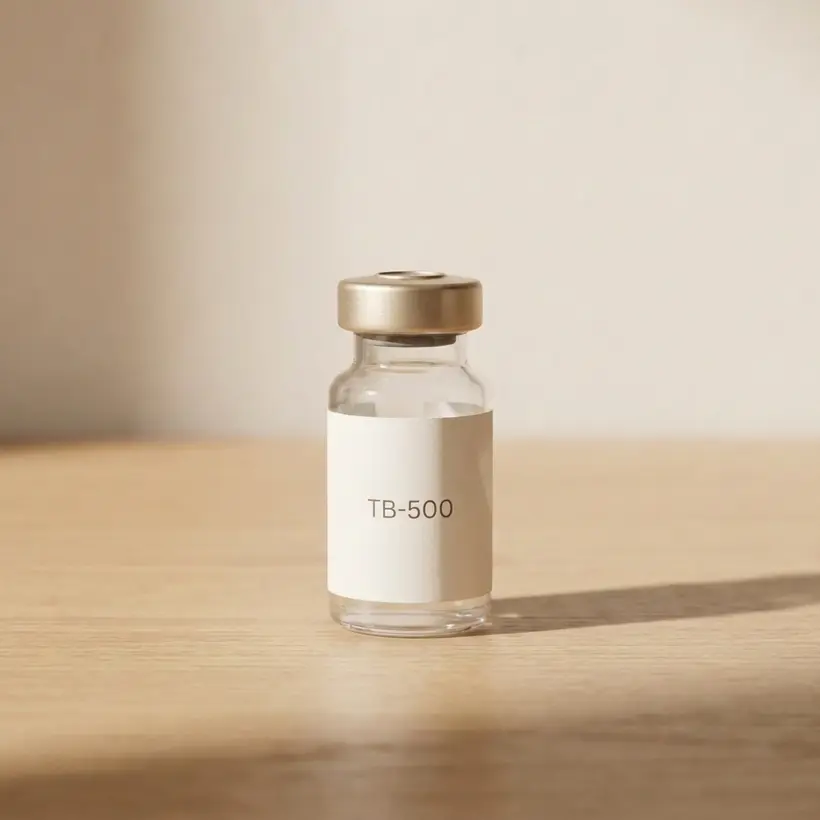
From the FormBlends catalog
TB-500 (Thymosin Beta-4)
Universal repair peptide for tissue regeneration · From $49/mo · compounded by a licensed 503A pharmacy, dispensed only after provider review.
Learn about TB-500 (Thymosin Beta-4) →Week 1 to 2: Initial Phase
During the first one to two weeks of a TB-500 protocol, most users report minimal noticeable changes. This is consistent with the peptide's mechanism of action. TB-500 works by promoting cell migration and initiating repair cascades, processes that take time to produce observable results.
What you may notice:
- Mild fatigue or lethargy after injections (common and usually transient)
- Slight changes in sleep quality (reported by some users, not established in research)
- No significant change in pain levels, flexibility, or visible healing
This period represents the beginning of the loading phase, where tissue-level peptide concentrations are building.
Week 2 to 4: Early Response
By weeks two to four, the biological effects of TB-500 begin to become measurable in many users. This aligns with the timelines observed in animal wound-healing studies, where accelerated tissue repair was evident within two to three weeks of treatment (Philp et al., 2004, FASEB Journal).
What you may notice:
- Reduced stiffness, particularly in the morning or after periods of inactivity
- Mild improvement in range of motion around injured joints or tendons
- Faster recovery between workouts or physical activity
- Decreased intensity of chronic low-level pain
Week 4 to 8: Primary Response Window
Weeks four through eight typically represent the period of most noticeable change. The loading phase is complete or nearing completion, tissue concentrations are at their highest, and the cumulative effects of enhanced repair and reduced inflammation become more apparent.
What you may notice:
- Significant improvement in recovery from physical activity
- Reduced inflammation in previously problematic joints or soft tissues
- Improved flexibility and mobility
- Visible improvement in wound healing or skin quality (in those using TB-500 for these purposes)
- Better exercise tolerance
Week 8 to 12: Maintenance and Consolidation
By this stage, users have typically transitioned to a maintenance dosing schedule. The gains achieved during the loading phase are sustained and may continue to improve incrementally.
What you may notice:
- Stabilization of improvements
- Continued gradual healing of longer-term injuries
- Sustained reduction in inflammatory symptoms
What the Research Shows: Before and After in Studies
While human before-and-after data specific to TB-500 is limited, research on Thymosin Beta-4 provides insight into measurable outcomes.
Wound Healing
In animal studies, dermal wounds treated with TB4 showed accelerated closure compared to untreated controls. Philp et al. (2004) documented faster re-epithelialization and reduced scar formation in TB4-treated mice, with statistically significant differences apparent by day 7 post-injury. A human Phase II trial of topical TB4 (RGN-259) for corneal wounds showed improved healing times compared to placebo (Dunn et al., 2010).
Cardiac Repair
Bock-Marquette et al. (2004, Nature) demonstrated that mice treated with TB4 after induced heart attacks showed reduced fibrotic scarring and improved cardiac function compared to untreated animals. The "before" state was acute cardiac damage. the "after" was measurably better tissue repair and reduced scar burden.
Tendon Recovery
Xu et al. (2016, Journal of Orthopaedic Research) found improved biomechanical properties in rat Achilles tendons treated with TB4 compared to controls, with improvements in tensile strength and structural organization evident at the study endpoint.
Important Context
These studies used controlled conditions, standardized injury models, and precise measurements. Human experiences are more variable. Genetics, age, nutrition, sleep, stress, and the severity of the condition being treated all influence outcomes.
Factors That Influence Your Results
Severity and Chronicity of the Condition
Acute injuries with clear tissue damage may respond more quickly than chronic, degenerative conditions. A recent muscle strain may improve noticeably within weeks, while years-old tendinopathy may require longer treatment and produce more modest results.
Dosing Protocol
Adequate loading-phase dosing builds the tissue concentrations needed for measurable effect. Underdosing or inconsistent administration may delay or reduce results.
Lifestyle and Recovery Practices
TB-500 supports the body's existing repair mechanisms. It doesn't replace sleep, nutrition, or appropriate rest. Individuals who maintain good recovery practices (adequate protein intake, quality sleep, managed training loads) tend to report better outcomes.
Age
Tissue repair slows with age. Older individuals may experience slower onset of benefits, though the peptide's mechanism remains relevant across age groups.
Peptide Quality
Pharmacy-grade TB-500 from a licensed compounding pharmacy isn't the same as an unverified product purchased online. Degraded, underdosed, or contaminated peptides may produce no results or adverse effects. Quality is a non-negotiable factor in outcomes.
How to Track Your Progress
Because TB-500 effects are gradual, many users find it helpful to track their progress systematically. Consider documenting:
- Pain levels: Use a simple 1-to-10 scale daily or weekly.
- Range of motion: Note improvements in flexibility or mobility of affected joints.
- Recovery time: Track how long it takes to recover from workouts or physical activity.
- Sleep quality: Some users report changes in sleep during peptide therapy.
- Photos: For wound healing or skin-related applications, standardized photos at regular intervals provide visual documentation.
- Functional markers: Can you perform movements or activities that were previously limited? Note specific improvements.
Sharing this data with your physician allows for informed protocol adjustments.
Red Flags: When Results Suggest a Problem
Not all changes are positive. Contact your physician if you experience:
- New or worsening pain at a site unrelated to your original condition
- Persistent headaches that don't resolve with hydration and dose adjustments
- Signs of infection at the injection site (increasing redness, warmth, swelling, discharge)
- Unusual fatigue that doesn't improve after the first two weeks
- No noticeable improvement after 6 to 8 weeks of consistent, properly dosed therapy
Safety Considerations
TB-500 has demonstrated a generally favorable safety profile in published studies. Common side effects are mild and include temporary fatigue, headache, and injection-site reactions. However:
- TB-500 isn't FDA-approved for any medical condition.
- Long-term human safety data is limited.
- Individuals with active cancer, a history of cancer, or who are pregnant or breastfeeding shouldn't use TB-500.
- Physician supervision is important for monitoring both safety and efficacy throughout your protocol.
How FormBlends Can Help
Before-and-after outcomes depend on three things: the right compound, the right protocol, and the right oversight. FormBlends delivers all three.
- Physician-designed protocols: Your dosing, timing, and cycle length are customized by a licensed provider who reviews your health history and goals.
- Pharmacy-grade peptides: Compounds are sourced from licensed pharmacies with verified potency and purity, eliminating the quality variable.
- Progress monitoring: Your provider tracks your results and adjusts your protocol to improve outcomes.
- Honest guidance: FormBlends physicians set realistic expectations from the start, so you know what to look for and when.
Frequently Asked Questions
Will I see results in the first week of TB-500?
Significant visible or functional results within the first week are unlikely. TB-500 works by promoting cellular repair processes that take time. Most users report the earliest noticeable improvements around weeks two to four, with more meaningful results by weeks four to eight.
Do TB-500 results last after stopping the peptide?
Because TB-500 promotes actual tissue repair rather than masking symptoms, benefits from healed tissue can persist after completing a cycle. But chronic conditions may require periodic maintenance cycles. Your physician will advise on long-term planning.
Can I combine TB-500 with other therapies for better results?
Some practitioners combine TB-500 with BPC-157, physical therapy, or other recovery modalities. Combination approaches should only be designed by a physician who can account for interactions and ensure appropriate dosing.
Why do some people report no results from TB-500?
Non-response can result from several factors: underdosing, low-quality peptides, unrealistic expectations, insufficient treatment duration, or a condition that isn't responsive to TB-500's mechanism of action. If you aren't seeing results after 6 to 8 weeks of a properly supervised protocol, discuss alternative approaches with your physician.
Medical References
- Goldstein AL, Hannappel E, Sosne G, Kleinman HK. Thymosin beta4: a multi-functional regenerative peptide. Basic properties and clinical applications. Expert Opin Biol Ther. 2012;12(1):37-51. [PubMed | DOI]
See What TB-500 Can Do for You
Results start with the right protocol. FormBlends physicians design personalized TB-500 programs with realistic timelines and ongoing support. Start your consultation at FormBlends.com.
Disclaimer: This article is for informational purposes only and doesn't constitute medical advice. TB-500 isn't FDA-approved for any medical condition. Before-and-after outcomes described here are based on published research, clinical observation, and general user reporting. Individual results vary significantly. Always consult a qualified healthcare provider before starting any new therapy. FormBlends provides physician-supervised telehealth services. all treatment decisions are made by licensed medical providers.
Ready when you are
TB-500 (Thymosin Beta-4)
Universal repair peptide for tissue regeneration · From $49/mo · compounded by a licensed 503A pharmacy, dispensed only after provider review.
Learn about TB-500 (Thymosin Beta-4) →