Key Takeaway
If you've been dealing with slow recovery, nagging injuries, or stubborn inflammation, you may have come across the TB-500 peptide in your research. It's one of the most talked-about peptides in the recovery and healing space (and for good reason.
If you've been dealing with slow recovery, nagging injuries, or stubborn inflammation, you may have come across the TB-500 peptide in your research. It's one of the most talked-about peptides in the recovery and healing space (and for good reason.
Key Takeaways: - Understand what is tb-500 and how does it work - Who May Benefit from TB-500 Therapy - Understand what to expect when starting tb-500 - TB-500 Safety and What the Research Shows
TB-500 is a synthetic version of a naturally occurring peptide called Thymosin Beta-4. Your body already makes this protein. It matters in tissue repair, cell migration, and reducing inflammation. The synthetic form allows providers to prescribe it at therapeutic doses that may support faster healing.
In this guide, we'll break down what TB-500 is, how it works in your body, what the research says, and how to get started safely through a licensed provider.
What Is TB-500 and How Does It Work?
TB-500 is a synthetic fragment of Thymosin Beta-4 (TB4), a 43-amino-acid protein found in nearly every human cell. Your thymus gland produces it naturally, and it's especially concentrated in wound fluid, blood platelets, and areas of active tissue repair.
When TB-500 is administered, it may promote several biological processes. First, it upregulates a protein called actin. Actin is important for cell structure and movement. When cells can move more freely, they can reach damaged tissue faster.
"Compounding pharmacies serve a critical role in healthcare, but patients need to understand the difference between a properly regulated 503B facility and an unregulated operation. Ask about PCAB accreditation and third-party testing.") Dr. Scott Brunner, PharmD, Alliance for Pharmacy Compounding
Second, TB-500 has been shown in preclinical studies to promote angiogenesis (the formation of new blood vessels. More blood flow to an injured area means more oxygen and nutrients for healing. Studies published in the Annals of the New York Academy of Sciences have explored Thymosin Beta-4's role in wound healing and cardiac repair.
Third, TB-500 may help reduce inflammatory markers in damaged tissue. This doesn't just mask pain) it may address the underlying inflammatory process that slows recovery.
While animal studies and early clinical research are promising, large-scale human clinical trials are still limited. Your provider can help you understand what the current evidence supports for your specific situation.
Who May Benefit from TB-500 Therapy?
TB-500 is prescribed by licensed providers for a range of recovery-related concerns. While individual results vary, here are some of the most common use cases.

Athletes and active individuals often seek TB-500 for muscle strains, ligament issues, and general recovery support. If you push your body hard in the gym or on the field, the wear and tear adds up. TB-500 may help support your body's natural repair processes between training sessions.
People with chronic joint discomfort are another group that may benefit. Conditions involving ongoing inflammation in the knees, shoulders, or elbows can be frustrating to manage. Some providers prescribe TB-500 as part of a broader recovery protocol for these concerns.
Post-surgical recovery is another area of interest. Some providers include TB-500 in recovery plans after soft tissue procedures. The goal is to support the body's healing response during a critical recovery window.
Free Download: Peptide Protocol Planner (12-Week) Map out your entire TB-500 protocol with dosing schedules, tracking logs, and milestone checkpoints. Get yours free (we'll email it to you instantly. [Download Your Free Protocol Planner]
People dealing with skin healing concerns may also discuss TB-500 with their provider. Thymosin Beta-4 has been studied for its role in dermal repair, and some providers include it in protocols for supporting skin recovery.
If you're not sure whether TB-500 is appropriate for your situation, the best step is a consultation with a licensed provider who can review your health history. FormBlends connects you with providers experienced in peptide therapy.
What to Expect When Starting TB-500
Starting any new peptide protocol can feel overwhelming. Here's a general overview of what the process looks like.
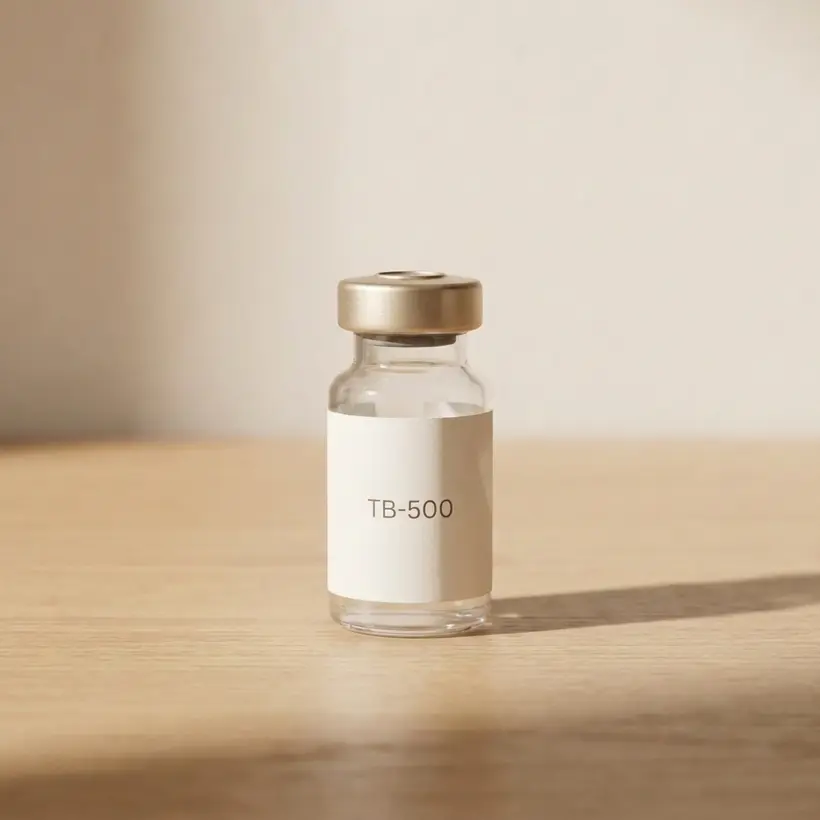
From the FormBlends catalog
TB-500 (Thymosin Beta-4)
Universal repair peptide for tissue regeneration · From $49/mo · compounded by a licensed 503A pharmacy, dispensed only after provider review.
Learn about TB-500 (Thymosin Beta-4) →Consultation comes first. A licensed provider reviews your health history, current medications, and goals. They determine whether TB-500 is appropriate for you and create a personalized protocol. This isn't a one-size-fits-all medication) your provider tailors the approach to your body.
TB-500 is typically administered via subcutaneous injection. This means a small needle just under the skin, usually in the abdomen or thigh. Most people find it manageable after the first couple of times. Your provider or pharmacy will give you detailed instructions.
Protocol length varies. Many providers prescribe an initial loading phase followed by a maintenance phase. A typical protocol might run 8 to 12 weeks, though your provider will adjust based on your response. You can track your protocol and log doses using the , which makes it easy to stay on schedule.
Results are gradual. TB-500 isn't a magic bullet. Most people report noticing changes over weeks, not days. Keeping a journal or using a tracking app helps you spot patterns and progress that you might otherwise miss.
Follow-up matters. Your provider will want to check in on your progress and adjust your protocol if needed. This is one of the advantages of working with a telehealth platform like FormBlends (follow-ups are convenient and built into the process.
TB-500 Safety and What the Research Shows
Safety is understandably a top concern when considering any peptide therapy. Here's what you should know.
TB-500 is a synthetic version of a protein your body already produces. It's prescribed by licensed providers and prepared by licensed US-based 503A compounding pharmacies. This isn't a research chemical purchased from an unregulated source) it's a prescribed medication with pharmacy-level quality controls.
Common side effects reported in the literature and clinical use are generally mild. Some people experience temporary redness or irritation at the injection site. A small number report mild headaches or lightheadedness, which typically resolve quickly. Serious adverse events are rare in the published literature, but as with any medication, individual responses can vary.
Preclinical research on Thymosin Beta-4 has been published in peer-reviewed journals spanning cardiology, dermatology, and sports medicine. The peptide has been studied for its effects on cardiac tissue after injury, corneal healing, and musculoskeletal repair. While these studies are encouraging, it's important to set realistic expectations based on current evidence.
Your provider will review any contraindications specific to your health profile. If you have a history of certain conditions, TB-500 may not be appropriate. This is exactly why working with a licensed provider (rather than self-prescribing) matters.
You can learn more about how TB-500 compares to other recovery peptides in our . For general peptide preparation questions, check out our .
Frequently Asked Questions
What is TB-500 used for?
TB-500 is prescribed by licensed providers to support tissue repair, reduce inflammation, and promote recovery. Common use cases include muscle recovery, joint discomfort, and post-injury healing support. It isn't a cure for any condition (it's a tool that may support your body's natural repair processes.
How long does it take for TB-500 to work?
Most people begin to notice changes within 2 to 4 weeks, though individual results vary. Recovery peptides work gradually by supporting biological processes rather than masking symptoms. Tracking your progress with the can help you identify improvements over time.
Is TB-500 safe?
TB-500 is a synthetic version of a naturally occurring protein in your body. When prescribed by a licensed provider and prepared by a 503A compounding pharmacy, it's administered under medical supervision with appropriate quality controls. Side effects are generally mild, but your provider will evaluate your individual health profile before prescribing.
Do I need a prescription for TB-500?
Yes. TB-500 is a prescription peptide that must be prescribed by a licensed healthcare provider. FormBlends connects you with licensed providers who specialize in peptide therapy and can evaluate whether TB-500 is right for you.
Can I use TB-500 with BPC-157?
Many providers prescribe TB-500 alongside in what's commonly called a "stacking" protocol. The two peptides may complement each other through different mechanisms. Your provider will determine whether a combined approach is appropriate for your situation.
Ready to Take the Next Step?
Your health outcomes is personal) and you deserve a plan that fits. FormBlends connects you with licensed providers who can evaluate your needs and create a personalized protocol.
Medical References
- Goldstein AL, Hannappel E, Sosne G, Kleinman HK. Thymosin beta4: a multi-functional regenerative peptide. Basic properties and clinical applications. Expert Opin Biol Ther. 2012;12(1):37-51. [PubMed | DOI]
Sources &. References
- Bock-Marquette I, Saxena A, White MD, et al. Thymosin beta4 activates integrin-linked kinase and promotes cardiac cell migration, survival and cardiac repair. Nature. 2004;432(7016):466-472. Doi:10.1038/nature03000
- Malinda KM, Sidhu GS, Mani H, et al. Thymosin beta4 accelerates wound healing. J Invest Dermatol. 1999;113(3):364-368. Doi:10.1046/j.1523-1747.1999.00708.x
This article is for educational purposes only and doesn't constitute medical advice. Always consult with a licensed healthcare provider before starting, changing, or stopping any medication or supplement. FormBlends connects you with licensed providers who can evaluate your individual health needs.
Last updated: 2026-03-24
Ready when you are
TB-500 (Thymosin Beta-4)
Universal repair peptide for tissue regeneration · From $49/mo · compounded by a licensed 503A pharmacy, dispensed only after provider review.
Learn about TB-500 (Thymosin Beta-4) →