Key Takeaway
Learn how TB-500 may help with brain fog through its neuroprotective, anti-inflammatory, and blood flow-enhancing properties. Complete guide to peptide therapy for cognitive clarity.
TB-500 for brain fog addresses the condition at its biological roots by reducing neuroinflammation, improving cerebral blood flow, and supporting neuronal repair, making it a compelling peptide for people struggling with persistent mental cloudiness and cognitive fatigue. While brain fog isn't a medical diagnosis on its own, it represents a real and frustrating experience that can significantly impact daily functioning.
How Brain Fog
Brain fog is a colloquial term for a cluster of cognitive symptoms including difficulty concentrating, poor memory recall, mental fatigue, sluggish thinking, and a general feeling of cognitive "haziness." It can be caused by many underlying factors:
- Chronic inflammation
- Poor sleep quality
- Hormonal imbalances
- Gut health issues (the gut-brain axis)
- Nutritional deficiencies
- Chronic stress
- Post-viral syndromes (including long COVID)
- Autoimmune conditions
- Reduced cerebral blood flow
Many of these underlying causes involve inflammation, impaired blood flow, or tissue damage, all areas where TB-500 has demonstrated therapeutic potential.
What Is TB-500?
TB-500 is a synthetic peptide based on Thymosin Beta-4, a protein naturally produced throughout the body. Thymosin Beta-4 is involved in tissue repair, inflammation modulation, blood vessel formation, and cellular protection. TB-500 captures the active portion of this protein in a therapeutic format.

How TB-500 May Help Brain Fog
Reducing Neuroinflammation
Neuroinflammation, or inflammation within the brain and nervous system, is increasingly recognized as a primary driver of brain fog. When the brain's immune cells (microglia) become overactivated, they release inflammatory molecules that interfere with neuronal signaling and synaptic function.
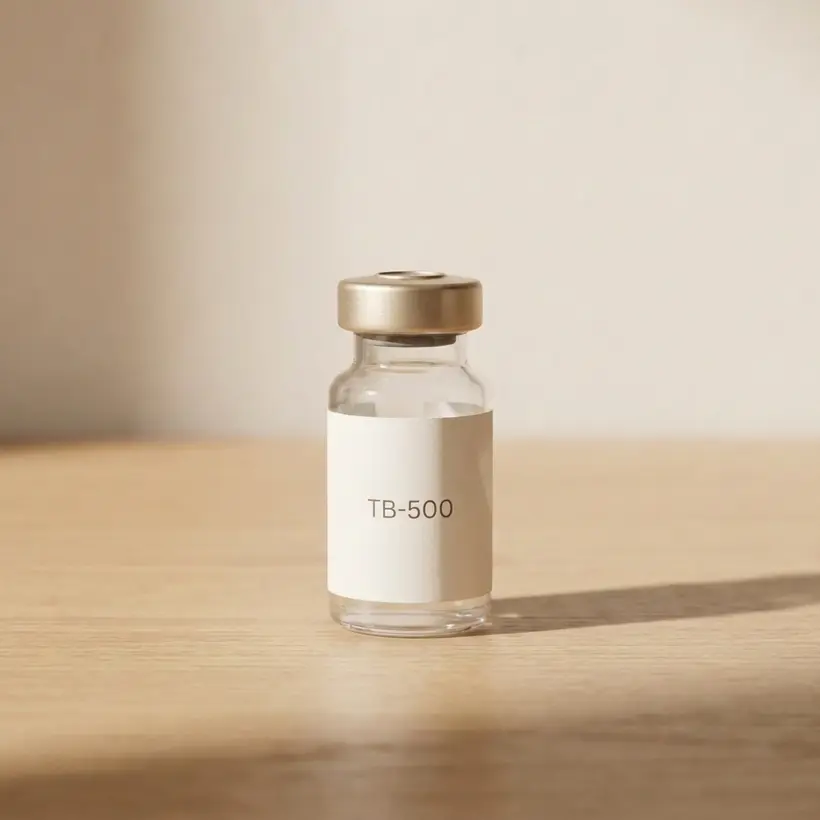
From the FormBlends catalog
TB-500 (Thymosin Beta-4)
Universal repair peptide for tissue regeneration · From $49/mo · compounded by a licensed 503A pharmacy, dispensed only after provider review.
Learn about TB-500 (Thymosin Beta-4) →Thymosin Beta-4 has demonstrated the ability to reduce microglial activation and lower levels of pro-inflammatory cytokines in brain tissue. Animal studies have shown that treatment with Thymosin Beta-4 after brain injury resulted in reduced neuroinflammation and improved cognitive outcomes.
Improving Cerebral Blood Flow
TB-500 is one of the most potent pro-angiogenic peptides studied, meaning it promotes the growth of new blood vessels. In the context of brain fog, this is relevant because compromised cerebral blood flow can deprive neurons of oxygen and glucose, leading to the sluggish cognitive performance that characterizes brain fog.
By supporting the development and repair of the brain's vascular network, TB-500 may help ensure that neurons receive adequate blood supply for optimal function.
Supporting Neuronal Repair
Thymosin Beta-4 has been shown to promote the survival and repair of neurons after injury. It supports remyelination, the process of rebuilding the protective myelin sheaths that insulate nerve fibers and allow for fast, efficient signal transmission . Damaged myelin is associated with slowed cognitive processing, which is a core feature of brain fog.
Modulating the Gut-Brain Axis
An emerging area of interest is TB-500's potential influence on the gut-brain axis. Because Thymosin Beta-4 is active throughout the body, including the gastrointestinal tract, its anti-inflammatory and tissue-repair effects in the gut may indirectly benefit brain function. Gut inflammation is a recognized contributor to neuroinflammation and brain fog.
Research Evidence
While no clinical trials have specifically studied TB-500 for brain fog, related research provides a foundation for understanding its potential:
| Study Focus | Key Finding | Relevance to Brain Fog |
|---|---|---|
| Traumatic brain injury (animal model) | Thymosin Beta-4 improved cognitive function and reduced brain inflammation after TBI | Demonstrates neuroprotective and cognitive benefits |
| Multiple sclerosis model | Promoted remyelination and improved neurological outcomes | Myelin repair supports faster neural processing |
| Stroke recovery (animal model) | Improved neurological recovery and new blood vessel formation in brain | Enhanced cerebral blood flow supports cognition |
| Neuroinflammation model | Reduced microglial activation and pro-inflammatory cytokines | Addresses a primary cause of brain fog |
Dosing TB-500 for Brain Fog
Because brain fog-specific dosing protocols haven't been established, practitioners typically follow standard TB-500 dosing guidelines:
Loading Phase (Weeks 1-4)
- Dose: 2-2.5 mg subcutaneously, twice per week
- Purpose: Establish therapeutic levels
Maintenance Phase (Weeks 5-8 or longer)
- Dose: 2 mg once per week or every two weeks
- Purpose: Maintain benefits at a lower frequency
Cognitive improvements may take several weeks to become noticeable, as the underlying processes (reduced inflammation, improved blood flow, neuronal repair) unfold gradually. Many people report initial improvements in mental clarity during weeks 3-5 of their protocol.
What to Expect
Weeks 1-2
Most people don't notice significant cognitive changes in the first two weeks. You may notice improvements in other areas first, such as reduced joint pain or better sleep, both of which can indirectly support cognitive function.
Weeks 3-5
This is when many users begin to report improved mental clarity, better focus, and reduced "fogginess." Energy levels may also improve, which contributes to cognitive function.
Weeks 6-8
By this point, the anti-inflammatory and repair processes are well established. Many people report sustained cognitive improvements that persist throughout the remainder of their cycle and often continue during the rest period.
Complementary Strategies for Brain Fog
TB-500 works best as part of a thorough approach to addressing brain fog:
- Sleep improvement: Prioritize 7-9 hours of quality sleep. Poor sleep is the most common and addressable cause of brain fog
- Anti-inflammatory nutrition: Focus on whole foods, omega-3 fatty acids, colorful vegetables, and adequate protein. Reduce processed foods and refined sugars
- Hydration: Even mild dehydration impairs cognitive function
- Exercise: Regular physical activity improves cerebral blood flow and reduces inflammation
- Stress management: Chronic stress improves cortisol, which directly impairs cognitive function and promotes neuroinflammation
- Gut health: Consider BPC-157 for gut healing if digestive issues accompany your brain fog
Who Might Benefit Most
- People experiencing brain fog related to chronic inflammation
- Individuals recovering from viral illness or dealing with post-viral cognitive symptoms
- Those with brain fog associated with autoimmune conditions
- People who haven't responded adequately to lifestyle interventions alone
- Individuals already using TB-500 for other purposes who want to assess cognitive benefits
Frequently Asked Questions
Can TB-500 replace my existing brain fog treatments?
TB-500 should be considered as a complementary approach, not a replacement for existing treatments. Work with your physician to determine how TB-500 fits into your overall treatment plan. Underlying causes of brain fog (thyroid issues, sleep apnea, nutrient deficiencies) should still be addressed directly.
How long should I use TB-500 for brain fog?
A typical initial trial is 8-12 weeks, which allows enough time to assess whether the peptide is contributing to cognitive improvement. Your FormBlends physician can help determine the optimal duration based on your response.
Are there side effects that could worsen brain fog?
TB-500 side effects are generally mild (injection site irritation, occasional headache, mild nausea). Headache is the most relevant concern, as it could temporarily worsen the brain fog experience. If this occurs, it typically resolves within the first week.
Can I combine TB-500 with nootropics?
Many people use TB-500 alongside nootropic supplements. There are no well-documented interactions, but you should inform your physician about all supplements you're taking to ensure safe combination therapy.
Is TB-500 for brain fog backed by strong evidence?
The evidence is indirect but biologically plausible. The neuroprotective, anti-inflammatory, and pro-angiogenic effects of Thymosin Beta-4 are well-documented in preclinical research. Direct clinical trials for TB-500 and brain fog haven't been conducted, so the evidence is based on mechanism of action rather than direct clinical proof.
Medical References
- Goldstein AL, Hannappel E, Sosne G, Kleinman HK. Thymosin beta4: a multi-functional regenerative peptide. Basic properties and clinical applications. Expert Opin Biol Ther. 2012;12(1):37-51. [PubMed | DOI]
Clear Your Mind with FormBlends Peptide Therapy
If brain fog is affecting your quality of life, FormBlends can help you explore peptide therapy as part of a thorough approach. Our physician-supervised telehealth platform connects you with medical professionals experienced in peptide protocols who can evaluate your symptoms, rule out underlying causes, and design a personalized treatment plan. Take the first step toward mental clarity and connect with a FormBlends physician today.
Ready when you are
TB-500 (Thymosin Beta-4)
Universal repair peptide for tissue regeneration · From $49/mo · compounded by a licensed 503A pharmacy, dispensed only after provider review.
Learn about TB-500 (Thymosin Beta-4) →