Key Takeaway
The cardioprotective potential of TB-500 is one of the most exciting areas of peptide research. This TB-500 cardioprotective resource covers the important information you need to make informed decisions.
The cardioprotective potential of TB-500 is one of the most exciting areas of peptide research. This TB-500 cardioprotective resource covers the important information you need to make informed decisions. Thymosin Beta-4, the parent molecule of TB-500, has shown remarkable heart-protective properties in preclinical studies. While human clinical trials are still in progress, the existing evidence paints a compelling picture.
Key Takeaways: - Understand what research shows about tb-500 and the heart - Current State of Cardiac Research - Learn how tb-500 may support general cardiovascular health - Important Considerations and Cautions
This guide covers what we know, what we don't know, and what the research suggests about TB-500 and cardiovascular health.
What Research Shows About TB-500 and the Heart
The heart has limited regenerative capacity. When cardiac tissue is damaged by a heart attack or chronic disease, the body typically replaces it with scar tissue. That scar tissue doesn't contract or function like healthy heart muscle.
Thymosin Beta-4 research has shown potential to change this equation in several ways:
Reduced infarct size. Animal studies demonstrated that Thymosin Beta-4 treatment after a simulated heart attack reduced the area of damaged tissue. The hearts treated with the peptide retained more functional tissue compared to untreated controls.
Activation of cardiac progenitor cells. Perhaps most remarkably, Thymosin Beta-4 appears to activate a population of dormant progenitor cells in the heart called epicardium-derived progenitor cells. These cells may differentiate into new heart muscle cells, blood vessel cells, and smooth muscle cells.
Improved blood vessel formation. TB-500 promotes angiogenesis throughout the body, including in cardiac tissue. New blood vessels improve oxygen and nutrient delivery to the heart, which supports both prevention and recovery.
"Compounding pharmacies serve a critical role in healthcare, but patients need to understand the difference between a properly regulated 503B facility and an unregulated operation. Ask about PCAB accreditation and third-party testing.") Dr. Scott Brunner, PharmD, Alliance for Pharmacy Compounding
Anti-inflammatory effects. Chronic inflammation damages blood vessels and contributes to atherosclerosis. TB-500's anti-inflammatory properties may help protect vascular health.
Anti-fibrotic potential. Some research suggests Thymosin Beta-4 may reduce the formation of fibrotic scar tissue in the heart, potentially preserving more functional cardiac tissue after injury.
It's critical to note that most of this evidence comes from animal models. Human clinical trials are underway but not yet conclusive. TB-500 shouldn't be considered a treatment for heart disease.
Learn about for additional context.
Current State of Cardiac Research
Several research institutions have investigated Thymosin Beta-4 for cardiac applications. Here is a summary of the market.
View data table
| Category | Clinical Interest Score | Detail |
|---|---|---|
| BPC-157 | 88 | Tissue repair and gut healing |
| TB-500 | 82 | Injury recovery |
| Sermorelin | 78 | Growth hormone support |
| Ipamorelin | 75 | Anti-aging and recovery |
| GHK-Cu | 70 | Skin and tissue repair |
Free Download: Protocol Planner Track your TB-500 protocol with structured timelines and progress markers. Get yours free (we'll email it to you instantly. [Download Your Free Protocol Planner]
Preclinical studies (animal models): Multiple research groups have demonstrated cardioprotective effects in mice and other animal models. These studies consistently show reduced heart damage, improved cardiac function, and activation of cardiac progenitor cells with Thymosin Beta-4 treatment.
Early human studies: RegeneRx Biopharmaceuticals has conducted early-phase clinical trials investigating Thymosin Beta-4 (under the trade name RGN-352) for cardiac applications. These studies have primarily focused on safety and preliminary efficacy signals.
What we can say: - The preclinical evidence is encouraging and consistent - TB-500 appears to support multiple aspects of cardiovascular health - Safety profiles in human studies have been favorable - The peptide may offer protective benefits even in the absence of acute cardiac events
What we can't say: - TB-500 is a proven treatment for heart disease - It can replace standard cardiac medications - Specific dosing protocols for cardiac protection have been established - Long-term cardiovascular outcomes with TB-500 use are known
This is an area where honest humility about the evidence is important. The science is promising but not yet definitive for human cardiac applications.
How TB-500 May Support General Cardiovascular Health
Beyond acute cardiac repair, TB-500 may contribute to cardiovascular health through several indirect mechanisms that apply to the general population.
From the FormBlends catalog
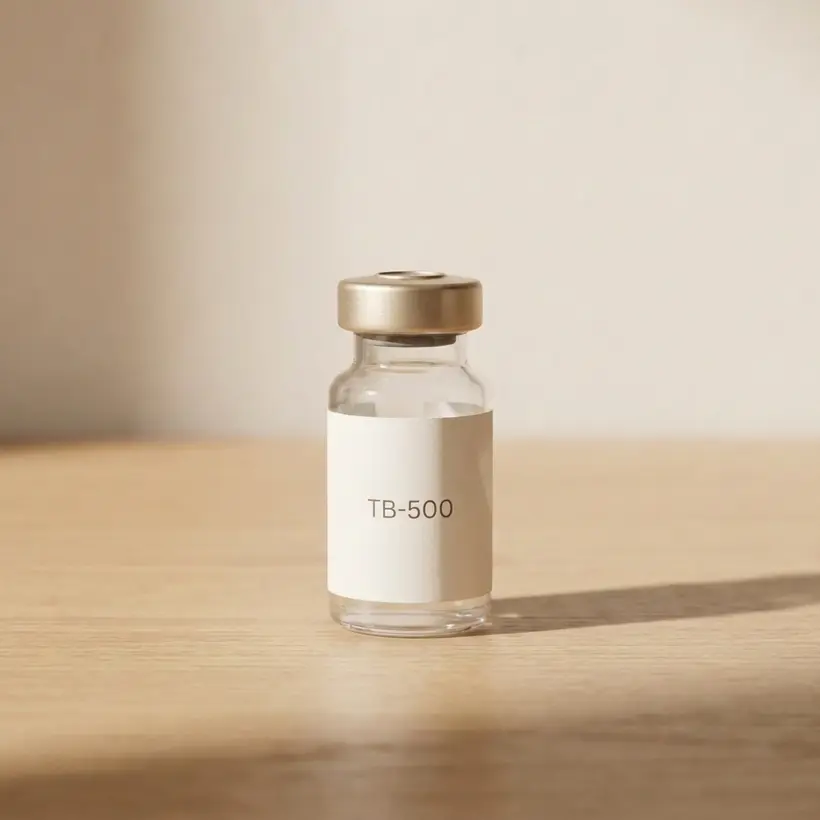
TB-500 (Thymosin Beta-4)
Universal repair peptide for tissue regeneration · From $49/mo · compounded by a licensed 503A pharmacy, dispensed only after provider review.
Learn about TB-500 (Thymosin Beta-4) →Vascular health. TB-500 promotes the growth and health of blood vessels. Healthy vasculature means better blood flow, lower blood pressure potential, and reduced risk of vascular events.
Inflammation reduction. Chronic low-grade inflammation is a major driver of cardiovascular disease. TB-500's anti-inflammatory properties may help reduce this risk factor, particularly in people with inflammatory conditions.
Exercise recovery. Better recovery from exercise means more consistent training, which is one of the strongest protective factors for heart health. TB-500 may support more consistent cardiovascular exercise by reducing recovery time.
Tissue resilience. By supporting overall tissue repair and cell health, TB-500 may contribute to more resilient cardiovascular tissue that can better withstand stress.
These are general wellness considerations, not specific cardiac treatments. Anyone with known heart disease should work with their cardiologist and to determine whether TB-500 is appropriate as a complementary therapy.
Track your health metrics alongside your peptide protocol in the .
Important Considerations and Cautions
TB-500 isn't a cardiac medication. It should never replace prescribed heart medications, statins, blood pressure drugs, or any other cardiovascular treatments. If you have heart disease, maintain all treatments prescribed by your cardiologist.
Discuss with your cardiologist. If you're interested in TB-500 for cardiovascular support, bring it up with your heart specialist. They need to know about any peptides you're using or considering.
Don't self-prescribe. The temptation to self-treat cardiac concerns with peptides is dangerous. Heart disease requires professional medical management. TB-500 should only be used under the supervision of a licensed provider.
Monitor appropriately. If you're using TB-500 and have cardiovascular concerns, regular check-ups including blood pressure monitoring, lipid panels, and cardiac assessments are important.
Lifestyle remains foundational. No peptide replaces the cardiovascular benefits of regular exercise, healthy nutrition, adequate sleep, stress management, and not smoking. These lifestyle factors are proven to reduce cardiac risk. TB-500 may complement these efforts but can't replace them.
Read about if you're exploring both treatments.
Frequently Asked Questions
Can TB-500 lower blood pressure?
There's no direct evidence that TB-500 lowers blood pressure in humans. Its vascular support and anti-inflammatory properties may contribute to vascular health over time, but it shouldn't be used as a blood pressure medication.
Is TB-500 safe for people with heart conditions?
This question must be answered by your cardiologist on an individual basis. While TB-500 has a favorable safety profile in available research, people with active heart conditions require careful medical evaluation before starting any new therapy.
Can I take TB-500 with my heart medications?
There are no widely documented interactions between TB-500 and common cardiac medications. But always inform both your cardiologist and your peptide-prescribing provider about all medications you take. Drug interaction data for TB-500 is limited.
How long would I need to take TB-500 for cardiovascular benefits?
This hasn't been established in clinical trials. Standard TB-500 protocols of 8-16 weeks may provide general tissue and vascular support. Long-term cardiovascular protocols haven't been defined. Your provider can recommend an approach based on your goals.
Ready to Take the Next Step?
Your treatment plan is personal) and you deserve a plan that fits. FormBlends connects you with licensed providers who can evaluate your needs and create a personalized protocol.
Medical References
- Goldstein AL, Hannappel E, Sosne G, Kleinman HK. Thymosin beta4: a multi-functional regenerative peptide. Basic properties and clinical applications. Expert Opin Biol Ther. 2012;12(1):37-51. [PubMed | DOI]
Sources &. References
- Bock-Marquette I, Saxena A, White MD, et al. Thymosin beta4 activates integrin-linked kinase and promotes cardiac cell migration, survival and cardiac repair. Nature. 2004;432(7016):466-472. Doi:10.1038/nature03000
- Malinda KM, Sidhu GS, Mani H, et al. Thymosin beta4 accelerates wound healing. J Invest Dermatol. 1999;113(3):364-368. Doi:10.1046/j.1523-1747.1999.00708.x
The information in this article is intended for educational use only and shouldn't be considered medical advice. Consult a qualified healthcare provider before making any changes to your medication or supplement regimen. FormBlends helps with connections with licensed providers for personalized medical guidance.
Last updated: 2026-03-24
Ready when you are
TB-500 (Thymosin Beta-4)
Universal repair peptide for tissue regeneration · From $49/mo · compounded by a licensed 503A pharmacy, dispensed only after provider review.
Learn about TB-500 (Thymosin Beta-4) →