Key Takeaway
How TB-500 supports immune system function through thymosin pathways, inflammation regulation, and tissue repair. Complete guide to peptide therapy for immune health.
TB-500 for immune system support draws on a deep biological connection: its parent protein, Thymosin Beta-4, belongs to the thymosin family of peptides originally discovered for their central role in immune cell development and maturation in the thymus gland. This heritage gives TB-500 unique immune-modulating properties that go beyond simple stimulation or suppression.
The Thymosin Connection
To understand how TB-500 supports immune function, it helps to know its origins. The thymosin family of peptides was first identified in the 1960s by Dr. Allan Goldstein at the Albert Einstein College of Medicine. These peptides were isolated from the thymus gland, the organ responsible for training and maturing T-cells, which are central to adaptive immunity.
Thymosin Beta-4, the naturally occurring protein that TB-500 is derived from, is the most abundant member of the beta-thymosin family. While it's found throughout the body and has roles far beyond the immune system, its immune-modulating properties are deeply rooted in this thymic heritage.
How TB-500 Supports Immune Function
T-Cell Maturation and Function
The thymus gland is where immature T-cells (thymocytes) develop into functional T-cells capable of recognizing and responding to threats. Thymosin peptides, including Thymosin Beta-4, play a role in this maturation process. As we age, the thymus gradually shrinks (a process called thymic involution), which contributes to the age-related decline in immune function known as immunosenescence.

TB-500 may help support T-cell function by providing signaling support that complements the declining thymic output that occurs with age. While TB-500 can't reverse thymic involution, it may help improve the function of existing T-cells.
Inflammation Regulation
A healthy immune system requires balanced inflammation. Too little inflammatory response leaves you vulnerable to infection. Too much creates chronic inflammation that damages your own tissues and paradoxically weakens immune efficiency.
TB-500 modulates inflammation rather than simply suppressing it:
- Reduces excessive pro-inflammatory cytokines (TNF-alpha, IL-1 beta, IL-6)
- Supports anti-inflammatory mediators (IL-10)
- Promotes the shift from M1 (pro-inflammatory) to M2 (reparative) macrophages
- Helps resolve inflammation rather than just suppressing it
This balanced approach to inflammation supports immune function rather than compromising it, which is a significant advantage over conventional anti-inflammatory treatments like corticosteroids that can suppress immune function . For more on this topic, see our TB-500 for inflammation guide.
Tissue Repair and Barrier Function
The body's first line of immune defense is its physical barriers: skin, gut lining, and mucosal surfaces. When these barriers are compromised by injury or inflammation, pathogens can enter more easily. TB-500's tissue-repair properties help maintain and restore these critical barriers:
- Skin healing: Faster wound closure reduces the window of vulnerability to skin infections (see our TB-500 for wound healing guide)
- Gut barrier support: A healthy gut lining prevents pathogens and toxins from entering the bloodstream
- Mucosal tissue repair: TB-500 supports the repair of mucosal surfaces that serve as immune barriers
Anti-Microbial Properties
Emerging research suggests that Thymosin Beta-4 may have direct anti-microbial properties. Studies have shown that it can interfere with biofilm formation by certain bacteria and may support the body's ability to combat certain infections . While this research is preliminary, it adds another dimension to TB-500's immune support profile.
Oxidative Stress Protection
Oxidative stress damages immune cells and reduces their effectiveness. TB-500's antioxidant properties help protect immune cells from oxidative damage, keeping them functional and responsive.
TB-500 and Immune Modulation vs Immune Stimulation
An important distinction: TB-500 is an immune modulator, not an immune stimulant. This difference matters:
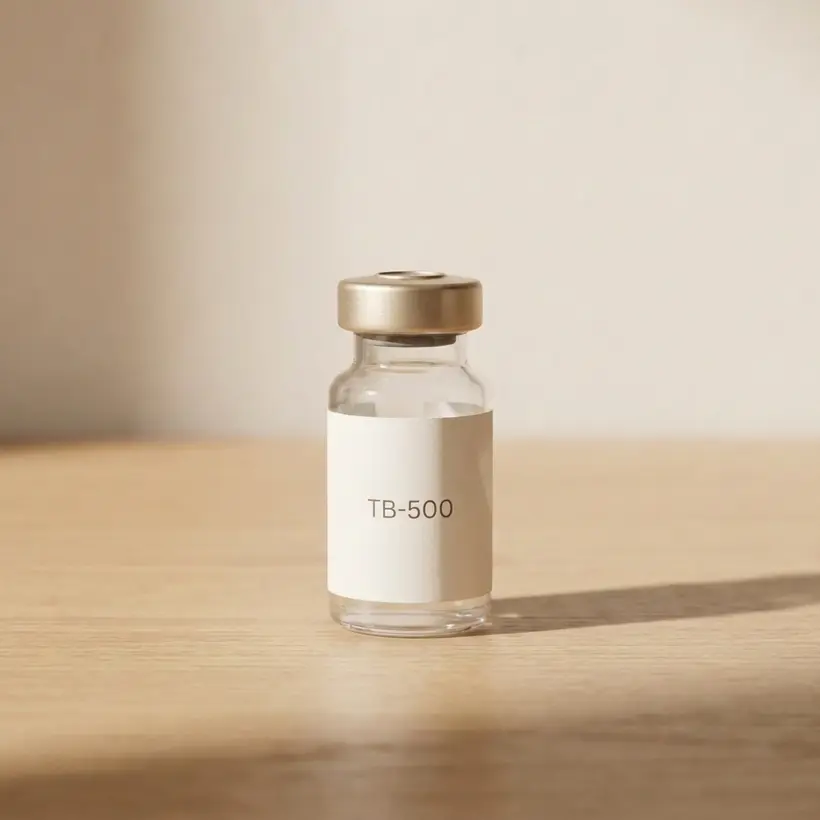
From the FormBlends catalog
TB-500 (Thymosin Beta-4)
Universal repair peptide for tissue regeneration · From $49/mo · compounded by a licensed 503A pharmacy, dispensed only after provider review.
Learn about TB-500 (Thymosin Beta-4) →| Characteristic | Immune Modulator (TB-500) | Immune Stimulant |
|---|---|---|
| Action | Balances immune response up or down as needed | Increases immune activity regardless of current state |
| Autoimmune risk | Lower (may help calm overactive immune responses) | Higher (may worsen autoimmune conditions) |
| Chronic inflammation | Helps resolve it | May worsen it |
| Suitable for | Broad range of immune states | Primarily immune-deficient states |
Research Evidence
- Sepsis models: Thymosin Beta-4 improved survival and reduced organ damage in animal models of sepsis (severe systemic infection) by modulating the inflammatory immune response
- Thymosin Alpha-1 precedent: A related thymosin peptide, Thymosin Alpha-1 (Zadaxin), has been approved in over 30 countries as an immune-modulating therapy for conditions including hepatitis B and as an adjunct to cancer treatment. This validates the immune-supporting potential of the thymosin peptide family
- Post-injury immune function: TB-500 has been shown to support immune function during the recovery period following tissue injury, when immune suppression can leave individuals vulnerable to infection
- Aging immune function: Research on thymosin peptides in aging populations has shown improvements in T-cell counts and immune responsiveness
Dosing TB-500 for Immune Support
Standard TB-500 dosing guidelines apply for immune support:
- Loading phase (weeks 1-4): 2-2.5 mg subcutaneously, twice per week
- Maintenance phase (weeks 5-8+): 2 mg once per week
- Cycle length: 8-12 weeks, followed by 4-6 weeks rest
Some practitioners use lower maintenance doses for ongoing immune support, particularly in older adults. Your FormBlends physician will determine the most appropriate protocol for your situation. For cycling details, see our TB-500 cycling protocol guide.
Who Might Benefit
- Adults experiencing age-related decline in immune function
- People recovering from injury or surgery who want to maintain immune strength during healing
- Individuals with chronic inflammation that may be compromising immune efficiency
- Those dealing with frequent minor illnesses suggesting suboptimal immune function
- People seeking a balanced approach to immune support without the risks of immune stimulation
Who Should Use Caution
- Autoimmune conditions: While TB-500's modulatory nature may theoretically benefit autoimmune conditions, its immune effects should be carefully evaluated by a physician in this context
- Active cancer: TB-500's pro-angiogenic properties warrant caution in individuals with active malignancies
- Immunosuppressive therapy: If you're taking medications that suppress your immune system (for transplant, autoimmune disease, etc.), discuss TB-500 with your prescribing physician
- Active infections: Start TB-500 after acute infections have resolved
Supporting Your Immune System Beyond TB-500
- Sleep: 7-9 hours of quality sleep is important for immune function
- Nutrition: Vitamins C, D, and zinc are particularly important for immune health
- Exercise: Regular moderate exercise strengthens immune function. overtraining weakens it
- Stress management: Chronic stress suppresses immune function through cortisol elevation
- Gut health: 70-80% of immune tissue is in the gut. Consider BPC-157 for gut support
Frequently Asked Questions
Can TB-500 prevent me from getting sick?
TB-500 isn't a vaccine or antiviral medication. It supports immune function by modulating inflammation, supporting tissue barriers, and improving immune cell activity. This may improve your overall immune resilience, but it doesn't guarantee protection against specific illnesses.
Is TB-500 the same as Thymosin Alpha-1?
No. TB-500 is derived from Thymosin Beta-4, while Thymosin Alpha-1 (Zadaxin) is a different peptide from the alpha-thymosin family. Both support immune function but through different mechanisms. Thymosin Alpha-1 has more direct clinical evidence for immune stimulation and has been approved in multiple countries for specific conditions.
Can TB-500 worsen autoimmune conditions?
This is an area of uncertainty. TB-500's immune-modulating (rather than stimulating) nature suggests it may not worsen autoimmune conditions and could theoretically help by calming excessive immune responses. But the interaction between TB-500 and specific autoimmune conditions hasn't been well-studied. Medical supervision is important.
Should I use TB-500 during cold and flu season?
Starting a TB-500 cycle proactively for immune support is reasonable, but it should be done under physician guidance. Don't start TB-500 while actively fighting an infection. wait until you have recovered.
Medical References
- Goldstein AL, Hannappel E, Sosne G, Kleinman HK. Thymosin beta4: a multi-functional regenerative peptide. Basic properties and clinical applications. Expert Opin Biol Ther. 2012;12(1):37-51. [PubMed | DOI]
Strengthen Your Immune Foundation with FormBlends
A well-functioning immune system is the foundation of long-term health. At FormBlends, our physician-supervised telehealth platform can help you explore TB-500 and other peptide therapies as part of a thorough approach to immune improvement. Our medical team evaluates your individual health profile, recommends appropriate protocols, and monitors your response. Take the first step toward a stronger immune foundation and connect with a FormBlends physician today.
Ready when you are
TB-500 (Thymosin Beta-4)
Universal repair peptide for tissue regeneration · From $49/mo · compounded by a licensed 503A pharmacy, dispensed only after provider review.
Learn about TB-500 (Thymosin Beta-4) →