Key Takeaway
Explore the benefits of combining TB-500 with semaglutide. Learn how these compounds support tissue repair, recovery, and inflammation management during weight loss.
Combining TB-500 with semaglutide offers potential benefits across tissue repair, musculoskeletal recovery, inflammation management, and cardiovascular support during weight loss. Semaglutide drives appetite suppression and metabolic improvement through GLP-1 receptor activation, while TB-500 promotes healing and cellular repair through actin regulation, cell migration, and anti-inflammatory signaling. Together, they address weight management and physical recovery from complementary biological directions.
What Each Compound Contributes
The value of any combination therapy depends on what each compound does independently. TB-500 and semaglutide are fundamentally different molecules operating on different targets, and that non-overlap is what makes their combination productive.
Semaglutide: The Metabolic and Weight Loss Engine
Semaglutide mimics the naturally occurring incretin hormone GLP-1, binding to receptors in the pancreas, brain, and gastrointestinal tract. It enhances glucose-dependent insulin secretion, suppresses glucagon release, slows gastric emptying, and reduces appetite through central nervous system signaling. Clinical trials have demonstrated average weight reductions of 15 to 17 percent of body weight over 68 weeks. Beyond weight loss, semaglutide has shown cardiovascular benefits, reductions in inflammatory markers, and improvements in metabolic syndrome parameters. These outcomes are supported by large-scale FDA-approved clinical trials.
TB-500: The Tissue Repair and Recovery Compound
TB-500 is a synthetic peptide corresponding to the active region of thymosin beta-4 (T-beta-4), a naturally occurring 43-amino-acid peptide found in virtually all human cells. Thymosin beta-4 is a key regulator of actin, the protein that forms the structural framework of cells and drives cell movement. TB-500 promotes tissue repair through several established mechanisms: upregulation of actin for cell structure and motility, promotion of cell migration to sites of injury, stimulation of angiogenesis (new blood vessel formation), reduction of inflammatory cytokines, and modulation of extracellular matrix remodeling.
Preclinical research has documented TB-500's effects on cardiac tissue repair, muscle healing, skin wound closure, corneal healing, and connective tissue recovery. Thymosin beta-4, the parent molecule, has been studied in human clinical trials for wound healing applications, providing a foundation of human safety data.
Specific Benefits of Adding TB-500 to Semaglutide Therapy
When patients on semaglutide for weight management also have recovery, mobility, or tissue health goals, TB-500 addresses needs that semaglutide was not designed to meet. Below are the primary areas where this combination provides value. For a complete cost breakdown, see our compare GLP-1 providers.

Benefit 1: Accelerated Musculoskeletal Recovery
This is the most directly relevant benefit for active patients on semaglutide. Weight loss changes the biomechanics of every movement. Joints, tendons, and ligaments adapt to new loading patterns. Patients who simultaneously increase physical activity, which is recommended during any weight management program, place additional demands on connective tissues that may not be conditioned for the new workload.
TB-500 has demonstrated significant effects on musculoskeletal healing in preclinical models. It accelerates muscle repair after injury by promoting satellite cell migration and differentiation. It enhances tendon healing through upregulation of actin-dependent cell migration to the injury site and stimulation of new blood vessel formation in the healing tissue. It also reduces post-injury inflammation, which can limit the excessive scar tissue formation that compromises tissue function.
For patients on semaglutide who are building an exercise routine, TB-500 may reduce recovery time between workouts, support adaptation of connective tissues to new demands, and lower the risk of overuse injuries during the transition to a more active lifestyle. This benefit is particularly valuable for previously sedentary patients who are now exercising regularly for the first time in years.
Benefit 2: Inflammation Modulation
Chronic low-grade inflammation is a hallmark of obesity and a driver of many obesity-related conditions, including cardiovascular disease, insulin resistance, and joint pain. Semaglutide reduces systemic inflammatory markers through both direct anti-inflammatory effects of GLP-1 receptor activation and the indirect anti-inflammatory effects of weight loss itself.
TB-500 addresses inflammation through a different and complementary pathway. Rather than broadly suppressing inflammation, TB-500 appears to modulate the inflammatory response, reducing excessive inflammation while preserving the body's ability to mount appropriate inflammatory responses to genuine threats. In preclinical models, TB-500 has been shown to reduce pro-inflammatory cytokines including TNF-alpha and IL-1 beta while promoting the resolution phase of inflammation.
The combination of semaglutide's systemic anti-inflammatory effects with TB-500's tissue-level inflammatory modulation may provide a more complete approach to resolving the chronic inflammatory state associated with obesity. For patients with obesity-related joint pain, metabolic inflammation, or general inflammatory burden, this dual-pathway approach is clinically relevant.
Benefit 3: Cardiovascular and Vascular Support
Semaglutide has demonstrated significant cardiovascular benefits in clinical trials. The SELECT trial[2] showed reductions in major adverse cardiovascular events in patients with overweight or obesity. These effects appear to extend beyond what weight loss alone would predict, suggesting direct cardiovascular benefits of GLP-1 receptor activation.
TB-500 has shown remarkable effects on cardiac tissue in preclinical research. In animal models of myocardial infarction, thymosin beta-4 promoted cardiomyocyte survival, stimulated angiogenesis in ischemic cardiac tissue, and reduced scar size. TB-500 also promotes endothelial cell migration and new blood vessel formation, which supports vascular health throughout the body.
For patients with obesity-related cardiovascular risk factors, the combination of semaglutide's proven cardiovascular benefits with TB-500's cardiac and vascular repair properties represents a multi-level approach to heart health during the metabolic transition of weight loss.
Benefit 4: Support for Lean Body Mass During Weight Loss
A consistent challenge with weight loss, including GLP-1 mediated weight loss, is the concurrent loss of lean mass. Clinical trial data indicates that roughly 35 to 40 percent of weight lost on semaglutide is lean tissue. Preserving muscle mass matters for basal metabolic rate, functional capacity, bone density, and long-term weight maintenance.
TB-500's effects on muscle tissue may support lean mass preservation during weight loss. Its promotion of satellite cell activation, the muscle stem cells responsible for repair and growth, and its acceleration of muscle healing after exercise-induced microtrauma could help maintain muscle integrity during caloric deficit. While this specific application hasn't been studied in controlled human trials, the mechanistic rationale aligns with TB-500's established effects on muscle tissue in preclinical research.
Benefit 5: Skin and Connective Tissue Health
Significant weight loss, particularly rapid weight loss, can affect skin elasticity and connective tissue integrity. Loose skin is a common cosmetic concern among patients who lose large amounts of weight. TB-500's effects on wound healing, extracellular matrix remodeling, and collagen deposition in preclinical models suggest it may support skin and connective tissue adaptation during body composition changes.
This is among the more theoretical benefits of the combination. No controlled study has examined TB-500's effects on skin elasticity during weight loss. But TB-500's documented effects on skin wound healing and tissue remodeling provide a reasonable mechanistic basis for this potential benefit.
Benefit 6: Neuroprotective Potential
Both semaglutide and TB-500 have demonstrated neuroprotective properties in preclinical models. GLP-1 receptor activation has shown promise in models of neurodegenerative disease. Thymosin beta-4 has demonstrated neuroprotective effects in animal models of traumatic brain injury, stroke, and multiple sclerosis. The convergence of two independently neuroprotective compounds is noteworthy from a research perspective, though the practical neuroprotective benefits of this combination in the context of weight management remain theoretical.
Evidence Assessment
Transparency about the strength of evidence is important for informed decision-making.
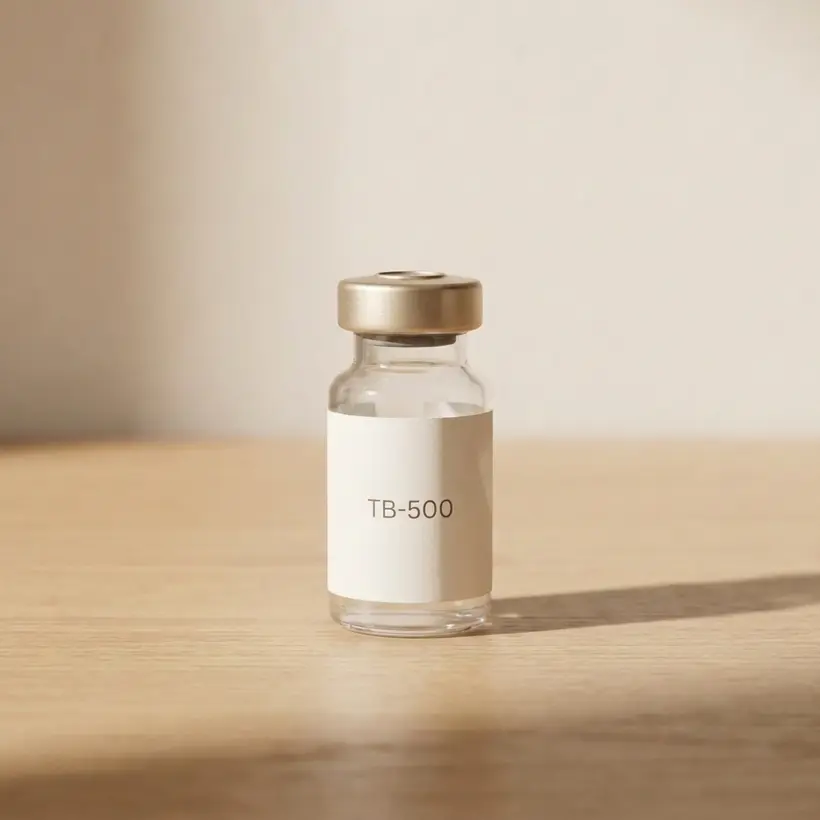
From the FormBlends catalog
TB-500 (Thymosin Beta-4)
Universal repair peptide for tissue regeneration · From $49/mo · compounded by a licensed 503A pharmacy, dispensed only after provider review.
Learn about TB-500 (Thymosin Beta-4) →Well-established: Semaglutide's effects on weight loss, glycemic control, and cardiovascular risk reduction are supported by large, randomized, placebo-controlled trials involving thousands of participants.
Strong preclinical evidence with some human data: TB-500's tissue repair, anti-inflammatory, and cardiac effects are documented in extensive preclinical research. Thymosin beta-4, the parent molecule, has human clinical trial data in wound healing contexts, providing some human safety and efficacy evidence for the underlying biology.
Clinical observation: The specific benefits of combining TB-500 with semaglutide are based on clinical experience from physicians who prescribe both compounds, supported by mechanistic reasoning from the independent evidence bases.
Theoretical: Benefits related to skin elasticity preservation, neuroprotection, and long-term lean mass effects during GLP-1 therapy are extrapolated from independent preclinical findings and remain to be studied directly.
Safety Considerations
TB-500 and semaglutide are metabolized through different pathways with no known pharmacokinetic interaction. TB-500's immunomodulatory and angiogenic properties require careful evaluation for patients with autoimmune conditions, active infections, or active malignancies. All standard semaglutide contraindications (MTC history, MEN2, pancreatitis, pregnancy) remain in effect. Pharmaceutical-grade sourcing from licensed compounding pharmacies is important for TB-500 safety, as unregulated products introduce unpredictable quality variables.
General Protocol Notes
Semaglutide follows its standard titration schedule regardless of TB-500 use. TB-500 is administered subcutaneously on its own schedule, typically two to three times per week during a loading phase followed by less frequent maintenance dosing. Sequential introduction of the two compounds allows clear attribution of effects and side effects. Different injection sites should be used for each compound. Regular physician monitoring through blood work and symptom assessment is important for ongoing safety and efficacy.
Who Benefits Most from This Combination
- Physically active patients on semaglutide who want to support muscle, tendon, and connective tissue recovery as they increase exercise intensity.
- Patients with chronic inflammatory conditions (non-autoimmune, non-malignant) who want additional anti-inflammatory support alongside weight loss.
- Patients with cardiovascular risk factors who are interested in supporting heart and vascular health through complementary mechanisms during weight management.
- Patients recovering from injuries who are simultaneously managing weight with semaglutide and want to support healing.
- Patients focused on body recomposition who want to preserve lean mass and support tissue adaptation during significant weight loss.
Frequently Asked Questions
What is the most important benefit of adding TB-500 to semaglutide?
For most patients, the primary benefit is musculoskeletal recovery support. As patients on semaglutide increase physical activity during their weight loss program, TB-500 may help tissues adapt to new demands and recover more efficiently between workouts. For patients with inflammatory conditions, the anti-inflammatory modulation may be the most relevant benefit.
Does TB-500 cause additional weight loss?
No. TB-500 isn't a weight loss compound. It doesn't suppress appetite, increase metabolic rate, or promote fat burning. Its role in this combination is supportive: promoting tissue repair, modulating inflammation, and supporting recovery. The weight loss effect comes entirely from semaglutide.
How is TB-500 different from BPC-157?
Both are tissue repair peptides, but they work through different mechanisms. BPC-157 acts primarily through nitric oxide signaling and the FAK-paxillin pathway, with particular strength in gastrointestinal protection. TB-500 acts primarily through actin regulation and cell migration, with particular strength in muscle and cardiac tissue repair. Some physicians use both alongside semaglutide for patients who need thorough tissue support.
How long before I notice the effects of TB-500?
Most patients report noticeable effects on recovery and soreness within two to four weeks. Inflammatory benefits may take a similar timeframe. The more significant structural repair and tissue remodeling effects develop over weeks to months. These timelines are independent of semaglutide, which has its own trajectory for appetite suppression (weeks) and weight loss (months).
Are there patients who shouldn't combine TB-500 with semaglutide?
Yes. Patients with active cancer, autoimmune conditions, active infections, or conditions sensitive to angiogenesis shouldn't use TB-500 without thorough physician evaluation. Patients with contraindications to semaglutide (MTC, MEN2, pancreatitis history, pregnancy) shouldn't use semaglutide. Patients under 18 and those who are pregnant or nursing shouldn't use either compound.
Medical References
- Goldstein AL, Hannappel E, Sosne G, Kleinman HK. Thymosin beta4: a multi-functional regenerative peptide. Basic properties and clinical applications. Expert Opin Biol Ther. 2012;12(1):37-51. [PubMed | DOI]
- Lincoff AM, Brown-Frandsen K, Colhoun HM, et al. Semaglutide and Cardiovascular Outcomes in Obesity without Diabetes. N Engl J Med. 2023;389(24):2221-2232. [PubMed | ClinicalTrials.gov | DOI]
Explore Combined Peptide and GLP-1 Therapy
The combination of TB-500 and semaglutide addresses both weight management and tissue health through independent, complementary pathways. At FormBlends, our physicians specialize in designing protocols that pair GLP-1 therapy with peptide compounds tailored to each patient's needs. Every prescription is individualized, every compound is pharmaceutical-grade, and every patient receives ongoing medical supervision.
Start your physician-supervised consultation at FormBlends.com
Ready when you are
TB-500 (Thymosin Beta-4)
Universal repair peptide for tissue regeneration · From $49/mo · compounded by a licensed 503A pharmacy, dispensed only after provider review.
Learn about TB-500 (Thymosin Beta-4) →