Key Takeaway
How Thymosin Beta-4 reduces inflammation through NF-kB suppression, cytokine modulation, and immune regulation. Evidence for acute and chronic inflammation.
Quick Answer: Thymosin Beta-4 for inflammation is one of its most well-documented properties. TB-4 suppresses NF-kB signaling (the master inflammatory switch), downregulates pro-inflammatory cytokines including TNF-alpha, IL-1 beta, and IL-6, and promotes the resolution phase of inflammation rather than simply blocking it. Studies in colitis, corneal injury, cardiac ischemia, and neuroinflammation models consistently show significant anti-inflammatory effects. TB-4 offers a unique advantage over traditional anti-inflammatories because it also repairs the damaged tissue driving the inflammatory response .
Anti-Inflammatory Mechanisms
NF-kB Suppression
NF-kB is the central transcription factor that activates inflammatory gene expression. When cells are stressed or damaged, NF-kB triggers the production of inflammatory cytokines, chemokines, and adhesion molecules. TB-4 inhibits NF-kB translocation to the nucleus, reducing the inflammatory cascade at its source .
Cytokine Modulation
TB-4 reduces production of key pro-inflammatory cytokines:
- TNF-alpha: A primary driver of systemic inflammation and tissue damage
- IL-1 beta: Activates inflammatory pathways and increases pain sensitivity
- IL-6: Drives chronic inflammation and is improved in many inflammatory diseases
- MCP-1: Recruits inflammatory monocytes to tissues
Simultaneously, TB-4 may support anti-inflammatory mediators like IL-10, helping shift the immune response from pro-inflammatory to resolution-promoting .
Inflammation Resolution
Unlike NSAIDs or corticosteroids that suppress inflammation without promoting resolution, TB-4 helps the body complete the inflammatory process properly. It promotes the clearance of inflammatory debris, supports tissue repair at the inflammatory site, and helps transition from acute inflammation to healing.
Evidence Across Inflammatory Conditions
| Condition Model | Key Findings | Reference |
|---|---|---|
| Colitis | Reduced mucosal inflammation, improved healing | |
| Corneal inflammation | Decreased inflammatory markers, faster corneal healing | |
| Cardiac ischemia | Reduced inflammatory cell infiltration, less fibrosis | |
| Neuroinflammation | Decreased microglial activation, reduced CNS cytokines | |
| Dermal wounds | Faster resolution of wound inflammation |
TB-4 vs Other Anti-Inflammatory Approaches
| Treatment | Mechanism | Tissue Repair? | Side Effects |
|---|---|---|---|
| TB-4 | NF-kB suppression, cytokine modulation | Yes (primary benefit) | Mild fatigue |
| BPC-157 | NO modulation, growth factors | Yes | Minimal |
| KPV | Melanocortin anti-inflammatory | Limited | Minimal |
| NSAIDs | COX-1/COX-2 inhibition | No (may impair healing) | GI, renal, cardiovascular |
| Corticosteroids | Broad immune suppression | No (impairs healing) | Significant with chronic use |
A critical advantage of TB-4 over NSAIDs and corticosteroids is that it promotes tissue repair simultaneously with reducing inflammation. NSAIDs can actually impair tendon healing, and corticosteroids are known to degrade cartilage and weaken connective tissue with repeated use .
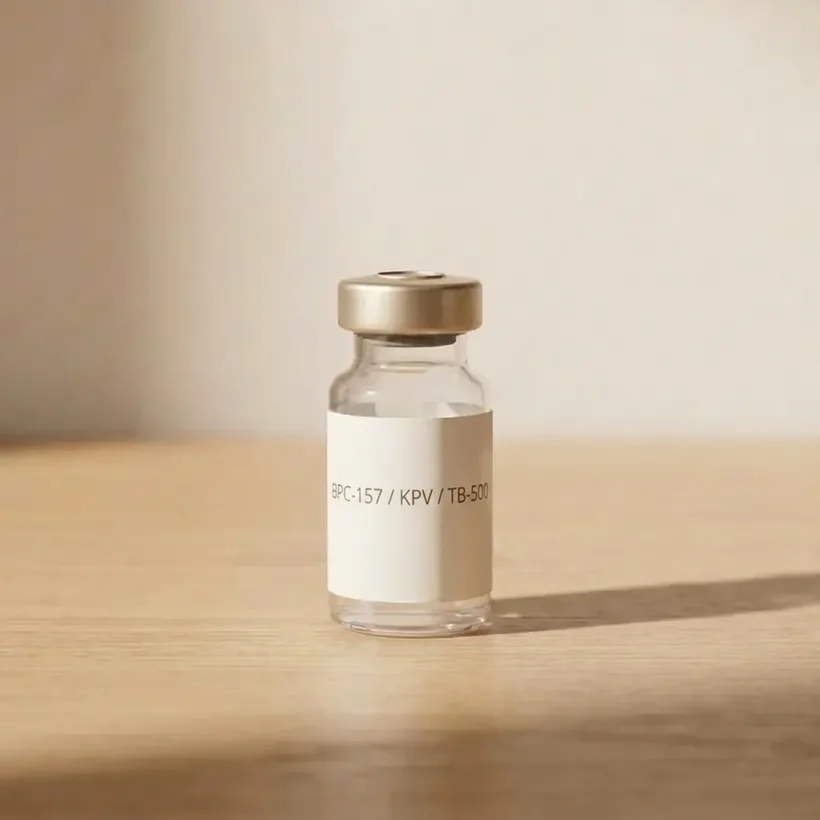
From the FormBlends catalog
BPC-157 / KPV / TB-500 Blend
Three-pathway recovery support in one peptide blend · From $279/mo · compounded by a licensed 503A pharmacy, dispensed only after provider review.
View BPC-157 / KPV / TB-500 Blend →View data table
| Category | Clinical Interest Score | Detail |
|---|---|---|
| BPC-157 | 88 | Tissue repair and gut healing |
| TB-500 | 82 | Injury recovery |
| Sermorelin | 78 | Growth hormone support |
| Ipamorelin | 75 | Anti-aging and recovery |
| GHK-Cu | 70 | Skin and tissue repair |
Frequently Asked Questions
Can TB-4 replace my anti-inflammatory medications?
Discuss any medication changes with your physician. TB-4 may reduce the need for NSAIDs or other anti-inflammatory drugs over time, but this should be managed under medical supervision. Never stop prescribed medications without consulting your doctor.
How long does it take for TB-4 to reduce inflammation?
Anti-inflammatory effects begin within the first week and become increasingly apparent over 2 to 4 weeks. Chronic inflammatory conditions may require 6 to 12 weeks for full benefit.
Is TB-4 safe for autoimmune inflammation?
TB-4 modulates rather than suppresses the immune system, which is potentially advantageous in autoimmune conditions. But its effects on cell migration and angiogenesis require careful consideration. Discuss with your physician if you have an autoimmune diagnosis.
Medical References
- Goldstein AL, Hannappel E, Sosne G, Kleinman HK. Thymosin beta4: a multi-functional regenerative peptide. Basic properties and clinical applications. Expert Opin Biol Ther. 2012;12(1):37-51. [PubMed | DOI]
Address Inflammation at Its Source
At FormBlends, our physicians help you manage inflammation with evidence-based approaches that promote healing, not just symptom suppression.
Disclaimer: This article is for informational purposes only and doesn't constitute medical advice. Thymosin Beta-4 isn't FDA-approved for any medical condition. Always consult with a licensed healthcare provider. Individual results may vary.
Ready when you are
BPC-157 / KPV / TB-500 Blend
Three-pathway recovery support in one peptide blend · From $279/mo · compounded by a licensed 503A pharmacy, dispensed only after provider review.
View BPC-157 / KPV / TB-500 Blend →