The short answer
The best time to eat ice cream for weight loss is right after a balanced dinner that includes protein, fiber, and a moderate amount of fat. The protein and fat slow sugar absorption and reduce the blood sugar spike. A ½-cup portion (200 to 300 cal) fits most weight-loss plans 1 to 3 times per week.
Table of contents
- The 30-second answer
- Why timing actually matters (the blood sugar argument)
- The post-dinner option (the cleanest fit)
- Mid-afternoon vs post-workout vs late-night
- The portion problem (which is bigger than the timing problem)
- Ice cream brands ranked for weight loss (table)
- How ice cream fits into a GLP-1 plan
- Better-for-you alternatives that actually taste good
- FAQ
- Footer disclaimers
Why timing actually matters (the blood sugar argument)
Most foods don't have a "best time" to eat them. Ice cream is one of the few that does, mostly because of its sugar load.
Check your GLP-1 eligibility
Use our free BMI Calculator to see if you may qualify for provider-reviewed GLP-1 therapy.
Try the BMI Calculator →A ½ cup serving of standard ice cream contains 14 to 28 grams of sugar (depending on flavor and brand). Eaten alone on an empty stomach, that sugar hits your bloodstream fast, raises blood glucose, triggers an insulin spike, and (in most patients) produces a rebound dip in glucose 60 to 90 minutes later. The dip is what drives the cravings that often follow ice cream eaten alone.
Eaten right after a balanced meal containing protein and fat, the same ½ cup of ice cream produces a much smaller blood sugar curve. The protein and fat slow gastric emptying and create a longer absorption window. The net effect is roughly a 30 to 50% reduction in peak blood sugar and a much smaller rebound dip.
This isn't speculative. It's been measured in continuous glucose monitor studies. A 2022 paper in Diabetes Care (Hall et al.) tracked CGM data in non-diabetic adults eating identical desserts at different times and found that post-dinner desserts produced glucose curves 35 to 45% lower than mid-afternoon desserts on an empty stomach.
For weight loss, the lower the glucose spike, the lower the insulin response. Lower insulin in the post-meal window means less of a push toward fat storage and a smaller hunger rebound an hour later. Net result: post-dinner ice cream is genuinely better for weight loss than mid-afternoon ice cream of the same size and calorie count.
The post-dinner option (the cleanest fit)
The clearest weight-loss-compatible way to eat ice cream:
- Eat your normal balanced dinner first (protein, vegetables, a small starch)
- Wait 10 to 15 minutes before dessert
- Portion ½ cup (a level scoop, about 4 oz)
- Eat slowly, ideally over 5 to 10 minutes
Why this works:
- The dinner protein and fat are already buffering glucose absorption.
- The 10 to 15 minute wait lets your brain catch up with stomach fullness signals, reducing the chance you over-portion.
- The ½ cup is small enough that even premium ice cream stays under 300 calories.
- Eating slowly extends the eating window enough for satiety signals to register before you reach for seconds.
The ½ cup ice cream after a 500 calorie dinner is roughly an 800 calorie evening total, which fits most weight-loss plans cleanly. Even with three ice cream nights per week, that's 600 to 900 dessert calories spread across the week, leaving plenty of room in a moderate deficit.
The pattern that doesn't work: skipping dinner or eating a light dinner specifically to "save calories for ice cream." This pattern produces the worst combination of high blood sugar spike (no protein/fat buffer), bigger portions (you're hungry from the under-eaten dinner), and a sleep-disrupting late-night sugar load.
Mid-afternoon vs post-workout vs late-night
How the other common timings stack up.
Mid-afternoon (2 to 4 PM). A ½ cup of ice cream at 3 PM, eaten alone, produces the biggest blood sugar spike of any timing. It also tends to spoil dinner, leading some patients to under-eat at the next meal and over-snack later. If you're going to have ice cream in the afternoon, pair it with a protein source. A scoop of vanilla ice cream over Greek yogurt with a few nuts on top blunts the spike and improves satiety.
Post-workout (within 1 hour). Post-workout is genuinely a defensible time for sugar consumption. Glycogen stores are depleted, muscle insulin sensitivity is elevated, and a higher proportion of glucose goes toward muscle replenishment rather than fat storage. The classic "earned it" framing has actual physiology behind it. The catch: most post-workout patients aren't burning enough calories to justify a 250 to 400 calorie ice cream dessert. A 30-minute moderate workout burns 200 to 300 calories. Eating that back in ice cream cancels the deficit.
Late-night (after 9 PM). Late-night is the worst time for ice cream from a weight-loss perspective. Sleep onset on a sugar load tends to be poor (reflux, blood sugar swings disrupting sleep architecture), and the calories add to a stomach already at rest. Continuous glucose monitor data consistently shows the highest overnight glucose excursions from late-night dessert vs the same dessert at any other time of day.
With or instead of breakfast. Worth mentioning only because some viral diet content recommends it. Eating ice cream as breakfast doesn't improve metabolism, doesn't reset hormones, and doesn't create some special weight-loss window. It's a calorie-dense, low-protein, low-fiber start to the day, which is the opposite of what most weight-loss research supports for breakfast composition.
The portion problem (which is bigger than the timing problem)
Timing matters. Portion size matters more.
The "serving size" on most ice cream containers is ½ cup, which is genuinely small. About the size of a tennis ball. A pint of Ben & Jerry's contains 4 servings. A half-gallon container contains 16 servings.
Real-world portions, surveyed in nutrition research, run 1 to 1.5 cups per sitting, which is 2 to 3 of the labeled servings. That changes the calorie math substantially:
| Brand | Serving (½ cup) | Real portion (1 cup) | Pint total |
|---|---|---|---|
| Ben & Jerry's Cherry Garcia | 250 cal | 500 cal | 1,000 cal |
| Häagen-Dazs Vanilla | 250 cal | 500 cal | 1,000 cal |
| Breyer's Natural Vanilla | 130 cal | 260 cal | 520 cal |
| Talenti Mediterranean Mint | 200 cal | 400 cal | 800 cal |
| Halo Top Vanilla Bean | 70 cal | 140 cal | 280 cal |
| Enlightened Birthday Cake | 80 cal | 160 cal | 320 cal |
| Yasso Greek Yogurt Bar | 100 cal (per bar) | n/a | n/a |
| Skinny Cow Vanilla Sandwich | 140 cal (per sandwich) | n/a | n/a |
| Outshine Strawberry Bar | 80 cal (per bar) | n/a | n/a |
A 1-cup portion of premium ice cream is 500 calories, which is a full meal's worth in a single dessert. A whole pint is 1,000 calories, which is half a daily target on a typical weight-loss plan, gone in one sitting.
The clinical fix is decanting. Buy the pint if you want it (cost per calorie is better than the single-serve options), but portion the ½ cup into a small bowl as soon as you serve it, then put the pint back in the freezer. The "scrape from the carton in front of the TV" pattern is the single highest-impact thing to break.
Pre-portioned options (ice cream bars, sandwiches, mini cups) trade off cost-per-calorie for built-in portion control. For patients who can't reliably stop at ½ cup from a pint, the trade is worth it.
Ice cream brands ranked for weight loss
| Brand and product | Per ½ cup | Calories | Protein | Sugar | Best for |
|---|---|---|---|---|---|
| Halo Top Vanilla Bean | ½ cup | 70 | 5 g | 5 g | Lowest calorie pint |
| Enlightened Birthday Cake | ½ cup | 80 | 8 g | 4 g | Highest protein pint |
| Yasso Greek Yogurt Bar | 1 bar | 100 | 6 g | 13 g | Pre-portioned |
| Outshine Strawberry Fruit Bar | 1 bar | 80 | 0 g | 18 g | No dairy, no fat |
| Skinny Cow Sandwich | 1 | 140 | 4 g | 13 g | Texture closest to "real" |
| Breyer's Natural Vanilla | ½ cup | 130 | 3 g | 14 g | Lowest in standard category |
| Edy's/Dreyer's Slow Churned | ½ cup | 100 | 3 g | 14 g | Mainstream low-cal |
| Talenti Mediterranean Mint | ½ cup | 200 | 4 g | 23 g | Premium, real ingredients |
| Häagen-Dazs Vanilla | ½ cup | 250 | 4 g | 21 g | Highest quality, smallest portion needed |
| Ben & Jerry's Cherry Garcia | ½ cup | 250 | 4 g | 24 g | Mix-in heavy, high satiety per spoon |
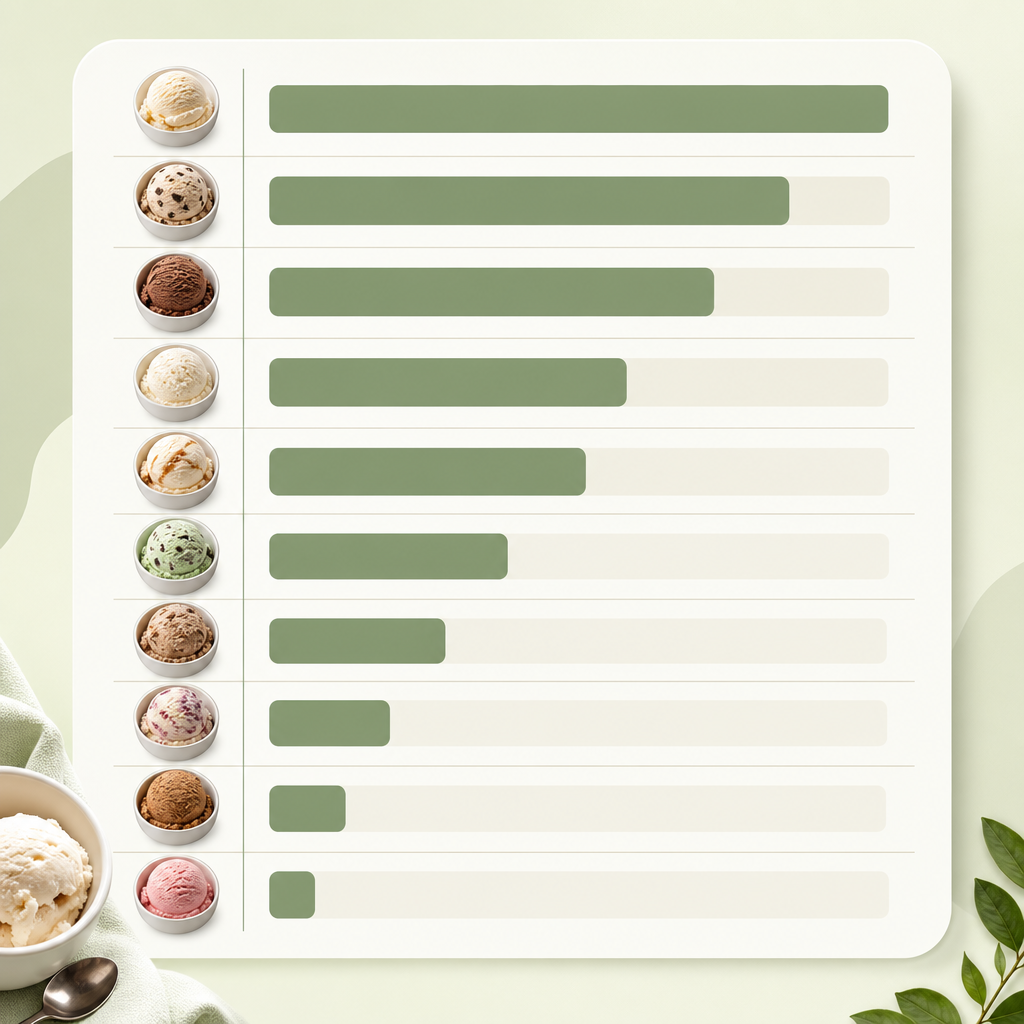
The protein-fortified brands (Halo Top, Enlightened) deliver 5 to 8 g of protein per ½ cup, which is genuinely a meaningful satiety upgrade vs standard ice cream's 3 to 4 g. The trade-off is texture, which most patients find slightly icier and less rich than premium brands.
The premium brands (Häagen-Dazs, Ben & Jerry's, Talenti) have the best mouthfeel and tend to be more satisfying per spoon, which means many patients can stop at less than ½ cup. A scant ¼ cup of Häagen-Dazs is about 125 calories and as satisfying as a full ½ cup of Halo Top for some people.
The pre-portioned options (Yasso bars, Skinny Cow sandwiches, Outshine bars) are the safest pick for patients who struggle with portion control. The bag-of-bars approach takes most of the willpower out of the equation.
How ice cream fits into a GLP-1 plan
If you're on compounded semaglutide or tirzepatide, your relationship with sugar shifts within the first 4 to 8 weeks. Cravings for high-sugar foods drop substantially. Most patients on FormBlends programs report that ice cream stops feeling necessary in the way it did before treatment.
What changes specifically:
- Portion size drops. The ½ cup that felt small pre-treatment often feels like enough on a slowed-emptying stomach. Some patients report stopping at a few spoonfuls and feeling done.
- Sugar tolerance drops. Continuous glucose monitor data in GLP-1 patients shows higher post-dessert glucose spikes than baseline, which can produce a queasy "too sweet" sensation that pre-treatment patients didn't experience. This is generally a feature, not a bug, since it self-limits portion size.
- Trigger habits weaken. The pavlovian "after dinner ice cream" reflex weakens substantially on GLP-1s for most patients. Many find they can have ice cream once a week and not think about it the rest of the week.
- GI tolerance becomes the bigger constraint. Higher-fat premium ice cream can trigger nausea or reflux on tirzepatide, especially during titration. (See our piece on why Zepbound causes acid reflux for the broader picture.) Lower-fat options (Halo Top, sorbet, fruit bars) sit gentler.
The simple framework: ice cream is fine on GLP-1s. Pick lower-fat options during titration, stick to small portions, eat after dinner, and pair with the slowed-emptying physiology rather than fighting it.
Better-for-you alternatives that actually taste good
If standard ice cream isn't fitting your weight-loss plan, the alternatives:
- Greek yogurt with frozen berries and a drizzle of honey. 5.3 oz Greek yogurt + ½ cup frozen mixed berries + 1 tsp honey = 180 cal, 14 g protein. Tastes more like dessert than the macros suggest.
- Frozen banana "nice cream." 1 frozen banana blended with a splash of almond milk = 100 cal, 1 g protein. Texture is shockingly close to soft-serve.
- Cottage cheese ice cream. 1 cup cottage cheese blended with cocoa powder, vanilla extract, and a sweetener of choice, then frozen for 3 hours = 200 cal, 25 g protein. The viral "cottage cheese ice cream" trend isn't gimmicky, the texture really does work.
- Greek frozen yogurt (Yasso, Halo Top Greek line). 70 to 100 cal per portion with 5 to 6 g protein.
- Fruit sorbet. 80 to 120 cal per ½ cup, no fat, easier on the stomach during GLP-1 titration. No protein, so pair with a side of nuts for satiety.
- Sugar-free pudding cups. 60 to 80 cal each, 2 g protein. Not ice cream, but scratches the cold-creamy-sweet itch.
None of these are exact replacements for premium ice cream. They're all genuinely satisfying enough to fill the dessert-shaped hole in a weight-loss plan without putting you 300 calories over your daily target.
FAQ
What's the best time to eat ice cream for weight loss?
Right after a balanced dinner containing protein, fat, and fiber. The protein and fat slow sugar absorption, reducing the blood sugar spike by 30 to 50% compared to ice cream eaten on an empty stomach.
Can I eat ice cream every day and still lose weight?
Possibly, if you stick to a ½ cup serving and the rest of your day fits a calorie deficit. Daily ice cream at premium brands (Ben & Jerry's, Häagen-Dazs) at 250 cal per serving adds up to 1,750 cal per week from dessert, which is enough to slow weight loss meaningfully. Daily Halo Top at 70 cal is much easier to fit.
Is it okay to eat ice cream at night?
It's the least weight-loss-friendly time. Late-night sugar disrupts sleep, raises overnight glucose, and adds calories to a stomach already at rest. Post-dinner (right after eating) is fine. Late-night (after 9 PM, separate from dinner) is the worst case.
Should I eat ice cream after a workout?
Post-workout is a defensible time from a metabolic standpoint, since muscles are insulin-sensitive and glycogen stores are depleted. The catch is calorie math: a 30-minute moderate workout burns 200 to 300 calories, which is canceled by a single ½ cup of premium ice cream.
How much ice cream is okay on a diet?
A ½ cup serving (the labeled portion) is the cleanest fit. That's 130 to 250 calories depending on brand. Most weight-loss-compatible plans allow ½ cup ice cream 1 to 3 times per week.
Is low-calorie ice cream like Halo Top actually good for weight loss?
Yes, mostly. Halo Top, Enlightened, and similar brands deliver 70 to 100 cal per ½ cup with 5 to 8 g of protein, which is genuinely a better macro profile than standard ice cream. Texture is icier, but for the calorie savings, most patients adapt within 2 to 3 servings.
Will ice cream cause weight gain?
Ice cream itself doesn't cause weight gain. Excess total calories cause weight gain. A ½ cup of ice cream within your daily calorie target won't move the needle. A pint per night will.
What kind of ice cream is best for weight loss?
For lowest calories per serving, Halo Top Vanilla Bean at 70 cal/half cup. For best protein per calorie, Enlightened at 8 g protein/half cup. For best texture, Häagen-Dazs in a smaller portion (¼ cup is 125 cal). For built-in portion control, Yasso bars or Skinny Cow sandwiches.
Can I eat ice cream on a GLP-1 medication like compounded semaglutide or tirzepatide?
Yes. Most patients find their ice cream cravings drop substantially on GLP-1s, and a small portion after dinner usually fits well. Lower-fat options (Halo Top, sorbet, fruit bars) sit gentler during titration than premium high-fat brands.
Does eating ice cream slowly help with weight loss?
Yes, by a small amount. Slower eating gives satiety signals more time to register, often reducing portion size by 10 to 20%. Eating a ½ cup over 8 to 10 minutes vs 2 to 3 minutes makes a measurable difference for most people.
Are ice cream alternatives like nice cream actually a good substitute?
For some people, yes. Frozen banana nice cream and cottage cheese ice cream both deliver dessert-like texture at 100 to 200 calories per portion with much better macros. They don't replace a craving for premium ice cream, but they fill the dessert slot effectively in most weight-loss plans.
What's the worst ice cream for weight loss?
The worst category is premium pints (Ben & Jerry's, Häagen-Dazs) eaten directly from the carton without portioning. A whole pint is 1,000 calories. The product itself isn't the problem; the eating pattern is. Premium ice cream in a ½ cup portion is fine for most weight-loss plans.
Author / review note
Reviewed by the FormBlends Medical Team. This article was last reviewed and updated on April 28, 2026. References cited above include Hall et al., Diabetes Care, 2022 (CGM and dessert timing); the U.S. Dietary Guidelines for Americans, 2020-2025; Drewnowski A., Annual Review of Nutrition, 2018 (energy density and weight management); Jastreboff et al., New England Journal of Medicine, 2022 (SURMOUNT-1); and the American Heart Association added-sugar guidance, 2021 update.
Footer disclaimers
Platform Disclaimer. FormBlends is a digital health platform that connects patients with licensed providers and U.S.-based pharmacies. We do not manufacture, prescribe, or dispense medication directly. All clinical decisions are made by independent licensed providers.
Compounded Medication Notice. Compounded semaglutide and tirzepatide are not FDA-approved. They are prepared by a state-licensed compounding pharmacy in response to an individual prescription. Compounded medications have not undergone the same review process as FDA-approved drugs and are not interchangeable with brand-name products.
Results Disclaimer. Individual results vary. Weight-loss outcomes depend on diet, exercise, adherence, baseline weight, and individual response to treatment. Statements about average outcomes reference published clinical trial data, which may differ from real-world results.
Trademark Notice. Halo Top, Enlightened, Ben & Jerry's, Häagen-Dazs, Talenti, Breyer's, Edy's, Dreyer's, Yasso, Skinny Cow, and Outshine are registered trademarks of their respective owners. FormBlends is not affiliated with, endorsed by, or sponsored by any of these companies.
Related guides
- Is Cream Cheese Healthy for Weight Loss? An Honest Answer Backed by the Nutrition Label
- Is Skinny Pop Healthy for Weight Loss? An Honest Answer Backed by the Nutrition Label
- Is Jasmine Rice Good for Weight Loss? The Honest Answer Backed by the Numbers
- Is Chai Latte Good for Weight Loss? An Honest Answer Backed by the Sugar Content
- Are Ritz Crackers Healthy for Weight Loss? An Honest Answer Backed by the Nutrition Label
- Are Pork Chops Good for Weight Loss? An Honest Answer Backed by USDA Data
See your options in about 2 minutes
Take the free quiz and see what fits you. Quick, private, and no commitment to continue.
See my options →