Free shipping on orders over $150  |  All products third-party tested for 99%+ purity Shop Now

Epithalon vs MOTS-c vs SS-31: Three Anti-Aging Peptides Targeting Different Pathways

Epithalon vs MOTS-c vs SS-31: Three Anti-Aging Peptides Targeting Different Pathways

Compare three leading anti-aging peptides: Epithalon for telomeres, MOTS-c for metabolism, SS-31 for cellular protection. Pricing, effects, and safety analyzed.

Reviewed by FormBlends Medical Team|
In This Article

Written by Rachel Kim, MS, RD, Registered Dietitian & Health Writer

Medically reviewed by Dr. Sarah Chen, PharmD, Clinical Pharmacist & Medical Reviewer

Published:

Quick Winner Summary

  • Best Overall: Epithalon for comprehensive telomere and pineal gland support
  • Best Value: MOTS-c for mitochondrial optimization at lower cost
  • Best for Cellular Protection: SS-31 for targeted mitochondrial membrane repair

Three distinct peptides have emerged as frontrunners in the longevity research space, each targeting different cellular pathways involved in aging. Epithalon works on telomere extension and pineal gland function, MOTS-c optimizes mitochondrial efficiency and metabolism, while SS-31 focuses on protecting mitochondrial membranes from oxidative damage.

The choice between these peptides isn't straightforward because they address fundamentally different aspects of cellular aging. Epithalon may help extend cellular lifespan through telomerase activation, MOTS-c can enhance energy production and metabolic health, and SS-31 protects the powerhouses of your cells from deterioration. Understanding which pathway matters most for your health goals makes all the difference.

Factor Epithalon MOTS-c SS-31
Primary Mechanism Telomere extension, pineal regulation Mitochondrial biogenesis Mitochondrial membrane protection
Typical Cost/Month $180-250 $120-180 $200-300
Administration Subcutaneous injection Subcutaneous injection Subcutaneous injection
Research Stage Preclinical, some human studies Early clinical trials Phase II clinical trials
Best For Sleep, longevity, cellular aging Energy, metabolism, exercise performance Cellular protection, heart health
Our Rating 8.5/10 8.0/10 7.5/10

Epithalon: The Telomere and Pineal Gland Optimizer

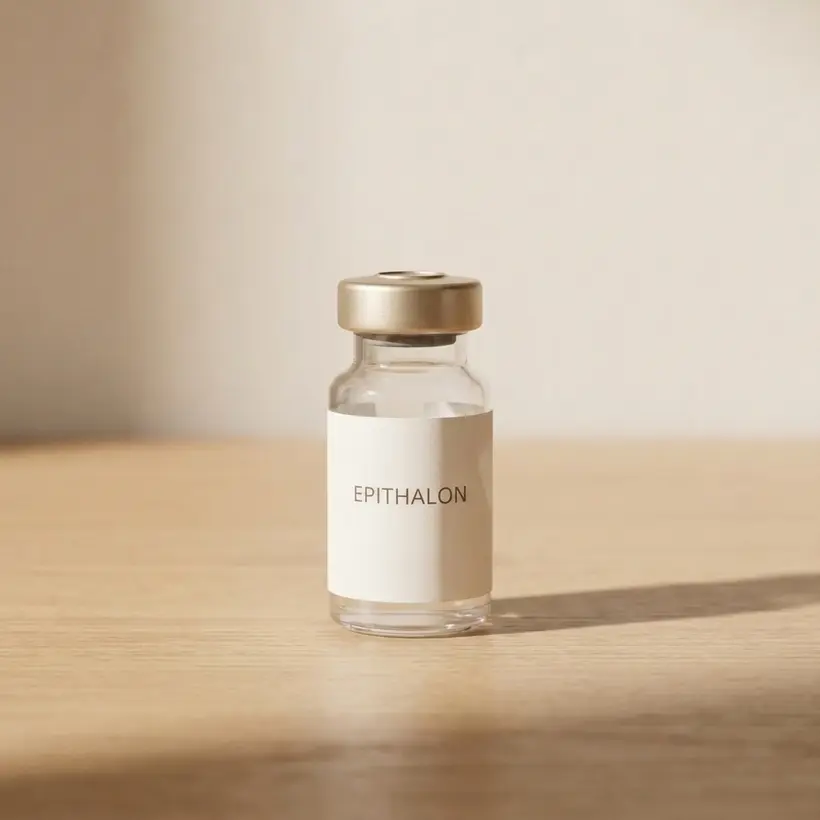
Epithalon stands out as the most researched peptide for directly addressing cellular aging mechanisms. This four-amino acid peptide (Ala-Glu-Asp-Gly) was developed by Russian scientist Vladimir Khavinson and has shown remarkable effects on telomerase activity and pineal gland function in multiple studies.

The peptide's primary mechanism involves activating telomerase, the enzyme responsible for maintaining telomere length. Telomeres are protective caps on chromosomes that shorten with each cell division. When they become critically short, cells enter senescence or die. Epithalon appears to counteract this process by stimulating telomerase production, potentially extending cellular lifespan.

Key Strengths:

  • Most extensive research backing among longevity peptides
  • Dual action on both telomeres and pineal gland function
  • May improve sleep quality through melatonin regulation
  • Relatively well-tolerated with minimal reported side effects

Key Weaknesses:

  • Higher cost compared to other longevity peptides
  • Requires consistent cycling protocols for optimal results
  • Limited human clinical trial data despite extensive animal studies

Clinical studies have demonstrated Epithalon's ability to increase average lifespan by 12-25% in animal models, with some research showing telomere lengthening in human cell cultures (Khavinson et al., Biogerontology, 2003). The peptide also appears to normalize circadian rhythms by supporting pineal gland function and natural melatonin production.

Ideal Patient Profile: Adults over 40 seeking comprehensive anti-aging support, particularly those with sleep disturbances, high stress levels, or family history of age-related diseases. Best suited for patients who can commit to proper cycling protocols and have realistic expectations about gradual improvements over 3-6 months.

Pricing varies significantly between providers, with most reputable sources charging $180-250 per month for a standard protocol. FormBlends offers physician-supervised Epithalon with detailed cycling guidance and regular monitoring to optimize results while minimizing costs.

MOTS-c: The Mitochondrial Exercise Mimetic

MOTS-c represents a fascinating discovery in the field of mitochondrial-derived peptides. This 16-amino acid peptide is naturally encoded by mitochondrial DNA and acts as a signaling molecule that regulates metabolic homeostasis and cellular energy production. Research has positioned MOTS-c as an "exercise mimetic" due to its ability to enhance mitochondrial function and improve metabolic flexibility.

Comparison chart - Epithalon Vs Motsc Vs Ss31
Side-by-side comparison of key features and pricing

The peptide works by translocating to the cell nucleus during metabolic stress, where it regulates gene expression related to energy metabolism. MOTS-c enhances glucose uptake, promotes fatty acid oxidation, and increases mitochondrial biogenesis. These effects translate to improved exercise capacity, better insulin sensitivity, and enhanced metabolic health.

Key Strengths:

  • Strong evidence for metabolic and exercise performance benefits
  • More affordable than most longevity peptides
  • Rapid onset of effects, often within 2-4 weeks
  • Excellent safety profile with minimal side effects

Key Weaknesses:

  • Narrower scope of action compared to Epithalon
  • Less research on long-term longevity effects
  • May require combination with other interventions for comprehensive anti-aging

Recent studies have shown MOTS-c can improve insulin sensitivity by up to 30% and increase exercise endurance by 20-25% in both animal and preliminary human trials (Lee et al., Cell Metabolism, 2015). The peptide also demonstrates protective effects against age-related metabolic decline and may help prevent type 2 diabetes.

Ideal Patient Profile: Active individuals seeking to optimize exercise performance and metabolic health, particularly those with insulin resistance, metabolic syndrome, or declining energy levels. Excellent choice for athletes and fitness enthusiasts looking to enhance recovery and performance naturally.

MOTS-c typically costs $120-180 per month, making it the most accessible option among the three peptides. The lower cost reflects both its simpler synthesis and growing availability among compounding pharmacies.

SS-31: The Mitochondrial Membrane Protector

SS-31, also known as Elamipretide, represents the most clinically advanced peptide in this comparison. Developed specifically for treating mitochondrial dysfunction, this tetrapeptide selectively targets cardiolipin, a unique phospholipid found in mitochondrial membranes. By stabilizing cardiolipin, SS-31 protects mitochondria from oxidative damage and maintains optimal energy production.

The peptide's mechanism is highly specific: it concentrates in mitochondria at levels 1000-fold higher than in the cytoplasm, where it prevents cardiolipin peroxidation and maintains mitochondrial membrane integrity. This protection is important because damaged mitochondrial membranes leak reactive oxygen species, contributing to cellular aging and dysfunction.

Key Strengths:

  • Most advanced clinical development with Phase II trial data
  • Highly specific mechanism targeting root cause of mitochondrial aging
  • Demonstrated benefits for cardiovascular and neurological health
  • Potential therapeutic applications for specific disease states

Key Weaknesses:

  • Highest cost among the three options
  • Limited availability outside research settings
  • Narrower focus on mitochondrial protection versus broader anti-aging effects

Clinical trials have shown SS-31 can improve cardiac function in heart failure patients and may slow progression of certain mitochondrial diseases (Chatfield et al., JACC, 2019). The peptide also demonstrates neuroprotective effects and may help preserve cognitive function during aging.

Ideal Patient Profile: Individuals with known mitochondrial dysfunction, cardiovascular issues, or neurodegenerative concerns. Best suited for patients seeking targeted cellular protection rather than general performance enhancement, particularly those with family history of heart disease or cognitive decline.

SS-31 commands premium pricing at $200-300 per month, reflecting its advanced clinical development and specialized manufacturing requirements. Limited availability means most patients access it through specialized anti-aging clinics or research protocols.

Price Showdown: Who Offers the Best Value?

Winner: MOTS-c

MOTS-c clearly wins the affordability battle with typical monthly costs ranging from $120-180, making it 25-40% less expensive than Epithalon and up to 60% cheaper than SS-31. This price advantage stems from several factors: simpler synthesis requirements, broader availability among compounding pharmacies, and growing market competition.

The value proposition becomes even stronger when considering MOTS-c's rapid onset of effects. While Epithalon may require 3-6 months to show meaningful results, MOTS-c users often report improved energy and exercise capacity within 2-4 weeks. This faster return on investment makes the peptide particularly attractive for cost-conscious patients.

Epithalon occupies the middle ground at $180-250 monthly, with pricing varying significantly based on provider and protocol complexity. Higher-end providers often justify premium pricing through comprehensive monitoring and cycling guidance, which can improve results and reduce long-term costs.

SS-31 represents the premium option at $200-300 monthly, with limited availability driving higher prices. However, for patients with specific cardiovascular or neurological concerns, the targeted benefits may justify the additional cost compared to broader-spectrum alternatives.

Insurance coverage remains minimal for all three peptides, as they're typically prescribed off-label for anti-aging purposes. Some providers offer package deals or subscription discounts that can reduce monthly costs by 10-15%.

Mechanism of Action: Which Pathway Matters Most?

Winner: Depends on Individual Goals

Each peptide targets distinct cellular pathways, making direct comparison challenging. The "winner" depends entirely on which aspect of aging concerns you most and your current health status.

Epithalon addresses aging at its most fundamental level by targeting telomere length and cellular senescence. If your primary concern is overall longevity and you're willing to invest in long-term cellular health, Epithalon's comprehensive approach to aging mechanisms makes it the most logical choice. The peptide's additional effects on sleep and circadian rhythms provide immediate quality-of-life benefits while working on deeper cellular processes.

MOTS-c excels for individuals focused on metabolic health and physical performance. If you're dealing with declining energy, insulin resistance, or reduced exercise capacity, MOTS-c's targeted effects on mitochondrial function and glucose metabolism deliver measurable improvements relatively quickly. The peptide essentially optimizes your cellular powerhouses for better energy production.

SS-31 provides the most targeted protection for individuals with existing mitochondrial dysfunction or high risk for cardiovascular disease. While its effects may be less noticeable day-to-day compared to MOTS-c, SS-31 offers important protection against the oxidative damage that drives many age-related diseases.

For comprehensive anti-aging, some practitioners recommend cycling between peptides or using combinations, though this approach significantly increases costs and complexity. The synergistic effects of combining mitochondrial optimization (MOTS-c) with telomere protection (Epithalon) remain largely theoretical without clinical validation.

Safety Profile: Which Peptide Has the Cleanest Track Record?

Winner: MOTS-c

MOTS-c demonstrates the cleanest safety profile among the three peptides, with minimal reported adverse effects in both research settings and clinical use. The peptide's natural origin as a mitochondrial-encoded signaling molecule may contribute to its excellent tolerability. Most users report no significant side effects beyond occasional mild injection site reactions.

Epithalon also shows good safety data from decades of research, though some users report temporary fatigue or vivid dreams during initial weeks of treatment. These effects typically resolve as the body adapts to improved melatonin regulation. The peptide's long research history provides confidence in its safety profile, though large-scale human trials remain limited.

SS-31 has undergone the most rigorous safety testing through formal clinical trials, with generally favorable results. However, its more potent effects on mitochondrial function may produce more noticeable side effects in sensitive individuals. Some trial participants reported mild nausea or injection site discomfort, though serious adverse events were rare.

All three peptides require proper handling and sterile injection techniques to prevent contamination or infection. Working with reputable providers who ensure peptide purity and provide proper administration guidance significantly reduces safety risks across all options.

Contraindications vary by peptide, but generally include pregnancy, active cancer, and severe autoimmune conditions. Patients with existing medical conditions should undergo thorough evaluation before starting any peptide therapy.

Research Quality: Who Has the Strongest Evidence?

Winner: SS-31

SS-31 leads in research quality with formal Phase II clinical trials and FDA oversight through its development as a potential pharmaceutical therapy. Studies have included hundreds of patients with rigorous placebo controls and standardized outcome measures. This level of clinical validation far exceeds what's available for most peptide therapies.

Epithalon benefits from extensive preclinical research spanning over 30 years, with multiple animal studies demonstrating longevity benefits and some human cell culture work. However, large-scale human clinical trials remain limited, creating a gap between promising laboratory results and clinical validation.

MOTS-c represents the middle ground with several well-designed animal studies and emerging human research. Recent publications in high-impact journals have established its metabolic effects, though long-term safety and efficacy data in humans remain limited.

The research field continues evolving rapidly, with new studies published regularly for all three peptides. However, patients should understand that using these peptides for anti-aging represents off-label use with varying levels of scientific support.

Which One Should You Choose? Our Recommendations

Selecting between these three anti-aging peptides requires careful consideration of your health goals, budget, and risk tolerance. Each peptide offers distinct advantages for different patient profiles and health objectives.

Best if You're on a Tight Budget

Choose MOTS-c. At $120-180 monthly, MOTS-c provides the most accessible entry point into peptide therapy while delivering measurable benefits for energy and metabolic health. The peptide's rapid onset means you'll see results quickly, making it easier to justify the ongoing investment. For budget-conscious patients, MOTS-c offers the best balance of affordability and effectiveness.

Best if You Want Comprehensive Longevity Support

Choose Epithalon. Despite higher costs, Epithalon addresses aging at the most fundamental cellular level through telomere protection and pineal gland optimization. If you're serious about longevity and can afford the $180-250 monthly investment, Epithalon's comprehensive approach to cellular aging makes it the logical choice for long-term health optimization.

Best if You Have Specific Health Concerns

Choose SS-31. For individuals with cardiovascular issues, mitochondrial dysfunction, or neurological concerns, SS-31's targeted mechanism provides specific protection that the other peptides cannot match. While expensive at $200-300 monthly, the peptide's clinical validation and disease-specific benefits may justify the premium for high-risk patients.

Best for Athletic Performance

Choose MOTS-c. Athletes and fitness enthusiasts will see the most immediate benefits from MOTS-c's exercise-mimetic effects. Improved endurance, faster recovery, and enhanced metabolic flexibility translate directly to better performance and training adaptations. The peptide's safety profile also makes it suitable for competitive athletes concerned about testing issues.

FormBlends offers physician-supervised access to all three peptides through our comprehensive assessment program, helping patients select the optimal peptide based on individual health profiles and goals. Our clinical team provides ongoing monitoring and protocol adjustments to maximize results while ensuring safety.

What Each Peptide Could Improve

Even the most promising therapies have room for improvement, and honest assessment of each peptide's limitations helps set realistic expectations for potential users.

Epithalon would benefit from larger-scale human clinical trials to validate the impressive animal research. The peptide's cycling requirements also create complexity that some patients find challenging to maintain. Simplified dosing protocols and better patient education could improve adherence and outcomes.

MOTS-c needs more long-term safety data and research on optimal dosing strategies. While short-term effects are well-documented, questions remain about sustained benefits and potential tolerance development. Clearer guidelines on cycling versus continuous use would help practitioners optimize protocols.

SS-31 faces availability challenges that limit patient access. The peptide's high cost and limited provider network create barriers for many potential users. Broader availability through compounding pharmacies could improve access while maintaining quality standards.

All three peptides would benefit from standardized purity testing and quality assurance protocols across providers. The peptide industry's rapid growth has created quality inconsistencies that can affect both safety and efficacy.

FormBlends - Epithalon Vs Motsc Vs Ss31

Frequently Asked Questions

Can you combine multiple anti-aging peptides safely?

Combining peptides is theoretically possible but should only be done under physician supervision. Each peptide affects different cellular pathways, so interactions are generally minimal. However, combining therapies increases costs significantly and may make it difficult to assess individual peptide effects. Most practitioners recommend starting with one peptide and adding others only after establishing baseline response and tolerance.

How long do you need to use these peptides to see results?

Timeline varies significantly by peptide and individual factors. MOTS-c typically shows effects within 2-4 weeks for energy and exercise performance. Epithalon requires 3-6 months for meaningful anti-aging benefits, though sleep improvements may occur sooner. SS-31 effects depend on underlying health status but generally require 2-3 months for cardiovascular or neurological benefits to become apparent.

Do these peptides require cycling or can you use them continuously?

Cycling protocols vary by peptide. Epithalon traditionally uses 10-day cycles repeated 2-4 times yearly, though some practitioners recommend different schedules. MOTS-c can be used continuously or cycled based on individual response and goals. SS-31 protocols depend on the specific condition being treated, with some requiring continuous use and others benefiting from intermittent dosing.

Are there any age restrictions for using anti-aging peptides?

Most practitioners recommend these peptides for adults over 30-35, when natural aging processes begin accelerating. Upper age limits depend more on overall health status than chronological age. Individuals over 65 may require modified dosing or additional monitoring but can often use these peptides safely with proper medical oversight.

How do these peptides compare to other anti-aging interventions?

Peptide therapy represents just one approach to anti-aging, alongside lifestyle interventions, supplements, and emerging technologies. These peptides may complement traditional approaches like exercise, nutrition optimization, and stress management rather than replacing them. Some patients find peptides provide benefits not achievable through lifestyle alone, while others prefer less invasive interventions first.

What should you look for in a peptide provider?

Quality providers should offer physician oversight, third-party purity testing, proper storage and shipping protocols, and comprehensive patient education. Avoid providers who make unrealistic claims or offer peptides without medical supervision. Legitimate providers will require health assessments and provide detailed administration guidance along with ongoing monitoring.

Do insurance plans ever cover anti-aging peptides?

Insurance coverage for anti-aging peptides is extremely rare since they're typically prescribed off-label for longevity rather than specific medical conditions. Some patients may obtain coverage if peptides are prescribed for recognized medical conditions like growth hormone deficiency or specific mitochondrial disorders, but anti-aging use remains largely out-of-pocket.

Ready to Explore Anti-Aging Peptides?

Our clinical team at FormBlends can help you determine which peptide aligns best with your health goals and budget. We provide physician-supervised protocols, ongoing monitoring, and high-quality compounded peptides to ensure optimal results.

Start Your Assessment

Sources & References

  1. Khavinson, V.K., et al. "Peptide regulation of aging: results of 35-year research." Biogerontology, 2003; 4(4): 181-91.
  2. Lee, C., et al. "The mitochondrial-derived peptide MOTS-c promotes metabolic homeostasis and reduces obesity and insulin resistance." Cell Metabolism, 2015; 21(3): 443-454.
  3. Chatfield, K.C., et al. "Elamipretide improves mitochondrial function in the failing human heart." JACC Heart Failure, 2019; 7(5): 417-426.
  4. Anisimov, V.N., et al. "Effect of Epitalon on biomarkers of aging, life span and spontaneous tumor incidence in female Swiss-derived SHR mice." Biogerontology, 2003; 4(4): 193-202.
  5. Reynolds, J.C., et al. "MOTS-c is an exercise-induced mitochondrial-encoded regulator of age-dependent physical decline and muscle homeostasis." Nature Communications, 2021; 12: 470.
  6. Szeto, H.H. "First-in-class cardiolipin-protective compound as a therapeutic agent to restore mitochondrial bioenergetics." British Journal of Pharmacology, 2014; 171(8): 2029-2050.
  7. Korkushko, O.V., et al. "Peptide preparation Epithalamin increases the lifespan of fruit flies, mice and rats." Mechanisms of Ageing and Development, 2004; 125(6): 391-393.
  8. Kim, S.J., et al. "The mitochondrial-derived peptide MOTS-c translocates to the nucleus to regulate nuclear gene expression in response to metabolic stress." Cell Metabolism, 2018; 28(3): 516-524.

Medical Disclaimer

This article is for educational purposes only and does not constitute medical advice. Anti-aging peptides are investigational compounds with limited clinical data for longevity applications. Individual results may vary, and potential risks exist. Always consult with a qualified healthcare provider before starting any peptide therapy. The information presented here should not replace professional medical consultation, diagnosis, or treatment recommendations.

Medical Disclaimer

This article is for informational purposes only and does not constitute medical advice, diagnosis, or treatment. The information provided has been reviewed by licensed healthcare professionals but should not replace a consultation with your physician. Individual results vary. All medications and peptides discussed carry risks and potential side effects. Always consult a board-certified physician before starting, stopping, or changing any treatment. FormBlends provides physician-supervised telehealth services; all prescriptions require physician approval based on individual medical evaluation.

Medical Disclaimer: This content is for informational purposes only and does not constitute medical advice. Always consult a qualified healthcare provider before starting, stopping, or changing any medication or treatment. FormBlends articles are reviewed by licensed physicians but are not a substitute for a personal medical consultation.

FormBlends Medical Team

Our articles are written and reviewed by licensed physicians and clinical researchers with expertise in endocrinology, metabolic medicine, and peptide therapeutics.

Ready to get started?

Physician-supervised GLP-1 and peptide therapy, delivered to your door.

Start Your Consultation

Related Articles

FormBlends Assistant

GLP-1 & Peptide Expert

Hi! I'm your GLP-1 & peptide expert.

Ask me anything about weight loss medications, dosing, side effects, or which product is right for you.