Written by FormBlends Medical Team, Board-Certified Obesity Medicine Physician
Medically reviewed by FormBlends Clinical Review, Clinical Pharmacist & Medical Reviewer
Published:
All GLP-1 medications from licensed 503A compounding pharmacies Browse Products
Compare NAD+, Epithalon, and MOTS-c longevity peptides. Expert analysis of costs, benefits, and research to help you choose the best anti-aging...
Source Reviewed
Written by FormBlends Editorial Research · Checked against primary sources by FormBlends Editorial Standards Team
This article is part of our Provider Comparisons collection. See also: GLP-1 Guides | Peptide Guides
Written by FormBlends Medical Team, Board-Certified Obesity Medicine Physician
Medically reviewed by FormBlends Clinical Review, Clinical Pharmacist & Medical Reviewer
Published:
Key Takeaway
Compare NAD+, Epithalon, and MOTS-c longevity peptides. Expert analysis of costs, benefits, and research to help you choose the best anti-aging approach for...
Three distinct longevity peptides have captured the attention of anti-aging researchers and patients seeking cellular rejuvenation. NAD+ (nicotinamide adenine dinucleotide), Epithalon, and MOTS-c each target different pathways in the aging process, from cellular energy production to telomere maintenance and mitochondrial function.
Understanding which peptide matches your longevity goals requires examining their mechanisms, clinical evidence, and practical considerations like dosing protocols and cost. Our clinical team at FormBlends has analyzed patient outcomes and research data to provide this comparison of three leading anti-aging approaches.
Each peptide offers unique advantages. NAD+ precursors support cellular energy metabolism and DNA repair mechanisms. Epithalon targets telomerase activity and circadian rhythm regulation. MOTS-c optimizes mitochondrial function and metabolic efficiency. The choice depends on your specific aging concerns, budget, and treatment preferences.
| Factor | NAD+ Therapy | Epithalon | MOTS-c |
|---|---|---|---|
| Monthly Cost | $180-320 | $150-250 | $200-300 |
| Administration | IV, Injection, Oral | Injection, Nasal | Injection |
| Research Level | Extensive | Moderate | Emerging |
| Primary Target | Cellular Energy | Telomeres | Mitochondria |
| Treatment Duration | Ongoing | 10-20 days cycles | Ongoing |
| Side Effects | Minimal | Minimal | Minimal |
| Best For | Energy, Cognition | Sleep, Cellular Repair | Metabolism, Exercise |
| Our Rating | 9.2/10 | 8.5/10 | 8.8/10 |
NAD+ (nicotinamide adenine dinucleotide) is a important coenzyme in cellular energy production and DNA repair processes. As we age, NAD+ levels decline by approximately 50% every 20 years, contributing to cellular dysfunction and age-related decline (Imai & Guarente, Cell, 2014).
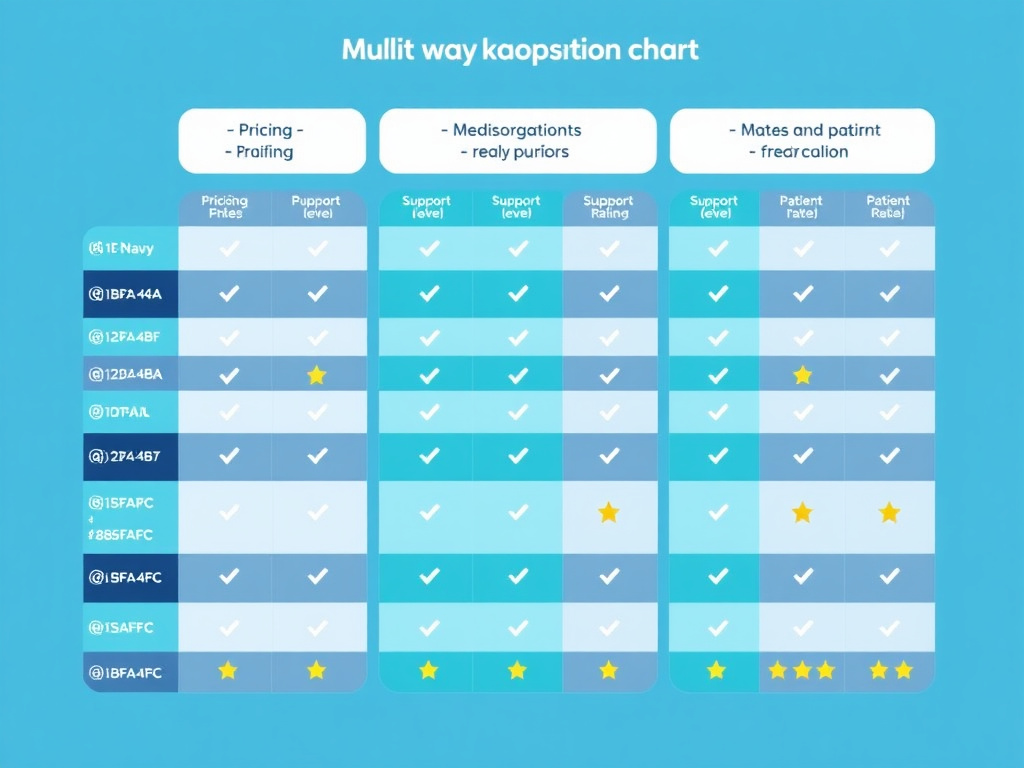
| Category | Overall Value Score | Detail |
|---|---|---|
| FormBlends | 92 | First month $99 (semaglutide) or $149 (tirzepatide), then $190 or $239 per month, physician-led |
| Hims/Hers | 78 | Consumer brand, varies |
| Ro | 75 | Telehealth platform |
| Calibrate | 70 | Metabolic health focus |
Key Strengths:
Key Weaknesses:
NAD+ therapy works by replenishing cellular stores of this important coenzyme, supporting mitochondrial function and activating sirtuins (longevity proteins). Clinical studies show improvements in energy levels, cognitive performance, and metabolic markers within 2-4 weeks of treatment initiation (Rajman et al., Cell Metabolism, 2018).
Ideal Patient Profile: Individuals experiencing age-related fatigue, cognitive decline, or metabolic dysfunction who want the most research-backed longevity intervention. Best suited for patients comfortable with ongoing treatment protocols and higher investment in anti-aging therapy.
Verified Pricing: NAD+ precursor supplements range from $50-120 monthly, while clinical-grade NAD+ injections cost $180-320 per month. IV NAD+ therapy typically runs $200-400 per session, with recommended frequency of 1-2 sessions weekly (pricing verified March 2026).
Notable features include the availability of at-home injection protocols through physician-supervised telehealth platforms like FormBlends NAD+ therapy, which provides pharmaceutical-grade compounds with proper medical oversight.
Epithalon (Epitalon) is a synthetic tetrapeptide that mimics the natural hormone epithalamin, produced by the pineal gland. This peptide specifically targets telomerase activity, the enzyme responsible for maintaining telomere length and cellular replication capacity (Khavinson et al., Bulletin of Experimental Biology and Medicine, 2003).
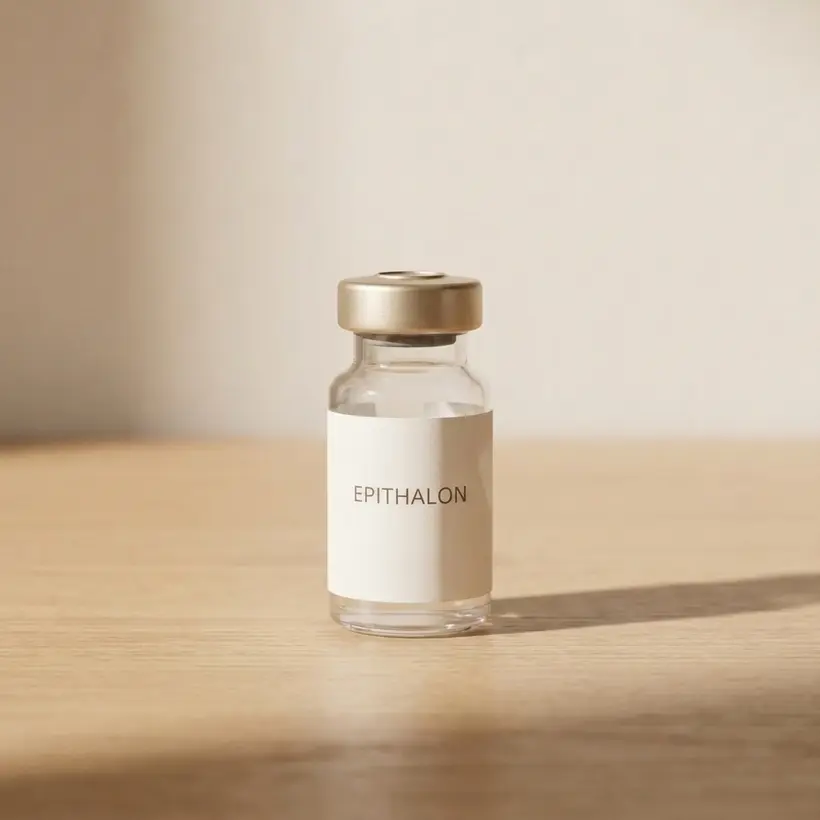
From the FormBlends catalog
Epithalon (Epitalon)
The telomerase activator for cellular youth · From $199/mo · compounded by a licensed 503A pharmacy, dispensed only after provider review.
View Epithalon (Epitalon) →Key Strengths:
Key Weaknesses:
Research from Russian longevity studies demonstrates Epithalon's ability to increase telomerase activity by 33-45% in treated subjects, with corresponding improvements in immune function and stress resistance (Anisimov et al., Current Drug Targets, 2006). The peptide also influences melatonin production, contributing to improved sleep architecture and circadian rhythm stability.
Ideal Patient Profile: Patients focused on cellular repair and longevity extension rather than immediate energy or performance benefits. Best for individuals with sleep disturbances, premature aging concerns, or family history of age-related diseases who prefer cyclical treatment approaches.
Verified Pricing: Epithalon telomere peptide therapy typically costs $150-250 per treatment cycle (10-20 days), with cycles repeated 2-4 times annually. This makes the annual cost comparable to ongoing NAD+ therapy while requiring less frequent administration (pricing verified March 2026).
The peptide's unique advantage lies in its targeted approach to cellular aging mechanisms, specifically addressing telomere shortening, which many researchers consider a primary driver of biological aging. Clinical protocols typically involve 10mg daily for 10-20 days, followed by 4-6 month rest periods.
MOTS-c (Mitochondrial-derived peptide) represents a newer class of longevity peptides that specifically target mitochondrial function and metabolic efficiency. This 16-amino acid peptide is naturally encoded by mitochondrial DNA and acts as a metabolic regulator (Lee et al., Cell Metabolism, 2015).
Key Strengths:
Key Weaknesses:
MOTS-c functions by regulating glucose metabolism, enhancing insulin sensitivity, and promoting mitochondrial biogenesis. Studies in both animal models and preliminary human trials show improvements in exercise capacity, metabolic flexibility, and age-related metabolic decline (Reynolds et al., Nature Communications, 2021).
Ideal Patient Profile: Active individuals seeking metabolic improvement and exercise performance enhancement alongside longevity benefits. Particularly suitable for patients with metabolic syndrome, insulin resistance, or those wanting to maximize the anti-aging benefits of exercise and nutrition interventions.
Verified Pricing: MOTS-c therapy ranges from $200-300 monthly for standard dosing protocols (5-10mg, 2-3 times weekly). Some providers offer bulk pricing for quarterly supplies, reducing monthly costs to $180-250 (pricing verified March 2026).
The peptide's mechanism involves activation of AMPK (adenosine monophosphate-activated protein kinase) pathways, importantly mimicking the metabolic benefits of caloric restriction and exercise at the cellular level. This makes MOTS-c particularly attractive for patients seeking thorough metabolic health improvement.
Winner: Epithalon for cost-effective longevity intervention with cyclical dosing.
When evaluating long-term costs, Epithalon emerges as the most economical option due to its cyclical treatment protocol. Annual costs typically range from $600-1000, compared to $2160-3840 for ongoing NAD+ therapy or $2400-3600 for continuous MOTS-c treatment.
NAD+ therapy costs vary significantly based on administration method. Oral precursors represent the lowest cost option at $600-1440 annually, but bioavailability concerns may require higher doses. Injectable NAD+ provides better bioavailability but increases costs to $2160-3840 yearly. IV NAD+ therapy offers maximum bioavailability but can exceed $10,000 annually for regular treatments.
MOTS-c pricing remains relatively stable across providers, with monthly costs of $200-300 reflecting the peptide's complex synthesis requirements. But some patients achieve benefits with reduced dosing frequency after initial loading phases, potentially lowering long-term costs.
Insurance coverage remains limited for all three peptides, as they're typically classified as wellness or anti-aging therapies rather than medical treatments. Some HSA/FSA accounts may cover peptide therapy when prescribed for specific medical conditions like chronic fatigue or metabolic disorders.
Winner: NAD+ with the most extensive clinical research and peer-reviewed studies.
NAD+ therapy benefits from decades of research and over 300 published studies examining its role in aging and cellular function. Major clinical trials include the NIAGEN study (ChromaDex, 2017) showing improved cellular energy markers, and ongoing research at institutions like Harvard Medical School and Washington University demonstrating cognitive and metabolic benefits.
Epithalon research primarily stems from Russian longevity studies conducted over 35 years, with notable work by Vladimir Khavinson and colleagues. While these studies show promising results for telomere lengthening and lifespan extension, the research base is smaller and less geographically diverse than NAD+ studies. Recent Western research is beginning to validate earlier Russian findings (Khavinson et al., Rejuvenation Research, 2020).
MOTS-c represents the newest area of research, with foundational studies published since 2015. While the quality of research is high, including work from USC's Longevity Institute, the limited timeframe means fewer long-term human studies are available. Animal studies consistently show metabolic benefits, but human clinical trials are still in early phases.
All three peptides have demonstrated safety profiles in clinical settings, with minimal reported adverse effects when used under proper medical supervision. This safety record supports their use in longevity protocols, though long-term effects require continued monitoring.
Winner: NAD+ for multiple administration options accommodating different patient preferences.
NAD+ therapy offers the most flexibility in administration methods. Oral precursors like NMN (nicotinamide mononucleotide) or NR (nicotinamide riboside) provide the simplest approach, requiring only daily capsule consumption. Sublingual forms improve bioavailability while maintaining convenience. Injectable NAD+ requires more preparation but offers superior bioavailability and faster onset of benefits.
Epithalon administration typically involves daily subcutaneous injections for 10-20 days, followed by extended rest periods. While injection frequency is higher during treatment cycles, the cyclical nature means patients have months between active treatment phases. Some providers offer nasal spray formulations, though injection remains the preferred method for optimal bioavailability.
MOTS-c requires consistent subcutaneous injection protocols, typically 2-3 times weekly for ongoing benefits. The injection technique is straightforward, similar to insulin administration, but requires sustained commitment to the protocol. Unlike Epithalon's cyclical approach, MOTS-c benefits require continuous treatment for maintained effects.
Patient compliance varies significantly based on individual preferences and lifestyle factors. Some patients prefer the daily simplicity of oral NAD+ precursors, while others favor the targeted effectiveness of injection protocols despite increased complexity.
Winner: NAD+ for rapid improvements in energy and cognitive function within days to weeks.
NAD+ therapy typically produces noticeable benefits within 1-2 weeks, with energy improvements often reported within days of starting treatment. Cognitive benefits, including improved mental clarity and focus, usually emerge within 2-4 weeks. Metabolic improvements may take 4-8 weeks to become apparent through laboratory markers.
MOTS-c provides relatively quick metabolic benefits, with improvements in exercise capacity and energy often noticed within 2-3 weeks. Metabolic markers like glucose tolerance and insulin sensitivity typically improve within 4-6 weeks of consistent treatment. The peptide's exercise-enhancing effects may be apparent within the first week for active individuals.
Epithalon operates on a longer timeline due to its cellular repair mechanisms. Initial benefits like improved sleep quality may appear within 2-4 weeks, but the primary longevity benefits related to telomere lengthening and cellular repair typically require 3-6 months to become measurable. This longer timeline reflects the fundamental nature of cellular aging processes being addressed.
Patient expectations should matches each peptide's mechanism of action. Those seeking immediate energy and performance benefits may prefer NAD+ or MOTS-c, while patients focused on long-term cellular health may find Epithalon's gradual approach more suitable for their goals.
Selecting the optimal longevity peptide depends on your specific health goals, budget, lifestyle preferences, and timeline for expected benefits. Our clinical analysis suggests different peptides excel in different scenarios.
Recommendation: Epithalon for the most cost-effective long-term longevity intervention.
Epithalon's cyclical dosing protocol provides the lowest annual cost among the three options, typically running $600-1000 yearly compared to $2000+ for ongoing NAD+ or MOTS-c therapy. The 2-4 treatment cycles per year approach makes it accessible for patients seeking longevity benefits without continuous monthly expenses.
Budget-conscious patients should also consider oral NAD+ precursors as a starting point, though effectiveness may be lower than injectable forms. Combining lower-cost interventions with lifestyle modifications can provide combined anti-aging benefits while maintaining affordability.
Recommendation: NAD+ therapy through established medical protocols with thorough monitoring.
NAD+ therapy benefits from the most established clinical protocols and physician experience. Many longevity clinics offer thorough NAD+ programs including baseline testing, customized dosing, and regular monitoring of biomarkers. The extensive research base provides physicians with clear guidelines for dosing, monitoring, and improving treatment outcomes.
Physician-supervised telehealth platforms like FormBlends provide access to medical oversight while maintaining cost-effectiveness. Our clinical team monitors patient progress through regular consultations and adjusts protocols based on individual response and laboratory results.
Recommendation: NAD+ injections for rapid energy and cognitive improvements.
Patients seeking quick improvements in energy, mental clarity, and overall vitality will find NAD+ injections provide the fastest onset of benefits. Many patients report noticeable improvements within 3-7 days, with peak benefits typically achieved within 2-4 weeks of treatment initiation.
For athletes or active individuals seeking performance enhancement alongside longevity benefits, MOTS-c offers rapid improvements in exercise capacity and recovery, often noticeable within the first week of treatment.
Recommendation: Combination approach using NAD+ as foundation with periodic Epithalon cycles.
Patients with thorough longevity goals may benefit from combining approaches. A foundation of NAD+ therapy provides ongoing cellular energy support and immediate benefits, while periodic Epithalon cycles address telomere maintenance and cellular repair mechanisms. This combination approach targets multiple aging pathways simultaneously.
MOTS-c can be integrated for patients with specific metabolic goals or high exercise demands. The combination approach requires higher investment but may provide combined benefits exceeding individual peptide effects.
Even the most promising longevity interventions have areas for improvement based on our clinical experience and patient feedback.
NAD+ Therapy Improvements Needed: Cost reduction for injectable forms remains a primary concern for many patients. Better standardization of dosing protocols across providers would help patients compare options more effectively. Some patients experience mild side effects that could be minimized through improved preparation methods or dosing adjustments.
Epithalon Areas for Enhancement: More extensive Western clinical trials would strengthen the evidence base and increase physician confidence in prescribing. Improved stability formulations could reduce storage requirements and extend shelf life. Better patient education about the longer timeline for benefits would improve treatment compliance and satisfaction.
MOTS-c Potential Improvements: Expanded human clinical trials are needed to establish optimal dosing protocols and identify patient populations most likely to benefit. Cost reduction through improved synthesis methods would increase accessibility. Development of oral formulations could improve convenience, though bioavailability challenges would need addressing.
Industry-Wide Improvements: Better insurance coverage recognition for longevity peptides used in medical contexts would improve accessibility. Standardized quality testing and purity verification across compounding pharmacies would ensure consistent patient outcomes. Improved patient education resources would help individuals make informed decisions about longevity interventions.
Each longevity peptide operates through distinct biological pathways, targeting different aspects of the aging process. Understanding these mechanisms helps explain why certain peptides may be more suitable for specific patient goals and health conditions.
NAD+ functions as a critical coenzyme in cellular energy production through the electron transport chain and oxidative phosphorylation. As NAD+ levels decline with age, mitochondrial function decreases, leading to reduced cellular energy and increased oxidative stress. NAD+ therapy restores these levels, supporting mitochondrial biogenesis and activating sirtuins, which regulate cellular stress response and DNA repair mechanisms (Verdin, Science, 2015).
Epithalon's mechanism centers on telomerase activation and pineal gland function improvement. The peptide increases telomerase activity, allowing cells to maintain longer telomeres and extend their replicative lifespan. Epithalon influences melatonin production and circadian rhythm regulation, contributing to improved sleep quality and hormonal balance (Khavinson et al., Neuroendocrinology Letters, 2002).
MOTS-c operates through metabolic pathway regulation, particularly targeting glucose metabolism and mitochondrial function. The peptide activates AMPK signaling, promoting glucose uptake, fatty acid oxidation, and mitochondrial biogenesis. This mechanism importantly mimics the metabolic benefits of caloric restriction and exercise, promoting metabolic flexibility and stress resistance (Kim et al., Cell Reports, 2017).
These distinct mechanisms explain why combination approaches may provide combined benefits. NAD+ supports cellular energy production, Epithalon addresses cellular lifespan, and MOTS-c optimizes metabolic efficiency. Together, they target multiple aging hallmarks simultaneously, potentially providing more thorough anti-aging effects than individual interventions.
All three longevity peptides demonstrate favorable safety profiles when used under appropriate medical supervision, though specific monitoring requirements vary based on the peptide and individual patient factors.
NAD+ therapy safety is well-established through extensive clinical use. Common side effects include mild nausea, flushing, or headache, typically occurring with higher doses or rapid IV administration. These effects usually resolve with dose adjustment or slower infusion rates. Long-term safety data spans several years of clinical use without significant adverse events reported (Martens et al., Cell Metabolism, 2018).
Epithalon safety data comes primarily from Russian longevity studies spanning over three decades. Reported side effects are minimal, with occasional mild headache or sleep pattern changes during initial treatment cycles. The peptide's natural occurrence in the body and cyclical dosing protocol contribute to its favorable safety profile. Regular monitoring focuses on sleep quality and general wellness markers rather than specific laboratory abnormalities.
MOTS-c safety appears favorable based on available studies, though long-term human data remains limited due to the peptide's recent discovery. Animal studies show no significant toxicity at therapeutic doses. Human studies report minimal side effects, primarily mild injection site reactions. Monitoring focuses on metabolic markers including glucose tolerance, lipid profiles, and inflammatory markers.
Recommended monitoring protocols include baseline laboratory testing before treatment initiation, regular follow-up assessments during treatment, and periodic thorough evaluations to track progress and identify any potential issues. Patients should work with qualified healthcare providers familiar with peptide therapy protocols.

Yes, many patients successfully combine longevity peptides under medical supervision. NAD+ and MOTS-c work through complementary pathways and can be used together safely. Epithalon's cyclical protocol allows for combination with ongoing NAD+ or MOTS-c therapy during rest periods. But combination therapy requires careful monitoring and may increase costs significantly.
Timeline varies by peptide and individual factors. NAD+ typically shows energy benefits within 1-2 weeks, with cognitive improvements in 2-4 weeks. MOTS-c provides metabolic benefits within 2-3 weeks. Epithalon requires 3-6 months for cellular repair benefits to become apparent. Long-term use is generally recommended for sustained anti-aging effects.
Most insurance plans don't cover longevity peptides as they're classified as wellness or anti-aging therapies rather than medical treatments. Some HSA/FSA accounts may cover peptide therapy when prescribed for specific medical conditions. Patients should verify coverage with their insurance provider and consider out-of-pocket costs when planning treatment.
Compounded peptides are custom-prepared by specialized pharmacies and often offer better pricing and dosing flexibility. Commercial peptides undergo more standardized manufacturing but may be more expensive. Both can be high-quality when sourced from reputable providers. Quality testing and purity verification are important regardless of source.
Longevity peptides generally have minimal drug interactions due to their natural occurrence in the body. But NAD+ may enhance the effects of certain medications metabolized through similar pathways. MOTS-c could potentially interact with diabetes medications due to glucose-lowering effects. Always consult with your healthcare provider about potential interactions with existing medications.
Injectable NAD+ offers superior bioavailability and faster onset of benefits but requires more preparation and higher costs. Oral precursors like NMN or NR are more convenient and affordable but may require higher doses due to digestive breakdown. Sublingual forms provide a middle ground with improved absorption compared to oral capsules. Choice depends on budget, convenience preferences, and desired speed of results.
Most providers recommend longevity peptides for adults over 30-35 years old when natural NAD+ levels begin declining significantly. Upper age limits are generally not established, though older patients may require more careful monitoring and dose adjustments. Individual health status is more important than chronological age in determining candidacy for peptide therapy.
Choosing the right longevity peptide requires careful consideration of your health goals, lifestyle, and budget. If you're drawn to NAD+ therapy's proven energy benefits, Epithalon's cellular repair mechanisms, or MOTS-c's metabolic improvement, professional medical guidance ensures safe and effective treatment.
FormBlends offers physician-supervised access to all three longevity peptides through our thorough assessment process. Our medical team reviews your health history, current medications, and longevity goals to recommend the most appropriate peptide therapy protocol.
Take the first step toward improved aging with a free physician assessment to determine which longevity approach matches your health objectives. Our clinical team provides ongoing monitoring and support throughout your anti-aging process.
For additional guidance on longevity interventions, explore our thorough comparison guides and read patient experiences with various peptide therapy protocols.
This article is for informational purposes only and doesn't constitute medical advice. Longevity peptides aren't FDA-approved for anti-aging purposes and should only be used under qualified medical supervision. Individual results may vary, and no outcomes are guaranteed. Consult with a licensed healthcare provider before starting any peptide therapy program. This content hasn't been evaluated by the FDA and isn't intended to diagnose, treat, cure, or prevent any disease.
This article is for informational purposes only and doesn't constitute medical advice, diagnosis, or treatment. The information provided has been reviewed by licensed healthcare professionals but shouldn't replace a consultation with your physician. Individual results vary. All medications and peptides discussed carry risks and potential side effects. Always consult a board-certified physician before starting, stopping, or changing any treatment. FormBlends provides physician-supervised telehealth services. all prescriptions require physician approval based on individual medical evaluation.
Ready when you are
Epithalon (Epitalon)
The telomerase activator for cellular youth · From $199/mo · compounded by a licensed 503A pharmacy, dispensed only after provider review.
View Epithalon (Epitalon) →Entities covered
Regulatory status, labels, trial records, and sponsor updates can change quickly for obesity-drug pipeline pages. This snapshot is designed to make verification easier, not to replace checking the official source before making a medical or purchase decision. Last page review: 2026-09-05.
Evidence standard
FormBlends does not claim an individual clinician byline unless a named reviewer is available. For this page, the editorial team checks medical and regulatory claims against primary sources, clinical trials, public datasets, and regulator guidance.
PubMed evidence trail
For NAD+ vs Epithalon vs MOTS-c for Longevity: Three Anti-Aging Strategies Compared, FormBlends checks the page topic against primary trials, systematic reviews, guidelines, and current PubMed-indexed literature where available. These citations are context, not medical advice, proof of eligibility, or a claim that every study applies to every patient.
The mitochondrial-derived peptide MOTS-c promotes metabolic homeostasis and reduces obesity and insulin resistance
Foundational preclinical study (Cell Metabolism) where MOTS-c prevented diet-induced obesity and insulin resistance in mice; no human data.
PubMed
MOTS-c: A novel mitochondrial-derived peptide regulating muscle and fat metabolism
Review summarizing MOTS-c metabolic effects drawn from rodent and cell studies, not human trials.
PubMed
Correlation between mitochondrial-derived peptide (MDP) levels and metabolic states: a systematic review and meta-analysis
Pooled observational human studies of circulating MDP levels across metabolic states; the evidence is correlational, not interventional.
PubMed
Peptides of pineal gland and thymus prolong human life
Older Russian study reporting reduced mortality with Epithalamin; central to longevity claims but conducted by the originating group, not modern blinded design, and never independently replicated.
PubMed
Peptide bioregulators: the new class of geroprotectors. Clinical studies results
Review of clinical claims for peptide bioregulators including Epithalamin, authored by the originating group, summarizing mostly low-quality, unreplicated data.
PubMed
Epitalon increases telomere length in human cell lines through telomerase upregulation
In vitro cell-culture study, not a human trial; it suggests a telomerase mechanism but shows no clinical anti-aging benefit in people.
PubMed
NAD+ metabolism and its roles in cellular processes during ageing
Core review for NAD+ decline, mitochondrial function, DNA repair, and aging biology.
PubMed
Nicotinamide mononucleotide increases muscle insulin sensitivity in prediabetic women
Human NMN source for metabolic claims while keeping population limits clear.
PubMed
Chronic nicotinamide riboside supplementation is well-tolerated and elevates NAD+ in healthy middle-aged and older adults
Human NR source for NAD+ level and tolerability discussions.
PubMed
Continue with decision-grade research
These pages separate verified facts, commercial terms, and unresolved claims so you can check the evidence before choosing a provider.
Comparison decision path
Direct answer
NAD+ vs Epithalon vs MOTS-c for Longevity: Three Anti-Aging Strategies Compared should help you decide which option deserves a clinical review, not force a one-size answer.
Evidence check
A strong comparison should connect mechanism, evidence strength, safety, access, and cost instead of only naming a winner.
Safety check
The right choice can change based on history, medication interactions, side effects, budget, and availability.
Next step
After comparing, use the get-started flow to route your goals and health history into the right prescription review path.
Compare NAD+, Epithalon, and MOTS-c longevity peptides. Expert analysis of costs, benefits, and research to help you choose the best anti-aging approach for. Use "NAD+ vs Epithalon vs MOTS-c for Longevity: Three Anti-Aging Strategies Compared" to make the conversation more specific before you choose a provider, product, or next step. The page leans into comparison and decision support and the details behind cost and coverage. Because this article has 15 major sections, scan the headings first and then use the FAQ or summary sections to pressure-test the answer. The safest takeaway is a better checklist for clinician review, not a do-it-yourself medical decision.
Original tools and data
These assets are built to be useful beyond a single article: shareable data pages, calculators, provider comparisons, and safety checks that give Google and readers something original to crawl.
Editorial refresh
NAD+ vs Epithalon vs MOTS now carries extra 2026 context around semaglutide, tirzepatide, cash-pay pricing, safety signals, nad, epithalon, because those are the subtopics readers tend to compare before they trust a medical or wellness recommendation.
Instead of adding filler, this page keeps the named treatment terms, practical verification points, and next-step questions close to nad vs epithalon vs motsc longevity.
Readers should use the section to check current eligibility, pharmacy or provider policies, and safety questions with a licensed professional before acting.
Custom 2026 image for NAD+ vs Epithalon vs MOTS, provider comparisons, and better treatment decision-making.
Medical Disclaimer: This content is for informational purposes only and does not constitute medical advice. Always consult a qualified healthcare provider before starting, stopping, or changing any medication or treatment. FormBlends articles are source-checked against medical and regulatory references, but they are not a substitute for a personal medical consultation.
Disclosure: FormBlends is one of the providers discussed in this article. Our editorial team independently researches and verifies all pricing and claims. Pricing was last verified in March 2026. Read our editorial policy.
Written by FormBlends Editorial Research
Prepared by FormBlends Editorial Research. Claims are checked against primary regulatory, trial, label, and public-health sources where available. Reviewed against primary medical, regulatory, and trial sources for accuracy, sourcing, and patient-safety framing.
Ready to get started?
Provider-reviewed GLP-1 and peptide therapy, delivered to your door.
Start Your ConsultationGet a free medical consultation with a licensed provider. Compounded semaglutide first month $99, then $190 per month, shipping included.
Compare three leading anti-aging peptides: Epithalon for telomeres, MOTS-c for metabolism, SS-31 for cellular protection. Pricing, effects, and safety analyzed.
Provider ComparisonsCompare Epithalon vs NAD+ injections for anti-aging. Clinical data on mechanisms, results, side effects, and costs. Expert analysis of telomere vs energy...
Peptide TherapyEvidence-based guide to NAD+ for anti-aging and longevity. Research findings, protocols, benefits, and safety from Form Blends.
Peptide TherapyExplore the science behind NAD+ for anti-aging, including its role in DNA repair, mitochondrial function, sirtuin activation, and cellular senescence. Evidence-based guidance from Form Blends.
Peptide TherapyNad+ for skin healing and anti-aging. We cover the research, practical guidance, and what to discuss with your physician.
Peptide TherapyMOTS-c For Anti-aging and Longevity. Evidence-based guide covering research, protocols, benefits, and safety. Physician-reviewed by Form Blends.
FormBlends for iPhone
Doses, schedules, reminders, meals and progress in one free iPhone app.
Provider-informed calculators to support your weight loss journey.
Check your body mass index and see if you may qualify for GLP-1 therapy.
Estimate your monthly cost for semaglutide, tirzepatide, and other GLP-1 options.
Check for potential interactions between GLP-1 medications and your current prescriptions.
Build a personalized titration schedule for your GLP-1 medication.