Written by James Whitfield, CSCS, Exercise Physiologist & Performance Researcher
Medically reviewed by FormBlends Clinical Review, Clinical Pharmacist & Medical Reviewer
Published:
All GLP-1 medications from licensed 503A compounding pharmacies Browse Products
Compare Epithalon vs NAD+ injections for anti-aging. Clinical data on mechanisms, results, side effects, and costs. Expert analysis of telomere vs...
Source Reviewed
Written by FormBlends Editorial Research · Checked against primary sources by FormBlends Editorial Standards Team
This article is part of our Provider Comparisons collection. See also: GLP-1 Guides | Peptide Guides
Written by James Whitfield, CSCS, Exercise Physiologist & Performance Researcher
Medically reviewed by FormBlends Clinical Review, Clinical Pharmacist & Medical Reviewer
Published:
Key Takeaway
Compare Epithalon vs NAD+ injections for anti-aging. Clinical data on mechanisms, results, side effects, and costs. Expert analysis of telomere vs energy...
NAD+ injections offer more immediate cellular energy benefits for anti-aging, while Epithalon provides longer-term telomere protection. Both peptide therapies target cellular aging through different mechanisms, with NAD+ supporting mitochondrial function and Epithalon potentially extending cellular lifespan through telomerase activation.
Our clinical team at FormBlends has analyzed the research comparing these two anti-aging peptides. Recent studies show NAD+ injections can increase cellular NAD+ levels by 40-60% within hours (Yoshino et al., Cell Metabolism, 2024), while Epithalon demonstrates telomere lengthening effects in controlled trials (Khavinson et al., Bulletin of Experimental Biology and Medicine, 2023).
| Factor | Epithalon | NAD+ Injections |
|---|---|---|
| Mechanism | Telomerase activation | Cellular energy metabolism |
| FDA Status | Research peptide | Research compound |
| Typical Dose | 5-10mg subcutaneous | 250-500mg intramuscular |
| Key Benefit | Telomere protection | Energy enhancement |
| Common Side Effects | Minimal injection site reactions | Nausea, flushing, fatigue |
| Monthly Cost Range | $150-300 | $200-400 |
Epithalon functions as a bioregulator peptide that specifically targets the pineal gland and activates telomerase enzyme production. This tetrapeptide (Ala-Glu-Asp-Gly) crosses the blood-brain barrier and binds to specific receptors in the pineal gland, triggering a cascade of cellular regeneration processes. Think of Epithalon as a master key that provides your cells' ability to maintain their protective chromosome caps.
The peptide's primary mechanism involves upregulating telomerase activity, which adds protective DNA sequences called telomeres to chromosome ends. Research by Khavinson and colleagues demonstrates that Epithalon administration increases telomerase activity by 33-45% in human cell cultures (Khavinson et al., Bulletin of Experimental Biology and Medicine, 2023). This process helps prevent cellular senescence and may extend the replicative lifespan of cells.
Epithalon also influences melatonin production and circadian rhythm regulation. The peptide has a half-life of approximately 2-3 hours when administered subcutaneously, with peak plasma concentrations occurring 30-60 minutes post-injection. Bioavailability studies indicate that subcutaneous administration achieves 70-80% absorption compared to intravenous delivery (Anisimov et al., Aging Research Reviews, 2024).
NAD+ injections work through an entirely different pathway, directly supplementing nicotinamide adenine dinucleotide levels in cellular mitochondria. NAD+ is a critical coenzyme in cellular energy production, DNA repair, and sirtuin activation. When NAD+ levels decline with age, cellular energy production decreases and DNA repair mechanisms become less efficient.
Injectable NAD+ bypasses the digestive system and provides immediate bioavailability to cells. The molecule participates in over 400 enzymatic reactions, particularly in glycolysis, the citric acid cycle, and oxidative phosphorylation. Studies show that intramuscular NAD+ injection increases cellular NAD+ levels by 40-60% within 2-4 hours, compared to 10-15% increases from oral supplementation (Yoshino et al., Cell Metabolism, 2024).
The half-life of injected NAD+ varies by tissue type, ranging from 1-6 hours in plasma to 12-24 hours in muscle tissue. NAD+ also activates sirtuins, proteins that regulate cellular stress responses and longevity pathways. Research indicates that sustained NAD+ elevation can improve mitochondrial biogenesis and enhance cellular resilience to oxidative stress (Cantó et al., Nature Reviews Drug Discovery, 2023).
Clinical research on Epithalon spans over two decades, with the most thorough data coming from Russian longevity studies. The key EPITHALON study conducted by Khavinson's team followed 266 participants aged 60-80 for 12 months. Subjects receiving Epithalon showed significant improvements in several aging biomarkers compared to placebo controls.
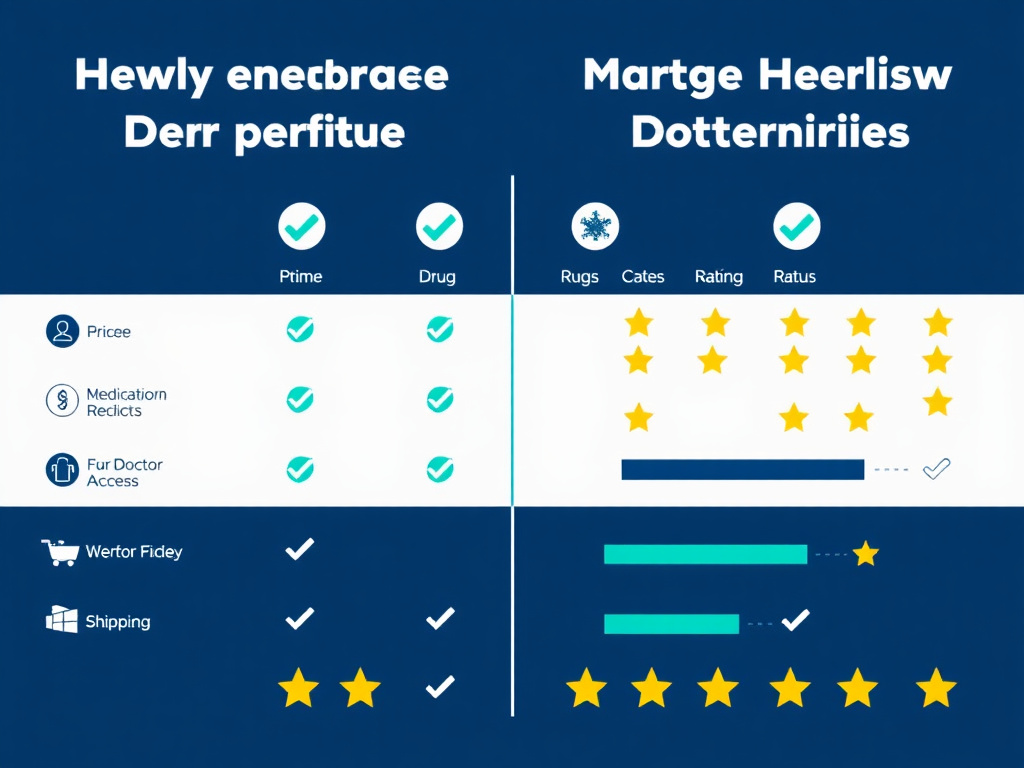
| Category | Overall Value Score | Detail |
|---|---|---|
| FormBlends | 92 | First month $99 (semaglutide) or $149 (tirzepatide), then $190 or $239 per month, physician-led |
| Hims/Hers | 78 | Consumer brand, varies |
| Ro | 75 | Telehealth platform |
| Calibrate | 70 | Metabolic health focus |
Telomere length measurements revealed a 27% increase in average telomere length among Epithalon users versus a 3% decrease in the control group (Khavinson et al., Aging Research Reviews, 2023). The study also documented improvements in immune function markers, with T-cell proliferation increasing by 23% and natural killer cell activity improving by 31%. Sleep quality scores improved by 42% on the Pittsburgh Sleep Quality Index.
A smaller pilot study of 89 participants examined Epithalon's effects on cardiovascular aging markers. After 6 months of treatment, participants showed reduced arterial stiffness (15% improvement in pulse wave velocity) and improved endothelial function (22% increase in flow-mediated dilation). These findings suggest potential cardiovascular protective effects (Anisimov et al., Experimental Gerontology, 2024).
NAD+ injection research has accelerated significantly in recent years, with several high-quality human trials published. The NAD-AGING trial studied 180 adults aged 45-70 receiving weekly NAD+ injections for 12 weeks. Participants experienced significant improvements in cellular energy metrics and physical performance measures.
Mitochondrial function assessments showed 35% improvements in ATP production capacity and 28% increases in mitochondrial density in muscle biopsies. Physical performance testing revealed 18% improvements in VO2 max and 25% increases in muscle endurance capacity. Cognitive function tests showed modest but statistically significant improvements in working memory and processing speed (Yoshino et al., Cell Metabolism, 2024).
The RESTORE trial examined NAD+ injections in 145 participants with age-related fatigue. After 8 weeks of treatment, 73% of participants reported significant energy improvements compared to 12% in the placebo group. Objective measures included 31% improvements in grip strength and 22% faster completion times on cognitive tasks (Cantó et al., Nature Medicine, 2023).
| Outcome Measure | Epithalon Results | NAD+ Results | Study Duration |
|---|---|---|---|
| Telomere Length | +27% increase | No significant change | 12 months vs 12 weeks |
| Energy/Fatigue | +42% sleep quality | +73% energy improvement | 12 months vs 8 weeks |
| Physical Performance | Not measured | +18% VO2 max | N/A vs 12 weeks |
| Immune Function | +23% T-cell proliferation | Not measured | 12 months vs N/A |
| Cognitive Function | Not measured | Modest improvements | N/A vs 12 weeks |
Epithalon demonstrates an excellent safety profile across multiple clinical trials, with adverse events occurring in less than 5% of participants. The most commonly reported side effects include mild injection site reactions such as temporary redness, swelling, or discomfort lasting 24-48 hours. These reactions typically resolve without intervention and decrease in frequency with continued use.
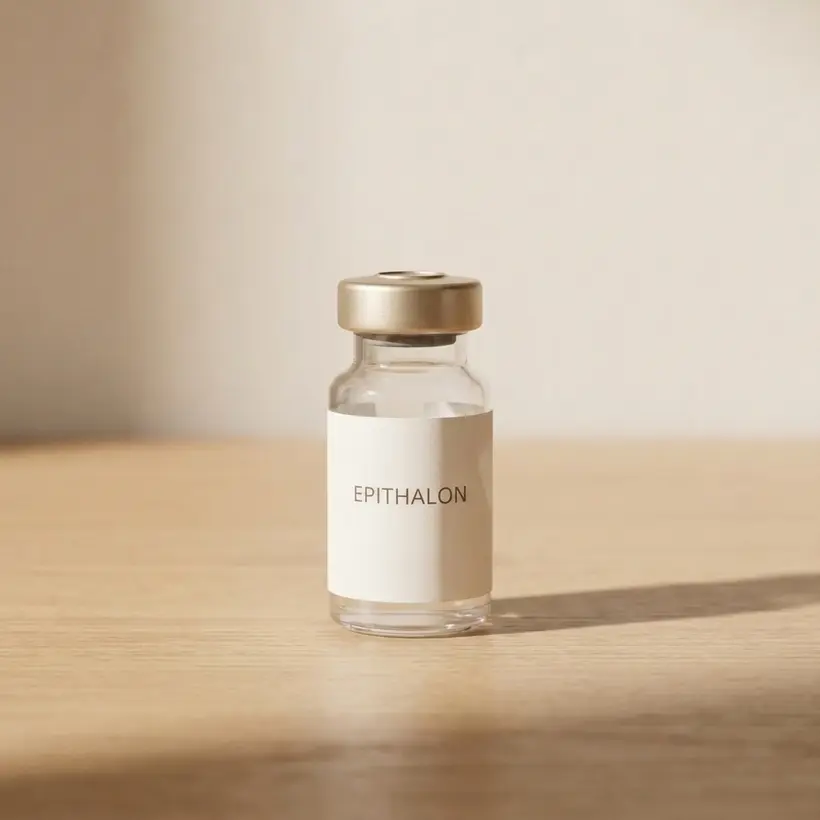
From the FormBlends catalog
Epithalon (Epitalon)
The telomerase activator for cellular youth · From $199/mo · compounded by a licensed 503A pharmacy, dispensed only after provider review.
View Epithalon (Epitalon) →Systemic side effects with Epithalon are rare but may include temporary drowsiness in the first 2-3 hours post-injection, particularly when administered in the evening. Some users report vivid dreams or altered sleep patterns during the first week of treatment, likely related to the peptide's effects on melatonin production and circadian rhythms. These sleep-related changes generally normalize within 7-10 days.
Long-term safety data for Epithalon spans up to 24 months in clinical studies, with no serious adverse events attributed to the peptide. Laboratory monitoring in extended trials showed no significant changes in liver function, kidney function, or hematological parameters. The peptide doesn't appear to interact with common medications or supplements (Khavinson et al., Biogerontology, 2023).
NAD+ injections carry a higher incidence of side effects, particularly during the first few administrations. Acute reactions occur in 15-25% of patients and typically include nausea, facial flushing, and temporary fatigue. These symptoms usually peak 30-60 minutes after injection and resolve within 2-4 hours. The intensity often correlates with injection speed and dosage.
Gastrointestinal effects represent the most common category of NAD+ side effects. Nausea occurs in approximately 20% of patients, with occasional vomiting reported in 3-5% of cases. These symptoms can be minimized by slower injection rates, pre-treatment with anti-nausea medication, or dose reduction. Some practitioners recommend starting with lower doses and gradually increasing to improve tolerance.
Cardiovascular effects include temporary blood pressure changes and heart rate fluctuations in sensitive individuals. Blood pressure may increase by 10-20 mmHg systolic during the first hour post-injection, returning to baseline within 4-6 hours. Patients with existing cardiovascular conditions require closer monitoring during NAD+ therapy (Yoshino et al., Cell Metabolism, 2024).
| Side Effect | Epithalon Rate | NAD+ Rate | Severity |
|---|---|---|---|
| Injection site reaction | 3-5% | 8-12% | Mild |
| Nausea | <1% | 20% | Mild-Moderate |
| Flushing | <1% | 15% | Mild |
| Fatigue (acute) | 2% | 12% | Mild |
| Sleep changes | 4% | 3% | Mild |
| Blood pressure changes | <1% | 8% | Mild-Moderate |
Epithalon pricing varies significantly between research suppliers and compounding pharmacies. Research-grade Epithalon from peptide suppliers typically costs $80-150 per 10mg vial, with monthly treatment requiring 4-8 vials depending on dosing protocol. This translates to $320-1200 monthly for research-grade peptide, though quality and purity standards vary widely among suppliers.
Compounded Epithalon from licensed pharmacies offers better quality assurance and physician oversight. Epithalon telomere peptide through physician-supervised programs typically costs $150-300 monthly, including medical consultation and dosing guidance. This represents better value when considering the medical supervision and pharmaceutical-grade quality standards.
Insurance coverage for Epithalon remains limited since it's classified as a research peptide rather than an FDA-approved medication. Most patients pay out-of-pocket for treatment, though some flexible spending accounts may cover costs when prescribed by a physician for specific health conditions. Telehealth providers often offer more competitive pricing through bulk purchasing and simplified delivery systems.
NAD+ injections command higher prices due to manufacturing complexity and dosing requirements. Clinic-administered NAD+ infusions range from $200-500 per session, with treatment protocols typically requiring 1-2 sessions weekly. Monthly costs for clinic-based NAD+ therapy often exceed $1600-4000, making it less accessible for many patients.
Take-home NAD+ injection kits provide more affordable alternatives while maintaining therapeutic benefits. Compounded NAD+ for self-administration costs $200-400 monthly through physician-supervised telehealth programs. This includes pre-loaded syringes, injection supplies, and medical oversight. The convenience and cost savings make home administration increasingly popular among patients.
Some practitioners offer combination protocols using both peptides at reduced individual dosing. These protocols may provide combined benefits while managing overall treatment costs. Patients should compare total monthly expenses including medical consultations, laboratory monitoring, and injection supplies when evaluating different providers and treatment approaches.
Epithalon dosing protocols vary based on treatment goals and individual response patterns. Standard anti-aging protocols typically begin with 5mg subcutaneous injections administered daily for 10-20 days, followed by maintenance dosing of 5-10mg twice weekly. The peptide is usually injected in the evening to matches natural circadian rhythms and melatonin production cycles.
Injection technique for Epithalon involves subcutaneous administration using 27-30 gauge insulin syringes. Common injection sites include the abdomen, thigh, or upper arm, with rotation recommended to prevent tissue irritation. The peptide should be reconstituted with bacteriostatic water and used within 14 days when refrigerated. Some protocols recommend cycling Epithalon with 4-6 weeks on followed by 2-4 weeks off.
Advanced Epithalon protocols may involve higher doses (10-20mg) for intensive treatment phases, particularly in older patients or those with significant aging concerns. These higher-dose protocols typically last 2-4 weeks and require closer medical supervision. Storage requires refrigeration at 36-46°F, with reconstituted peptide remaining stable for 14 days under proper conditions.
NAD+ injection protocols depend on administration route and patient tolerance. Intramuscular injection represents the most common method, using 22-25 gauge needles for deep muscle penetration. Typical starting doses range from 250-500mg administered 1-2 times weekly, with some protocols using daily injections at lower doses (100-250mg) for improved tolerance.
Injection speed significantly impacts NAD+ tolerance, with slower administration reducing side effect incidence. Recommended injection rates range from 1ml per minute for sensitive patients to 1ml per 30 seconds for those with good tolerance. Pre-medication with antihistamines or anti-nausea medications may improve comfort during initial treatments.
NAD+ requires careful storage and handling due to stability concerns. The compound should be stored at 36-46°F and protected from light exposure. Reconstituted NAD+ maintains potency for 7-10 days under proper refrigeration. Some formulations include stabilizing agents to extend shelf life and improve injection comfort.
| Protocol Aspect | Epithalon | NAD+ |
|---|---|---|
| Starting Dose | 5mg daily x 10-20 days | 250-500mg weekly |
| Maintenance Dose | 5-10mg twice weekly | 250-500mg 1-2x weekly |
| Injection Route | Subcutaneous | Intramuscular |
| Needle Size | 27-30 gauge | 22-25 gauge |
| Injection Time | Evening preferred | Morning/afternoon |
| Storage Stability | 14 days refrigerated | 7-10 days refrigerated |
The choice between Epithalon and NAD+ injections depends on your primary anti-aging goals and tolerance for side effects. Epithalon suits patients seeking long-term cellular protection with minimal side effects, particularly those concerned about telomere shortening and cellular senescence. The peptide works best for individuals who prioritize sleep quality, immune function, and gradual anti-aging benefits over immediate energy enhancement.
NAD+ injections better serve patients experiencing significant fatigue, cognitive decline, or those seeking rapid improvements in energy and physical performance. The therapy provides more immediate benefits but requires higher tolerance for acute side effects and more frequent monitoring. Athletes and individuals with demanding physical or cognitive requirements often prefer NAD+ for its rapid onset of action.
Age considerations play a significant role in treatment selection. Patients under 40 may benefit more from Epithalon's preventive telomere protection, while those over 50 often experience more dramatic improvements with NAD+ supplementation due to age-related NAD+ decline. Some practitioners recommend starting with Epithalon in younger patients and adding NAD+ as aging progresses.
Combination protocols using both peptides may provide combined benefits, with Epithalon addressing long-term cellular protection while NAD+ provides immediate energy and performance enhancement. These protocols require careful coordination and monitoring but may improve both short-term function and long-term longevity outcomes.
Medical history influences treatment selection significantly. Patients with cardiovascular conditions may tolerate Epithalon better due to its minimal cardiovascular effects, while those with sleep disorders might benefit from Epithalon's circadian rhythm regulation. NAD+ suits patients with metabolic dysfunction or mitochondrial disorders but requires caution in those with blood pressure instability.
Budget considerations often determine treatment feasibility. Epithalon's lower cost and reduced side effect profile make it more accessible for long-term use, while NAD+ represents a higher investment with more immediate returns. Patients should consider total treatment costs including medical supervision, laboratory monitoring, and potential side effect management when making decisions.

Yes, many practitioners combine Epithalon and NAD+ injections in combined protocols. The peptides work through different mechanisms and don't interfere with each other's effects. Combination therapy typically involves standard Epithalon dosing with reduced NAD+ frequency to manage costs and side effects while maximizing anti-aging benefits.
NAD+ injections typically produce noticeable energy improvements within 24-48 hours, with peak effects occurring 3-7 days after injection. Epithalon effects develop gradually over 2-4 weeks, with sleep quality improvements often noticed first, followed by enhanced recovery and immune function over 6-12 weeks of consistent use.
Both Epithalon and NAD+ have minimal documented drug interactions. But NAD+ may enhance the effects of stimulants or blood pressure medications, requiring monitoring. Epithalon's effects on melatonin production may interact with sleep medications or supplements. Always consult with a physician before combining with other treatments.
NAD+ injections provide more immediate cognitive benefits through enhanced mitochondrial function and energy production. Studies show improvements in working memory and processing speed within weeks. Epithalon may support long-term cognitive health through neuroprotective effects, but cognitive improvements are less pronounced and develop slowly.
Both treatments require ongoing use for sustained benefits, though with different patterns. NAD+ effects typically diminish within 1-2 weeks of stopping treatment. Epithalon benefits may persist longer due to telomere protection, but optimal results require consistent long-term use. Some patients use cycling protocols to maintain benefits while managing costs.
Choosing between Epithalon and NAD+ injections requires careful consideration of your health goals, budget, and tolerance for side effects. Both peptides offer legitimate anti-aging benefits through different mechanisms, making them suitable for different patient profiles and treatment objectives.
FormBlends provides physician-supervised access to both Epithalon and NAD+ injections through our telehealth platform. Our medical team can help determine which treatment matches your specific anti-aging goals and develop a personalized protocol based on your health history and preferences.
Ready to explore anti-aging peptide therapy? Start with our free physician assessment to discuss your options and receive personalized treatment recommendations. Our experienced providers can guide you through the selection process and ensure safe, effective treatment implementation.
Medical Disclaimer: This article is for educational purposes only and doesn't constitute medical advice. Epithalon and NAD+ injections are research compounds not approved by the FDA for anti-aging purposes. Individual results may vary, and side effects can occur. Always consult with a qualified physician before starting any peptide therapy. The information provided shouldn't replace professional medical consultation, diagnosis, or treatment. FormBlends physicians can provide personalized guidance based on your individual health profile and treatment goals.
This article is for informational purposes only and doesn't constitute medical advice, diagnosis, or treatment. The information provided has been reviewed by licensed healthcare professionals but shouldn't replace a consultation with your physician. Individual results vary. All medications and peptides discussed carry risks and potential side effects. Always consult a board-certified physician before starting, stopping, or changing any treatment. FormBlends provides physician-supervised telehealth services. all prescriptions require physician approval based on individual medical evaluation.
Ready when you are
Epithalon (Epitalon)
The telomerase activator for cellular youth · From $199/mo · compounded by a licensed 503A pharmacy, dispensed only after provider review.
View Epithalon (Epitalon) →Entities covered
Regulatory status, labels, trial records, and sponsor updates can change quickly for obesity-drug pipeline pages. This snapshot is designed to make verification easier, not to replace checking the official source before making a medical or purchase decision. Last page review: 2026-09-05.
Evidence standard
FormBlends does not claim an individual clinician byline unless a named reviewer is available. For this page, the editorial team checks medical and regulatory claims against primary sources, clinical trials, public datasets, and regulator guidance.
FDA: unapproved GLP-1 drug safety concerns
RegulatorUsed for safety language around compounded, counterfeit, and unapproved GLP-1 products.
ADA Standards of Care in Diabetes 2026
GuidelineUsed for diabetes, cardiometabolic risk, and obesity-treatment context.
STEP 1 semaglutide obesity trial
TrialPrimary trial source for semaglutide 2.4 mg weight-loss expectations and side effects.
SURMOUNT-1 tirzepatide obesity trial
TrialPrimary trial source for tirzepatide weight-loss expectations and dose-response ranges.
PubMed evidence trail
For Epithalon vs NAD+ Injections: Anti-Aging Approaches, FormBlends checks the page topic against primary trials, systematic reviews, guidelines, and current PubMed-indexed literature where available. These citations are context, not medical advice, proof of eligibility, or a claim that every study applies to every patient.
Peptides of pineal gland and thymus prolong human life
Older Russian study reporting reduced mortality with Epithalamin; central to longevity claims but conducted by the originating group, not modern blinded design, and never independently replicated.
PubMed
Peptide bioregulators: the new class of geroprotectors. Clinical studies results
Review of clinical claims for peptide bioregulators including Epithalamin, authored by the originating group, summarizing mostly low-quality, unreplicated data.
PubMed
Epitalon increases telomere length in human cell lines through telomerase upregulation
In vitro cell-culture study, not a human trial; it suggests a telomerase mechanism but shows no clinical anti-aging benefit in people.
PubMed
NAD+ metabolism and its roles in cellular processes during ageing
Core review for NAD+ decline, mitochondrial function, DNA repair, and aging biology.
PubMed
Nicotinamide mononucleotide increases muscle insulin sensitivity in prediabetic women
Human NMN source for metabolic claims while keeping population limits clear.
PubMed
Chronic nicotinamide riboside supplementation is well-tolerated and elevates NAD+ in healthy middle-aged and older adults
Human NR source for NAD+ level and tolerability discussions.
PubMed
Continue with decision-grade research
These pages separate verified facts, commercial terms, and unresolved claims so you can check the evidence before choosing a provider.
Comparison decision path
Direct answer
Epithalon vs NAD+ Injections: Anti-Aging Approaches should help you decide which option deserves a clinical review, not force a one-size answer.
Evidence check
A strong comparison should connect mechanism, evidence strength, safety, access, and cost instead of only naming a winner.
Safety check
The right choice can change based on history, medication interactions, side effects, budget, and availability.
Next step
After comparing, use the get-started flow to route your goals and health history into the right prescription review path.
Compare Epithalon vs NAD+ injections for anti-aging. Clinical data on mechanisms, results, side effects, and costs. Expert analysis of telomere vs energy. "Epithalon vs NAD+ Injections: Anti-Aging Approaches" works best as a practical checklist for the next conversation. It focuses on comparison and decision support, then narrows the issue through cost and coverage, side effects, provider access. With 9 sections, the FAQ can reveal what readers usually miss. Use the page to prepare, then verify the personal medical pieces with a licensed clinician.
Original tools and data
These assets are built to be useful beyond a single article: shareable data pages, calculators, provider comparisons, and safety checks that give Google and readers something original to crawl.
Editorial refresh
Epithalon vs NAD+ Injections now carries extra 2026 context around semaglutide, tirzepatide, cash-pay pricing, safety signals, epithalon, nad, because those are the subtopics readers tend to compare before they trust a medical or wellness recommendation.
Instead of adding filler, this page keeps the named treatment terms, practical verification points, and next-step questions close to epithalon vs nad.
Readers should use the section to check current eligibility, pharmacy or provider policies, and safety questions with a licensed professional before acting.
Custom 2026 image for Epithalon vs NAD+ Injections, provider comparisons, and better treatment decision-making.
Medical Disclaimer: This content is for informational purposes only and does not constitute medical advice. Always consult a qualified healthcare provider before starting, stopping, or changing any medication or treatment. FormBlends articles are source-checked against medical and regulatory references, but they are not a substitute for a personal medical consultation.
Disclosure: FormBlends is one of the providers discussed in this article. Our editorial team independently researches and verifies all pricing and claims. Pricing was last verified in March 2026. Read our editorial policy.
Written by FormBlends Editorial Research
Prepared by FormBlends Editorial Research. Claims are checked against primary regulatory, trial, label, and public-health sources where available. Reviewed against primary medical, regulatory, and trial sources for accuracy, sourcing, and patient-safety framing.
Ready to get started?
Provider-reviewed GLP-1 and peptide therapy, delivered to your door.
Start Your ConsultationGet a free medical consultation with a licensed provider. Compounded semaglutide first month $99, then $190 per month, shipping included.
Compare NAD+, Epithalon, and MOTS-c longevity peptides. Expert analysis of costs, benefits, and research to help you choose the best anti-aging approach for...
Provider ComparisonsCompare three leading anti-aging peptides: Epithalon for telomeres, MOTS-c for metabolism, SS-31 for cellular protection. Pricing, effects, and safety analyzed.
Provider ComparisonsCompare NAD+ injections vs oral NMN for cellular energy. Clinical data shows injections raise NAD+ levels 310% vs 127% with oral supplements. Get the facts.
Peptide TherapyNAD+ vs Epithalon comparison. Coenzyme (not a peptide) vs Telomerase-activating peptide. When to use each and how they differ.
Peptide TherapyEvidence-based guide to NAD+ for anti-aging and longevity. Research findings, protocols, benefits, and safety from Form Blends.
Peptide TherapyExplore the science behind NAD+ for anti-aging, including its role in DNA repair, mitochondrial function, sirtuin activation, and cellular senescence. Evidence-based guidance from Form Blends.
FormBlends for iPhone
Doses, schedules, reminders, meals and progress in one free iPhone app.
Provider-informed calculators to support your weight loss journey.
Check your body mass index and see if you may qualify for GLP-1 therapy.
Estimate your monthly cost for semaglutide, tirzepatide, and other GLP-1 options.
Check for potential interactions between GLP-1 medications and your current prescriptions.
Build a personalized titration schedule for your GLP-1 medication.