Key Takeaway
How to prevent muscle loss on GLP-1 medication. Specific training plans, protein targets, and evidence-based strategies to preserve lean mass on semaglutide or tirzepatide.
Quick answer: Preventing muscle loss on GLP-1 medication requires three things: resistance training at least three days per week, protein intake of 0.7-1.0 grams per pound of body weight daily, and adequate sleep. Without these interventions, clinical studies show that 25-40% of weight lost on semaglutide or tirzepatide comes from lean mass. With them, you can shift that ratio dramatically, losing mostly fat while holding onto the muscle that drives your metabolism.
Why Muscle Loss Happens on GLP-1 Medication
GLP-1 receptor agonists work by creating a sustained caloric deficit through appetite suppression. Your body responds to this deficit the same way it responds to any period of reduced food intake. It looks for energy wherever it can find it, and muscle tissue is a viable source.
Muscle is metabolically expensive. Your body burns calories just to maintain it. When food is scarce (or when a medication makes your body think food is scarce), breaking down muscle protein for energy is an efficient survival strategy. This isn't a side effect unique to GLP-1 drugs. It happens with every form of weight loss. But GLP-1 medications create larger, more sustained deficits than most diets, which can accelerate the process.
The STEP trials for semaglutide reported that participants lost an average of 14.9% of body weight[1], with lean mass accounting for a notable portion. The SURMOUNT trials for tirzepatide showed similar patterns. These are averages, and they include participants who did not engage in any structured exercise program. That detail matters, because it means the muscle loss was largely preventable.
Muscle loss matters for three critical reasons. First, it slows your resting metabolism. Less muscle means fewer calories burned at rest, which makes weight regain more likely after discontinuing medication. Second, it reduces functional strength, making daily activities harder. Third, it worsens body composition. You can lose 50 pounds and still look and feel soft if a significant portion of that loss was muscle.
The Plan: A Muscle Preservation Protocol for GLP-1 Patients
This plan covers training, nutrition, and recovery. All three matter. Neglecting any one of them undermines the other two.
View data table
| Category | Impact on Treatment Outcomes (%) | Detail |
|---|---|---|
| Protein Intake | 90 | Preserves muscle mass |
| Exercise | 85 | Enhances weight loss |
| Sleep Quality | 78 | Supports metabolism |
| Hydration | 72 | Reduces side effects |
| Stress Mgmt | 65 | Cortisol reduction |
Training: 3-Day Full Body Strength Program
Full-body training three days per week is the most efficient approach for muscle preservation. It stimulates every major muscle group frequently, which sends a consistent signal to your body that this tissue is needed.
Session A (Monday)
- Barbell or dumbbell squat: 3 sets of 8 reps
- Dumbbell bench press: 3 sets of 8 reps
- Barbell bent-over row: 3 sets of 10 reps
- Romanian deadlift: 3 sets of 10 reps
- Overhead press: 2 sets of 10 reps
- Plank: 3 sets of 30-45 seconds
Session B (Wednesday)
- Leg press: 3 sets of 12 reps
- Pull-ups or lat pulldown: 3 sets of 8-10 reps
- Dumbbell incline press: 3 sets of 10 reps
- Bulgarian split squat: 3 sets of 10 per leg
- Seated cable row: 3 sets of 10 reps
- Farmer carries: 3 sets of 40 meters
Session C (Friday)
- Trap bar deadlift: 3 sets of 6-8 reps
- Dumbbell shoulder press: 3 sets of 10 reps
- Walking lunges: 3 sets of 10 per leg
- Cable row (wide grip): 3 sets of 10 reps
- Push-ups: 3 sets to near failure
- Dead bugs: 3 sets of 10 per side
Nutrition: The Protein Priority
Protein is the raw material your body needs to maintain muscle. On GLP-1 medication, hitting your protein target is both more important and more difficult than usual because appetite is suppressed.
- Daily target: 0.7-1.0 grams of protein per pound of body weight
- Meal frequency: Spread protein across four to five eating occasions. Research shows that 25-40 grams per meal optimizes muscle protein synthesis.
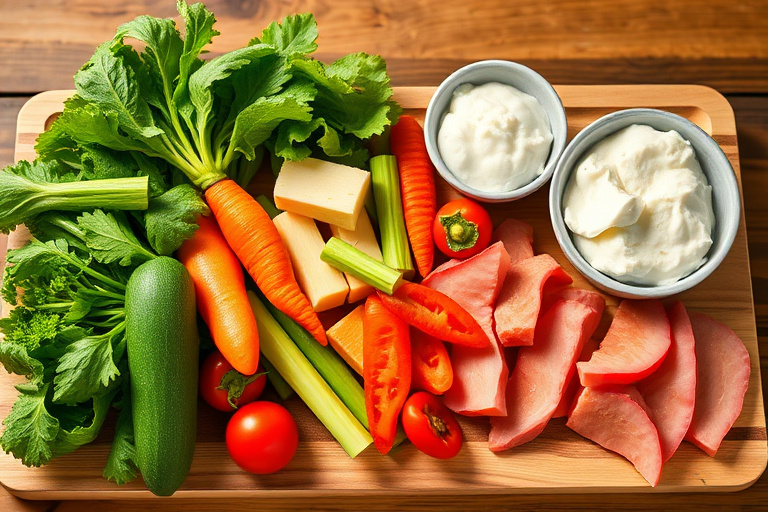
- Best sources when appetite is low: Whey protein shakes (30g protein in an easy-to-drink format), Greek yogurt (15-20g per cup), eggs (6g each), cottage cheese (14g per half cup), chicken breast (31g per 4oz)
- Eat protein first: When your appetite is limited, eat your protein before anything else on the plate. If you fill up on carbs or fats first, you may not get enough protein before you feel done.
Recovery: Sleep and Stress Management
- Sleep 7-9 hours per night: Sleep is when your body repairs muscle tissue. Chronic sleep deprivation increases cortisol, a hormone that accelerates muscle breakdown. GLP-1 patients who sleep less than six hours per night lose more lean mass than those who sleep seven or more.
- Manage stress: improved cortisol from chronic stress promotes muscle catabolism. This doesn't mean you need to meditate for an hour daily, but find one or two stress-reduction habits that work for you. Walking, deep breathing, or time outdoors all count.
- Don't over-train: Your body has limited recovery resources in a caloric deficit. Three strength sessions per week is enough. Adding a fourth is fine if you're well-rested and well-fed, but more isn't always better when calories are restricted.
Safety Considerations
Monitor your body composition, not just your weight: A bathroom scale can't tell you whether you're losing fat or muscle. Use a tape measure to track waist, hip, chest, and thigh circumference. If your waist is shrinking but your thigh measurement is holding steady, you're on the right track. If all measurements are dropping equally, you may need more protein or heavier training loads.
From the FormBlends catalog
Follistatin 344
Myostatin inhibitor studied for enhanced muscle growth · From $149/mo · compounded by a licensed 503A pharmacy, dispensed only after provider review.
Learn about Follistatin 344 →Don't cut calories further: GLP-1 medication already creates a significant deficit. Adding aggressive calorie restriction on top of it increases muscle loss. Eat when you can, prioritize protein, and let the medication handle the deficit.
Be cautious with fasting: Extended fasting while on GLP-1 medication can lead to excessive muscle breakdown, especially if you're also training. If you practice intermittent fasting, keep your fasting window to 14-16 hours maximum and ensure you hit your protein target during your eating window.
Supplement strategically: Creatine monohydrate (3-5 grams daily) is one of the most well-researched supplements for muscle preservation. It's safe, inexpensive, and particularly effective during a caloric deficit. Discuss supplementation with your FormBlends provider.
Watch for signs of excessive muscle loss: Unusual fatigue, declining strength over multiple sessions, feeling cold frequently, or difficulty recovering between workouts can all indicate that you're losing too much lean mass. Report these to your provider.
Frequently Asked Questions
How much muscle loss is normal on GLP-1 medication?
Without exercise, studies suggest 25-40% of total weight loss can come from lean mass. With proper resistance training and protein intake, you can reduce that to 10-15% or less. Some patients with good training programs lose almost exclusively fat, especially if they're newer to strength training.
Can I regain muscle I have already lost?
Yes. Muscle memory is real. If you have lost lean mass on GLP-1 medication but start a structured strength program, your body can rebuild muscle tissue relatively quickly. The process is faster if you previously had more muscle mass, thanks to the increased number of myonuclei in your muscle fibers from prior training.
Is cardio bad for muscle preservation?
Moderate cardio (walking, easy cycling, swimming) is fine and provides cardiovascular benefits. Excessive cardio, especially long-duration steady-state sessions, can increase muscle loss when combined with the caloric deficit from GLP-1 medication. Keep cardio moderate and prioritize strength training. If you have to choose between a run and a lifting session, lift.
Do BCAAs or EAAs help prevent muscle loss?
If you're already hitting your protein target of 0.7-1.0 grams per pound, BCAAs and EAAs provide minimal additional benefit. Your whole-food protein sources already contain these amino acids. If you struggle to hit your protein target due to appetite suppression, an EAA supplement can help fill the gap, but a whey protein shake is generally more effective and more cost-efficient.
What happens to my muscle when I stop GLP-1 medication?
If you maintained your muscle mass through training and nutrition during your time on medication, your metabolism stays intact. This is one of the biggest advantages of the resistance training approach. Patients who preserved their muscle are far less likely to experience the rapid weight regain that sometimes follows GLP-1 discontinuation.
Medical References
- Wilding JPH, Batterham RL, Calanna S, et al. Once-Weekly Semaglutide in Adults with Overweight or Obesity. N Engl J Med. 2021;384(11):989-1002. [PubMed | ClinicalTrials.gov | DOI]
Protect Your Muscle While Your Medication Works
Muscle loss on GLP-1 medication is common, but it isn't inevitable. The right combination of strength training, protein intake, and recovery habits keeps your lean mass intact while the medication strips away fat. FormBlends physicians understand this balance and build protocols that support active patients. Start your FormBlends consultation today.
Ready when you are
Follistatin 344
Myostatin inhibitor studied for enhanced muscle growth · From $149/mo · compounded by a licensed 503A pharmacy, dispensed only after provider review.
Learn about Follistatin 344 →