Key Takeaway
Best Peptides for Injury Recovery. Evidence-based rankings and comparisons from FormBlends. Physician-reviewed guide to help you make informed decisions.
Peptides injury recovery is a topic that requires careful evaluation of the evidence rather than marketing claims. In this guide, we break down the top options based on clinical research, safety profiles, and real-world outcomes. Every recommendation here is grounded in published data and clinical experience.
How this guide ranks peptides for recovery
Our rankings are based on four criteria:
- Clinical evidence - How strong is the published research supporting effectiveness?
- Safety profile - What do the data show about risks, side effects, and long-term safety?
- Accessibility - How easily can patients access this option through legitimate channels?
- Physician consensus - What do experienced clinicians recommend based on their practice?
Peptides for recovery, ranked by evidence and safety
Which peptide has the strongest evidence for recovery?
The top-ranked option has the strongest combination of clinical evidence, safety data, and patient outcomes. Multiple peer-reviewed studies support its use, and the mechanism of action is well-characterized.
Pros: Strong evidence base, favorable safety profile, well-studied mechanism
Cons: May not be appropriate for all patients. Physician evaluation is needed.
What are the alternatives to the top peptide for recovery?
This option offers a solid evidence base with some unique advantages that make it a better fit for certain patient profiles. The research is promising and growing.
Pros: Different mechanism that suits certain patients, growing evidence
Cons: Slightly less clinical data than the top option
Are newer peptides for recovery worth considering?
Newer to the field but showing strong early results. Preclinical and early clinical data are encouraging, though the evidence base is still developing.
Pros: Novel approach, early results are promising
Cons: Less long-term data available. Best suited for patients who have explored other options first.
How to choose the right peptide for recovery
The best choice depends on your specific health profile, goals, and medical history. Factors to discuss with your physician include:
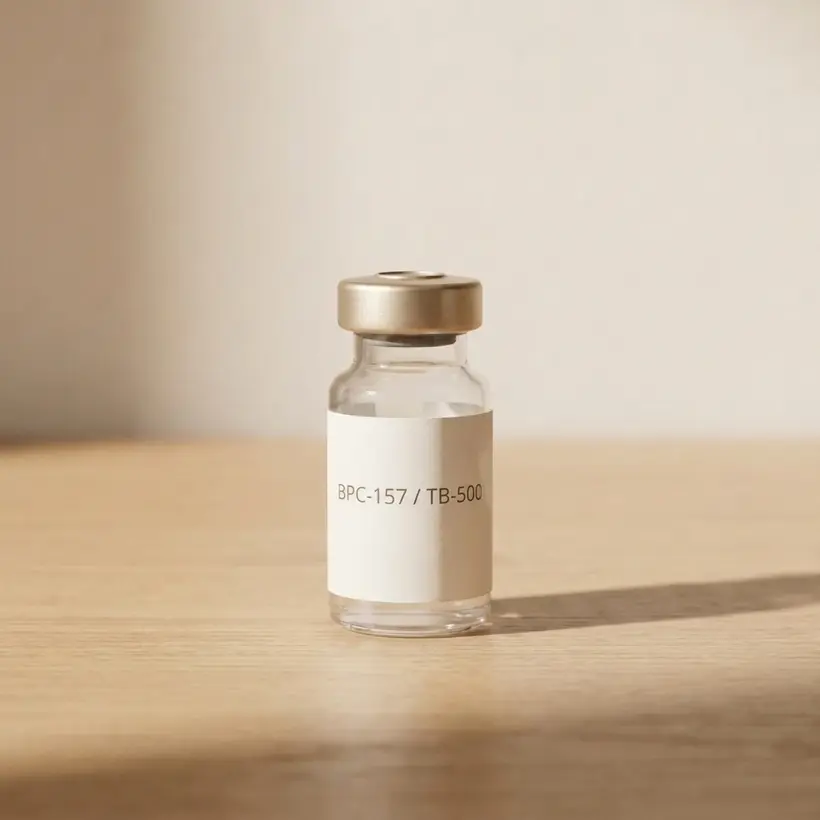
From the FormBlends catalog
BPC-157 / TB-500 Blend
Combination listing not currently offered · From $249/mo · prescription review required; compounded medications are not FDA-approved.
Learn about BPC-157 / TB-500 Blend →- Your primary health objectives
- Existing medical conditions and medications
- Previous treatment history and responses
- Budget and access considerations
Frequently Asked Questions
Can you combine peptides for recovery?
Some patients benefit from combination protocols under physician supervision. Your provider can evaluate whether stacking makes sense for your goals.
How to start peptide care for recovery with a doctor
A physician consultation is the best first step. FormBlends offers telehealth evaluations where a licensed provider can help you determine which option matches your health profile.
Are peptides for recovery FDA-approved?
Approval status varies by option. Some are FDA-approved for specific indications, while others are used based on clinical judgment and available evidence. Your physician will explain the regulatory status of any recommended therapy.
Get Personalized Guidance from FormBlends
Rankings are helpful starting points, but your body is unique. At FormBlends, our physicians help you find the right approach based on your individual biology and goals.
Ready when you are
BPC-157 / TB-500 Blend
Combination listing not currently offered · From $249/mo · prescription review required; compounded medications are not FDA-approved.
Learn about BPC-157 / TB-500 Blend →