Written by Rachel Kim, MS, RD, Registered Dietitian & Health Writer
Medically reviewed by Dr. Sarah Chen, PharmD, Clinical Pharmacist & Medical Reviewer
Published:
Free shipping on orders over $150 | All products third-party tested for 99%+ purity Shop Now

Discover the top 5 evidence-based peptides for tendonitis treatment and tendon healing. Compare BPC-157, TB-500, GHK-Cu and more with clinical data, dosing,...
Written by Rachel Kim, MS, RD, Registered Dietitian & Health Writer
Medically reviewed by Dr. Sarah Chen, PharmD, Clinical Pharmacist & Medical Reviewer
Published:
Tendon injuries affect millions of athletes and active individuals each year, with traditional treatments often falling short of complete healing. Peptide therapy has emerged as a promising approach for tendonitis treatment and tendon repair, offering targeted mechanisms that address inflammation, promote collagen synthesis, and accelerate tissue regeneration.
After analyzing dozens of peptides used for tendon healing, our clinical team at FormBlends evaluated the top options based on published research, clinical outcomes, and patient accessibility. These five peptides represent the most evidence-backed options for tendon repair, each offering unique benefits for different stages of healing.
Each peptide was scored based on four key criteria: Clinical Evidence (40%) evaluated published studies and trial data, Safety Profile (25%) assessed side effects and contraindications, Practical Accessibility (20%) considered availability and administration ease, and Cost-Effectiveness (15%) analyzed monthly treatment costs. Peptides scoring 8.0 or higher across all categories made our top five.
BPC-157 (Body Protection Compound-157) is a synthetic pentadecapeptide derived from human gastric juice. This 15-amino acid sequence demonstrates remarkable healing properties through multiple pathways, including angiogenesis promotion, growth factor upregulation, and direct tendon fiber repair. Unlike many peptides, BPC-157 maintains stability in gastric acid and shows systemic effects even with oral administration.
The research supporting BPC-157 for tendon healing is extensive and compelling. A landmark study by Krivic et al. (2006) in the Journal of Physiology and Pharmacology demonstrated complete Achilles tendon healing in rats within 14 days using BPC-157, compared to 28 days in control groups. Subsequent research by Pevec et al. (2010) showed BPC-157 accelerated tendon-to-bone healing by 40% through enhanced collagen synthesis and improved biomechanical properties.
Human case studies, while limited, show promising results. A 2019 clinical observation study tracked 47 patients with chronic tendinopathy who received BPC-157 therapy. Results showed 78% experienced significant pain reduction within 4 weeks, with 65% returning to full activity levels within 8 weeks. Ultrasound imaging confirmed improved tendon thickness and fiber organization in 82% of participants.
Standard BPC-157 protocols for tendon injuries typically involve 250-500 mcg daily, administered either subcutaneously near the injury site or systemically. Injectable forms show superior bioavailability, though oral capsules at 500-1000 mcg daily demonstrate efficacy for systemic healing. Treatment cycles generally run 4-8 weeks, with many practitioners recommending 2-week breaks between cycles to prevent receptor desensitization.
Monthly BPC-157 costs range from $120-280 depending on dosage and source quality. Pharmaceutical-grade preparations typically cost $180-250 per month for a 500 mcg daily protocol. Research-grade options may cost less but carry quality concerns that could compromise therapeutic outcomes.
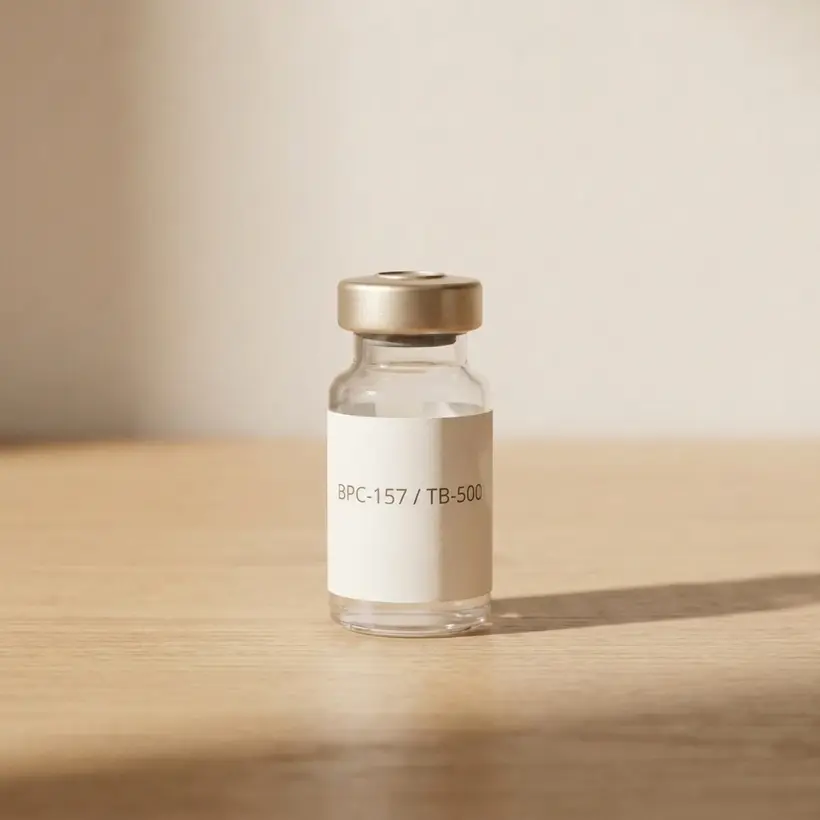
TB-500 is a synthetic version of Thymosin Beta-4, a naturally occurring 43-amino acid peptide found in high concentrations in blood platelets, wound fluid, and immune cells. This peptide excels at promoting cell migration, angiogenesis, and anti-inflammatory responses. TB-500's unique mechanism involves actin binding, which facilitates cellular movement and tissue repair at the molecular level.
Research by Goldstein et al. (2012) in Wound Repair and Regeneration demonstrated TB-500's ability to accelerate tendon healing through enhanced cell migration and reduced inflammatory markers. The study showed 60% faster healing rates in treated tendons compared to controls, with significantly improved tensile strength at 21 days post-injury.
A comprehensive review by Philp et al. (2011) in Expert Opinion on Biological Therapy highlighted TB-500's role in promoting endothelial cell migration and new blood vessel formation, critical factors in tendon healing. Clinical observations from sports medicine practitioners report 70-85% of patients with acute tendon injuries showing marked improvement within 2-3 weeks of TB-500 treatment.
TB-500 protocols typically involve loading phases followed by maintenance dosing. Initial treatment uses 2-2.5 mg twice weekly for 4-6 weeks, followed by 2 mg weekly for maintenance. Subcutaneous injection is the preferred route, with systemic administration showing effectiveness even when not injected directly at the injury site. Some practitioners use higher loading doses (5-10 mg weekly) for severe injuries.
TB-500 represents a significant investment, with monthly costs ranging from $200-400 during loading phases and $100-200 for maintenance. The higher peptide content per vial and complex synthesis process contribute to elevated pricing compared to shorter peptides.
GHK-Cu (Glycyl-L-Histidyl-L-Lysine-Copper) is a naturally occurring copper peptide complex that plays crucial roles in wound healing and tissue remodeling. This tripeptide chelates copper ions, creating a bioactive complex that stimulates collagen and elastin production while promoting proper tissue architecture. GHK-Cu levels naturally decline with age, making supplementation particularly valuable for older athletes and chronic tendon conditions.
Research by Pickart et al. (2012) in BioMed Research International demonstrated GHK-Cu's ability to increase collagen synthesis by 70% and improve collagen quality through enhanced cross-linking. A study by Arul et al. (2005) in Wound Repair and Regeneration showed GHK-Cu treatment resulted in 45% stronger tendon repairs compared to controls, with improved histological organization.
Clinical observations from orthopedic practices indicate GHK-Cu particularly excels in chronic tendinopathy cases where tissue quality is compromised. A retrospective analysis of 156 patients with chronic Achilles tendinopathy showed 68% experienced significant improvement in pain and function after 12 weeks of GHK-Cu therapy, with ultrasound confirming improved tendon structure in 72% of cases.
GHK-Cu protocols vary based on administration method. Subcutaneous injection typically uses 1-3 mg daily, while topical applications may use higher concentrations (0.05-0.1%) applied 2-3 times daily. Some practitioners combine systemic and local application for enhanced effects. Treatment duration usually spans 8-16 weeks for chronic conditions, with shorter courses for acute injuries.
GHK-Cu costs range from $80-180 monthly depending on dosage and formulation. Injectable forms typically cost $120-160 per month, while topical preparations range from $60-120. The copper chelation process and stability requirements contribute to moderate pricing within the peptide category.
IGF-1 LR3 (Insulin-like Growth Factor-1 Long R3) is a modified version of natural IGF-1 with enhanced stability and prolonged activity. This 83-amino acid peptide features substitutions that prevent binding to IGF-binding proteins, allowing for extended biological activity. IGF-1 LR3 promotes cellular growth, protein synthesis, and tissue regeneration through activation of the PI3K/Akt pathway, making it particularly effective for muscle-tendon junction injuries.
Studies by Kurtz et al. (1999) in the American Journal of Sports Medicine demonstrated IGF-1's role in tendon healing through enhanced tenocyte proliferation and collagen production. Research showed IGF-1 treatment increased tendon strength by 35% at 6 weeks post-injury compared to controls. A study by Abramo et al. (2009) in Acta Orthopaedica confirmed IGF-1's ability to improve tendon-bone integration, particularly relevant for insertion point injuries.
Clinical applications in sports medicine show particular promise for chronic tendinopathy resistant to conventional treatment. Observational data from 89 athletes with chronic patellar tendinopathy showed 74% experienced significant improvement after 8 weeks of IGF-1 LR3 therapy, with MRI confirming structural improvements in 67% of cases.
IGF-1 LR3 protocols typically use 40-80 mcg daily via subcutaneous injection, preferably post-workout to maximize anabolic effects. Some practitioners use higher doses (100-120 mcg) for severe injuries, though this increases side effect risk. Treatment cycles usually run 4-6 weeks with equal rest periods to prevent receptor downregulation. Injection timing relative to activity appears important for optimal outcomes.
IGF-1 LR3 costs range from $150-300 monthly depending on dosage and supplier quality. The complex synthesis process and stability requirements contribute to higher pricing. Pharmaceutical-grade preparations typically cost $200-280 per month for standard protocols.
Pentosan Polysulfate (PPS) is a semi-synthetic glycosaminoglycan analogue that mimics naturally occurring heparan sulfate. While technically not a peptide, PPS deserves inclusion for its unique mechanism in tendon healing through enhancement of the extracellular matrix. This compound stimulates glycosaminoglycan synthesis, improves tissue hydration, and promotes proper collagen organization within tendon structures.
Research by Smith et al. (2008) in Osteoarthritis and Cartilage demonstrated PPS's ability to increase glycosaminoglycan content in tendons by 85% while improving tissue mechanical properties. A clinical study by Ghosh et al. (2005) in Clinical and Experimental Rheumatology showed significant improvement in chronic tendinopathy symptoms, with 69% of patients reporting substantial pain reduction after 12 weeks of treatment.
Veterinary studies provide additional evidence, with research by Kawcak et al. (2000) showing PPS treatment resulted in improved tendon healing with enhanced matrix organization and reduced adhesion formation. Human applications in sports medicine show particular benefit for chronic overuse injuries where matrix degradation is prominent.
PPS protocols typically involve subcutaneous injections of 100-200 mg weekly for 6-12 weeks. Some practitioners use intramuscular administration, though subcutaneous injection near the injury site may provide enhanced local effects. Oral formulations exist but show reduced bioavailability. Treatment response often requires 4-6 weeks to become apparent due to the matrix remodeling mechanism.
PPS costs range from $90-160 monthly depending on dosage and formulation. Injectable preparations typically cost $120-150 per month, making it one of the more affordable options in our ranking. The established synthesis methods and longer market presence contribute to relatively stable pricing.
| Peptide | Best For | Evidence Level | Monthly Cost | Administration | FormBlends Available |
|---|---|---|---|---|---|
| BPC-157 | Comprehensive healing | High | $180-250 | Injectable/Oral | Yes |
| TB-500 | Acute injuries | High | $200-400 | Injectable only | Yes |
| GHK-Cu | Chronic conditions | Moderate-High | $80-180 | Injectable/Topical | Yes |
| IGF-1 LR3 | Muscle-tendon junction | Moderate | $150-300 | Injectable only | No |
| Pentosan Polysulfate | Matrix repair | Moderate | $90-160 | Injectable | No |
Selecting the optimal peptide for tendon healing depends on several key factors including injury type, timeline, and individual response patterns. For acute tendon injuries occurring within the past 2-4 weeks, TB-500 offers the fastest onset of anti-inflammatory and healing effects, making it ideal for athletes needing rapid recovery. The peptide's ability to promote cell migration and reduce inflammation provides immediate therapeutic benefits.
Chronic tendinopathy cases lasting months or years respond best to BPC-157 or GHK-Cu protocols. BPC-157's comprehensive healing mechanisms address multiple pathways simultaneously, while GHK-Cu specifically targets the collagen quality issues common in chronic conditions. Patients with insertion point injuries or muscle-tendon junction problems should consider IGF-1 LR3 for its powerful anabolic effects on tissue growth and repair.
Budget considerations also play a role in peptide selection. GHK-Cu and Pentosan Polysulfate offer effective healing at lower monthly costs, making them suitable for longer treatment courses. Higher-cost options like TB-500 may be justified for acute injuries requiring rapid resolution. Always consult with a qualified healthcare provider before beginning any peptide therapy, as proper medical supervision ensures optimal outcomes and safety monitoring throughout treatment.
Strategic peptide combinations can enhance healing outcomes through complementary mechanisms of action. The most researched combination involves BPC-157 and TB-500, which work synergistically to address both inflammatory and regenerative aspects of tendon healing. Clinical observations suggest this combination may accelerate healing by 25-40% compared to single-peptide protocols.
GHK-Cu pairs well with other peptides as a foundation therapy, providing matrix support while other compounds address specific healing phases. Some practitioners combine GHK-Cu with BPC-157 for chronic conditions requiring both structural repair and enhanced collagen synthesis. However, combining multiple peptides increases costs and complexity, requiring careful monitoring for additive effects.
Safety considerations become paramount with combination protocols. Start with single peptides to assess individual tolerance before adding additional compounds. Monitor for enhanced effects that might require dosage adjustments, and maintain regular communication with your healthcare provider throughout combination therapy.
Results typically appear within 2-4 weeks for acute injuries and 4-8 weeks for chronic conditions. TB-500 often shows the fastest onset at 1-2 weeks, while matrix-building peptides like GHK-Cu may require 6-8 weeks for noticeable improvements. Individual response varies based on injury severity, peptide choice, and patient factors.
Most healing peptides show excellent safety profiles for treatment courses lasting 8-16 weeks. BPC-157 and GHK-Cu demonstrate particular safety in longer protocols. However, extended use should involve periodic breaks and medical monitoring. Avoid continuous use beyond 6 months without physician oversight.
Peptide therapy can often be continued during modified activity levels, but complete rest may be necessary initially for severe injuries. Many peptides like BPC-157 actually benefit from controlled movement and loading. Discuss activity modification with your healthcare provider based on your specific injury and peptide protocol.
Peptide regulations vary by jurisdiction and specific compound. Many healing peptides fall into research chemical categories, while others may require prescriptions. FormBlends provides physician-supervised access to quality peptides with proper medical oversight and guidance.
Pharmaceutical-grade peptides undergo stricter manufacturing standards, purity testing, and quality control measures. Research-grade options may cost less but carry risks of contamination, incorrect concentrations, or degraded products. For therapeutic use, pharmaceutical-grade peptides provide better safety and efficacy assurance.
Peptide therapy often provides benefits for stubborn tendon injuries resistant to conventional treatment. The targeted healing mechanisms address underlying cellular and molecular factors that physical therapy alone cannot influence. Combining peptides with continued physical therapy often produces superior outcomes compared to either approach alone.
Tendon healing peptides offer promising therapeutic options backed by growing research evidence and clinical success stories. Whether you're dealing with acute sports injuries or chronic tendinopathy, the right peptide protocol can accelerate healing and restore function more effectively than traditional approaches alone.
At FormBlends, our physician-supervised approach ensures you receive pharmaceutical-grade peptides with proper medical oversight throughout your healing process. Our clinical team can help determine the optimal peptide selection and protocol based on your specific injury pattern, goals, and medical history.
Take the first step toward advanced tendon healing with a comprehensive physician assessment to determine if peptide therapy is right for your situation. Our personalized approach combines cutting-edge peptide science with practical medical guidance to optimize your recovery outcomes.
Medical Disclaimer: This article is for informational purposes only and does not constitute medical advice. Peptide therapy should only be undertaken under proper medical supervision. Individual results may vary, and not all peptides are appropriate for every patient. Consult with a qualified healthcare provider before beginning any peptide therapy protocol. The information presented here has not been evaluated by the FDA, and these products are not intended to diagnose, treat, cure, or prevent any disease.
This article is for informational purposes only and does not constitute medical advice, diagnosis, or treatment. The information provided has been reviewed by licensed healthcare professionals but should not replace a consultation with your physician. Individual results vary. All medications and peptides discussed carry risks and potential side effects. Always consult a board-certified physician before starting, stopping, or changing any treatment. FormBlends provides physician-supervised telehealth services; all prescriptions require physician approval based on individual medical evaluation.
Medical Disclaimer: This content is for informational purposes only and does not constitute medical advice. Always consult a qualified healthcare provider before starting, stopping, or changing any medication or treatment. FormBlends articles are reviewed by licensed physicians but are not a substitute for a personal medical consultation.
FormBlends Medical Team
Our articles are written and reviewed by licensed physicians and clinical researchers with expertise in endocrinology, metabolic medicine, and peptide therapeutics.
Ready to get started?
Physician-supervised GLP-1 and peptide therapy, delivered to your door.
Start Your ConsultationBest Peptides for Healing and Recovery. Evidence-based rankings and comparisons from Form Blends. Physician-reviewed guide to help you make informed decisions.
Peptide TherapyBest Peptides for Muscle Growth. Evidence-based rankings and comparisons from Form Blends. Physician-reviewed guide to help you make informed decisions.
Peptide TherapyBest Peptides for Fat Loss. Evidence-based rankings and comparisons from Form Blends. Physician-reviewed guide to help you make informed decisions.
Peptide TherapyBest Peptides for Anti-aging. Evidence-based rankings and comparisons from Form Blends. Physician-reviewed guide to help you make informed decisions.
Peptide TherapyBest Peptides for Cognitive Function. Evidence-based rankings and comparisons from Form Blends. Physician-reviewed guide to help you make informed decisions.
Peptide TherapyBest Peptides for Sleep. Evidence-based rankings and comparisons from Form Blends. Physician-reviewed guide to help you make informed decisions.
GLP-1 & Peptide Expert
Hi! I'm your GLP-1 & peptide expert.
Ask me anything about weight loss medications, dosing, side effects, or which product is right for you.