
Trust Signals
The Confusion Starts with the Name
Brain natriuretic peptide might be the most misleadingly named biomarker in modern medicine. Every week, patients searching for cognitive enhancement peptides or sleep aids stumble across this cardiac hormone instead. The confusion runs deep enough that even some healthcare providers need reminding: BNP has nothing to do with brain function, sleep, or neurological enhancement.
This 32-amino acid peptide serves one primary purpose in clinical medicine: helping diagnose and monitor heart failure. When cardiac muscle stretches from increased pressure or volume, ventricular cells release BNP to reduce that strain. The peptide promotes sodium excretion, dilates blood vessels, and opposes the renin-angiotensin system. These are lifesaving cardiac responses, not neurological ones.
Understanding BNP matters because heart failure affects over 6 million Americans, and the diagnosis often proves challenging. Symptoms like shortness of breath, fatigue, and swelling overlap with dozens of other conditions. A simple blood test measuring BNP can quickly distinguish cardiac from non-cardiac causes, fundamentally changing treatment paths.
Normal Values and Clinical Interpretation
Laboratory reference ranges for BNP appear deceptively simple. Most labs report values below 100 pg/mL as normal. Yet experienced clinicians know these numbers tell only part of the story.
From the FormBlends catalog
Sleep + Recovery Stack
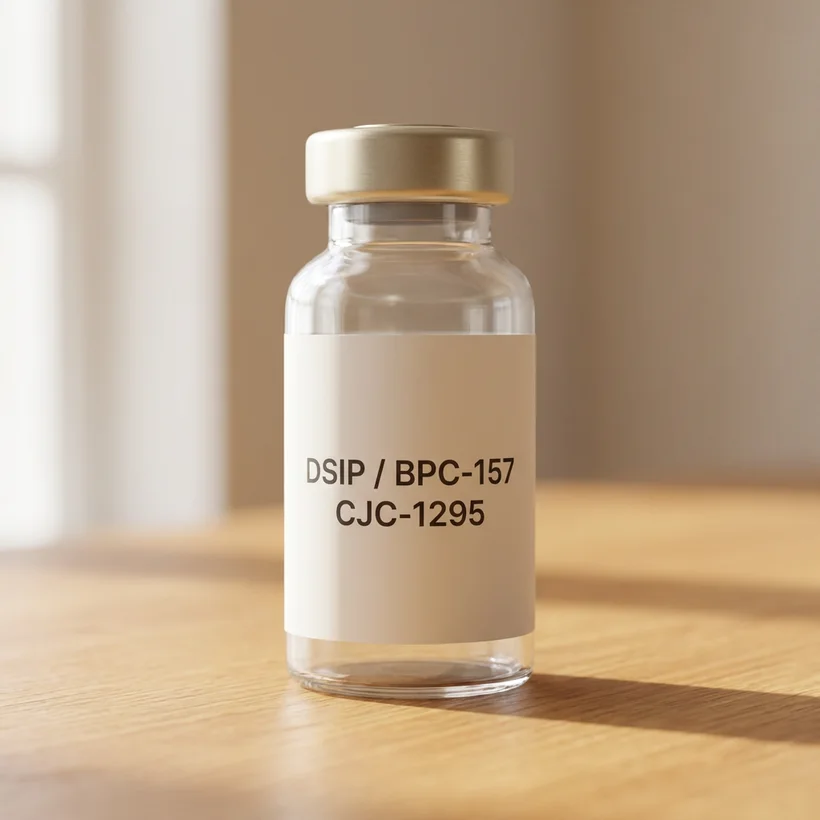
Sleep and repair support with DSIP, BPC-157, and CJC · From $299/mo · compounded by a licensed 503A pharmacy, dispensed only after provider review.
View Sleep + Recovery Stack →The standard interpretation framework suggests heart failure is unlikely below 100 pg/mL (90% negative predictive value), possible between 100 to 300 pg/mL, and probable above 300 pg/mL. Emergency departments often use 100 pg/mL as their rule-out threshold, while outpatient clinics might apply more nuanced cutoffs based on patient characteristics.
Body weight dramatically affects these thresholds. Obesity reduces BNP values by 20 to 50% through enhanced clearance via natriuretic peptide receptor-C in adipose tissue. A morbidly obese patient with heart failure might have a BNP of 75 pg/mL, falsely reassuring by standard criteria. Some experts recommend lowering the diagnostic threshold to 50 pg/mL for patients with BMI over 35 kg/m².
Age pushes values in the opposite direction. Healthy octogenarians often have BNP levels of 150 to 200 pg/mL without heart failure. Kidney disease further complicates interpretation, as reduced renal clearance elevates both BNP and its companion marker NT-proBNP. Patients on dialysis routinely show values 3 to 5 times higher than those with normal kidney function.
NT-proBNP uses entirely different reference ranges due to its longer half-life and larger molecular size. Age-stratified cutoffs start at 450 pg/mL for patients under 50, rising to 900 pg/mL for those 50 to 75, and 1800 pg/mL for those over 75. These graduated thresholds better account for the natural age-related increase in baseline values.
Why Two Tests? BNP versus NT-proBNP
The existence of two related but distinct tests confuses many. When the heart produces BNP, it actually makes a larger precursor molecule called proBNP. Enzymes split this into two fragments: the biologically active BNP (32 amino acids) and the inactive N-terminal fragment NT-proBNP (76 amino acids).
BNP acts as the actual hormone, binding to receptors that trigger physiological responses. Its 20-minute half-life means levels change rapidly with clinical status. NT-proBNP serves no biological function but circulates longer with its 120-minute half-life, providing a more stable measurement window.
Laboratory practical considerations often determine the choice. BNP degrades quickly at room temperature, requiring immediate refrigeration or special collection tubes. NT-proBNP remains stable for 72 hours without refrigeration, simplifying logistics in busy clinical settings. Cost differences prove minimal, with both tests ranging from $50 to $125 depending on location and insurance.
Some clinical scenarios favor one test over the other. Patients on sacubitril/valsartan (Entresto) show artificially elevated BNP because the drug blocks neprilysin, the enzyme that degrades active BNP. NT-proBNP remains unaffected, making it the preferred monitoring tool during this treatment. Conversely, rapid clinical changes might be better captured by BNP's shorter half-life, though this theoretical advantage rarely influences real-world decision-making.
What Real Patients Experience
Patients receiving BNP test results often express confusion about the implications. Online forums and support groups reveal common patterns in how people interpret and respond to these numbers.
Many describe anxiety when seeing any elevation above the reference range, not understanding that mild increases often reflect benign conditions. Athletes report surprise at slightly elevated values after intense training, unaware that endurance exercise can transiently stress the heart. Pregnant women worry about increases during their third trimester, though mild elevation is physiologically normal as blood volume expands.
The obesity paradox generates particular frustration. Overweight patients with genuine heart failure symptoms sometimes face delayed diagnosis when initial BNP values fall within normal ranges. Support group discussions frequently mention the need to advocate for additional testing or cardiology referral despite "normal" results. Some report their doctors didn't account for BMI when interpreting borderline values.
Patients monitoring chronic heart failure describe BNP as their "report card," checking trends obsessively. Many learn to correlate their numbers with symptoms, noticing that values above their personal baseline predict symptom flares by days or weeks. This pattern-recognition helps some patients adjust medications or sodium intake proactively, though such self-management requires close physician partnership.
Cost concerns appear repeatedly, especially for those needing frequent monitoring. While a single test seems reasonable, monthly or quarterly testing adds up. Some patients report shopping around laboratories or using online services to reduce expenses, though insurance coverage varies widely.
The Persistent Name Problem
The term "brain natriuretic peptide" creates ongoing confusion that extends beyond patient misunderstanding. Medical students consistently rank this as one of the most confusing biomarker names. Even experienced nurses occasionally need reminding that elevated BNP indicates cardiac, not neurological, issues.
Historical context explains but doesn't excuse the nomenclature. Sudoh and colleagues first isolated this peptide from porcine brain tissue in 1988, choosing the name based on its discovery location and natriuretic (sodium-excreting) properties. Within months, researchers realized the heart ventricles produce essentially all circulating BNP. The brain makes negligible amounts.
Professional societies have discussed renaming to "B-type natriuretic peptide," preserving the BNP abbreviation while removing anatomical confusion. Laboratory information systems, clinical guidelines, and decades of medical literature create massive inertia against change. The misleading name appears permanently embedded in medical vocabulary.
Search engines compound the problem. Patients researching "brain peptides" for cognitive enhancement or sleep improvement encounter cardiac biomarker information instead. This misdirection wastes time and creates unnecessary anxiety about heart problems they don't have.
Laboratory Handling Makes a Difference
Pre-analytical factors significantly impact BNP measurement accuracy, though most patients never learn these details. The peptide's instability creates strict requirements that busy clinical settings sometimes struggle to meet.
BNP degrades rapidly through two mechanisms. Neutral endopeptidase (neprilysin) cleaves the peptide at multiple sites, with activity increasing dramatically at room temperature. Simultaneously, binding to clearance receptors removes intact BNP from the sample. These processes can reduce measured values by 20 to 30% within two hours at room temperature.
Proper collection requires EDTA tubes (purple top) with immediate refrigeration. Samples reaching the laboratory within 30 minutes at room temperature generally provide accurate results. Longer delays mandate cold transport. Some facilities use protease inhibitor tubes for enhanced stability, though these add cost.
NT-proBNP's superior stability explains its growing popularity. The inactive fragment resists enzymatic degradation and lacks the structure needed for receptor binding. Samples remain accurate for three days at room temperature, eliminating most handling concerns. This robustness particularly benefits outpatient settings where immediate processing proves impractical.
Patients can unknowingly influence results through body position. Standing increases BNP by 10 to 15% compared to lying down, as venous pooling in the legs reduces cardiac filling. Most laboratories standardize collection after five minutes of sitting, though emergency departments rarely achieve this ideal.
Beyond Heart Failure: Other Causes of Elevation
While heart failure represents the primary reason for BNP testing, numerous other conditions elevate levels. Understanding this broader context prevents misdiagnosis and unnecessary worry.
Atrial fibrillation commonly increases BNP even without heart failure. The irregular rhythm and rapid atrial rates stress the ventricles, triggering peptide release. Values typically reach 200 to 400 pg/mL, creating diagnostic uncertainty in the gray zone. Some cardiologists subtract 50 to 100 pg/mL from measured values in atrial fibrillation patients when assessing for concurrent heart failure.
Pulmonary embolism acutely elevates BNP through right ventricular strain. Large clots obstructing pulmonary arteries force the right ventricle to work harder, stretching the muscle and triggering peptide release. This elevation helps risk-stratify patients, with higher values predicting worse outcomes.
Kidney disease creates complex interpretation challenges. Reduced renal clearance allows both BNP and NT-proBNP to accumulate. The effect varies by severity, with mild reduction (GFR 30 to 60) increasing values by 50%, while severe disease (GFR below 30) can triple baseline levels. Dialysis partially clears these peptides but rarely normalizes values completely.
Sepsis and critical illness elevate BNP through multiple mechanisms including myocardial depression, volume overload, and cytokine effects. ICU patients often show values exceeding 500 pg/mL without primary cardiac disease. These elevations predict mortality but don't necessarily indicate heart failure requiring specific treatment.
Age alone increases BNP through reduced clearance and subclinical cardiac changes. Healthy 80-year-olds average 150 to 200 pg/mL, triple the values seen in 30-year-olds. This physiological increase necessitates age-adjusted interpretation, particularly for NT-proBNP.
The Actual Sleep Peptide: Delta Sleep-Inducing Peptide
The search term confusion between cardiac BNP and sleep-related peptides deserves clarification. Delta sleep-inducing peptide (DSIP) represents what many people actually seek when googling "brain peptides" for sleep enhancement.
DSIP consists of nine amino acids (Trp-Ala-Gly-Gly-Asp-Ala-Ser-Gly-Glu), discovered in 1977 through rabbit brain dialysate experiments. Researchers found this peptide accumulated during sleep deprivation and induced delta wave sleep when transferred to other animals. The discovery generated enormous excitement about potential sleep disorder treatments.
Human evidence remains disappointingly weak four decades later. Small trials with fewer than 50 participants show inconsistent effects on sleep architecture. Some studies report increased total sleep time and enhanced deep sleep stages. Others find no meaningful changes. The peptide's poor blood-brain barrier penetration likely explains these mixed results, as peripherally administered DSIP achieves minimal central nervous system concentrations.
Despite limited evidence, DSIP appears in the gray market of peptide suppliers. Users report variable effects ranging from profound sleep improvement to no noticeable change. The 90-minute half-life requires evening administration for overnight effects. Proposed mechanisms include GABA receptor modulation, decreased corticotropin release, and temperature regulation, though none are definitively proven in humans.
The contrast with BNP couldn't be starker. Where BNP serves as a validated, FDA-approved diagnostic biomarker with extensive clinical utility, DSIP remains an experimental compound with uncertain effects and no regulatory approval for human use.
Diagnostic Accuracy in Context
Understanding BNP's diagnostic performance requires moving beyond simple sensitivity and specificity numbers. Real-world accuracy depends heavily on the clinical setting and patient population.
Emergency department studies show BNP below 100 pg/mL effectively rules out heart failure with 90 to 95% negative predictive value. This high accuracy makes it invaluable for avoiding unnecessary admissions. A breathless patient with BNP of 50 pg/mL almost certainly has a non-cardiac cause like COPD or anxiety.
Positive predictive value proves more complex. While BNP above 400 pg/mL strongly suggests heart failure, values between 100 to 400 pg/mL create diagnostic uncertainty. In this gray zone, clinical judgment matters more than absolute numbers. A 75-year-old with diabetes, ankle swelling, and BNP of 250 pg/mL likely has heart failure. A 30-year-old marathon runner with the same BNP after a race probably doesn't.
Outpatient accuracy differs from acute settings. Primary care physicians using BNP to evaluate chronic dyspnea face more diagnostic challenges. Stable heart failure patients often have values below 100 pg/mL between exacerbations. Conversely, numerous non-cardiac conditions create mild elevations. The test works best when clinical suspicion already exists rather than as a screening tool.
Serial measurements outperform single values for monitoring. A heart failure patient whose BNP rises from 200 to 400 pg/mL likely needs treatment adjustment even though both values fall in the same diagnostic category. Conversely, stable values reassure that current management remains appropriate. Some heart failure clinics track BNP trends graphically, helping patients visualize their disease trajectory.
Cost-Effectiveness and Access Issues
The economics of BNP testing reveal healthcare system complexities. While individual tests cost $50 to $125, the downstream effects on medical decision-making create larger financial implications.
Emergency departments save money when BNP testing prevents unnecessary admissions. A single avoided hospitalization for suspected heart failure saves thousands of dollars, easily justifying routine testing in appropriate patients. Health systems increasingly include BNP in dyspnea evaluation protocols to optimize resource utilization.
Chronic monitoring presents different economics. Monthly BNP measurements for stable heart failure patients might cost $1,500 annually. Whether this expense prevents hospitalizations or merely provides reassurance remains debated. Some insurers restrict coverage to acute episodes or clinical changes, forcing patients to pay out-of-pocket for routine monitoring.
Geographic disparities affect access. Urban academic centers offer both BNP and NT-proBNP with rapid turnaround. Rural facilities might send samples to distant laboratories, delaying results by days. Point-of-care testing devices exist but cost significantly more per test, creating trade-offs between convenience and expense.
International variations prove striking. European guidelines embrace broader BNP use than American recommendations. Asian countries show particular enthusiasm for serial monitoring. These differences reflect varying healthcare systems, disease prevalence, and economic considerations rather than scientific disagreement about test utility.
Future Directions and Emerging Applications
BNP research continues evolving beyond traditional heart failure diagnosis. Investigators explore applications in risk stratification, treatment guidance, and prevention strategies.
Screening asymptomatic individuals remains controversial. Population studies show elevated BNP predicts future cardiovascular events years before symptoms develop. Some advocate checking BNP during routine physicals for high-risk patients. Critics worry about overdiagnosis and anxiety without proven interventions for asymptomatic elevation.
Treatment guidance represents another frontier. While studies using BNP targets to adjust heart failure medications show mixed results, personalized approaches might prove more successful. Patients with specific genetic variants or clinical characteristics might benefit from BNP-guided therapy while others don't.
Novel biomarker combinations could enhance diagnostic accuracy. Panels incorporating BNP with other cardiac markers like troponin, galectin-3, or ST2 might better characterize disease severity and prognosis. Machine learning algorithms analyzing multiple biomarkers simultaneously show promise in early studies.
The neprilysin inhibition era creates new interpretation challenges. As sacubitril/valsartan use expands, distinguishing medication effects from disease progression becomes crucial. Some propose developing adjusted reference ranges for patients on neprilysin inhibitors, though standardization remains distant.
FAQ
What is brain natriuretic peptide? Brain natriuretic peptide (BNP) is a 32-amino acid cardiac hormone produced by heart ventricles in response to stretching. Despite its name, BNP has no role in brain function or sleep. It's primarily a biomarker for heart failure diagnosis.
What is the normal value for brain natriuretic peptide? Normal BNP levels are below 100 pg/mL. Values of 100-300 pg/mL suggest possible heart failure, while levels above 300 pg/mL indicate probable heart failure. Age, kidney function, and obesity affect these cutoffs.
Is brain natriuretic peptide the same as delta sleep inducing peptide? No. Brain natriuretic peptide (BNP) is a cardiac hormone unrelated to sleep. Delta sleep-inducing peptide (DSIP) is a separate 9-amino acid neuropeptide studied for sleep effects, though human evidence remains weak.
What causes elevated brain natriuretic peptide? Elevated BNP primarily indicates heart failure, but can also result from atrial fibrillation, pulmonary embolism, kidney disease, or acute coronary syndrome. Obesity typically lowers BNP levels by 20-50%.
How accurate is the brain natriuretic peptide test? BNP testing shows 90% sensitivity and 76% specificity for heart failure diagnosis at the 100 pg/mL cutoff. NT-proBNP, the inactive fragment, offers similar accuracy with longer half-life (120 vs 20 minutes).
Can BNP levels change quickly? Yes. BNP has a 20-minute half-life and can fluctuate 30-50% within hours based on body position, fluid status, and cardiac stress. NT-proBNP changes more slowly due to its 120-minute half-life.
Why is it called brain natriuretic peptide if it's from the heart? BNP was first isolated from pig brain tissue in 1988, hence the misleading name. Researchers later discovered the heart ventricles produce virtually all circulating BNP. The name persists despite causing confusion.
What's the difference between BNP and NT-proBNP? When proBNP splits, it creates active BNP (32 amino acids) and inactive NT-proBNP (76 amino acids). NT-proBNP has higher values (5-10x), longer stability, and different age-adjusted cutoffs but similar diagnostic accuracy.
Do sleep peptides affect BNP levels? No. Sleep-related peptides like DSIP, orexin, or melatonin have no documented effect on cardiac BNP production or clearance. These are entirely separate systems despite the confusing 'brain' terminology.
Sources
- Sudoh T, Kangawa K, Minamino N, Matsuo H. A new natriuretic peptide in porcine brain. Nature. 1988;332(6159):78-81.
- Januzzi JL Jr, Chen-Tournoux AA, Christenson RH, et al. N-Terminal Pro-B-Type Natriuretic Peptide in the Emergency Department: The ICON-RELOADED Study. J Am Coll Cardiol. 2018;71(11):1191-1200.
- Mueller C, McDonald K, de Boer RA, et al. Heart Failure Association of the European Society of Cardiology practical guidance on the use of natriuretic peptide concentrations. Eur J Heart Fail. 2019;21(6):715-731.
- Wang TJ, Larson MG, Levy D, et al. Impact of obesity on plasma natriuretic peptide levels. Circulation. 2004;109(5):594-600.
- Schoenenberger-Berzins R, et al. Delta sleep-inducing peptide: a review of biological activities and therapeutic potential. Peptides. 1996;17(7):1253-1262.
- FDA. 510(k) Premarket Notification Database entries for BNP and NT-proBNP assays. 2000-2023.
- McMurray JJ, Packer M, Desai AS, et al. Angiotensin-neprilysin inhibition versus enalapril in heart failure. N Engl J Med. 2014;371(11):993-1004.
- Moe GW, Howlett J, Januzzi JL, Zowall H. N-terminal pro-B-type natriuretic peptide testing improves the management of patients with suspected acute heart failure. Circulation. 2007;115(24):3103-3110.
Footer Disclaimers
Platform: This content is for educational purposes only and does not constitute medical advice. Consult healthcare providers for personal medical decisions.
Research Compound or Compounded Medication: Brain natriuretic peptide is an endogenous biomarker measured by FDA-approved diagnostic tests. DSIP remains an unapproved research compound.
Results: Individual BNP values require clinical correlation. Test results alone cannot diagnose or exclude heart failure.
Trademark: FormBlends is a trademark of FormBlends, LLC. All product names are trademarks of their respective companies.
Related peptide guides
Ready when you are
Sleep + Recovery Stack
Sleep and repair support with DSIP, BPC-157, and CJC · From $299/mo · compounded by a licensed 503A pharmacy, dispensed only after provider review.
View Sleep + Recovery Stack →