All GLP-1 medications from licensed 503A compounding pharmacies Browse Products

BPC-157 Injectable vs Oral: Which Route Actually Works? | FormBlends

BPC-157 injectable vs oral compared by bioavailability, evidence, cost, and failure modes. Mechanism numbers, honest head-to-head table, and label...

Medically Reviewed

Written by the FormBlends Medical Team. Reviewed against PubMed-indexed animal pharmacology literature and FDA communications. All evidence is graded by study type. No human RCTs exist for BPC-157 in either route; that fact is stated prominently and repeatedly. Last updated: 29 May 2026. · Reviewed by FormBlends Medical Content Team

BPC-157 Injectable vs Oral: Which Route Actually Works? | FormBlends custom 2026 header image for Peptide Therapy
Custom header image for BPC-157 Injectable vs Oral: Which Route Actually Works? | FormBlends, Peptide Therapy, and better treatment decision-making.
In This Article

This article is part of our Peptide Therapy collection. See also: GLP-1 Guides | Provider Comparisons

Search and AI answer brief

Practical answer: BPC-157 Injectable vs Oral: Which Route Actually Works? | FormBlends

BPC-157 injectable vs oral compared by bioavailability, evidence, cost, and failure modes. Mechanism numbers, honest head-to-head table, and label...

Short answer

BPC-157 injectable vs oral compared by bioavailability, evidence, cost, and failure modes. Mechanism numbers, honest head-to-head table, and label...

Search intent

This page answers a specific Peptide Therapy question rather than a generic overview.

What to verify

peptide evidence quality, safety and contraindications

How to use it

Use this information to prepare sharper questions for a licensed provider.

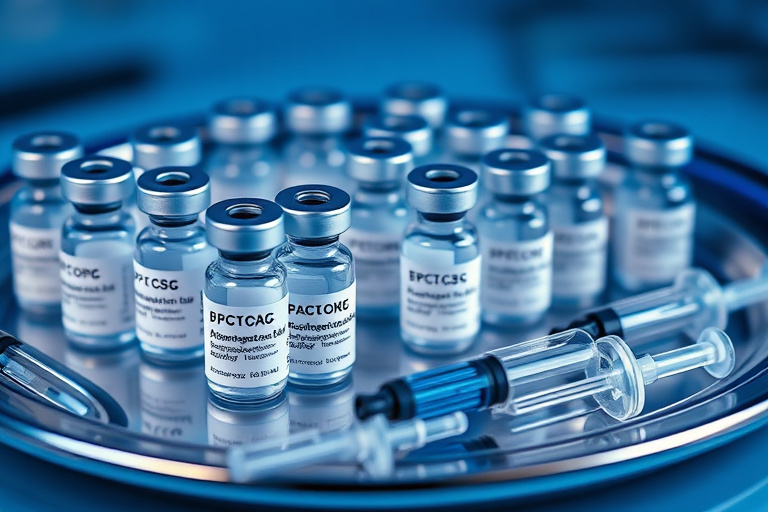
Abstract scientific illustration for compare bpc 157 injectable vs oral
Trust signals: Written by the FormBlends Medical Team. Reviewed against PubMed-indexed animal pharmacology literature and FDA communications. All evidence is graded by study type. No human RCTs exist for BPC-157 in either route; that fact is stated prominently and repeatedly. Last updated: 29 May 2026.

Key Takeaways

  • BPC-157 is a 15-amino-acid peptide (sequence: Gly-Glu-Pro-Pro-Pro-Gly-Lys-Pro-Ala-Asp-Asp-Ala-Gly-Leu-Val) derived from a gastric protein; every efficacy claim in humans is extrapolated from animal data.
  • Animal studies show subcutaneous injection produces detectable systemic distribution; oral dosing in the same studies produces gut-local effects reliably but systemic exposure has not been quantified in published peer-reviewed pharmacokinetic work.
  • The FDA placed BPC-157 on its 503A and 503B bulks list as a substance that may not be used in compounding in 2023, citing a lack of adequate evidence of safety and effectiveness.
  • WADA prohibits BPC-157 under the peptide hormones and related substances category; mass spectrometry methods used in sports testing can detect it.
  • Purity of unregulated research-grade BPC-157 varies substantially; certificate-of-analysis HPLC purity below 98 percent and endotoxin data absence are the two most common sourcing red flags.

Direct Answer: Injectable vs Oral BPC-157

Injectable BPC-157 has stronger animal evidence for systemic targets like tendons, muscle, and bone. Oral BPC-157 has comparable animal evidence specifically for gastrointestinal targets, where local mucosal contact may matter. Neither route has human pharmacokinetic or clinical trial data. Route choice depends on the target tissue, not on one being universally superior.

Table of Contents

What Is BPC-157 and Where Does the Research Come From?

BPC-157 stands for Body Protection Compound 157. It is a synthetic 15-amino-acid pentadecapeptide with the sequence Gly-Glu-Pro-Pro-Pro-Gly-Lys-Pro-Ala-Asp-Asp-Ala-Gly-Leu-Val, derived from a partial sequence of human gastric juice protein BPC. The compound was characterized largely through the work of Predrag Sikiric and colleagues at the University of Zagreb, who have published the majority of the animal pharmacology literature on it since the early 1990s.

Check your GLP-1 eligibility

Use our free BMI Calculator to see if you may qualify for provider-reviewed GLP-1 therapy.

Try the BMI Calculator →

The body of evidence is almost entirely rodent-based. A search of PubMed for "BPC-157" returns hundreds of animal studies and a very small number of human case reports and one small human pilot study in an unrelated indication. No completed phase II or phase III randomized controlled trial in humans has been published as of mid-2026. This is the foundational context for every claim on this page.

Evidence Ledger: What Claims Are Actually Supported?

Claim Best Available Evidence Effect Direction Confidence (Human Outcomes)
Accelerates tendon healing (injectable) Multiple rodent RCTs (subcutaneous injection) Positive in animals Very Low (no human trial)
Improves GI ulcer healing (oral) Multiple rodent studies, various ulcer models Positive in animals Very Low (no human trial)
Reduces NSAID-induced gut damage (oral) Rodent models, Sikiric group Positive in animals Very Low
Promotes angiogenesis via VEGFR2 upregulation In vitro and rodent data Positive in lab/animal Very Low (mechanism only for humans)
Neuroprotective or CNS effects Rodent studies only Positive in animals Very Low
Safe in humans at research doses Animal toxicology; limited human data No major toxicity in animals Very Low (insufficient human safety data; FDA cites this gap)
Oral bioavailability reaching systemic circulation in humans Not published in peer-reviewed literature Unknown Very Low (no human PK data)

How Does BPC-157 Work? Mechanism with Specific Numbers

Animal and in-vitro research suggests BPC-157 acts through several parallel pathways rather than a single receptor target. The most studied mechanisms include:

  • VEGFR2 upregulation and angiogenesis: Cell culture studies have shown BPC-157 increases VEGF receptor 2 expression and promotes endothelial cell migration, consistent with accelerated vascular ingrowth seen in tendon healing animal models. The honest caveat: receptor upregulation in a dish does not confirm the same pathway dominates in vivo, and dose-response relationships in human tissue are unknown.
  • Nitric oxide system modulation: Studies in rodents have demonstrated that BPC-157 effects on blood pressure and tissue protection are partly attenuated by NOS inhibitors, implicating the NO pathway. This is a plausible mechanism for both gut mucosal protection and vascular effects.
  • FAK and paxillin signaling: In vitro data show BPC-157 activates focal adhesion kinase (FAK) and paxillin, proteins involved in cell migration and wound closure. This provides a mechanistic link to the accelerated wound-healing phenotype seen in animals.
  • Egr-1 transcription factor: Some rodent data implicate early growth response protein 1 (Egr-1) as a downstream mediator, which itself regulates genes for collagen synthesis and growth factors.

Specific numbers from the animal literature: doses producing healing effects have generally ranged from approximately 1 to 10 mcg per kg body weight administered by injection or drinking water in rat models. Sikiric's group has used doses as low as 10 ng per kg in some models, which is relevant because it suggests high potency at a receptor or signaling level rather than a bulk substrate effect. What this does NOT prove: potency in a rat model does not translate directly to human effective dose, and no human dose-finding study has been conducted.

Does Oral BPC-157 Actually Absorb? The Bioavailability Problem

This is the central scientific question separating the two routes, and the honest answer is that published human pharmacokinetic data do not exist. Here is what the animal data and peptide chemistry actually tell us:

Most therapeutic peptides are degraded in the GI tract by proteases (pepsin, trypsin, chymotrypsin, brush-border peptidases) and do not reach systemic circulation intact. BPC-157 is unusual in that it was originally characterized partly because of resistance to breakdown in gastric juice acid conditions. Sikiric's group demonstrated biological activity after oral administration in rat models, including gut healing endpoints, which implies at least local luminal activity. Whether this reflects systemic absorption or purely local mucosal contact effects is not resolved in the literature.

The peptide has a molecular weight of roughly 1,419 Daltons. The general rule in pharmacology is that peptides above roughly 500 to 700 Daltons face substantial barriers to transcellular absorption. This is a chemistry-based reason to be skeptical of meaningful systemic oral bioavailability. The rule has exceptions (cyclosporine is large and orally bioavailable due to lipophilicity and efflux pump evasion), but BPC-157's amino acid composition does not suggest the same lipophilic profile.

Bottom line on bioavailability: Oral BPC-157 likely works at the gut mucosa through local contact. Whether measurable systemic levels sufficient for tendon, muscle, or CNS effects are reached in humans after oral dosing is unknown and pharmacochemically uncertain.

Which Route Wins for Gut vs Systemic Targets?

Gut and GI targets: Oral administration has a logical mechanistic advantage. Direct mucosal contact allows the peptide to act locally at the site of pathology (gastric ulcer, colitis, intestinal inflammation) without depending on systemic absorption and redistribution. Animal data from models of ethanol-induced ulcer, NSAID gastroenteropathy, and inflammatory bowel disease models support oral BPC-157 producing meaningful gut-protective effects. Injectable BPC-157 also shows gut effects in animals via systemic delivery, confirming the gut is a target tissue regardless of route.

Systemic and musculoskeletal targets (tendon, muscle, bone, CNS): These targets require the peptide to reach tissue via the bloodstream. Injectable (subcutaneous or intraperitoneal in animal models) bypasses the GI absorption barrier entirely and produces demonstrable tissue-level effects in rodent injury models. For these targets, injection has a pharmacokinetic advantage over oral dosing, assuming equivalent amounts of intact peptide reach the tissue. The degree of advantage in humans cannot be quantified because systemic human PK data do not exist for either route.

What Most Pages Get Wrong About Oral BPC-157

Most BPC-157 content on the internet presents oral and injectable as roughly equivalent with the only difference being convenience. This misrepresents the pharmacology in two specific ways:

  1. Conflating gut-local activity with systemic bioavailability. When animal studies show oral BPC-157 "works," they usually measure a gut endpoint. That result does not prove the peptide reached the bloodstream. An oral drug can be locally active in the intestine without any systemic exposure. Most medspa blogs cite gut healing animal data and then conclude oral BPC-157 works systemically for joint pain. This is a logical gap.
  2. Ignoring the molecular weight and protease barrier argument. BPC-157 content almost never explains why peptide oral bioavailability is a fundamental chemistry problem, not just a product-quality problem. The reader is left thinking a higher-quality oral capsule will achieve the same systemic levels as injection. It may not, regardless of how pure the peptide is.

The secondary omission most pages make: they do not mention that the predominant researcher in this field (Sikiric's group) has substantial conflicts given their patent interests in BPC-157, and that independent replication of the mechanistic work is limited. This does not invalidate the data, but it is relevant to how much confidence weight to assign it.

Stability, Formulation, and the Cold-Chain Problem

Peptides in aqueous solution undergo hydrolysis and oxidation over time. BPC-157 in reconstituted solution is susceptible to degradation, particularly at room temperature. The methionine-free sequence of BPC-157 reduces one common oxidation pathway, but peptide bond hydrolysis is still a concern in solution.

The practical consequences for route comparison:

  • Injectable vials: Lyophilized powder is stable longer than reconstituted solution. Once reconstituted, refrigeration is required and use within a few weeks is the conservative standard. Repeated freeze-thaw cycles of reconstituted solution accelerate degradation. The exact degradation kinetics under various storage conditions have not been published in peer-reviewed literature for BPC-157 specifically.
  • Oral capsules: Lyophilized peptide in a dry capsule is more inherently stable than reconstituted solution, assuming the encapsulation is done properly and moisture is controlled. However, capsule manufacturing by unregulated research compound suppliers varies enormously. A capsule product has no cold-chain requirement on the label but peptide degradation in a moist environment during storage is still possible.
  • Why the rule matters: A degraded peptide is a collection of shorter fragments and free amino acids. These fragments may have no biological activity or different activity profiles. You cannot detect degradation by taste or smell. Visual inspection of reconstituted solution (cloudiness, color) is a rough proxy, not a reliable assay.

If you have access to a certificate of analysis, look for: HPLC purity above 98 percent, mass spectrometry confirming the correct molecular weight of approximately 1,419 Da, and a bacterial endotoxin test result (LAL assay) especially for injectable products. Endotoxin contamination in injectable research peptides is a real patient safety issue, not a theoretical one.

Honest Head-to-Head: BPC-157 Injectable vs Oral vs Alternatives

Factor BPC-157 Injectable BPC-157 Oral Established Alternative (e.g., PT-141 for pain, PRP for tendon, omeprazole for gut)
Human clinical evidence None (animal only) None (animal only) High for approved drugs (omeprazole, NSAIDs, PRP varies)
Systemic bioavailability Yes (bypasses gut) Unknown in humans; likely limited for non-gut targets Depends on drug, generally well-characterized
Gut mucosal target Requires systemic redistribution Direct local contact advantage PPI drugs: direct gut action, proven efficacy
Tendon/muscle target Animal data supports; better route for systemic reach Uncertain systemic reach PRP: some human RCT evidence, modest effect size
Regulatory status Not FDA approved; banned from compounding 2023 Not FDA approved; banned from compounding 2023 Approved drugs: FDA-cleared indications
Safety data in humans Very limited; injection site risk; purity risk Very limited; purity risk; no injection risk Established safety profiles for approved drugs
WADA prohibited Yes Yes Varies; most approved drugs permitted
Convenience Requires sterile injection technique Capsule or solution, no needle Varies; most oral approved drugs are convenient
Where BPC-157 loses clearly Loses to approved drugs on every evidence and regulatory measure Loses to approved drugs on every evidence and regulatory measure N/A (reference standard)

Honest verdict: For gut indications, a gastroenterologist's prescription carries vastly stronger evidence than BPC-157 by either route. For tendon or musculoskeletal injury, PRP and physical therapy have more human data than BPC-157. BPC-157's only argument is as an investigational option when approved therapies have failed, which is a clinical judgment, not a self-directed decision.

Operational Label Literacy: Reading a COA and Dosing Math

Reading a certificate of analysis (COA):

  • HPLC purity: Look for a result above 98 percent area. The COA should name the HPLC method used (reverse-phase C18 is standard for peptides). A COA that lists "purity: 99 percent" without method details is unverifiable.
  • Molecular weight confirmation: Mass spectrometry should confirm the observed mass matches the theoretical mass for BPC-157 (approximately 1,419 Da). If the COA shows only HPLC without MS, impurity identity is unknown.
  • Endotoxin for injectables: The LAL (limulus amebocyte lysate) assay result should be present. Acceptable endotoxin limits for injectable research compounds are typically below 5 EU per kg per hour. A COA without endotoxin data on a product marketed for injection is a red flag.
  • Sterility: Research peptides sold as "not for human use" are generally not tested for sterility. This is a meaningful risk distinction from pharmaceutical-grade compounded injectables (which are no longer legally available in the US for BPC-157).

Dosing math example (for reference only, not a clinical recommendation):

If a 5 mg vial is reconstituted with 2 mL of bacteriostatic water, the concentration is 2.5 mg per mL, or 2,500 mcg per mL. A 200 mcg dose would require 0.08 mL (80 microliters), drawn to the 8 unit mark on a 100-unit insulin syringe. Always confirm the insulin syringe unit calibration before drawing. Most 100-unit insulin syringes calibrate to 1 mL total, so each unit mark equals 0.01 mL.

Signs of a degraded injectable product: Cloudiness or visible particulates in reconstituted solution, yellow or brown discoloration, or a powder that does not dissolve readily. These are reasons to discard, not dose.

What Are the Real Risks?

Regulatory and legal risk: The FDA's 2023 decision means that compounding pharmacies in the United States may not legally prepare BPC-157 for patients. Sourcing from international or gray-market research chemical suppliers is outside pharmaceutical oversight entirely.
  • Purity and contamination risk: Research-grade peptide suppliers are not subject to FDA manufacturing standards. Endotoxin contamination in injectable products can cause fever, systemic inflammatory responses, and in severe cases sepsis-like reactions.
  • Unknown long-term safety: No chronic-use safety data in humans has been published. Angiogenesis promotion (a proposed mechanism) is a theoretical concern in individuals with undiagnosed malignancy, because tumor growth depends on vascularization. This concern is unproven for BPC-157 specifically but is not unreasonable to raise.
  • Injection-site risks: Subcutaneous injection without proper sterile technique carries risk of local infection, abscess formation, and lipodystrophy over time.
  • Drug interaction unknowns: Human drug interaction data do not exist for BPC-157. Caution is warranted with concurrent anticoagulants given angiogenic and nitric oxide pathway involvement, though this is speculative in the absence of human data.

FAQ

Is injectable BPC-157 more effective than oral BPC-157? Animal data consistently shows injectable BPC-157 produces faster and more reliable healing responses, especially for systemic and musculoskeletal targets. Oral BPC-157 shows strong effects in gut-related animal models. No direct human pharmacokinetic comparison exists, so a definitive claim cannot be made for humans.
Does oral BPC-157 survive stomach acid? BPC-157 was originally identified partly because of unusual acid-stability compared to most peptides. Animal studies show measurable biological effects after oral dosing in gut models. However, complete absorption into systemic circulation has not been demonstrated in published human pharmacokinetic studies.
What is the typical dose of BPC-157 injectable vs oral? Animal research has used roughly 1 to 10 mcg per kg body weight by injection and 1 to 10 mcg per kg orally in drinking water. Human-use protocols circulating in online communities extrapolate to roughly 200 to 500 mcg per day by either route, but no clinical dose-ranging trial in humans has been published.
Which route is better for gut healing? Animal data favors oral BPC-157 for gastrointestinal targets because direct mucosal contact may contribute to local effects independently of systemic absorption. Injectable BPC-157 also improved gut models in animals, suggesting systemic distribution reaches gut tissue.
Which route is better for tendon or muscle injuries? Animal studies on tendon and muscle injury predominantly used subcutaneous or intraperitoneal injection. Effects at these peripheral tissue targets are more plausibly dependent on systemic delivery, giving injectable administration a theoretical advantage, though no human clinical trial has confirmed this.
Is BPC-157 FDA approved? No. As of 2025, BPC-157 is not FDA approved for any indication. The FDA issued guidance in 2023 placing BPC-157 on a list of bulk drug substances that may not be used in compounded preparations due to insufficient evidence of safety and effectiveness.
How stable is BPC-157 in solution? BPC-157 in aqueous solution is susceptible to degradation over time, particularly at room temperature and under repeated freeze-thaw cycles. Refrigeration slows but does not stop degradation. The exact half-life in solution under various conditions has not been published in peer-reviewed literature.
What are the known risks of BPC-157? Animal toxicology studies have not identified major organ toxicity at research doses. Potential risks include injection-site reactions with the injectable route, unknown long-term effects in humans, and risks from unregulated product purity. The FDA's concern centers on insufficient clinical safety data.
Can you take BPC-157 orally instead of injecting to avoid needles? Yes, and for gut-targeted goals the oral route may be equally or more logical based on animal data. For systemic or musculoskeletal goals, oral delivery involves an additional and unquantified bioavailability uncertainty. Both routes carry the same regulatory and purity risks from unverified suppliers.
How do I know if my BPC-157 product is degraded? Reconstituted BPC-157 solution should be clear and colorless. Cloudiness, particulates, or color change suggest contamination or degradation. Lyophilized powder should be a white to off-white cake. Yellow discoloration in the powder is a warning sign. Without HPLC testing, visual inspection is a rough proxy only.
Does BPC-157 show up on drug tests? WADA added BPC-157 to the prohibited list under the category of peptide hormones and related substances. Standard urine immunoassay panels used in workplace testing do not screen for BPC-157, but sports anti-doping tests using mass spectrometry methods can detect it.

Sources

  1. Sikiric P, Seiwerth S, Rucman R, et al. Stable gastric pentadecapeptide BPC 157: novel therapy in gastrointestinal tract. Current Pharmaceutical Design. 2011;17(16):1612-1632. PubMed PMID: 21548867.
  2. Sikiric P, Seiwerth S, Rucman R, et al. Focus on ulcerative colitis: stable gastric pentadecapeptide BPC 157. European Journal of Pharmacology. 2012;703(1-3):1-18. PubMed PMID: 22300581.
  3. Chang CH, Tsai WC, Hsu YH, Pang JH. Pentadecapeptide BPC 157 enhances the growth hormone receptor expression in tendon fibroblasts. Molecules. 2014;19(11):19066-19077. PMC4264507.
  4. Tkalcevic VI, Cuzic S, Brajsa K, et al. Enhancement by PL 14736 of granulation and collagen organization in healing wounds and the potential role of egr-1 expression. European Journal of Pharmacology. 2007;570(1-3):212-221. PubMed PMID: 17612526.
  5. U.S. Food and Drug Administration. 503A Bulks List: List of bulk drug substances that may not be used in compounding under section 503A of the Federal Food, Drug, and Cosmetic Act. Federal Register notice, 2023. Docket FDA-2015-N-2002.
  6. U.S. Food and Drug Administration. 503B Bulks List: Nominated substances review. 2023. FDA.gov.
  7. World Anti-Doping Agency (WADA). Prohibited List 2024. S2 Peptide Hormones, Growth Factors, Related Substances and Mimetics. WADA.ama.org.
  8. Lipinski CA, Lombardo F, Dominy BW, Feeney PJ. Experimental and computational approaches to estimate solubility and permeability in drug discovery and development settings. Advanced Drug Delivery Reviews. 2001;46(1-3):3-26. PubMed PMID: 11259830. (Background: Lipinski rules for oral bioavailability and molecular weight.)
  9. Sikiric P, Hahm KB, Blagaic AB, et al. Stable gastric pentadecapeptide BPC 157, Robert's stomach cytoprotection/adaptive cytoprotection/organoprotection, and Selye's stress coping response. Current Pharmaceutical Design. 2018;24(18):1990-2001. PubMed PMID: 29788877.
  10. Gwyer D, Wragg NM, Wilson SL. Gastric pentadecapeptide body protection compound BPC 157 and its role in accelerating musculoskeletal soft tissue healing. Cell and Tissue Research. 2019;377(2):153-159. PubMed PMID: 31119475.

Disclaimers

Platform: FormBlends provides educational content for informational purposes only. Nothing on this page constitutes medical advice, diagnosis, or a treatment recommendation. Consult a licensed healthcare provider before using any compound discussed here.

Research Compound: BPC-157 is an unscheduled research compound in many jurisdictions but is not approved by the FDA for any therapeutic use. As of 2023, the FDA has placed BPC-157 on lists prohibiting its use in compounded medications under sections 503A and 503B of the Federal Food, Drug, and Cosmetic Act. Regulations vary by country; users are responsible for compliance with local law.

Results: Individual results, if any, will vary. The animal studies cited on this page cannot be assumed to predict human outcomes. Effect sizes, optimal doses, and long-term safety in humans are unknown.

Trademark: "BPC-157" is used as a descriptive scientific term. FormBlends makes no claim of trademark ownership over this term. All third-party brand names or trademarks mentioned are the property of their respective owners and are used for identification purposes only.

Research Snapshot

Head-to-head comparison

Entities covered

Page type
Head-to-head comparison
FormBlends review
Last reviewed
2026-05-30
FormBlends review
FormBlends official source
Official source
Sequence official source
Official source
Before you buy
Confirm current pricing, medication availability, pharmacy sourcing, and cancellation terms directly with the provider.
Check before ordering

Provider pricing, medication availability, pharmacy partners, insurance support, and cancellation rules can change quickly. This snapshot is designed to make verification easier, not to replace checking the official source before making a medical or purchase decision. Last page review: 2026-05-30.

Evidence standard

How this page was source-checked

Editorial policy

FormBlends does not claim an individual clinician byline unless a named reviewer is available. For this page, the editorial team checks medical and regulatory claims against primary sources, clinical trials, public datasets, and regulator guidance.

PubMed evidence trail

Research sources used to frame this page

For BPC-157 Injectable vs Oral: Which Route Actually Works? | FormBlends, FormBlends checks the page topic against primary trials, systematic reviews, guidelines, and current PubMed-indexed literature where available. These citations are context, not a claim that every study applies to every patient.

Comparison decision path

Use this comparison to narrow the provider review question

Direct answer

BPC-157 Injectable vs Oral: Which Route Actually Works? should help you decide which option deserves a clinical review, not force a one-size answer.

Evidence check

A strong comparison should connect mechanism, evidence strength, safety, access, and cost instead of only naming a winner.

Safety check

The right choice can change based on history, medication interactions, side effects, budget, and availability.

Next step

After comparing, use the get-started flow to route your goals and health history into the right prescription review path.

Original tools and data

Use the FormBlends research stack

These assets are built to be useful beyond a single article: shareable data pages, calculators, provider comparisons, and safety checks that give Google and readers something original to crawl.

Editorial refresh

Practical 2026 note for BPC

For this peptide therapy page, the 2026 refresh focuses on BPC-157, cash-pay pricing, safety signals, compare, bpc, 157 so the article stays close to the question behind "BPC".

The useful details are the practical ones: what to verify, what changes risk or cost, and which details separate BPC from nearby GLP-1, peptide, hormone, or provider-comparison searches.

Readers can use the added context to bring sharper questions to a licensed provider before making a treatment, cost, or care decision.

BPC custom 2026 image for peptide therapy on FormBlends

Custom 2026 image for BPC, peptide therapy, and better treatment decision-making.

Image description: Unique image for this page covering BPC, peptide therapy, safety, cost, provider selection, and patient decision-making.

Download the Peptide Quick Reference Card

A printable 2-page reference covering popular peptides, dosing ranges, stacking protocols, and storage.

Free download. We'll also send helpful GLP-1 guides to your inbox. Unsubscribe anytime.

Medical Disclaimer: This content is for informational purposes only and does not constitute medical advice. Always consult a qualified healthcare provider before starting, stopping, or changing any medication or treatment. FormBlends articles are source-checked against medical and regulatory references, but they are not a substitute for a personal medical consultation.

Written by the FormBlends Medical Team. Reviewed against PubMed-indexed animal pharmacology literature and FDA communications. All evidence is graded by study type. No human RCTs exist for BPC-157 in either route; that fact is stated prominently and repeatedly. Last updated: 29 May 2026.

Medical content team. This article was researched against primary regulatory, trial, prescribing, and manufacturer sources where available. Reviewed by FormBlends Medical Content Team for medical accuracy, sourcing, and patient-safety framing.

Ready to get started?

Provider-reviewed GLP-1 and peptide therapy, delivered to your door.

Start Your Consultation

Ready to Start Your Weight Loss Journey?

Get a free medical consultation with a licensed provider. Compounded GLP-1 medications starting at $299/month with free shipping.

Next Best Reads

Free Tools

Provider-informed calculators to support your weight loss journey.