Trust signals
> Written by the FormBlends Medical Content Team · Fact-checked against cited primary sources · Last updated May 2026
Key Takeaways
- Humanin shows neuroprotection in cell culture at 0.1-10 μM concentrations but lacks human clinical trials
- Serum half-life under 30 minutes and poor blood-brain barrier penetration limit therapeutic potential
- Endogenous levels decline with age according to observational cohort studies
- No established human dosing, with animal studies using 0.1-5 mg/kg intraperitoneally
- Stability issues require -80°C storage after reconstitution, degrading within days at 4°C
The Humanin Discovery Story
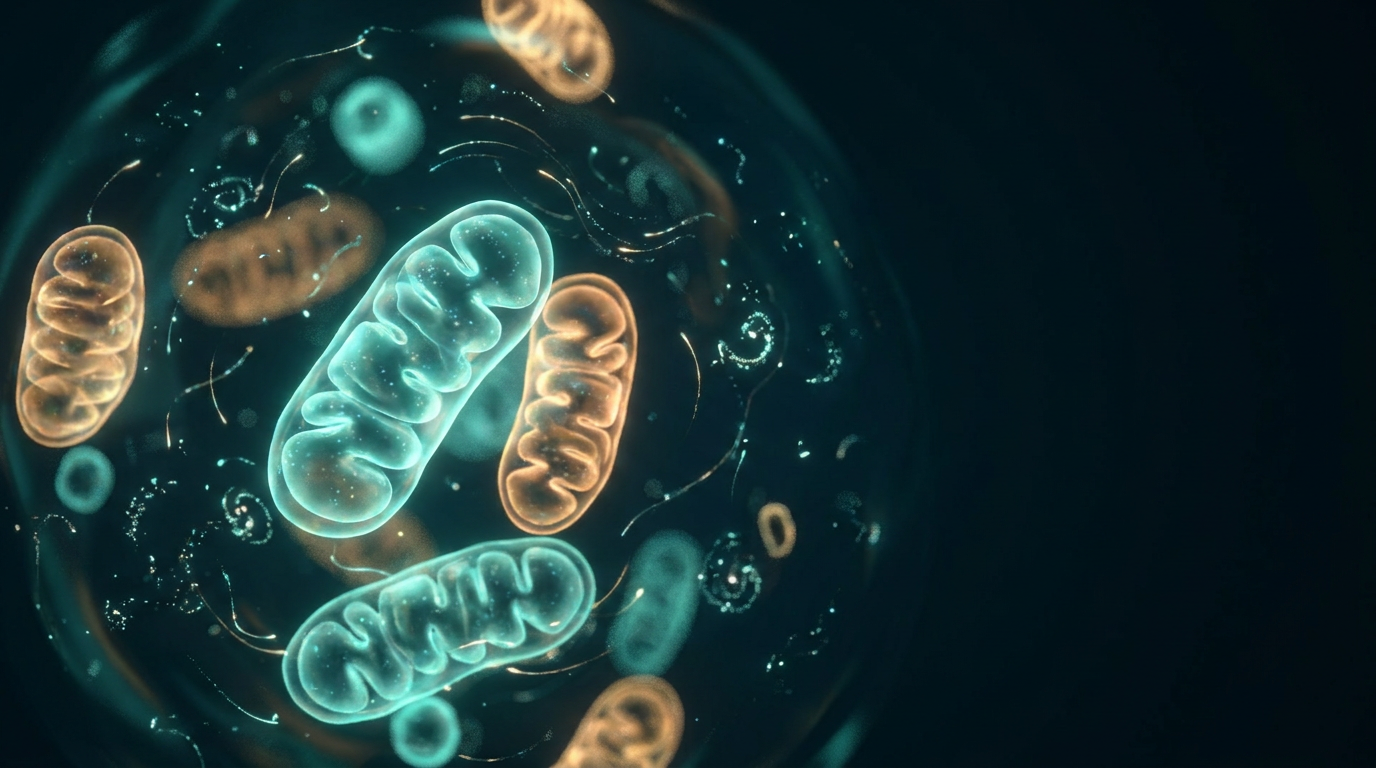
Humanin emerged from an unlikely source. In 2001, researchers screening for genes that could protect neurons from Alzheimer's disease toxicity discovered this small peptide encoded within the mitochondrial genome. Unlike most therapeutic candidates that originate from targeted drug design, humanin revealed itself through survival screens of dying neurons.
From the FormBlends catalog
Humanin
Mitochondria-derived peptide with broad cytoprotective effects · From $69/mo · compounded by a licensed 503A pharmacy, dispensed only after provider review.
Learn about Humanin →The name itself reflects optimism about human therapeutic potential that remains unfulfilled 25 years later. Initial excitement centered on its ability to rescue neurons from multiple death stimuli at remarkably low concentrations in culture dishes. Yet the journey from petri dish to patient has stalled completely.
What makes humanin particularly intriguing is its evolutionary conservation and endogenous presence. Our bodies produce it naturally, with levels declining as we age. This pattern correlates with increased vulnerability to neurodegenerative diseases, though causation remains unproven. The peptide represents a fundamental cellular protection mechanism that emerged early in evolution, found across species from mice to humans.
Table of Contents
- The Humanin Discovery Story
- Molecular Architecture and Function
- Why Humanin Never Made It to Clinical Trials
- Stability Crisis: The Achilles Heel
- Real Numbers Behind the Research
- Underground Use Patterns
- Practical Handling for Research Settings
- The Delivery Problem Nobody Solved
- Comparing Mitochondrial Peptides
- FAQ
Molecular Architecture and Function
The humanin peptide sequence MAPRGFSCLLLLTSEIDLPVKRRA contains several critical structural elements. The hydrophobic stretch from positions 5-15 enables membrane interaction, while the C-terminal region provides specificity for protein binding partners. This dual nature allows humanin to function both as a secreted signaling molecule and an intracellular protective factor.
BAX binding represents the most well-characterized mechanism. Humanin physically sequesters BAX, preventing its oligomerization on mitochondrial membranes. Without BAX pore formation, mitochondria maintain their integrity and cells avoid apoptotic death. The interaction occurs through humanin's central hydrophobic region binding to BAX's BH3 domain.
Beyond direct protein interactions, humanin triggers survival signaling cascades. STAT3 phosphorylation peaks within 30 minutes of exposure, leading to transcription of protective genes. The peptide also interferes with IGFBP3, a pro-apoptotic factor elevated in aging and disease states. These multiple mechanisms suggest humanin evolved as a master regulator of cellular survival rather than a single-target drug.
Structure-function studies reveal critical residues. The S14G mutation (creating HNG variant) increases potency 1000-fold in some assays. Cysteine at position 8 proves problematic, forming disulfide bonds that inactivate the peptide. The C-terminal basic residues affect cellular uptake but also increase susceptibility to proteolytic cleavage.
Why Humanin Never Made It to Clinical Trials
The absence of humanin from clinical development pipelines reflects multiple converging failures rather than a single fatal flaw. Pharmaceutical companies evaluated humanin in the early 2000s but universally abandoned development. The reasons illuminate broader challenges in peptide therapeutics.
Intellectual property posed the first barrier. As a naturally occurring sequence, humanin itself cannot be patented. Modified versions like HNG face uncertain patent landscapes, with multiple academic institutions claiming variants. Without clear IP protection, no company will invest the hundreds of millions required for clinical development.
Pharmacokinetic data killed remaining interest. The sub-30-minute half-life means continuous infusion would be required for sustained therapeutic levels. Even then, brain penetration remains negligible. Most neurological drugs require once or twice daily dosing for patient compliance. Humanin would need multiple daily injections or pump delivery, limiting market potential to the most severe cases.
Manufacturing costs exceed typical peptides due to the hydrophobic sequence causing aggregation during synthesis. Yields remain low even with optimized protocols. The instability requires special handling throughout distribution. These factors push potential pricing beyond what payers would accept for an unproven therapy.
Stability Crisis: The Achilles Heel
Humanin's stability profile reads like a textbook of peptide degradation mechanisms. Oxidation hits the methionine at position 16 first, reducing activity by over 80%. The cysteine at position 8 forms intermolecular disulfide bonds, creating inactive dimers and higher aggregates. Deamidation occurs at the asparagine residue, while the numerous leucines undergo slow racemization.
Temperature dramatically accelerates all degradation pathways. At body temperature in serum, humanin loses half its activity in under 30 minutes through combined proteolysis and chemical degradation. Even at 4°C, reconstituted solutions show significant activity loss within 48 hours. Only storage at -80°C provides reasonable stability, and even then, repeated freeze-thaw cycles cause progressive damage.
Formulation attempts have largely failed. Standard excipients like sugars and amino acids provide minimal protection. Lyophilization improves shelf life but requires moisture levels below 1% to prevent degradation during storage. Once reconstituted, no additive significantly extends solution stability at usable temperatures.
pH sensitivity compounds handling difficulties. Below pH 5, the aspartic acid residues protonate, causing aggregation. Above pH 7, deamidation accelerates exponentially. The narrow pH window of 5.5 to 6.5 for optimal stability conflicts with physiological pH, ensuring rapid degradation upon injection.
Real Numbers Behind the Research
Published humanin studies reveal a stark disconnect between effective concentrations and achievable plasma levels. Cell culture neuroprotection typically requires 0.1 to 10 μM humanin, equating to 0.3 to 30 μg/mL. Yet endogenous human plasma contains only 1 to 3 ng/mL, a thousand-fold lower concentration.
Animal dosing provides sobering context. Mice receiving 4 mg/kg intraperitoneally achieve peak plasma concentrations of approximately 5 μg/mL that decline below detection within 2 hours. Brain tissue concentrations remain below 0.1% of plasma levels even at peak. Direct intracerebroventricular injection bypasses this barrier but isn't clinically translatable.
Human observational data shows age-related decline. Healthy 20-year-olds average 2.8 ng/mL plasma humanin, dropping to 1.1 ng/mL by age 80. Alzheimer's patients show levels around 0.8 ng/mL, but this correlation doesn't establish causation. No intervention studies have attempted to restore youthful humanin levels.
Cost analysis explains limited research. Academic-grade humanin costs $300 to 500 per milligram from specialized suppliers. A single mouse experiment using 10 animals for 4 weeks requires approximately $5,000 in peptide alone. Human studies would require 100 to 1000-fold more material, making even small trials prohibitively expensive.
Underground Use Patterns
Despite absent clinical evidence, humanin has developed a following among peptide enthusiasts and anti-aging communities. Online forums reveal common usage patterns that diverge significantly from research protocols. Users typically report doses between 0.5 to 5 mg subcutaneously, often cycling on and off to manage costs.
Anecdotal reports describe subtle effects rather than dramatic changes. Common themes include improved energy, better stress tolerance, and subjective cognitive clarity. Sleep quality improvements appear frequently. However, these reports lack controls for placebo effects, and the short half-life makes sustained biological effects implausible at reported doses.
Side effects in community reports remain minimal, typically limited to injection site reactions. This matches the lack of acute toxicity in animal studies but provides no information about long-term safety. The absence of severe adverse events likely reflects humanin's poor bioavailability rather than inherent safety.
Sourcing varies wildly in the gray market. Prices range from $100 to 500 per 5 mg vial, with no correlation to claimed purity. Most vendors provide no analytical data. Users report inconsistent effects between batches, suggesting quality control issues. The combination of high cost and uncertain quality limits sustained use.
Practical Handling for Research Settings
Researchers working with humanin face immediate practical challenges. The peptide arrives as a lyophilized powder that readily absorbs moisture. Opening vials in humid environments causes immediate degradation. Proper handling requires a dry glove box or at minimum, a desiccated chamber.
Reconstitution demands careful pH control. Using unbuffered water often yields pH values outside the stability range. A 10 mM acetate buffer at pH 5.5 provides optimal stability, though this acidic solution may affect downstream experiments. Bacteriostatic water, while convenient, contains benzyl alcohol that can interfere with cell culture studies.
Concentration calculations frequently cause errors due to salt content. Commercial humanin often comes as an acetate salt, increasing molecular weight by approximately 20%. A "5 mg" vial may contain only 4 mg of actual peptide. Always calculate based on peptide content, not total weight.
Storage after reconstitution requires immediate aliquoting. Freeze-thaw cycles cause progressive aggregation visible as cloudy solutions. Aliquot into single-use volumes, flash-freeze in liquid nitrogen, and store at -80°C. Even with optimal handling, assume 10-20% activity loss per month.
The Delivery Problem Nobody Solved
Humanin's delivery challenges extend beyond simple stability issues. The blood-brain barrier actively excludes peptides of this size through multiple mechanisms. Efflux transporters, tight junction barriers, and enzymatic degradation combine to prevent central nervous system penetration.
Attempted solutions have included chemical modifications, carrier systems, and alternative routes. PEGylation improves plasma half-life but further reduces brain penetration. Cell-penetrating peptide fusions show promise in culture but fail in vivo. Liposomal encapsulation protects against degradation but doesn't significantly improve brain delivery.
Intranasal administration initially seemed promising. Direct nose-to-brain transport could bypass systemic circulation. However, humanin's hydrophobic nature causes aggregation in nasal formulations. The small surface area and rapid mucociliary clearance limit absorption. Animal studies achieved marginally better brain levels than injection, still therapeutically inadequate.
The most creative approaches remain experimental. Focused ultrasound to temporarily open the blood-brain barrier, engineered exosomes as delivery vehicles, and receptor-mediated transport systems all show theoretical promise. None have advanced beyond proof-of-concept studies. The fundamental mismatch between humanin's properties and CNS drug requirements remains unresolved.
Comparing Mitochondrial Peptides
Humanin pioneered the mitochondrial-derived peptide field, but newer discoveries provide instructive comparisons. MOTS-c, discovered in 2015, shows better stability and clearer metabolic effects. Its smaller size (16 amino acids) and lack of problematic residues enable more straightforward research use.
Small humanin-like peptides (SHLPs) represent variations on the humanin theme. SHLP2 and SHLP3 show similar cytoprotective properties but with distinct tissue distributions. Their shorter sequences might enable better pharmaceutical development, though none have progressed beyond basic research.
The mitochondrial peptide field illustrates a common pattern in drug discovery. Initial excitement about a novel class of molecules confronts practical realities of drug development. While scientifically fascinating, these peptides face the same delivery, stability, and manufacturing challenges that limit peptide therapeutics generally.
Future mitochondrial peptide research may benefit from humanin's lessons. Starting with stability and delivery considerations rather than adding them as afterthoughts could identify developable candidates earlier. The biological importance of these peptides remains clear; translating that importance into therapies requires overcoming fundamental pharmaceutical challenges.
FAQ
What is humanin peptide? Humanin is a 24-amino acid mitochondrial-derived peptide discovered in 2001, encoded by the 16S ribosomal RNA gene. It functions as a cytoprotective factor, primarily studied for neuroprotection through anti-apoptotic mechanisms involving BAX sequestration and STAT3 activation.
What are the proven benefits of humanin? In cell culture, humanin shows neuroprotection against Alzheimer's toxicity at nanomolar concentrations. Animal models demonstrate improved cognitive function and reduced amyloid burden. Human studies remain limited to correlational data showing declining levels with age.
How does humanin work in mitochondria? Humanin binds to BAX protein, preventing mitochondrial membrane permeabilization and cytochrome c release. It also activates STAT3 signaling and interacts with IGFBP3 to modulate cell survival pathways. The peptide localizes to both mitochondria and cytoplasm.
What is the optimal humanin dosage? No established human therapeutic dose exists. Animal studies use 0.1-5 mg/kg intraperitoneally. Cell culture effective concentrations range from 0.1-10 μM. Human trials have not progressed to dose-finding studies.
Is humanin peptide FDA approved? No. Humanin remains a research compound with no FDA approval for any indication. No pharmaceutical company has advanced it through clinical trials beyond observational studies measuring endogenous levels.
What are the side effects of humanin? Human safety data does not exist. Animal studies report no acute toxicity at doses up to 50 mg/kg. Theoretical concerns include interference with normal apoptosis and unknown effects of supraphysiological doses.
How stable is synthetic humanin? Humanin degrades rapidly in serum with a half-life under 30 minutes. Lyophilized powder remains stable for months at -20°C. Reconstituted solutions degrade within days even when refrigerated, limiting practical therapeutic use.
Can humanin cross the blood-brain barrier? Limited evidence suggests poor BBB penetration. One mouse study showed minimal brain uptake after peripheral injection. Most neuroprotection studies use direct intracerebroventricular injection, highlighting this delivery challenge.
What's the difference between humanin and other mitochondrial peptides? Humanin was the first discovered mitochondrial-derived peptide. MOTS-c primarily regulates metabolism, while SHLPs focus on cellular stress response. Humanin uniquely emphasizes anti-apoptotic function through direct protein interactions.
How do you reconstitute humanin peptide? Reconstitute in sterile water or 0.1% acetic acid to 1-2 mg/mL. Use immediately or aliquot and freeze at -80°C. Avoid repeated freeze-thaw cycles. Most vendors recommend bacteriostatic water for multi-dose vials.
Is humanin worth trying for anti-aging? Current evidence does not support humanin supplementation for anti-aging. No human efficacy data exists, bioavailability remains poor, and endogenous production mechanisms are not well understood. Research remains preclinical.
Sources
- Hashimoto Y, et al. A rescue factor abolishing neuronal cell death by a wide spectrum of familial Alzheimer's disease genes and Abeta. Proc Natl Acad Sci USA. 2001;98(11):6336-41.
- Guo B, et al. Humanin peptide suppresses apoptosis by interfering with Bax activation. Nature. 2003;423(6938):456-61.
- Yen K, et al. The mitochondrial-derived peptide humanin is a regulator of lifespan and healthspan. Aging (Albany NY). 2020;12(12):11185-11199.
- Muzumdar RH, et al. Central and opposing effects of IGF-I and IGF-binding protein-3 on systemic insulin action. Diabetes. 2006;55(10):2788-96.
- Lee C, et al. Humanin: a harbinger of mitochondrial-derived peptides? Trends Endocrinol Metab. 2013;24(5):222-8.
- Widmer RJ, et al. Circulating humanin levels are associated with preserved coronary endothelial function. Am J Physiol Heart Circ Physiol. 2013;304(3):H393-7.
- Xiao J, et al. Low circulating levels of the mitochondrial-peptide hormone humanin predict cognitive decline and dementia. Alzheimers Dement. 2021;17(8):1372-1382.
- Chin YP, et al. Pharmacokinetics and tissue distribution of humanin and its analogues in male rodents. Endocrinology. 2013;154(10):3739-44.
Footer Disclaimers
Platform Terms: The information provided on FormBlends.com is for educational and research purposes only and should not be interpreted as a recommendation or endorsement of any particular treatment or product.
Research Compound Disclaimer: Humanin is not approved by the FDA for the treatment, diagnosis, prevention, or cure of any disease. It is a research compound intended solely for laboratory research use by qualified researchers.
Results Disclaimer: Individual results from research compounds depend on numerous factors including genetics, diet, exercise, and adherence to research protocols. No specific outcome should be expected.
Trademark Notice: Humanin is not a trademark of FormBlends. Any proprietary names mentioned are the property of their respective owners.
Related peptide guides
Ready when you are
Humanin
Mitochondria-derived peptide with broad cytoprotective effects · From $69/mo · compounded by a licensed 503A pharmacy, dispensed only after provider review.
Learn about Humanin →