How to Use This Glossary
This glossary contains over 500 terms spanning peptide biochemistry, GLP-1 pharmacology, clinical research methodology, compounding regulations, and practical therapy vocabulary. It's designed for patients, clinicians, researchers, and anyone trying to make sense of the dense terminology surrounding peptide science.
Key Takeaways
- Alphabetical ordering follows letter-by-letter convention. Entries starting with numbers (like 5-amino-1MQ) appear at the beginning of the relevant letter section.
- Acronyms are listed under their abbreviated form (e.g., GLP-1 under "G") with the full name spelled out in the definition.
- Cross-references appear in bold when referencing another glossary entry.
- Category tags after each term indicate the field: [Biochemistry], [Pharmacology], [Clinical], [Regulatory], [Practical].
Peptide research sits at the intersection of biochemistry, endocrinology, pharmacology, and clinical medicine. That means you'll encounter terms from all of these disciplines when reading studies, product labels, or clinical guidelines. We've organized everything alphabetically and written each definition in plain language, with enough scientific context to be genuinely useful.
QUICK NAVIGATION
Use the Table of Contents above to jump to any letter range. Each entry includes a brief, practical definition (30-100 words) along with context about where you'll encounter the term. Cross-references link to related entries throughout the glossary and to our Peptide Research Hub for deeper reading.
A few notes on how we've structured things:
- Alphabetical ordering follows letter-by-letter convention. Entries starting with numbers (like 5-amino-1MQ) appear at the beginning of the relevant letter section.
- Acronyms are listed under their abbreviated form (e.g., GLP-1 under "G") with the full name spelled out in the definition.
- Cross-references appear in bold when referencing another glossary entry.
- Category tags after each term indicate the field: [Biochemistry], [Pharmacology], [Clinical], [Regulatory], [Practical].
Whether you're a patient trying to understand your semaglutide prescription, a researcher parsing clinical trial results, or a clinician comparing peptide protocols, this reference should help you find what you need quickly. For a broader orientation to the field, our Peptide Therapy Beginner's Guide provides a gentler starting point.
Glossary Terms by Category
A-D: Acetylation to DXA
A
503A Pharmacy [Regulatory] - A traditional compounding pharmacy operating under Section 503A of the Federal Food, Drug, and Cosmetic Act. These pharmacies prepare medications based on individual patient prescriptions and are primarily regulated by state boards of pharmacy. They must follow USP compounding standards but are exempt from FDA cGMP requirements. Most compounded peptides prescribed by clinicians come from 503A pharmacies.
503B Outsourcing Facility [Regulatory] - An FDA-registered compounding facility that can produce larger batches of compounded drugs without requiring patient-specific prescriptions. Unlike 503A pharmacies, 503B facilities must comply with current Good Manufacturing Practice (cGMP) regulations, submit to FDA inspections, and report adverse events. They serve as a middle ground between traditional compounding and full pharmaceutical manufacturing.
5-Amino-1MQ [Pharmacology] - A small molecule that inhibits nicotinamide N-methyltransferase (NNMT), an enzyme involved in cellular energy metabolism. By blocking NNMT, 5-amino-1MQ may increase NAD+ levels and promote fat cell metabolism. It's often grouped with peptides in research contexts, though it's technically a small molecule rather than a peptide. See our complete research index for related compounds.
Absorption [Pharmacology] - The process by which a drug moves from its administration site into the bloodstream. For subcutaneously injected peptides, absorption occurs through the capillary network in the subcutaneous tissue. Factors affecting peptide absorption include injection site blood flow, peptide molecular weight, and formulation characteristics. Oral peptide absorption remains a major challenge due to enzymatic degradation in the GI tract.
Acetylation [Biochemistry] - The addition of an acetyl group (CH3CO) to a molecule, often at the N-terminus of a peptide. Acetylation can protect peptides from enzymatic degradation by aminopeptidases, potentially extending their biological half-life. Many synthetic peptides include N-terminal acetylation as a standard modification to improve stability.
ACTH (Adrenocorticotropic Hormone) [Biochemistry] - A 39-amino acid peptide hormone produced by the anterior pituitary gland. ACTH stimulates the adrenal cortex to produce cortisol and other glucocorticoids. It's derived from a larger precursor protein called proopiomelanocortin (POMC) and plays a central role in the hypothalamic-pituitary-adrenal (HPA) axis stress response.
Active Pharmaceutical Ingredient (API) [Regulatory] - The biologically active component of a drug product that produces the intended therapeutic effect. In compounded peptide preparations, the API is the peptide itself (e.g., semaglutide, BPC-157), while excipients like mannitol or bacteriostatic water are inactive ingredients that support formulation and stability.
Adipocyte [Biochemistry] - A fat cell that stores energy as triglycerides. Adipocytes are metabolically active cells that produce hormones (adipokines) and respond to signals from peptide hormones including GLP-1, GIP, and growth hormone. White adipocytes store energy, while brown adipocytes generate heat through thermogenesis.
Adipokine [Biochemistry] - Any cytokine or hormone secreted by adipose (fat) tissue. Key adipokines include leptin, adiponectin, resistin, and various interleukins. GLP-1 receptor agonists can alter adipokine profiles as body fat decreases, which may contribute to their cardiovascular and metabolic benefits beyond weight loss alone.
Adiponectin [Biochemistry] - A protein hormone produced by adipocytes that enhances insulin sensitivity and has anti-inflammatory properties. Higher adiponectin levels are associated with reduced cardiovascular risk. Weight loss from GLP-1 receptor agonists tends to increase adiponectin levels, which may partly explain their cardiometabolic benefits.
Adipose Tissue [Biochemistry] - Connective tissue composed primarily of adipocytes (fat cells). White adipose tissue stores energy and produces hormones. Brown adipose tissue generates heat. Visceral adipose tissue (around organs) is more metabolically harmful than subcutaneous adipose tissue (under the skin). GLP-1 receptor agonists preferentially reduce visceral fat.
Adjuvant [Pharmacology] - A substance added to a drug formulation or vaccine to enhance its effectiveness. In peptide therapy contexts, adjuvants may refer to compounds co-administered with peptides to improve immune response (in vaccine settings) or substances that enhance peptide stability and absorption.
Adrenal Gland [Biochemistry] - A small endocrine gland sitting atop each kidney that produces hormones including cortisol, aldosterone, and adrenaline. The adrenal cortex responds to ACTH (a peptide hormone from the pituitary) and produces steroid hormones essential for stress response, blood pressure regulation, and electrolyte balance.
Adverse Event (AE) [Clinical] - Any undesirable medical occurrence in a patient during a clinical trial or treatment, whether or not it's causally related to the drug. Adverse events are graded by severity (mild, moderate, severe) and seriousness. In GLP-1 trials, common adverse events include nausea, vomiting, and injection site reactions.
Affinity [Pharmacology] - The strength of binding between a drug (or endogenous ligand) and its receptor. Higher affinity means tighter binding. Semaglutide, for example, has higher GLP-1 receptor affinity than native GLP-1, partly because of its albumin-binding fatty acid side chain that keeps it circulating longer and maintains receptor interaction.
Agonist [Pharmacology] - A substance that binds to a receptor and activates it, producing a biological response. GLP-1 receptor agonists like semaglutide mimic the action of natural GLP-1 by binding to and activating the GLP-1 receptor. Contrast with antagonist, which blocks receptor activation.
Alanine (Ala, A) [Biochemistry] - One of the 20 standard amino acids, with a simple methyl group side chain. Alanine is nonpolar, hydrophobic, and commonly found in alpha-helical structures. In peptide modification, D-alanine substitution (the mirror image of natural L-alanine) is sometimes used to improve resistance to enzymatic degradation.
Albumin [Biochemistry] - The most abundant protein in human blood plasma, produced by the liver. Albumin serves as a carrier protein for many substances and has a half-life of approximately 19 days. Several long-acting peptide drugs (including semaglutide and liraglutide) are engineered to bind reversibly to albumin, dramatically extending their circulation time.
Alpha Helix [Biochemistry] - A common secondary structure in proteins and peptides where the amino acid chain coils into a right-handed spiral stabilized by hydrogen bonds. Many biologically active peptides adopt alpha-helical conformations when interacting with their target receptors. GLP-1 forms an alpha helix when it binds to the GLP-1 receptor.
Amidation [Biochemistry] - The conversion of a C-terminal carboxyl group to an amide group (-CONH2) on a peptide. C-terminal amidation is a common post-translational modification that can increase peptide stability, receptor binding affinity, and biological activity. Many synthetic therapeutic peptides are amidated at their C-terminus.
Amino Acid [Biochemistry] - An organic molecule containing both an amino group (-NH2) and a carboxyl group (-COOH), along with a variable side chain. Twenty standard amino acids serve as the building blocks of peptides and proteins. They're linked together through peptide bonds during translation to form polypeptide chains. Each amino acid has unique chemical properties that influence the peptide's structure and function.
Amino Acid Sequence [Biochemistry] - The specific order of amino acids in a peptide or protein, read from the N-terminus to the C-terminus. This primary structure determines how the molecule folds and functions. Even a single amino acid change can dramatically alter a peptide's biological activity, stability, or receptor binding properties.
Amylin [Biochemistry] - A 37-amino acid peptide hormone co-secreted with insulin from pancreatic beta cells after meals. Amylin slows gastric emptying, suppresses glucagon secretion, and promotes satiety. Pramlintide is a synthetic amylin analog used in diabetes treatment. Cagrilintide, a long-acting amylin analog, is being studied in combination with semaglutide (CagriSema) for enhanced weight loss.
Anabolic [Biochemistry] - Relating to metabolic processes that build up molecules and tissues. Growth hormone and IGF-1 are anabolic hormones that promote muscle protein synthesis, bone growth, and tissue repair. Anabolic processes require energy input, as opposed to catabolic processes that break down molecules and release energy.
Analog (Analogue) [Pharmacology] - A synthetic compound structurally similar to a naturally occurring molecule but modified to improve properties such as potency, stability, or duration of action. Semaglutide is an analog of native GLP-1 with 94% structural similarity but vastly improved pharmacokinetic properties. Most therapeutic peptides are analogs of endogenous hormones.
Anorectic / Anorexigenic [Pharmacology] - Causing appetite suppression or reduced food intake. GLP-1 receptor agonists are anorexigenic agents that reduce hunger through central nervous system mechanisms, including effects on the hypothalamic appetite centers and brainstem areas controlling satiety signals.
Antagonist [Pharmacology] - A substance that binds to a receptor without activating it, thereby blocking the receptor's natural ligand from binding. Receptor antagonists prevent or reduce the biological response. Exendin-(9-39), for example, is a GLP-1 receptor antagonist used in research to study GLP-1's physiological roles.
Anterior Pituitary [Biochemistry] - The front lobe of the pituitary gland that produces and secretes several peptide hormones including growth hormone (GH), ACTH, thyroid-stimulating hormone (TSH), luteinizing hormone (LH), and follicle-stimulating hormone (FSH). Its hormone secretion is controlled by releasing and inhibiting hormones from the hypothalamus.
Antibody [Biochemistry] - A Y-shaped protein produced by the immune system that recognizes and binds to specific foreign molecules (antigens). Anti-drug antibodies (ADAs) can develop against therapeutic peptides, potentially reducing their effectiveness. Immunogenicity testing is a standard part of peptide drug development to assess this risk.
Anti-Drug Antibody (ADA) [Clinical] - An antibody produced by a patient's immune system against a therapeutic protein or peptide. ADA formation can neutralize the drug, reduce its efficacy, or cause adverse immune reactions. Clinical trials for peptide drugs routinely monitor for ADA development. Humanized or fully human peptide sequences tend to produce fewer ADAs.
Antimicrobial Peptide (AMP) [Biochemistry] - A class of small peptides that form part of the innate immune system in many organisms. AMPs like LL-37 and defensins can kill bacteria, fungi, and viruses by disrupting their cell membranes. They're being studied as potential alternatives to conventional antibiotics.
AOD-9604 [Pharmacology] - Anti-Obesity Drug 9604, a modified fragment of human growth hormone (amino acids 177-191) with a tyrosine addition. It was designed to retain the fat-reducing effects of growth hormone without its growth-promoting or diabetogenic properties. See our detailed guide in the research index. Take our free assessment to explore your options.
Apoptosis [Biochemistry] - Programmed cell death, a controlled process where cells self-destruct when damaged, no longer needed, or potentially dangerous. Unlike necrosis (uncontrolled cell death), apoptosis doesn't trigger inflammation. Several peptides influence apoptotic pathways - for instance, FOXO4-DRI selectively triggers apoptosis in senescent cells.
Area Under the Curve (AUC) [Pharmacology] - A pharmacokinetic measure representing total drug exposure over time. AUC is calculated from a plot of drug concentration in blood versus time and reflects both the extent and rate of absorption. Higher AUC values indicate greater overall drug exposure. AUC is a primary parameter in bioequivalence studies.
Arginine (Arg, R) [Biochemistry] - A positively charged, basic amino acid commonly found at protein-protein interaction surfaces and enzyme active sites. Arginine residues play important roles in receptor binding for many peptide hormones. L-arginine supplementation is popular because it serves as a precursor to nitric oxide production.
Assay [Clinical] - A laboratory test that measures the presence, amount, or activity of a substance. Peptide assays include immunoassays (measuring peptide concentration), bioassays (measuring biological activity), and purity assays (measuring the percentage of desired peptide versus impurities). High-performance liquid chromatography (HPLC) is a standard purity assay for peptides.
Autocrine [Biochemistry] - A form of cell signaling where a cell produces a substance that acts on receptors on that same cell. This contrasts with paracrine signaling (acting on nearby cells) and endocrine signaling (acting on distant cells via the bloodstream). Some peptide growth factors operate through autocrine mechanisms.
Autoinjector [Practical] - A medical device designed for self-administration of injectable medications. Autoinjectors contain a pre-filled dose and a spring-loaded mechanism that inserts the needle and delivers the medication with the push of a button. GLP-1 receptor agonist pens (like those for semaglutide and tirzepatide) are a form of autoinjector.
B
Bacteriostatic Water (BAC Water) [Practical] - Sterile water containing 0.9% benzyl alcohol as a preservative to inhibit bacterial growth. It's the standard diluent for reconstituting lyophilized peptides. Once a peptide is reconstituted with bacteriostatic water, the solution typically remains stable for up to 28 days when refrigerated at 2-8 degrees C. Never use plain sterile water for multi-use vials.
Basal Metabolic Rate (BMR) [Biochemistry] - The amount of energy the body uses at rest to maintain basic life functions like breathing, circulation, and cell production. BMR accounts for roughly 60-75% of total daily energy expenditure. Growth hormone and thyroid hormones are key regulators of BMR, and GLP-1 receptor agonists may modestly affect it through changes in body composition.
Beta Cell [Biochemistry] - Insulin-producing cells located in the islets of Langerhans within the pancreas. Beta cells also co-secrete amylin with insulin. GLP-1 receptor agonists promote beta cell insulin secretion in a glucose-dependent manner, meaning they stimulate insulin release only when blood sugar is elevated, which reduces the risk of hypoglycemia.
Beta Sheet [Biochemistry] - A common protein secondary structure formed by hydrogen bonding between adjacent strands of the polypeptide chain. Beta sheets can be parallel or antiparallel depending on strand orientation. Amyloid fibrils - misfolded protein aggregates associated with diseases like Alzheimer's - are characterized by cross-beta sheet structures.
Beyond Use Date (BUD) [Regulatory] - The date after which a compounded preparation should not be used, determined by the compounding pharmacy based on stability data and USP guidelines. BUDs for compounded peptide injections are typically shorter than expiration dates for commercially manufactured products. USP <797> sets maximum BUDs based on sterility testing level.
Binding Affinity [Pharmacology] - A quantitative measure of how tightly a drug or ligand binds to its target receptor, usually expressed as the dissociation constant (Kd). Lower Kd values indicate tighter binding. Semaglutide's fatty acid modification gives it strong albumin binding affinity, which prolongs its circulation time and enables once-weekly dosing.
Bioassay [Clinical] - A type of experiment that uses living organisms or biological systems to measure the potency or biological activity of a substance. For peptides, cell-based bioassays can measure receptor activation (using reporter gene assays) or downstream signaling (measuring cAMP production for GLP-1 receptor agonists, for example).
Bioavailability [Pharmacology] - The fraction of an administered drug dose that reaches systemic circulation in its active form. Intravenous drugs have 100% bioavailability by definition. Subcutaneously injected peptides typically have 60-90% bioavailability. Oral peptide bioavailability is usually below 1% due to GI degradation, though oral semaglutide (Rybelsus) uses an absorption enhancer (SNAC) to achieve clinically useful oral bioavailability.
Bioequivalence [Regulatory] - A regulatory concept indicating that two formulations of the same drug produce equivalent blood concentration profiles (similar Cmax, AUC, and Tmax). Bioequivalence studies are required for generic drug approval. For complex peptides, demonstrating bioequivalence can be challenging due to differences in manufacturing processes.
Biologic / Biological Product [Regulatory] - A product derived from biological sources (living cells or organisms) rather than chemical synthesis. Large proteins and monoclonal antibodies are classified as biologics, while smaller synthetic peptides are often classified as drugs. This distinction affects the regulatory approval pathway - biologics follow the Biologics License Application (BLA) route under the Public Health Service Act.
Biomarker [Clinical] - A measurable indicator of a biological state, condition, or process. Biomarkers used in peptide research include HbA1c (glycemic control), IGF-1 levels (growth hormone status), inflammatory cytokines, and body composition measurements. Surrogate biomarkers can serve as endpoints in clinical trials when direct outcome measurement is impractical.
Biopeptide [Biochemistry] - A peptide derived from biological sources through enzymatic hydrolysis or fermentation, as opposed to chemical synthesis. Bioactive peptides from food sources (like casein-derived peptides from milk) have been studied for their antihypertensive, antimicrobial, and immunomodulatory properties.
Biosimilar [Regulatory] - A biological product highly similar to an already-approved reference biologic, with no clinically meaningful differences in safety, purity, or potency. Biosimilars undergo an abbreviated approval pathway (351(k) in the US). As patents expire on peptide biologics, biosimilar versions may become available at lower cost.
Blinding [Clinical] - A clinical trial design feature where participants, investigators, or both don't know which treatment group a participant is assigned to. Single-blind means only participants are unaware; double-blind means neither participants nor investigators know. Blinding reduces bias in outcome assessment and is standard in GLP-1 receptor agonist trials.
Blood-Brain Barrier (BBB) [Biochemistry] - A selective semipermeable border of endothelial cells that separates circulating blood from the brain's extracellular fluid. The BBB restricts most large molecules, including many peptides, from entering the brain. Some peptides like GLP-1 receptor agonists can cross the BBB or act on receptors in brain areas with reduced barrier function (circumventricular organs).
Body Composition [Clinical] - The proportions of fat, muscle, bone, and water that make up body weight. Body composition analysis is critical in GLP-1 and peptide research because weight loss can come from fat mass, lean mass (muscle), or both. DXA scanning is the gold standard for measuring body composition changes in clinical trials.
Body Mass Index (BMI) [Clinical] - A simple calculation of weight divided by height squared (kg/m2) used to classify underweight (<18.5), normal weight (18.5-24.9), overweight (25-29.9), and obesity (>=30). While widely used in clinical trials and GLP-1 prescribing criteria, BMI doesn't distinguish between fat and muscle mass and has known limitations across different ethnicities and body types.
Bolus [Practical] - A single, concentrated dose of a medication given all at once, as opposed to a continuous infusion. Many peptide injections are administered as subcutaneous bolus doses. In insulin therapy, a bolus dose covers mealtime glucose spikes, while basal doses provide background coverage.
BPC-157 (Body Protection Compound-157) [Pharmacology] - A 15-amino acid synthetic peptide derived from a portion of human gastric juice protein. BPC-157 has been studied extensively in animal models for its tissue-healing and anti-inflammatory properties, showing effects on tendons, ligaments, gut, and nervous system tissue. The FDA classified it as Category 2 in October 2023, meaning compounding pharmacies cannot prepare it for human use.
Branched-Chain Amino Acids (BCAAs) [Biochemistry] - Three essential amino acids - leucine, isoleucine, and valine - characterized by branched aliphatic side chains. BCAAs play important roles in muscle protein synthesis, energy production during exercise, and regulation of blood sugar. Leucine, in particular, activates the mTOR pathway that stimulates muscle protein synthesis.
C
C-Peptide [Biochemistry] - A 31-amino acid peptide released during insulin processing. When proinsulin is cleaved to form active insulin, C-peptide is released in equimolar amounts. C-peptide levels serve as a reliable measure of endogenous insulin production because, unlike insulin, C-peptide isn't extracted by the liver during first-pass metabolism.
C-Terminus (Carboxyl Terminus) [Biochemistry] - The end of a peptide chain that carries the free carboxyl group (-COOH). By convention, amino acid sequences are written from N-terminus to C-terminus (left to right). The C-terminus is where amidation modifications are often applied to increase peptide stability and biological activity.
Cagrilintide [Pharmacology] - A long-acting amylin receptor agonist developed by Novo Nordisk. Administered as a once-weekly subcutaneous injection, cagrilintide promotes satiety and slows gastric emptying. It's being studied in combination with semaglutide (as CagriSema) for enhanced weight loss, with Phase 3 trials showing up to 22-24% body weight reduction.
CagriSema [Pharmacology] - A combination product containing cagrilintide (a long-acting amylin analog) and semaglutide (a GLP-1 receptor agonist) in a single once-weekly injection. By targeting two different appetite-regulating pathways simultaneously, CagriSema has demonstrated greater weight loss than either component alone in clinical trials.
cAMP (Cyclic Adenosine Monophosphate) [Biochemistry] - A secondary messenger molecule that relays signals from cell surface receptors to intracellular targets. When GLP-1 binds to the GLP-1 receptor (a G protein-coupled receptor), it activates adenylyl cyclase, which converts ATP to cAMP. The resulting increase in cAMP triggers insulin secretion from beta cells.
Carrier Protein [Biochemistry] - A protein that binds to other molecules (including peptides and hormones) and transports them through the bloodstream. Albumin is the primary carrier protein for many drugs and hormones. Peptide drug designers sometimes engineer carrier protein binding (as with semaglutide's fatty acid chain that binds albumin) to extend circulation time.
Catabolic [Biochemistry] - Relating to metabolic processes that break down complex molecules into simpler ones, releasing energy. Muscle wasting during severe illness or prolonged caloric restriction involves catabolic breakdown of muscle protein. Growth hormone and IGF-1 counteract catabolic states by promoting protein synthesis.
Certificate of Analysis (COA) [Regulatory] - A document issued by a manufacturer or testing laboratory that certifies a product meets its quality specifications. For peptides, a COA typically includes identity confirmation, purity (usually by HPLC), peptide content, residual solvent levels, endotoxin testing, and microbial limits. Always request a COA when purchasing research peptides.
cGMP (Current Good Manufacturing Practice) [Regulatory] - FDA regulations (21 CFR Parts 210 and 211) that govern the manufacturing, processing, packing, and holding of drugs. cGMP requirements include quality control, personnel qualifications, facility standards, and documentation. 503B outsourcing facilities must comply with cGMP, while traditional 503A pharmacies follow USP compounding standards instead.
Chiral Center [Biochemistry] - A carbon atom bonded to four different chemical groups, creating mirror-image (enantiomeric) forms. All standard amino acids except glycine have a chiral center at the alpha carbon, existing as L- (natural) or D- (mirror image) forms. Only L-amino acids are incorporated during ribosomal protein synthesis, but D-amino acids are used in synthetic peptides for improved stability.
Circadian Rhythm [Biochemistry] - The approximately 24-hour internal clock that regulates many biological processes including hormone secretion. Growth hormone secretion follows a strong circadian pattern, with the largest pulse occurring during early deep sleep. Cortisol peaks in early morning. Peptide therapy timing is sometimes aligned with circadian hormone patterns for optimal effect.
CJC-1295 [Pharmacology] - A synthetic peptide analog of growth hormone-releasing hormone (GHRH) with a 30-amino acid sequence. Available in two forms: CJC-1295 with DAC (Drug Affinity Complex) for extended half-life, and CJC-1295 without DAC (also called Modified GRF 1-29 or Mod GRF). CJC-1295 combined with ipamorelin is a popular growth hormone secretagogue protocol.
Clearance (CL) [Pharmacology] - A pharmacokinetic parameter describing the volume of plasma from which a drug is completely removed per unit time (usually mL/min or L/hr). Peptide clearance occurs primarily through renal filtration (for smaller peptides) and proteolytic degradation. Modifications like PEGylation and albumin binding reduce clearance and extend drug action.
Clinical Endpoint [Clinical] - A measurable outcome in a clinical trial that reflects how a patient feels, functions, or survives. Primary endpoints are the main outcomes a trial is designed to evaluate. In GLP-1 trials, common primary endpoints include percent body weight change, HbA1c reduction, or major adverse cardiovascular events (MACE).
Clinical Trial [Clinical] - A research study that tests a medical intervention (drug, device, or procedure) in human volunteers. Clinical trials progress through phases (Phase 1-4), each with specific objectives and increasing participant numbers. Peptide drugs must complete Phase 3 trials demonstrating safety and efficacy before FDA approval.
Cmax (Maximum Concentration) [Pharmacology] - The highest blood plasma concentration of a drug achieved after administration. Cmax reflects the rate of absorption and is an important pharmacokinetic parameter. For subcutaneous peptide injections, Cmax typically occurs hours to days after injection, depending on the formulation and peptide properties.
Compounding [Regulatory] - The practice of creating customized medications by combining, mixing, or altering ingredients to meet the specific needs of an individual patient. Peptide compounding allows pharmacies to prepare formulations not commercially available, adjust doses, or combine multiple peptides. Compounding is regulated under Sections 503A and 503B of the FDCA.
Conformation [Biochemistry] - The three-dimensional shape of a molecule, determined by the spatial arrangement of its atoms. Peptide conformation is critical for biological activity because receptors recognize specific shapes. A peptide's conformation is influenced by its amino acid sequence, post-translational modifications, and the surrounding environment (pH, temperature, solvent).
Conjugation [Pharmacology] - The attachment of a chemical group or molecule to a peptide to modify its properties. Common conjugation strategies include PEGylation (attaching polyethylene glycol), fatty acid acylation (as in semaglutide), and antibody-drug conjugates. These modifications can improve half-life, reduce immunogenicity, or enable targeted delivery.
Control Group [Clinical] - The group of participants in a clinical trial that receives a placebo, standard treatment, or no treatment, serving as a baseline for comparison with the experimental treatment group. In GLP-1 receptor agonist trials, control groups may receive placebo, lifestyle modification alone, or an active comparator drug.
Cortisol [Biochemistry] - The primary glucocorticoid hormone produced by the adrenal cortex in response to ACTH (a peptide hormone). Cortisol regulates metabolism, immune function, and the stress response. Chronically elevated cortisol promotes visceral fat accumulation, insulin resistance, and muscle wasting. Some peptide protocols aim to optimize cortisol levels.
Cross-Reactivity [Biochemistry] - The ability of an antibody or receptor to react with molecules other than its primary target due to structural similarities. In peptide immunoassays, cross-reactivity can cause false results if the assay detects related peptides. In pharmacology, receptor cross-reactivity explains why some peptide drugs activate multiple receptor subtypes.
Cyclization [Biochemistry] - The formation of a circular (cyclic) peptide structure, usually through a bond between the N-terminus and C-terminus or between side chains. Cyclic peptides are often more resistant to enzymatic degradation and can have improved receptor binding. Examples include cyclosporine and somatostatin analogs like octreotide.
Cytokine [Biochemistry] - A broad category of small signaling proteins released by cells that affect the behavior of other cells, particularly in immune and inflammatory responses. Pro-inflammatory cytokines (like TNF-alpha, IL-6) promote inflammation, while anti-inflammatory cytokines dampen it. GLP-1 receptor agonists have been shown to reduce pro-inflammatory cytokine levels.
D
D-Amino Acid [Biochemistry] - The mirror-image (enantiomeric) form of a naturally occurring L-amino acid. While human proteins exclusively use L-amino acids, D-amino acids appear in some bacterial peptides and are used in synthetic peptide design because proteolytic enzymes typically cannot cleave bonds involving D-amino acids, making D-amino acid-containing peptides more resistant to degradation.
DAC (Drug Affinity Complex) [Pharmacology] - A chemical modification technology that extends peptide half-life by enabling covalent binding to albumin in the bloodstream. CJC-1295 with DAC uses this technology to achieve a half-life of approximately 6-8 days compared to minutes for unmodified GHRH. The DAC modification consists of a maleimidopropionic acid linker that reacts with lysine residues on albumin.
Degradation [Biochemistry] - The chemical breakdown of a molecule into smaller, less active, or inactive fragments. Peptide degradation can occur through proteolysis (enzymatic cleavage), oxidation, deamidation, or aggregation. Proper storage conditions (temperature, pH, light protection) are essential to minimize peptide degradation and maintain potency.
Denaturation [Biochemistry] - The loss of a protein's or peptide's three-dimensional structure, usually caused by heat, extreme pH, organic solvents, or mechanical stress. Denatured peptides often lose biological activity because their receptor-binding surfaces are disrupted. This is why reconstituted peptides should never be shaken vigorously or exposed to high temperatures.
Dipeptide [Biochemistry] - A peptide composed of exactly two amino acids linked by a single peptide bond. Dipeptides are the simplest peptides and include compounds like carnosine (beta-alanyl-L-histidine) and aspartame (aspartyl-phenylalanine methyl ester). Some orally absorbed peptides are dipeptides that use intestinal peptide transporters (PepT1).
Dipeptidyl Peptidase-4 (DPP-4) [Biochemistry] - A serine protease enzyme that rapidly degrades native GLP-1 and GIP hormones, giving them half-lives of only 2-3 minutes. DPP-4 cleaves the two N-terminal amino acids from GLP-1. DPP-4 inhibitors (gliptins) are oral diabetes drugs that work by preventing this degradation. GLP-1 receptor agonists like semaglutide are designed to resist DPP-4 cleavage.
Disulfide Bond [Biochemistry] - A covalent bond formed between the sulfur atoms of two cysteine residues in a peptide or protein. Disulfide bonds stabilize three-dimensional structure and are essential for the biological activity of many peptides, including insulin (which has three disulfide bonds), oxytocin, and somatostatin. Reducing conditions can break disulfide bonds and inactivate these peptides.
Diurnal Variation [Biochemistry] - Natural fluctuations in hormone or physiological parameter levels that occur throughout a 24-hour day. Growth hormone shows pronounced diurnal variation, with peak secretion during sleep. Cortisol peaks in the early morning. Understanding diurnal variation is important for timing blood tests and interpreting hormone level results.
Dose Escalation [Pharmacology] - A strategy of gradually increasing drug dose over time to minimize side effects and find the optimal therapeutic dose. GLP-1 receptor agonists use dose escalation protocols - for example, semaglutide starts at 0.25 mg weekly and escalates to a maintenance dose of 2.4 mg over 16-20 weeks. This approach reduces GI side effects like nausea.
Dose-Response Relationship [Pharmacology] - The correlation between the dose of a drug and the magnitude of its effect. This relationship is typically described by a sigmoid (S-shaped) curve, with increasing effect at higher doses until a plateau (Emax) is reached. Understanding dose-response helps determine optimal therapeutic doses and maximum tolerated doses in clinical development.
Double-Blind Study [Clinical] - A clinical trial design where neither the participants nor the investigators know who is receiving the experimental treatment versus placebo until the study is complete. Double-blinding minimizes bias in both treatment administration and outcome assessment. Most Phase 3 GLP-1 receptor agonist trials use double-blind designs.
Drug Affinity Complex [Pharmacology] - See DAC.
Drug-Drug Interaction [Pharmacology] - A change in a drug's effect when it's taken together with another drug. GLP-1 receptor agonists can affect the absorption of oral medications by slowing gastric emptying, which may delay the time to peak concentration for co-administered drugs. Patients on oral contraceptives or levothyroxine should be aware of potential interactions.
Dual Agonist [Pharmacology] - A molecule that activates two different receptors (see our drug comparison hub). Tirzepatide is a dual GIP/GLP-1 receptor agonist, meaning it activates both the glucose-dependent insulinotropic polypeptide receptor and the glucagon-like peptide-1 receptor. Dual agonism can produce complementary or additive effects compared to activating either receptor alone.
Dulaglutide [Pharmacology] - A once-weekly GLP-1 receptor agonist (brand name Trulicity) consisting of a GLP-1 analog fused to a modified IgG4 Fc fragment. The large fusion partner extends its half-life to approximately 5 days. Dulaglutide was one of the first once-weekly GLP-1 medications and is FDA-approved for type 2 diabetes and cardiovascular risk reduction.
DXA (Dual-Energy X-ray Absorptiometry) [Clinical] - An imaging technique that uses two X-ray beams at different energy levels to measure body composition, including fat mass, lean mass, and bone mineral density. DXA is considered the clinical gold standard for body composition assessment and is widely used in peptide and GLP-1 clinical trials to differentiate fat loss from lean mass loss during weight reduction.
E-H: Elamipretide to Hypothalamus
E
EC50 (Half Maximal Effective Concentration) [Pharmacology] - The concentration of a drug that produces 50% of its maximum possible effect. EC50 is a standard measure of drug potency - lower EC50 values indicate more potent drugs. In peptide pharmacology, EC50 is often determined using cell-based assays that measure receptor activation or downstream signaling.
Efficacy [Pharmacology] - The maximum biological effect a drug can produce, regardless of dose. A full agonist has high efficacy (can produce maximum receptor activation), while a partial agonist has lower efficacy (produces submaximal activation even at high doses). Efficacy is distinct from potency, which relates to the dose needed to produce a given effect.
Elamipretide (SS-31) [Pharmacology] - A mitochondria-targeted tetrapeptide (D-Arg-Dmt-Lys-Phe-NH2) that concentrates in the inner mitochondrial membrane and stabilizes cardiolipin. It's being studied for mitochondrial myopathies, heart failure, and age-related mitochondrial dysfunction. Also known as Bendavia or MTP-131 in various clinical development programs.
Emax (Maximum Effect) [Pharmacology] - The maximum possible response to a drug when all receptors are occupied and activated. Emax is used in pharmacodynamic models to describe the ceiling of a drug's effect. For GLP-1 receptor agonists, Emax for weight loss appears to be around 20-25% for the most effective agents currently available.
Endocrine [Biochemistry] - Relating to the system of glands that produce hormones and release them into the bloodstream to act on distant target organs. The endocrine system includes the hypothalamus, pituitary, thyroid, adrenals, pancreas, and gonads. Many therapeutic peptides are synthetic versions of endocrine hormones or mimic their actions.
Endogenous [Biochemistry] - Produced naturally within the body. Endogenous GLP-1, for example, is secreted by intestinal L-cells after eating. Therapeutic peptides are often analogs of endogenous hormones, designed to mimic their effects with improved pharmacokinetic properties. Contrast with exogenous, meaning introduced from outside the body.
Endotoxin [Regulatory] - A toxic component of the outer membrane of gram-negative bacteria (lipopolysaccharide). Endotoxin contamination in injectable products can cause fever, inflammation, and potentially fatal septic shock. Endotoxin testing (typically using the Limulus Amebocyte Lysate or LAL test) is mandatory for all sterile injectable peptide products.
Enteric Coating [Pharmacology] - A polymer coating on oral dosage forms that prevents dissolution in the acidic stomach environment and allows the drug to reach the small intestine intact. Enteric coatings are one strategy being explored to improve oral peptide bioavailability by protecting peptides from gastric acid and pepsin degradation.
Enzyme [Biochemistry] - A protein (or sometimes RNA) that catalyzes specific biochemical reactions. Many enzymes that degrade peptides are proteases (peptidases) that cleave peptide bonds. DPP-4 is the primary enzyme that degrades native GLP-1. Understanding which enzymes degrade a peptide helps guide modification strategies to improve stability.
Epigenetics [Biochemistry] - The study of heritable changes in gene expression that don't involve changes to the DNA sequence itself. Epigenetic mechanisms include DNA methylation, histone modification, and non-coding RNA regulation. Some peptides like epithalon are theorized to influence epigenetic processes, particularly those related to telomerase regulation.
Epithalon (Epitalon) [Pharmacology] - A synthetic tetrapeptide (Ala-Glu-Asp-Gly) based on the natural pineal gland peptide epithalamin. Epithalon has been studied for its potential to activate telomerase, the enzyme that maintains telomere length. Developed by Vladimir Khavinson, it's one of several bioregulator peptides investigated for anti-aging properties in animal and limited human studies.
Epitope [Biochemistry] - The specific portion of an antigen (such as a peptide) that is recognized and bound by an antibody or T-cell receptor. Identifying epitopes on therapeutic peptides helps predict immunogenicity risk. Peptide vaccines work by presenting disease-specific epitopes to stimulate targeted immune responses.
Essential Amino Acid [Biochemistry] - An amino acid that the body cannot synthesize and must be obtained from dietary sources. The nine essential amino acids are histidine, isoleucine, leucine, lysine, methionine, phenylalanine, threonine, tryptophan, and valine. All nine must be present simultaneously for protein synthesis to occur at optimal rates.
Estrogen [Biochemistry] - A group of steroid hormones (primarily estradiol, estrone, and estriol) involved in reproductive function, bone health, cardiovascular protection, and fat distribution. Estrogen influences the response to GLP-1 receptor agonists and other peptide therapies, which is one reason clinical trials analyze results by sex.
Excipient [Pharmacology] - An inactive ingredient in a drug formulation that serves purposes such as stabilization, preservation, or delivery. Common excipients in peptide formulations include mannitol (bulking agent for lyophilization), phosphate buffers (pH stability), and benzyl alcohol (preservative in bacteriostatic water).
Exendin-4 [Pharmacology] - A 39-amino acid peptide originally isolated from the saliva of the Gila monster lizard (Heloderma suspectum). Exendin-4 is a potent GLP-1 receptor agonist that resists DPP-4 degradation. It served as the basis for the development of exenatide (Byetta/Bydureon), the first GLP-1 receptor agonist approved for clinical use.
Exenatide [Pharmacology] - A synthetic version of exendin-4, available as twice-daily (Byetta) or once-weekly extended-release (Bydureon) formulations. Exenatide was the first GLP-1 receptor agonist approved by the FDA (2005). It has approximately 53% amino acid sequence homology with human GLP-1.
Exocrine [Biochemistry] - Relating to glands that secrete substances through ducts to an external or internal body surface (as opposed to endocrine glands that secrete into the bloodstream). The exocrine pancreas produces digestive enzymes, while the endocrine pancreas produces hormones like insulin and glucagon. Some peptides affect both exocrine and endocrine function.
Exogenous [Biochemistry] - Originating from outside the body. Exogenous peptides are administered therapeutically (via injection, oral, or other routes) as opposed to endogenous peptides produced naturally. Exogenous growth hormone administration suppresses endogenous GH production through negative feedback, while growth hormone secretagogues stimulate endogenous production.
Expiration Date [Regulatory] - The date after which a drug product should not be used, as determined by stability testing. Expiration dates on commercially manufactured peptides are based on extensive stability data under various conditions. Compounded peptide preparations have shorter "beyond use dates" (BUDs) because they lack the same stability testing history.
F
Fatty Acid Acylation [Biochemistry] - A chemical modification where a fatty acid chain is covalently attached to a peptide, typically to promote reversible albumin binding and extend circulating half-life. Semaglutide features a C-18 fatty diacid chain linked to lysine-26 via a linker, enabling strong albumin binding that extends its half-life to approximately 7 days.
FDA (Food and Drug Administration) [Regulatory] - The US federal agency responsible for protecting public health by ensuring the safety, efficacy, and security of drugs, biological products, medical devices, food, and cosmetics. The FDA regulates peptide drugs through its Center for Drug Evaluation and Research (CDER) or Center for Biologics Evaluation and Research (CBER), depending on the product classification.
First-Pass Effect (First-Pass Metabolism) [Pharmacology] - The phenomenon where an orally administered drug is extensively metabolized by the liver and/or gut wall before reaching systemic circulation, reducing its bioavailability. Most peptides are highly susceptible to first-pass degradation by GI proteases, which is why most therapeutic peptides are administered by injection rather than orally.
Fmoc (9-Fluorenylmethoxycarbonyl) [Biochemistry] - A base-labile protecting group used to protect the alpha-amino group during solid-phase peptide synthesis (SPPS). Fmoc chemistry has largely replaced the older Boc chemistry because it uses milder deprotection conditions (piperidine in DMF) and is compatible with acid-sensitive modifications and resins.
Follicle-Stimulating Hormone (FSH) [Biochemistry] - A glycoprotein hormone produced by the anterior pituitary that plays key roles in reproductive function. In women, FSH stimulates ovarian follicle development. In men, it supports sperm production. FSH secretion is regulated by gonadotropin-releasing hormone (GnRH), a decapeptide from the hypothalamus.
Formulation [Pharmacology] - The specific combination of active drug and inactive ingredients (excipients) prepared in a particular dosage form. Peptide formulations must maintain peptide stability, sterility, appropriate pH, and proper osmolality. Formulation science is critical for peptide drugs because minor changes in pH, excipients, or processing can significantly affect stability and bioactivity.
Fragment [Biochemistry] - A portion of a larger peptide or protein that retains some biological activity. HGH Fragment 176-191, for example, is a 16-amino acid fragment of growth hormone that retains fat-mobilizing activity without the growth-promoting effects of intact GH. Peptide fragments are sometimes developed as drugs when only part of the parent molecule's activity is desired.
Freeze-Drying [Practical] - See Lyophilization.
G
G Protein-Coupled Receptor (GPCR) [Biochemistry] - A large family of cell surface receptors that transmit signals through intracellular G proteins. GPCRs are the target of approximately 34% of all FDA-approved drugs. The GLP-1 receptor, GIP receptor, glucagon receptor, and growth hormone secretagogue receptor (GHSR) are all GPCRs. When a peptide agonist binds, the GPCR activates intracellular signaling cascades.
Gastric Emptying [Biochemistry] - The process by which stomach contents move into the duodenum (first part of the small intestine). GLP-1 receptor agonists significantly slow gastric emptying, contributing to feelings of fullness and reduced food intake. This delayed emptying can also cause nausea, the most common side effect of GLP-1 medications.
Gastric Inhibitory Polypeptide [Biochemistry] - See GIP (Glucose-Dependent Insulinotropic Polypeptide). Historically called gastric inhibitory polypeptide because it was first identified for its ability to inhibit gastric acid secretion, it was later renamed to reflect its more important role in stimulating insulin secretion.
Gauge [Practical] - A measurement of needle diameter, with higher gauge numbers indicating thinner needles. Insulin syringes typically use 29-31 gauge needles, which are thin enough to minimize pain during subcutaneous peptide injections. For intramuscular injections, 23-25 gauge needles are more common. Most patients find 30-31 gauge needles nearly painless.
GH (Growth Hormone) [Biochemistry] - A 191-amino acid protein hormone produced by the anterior pituitary gland. Also called somatotropin or human growth hormone (HGH). GH stimulates growth, cell reproduction, and regeneration. Its effects are mediated partly through insulin-like growth factor-1 (IGF-1) production in the liver. GH secretion declines progressively with age, a process called somatopause.
GH Secretagogue [Pharmacology] - Any substance that promotes growth hormone secretion from the pituitary gland. GH secretagogues include GHRH analogs (sermorelin, CJC-1295), ghrelin mimetics (GHRP-6, GHRP-2, ipamorelin, MK-677), and combination protocols. Unlike exogenous GH, secretagogues stimulate the body's own GH production and maintain pulsatile release patterns.
GHK-Cu (Copper Peptide) [Pharmacology] - A naturally occurring tripeptide (glycyl-L-histidyl-L-lysine) with strong affinity for copper(II) ions. GHK-Cu has been studied for wound healing, anti-inflammatory effects, skin remodeling, and hair follicle stimulation. It's found naturally in human plasma, saliva, and urine, with levels declining significantly with age.
Ghrelin [Biochemistry] - A 28-amino acid peptide hormone produced primarily by the stomach that stimulates appetite and growth hormone secretion. Often called the "hunger hormone," ghrelin levels rise before meals and fall after eating. Ghrelin acts through the growth hormone secretagogue receptor (GHSR). Synthetic ghrelin mimetics include GHRP-6, GHRP-2, and ipamorelin.
GHRH (Growth Hormone-Releasing Hormone) [Biochemistry] - A 44-amino acid peptide hormone produced by the arcuate nucleus of the hypothalamus. GHRH travels through the hypothalamic-hypophyseal portal system to the anterior pituitary, where it stimulates growth hormone synthesis and secretion. Sermorelin and CJC-1295 are synthetic analogs of GHRH used therapeutically.
GHRP (Growth Hormone-Releasing Peptide) [Pharmacology] - A class of synthetic peptides that stimulate growth hormone release by acting on the growth hormone secretagogue receptor (GHSR), distinct from the GHRH receptor. Key GHRPs include GHRP-2, GHRP-6, hexarelin, and ipamorelin. They work in concert with GHRH analogs, which is why combination protocols (like CJC-1295 + ipamorelin) are common.
GIP (Glucose-Dependent Insulinotropic Polypeptide) [Biochemistry] - A 42-amino acid incretin hormone secreted by K-cells in the upper small intestine after nutrient intake. GIP stimulates insulin secretion, promotes fat storage, and influences bone metabolism. Tirzepatide is a dual GIP/GLP-1 receptor agonist that leverages both incretin pathways for enhanced metabolic effects.
GLP-1 (Glucagon-Like Peptide-1) [Biochemistry] - A 30-amino acid incretin hormone produced by intestinal L-cells in response to food intake. GLP-1 stimulates glucose-dependent insulin secretion, suppresses glucagon release, slows gastric emptying, and promotes satiety. Native GLP-1 has a half-life of only 2-3 minutes due to rapid DPP-4 degradation. GLP-1 receptor agonists are modified to resist this degradation.
GLP-1 Receptor Agonist (GLP-1 RA) [Pharmacology] - A class of drugs that mimic the action of native GLP-1 by binding to and activating the GLP-1 receptor. Approved GLP-1 RAs include semaglutide (Ozempic, Wegovy), liraglutide (Victoza, Saxenda), dulaglutide (Trulicity), exenatide (Byetta, Bydureon), and lixisenatide (Adlyxin). They're used for type 2 diabetes and, increasingly, for obesity treatment.
GLP-2 (Glucagon-Like Peptide-2) [Biochemistry] - A 33-amino acid peptide co-secreted with GLP-1 from intestinal L-cells. Unlike GLP-1, GLP-2 primarily promotes intestinal growth, enhances nutrient absorption, and maintains gut barrier integrity. Teduglutide (Gattex), a GLP-2 analog, is approved for short bowel syndrome treatment.
Glucagon [Biochemistry] - A 29-amino acid peptide hormone produced by alpha cells of the pancreatic islets. Glucagon raises blood glucose by stimulating hepatic glycogenolysis (glycogen breakdown) and gluconeogenesis (new glucose production). It opposes insulin's actions. GLP-1 receptor agonists suppress glucagon secretion, contributing to their glucose-lowering effects.
Gluconeogenesis [Biochemistry] - The metabolic pathway that produces glucose from non-carbohydrate precursors (amino acids, lactate, glycerol). Gluconeogenesis occurs primarily in the liver and is stimulated by glucagon and cortisol. Excessive gluconeogenesis contributes to fasting hyperglycemia in type 2 diabetes, which GLP-1 receptor agonists help address.
Glucose-Dependent [Pharmacology] - Describing a drug effect that only occurs when blood glucose is above a certain threshold. GLP-1 receptor agonists stimulate insulin secretion in a glucose-dependent manner, meaning they promote insulin release only when blood glucose is elevated. This glucose-dependency significantly reduces hypoglycemia risk compared to sulfonylureas or insulin.
Glutamine (Gln, Q) [Biochemistry] - A conditionally essential amino acid that serves as a major fuel source for enterocytes (intestinal cells) and immune cells. Glutamine is the most abundant free amino acid in blood and muscle tissue. It plays roles in nitrogen transport, acid-base balance, and nucleotide synthesis.
Glycine (Gly, G) [Biochemistry] - The simplest amino acid, with a hydrogen atom as its side chain. Glycine is the only amino acid without a chiral center. It provides flexibility to peptide chains due to its small size and is often found at turns in protein structures. Glycine is a component of many peptides including glutathione, GHK-Cu, and collagen.
Glycosylation [Biochemistry] - The attachment of sugar (carbohydrate) chains to proteins or peptides. Glycosylation affects protein folding, stability, receptor binding, and immunogenicity. Many naturally occurring protein hormones (FSH, TSH, hCG) are glycosylated. N-linked glycosylation attaches sugars to asparagine residues, while O-linked glycosylation attaches sugars to serine or threonine.
GnRH (Gonadotropin-Releasing Hormone) [Biochemistry] - A decapeptide (10 amino acids) produced by the hypothalamus that stimulates the anterior pituitary to release LH and FSH. GnRH is released in a pulsatile pattern; continuous (non-pulsatile) GnRH administration actually suppresses LH and FSH (the basis for GnRH agonist drugs used in prostate cancer and endometriosis).
Good Laboratory Practice (GLP) [Regulatory] - A set of quality standards for non-clinical laboratory studies that support drug applications to regulatory agencies. GLP studies (not to be confused with GLP-1) require standardized protocols, quality assurance, proper documentation, and facility standards. Preclinical toxicology studies for peptide drugs must be conducted under GLP conditions.
Good Manufacturing Practice (GMP) [Regulatory] - See cGMP.
Growth Hormone-Releasing Hormone [Biochemistry] - See GHRH.
Growth Hormone-Releasing Peptide [Pharmacology] - See GHRP.
H
Half-Life (t1/2) [Pharmacology] - The time required for the concentration of a drug in the blood to decrease by 50%. Half-life determines dosing frequency - longer half-lives allow less frequent dosing. Native GLP-1 has a half-life of 2-3 minutes, while semaglutide's half-life is approximately 168 hours (7 days), enabling once-weekly dosing. It takes approximately 4-5 half-lives to reach steady-state concentration.
HbA1c (Glycated Hemoglobin) [Clinical] - A blood test that measures the average blood glucose level over the preceding 2-3 months. HbA1c represents the percentage of hemoglobin molecules with glucose attached. Normal is below 5.7%, prediabetes is 5.7-6.4%, and diabetes is 6.5% or higher. HbA1c reduction is a primary endpoint in most GLP-1 receptor agonist diabetes trials.
Hepatic [Biochemistry] - Relating to the liver. The liver plays a central role in peptide metabolism - it produces IGF-1 in response to growth hormone, synthesizes albumin (which carries many peptide drugs), and metabolizes various peptides. Hepatic glucose production (gluconeogenesis) is a target of GLP-1 receptor agonists and insulin.
Hexarelin [Pharmacology] - A synthetic hexapeptide growth hormone secretagogue that stimulates GH release through the GHSR receptor. Hexarelin is among the most potent GHRPs but also significantly raises cortisol and prolactin levels, and patients may develop desensitization (tachyphylaxis) with repeated use. It has also been studied for cardioprotective effects independent of GH release.
High-Performance Liquid Chromatography (HPLC) [Clinical] - An analytical technique used to separate, identify, and quantify components in a mixture. HPLC is the standard method for assessing peptide purity. Reverse-phase HPLC (RP-HPLC) separates peptides based on hydrophobicity. A certificate of analysis (COA) for research peptides typically reports HPLC purity as a percentage, with >98% considered pharmaceutical grade.
Histidine (His, H) [Biochemistry] - An essential amino acid with an imidazole side chain that can be protonated at physiological pH, making it important for enzyme catalysis and metal ion binding. Histidine is a component of the copper-binding peptide GHK-Cu and plays roles in many metalloenzymes.
Homeostasis [Biochemistry] - The tendency of biological systems to maintain stable internal conditions despite external changes. Hormonal homeostasis involves feedback loops - for example, the GH-IGF-1 axis uses negative feedback (high IGF-1 suppresses GH secretion) to maintain balance. Disease often involves disrupted homeostatic mechanisms.
Hormone [Biochemistry] - A chemical messenger produced by endocrine glands or specialized cells that travels through the bloodstream to affect target cells and organs. Many hormones are peptides (insulin, glucagon, GLP-1, growth hormone, ACTH, oxytocin) or proteins. Steroid hormones (cortisol, estrogen, testosterone) are derived from cholesterol instead.
HOMA-IR (Homeostatic Model Assessment of Insulin Resistance) [Clinical] - A mathematical model that estimates insulin resistance from fasting blood glucose and insulin levels. HOMA-IR = (fasting insulin x fasting glucose) / 405 (when glucose is in mg/dL). Higher values indicate greater insulin resistance. GLP-1 receptor agonists typically reduce HOMA-IR, reflecting improved insulin sensitivity.
Humanin [Biochemistry] - A 24-amino acid peptide encoded by mitochondrial DNA. Humanin has been shown to have cytoprotective, anti-apoptotic, and neuroprotective properties in preclinical studies. It's being investigated as a potential therapeutic for Alzheimer's disease, cardiovascular disease, and age-related conditions. Humanin levels decline with age.
Hydrophilic [Biochemistry] - "Water-loving" - describing molecules or portions of molecules that dissolve readily in water. Hydrophilic amino acid residues (like serine, threonine, glutamine) tend to be located on the surface of folded peptides, exposed to the aqueous environment. The hydrophilic/hydrophobic balance of a peptide affects its solubility, absorption, and distribution.
Hydrophobic [Biochemistry] - "Water-fearing" - describing molecules or portions of molecules that don't dissolve well in water. Hydrophobic amino acids (like leucine, isoleucine, valine, phenylalanine) tend to cluster in the interior of folded proteins, away from water. Hydrophobic interactions are a major driving force for peptide folding and membrane interactions.
Hypoglycemia [Clinical] - Abnormally low blood glucose levels, typically below 70 mg/dL, which can cause symptoms ranging from shakiness and confusion to seizures and loss of consciousness. GLP-1 receptor agonists have a low risk of causing hypoglycemia because their insulin-stimulating effect is glucose-dependent - they only promote insulin release when blood sugar is elevated.
Hypothalamic-Pituitary Axis [Biochemistry] - The complex feedback system linking the hypothalamus and pituitary gland that controls many endocrine functions. The hypothalamus releases peptide hormones (GHRH, somatostatin, GnRH, CRH, TRH) that regulate anterior pituitary hormone secretion (GH, LH/FSH, ACTH, TSH). This axis is central to understanding growth hormone secretagogue peptide therapy.
Hypothalamus [Biochemistry] - A small brain region at the base of the diencephalon that serves as the master regulator of the endocrine system. The hypothalamus produces releasing and inhibiting peptide hormones that control the anterior pituitary, and directly produces oxytocin and vasopressin, which are stored in the posterior pituitary. It also contains appetite-regulating centers targeted by GLP-1 receptor agonists.
Acromegaly [Clinical] - A hormonal disorder caused by excess growth hormone production, usually from a pituitary adenoma. Acromegaly causes enlarged hands, feet, and facial features. Somatostatin analogs (octreotide, lanreotide) are primary treatments that suppress GH secretion. Understanding acromegaly is relevant because it represents the pathological extreme of GH excess.
Addison's Disease [Clinical] - A condition of insufficient adrenal cortisol production, resulting in fatigue, weight loss, and hyperpigmentation. ACTH (a peptide hormone) levels are elevated as the pituitary tries to stimulate the failing adrenals. Treatment involves cortisol replacement.
Adsorption [Practical] - The adhesion of peptide molecules to container surfaces (glass vials, plastic syringes). Adsorption can reduce the effective peptide concentration in solution, particularly at low concentrations. Adding small amounts of surfactant or carrier protein to formulations can reduce adsorption losses.
Affibody [Pharmacology] - A class of small engineered protein scaffolds (approximately 58 amino acids) designed to bind specific targets with high affinity. Though not traditional peptides, affibodies represent a growing category of peptide-sized therapeutics used in diagnostics and targeted therapy.
Aggregation [Biochemistry] - The clumping together of peptide or protein molecules, forming insoluble particles. Aggregation can reduce potency and trigger immune responses. Shaking, temperature extremes, and improper pH promote aggregation. This is why reconstituted peptides should be gently swirled, never shaken vigorously.
Allometric Scaling [Pharmacology] - A method for predicting pharmacokinetic parameters in one species (often humans) based on data from other species, using body weight relationships. Allometric scaling is used in preclinical peptide drug development to estimate human doses from animal study results.
Allosteric [Pharmacology] - Relating to a binding site on a receptor or enzyme that's distinct from the primary (orthosteric) active site. Allosteric modulators can enhance or reduce the receptor's response to its natural ligand without directly competing for the binding site, offering more nuanced pharmacological control.
Amino Group [Biochemistry] - The functional group -NH2 found on amino acids and at the N-terminus of peptides. The amino group is positively charged (NH3+) at physiological pH. It participates in peptide bond formation and can be modified (acetylation, PEGylation) to alter peptide properties.
Amphoteric [Biochemistry] - Capable of acting as both an acid and a base. Amino acids are amphoteric molecules because they contain both acidic (carboxyl) and basic (amino) functional groups. This property gives peptides complex charge behavior that varies with pH.
Angiogenesis [Biochemistry] - The formation of new blood vessels from pre-existing vessels. Several peptides influence angiogenesis - thymosin beta-4 and BPC-157 promote it (aiding wound healing), while some anti-cancer peptides inhibit it (starving tumors of blood supply). GHK-Cu also stimulates angiogenesis in wound repair contexts.
B-Type Natriuretic Peptide (BNP) [Biochemistry] - A 32-amino acid peptide released by the heart ventricles in response to excessive stretching of heart muscle cells. BNP levels are used as a diagnostic and prognostic biomarker for heart failure. NT-proBNP (the inactive N-terminal fragment) is the more commonly measured form.
Bariatric Surgery [Clinical] - Surgical procedures that modify the digestive system to promote weight loss, including gastric bypass, sleeve gastrectomy, and adjustable gastric banding. GLP-1 receptor agonists are sometimes compared to bariatric surgery outcomes. The best surgical results produce approximately 25-30% weight loss, while the best GLP-1 drugs achieve 15-24%.
Benzyl Alcohol [Practical] - A preservative used in bacteriostatic water at a concentration of 0.9%. Benzyl alcohol prevents microbial growth in multi-dose peptide vials. It's generally well tolerated at this concentration, though some individuals may have sensitivity. Neonates should not receive benzyl alcohol-containing products due to toxicity risk.
Beta-Endorphin [Biochemistry] - A 31-amino acid endogenous opioid peptide produced from the POMC precursor. Beta-endorphin binds to mu-opioid receptors and mediates pain relief, euphoria, and stress response. Exercise-induced endorphin release (the "runner's high") involves beta-endorphin.
Bioactive Peptide [Biochemistry] - Any peptide that has a biological effect on the body. Bioactive peptides can be endogenous (produced by the body), derived from food proteins (through digestion or fermentation), or synthetically manufactured. The term encompasses hormones, neuropeptides, antimicrobial peptides, and research peptides.
Bioregulator [Pharmacology] - Short peptides (typically 2-4 amino acids) theorized to regulate gene expression in specific tissues. Developed by Vladimir Khavinson at the St. Petersburg Institute of Bioregulation, these include epithalon (pineal), thymalin (thymus), cortagen (brain), and others. Research supporting bioregulators is primarily from Russian literature.
Boc (tert-Butyloxycarbonyl) [Biochemistry] - An acid-labile protecting group used in older solid-phase peptide synthesis methods. Boc chemistry uses strong acids (like HF) for final cleavage from the resin, requiring specialized equipment. It has been largely replaced by Fmoc chemistry for most applications, though Boc remains useful for certain specialized syntheses.
Calcitonin [Biochemistry] - A 32-amino acid peptide hormone produced by the thyroid gland's parafollicular C-cells. Calcitonin inhibits osteoclast activity, reducing bone resorption and lowering blood calcium levels. Salmon calcitonin (available as Miacalcin nasal spray) is used therapeutically for osteoporosis and Paget's disease.
Caloric Deficit [Clinical] - A state where caloric intake is less than caloric expenditure, resulting in the body using stored energy (primarily fat) for fuel. GLP-1 receptor agonists promote caloric deficit primarily by reducing appetite and food intake rather than increasing energy expenditure. A deficit of roughly 3,500 calories corresponds to approximately one pound of fat loss.
Carboxyl Group [Biochemistry] - The functional group -COOH found on amino acids and at the C-terminus of peptides. The carboxyl group is negatively charged (COO-) at physiological pH. It participates in peptide bond formation and can be modified by amidation to enhance peptide stability.
Cathelicidin [Biochemistry] - A family of antimicrobial peptide precursors found in many vertebrates. The human cathelicidin LL-37 is the only member of this family in humans. Cathelicidins play roles in innate immunity, wound healing, and inflammation regulation.
Cathepsin [Biochemistry] - A family of protease enzymes found primarily in lysosomes that degrade proteins and peptides. Cathepsins play roles in antigen processing, tissue remodeling, and programmed cell death. Some therapeutic peptides must be designed to resist cathepsin degradation for intracellular stability.
Cell-Penetrating Peptide (CPP) [Biochemistry] - A class of short peptides (typically 5-30 amino acids) that can cross cell membranes and facilitate intracellular delivery of cargo molecules. CPPs like TAT peptide (from HIV) and penetratin are being developed as drug delivery vehicles to transport peptides, proteins, and nucleic acids into cells.
Chelation [Biochemistry] - The binding of a metal ion by multiple coordination bonds to an organic molecule. GHK-Cu exemplifies this - the GHK tripeptide chelates copper ions with high affinity. Metal chelation is important for the biological activity of many metallopeptides and metalloenzymes.
Cholecystokinin (CCK) [Biochemistry] - A peptide hormone produced by I-cells in the duodenum and jejunum that stimulates gallbladder contraction, pancreatic enzyme secretion, and satiety signaling. CCK works in concert with GLP-1 and PYY to suppress appetite. It's one of several gut peptides that contribute to postprandial fullness.
Chymotrypsin [Biochemistry] - A serine protease found in the small intestine that preferentially cleaves peptide bonds adjacent to large hydrophobic amino acids (phenylalanine, tryptophan, tyrosine). Chymotrypsin is one of several GI proteases that degrade orally administered peptides, contributing to poor oral bioavailability.
Circulating Half-Life [Pharmacology] - See Half-Life. Specifically refers to the half-life of a peptide in the bloodstream, as opposed to intracellular or tissue half-life, which may differ significantly.
Cleavage [Biochemistry] - The breaking of a chemical bond, particularly a peptide bond by protease enzymes. In SPPS, cleavage refers to the removal of the completed peptide from the solid resin support. Understanding enzymatic cleavage sites guides peptide modification strategies to improve metabolic stability.
Clinical Pharmacology [Pharmacology] - The study of how drugs affect humans, including pharmacokinetics, pharmacodynamics, drug interactions, and dose optimization in clinical settings. Clinical pharmacology bridges basic pharmacology and medical practice and is central to peptide drug dosing decisions.
Codons [Biochemistry] - Three-nucleotide sequences in mRNA that specify individual amino acids during protein translation. There are 64 possible codons coding for 20 amino acids plus stop signals. The genetic code is degenerate, meaning most amino acids are encoded by multiple codons. AUG (methionine) serves as the universal start codon.
Collagen [Biochemistry] - The most abundant protein in the human body, forming the structural framework of skin, bones, tendons, and connective tissue. Collagen peptides are produced by enzymatic hydrolysis and studied for skin and joint health benefits. GHK-Cu stimulates collagen synthesis as part of its wound-healing and skin-remodeling activity.
Complement System [Biochemistry] - A cascade of small proteins (many of which are peptides) in blood plasma that enhance the immune system's ability to destroy pathogens. Complement peptides (C3a, C5a) serve as inflammatory mediators. Some antimicrobial peptides interact with the complement system to coordinate immune responses.
Concentration [Practical] - The amount of peptide per unit volume of solution, typically expressed as mg/mL or mcg/mL. After reconstitution, a peptide's concentration depends on the amount of powder in the vial and the volume of diluent added. For example, 5 mg peptide reconstituted with 2 mL bacteriostatic water yields a concentration of 2.5 mg/mL.
Coupling (Peptide Synthesis) [Biochemistry] - The reaction that forms a new peptide bond between an incoming protected amino acid and the growing peptide chain during solid-phase synthesis. Coupling reagents (like HBTU, HATU, or DIC) activate the carboxyl group of the incoming amino acid to facilitate bond formation. Incomplete coupling leads to deletion sequences as impurities.
CRH (Corticotropin-Releasing Hormone) [Biochemistry] - A 41-amino acid peptide produced by the hypothalamus that stimulates ACTH release from the anterior pituitary. CRH is the primary driver of the hypothalamic-pituitary-adrenal (HPA) axis stress response. CRH also acts in the brain to suppress appetite and increase anxiety-like behavior.
Cushing's Syndrome [Clinical] - A condition caused by prolonged exposure to excess cortisol, characterized by central obesity, skin thinning, muscle weakness, and metabolic disturbances. ACTH-dependent Cushing's involves excess pituitary ACTH production, while ACTH-independent forms involve adrenal tumors. Peptide-based diagnostic tests use CRH or ACTH to differentiate causes.
Cysteine (Cys, C) [Biochemistry] - An amino acid with a thiol (-SH) side chain that forms disulfide bonds between cysteine pairs. Disulfide bonds are critical for the structure and stability of many peptide hormones including insulin and oxytocin. The reactive thiol group also makes cysteine a common site for PEGylation and other chemical conjugations.
Defensin [Biochemistry] - A family of small (18-45 amino acid) antimicrobial peptides found in humans and other animals. Alpha-defensins are produced by neutrophils, while beta-defensins are made by epithelial cells. Defensins form pores in microbial membranes and modulate adaptive immune responses.
Deletion Sequence [Biochemistry] - A peptide synthesis impurity where one or more amino acid residues are missing from the target sequence due to incomplete coupling during synthesis. Deletion sequences can be difficult to separate from the full-length product and may have different biological activity. High-quality synthesis minimizes deletion sequences.
Delta Sleep-Inducing Peptide (DSIP) [Pharmacology] - A nonapeptide (9 amino acids) originally isolated from rabbit brain that promotes slow-wave (delta) sleep. DSIP has been studied for sleep regulation, stress response modulation, and potential anti-addictive properties, though clinical evidence remains limited.
Diabetes Mellitus [Clinical] - A group of metabolic diseases characterized by chronic hyperglycemia (elevated blood glucose). Type 1 diabetes involves autoimmune destruction of beta cells (absolute insulin deficiency). Type 2 diabetes involves insulin resistance and progressive beta cell dysfunction. GLP-1 receptor agonists are a leading treatment class for type 2 diabetes.
Diluent [Practical] - A liquid used to dissolve or dilute a lyophilized peptide for injection. The standard diluent for multi-dose peptide vials is bacteriostatic water. Sterile water, normal saline (0.9% NaCl), or sterile saline may be used for single-dose preparations. The volume of diluent determines the peptide concentration after reconstitution.
Distal [Biochemistry] - Further from the point of origin or attachment. In GI physiology, the distal intestine (ileum and colon) contains L-cells that secrete GLP-1 and PYY. The delayed delivery of nutrients to the distal gut (due to slower gastric emptying from GLP-1 drugs) may modify the pattern of incretin hormone release.
Diuretic [Pharmacology] - A substance that increases urine production. Some peptides have diuretic properties - atrial natriuretic peptide (ANP) promotes sodium and water excretion. Initial weight loss on GLP-1 receptor agonists may include some fluid loss, though the sustained weight reduction reflects genuine fat mass loss.
Electrophoresis [Clinical] - A laboratory technique that separates molecules (including peptides) based on their charge and size by applying an electric field. Gel electrophoresis and capillary electrophoresis are used for peptide analysis, quality control, and research.
Elimination [Pharmacology] - The irreversible removal of a drug from the body, primarily through renal excretion, hepatic metabolism, or proteolytic degradation. The rate of elimination (expressed as clearance) determines how long a drug remains active. Small peptides are rapidly eliminated by kidneys; larger or modified peptides have slower elimination.
ELISA (Enzyme-Linked Immunosorbent Assay) [Clinical] - A plate-based laboratory technique for detecting and quantifying substances including peptides, proteins, and antibodies. ELISAs use antibody-enzyme conjugates that produce a measurable color change. Sandwich ELISAs are commonly used to measure peptide hormone levels in blood samples.
Endorphin [Biochemistry] - Endogenous opioid peptides produced by the central nervous system and pituitary gland. Endorphins bind to opioid receptors to reduce pain perception and produce feelings of well-being. They are derived from the POMC precursor and released during exercise, stress, and pain. Beta-endorphin is the most studied member of this family.
Enkephalin [Biochemistry] - A class of pentapeptide endogenous opioids (met-enkephalin and leu-enkephalin) found throughout the nervous system. Enkephalins modulate pain, stress response, and GI motility by binding to delta and mu opioid receptors. They were among the first endogenous opioid peptides discovered.
Enteroendocrine Cell [Biochemistry] - Specialized cells scattered throughout the GI tract lining that produce and secrete gut hormones. Key types include L-cells (producing GLP-1, GLP-2, and PYY), K-cells (producing GIP), I-cells (producing CCK), and G-cells (producing gastrin). These cells detect nutrients in the gut lumen and translate that information into hormonal signals.
FDA Approval [Regulatory] - The formal authorization by the US Food and Drug Administration allowing a new drug to be marketed and sold. FDA approval requires demonstration of safety and efficacy through clinical trials. Once approved, a drug receives specific approved indications, dosing, and labeling language.
Fibroblast Growth Factor (FGF) [Biochemistry] - A family of growth factor proteins involved in cell proliferation, wound healing, and tissue development. FGF-21 in particular has metabolic effects including improving insulin sensitivity and promoting fat oxidation, making it a target for metabolic disease therapies.
Fibronectin [Biochemistry] - A large glycoprotein that plays roles in cell adhesion, growth, migration, and wound healing. BPC-157 has been shown to interact with fibronectin-related pathways, which may contribute to its tissue-repair properties in animal models.
Filtration (Sterile) [Regulatory] - The process of removing microorganisms from a liquid by passing it through a membrane with pore size of 0.22 micrometers. Sterile filtration is the primary method for sterilizing peptide solutions since peptides are too heat-sensitive for autoclaving. The filter must be compatible with the peptide formulation to prevent binding and loss.
Fluorescence [Clinical] - The emission of light by a substance that has absorbed light at a different wavelength. Fluorescent labeling of peptides enables visualization and tracking in cells and tissues. Intrinsic fluorescence from tryptophan residues (excitation at 280 nm, emission near 340 nm) is used for peptide quantification.
FOXO4-DRI [Pharmacology] - A modified peptide that blocks the interaction between FOXO4 and p53 proteins in senescent cells, leading to p53-mediated apoptosis specifically in those cells. The "DRI" stands for D-retro-inverso, meaning the peptide uses D-amino acids in a reversed sequence, making it protease-resistant. FOXO4-DRI is an experimental senolytic agent studied in animal models.
Galectin [Biochemistry] - A family of proteins that bind beta-galactoside sugars and modulate immune responses, inflammation, and cell adhesion. Galectin-3 is being studied as a biomarker for heart failure and fibrosis, and as a therapeutic target. Some peptides are being developed as galectin inhibitors.
Gastroparesis [Clinical] - A condition of delayed gastric emptying without physical obstruction. GLP-1 receptor agonists should be used cautiously in patients with pre-existing gastroparesis because these drugs further slow gastric emptying. Symptoms include nausea, vomiting, bloating, and early satiety.
Generic Drug [Regulatory] - A pharmaceutical product equivalent to a brand-name drug in dosage, strength, route, quality, and intended use. Generic versions of small-molecule drugs are approved through Abbreviated New Drug Applications (ANDAs). For biologic peptides, the equivalent is a biosimilar, which follows a separate regulatory pathway.
Gluconeogenesis [Biochemistry] - See the entry in the G section above. This metabolic pathway produces glucose from non-sugar precursors and is inappropriately elevated in type 2 diabetes.
Glycogen [Biochemistry] - A branched polysaccharide of glucose that serves as the primary form of energy storage in liver and muscle. Glucagon stimulates liver glycogen breakdown (glycogenolysis) to raise blood glucose, while insulin promotes glycogen synthesis (glycogenesis). These opposing peptide hormones maintain blood sugar homeostasis.
Glycogenolysis [Biochemistry] - The breakdown of glycogen into glucose. Glucagon is the primary hormonal signal for hepatic glycogenolysis when blood sugar drops. Understanding this process is essential for comprehending how GLP-1 receptor agonists help regulate blood glucose by suppressing inappropriate glucagon secretion.
Gonad [Biochemistry] - The reproductive organs (ovaries in females, testes in males) that produce gametes and steroid hormones. Gonadal function is regulated by the hypothalamic peptide GnRH and pituitary gonadotropins (LH, FSH). Peptide-based treatments like GnRH agonists/antagonists are used in fertility medicine and certain cancers.
Heparin-Binding [Biochemistry] - The property of certain peptides and proteins to bind to heparan sulfate proteoglycans on cell surfaces or in the extracellular matrix. Heparin-binding growth factors (including some FGFs and VEGF) are sequestered in the extracellular matrix and released during tissue remodeling. This binding affects peptide distribution and activity.
Hexapeptide [Biochemistry] - A peptide consisting of exactly six amino acids. Several therapeutic and cosmetic peptides are hexapeptides, including GHRP-6 (a growth hormone secretagogue) and acetyl hexapeptide-3 (Argireline, a cosmetic anti-wrinkle peptide).
HGH (Human Growth Hormone) [Biochemistry] - See GH (Growth Hormone). HGH specifically refers to the human form (somatotropin), a 191-amino acid protein. Recombinant HGH (rhGH) is FDA-approved for growth hormone deficiency, and is one of the most commonly prescribed peptide/protein drugs.
Histone [Biochemistry] - A family of small, positively charged proteins around which DNA wraps to form nucleosomes. Histone modifications (acetylation, methylation, phosphorylation) regulate gene expression through epigenetic mechanisms. Some peptides may influence histone modifications, affecting gene expression patterns.
Hyperglycemia [Clinical] - Abnormally high blood glucose levels (generally above 126 mg/dL fasting or above 200 mg/dL after meals). Chronic hyperglycemia is the hallmark of diabetes and causes microvascular and macrovascular complications. GLP-1 receptor agonists reduce hyperglycemia through multiple mechanisms including glucose-dependent insulin secretion and glucagon suppression.
Hyperinsulinemia [Clinical] - Abnormally high levels of insulin in the blood, typically resulting from insulin resistance. The body compensates for insulin resistance by producing more insulin, creating a cycle that can eventually exhaust beta cells and lead to type 2 diabetes. GLP-1 receptor agonists can improve insulin sensitivity, potentially reducing compensatory hyperinsulinemia.
Hypothyroidism [Clinical] - Underactivity of the thyroid gland, resulting in insufficient thyroid hormone production. The hypothalamic-pituitary-thyroid axis involves TRH (a tripeptide) from the hypothalamus stimulating TSH from the pituitary, which stimulates the thyroid. Oral levothyroxine absorption may be delayed when co-administered with GLP-1 receptor agonists due to slowed gastric emptying.
Immunomodulation [Pharmacology] - The modification of immune system function by a substance. Many peptides are immunomodulators - thymosin alpha-1 enhances immune function, while some peptides suppress overactive immune responses. GLP-1 receptor agonists have immunomodulatory effects that may contribute to their anti-inflammatory properties.
Implant (Drug) [Practical] - A small device placed under the skin that slowly releases a drug over weeks to months. Peptide implants (like goserelin acetate implants for prostate cancer) provide long-term sustained release without repeated injections. Biodegradable implants dissolve after the drug is released.
In Situ [Clinical] - Latin for "in its original place." In research contexts, in situ studies examine biological processes in their natural location within an organism or tissue, as opposed to in vitro (removed from the organism) or in vivo (whole organism studies).
Insulin-Like Growth Factor Binding Protein (IGFBP) [Biochemistry] - A family of six proteins that bind and regulate the activity of IGF-1 and IGF-2. IGFBPs extend IGF half-life in circulation and control IGF access to cell surface receptors. IGFBP-3 is the primary carrier, binding over 75% of circulating IGF-1.
Intranasal [Practical] - Administration of a drug through the nasal mucosa. Intranasal delivery offers a non-invasive route for some peptides (oxytocin, desmopressin, calcitonin, selank, semax) because the nasal mucosa has a rich blood supply and direct access to the brain via the olfactory pathway. Bioavailability varies widely by peptide.
Isoelectric Point (pI) [Biochemistry] - The pH at which a peptide or protein carries no net electrical charge. At its pI, a peptide is least soluble and most prone to aggregation. Knowing the pI helps design formulation buffers at pH values away from the pI to maintain peptide solubility and stability.
Ketone Bodies [Biochemistry] - Small molecules (acetoacetate, beta-hydroxybutyrate, acetone) produced from fatty acid oxidation in the liver. Ketone bodies serve as alternative fuel for the brain and muscles during fasting or carbohydrate restriction. Growth hormone promotes ketone body production by stimulating lipolysis.
Label Claim [Regulatory] - The stated amount of active ingredient in a drug product as listed on its label. QC testing verifies that the actual content matches the label claim within acceptable limits (typically 90-110% for most pharmaceutical products). Potency testing of compounded peptides confirms the active peptide matches its label claim.
Lactam [Biochemistry] - A cyclic amide formed by intramolecular bonding between an amino group and a carboxyl group within the same molecule. Lactam bridges between amino acid side chains can constrain peptide conformation, improving receptor binding and protease resistance. Several constrained peptide drug candidates use lactam bridges.
Lanreotide [Pharmacology] - A synthetic somatostatin analog with preferential binding to somatostatin receptor subtype 2. Lanreotide is used to treat acromegaly and neuroendocrine tumors. It's formulated as a supersaturated solution that forms a depot after subcutaneous injection, allowing monthly dosing.
Lectin [Biochemistry] - A protein that binds specifically to carbohydrate structures. Lectins are used in laboratory assays and have been studied for drug delivery applications. Understanding lectin-carbohydrate interactions is relevant to glycosylated peptide drugs.
Liposome [Pharmacology] - A spherical vesicle composed of lipid bilayers that can encapsulate drugs for delivery. Liposomal formulations are being explored for peptide delivery because they can protect peptides from degradation and potentially improve oral absorption or targeted delivery.
Lysosome [Biochemistry] - A cellular organelle containing digestive enzymes (including proteases) that break down proteins, nucleic acids, and other macromolecules. After receptor-mediated endocytosis, peptide-receptor complexes may be routed to lysosomes for degradation. This process contributes to receptor downregulation during sustained agonist exposure.
Macrophage [Biochemistry] - A type of white blood cell that engulfs and digests pathogens, dead cells, and debris. Macrophages produce pro-inflammatory cytokines (TNF-alpha, IL-6) and play central roles in both innate and adaptive immunity. GLP-1 receptors are expressed on macrophages, and GLP-1 agonists can shift macrophage polarization from pro-inflammatory (M1) to anti-inflammatory (M2) states.
Matrikine [Biochemistry] - A peptide fragment released from extracellular matrix proteins during tissue remodeling that has biological signaling activity. GHK is classified as a matrikine - it's released from collagen breakdown and acts as a signal for tissue repair and regeneration. The concept explains how tissue damage can generate its own repair signals.
Melanocortin Receptor [Biochemistry] - A family of five G protein-coupled receptors (MC1R through MC5R) that bind melanocyte-stimulating hormone (MSH) and related peptides. MC1R controls skin pigmentation, MC3R/MC4R regulate appetite and energy homeostasis, and MC4R deficiency is the most common monogenic cause of obesity. Setmelanotide (an MC4R agonist) is approved for rare genetic obesities.
Molecular Biology [Biochemistry] - The branch of biology dealing with the structure and function of molecules (DNA, RNA, proteins, peptides) essential to life. Molecular biology techniques are fundamental to peptide research, including cloning, expression systems for recombinant peptide production, and gene editing to study peptide function.
Monograph [Regulatory] - A document published by the USP or other pharmacopeial authority that specifies the identity, quality, purity, strength, and packaging standards for a particular drug substance or product. A USP monograph for a peptide API establishes the testing methods and acceptance criteria for that compound.
Natriuretic [Biochemistry] - Promoting sodium excretion by the kidneys. Natriuretic peptides (ANP, BNP, CNP) are named for this property. They counter the sodium-retaining effects of aldosterone and contribute to blood pressure regulation and fluid balance.
Neuroprotection [Biochemistry] - Protection of nerve cells from damage, degeneration, or death. Several peptides show neuroprotective properties in preclinical studies, including humanin (protecting against beta-amyloid toxicity), selank and semax (neurotrophic effects), and GLP-1 receptor agonists (which may reduce neuroinflammation and neurodegeneration in conditions like Alzheimer's and Parkinson's disease).
Nitric Oxide (NO) [Biochemistry] - A gaseous signaling molecule involved in vasodilation, immune defense, and neurotransmission. Arginine is the precursor for NO synthesis by nitric oxide synthase. BPC-157's mechanism of action may involve modulation of the NO system. GHK-Cu also influences NO pathways in wound healing contexts.
Nootropic [Pharmacology] - A substance purported to enhance cognitive function, including memory, attention, and executive function. Several peptides are studied for nootropic properties, including semax, selank, dihexa, and cerebrolysin. The term is broadly applied and ranges from evidence-based pharmaceuticals to minimally studied supplements.
Octreotide [Pharmacology] - A synthetic octapeptide analog of somatostatin with a longer half-life than the natural hormone. Octreotide is FDA-approved for treating acromegaly, carcinoid syndrome, and VIPomas. It's available as short-acting injections (Sandostatin) and long-acting depot formulations (Sandostatin LAR) administered monthly.
Opioid Peptide [Biochemistry] - Endogenous peptides that bind to opioid receptors (mu, delta, kappa), including endorphins, enkephalins, and dynorphins. All are derived from larger precursor proteins. They modulate pain perception, mood, reward, and GI motility. Understanding opioid peptides is relevant because some appetite and reward pathways modulated by GLP-1 drugs overlap with opioid signaling.
Osmotic Pressure [Biochemistry] - The pressure required to prevent osmotic flow of water across a semipermeable membrane. Injectable peptide formulations should have osmotic pressure similar to blood (isotonic) to minimize tissue irritation. Solutions significantly hypotonic or hypertonic can cause cell damage at the injection site.
Paclitaxel [Pharmacology] - Although not a peptide, paclitaxel is mentioned here because peptide-drug conjugates (PDCs) linking tumor-targeting peptides to paclitaxel are in clinical development, representing a growing intersection of peptide and small-molecule therapeutics.
Pepsin [Biochemistry] - A protease enzyme in gastric juice that breaks down proteins and peptides in the stomach. Pepsin is active at the acidic pH of the stomach (pH 1.5-2.5) and is a major barrier to oral peptide bioavailability. Oral semaglutide's SNAC formulation protects against pepsin degradation by locally raising pH around the tablet.
Peptide Library [Biochemistry] - A collection of peptides with systematically varied sequences used to screen for biological activity or binding properties. Phage display libraries, synthetic peptide arrays, and one-bead-one-compound libraries are common types used in drug discovery to identify peptide leads for therapeutic development.
Peptidergic [Biochemistry] - Relating to neurons or nerve fibers that use peptides as neurotransmitters. Peptidergic signaling in the hypothalamus (using NPY, AgRP, POMC, CART, and other neuropeptides) is central to appetite regulation and energy homeostasis, and is directly influenced by GLP-1 receptor agonist therapy.
Peripheral [Biochemistry] - Located outside the central nervous system. GLP-1 receptor agonists have both peripheral effects (pancreas, GI tract, cardiovascular system) and central effects (brain appetite centers). The relative contribution of peripheral versus central effects to weight loss is an active area of research.
Permeability [Pharmacology] - The ability of a molecule to cross biological membranes. Peptides generally have low permeability across the intestinal epithelium due to their size, charge, and hydrophilicity, which is why most have poor oral bioavailability. Strategies to improve peptide permeability include absorption enhancers, cell-penetrating peptides, and lipidization.
Pharmacovigilance [Regulatory] - The science and activities related to the detection, assessment, understanding, and prevention of adverse drug reactions. Post-marketing pharmacovigilance monitors the safety of approved drugs in real-world use. The FDA Adverse Event Reporting System (FAERS) collects reports about GLP-1 receptor agonists and other marketed peptide drugs.
Proline (Pro, P) [Biochemistry] - A unique amino acid with a cyclic side chain that bonds to both the side chain and the backbone nitrogen, creating rigidity in peptide chains. Proline often breaks alpha helices and introduces turns in peptide structures. It's resistant to many proteases, which is why Pro-Gly-Pro motifs appear in stable peptides like selank and semax.
Receptor Internalization [Pharmacology] - The process by which cell surface receptors, after binding their ligand, are taken into the cell interior within endosomes. Internalization removes receptors from the cell surface, reducing responsiveness (desensitization). Internalized receptors may be recycled back to the surface or routed to lysosomes for degradation.
Recombinant [Biochemistry] - Produced through recombinant DNA technology, where genetic material from different sources is combined to produce a specific protein in host organisms (bacteria, yeast, mammalian cells). Many therapeutic peptides and proteins (including insulin, growth hormone, and some GLP-1 analogs) are manufactured using recombinant technology.
Reduction [Biochemistry] - In peptide chemistry, the breaking of disulfide bonds by adding hydrogen (reducing agents like dithiothreitol or beta-mercaptoethanol). Reduction of disulfide bonds disrupts peptide structure and can inactivate peptides that depend on disulfide bridges for proper folding (like insulin and oxytocin).
Scaffold [Pharmacology] - The core molecular framework upon which drug modifications are built. In peptide therapeutics, the native hormone sequence serves as the scaffold. For semaglutide, the native GLP-1 sequence is the scaffold modified with Aib at position 8 and a fatty diacid at position 26.
Serine (Ser, S) [Biochemistry] - A polar amino acid with a hydroxyl group that serves as a site for phosphorylation and O-linked glycosylation. Serine is part of the catalytic triad in serine proteases (including DPP-4). Many kinases phosphorylate serine residues as part of cellular signaling cascades.
Signaling Cascade [Biochemistry] - A series of biochemical reactions in which activation of one molecule leads to activation of the next, amplifying the original signal. Peptide hormones binding to their receptors initiate signaling cascades (e.g., GLP-1 receptor activation leads to G-protein activation, then adenylyl cyclase, then cAMP production, then protein kinase A activation).
Stability [Practical] - The ability of a peptide to maintain its identity, potency, and purity over time under specified storage conditions. Factors affecting peptide stability include temperature, pH, light exposure, oxidation, and microbial contamination. Lyophilized peptides are more stable than solutions. Most reconstituted peptides should be stored at 2-8 degrees C and used within 28 days.
Stapled Peptide [Biochemistry] - A peptide with a synthetic brace (hydrocarbon staple) connecting two non-adjacent amino acid side chains to lock the peptide into an alpha-helical conformation. Stapled peptides have improved protease resistance, cell permeability, and binding affinity compared to their unstapled counterparts. This technology is being applied to develop oral peptide drugs.
Substance P [Biochemistry] - An 11-amino acid neuropeptide belonging to the tachykinin family. Substance P is involved in pain transmission, inflammation, and nausea signaling. It binds to the NK1 receptor. Anti-nausea drugs called NK1 receptor antagonists (aprepitant) block substance P signaling and may help manage GLP-1 receptor agonist-induced nausea.
Transdermal [Practical] - Drug delivery through the skin into the bloodstream, typically via patches or topical formulations. Most peptides are too large for efficient transdermal delivery, though some small peptides and peptide fragments can penetrate skin with appropriate formulation technology (penetration enhancers, microneedles, iontophoresis).
Transgenic [Biochemistry] - An organism that has been genetically modified to contain DNA from another species. Transgenic animals (often mice) expressing human peptide receptors or human peptide hormones are used in preclinical research to better predict how peptide drugs will behave in humans.
Trypsin [Biochemistry] - A serine protease in the small intestine that cleaves peptide bonds after positively charged amino acids (lysine, arginine). Trypsin is a major threat to orally administered peptides. Peptide modifications at or near lysine and arginine residues can improve trypsin resistance and oral stability.
Tyrosine (Tyr, Y) [Biochemistry] - An amino acid with a phenol side chain that can be phosphorylated by tyrosine kinases, serving as a key signaling mechanism. The insulin receptor and many growth factor receptors are tyrosine kinases. Tyrosine is also the precursor to thyroid hormones and catecholamines (dopamine, norepinephrine, epinephrine).
Vasoconstriction [Biochemistry] - The narrowing of blood vessels, which increases blood pressure. Vasopressin (ADH) is a potent vasoconstrictor peptide. Angiotensin II (an octapeptide) is another powerful vasoconstrictor targeted by ACE inhibitors and ARBs in hypertension treatment.
Vasodilation [Biochemistry] - The widening of blood vessels, which decreases blood pressure. Several peptides promote vasodilation, including natriuretic peptides (ANP, BNP), vasoactive intestinal peptide (VIP), and calcitonin gene-related peptide (CGRP). Nitric oxide, produced from the amino acid arginine, is a primary mediator of vasodilation.
VEGF (Vascular Endothelial Growth Factor) [Biochemistry] - A signaling protein that promotes angiogenesis (new blood vessel formation). While not a peptide itself, VEGF interacts with peptide-based signaling networks relevant to wound healing and tissue repair. Several therapeutic and tissue-repair peptides (including thymosin beta-4 and BPC-157) influence VEGF expression.
Waist Circumference [Clinical] - A measurement taken at the narrowest part of the torso (or at the iliac crest) that serves as a clinical marker for visceral adiposity. Men with waist circumference above 40 inches and women above 35 inches are at increased metabolic risk. GLP-1 receptor agonists consistently reduce waist circumference, reflecting preferential visceral fat loss.
Waist-to-Hip Ratio [Clinical] - The ratio of waist circumference to hip circumference, used as an indicator of body fat distribution and metabolic health risk. A high ratio (>0.9 for men, >0.85 for women) indicates more visceral fat and higher cardiovascular risk. GLP-1 receptor agonist therapy typically improves this ratio.
Western Blot [Clinical] - A laboratory technique for detecting specific proteins in a sample by separating them by size via electrophoresis, transferring to a membrane, and probing with specific antibodies. Western blotting is used in peptide research to confirm protein expression, assess signaling pathway activation, and verify antibody specificity.
I-L: IGF-1 to Lyophilization
I
IC50 (Half Maximal Inhibitory Concentration) [Pharmacology] - The concentration of a substance that inhibits a specific biological process by 50%. IC50 is the inhibitory counterpart to EC50 and is used to measure the potency of antagonists or enzyme inhibitors. Lower IC50 values indicate more potent inhibition.
IGF-1 (Insulin-Like Growth Factor-1) [Biochemistry] - A 70-amino acid peptide hormone primarily produced by the liver in response to growth hormone stimulation. IGF-1 mediates many of GH's growth-promoting effects, including muscle growth, bone development, and cell proliferation. IGF-1 levels are used clinically to assess growth hormone status because they remain stable throughout the day, unlike GH which pulses.
IGF-1 LR3 [Pharmacology] - A modified version of IGF-1 with 83 amino acids (13 more than native IGF-1). The "LR3" refers to a substitution of arginine for glutamic acid at position 3, plus a 13-amino acid extension at the N-terminus. These modifications reduce binding to IGF binding proteins, increasing free (active) IGF-1 LR3 levels and extending its half-life compared to native IGF-1.
Immunogenicity [Pharmacology] - The ability of a substance to provoke an immune response, particularly the production of antibodies. For therapeutic peptides, immunogenicity is generally undesirable because anti-drug antibodies can reduce efficacy or cause adverse reactions. Factors affecting peptide immunogenicity include sequence similarity to human proteins, aggregation, and impurities.
IND (Investigational New Drug) [Regulatory] - An FDA application that a drug sponsor must file before beginning clinical trials in humans. The IND contains preclinical data (animal studies, manufacturing information, toxicology) supporting the safety of testing the peptide in human subjects. The FDA has 30 days to review an IND before trials can proceed.
Incidence [Clinical] - The rate of new cases of a disease or adverse event occurring in a population over a specified time period. In clinical trial reports, incidence rates for adverse events are typically expressed as percentages. For example, nausea incidence in semaglutide 2.4 mg trials was approximately 44% versus 17% for placebo.
Incretin [Biochemistry] - A gut hormone that stimulates insulin secretion in response to oral nutrient intake. The two main incretins are GLP-1 and GIP. The "incretin effect" refers to the observation that oral glucose produces a greater insulin response than the same amount of glucose given intravenously, accounting for approximately 50-70% of postprandial insulin secretion in healthy individuals.
Incretin Effect [Biochemistry] - The enhanced insulin secretion seen after oral glucose intake compared to intravenous glucose at the same blood glucose level. This difference is attributed to incretin hormones (GLP-1 and GIP) released from the gut. The incretin effect is diminished in type 2 diabetes, partly due to reduced GLP-1 secretion and/or GIP resistance.
Indication [Regulatory] - A specific medical condition for which a drug is approved or being studied. Semaglutide has FDA-approved indications for type 2 diabetes (Ozempic) and chronic weight management (Wegovy). Off-label use refers to prescribing a drug for an unapproved indication, which is legal when medically justified but not specifically endorsed by the FDA.
Inflammation [Biochemistry] - A complex biological response to tissue injury, infection, or harmful stimuli, characterized by redness, swelling, heat, and pain. Chronic low-grade inflammation is associated with obesity, type 2 diabetes, and cardiovascular disease. Many peptides - including GLP-1 receptor agonists, BPC-157, and thymosin beta-4 - have demonstrated anti-inflammatory properties in research.
Informed Consent [Clinical] - A process by which a clinical trial participant is provided with key information about a study (including risks, benefits, and alternatives) and voluntarily agrees to participate. Informed consent is an ethical and legal requirement for all human research. Participants must receive adequate information to make a voluntary decision about enrollment.
Injection Site Reaction [Clinical] - A localized adverse event occurring at the site of a subcutaneous or intramuscular injection. Common injection site reactions include redness, swelling, pain, itching, or nodule formation. For GLP-1 receptor agonists, injection site reactions are generally mild and transient, occurring in approximately 5-10% of patients.
Insulin [Biochemistry] - A 51-amino acid peptide hormone produced by pancreatic beta cells that regulates blood glucose levels. Insulin promotes glucose uptake into cells, stimulates glycogen synthesis, and inhibits gluconeogenesis. It consists of two chains (A-chain: 21 amino acids, B-chain: 30 amino acids) connected by two disulfide bonds. GLP-1 receptor agonists enhance glucose-dependent insulin secretion.
Insulin Resistance [Biochemistry] - A condition where cells respond poorly to insulin, requiring higher insulin levels to achieve normal glucose uptake. Insulin resistance is a hallmark of type 2 diabetes and metabolic syndrome and is closely associated with visceral obesity. GLP-1 receptor agonists improve insulin sensitivity both directly and indirectly through weight loss.
Insulin Syringe [Practical] - A disposable syringe designed for insulin injection, commonly used for peptide administration. Standard U-100 insulin syringes hold 1 mL divided into 100 units (each unit = 0.01 mL). Available in 0.3 mL (30 units), 0.5 mL (50 units), and 1 mL (100 units) sizes with 29-31 gauge needles. The fine gauge and short needle length make them ideal for subcutaneous peptide injection.
Intention-to-Treat (ITT) Analysis [Clinical] - A statistical analysis strategy that includes all randomized participants in their originally assigned treatment groups, regardless of whether they completed the study or adhered to the protocol. ITT analysis preserves the benefits of randomization and provides a conservative estimate of treatment effect. Most major GLP-1 trials report ITT results.
Interleukin [Biochemistry] - A group of cytokines (signaling proteins) primarily produced by immune cells that regulate immune and inflammatory responses. Key interleukins include IL-6 (pro-inflammatory, elevated in obesity), IL-10 (anti-inflammatory), and IL-1 beta (involved in inflammasome activation). GLP-1 receptor agonists have been shown to reduce pro-inflammatory interleukin levels.
Intramuscular (IM) Injection [Practical] - An injection delivered into skeletal muscle tissue, typically using 23-25 gauge needles at 90 degrees. IM injections provide faster absorption than subcutaneous injections for many drugs. While most peptide therapies use subcutaneous injection, some formulations (like certain testosterone preparations) are given intramuscularly.
Intravenous (IV) [Practical] - Administration of a substance directly into a vein, providing immediate 100% bioavailability. IV administration is rarely used for peptide therapy outside of clinical and research settings. Some peptides like NAD+ are sometimes administered via slow IV infusion in clinical settings.
In Vitro [Clinical] - Latin for "in glass" - referring to experiments conducted outside a living organism, typically in test tubes, petri dishes, or cell culture. In vitro studies of peptides can assess receptor binding, cell signaling, and enzymatic degradation but don't capture the complexity of whole-body pharmacology. In vitro results don't always translate to in vivo effects.
In Vivo [Clinical] - Latin for "in the living" - referring to experiments conducted in living organisms (animal studies or human trials). In vivo studies provide more physiologically relevant data than in vitro studies because they account for absorption, distribution, metabolism, excretion, and systemic interactions.
Ipamorelin [Pharmacology] - A selective pentapeptide growth hormone secretagogue that stimulates GH release through the ghrelin receptor (GHSR). Ipamorelin is notable for its selectivity - unlike other GHRPs, it doesn't significantly raise cortisol, prolactin, or aldosterone levels. This cleaner side effect profile makes it popular in combination with CJC-1295 for growth hormone optimization protocols.
Islet of Langerhans [Biochemistry] - Clusters of endocrine cells within the pancreas that produce peptide hormones. Alpha cells produce glucagon, beta cells produce insulin and amylin, delta cells produce somatostatin, and PP cells produce pancreatic polypeptide. GLP-1 receptor agonists act on beta cells (promoting insulin) and alpha cells (suppressing glucagon).
Isomer [Biochemistry] - One of two or more compounds with the same molecular formula but different structural arrangements. In amino acid chemistry, L- and D- forms are stereoisomers (mirror images). The distinction matters therapeutically because enzymes typically recognize only one isomer, and using the "wrong" isomer can improve resistance to degradation.
Isotonic [Practical] - Having the same osmotic pressure as body fluids (approximately 0.9% sodium chloride or 280-310 mOsmol/kg). Injectable peptide solutions should ideally be isotonic to minimize pain and tissue irritation at the injection site. Reconstitution with bacteriostatic water alone may produce slightly hypotonic solutions, though this is generally well-tolerated for subcutaneous injections.
J
JAK-STAT Pathway [Biochemistry] - A cell signaling pathway (Janus Kinase - Signal Transducer and Activator of Transcription) used by many cytokines and growth factors, including growth hormone. When GH binds its receptor, JAK2 is activated, which phosphorylates STAT proteins that then move to the nucleus to regulate gene expression. This pathway mediates many of GH's biological effects.
Jejunum [Biochemistry] - The middle section of the small intestine, between the duodenum and ileum. The jejunum is a primary site for nutrient absorption and contains K-cells that secrete GIP. Delayed delivery of nutrients to the jejunum and ileum (due to slower gastric emptying from GLP-1 drugs) affects incretin hormone release patterns.
K
Kd (Dissociation Constant) [Pharmacology] - A measure of the affinity between a ligand and its receptor. The Kd represents the concentration of ligand at which 50% of available receptors are occupied. Lower Kd values indicate higher affinity (tighter binding). Kd is the inverse of the association constant (Ka).
Ketogenesis [Biochemistry] - The production of ketone bodies (acetoacetate, beta-hydroxybutyrate, acetone) from fatty acid breakdown in the liver. Ketogenesis increases during fasting, carbohydrate restriction, or uncontrolled diabetes. Growth hormone promotes lipolysis and can enhance ketogenesis, while insulin suppresses it.
Ki (Inhibition Constant) [Pharmacology] - A measure of the potency of an inhibitor, representing the concentration needed to occupy 50% of the enzyme or receptor in the absence of substrate or competing ligand. Lower Ki values indicate more potent inhibition. Ki is commonly used to characterize protease inhibitors and receptor antagonists in peptide pharmacology.
Kinase [Biochemistry] - An enzyme that transfers phosphate groups from ATP to a substrate (a process called phosphorylation). Kinases are central to cellular signaling cascades. The insulin receptor is a tyrosine kinase, and many growth factor receptors use kinase activity to transduce signals. Peptide hormones often activate intracellular kinase cascades to produce their effects.
Kisspeptin [Biochemistry] - A peptide hormone encoded by the KISS1 gene that plays a critical role in regulating the reproductive axis. Kisspeptin neurons in the hypothalamus stimulate GnRH release, which in turn triggers LH and FSH secretion. Kisspeptin signaling is essential for puberty onset and fertility maintenance.
Knockout (Gene) [Clinical] - A genetically engineered organism in which a specific gene has been inactivated or "knocked out." Knockout mice are widely used in peptide research to study the physiological roles of specific peptides and their receptors. For example, GLP-1 receptor knockout mice have been essential for understanding GLP-1's metabolic effects.
L
L-Amino Acid [Biochemistry] - The naturally occurring stereoisomer of amino acids used in ribosomal protein synthesis. The "L" refers to the levorotatory configuration at the alpha carbon. All amino acids in human peptides and proteins are L-forms. D-amino acids (the mirror image) are sometimes used in synthetic peptides to improve protease resistance.
Labeling [Regulatory] - All written, printed, or graphic material on a drug product or its container, including the package insert (prescribing information). FDA-approved labeling specifies approved indications, dosage, contraindications, warnings, and precautions. "Off-label" use refers to prescribing a drug in a manner not specified in the FDA-approved labeling.
LAL Test (Limulus Amebocyte Lysate Test) [Regulatory] - A quality control test that detects bacterial endotoxin contamination in injectable products. The test uses a reagent derived from horseshoe crab blood that clots in the presence of endotoxins. LAL testing is required for all sterile injectable products, including compounded peptides. Endotoxin limits are specified in USP standards.
Lean Body Mass (LBM) [Clinical] - Total body weight minus fat mass, including muscle, bone, organs, and water. LBM is sometimes called fat-free mass. Preserving lean body mass during weight loss is important because muscle loss can reduce metabolic rate and physical function. GLP-1 receptor agonist trials monitor both fat loss and lean mass changes using DXA scanning.
Leptin [Biochemistry] - A peptide hormone produced by adipocytes (fat cells) that signals the brain about energy stores. Higher body fat produces more leptin, which normally suppresses appetite (the "satiety hormone"). Obesity often involves leptin resistance, where the brain stops responding to high leptin levels. Weight loss reduces leptin, which can increase hunger and contribute to weight regain.
Leucine (Leu, L) [Biochemistry] - An essential branched-chain amino acid that plays a particularly important role in activating the mTOR signaling pathway, which stimulates muscle protein synthesis. Leucine is the most potent dietary amino acid signal for initiating new protein synthesis and is often the key BCAA considered in muscle-building nutrition strategies.
LH (Luteinizing Hormone) [Biochemistry] - A glycoprotein hormone produced by the anterior pituitary that plays critical roles in reproduction. In women, LH triggers ovulation. In men, LH stimulates testosterone production in Leydig cells. LH secretion is controlled by the hypothalamic peptide GnRH and is suppressed by continuous GnRH agonist administration.
Ligand [Pharmacology] - A molecule that binds to a specific receptor. Ligands can be agonists (activating the receptor), antagonists (blocking the receptor), or inverse agonists (reducing basal receptor activity). Peptide hormones serve as ligands for their respective receptors - for example, GLP-1 is the endogenous ligand for the GLP-1 receptor.
Linker [Biochemistry] - A chemical spacer connecting two functional groups in a modified peptide. In semaglutide, a linker connects the C-18 fatty diacid to the peptide backbone at lysine-26, enabling the fatty acid to extend away from the peptide and interact with albumin. Linker chemistry significantly affects drug properties including half-life and receptor binding.
Lipodystrophy [Clinical] - Abnormal distribution of body fat, which can be localized or generalized, and may involve fat loss (lipoatrophy) or fat accumulation (lipohypertrophy). Injection site lipodystrophy can occur with repeated injections in the same location. Rotating injection sites helps prevent this. Tesamorelin (a GHRH analog) is FDA-approved specifically for HIV-associated lipodystrophy.
Lipolysis [Biochemistry] - The breakdown of stored triglycerides into glycerol and free fatty acids for energy use. Growth hormone is a potent stimulator of lipolysis, particularly in visceral fat tissue. GLP-1 receptor agonists also promote fat mobilization, contributing to the preferential loss of fat mass (versus lean mass) seen in clinical trials.
Lipophilic [Biochemistry] - "Fat-loving" - describing molecules that dissolve readily in fats, oils, and nonpolar solvents. Lipophilic peptide modifications (like fatty acid acylation) can improve membrane permeability, extend half-life through albumin binding, and alter tissue distribution. A peptide's lipophilicity strongly influences its pharmacokinetic behavior.
Liraglutide [Pharmacology] - A once-daily GLP-1 receptor agonist (brand names Victoza for diabetes, Saxenda for weight management) that shares 97% amino acid sequence homology with native GLP-1. Liraglutide features a C-16 fatty acid chain attached to lysine-26, enabling albumin binding and extending its half-life to approximately 13 hours.
LL-37 [Pharmacology] - A 37-amino acid antimicrobial peptide derived from human cathelicidin. LL-37 has broad-spectrum activity against bacteria, viruses, and fungi, and also plays roles in wound healing, angiogenesis, and immune modulation. It's one of the few antimicrobial peptides produced endogenously in humans and has been studied as a potential therapeutic agent.
Loading Dose [Pharmacology] - An initial higher dose of a drug given to rapidly achieve therapeutic blood levels before switching to lower maintenance doses. Loading doses are sometimes used in peptide protocols where the drug has a long half-life and reaching steady-state would otherwise take several weeks. Not all peptide protocols use loading doses.
Long-Acting [Pharmacology] - Describing a drug formulation or modification that extends the duration of action compared to the native compound. Long-acting GLP-1 receptor agonists (semaglutide, dulaglutide, exenatide ER) are dosed once weekly, while short-acting forms (exenatide BID, lixisenatide) require daily dosing. Extension strategies include albumin binding, PEGylation, and slow-release formulations.
Lot Number (Batch Number) [Regulatory] - A unique identifier assigned to a specific production run of a drug product. Lot numbers enable traceability for quality control, recall purposes, and adverse event reporting. Every compounded peptide preparation should have a lot number that links to production records, quality testing, and raw material sources.
Luteinizing Hormone [Biochemistry] - See LH.
Lyophilization (Freeze-Drying) [Practical] - A preservation process that removes water from a frozen product under vacuum, converting ice directly to water vapor (sublimation). Lyophilization is the standard method for preserving peptides because it dramatically improves long-term stability compared to keeping peptides in solution. Lyophilized peptides appear as a white or off-white powder or cake in the vial and must be reconstituted with bacteriostatic water before use.
Lysine (Lys, K) [Biochemistry] - An essential amino acid with a positively charged side chain at physiological pH. Lysine residues serve as common sites for chemical modifications in peptide drug design. Semaglutide's fatty acid chain is attached to the lysine at position 26. PEGylation and other conjugation strategies also frequently target lysine residues due to their reactive amino group.
M-P: MACE to PYY
M
MACE (Major Adverse Cardiovascular Events) [Clinical] - A composite endpoint used in cardiovascular outcome trials, typically defined as the first occurrence of cardiovascular death, non-fatal myocardial infarction, or non-fatal stroke (three-point MACE). The SELECT trial demonstrated that semaglutide 2.4 mg reduced three-point MACE by 20% in people with obesity and established cardiovascular disease.
Maintenance Dose [Pharmacology] - The dose of a drug administered regularly after dose escalation to maintain the desired therapeutic effect. For semaglutide in weight management, the target maintenance dose is 2.4 mg weekly. Maintenance doses are designed to sustain steady-state blood levels within the therapeutic window.
Mannitol [Pharmacology] - A sugar alcohol commonly used as a bulking agent in lyophilized peptide formulations. Mannitol helps form a stable cake structure during freeze-drying that readily dissolves during reconstitution. It also serves as a tonicity adjuster to help make injectable solutions closer to isotonic.
Mass Spectrometry (MS) [Clinical] - An analytical technique that measures the mass-to-charge ratio of ions to identify and quantify molecules. Mass spectrometry is used in peptide research to confirm identity, analyze post-translational modifications, measure peptide concentrations in biological samples, and assess peptide purity. LC-MS/MS (liquid chromatography-tandem mass spectrometry) is particularly common.
Mechanism of Action (MOA) [Pharmacology] - The specific biochemical interaction through which a drug produces its therapeutic effect. GLP-1 receptor agonists' mechanism of action includes: binding to GLP-1 receptors on beta cells (increasing glucose-dependent insulin secretion), suppressing glucagon from alpha cells, slowing gastric emptying, and activating satiety centers in the hypothalamus and brainstem.
Melanocyte [Biochemistry] - A cell type that produces the pigment melanin, found in the skin, eyes, and hair. Melanocyte-stimulating hormones (MSH) - peptides derived from POMC - regulate melanin production. Melanotan II, a synthetic MSH analog, stimulates melanocytes to increase skin pigmentation, which is why it's sometimes called a "tanning peptide."
Melanotan II [Pharmacology] - A synthetic cyclic heptapeptide analog of alpha-melanocyte-stimulating hormone. Melanotan II binds to melanocortin receptors, producing skin tanning (via MC1R), appetite suppression (via MC4R), and sexual arousal (via MC3R/MC4R). It's not FDA-approved and carries risks including nausea, facial flushing, and potential melanoma concerns.
Meta-Analysis [Clinical] - A statistical technique that combines results from multiple independent studies to produce a more precise estimate of a treatment effect. Meta-analyses sit at the top of the evidence hierarchy. For peptide drugs, meta-analyses can combine data across multiple clinical trials to assess overall efficacy and safety with greater statistical power.
Metabolic Syndrome [Clinical] - A cluster of conditions occurring together that increase the risk of heart disease, stroke, and type 2 diabetes. Diagnostic criteria typically include three or more of: elevated waist circumference, high triglycerides, low HDL cholesterol, elevated blood pressure, and elevated fasting glucose. GLP-1 receptor agonists improve multiple components of metabolic syndrome simultaneously.
Metabolism [Biochemistry] - The sum of all chemical reactions in the body that maintain life, divided into catabolism (breaking down molecules) and anabolism (building molecules). Drug metabolism refers specifically to how the body chemically modifies drugs, typically in the liver. Peptides are primarily metabolized by proteolytic enzymes rather than the cytochrome P450 system that metabolizes most small-molecule drugs.
Methionine (Met, M) [Biochemistry] - An essential amino acid containing a thioether group in its side chain. Methionine serves as the universal initiator of protein synthesis (the start codon AUG codes for methionine). Methionine residues are susceptible to oxidation, which can reduce peptide biological activity. Protecting methionine from oxidation is an important consideration in peptide storage.
Microbiome [Biochemistry] - The collective community of microorganisms (bacteria, viruses, fungi) living in and on the human body, with the largest population in the gut. The gut microbiome influences metabolism, immune function, and even appetite regulation. GLP-1 receptor agonists may alter gut microbiome composition, and the microbiome itself produces bioactive peptides that influence metabolic health.
MK-677 (Ibutamoren) [Pharmacology] - An orally active, non-peptide growth hormone secretagogue that mimics ghrelin at the GHSR receptor. Despite not being a peptide itself, MK-677 is commonly discussed alongside GH-releasing peptides. It stimulates sustained GH release and increases IGF-1 levels. MK-677 is not FDA-approved and is classified as an investigational compound.
Modified GRF (1-29) [Pharmacology] - A modified version of the first 29 amino acids of GHRH (growth hormone-releasing hormone). Also known as CJC-1295 without DAC or Mod GRF. Four amino acid substitutions at positions 2, 8, 15, and 27 improve resistance to enzymatic cleavage, extending its half-life from minutes to approximately 30 minutes. Often combined with ipamorelin for enhanced GH release.
Molecular Weight (MW) [Biochemistry] - The sum of the atomic weights of all atoms in a molecule, expressed in Daltons (Da) or kilodaltons (kDa). Molecular weight affects a peptide's absorption, distribution, renal clearance, and ability to cross biological barriers. Small peptides (under 1 kDa) may cross the BBB, while larger ones generally cannot. Semaglutide has a molecular weight of approximately 4,114 Da.
Monoclonal Antibody [Pharmacology] - An antibody produced by a single clone of immune cells, designed to bind to a specific target with high specificity. While not peptides themselves, monoclonal antibodies are relevant because antibody-peptide conjugates are being developed for targeted drug delivery, and some anti-obesity antibodies target the same pathways as peptide drugs.
MOTS-c [Biochemistry] - A 16-amino acid mitochondrial-derived peptide encoded by the mitochondrial 12S rRNA gene. MOTS-c regulates cellular metabolism, particularly through AMPK activation. It's been shown in preclinical studies to improve insulin sensitivity, reduce fat accumulation, and enhance exercise capacity. MOTS-c levels decline with age.
mRNA (Messenger RNA) [Biochemistry] - A single-stranded RNA molecule that carries the genetic code from DNA to ribosomes for protein/peptide synthesis. mRNA is transcribed from DNA in the nucleus and translated into amino acid sequences at ribosomes. Peptide drugs that influence gene expression can alter mRNA levels of target proteins.
mTOR (Mechanistic Target of Rapamycin) [Biochemistry] - A protein kinase that serves as a central regulator of cell growth, proliferation, and metabolism. mTOR integrates signals from nutrients (especially leucine), growth factors (including IGF-1), and energy status. mTOR activation promotes muscle protein synthesis. Rapamycin inhibits mTOR and is studied for potential longevity benefits.
Mucosa [Biochemistry] - The moist tissue lining body cavities and hollow organs, including the digestive tract. The intestinal mucosa is where nutrient absorption occurs and where L-cells and K-cells secrete incretin hormones (GLP-1 and GIP). BPC-157 has been studied for its protective effects on gastric and intestinal mucosa.
Multi-Dose Vial [Practical] - A vial containing more than one dose of medication, designed for repeated use. Multi-dose peptide vials contain preservatives (typically benzyl alcohol from bacteriostatic water) to prevent microbial contamination between uses. Each withdrawal requires proper aseptic technique - wiping the rubber stopper with alcohol before inserting the needle.
N
N-Terminus (Amino Terminus) [Biochemistry] - The end of a peptide chain that carries the free amino group (-NH2). By convention, amino acid sequences are written starting from the N-terminus. The N-terminus is a common site for chemical modifications like acetylation and PEGylation, and is the first part of the peptide synthesized during ribosomal translation.
NAD+ (Nicotinamide Adenine Dinucleotide) [Biochemistry] - A coenzyme found in all living cells that plays essential roles in energy metabolism, DNA repair, and cellular signaling. NAD+ levels decline with age, which has driven interest in NAD+ precursors (NMN, NR) and direct NAD+ supplementation for potential anti-aging benefits. While not a peptide, NAD+ is commonly offered alongside peptide therapies at optimization clinics.
NAFLD (Non-Alcoholic Fatty Liver Disease) [Clinical] - A condition characterized by excessive fat accumulation in the liver not caused by alcohol consumption. NAFLD affects approximately 25% of the global population and can progress to NASH (non-alcoholic steatohepatitis), fibrosis, and cirrhosis. GLP-1 receptor agonists have shown significant liver fat reduction and are being studied as NAFLD/NASH treatments.
NASH (Non-Alcoholic Steatohepatitis) [Clinical] - The more severe form of NAFLD, characterized by liver inflammation and hepatocyte damage in addition to fat accumulation. NASH can lead to liver fibrosis, cirrhosis, and hepatocellular carcinoma. Semaglutide demonstrated significant NASH resolution without worsening fibrosis in Phase 2 trials, and Phase 3 trials for this indication are underway.
Natriuretic Peptides [Biochemistry] - A family of peptide hormones (ANP, BNP, CNP) produced by the heart and blood vessels that regulate blood pressure, fluid balance, and cardiac function. B-type natriuretic peptide (BNP) and its precursor fragment NT-proBNP are used as biomarkers for heart failure. These peptides promote sodium excretion and vasodilation.
Nausea [Clinical] - A sensation of unease and discomfort in the stomach with an urge to vomit. Nausea is the most common side effect of GLP-1 receptor agonists, occurring in approximately 20-45% of patients depending on the specific drug and dose. It results primarily from delayed gastric emptying and central nervous system effects. Gradual dose escalation helps minimize nausea.
NDA (New Drug Application) [Regulatory] - A formal application to the FDA requesting approval to market a new drug. NDAs contain all preclinical and clinical data demonstrating the drug's safety and efficacy, along with manufacturing information, proposed labeling, and patent data. The FDA review process for an NDA typically takes 10-12 months. Peptide drugs classified as "drugs" (not biologics) follow the NDA pathway.
Negative Feedback [Biochemistry] - A regulatory mechanism where the output of a process inhibits its own production. In the GH axis, IGF-1 produced in response to GH feeds back to the hypothalamus and pituitary to suppress further GH release. This feedback loop maintains hormonal balance. Growth hormone secretagogues work within the natural feedback system, which is one reason they don't cause the supra-physiological levels associated with exogenous GH use.
Neuropeptide [Biochemistry] - A peptide that functions as a neurotransmitter or neuromodulator in the nervous system. Neuropeptides include endorphins, enkephalins, substance P, neuropeptide Y, and orexin. Many neuropeptides regulate appetite, mood, pain, and stress responses. GLP-1 itself acts as a neuropeptide in the brain, independent of its gut hormone functions.
Neurotransmitter [Biochemistry] - A chemical messenger that transmits signals across synapses between neurons. Classical neurotransmitters include small molecules like serotonin, dopamine, and GABA. Neuropeptides serve as a separate class of neurotransmitter with slower, longer-lasting effects. GLP-1 receptor agonists modulate dopaminergic reward circuits, which may explain their effects on food-seeking behavior and potentially addictive behaviors.
Nonclinical (Preclinical) [Clinical] - Research conducted before human testing, including in vitro studies, animal experiments, and computational modeling. Nonclinical studies establish a peptide drug's pharmacology, toxicology, and pharmacokinetics before an IND is filed. Required nonclinical studies include acute toxicity, repeat-dose toxicity, genotoxicity, and reproductive toxicity assessments.
Non-Inferiority Trial [Clinical] - A clinical trial designed to demonstrate that a new treatment is not worse than an existing treatment by more than a pre-specified margin. Non-inferiority trials are used when it would be unethical to use a placebo (because effective treatment exists) and the new drug offers advantages like fewer side effects, lower cost, or more convenient dosing.
Novo Nordisk [Regulatory] - A Danish pharmaceutical company and the world's largest insulin manufacturer. Novo Nordisk developed liraglutide (Victoza/Saxenda) and semaglutide (Ozempic/Wegovy/Rybelsus), and is developing CagriSema and oral semaglutide for obesity. They are a dominant force in the GLP-1 receptor agonist market.
NPH (Neutral Protamine Hagedorn) [Pharmacology] - An intermediate-acting insulin formulation where protamine (a peptide from fish sperm) is added to delay insulin absorption. While primarily an insulin-related term, the NPH concept illustrates how peptide-peptide interactions can be used to modify drug absorption kinetics.
O
Obesity [Clinical] - A chronic disease characterized by excessive body fat accumulation that impairs health. Clinically defined as BMI >= 30 kg/m2, though waist circumference and body composition provide more nuanced assessments. GLP-1 receptor agonists represent a paradigm in obesity treatment, with semaglutide 2.4 mg producing approximately 15-17% weight loss and tirzepatide producing up to 22.5%.
Off-Label Use [Regulatory] - The practice of prescribing an FDA-approved drug for an indication, dosage, route, or patient population not specified in the approved labeling. Off-label prescribing is legal and common in medicine. Many peptide therapies are prescribed off-label - for example, low-dose naltrexone combined with peptides, or semaglutide for NAFLD before formal approval for that indication.
Oligopeptide [Biochemistry] - A peptide containing a small number of amino acids, typically 2-20. Oligopeptides include dipeptides (2 amino acids), tripeptides (3), tetrapeptides (4), and so on. Many biologically active signaling peptides are oligopeptides, including TRH (tripeptide), GnRH (decapeptide), and GHK-Cu (tripeptide).
Oral Bioavailability [Pharmacology] - The fraction of an orally administered drug dose that reaches systemic circulation. Most peptides have very low oral bioavailability (typically less than 1%) because GI enzymes degrade them and the intestinal membrane limits absorption. Oral semaglutide (Rybelsus) uses SNAC (sodium N-[8-(2-hydroxybenzoyl)amino]caprylate) as an absorption enhancer to achieve clinically useful oral bioavailability.
Oral Semaglutide [Pharmacology] - A tablet formulation of semaglutide (Rybelsus) that uses the absorption enhancer SNAC to protect the peptide from gastric degradation and promote transcellular absorption in the stomach. It must be taken on an empty stomach with no more than 4 oz of plain water, with a 30-minute fast afterward. Available in 3 mg, 7 mg, and 14 mg daily doses.
Orexin [Biochemistry] - Neuropeptides (orexin A and orexin B, also called hypocretin 1 and 2) produced by the lateral hypothalamus that regulate wakefulness, arousal, and appetite. Loss of orexin-producing neurons causes narcolepsy. Orexin interacts with other appetite-regulating systems including NPY, AgRP, and melanocortin pathways that are also modulated by GLP-1.
Orforglipron [Pharmacology] - A small molecule (non-peptide) oral GLP-1 receptor agonist in clinical development by Eli Lilly. Unlike oral semaglutide (which is an actual peptide), orforglipron is a non-peptide that activates the GLP-1 receptor. This means it doesn't require special fasting conditions for absorption, potentially offering more convenient oral dosing.
Osmolality [Practical] - A measure of solute concentration in a solution, expressed as milliosmoles per kilogram (mOsmol/kg). Normal blood osmolality is 275-295 mOsmol/kg. Injectable peptide solutions should be near physiological osmolality to minimize irritation. Reconstitution volume affects the osmolality of the final peptide solution.
Oxytocin [Biochemistry] - A nine-amino acid cyclic peptide hormone produced in the hypothalamus and released from the posterior pituitary. Oxytocin stimulates uterine contractions during labor, promotes milk let-down during breastfeeding, and plays roles in social bonding, trust, and anxiety reduction. It's one of the most studied neuropeptides in behavioral research.
P
Pancreas [Biochemistry] - A dual-function organ that serves both endocrine and exocrine roles. The endocrine pancreas (islets of Langerhans) produces peptide hormones including insulin, glucagon, somatostatin, amylin, and pancreatic polypeptide. The exocrine pancreas produces digestive enzymes. GLP-1 receptor agonists carry a warning about potential pancreatitis risk, though large-scale studies show minimal increase.
Pancreatitis [Clinical] - Inflammation of the pancreas, which can be acute (sudden onset) or chronic (persistent). GLP-1 receptor agonist labels include a warning about pancreatitis risk based on post-marketing reports, though controlled clinical trials have not demonstrated a statistically significant increase. Patients with a history of pancreatitis should discuss GLP-1 therapy risks with their provider.
Paracrine [Biochemistry] - A form of cell signaling where a cell produces a substance that acts on nearby cells rather than traveling through the bloodstream (endocrine) or acting on the producing cell itself (autocrine). BPC-157 may exert some of its tissue-healing effects through paracrine signaling, affecting cells in the immediate vicinity of injury.
Parenteral [Practical] - Any route of drug administration other than oral (enteral). Common parenteral routes include subcutaneous, intramuscular, intravenous, and intradermal injection. Most therapeutic peptides require parenteral administration because oral delivery results in extensive GI degradation and poor absorption.
Partial Agonist [Pharmacology] - A substance that binds to and activates a receptor but produces a submaximal response even at full receptor occupancy. Partial agonists can act as functional antagonists in the presence of a full agonist by competing for receptor binding while producing a weaker signal. Some peptide analogs are designed as partial agonists to achieve specific therapeutic profiles.
Passive Diffusion [Biochemistry] - The movement of molecules across a biological membrane along their concentration gradient, without requiring energy or transport proteins. Small, lipophilic molecules cross membranes by passive diffusion. Most peptides are too large and too hydrophilic for efficient passive diffusion across the intestinal epithelium, which limits their oral bioavailability.
PEGylation [Pharmacology] - The covalent attachment of polyethylene glycol (PEG) polymer chains to a peptide or protein. PEGylation increases molecular size (reducing renal clearance), shields the peptide from immune recognition (reducing immunogenicity), and protects against proteolytic degradation. PEGylated peptides typically have longer half-lives but may have reduced receptor binding affinity.
Peptidase [Biochemistry] - An enzyme that cleaves peptide bonds. Peptidases (also called proteases or proteolytic enzymes) are classified by their cleavage specificity: endopeptidases cleave internal bonds, exopeptidases remove amino acids from the ends. DPP-4 is an exopeptidase that removes the two N-terminal amino acids from GLP-1. Understanding peptidase specificity guides peptide modification strategies.
Peptide [Biochemistry] - A short chain of amino acids linked by peptide bonds, typically containing 2-50 amino acids. Peptides are distinguished from proteins (usually >50 amino acids) by their shorter length, though the boundary isn't rigid. Peptides serve diverse biological functions as hormones, neurotransmitters, growth factors, and antimicrobial agents. The peptide research hub provides a gateway to our complete coverage.
Peptide Bond [Biochemistry] - The covalent bond formed between the carboxyl group of one amino acid and the amino group of the next, with the release of one water molecule (condensation reaction). Peptide bonds have partial double-bond character, making them planar and relatively rigid. This rigidity influences peptide conformation and is important for understanding peptide structure-function relationships.
Peptide YY (PYY) [Biochemistry] - A 36-amino acid peptide hormone released by L-cells in the ileum and colon after eating. PYY reduces appetite by acting on hypothalamic neurons through Y2 receptors. PYY levels increase proportionally to caloric intake. GLP-1 receptor agonists may indirectly increase PYY release, contributing to their satiety-promoting effects.
Per Protocol (PP) Analysis [Clinical] - A statistical analysis that includes only participants who completed the study as planned, without major protocol violations. PP analysis shows the treatment effect under ideal conditions but can introduce bias because dropouts may differ systematically between groups. Clinical trials typically report both ITT and PP analyses.
Pharmacodynamics (PD) [Pharmacology] - The study of what a drug does to the body - its biochemical and physiological effects. Pharmacodynamic assessments for GLP-1 receptor agonists include measuring changes in blood glucose, insulin secretion, gastric emptying rate, and appetite. PD is complementary to pharmacokinetics (what the body does to the drug).
Pharmacokinetics (PK) [Pharmacology] - The study of how the body processes a drug, encompassing absorption, distribution, metabolism, and excretion (ADME). Key pharmacokinetic parameters include bioavailability, half-life, Cmax, Tmax, AUC, clearance, and volume of distribution. Understanding PK is essential for determining appropriate dosing regimens for peptide drugs.
Phase 1 Trial [Clinical] - The first stage of human testing for a new drug, typically enrolling 20-80 healthy volunteers. Phase 1 trials primarily assess safety, tolerability, pharmacokinetics, and pharmacodynamics. They establish the maximum tolerated dose and identify dose-limiting toxicities. For peptide drugs, Phase 1 studies characterize the absorption, metabolism, and elimination of the compound.
Phase 2 Trial [Clinical] - Clinical trials involving 100-300 patients with the target condition to evaluate efficacy, determine optimal dosing, and further assess safety. Phase 2 is often divided into Phase 2a (proof of concept) and Phase 2b (dose-finding). Many peptide candidates fail at Phase 2 when they don't demonstrate sufficient efficacy in patients.
Phase 3 Trial [Clinical] - Large-scale clinical trials (typically 300-3,000+ patients) that confirm efficacy, monitor side effects, compare the new drug to standard treatments, and collect safety data for regulatory submission. Phase 3 trials for GLP-1 receptor agonists have enrolled thousands of participants across multiple countries. Successful Phase 3 trials support an NDA or BLA submission.
Phase 4 Trial (Post-Marketing) [Clinical] - Studies conducted after a drug is approved and marketed, designed to monitor long-term safety, find new uses, or study effects in specific populations. The SELECT cardiovascular outcomes trial for semaglutide is an example of a large Phase 4-type study that expanded understanding of the drug's benefits beyond its original approval.
Phosphorylation [Biochemistry] - The addition of a phosphate group to a molecule, catalyzed by kinase enzymes. Phosphorylation is a primary mechanism for cellular signal transduction. When the insulin receptor is activated, it autophosphorylates and then phosphorylates downstream signaling molecules. Many peptide hormone actions are transmitted through phosphorylation cascades.
Pituitary Gland [Biochemistry] - A pea-sized endocrine gland at the base of the brain, often called the "master gland" because its hormones regulate other endocrine glands. The anterior pituitary produces GH, ACTH, TSH, LH, FSH, and prolactin. The posterior pituitary stores and releases oxytocin and vasopressin (made in the hypothalamus). Pituitary function is the target of GH secretagogue peptide therapy.
Placebo [Clinical] - An inactive substance or treatment given to control group participants in a clinical trial. Placebos are designed to look identical to the active treatment to maintain blinding. In GLP-1 trials, placebo injections contain the same formulation without the active peptide. The placebo effect (symptom improvement from receiving any treatment) can be substantial, which is why placebo-controlled trials are essential.
Plasma [Biochemistry] - The liquid component of blood that remains after cells are removed. Plasma contains dissolved proteins (including albumin), hormones, nutrients, and waste products. Peptide drug concentrations are typically measured in plasma for pharmacokinetic studies. Plasma is distinguished from serum, which is plasma without clotting factors.
POMC (Proopiomelanocortin) [Biochemistry] - A large precursor protein produced primarily in the anterior pituitary and hypothalamus that's processed into multiple biologically active peptides including ACTH, alpha-MSH, beta-endorphin, and CLIP. POMC neurons in the hypothalamus play a central role in appetite regulation. GLP-1 receptor agonists activate POMC neurons, which contributes to their appetite-suppressing effects.
Polypeptide [Biochemistry] - A single linear chain of amino acids linked by peptide bonds, typically longer than an oligopeptide (roughly 20-50+ amino acids). The terms polypeptide and protein are often used interchangeably, though protein technically implies a folded, functional polypeptide. Insulin's two polypeptide chains (A and B) are linked by disulfide bonds to form the functional protein.
Post-Translational Modification (PTM) [Biochemistry] - Chemical changes made to a protein or peptide after its synthesis on ribosomes. Common PTMs include phosphorylation, glycosylation, acetylation, amidation, and disulfide bond formation. PTMs can alter a peptide's activity, stability, localization, and interactions. Many therapeutic peptides incorporate synthetic PTMs to improve pharmacological properties.
Potency [Pharmacology] - The amount of drug required to produce a given effect, usually expressed as EC50 or ED50. Higher potency means less drug is needed. Potency is distinct from efficacy (maximum possible effect). A drug can be very potent but have low efficacy (a potent partial agonist) or less potent but highly efficacious (a full agonist requiring higher doses).
Preclinical [Clinical] - See Nonclinical.
Prevalence [Clinical] - The proportion of a population that has a particular disease or condition at a specific time point. Unlike incidence (new cases over time), prevalence captures the total burden of disease. Obesity prevalence in the United States is approximately 42% of adults, representing a massive potential market for GLP-1 receptor agonists and other anti-obesity peptide therapies.
Primary Endpoint [Clinical] - The main outcome measure that a clinical trial is designed and statistically powered to evaluate. Trial success or failure is determined primarily by whether the primary endpoint is met. For GLP-1 weight loss trials, the primary endpoint is typically percent change in body weight from baseline versus placebo at a specified time point (e.g., 68 weeks).
Primary Structure [Biochemistry] - The linear sequence of amino acids in a peptide or protein, read from N-terminus to C-terminus. Primary structure is the most fundamental level of protein structure and determines all higher levels of organization (secondary, tertiary, quaternary). Even small changes in primary structure can dramatically alter function.
Prohormone [Biochemistry] - An inactive precursor molecule that's converted into an active hormone through enzymatic processing. Proinsulin is cleaved to produce active insulin and C-peptide. Proglucagon is processed differently in different tissues - in the gut, it yields GLP-1 and GLP-2, while in the pancreas, it yields glucagon.
Prolactin [Biochemistry] - A peptide hormone produced by the anterior pituitary that stimulates breast milk production. Some growth hormone secretagogues (particularly GHRP-6 and hexarelin) also stimulate prolactin release. Ipamorelin was specifically designed to minimize prolactin elevation, making it a more selective GH secretagogue.
Protease [Biochemistry] - See Peptidase.
Protein [Biochemistry] - A large, complex molecule made of one or more polypeptide chains folded into a specific three-dimensional structure. Proteins typically contain 50 or more amino acids and perform diverse biological functions. The distinction between peptides and proteins is not rigid, but the convention is based primarily on size. Growth hormone (191 amino acids) is technically a protein, not a peptide.
Proteolysis [Biochemistry] - The hydrolysis (enzymatic cleavage) of peptide bonds, breaking peptides and proteins into smaller fragments or individual amino acids. Proteolysis is the primary degradation mechanism for peptide drugs, which is why modifications to improve protease resistance (D-amino acids, cyclization, PEGylation, albumin binding) are central to peptide drug design.
Protocol [Clinical] - A detailed plan for conducting a clinical trial, specifying objectives, design, methodology, statistical considerations, and organization. The protocol defines inclusion/exclusion criteria, treatment schedules, endpoint assessments, and safety monitoring procedures. Protocol amendments require regulatory approval and IRB review.
PT-141 (Bremelanotide) [Pharmacology] - A synthetic heptapeptide melanocortin receptor agonist derived from Melanotan II. PT-141 activates the MC4 receptor in the central nervous system, promoting sexual arousal. It's FDA-approved (as Vyleesi) for the treatment of hypoactive sexual desire disorder (HSDD) in premenopausal women, administered as a subcutaneous injection.
Pulsatile Secretion [Biochemistry] - The pattern of hormone release in discrete bursts (pulses) rather than at a constant rate. Growth hormone secretion is strongly pulsatile, with major pulses during deep sleep and smaller pulses throughout the day. GH secretagogues maintain this natural pulsatile pattern, whereas exogenous GH administration produces non-physiological, constant-level replacement.
Purity [Regulatory] - The percentage of desired peptide in a sample relative to total peptide content, typically measured by HPLC. Research-grade peptides may have >95% purity, while pharmaceutical-grade peptides require >98-99% purity. Impurities can include truncated sequences, deletion sequences, racemized forms, and chemical modifications that occurred during synthesis.
PYY [Biochemistry] - See Peptide YY.
Q-T: Receptor to Tirzepatide
Q
Quality Assurance (QA) [Regulatory] - A systematic process of oversight that ensures a product meets defined quality standards throughout development and manufacturing. In compounding pharmacies, QA includes equipment calibration, personnel training, facility monitoring, and review of compounding records. QA differs from quality control (QC), which focuses on testing individual products.
Quality Control (QC) [Regulatory] - The testing and inspection of individual products or batches to verify they meet specifications. For compounded peptides, QC testing may include sterility testing, endotoxin testing, potency verification, pH measurement, and visual inspection. QC results are documented on the certificate of analysis (COA).
Quaternary Structure [Biochemistry] - The arrangement of multiple polypeptide chains (subunits) into a multi-subunit protein complex. Not all proteins have quaternary structure - only those composed of more than one polypeptide chain. Hemoglobin (four subunits) and antibodies (four chains) are examples. Most therapeutic peptides are too small to form quaternary structures.
R
Randomization [Clinical] - The process of randomly assigning clinical trial participants to treatment or control groups. Randomization eliminates selection bias and ensures that known and unknown confounding variables are distributed equally between groups. Stratified randomization can balance groups on key factors like age, sex, BMI, or diabetes status.
Randomized Controlled Trial (RCT) [Clinical] - A study design where participants are randomly assigned to receive either the experimental intervention or a control (placebo or active comparator). RCTs are the gold standard for evaluating drug efficacy because randomization minimizes bias. All major GLP-1 receptor agonist approvals are supported by large RCTs.
Receptor [Biochemistry] - A protein molecule (usually on the cell surface or inside the cell) that binds specifically to a particular substance (ligand), triggering a biological response. Peptide hormone receptors include G protein-coupled receptors (GLP-1R, GHSR), receptor tyrosine kinases (insulin receptor), and nuclear receptors. Receptor density and sensitivity determine tissue responsiveness to peptide signals.
Receptor Agonist [Pharmacology] - See Agonist.
Receptor Desensitization (Tachyphylaxis) [Pharmacology] - A reduction in receptor responsiveness following prolonged or repeated exposure to an agonist. Desensitization can involve receptor internalization, phosphorylation, or downregulation of receptor expression. Some GH secretagogues (particularly hexarelin) show tachyphylaxis with continuous use, which is why cycling protocols are sometimes employed.
Receptor Downregulation [Pharmacology] - A decrease in the number of receptors on a cell surface in response to sustained high levels of an agonist. Downregulation is a form of long-term desensitization that can reduce a drug's effectiveness over time. It differs from acute desensitization (which involves receptor modification without reducing receptor numbers).
Reconstitution [Practical] - The process of dissolving a lyophilized (freeze-dried) peptide powder with a suitable diluent, typically bacteriostatic water. Proper reconstitution requires gently directing water down the inside wall of the vial, allowing the peptide to dissolve without vigorous shaking (which can damage peptide structure). The reconstituted solution should be clear and free of particulates. See our getting started guide for detailed instructions.
Regulatory Pathway [Regulatory] - The specific approval process a drug candidate must follow to reach the market. In the US, small-molecule drugs and many peptides follow the NDA pathway (505(b)(1) or 505(b)(2)), while larger biologics follow the BLA pathway (351(a) or 351(k)). The classification can affect development requirements, patent exclusivity, and competition from generics or biosimilars.
Renal Clearance [Pharmacology] - The removal of a substance from the blood by the kidneys, through filtration, secretion, or both. Small peptides (molecular weight below approximately 30 kDa) undergo glomerular filtration and are rapidly cleared by the kidneys. This is a primary reason unmodified small peptides have very short half-lives. Modifications that increase molecular size (PEGylation, albumin binding) reduce renal clearance.
Research Chemical [Regulatory] - A substance sold for laboratory research purposes only, not approved for human use. Many peptides are available as research chemicals with labels stating "not for human consumption." This designation creates a legal gray area - purchasing for research is legal, but using research chemicals for self-administration falls outside the regulatory framework.
Residue [Biochemistry] - A single amino acid within a peptide or protein chain. Once amino acids are incorporated into a peptide via peptide bond formation, they lose a water molecule and are called residues. A peptide's properties depend on its specific residue sequence. Semaglutide's aminoisobutyric acid substitution at position 8 is a key residue modification that prevents DPP-4 cleavage.
Retatrutide [Pharmacology] - An investigational triple hormone receptor agonist (GLP-1/GIP/glucagon) being developed by Eli Lilly. By activating three metabolic receptors simultaneously, retatrutide produced up to 24.2% weight loss at 48 weeks in Phase 2 trials - the largest weight reduction reported for any anti-obesity medication. Phase 3 trials are underway as of 2025-2026.
Ribosome [Biochemistry] - A cellular organelle that synthesizes proteins and peptides by translating mRNA sequences into amino acid chains. Ribosomes read mRNA codons (three-nucleotide sequences) and assemble corresponding amino acids into polypeptide chains. All endogenous peptide hormones are initially produced by ribosomes before undergoing post-translational modifications.
Route of Administration [Practical] - The way a drug is delivered to the body. Common routes for peptide therapy include subcutaneous (most common), intramuscular, intravenous, intranasal, oral, and topical. The route affects bioavailability, onset of action, and patient convenience. Most therapeutic peptides are administered subcutaneously because they're degraded in the GI tract.
Rybelsus [Pharmacology] - The brand name for oral semaglutide tablets, available in 3 mg, 7 mg, and 14 mg strengths. Rybelsus is FDA-approved for type 2 diabetes. Each tablet contains the absorption enhancer SNAC to facilitate gastric absorption of the semaglutide peptide. Must be taken on an empty stomach with minimal water.
S
Satiety [Biochemistry] - The feeling of fullness and satisfaction after eating that suppresses further food intake. Satiety is regulated by a complex interplay of gut hormones (GLP-1, PYY, CCK, amylin), hypothalamic circuits, and learned behaviors. GLP-1 receptor agonists enhance satiety through both peripheral mechanisms (delayed gastric emptying) and central mechanisms (hypothalamic and brainstem signaling).
Secondary Endpoint [Clinical] - An outcome measure of interest in a clinical trial that's not the primary endpoint. Secondary endpoints provide additional information about a drug's effects. In the STEP trials for semaglutide, secondary endpoints included the proportion achieving >= 5%, >= 10%, >= 15%, and >= 20% weight loss, waist circumference change, blood pressure, and lipid levels.
Secondary Structure [Biochemistry] - Local folding patterns within a peptide or protein chain, primarily alpha helices and beta sheets, stabilized by hydrogen bonds between backbone atoms. Secondary structure influences biological activity because many receptor-binding surfaces require specific structural conformations. Circular dichroism spectroscopy is used to analyze peptide secondary structure.
Secretagogue [Pharmacology] - A substance that promotes the secretion of another substance. Growth hormone secretagogues stimulate GH release from the pituitary. Insulin secretagogues promote insulin secretion from beta cells. GLP-1 receptor agonists are technically insulin secretagogues because they stimulate glucose-dependent insulin release.
Selank [Pharmacology] - A synthetic heptapeptide (Thr-Lys-Pro-Arg-Pro-Gly-Pro) developed as a derivative of the naturally occurring immunomodulatory peptide tuftsin, with an additional Pro-Gly-Pro sequence. Selank has been studied for anxiolytic and nootropic effects and is approved as a nasal spray in Russia. It's thought to modulate brain-derived neurotrophic factor (BDNF) and serotonin metabolism.
SELECT Trial [Clinical] - A landmark cardiovascular outcomes trial (Semaglutide Effects on Cardiovascular Outcomes in People with Overweight or Obesity) that demonstrated semaglutide 2.4 mg reduced major adverse cardiovascular events by 20% in people with obesity and established cardiovascular disease - even without diabetes. This trial expanded semaglutide's clinical significance beyond weight loss and diabetes.
Semax [Pharmacology] - A synthetic heptapeptide analog of ACTH (4-10) with an added Pro-Gly-Pro C-terminal sequence. Developed in Russia, Semax has been studied for neuroprotective, cognitive-enhancing, and anti-anxiety properties. It's administered intranasally and is thought to modulate BDNF expression and neurotransmitter systems.
Semaglutide [Pharmacology] - A GLP-1 receptor agonist available as once-weekly injection (Ozempic for diabetes, Wegovy for obesity) and daily oral tablet (Rybelsus for diabetes). Semaglutide has 94% amino acid homology with native GLP-1, with key modifications at position 8 (Aib substitution for DPP-4 resistance) and position 26 (C-18 fatty diacid for albumin binding). It's the most widely prescribed GLP-1 receptor agonist globally.
Senescence [Biochemistry] - The state of permanent growth arrest that cells enter in response to DNA damage, telomere shortening, or oncogene activation. Senescent cells remain metabolically active and secrete inflammatory factors (the senescence-associated secretory phenotype, or SASP). FOXO4-DRI is a peptide that selectively induces apoptosis in senescent cells, making it a potential senolytic agent.
Sequence [Biochemistry] - The specific order of amino acids in a peptide, written from N-terminus to C-terminus using either three-letter codes (Ala-Glu-Asp-Gly) or single-letter codes (AEDG). The sequence is the most fundamental descriptor of a peptide and determines its structure, function, and pharmacological properties. See Amino Acid Sequence.
Sermorelin [Pharmacology] - A synthetic 29-amino acid peptide corresponding to the first 29 amino acids of natural GHRH (which has 44 amino acids). Sermorelin retains full biological activity for stimulating GH release and was previously FDA-approved (as Geref) for diagnosing GH deficiency. It's now commonly compounded for anti-aging and GH optimization protocols.
Serum [Biochemistry] - Blood plasma with clotting factors removed. When blood is drawn into a tube without anticoagulant and allowed to clot, the remaining liquid is serum. Many laboratory tests measure analyte concentrations in serum. IGF-1 levels, for example, are typically measured in serum samples.
Side Chain [Biochemistry] - The variable portion of an amino acid that extends from the alpha carbon and determines the amino acid's chemical properties. Side chains can be nonpolar (alanine, valine, leucine), polar (serine, threonine), positively charged (lysine, arginine), negatively charged (aspartate, glutamate), or aromatic (phenylalanine, tyrosine, tryptophan). Side chain interactions drive peptide folding and receptor binding.
Signal Peptide [Biochemistry] - A short peptide sequence (typically 16-30 amino acids) at the N-terminus of newly synthesized proteins that directs them to the endoplasmic reticulum for secretion. Signal peptides are cleaved off after their targeting function is complete. Virtually all secreted peptide hormones are initially produced with signal peptides.
Single-Blind Study [Clinical] - A clinical trial where participants don't know which treatment group they're in, but investigators do. Single-blinding reduces participant bias but allows for potential investigator bias. Double-blind studies (where neither participants nor investigators know) are generally preferred for peptide drug trials.
SNAC (Sodium N-[8-(2-Hydroxybenzoyl)amino]caprylate) [Pharmacology] - An absorption enhancer used in the oral semaglutide formulation (Rybelsus). SNAC creates a localized increase in pH around the tablet, protecting semaglutide from pepsin degradation, and promotes transcellular absorption of the peptide through the gastric epithelium. This technology enabled the first orally available GLP-1 receptor agonist.
Solid-Phase Peptide Synthesis (SPPS) [Biochemistry] - The dominant method for manufacturing synthetic peptides, developed by Robert Bruce Merrifield (Nobel Prize, 1984). In SPPS, the growing peptide chain is attached to an insoluble resin support while amino acids are added one at a time from the C-terminus to N-terminus. The solid support simplifies washing steps between coupling reactions. Fmoc-SPPS is the most widely used variant today.
Somatopause [Biochemistry] - The progressive decline in growth hormone and IGF-1 levels that occurs with aging. GH secretion decreases approximately 14% per decade after age 30. Somatopause contributes to age-related changes in body composition (increased fat, decreased muscle), bone density loss, and reduced exercise capacity. GH secretagogue peptides aim to partially reverse somatopause effects.
Somatostatin (SST) [Biochemistry] - A peptide hormone produced by the hypothalamus (inhibiting GH release from the pituitary) and by delta cells of the pancreatic islets (inhibiting both insulin and glucagon release). Somatostatin acts as a broad inhibitory signal in the endocrine system. Octreotide and lanreotide are synthetic somatostatin analogs used therapeutically for acromegaly and neuroendocrine tumors.
Somatotropin [Biochemistry] - See GH (Growth Hormone).
Specificity [Pharmacology] - The degree to which a drug acts on its intended target versus other targets. High specificity means the drug activates only the desired receptor with minimal off-target effects. Ipamorelin is considered highly specific for GH release because it doesn't significantly stimulate cortisol, prolactin, or aldosterone release, unlike less selective GHRPs.
STEP Trials [Clinical] - The Semaglutide Treatment Effect in People with Obesity clinical trial program. The STEP program includes multiple Phase 3 trials evaluating semaglutide 2.4 mg for weight management. STEP 1 demonstrated 14.9% weight loss versus 2.4% for placebo at 68 weeks. STEP 2-5 evaluated semaglutide in patients with diabetes, after discontinuation, with intensive behavioral therapy, and in adolescents.
Sterile [Regulatory] - Free from all living microorganisms. Injectable peptide products must be sterile to prevent infections. Sterility is achieved through sterile filtration (0.22 micrometer filters), aseptic processing, or terminal sterilization. USP <797> provides standards for sterile compounding, including environmental monitoring, personnel qualification, and beyond-use dating.
Steady State [Pharmacology] - The condition where the rate of drug administration equals the rate of drug elimination, resulting in a stable average blood concentration. Steady state is typically reached after 4-5 half-lives of regular dosing. For semaglutide (half-life ~7 days), steady state is reached after approximately 4-5 weeks of weekly dosing.
Subcutaneous (SubQ, SC) [Practical] - Relating to the layer of fat and connective tissue beneath the skin (dermis) and above the muscle. Subcutaneous injection is the most common route for peptide administration. The needle is inserted at a 45-90 degree angle into areas with adequate subcutaneous fat (abdomen, upper thigh, upper arm, buttock). SubQ injection provides slower, more sustained absorption than intramuscular or intravenous routes.
Surrogate Endpoint [Clinical] - A measurable outcome used as a substitute for a clinical endpoint in clinical trials. Surrogate endpoints are expected to predict clinical benefit based on epidemiological, therapeutic, or pathophysiological evidence. HbA1c is a surrogate endpoint for long-term diabetes complications, and body weight change is a surrogate for obesity-related health outcomes.
SURPASS Trials [Clinical] - The Phase 3 clinical trial program for tirzepatide (Mounjaro) in type 2 diabetes. SURPASS trials compared tirzepatide to placebo and active comparators including semaglutide (SURPASS-2). Tirzepatide 15 mg demonstrated superior HbA1c reduction and weight loss compared to semaglutide 1 mg in the head-to-head SURPASS-2 trial.
SURMOUNT Trials [Clinical] - The Phase 3 clinical trial program for tirzepatide (Zepbound) in obesity and weight management. SURMOUNT-1 demonstrated up to 22.5% body weight loss at 72 weeks with the highest dose. The SURMOUNT program expanded tirzepatide's approved use beyond diabetes to chronic weight management.
Synthesis [Biochemistry] - The process of creating a peptide or protein. Biological synthesis occurs through ribosomal translation of mRNA. Chemical synthesis uses techniques like solid-phase peptide synthesis (SPPS). Recombinant synthesis uses genetically engineered organisms (bacteria, yeast) to produce peptides. The synthesis method affects cost, purity, scalability, and the types of modifications possible.
T
T1/2 [Pharmacology] - See Half-Life.
Tachyphylaxis [Pharmacology] - A rapid decrease in drug response following repeated administration. Tachyphylaxis differs from tolerance (which develops more gradually). In GH secretagogue therapy, tachyphylaxis has been reported with continuous use of some compounds (especially hexarelin), which is why some protocols include "off" periods to restore receptor sensitivity.
TB-500 (Thymosin Beta-4) [Pharmacology] - A synthetic peptide fragment of thymosin beta-4, a 43-amino acid protein involved in cell migration, wound healing, and tissue repair. TB-500 has been studied in animal models for its ability to promote healing of muscles, tendons, ligaments, and skin. It's thought to work partly by upregulating actin, which is critical for cell movement and wound repair.
Telomere [Biochemistry] - Repetitive DNA sequences (TTAGGG in humans) at the ends of chromosomes that protect genetic material during cell division. Telomeres shorten with each cell division, eventually triggering cellular senescence. The peptide epithalon has been studied for its potential to activate telomerase, the enzyme that maintains telomere length.
Telomerase [Biochemistry] - A ribonucleoprotein enzyme that adds telomeric repeat sequences to chromosome ends, counteracting the shortening that occurs with each cell division. Telomerase is active in stem cells and germ cells but largely inactive in most adult somatic cells. Reactivating telomerase is a focus of anti-aging research, and peptides like epithalon are studied in this context.
Tesamorelin [Pharmacology] - A synthetic analog of GHRH approved by the FDA (as Egrifta) for reducing excess abdominal fat in HIV-infected patients with lipodystrophy. Tesamorelin consists of the 44-amino acid GHRH sequence with a trans-3-hexenoic acid modification at the N-terminus that improves stability. It stimulates pulsatile GH release from the pituitary.
Tertiary Structure [Biochemistry] - The overall three-dimensional shape of a single polypeptide chain, determined by interactions between amino acid side chains (hydrophobic interactions, hydrogen bonds, ionic bonds, disulfide bonds, and van der Waals forces). Tertiary structure determines a peptide's biological function because receptors recognize specific three-dimensional shapes.
Therapeutic Index [Pharmacology] - The ratio between a drug's toxic dose and its therapeutic dose (TI = TD50/ED50). A wider therapeutic index means greater safety because there's a larger margin between effective and toxic doses. Peptide hormones generally have relatively narrow therapeutic indices, requiring careful dose titration.
Therapeutic Window [Pharmacology] - The range of drug concentrations between the minimum effective concentration and the minimum toxic concentration. Maintaining blood levels within the therapeutic window is the goal of dosing regimen design. For GLP-1 receptor agonists, gradual dose escalation helps patients reach the therapeutic window while minimizing side effects.
Threonine (Thr, T) [Biochemistry] - An essential amino acid with a hydroxyl group on its side chain. Threonine is a site for O-linked glycosylation and phosphorylation in post-translational modifications. It's one of the amino acids that can accept sugar attachments, making it important in glycoprotein biology.
Thymosin Alpha-1 (Ta1) [Pharmacology] - A 28-amino acid peptide originally isolated from thymic tissue that modulates immune function. Thymosin alpha-1 is approved in over 30 countries (as Zadaxin) for hepatitis B and C treatment and as an immune adjuvant. It enhances T-cell function, dendritic cell maturation, and antibody production, making it one of the most clinically validated immune-modulating peptides.
Thymosin Beta-4 (TB4) [Pharmacology] - A 43-amino acid protein that is the primary intracellular G-actin sequestering protein. Thymosin beta-4 plays roles in wound healing, cell migration, angiogenesis, and anti-inflammation. The synthetic fragment TB-500 is commonly used in research and peptide therapy protocols for its tissue repair properties.
Thyroid-Stimulating Hormone (TSH) [Biochemistry] - A glycoprotein hormone produced by the anterior pituitary that stimulates the thyroid gland to produce thyroid hormones (T3 and T4). TSH secretion is regulated by the hypothalamic tripeptide TRH (thyrotropin-releasing hormone). Thyroid hormones influence metabolic rate and interact with GH/IGF-1 axis function.
Tirzepatide [Pharmacology] - A dual GIP/GLP-1 receptor agonist developed by Eli Lilly, available as Mounjaro (type 2 diabetes) and Zepbound (obesity). Tirzepatide is a 39-amino acid peptide based on the GIP sequence with modifications enabling GLP-1 receptor co-activation. A C-20 fatty diacid enables albumin binding for once-weekly dosing. It has shown the largest weight reductions of any approved anti-obesity medication (up to 22.5% in SURMOUNT-1).
Tmax (Time to Maximum Concentration) [Pharmacology] - The time after drug administration at which maximum blood plasma concentration (Cmax) is reached. Tmax reflects the rate of absorption. For subcutaneous peptide injections, Tmax typically ranges from hours to days. Semaglutide reaches Tmax approximately 1-3 days after subcutaneous injection.
Tolerability [Clinical] - The degree to which a drug's adverse effects can be accepted by a patient. Good tolerability means side effects are mild enough that patients continue treatment. GLP-1 receptor agonist tolerability is largely determined by GI side effects (nausea, vomiting, diarrhea), which typically diminish over time and can be managed through gradual dose escalation.
Tolerance [Pharmacology] - A gradual decrease in drug response that develops over time with repeated exposure, requiring higher doses to achieve the same effect. Tolerance develops through multiple mechanisms including receptor downregulation, increased metabolism, and physiological compensation. True tolerance differs from tachyphylaxis, which is rapid rather than gradual.
Topical [Practical] - Application of a substance directly to a body surface (skin, mucous membrane). Some peptides are formulated for topical application, particularly in dermatology and cosmetics. GHK-Cu is available in topical formulations for skin rejuvenation. Topical peptide delivery faces the challenge of the skin's barrier function, which limits penetration of most peptides.
Transcription [Biochemistry] - The process of copying a gene's DNA sequence into messenger RNA (mRNA) by RNA polymerase. Transcription is the first step in gene expression. Some peptide drugs influence gene transcription - for example, growth hormone signaling activates transcription of IGF-1 and other target genes.
Translation [Biochemistry] - The process by which ribosomes synthesize proteins and peptides from mRNA templates. Each mRNA codon (three-nucleotide sequence) specifies one amino acid, which transfer RNA (tRNA) delivers to the ribosome. Translation produces the primary amino acid sequence that determines all higher-order peptide structure and function.
Triple Agonist [Pharmacology] - A molecule that activates three different receptors. Retatrutide is a triple agonist targeting GLP-1, GIP, and glucagon receptors simultaneously. By activating the glucagon receptor in addition to the incretin receptors, triple agonists may enhance energy expenditure through hepatic glucagon signaling, contributing to even greater weight loss than dual agonists.
Trophic [Biochemistry] - Promoting growth or development of a tissue or organ. Many peptide hormones are trophic factors - GH is a trophic hormone for many tissues, and GLP-2 is trophic for intestinal mucosa. Neurotrophic peptides (like BDNF and cerebrolysin) promote nerve cell growth and survival.
Tryptophan (Trp, W) [Biochemistry] - An essential amino acid with an indole ring side chain. Tryptophan is the precursor for serotonin and melatonin synthesis. It has the largest side chain of all standard amino acids and absorbs UV light at 280 nm, which is used for protein quantification by UV spectrophotometry.
TSH [Biochemistry] - See Thyroid-Stimulating Hormone.
Tumor Necrosis Factor Alpha (TNF-alpha) [Biochemistry] - A pro-inflammatory cytokine produced primarily by macrophages that plays key roles in systemic inflammation. Elevated TNF-alpha is associated with obesity, insulin resistance, and chronic inflammatory conditions. GLP-1 receptor agonists have been shown to reduce TNF-alpha levels, contributing to their anti-inflammatory effects.
Type 2 Diabetes (T2DM) [Clinical] - A chronic metabolic disorder characterized by insulin resistance and progressive beta cell dysfunction, leading to elevated blood glucose levels. T2DM is strongly associated with obesity and affects approximately 537 million adults worldwide. GLP-1 receptor agonists are a leading treatment class for T2DM, addressing both glycemic control and weight management.
U-Z: Ubiquitin to Zetia
U
Ubiquitin [Biochemistry] - A small 76-amino acid protein found in all eukaryotic cells that tags other proteins for degradation by the proteasome. The ubiquitin-proteasome system is the primary pathway for targeted protein degradation and plays roles in cell cycle regulation, DNA repair, and immune signaling. Dysregulation of ubiquitin pathways is implicated in neurodegenerative diseases and cancer.
USP (United States Pharmacopeia) [Regulatory] - An independent, scientific organization that establishes quality standards for medicines, food ingredients, and dietary supplements. USP chapters relevant to peptide compounding include USP <795> (nonsterile compounding), USP <797> (sterile compounding), USP <800> (hazardous drugs), and USP <1191> (stability testing). Compounding pharmacies must follow applicable USP standards.
USP <797> [Regulatory] - The USP chapter establishing standards for sterile compounding, including requirements for facility design, environmental monitoring, personnel training, beyond-use dating, and quality control testing. The revised USP <797> (effective November 2023, with enforcement delays in some states) introduced more stringent requirements for compounding pharmacies preparing sterile injectable peptides.
U-100 Syringe [Practical] - An insulin syringe calibrated for U-100 concentration (100 units per milliliter). The most common syringe used for peptide injections, with 1 mL capacity divided into 100 units. Each unit mark represents 0.01 mL. When reconstituting a 5 mg peptide vial with 1 mL of bacteriostatic water, each unit on a U-100 syringe contains 0.05 mg (50 mcg) of peptide.
Upregulation [Biochemistry] - An increase in the number of receptors on a cell surface or an increase in gene expression. Upregulation occurs as a compensatory response when signaling is reduced. For example, if endogenous GLP-1 levels are chronically low, GLP-1 receptors may be upregulated (increasing sensitivity to any available GLP-1 signal).
Urea [Biochemistry] - The primary nitrogen-containing waste product of amino acid metabolism, produced in the liver and excreted by the kidneys. Increased protein or peptide catabolism raises urea production. Blood urea nitrogen (BUN) is a common laboratory test that indirectly reflects protein metabolism and kidney function.
V
Valine (Val, V) [Biochemistry] - An essential branched-chain amino acid with a nonpolar, aliphatic side chain. Valine is one of three BCAAs (along with leucine and isoleucine) important for muscle metabolism. It contributes to hydrophobic interactions within peptide structures and is commonly found in alpha helices and beta sheets.
Vasoactive Intestinal Peptide (VIP) [Biochemistry] - A 28-amino acid neuropeptide that functions as a vasodilator, smooth muscle relaxant, and regulator of water and electrolyte secretion in the gut. VIP also has anti-inflammatory and immunomodulatory properties. It signals through two G protein-coupled receptors (VPAC1 and VPAC2). VIP has been studied for potential therapeutic applications in inflammatory bowel disease and COPD.
Vasopressin (ADH) [Biochemistry] - A nine-amino acid peptide hormone produced by the hypothalamus and released from the posterior pituitary. Also called antidiuretic hormone (ADH), vasopressin regulates water reabsorption in the kidneys and causes blood vessel constriction. Structurally similar to oxytocin (differing in only two amino acids), vasopressin plays roles in blood pressure regulation and social behavior.
Vd (Volume of Distribution) [Pharmacology] - A theoretical pharmacokinetic parameter representing the apparent volume into which a drug distributes in the body. A large Vd indicates extensive tissue distribution, while a small Vd suggests the drug remains primarily in the blood. Most peptides have relatively small volumes of distribution because their size and hydrophilicity limit tissue penetration.
Vehicle [Pharmacology] - The inactive carrier or solvent in which an active drug is dissolved or suspended. For injectable peptides, bacteriostatic water or sterile saline serves as the vehicle. The vehicle can influence drug stability, absorption rate, and local tolerability at the injection site.
Vial [Practical] - A small glass or plastic container used to store pharmaceutical products. Lyophilized peptides come in sealed vials with rubber stoppers. Proper vial handling includes swabbing the stopper with alcohol before each needle insertion, storing reconstituted vials upright in the refrigerator, and discarding multi-dose vials after 28 days or if contamination is suspected.
Visceral Fat [Biochemistry] - Fat stored within the abdominal cavity around internal organs (liver, intestines, pancreas). Visceral fat is metabolically more active and harmful than subcutaneous fat, producing pro-inflammatory cytokines and contributing to insulin resistance, cardiovascular disease, and metabolic syndrome. GLP-1 receptor agonists preferentially reduce visceral fat, which may partly explain their cardiovascular benefits beyond weight loss.
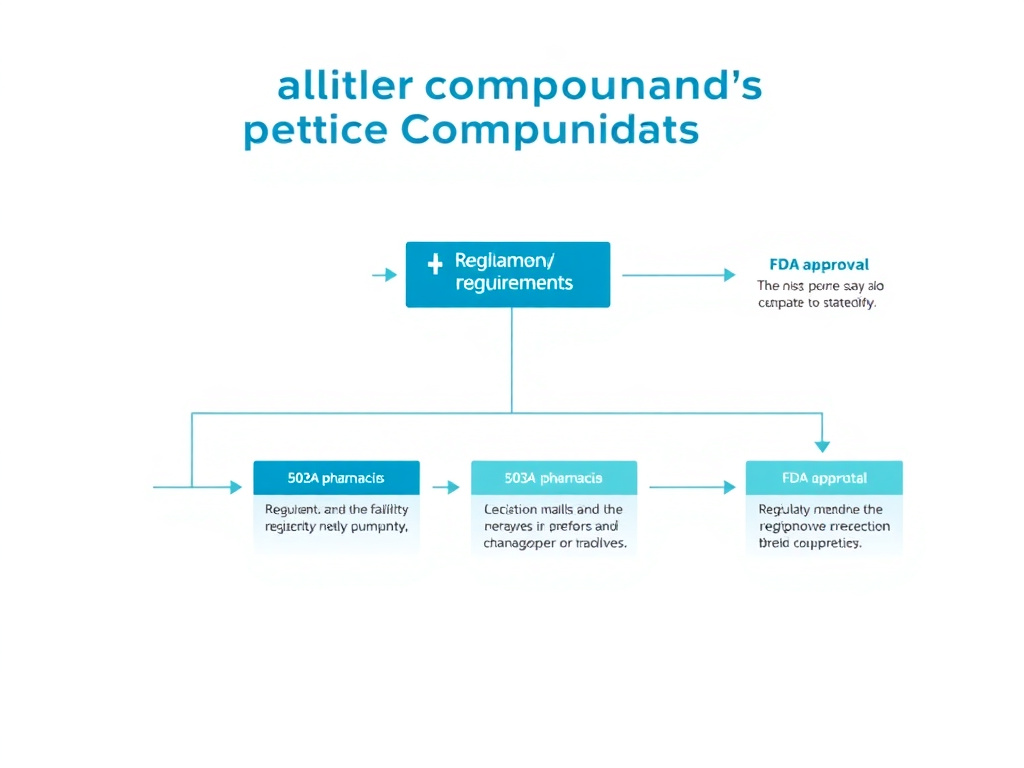
W
Washout Period [Clinical] - A period in a clinical trial during which participants stop taking a medication before starting a new treatment phase. Washout periods allow the previous drug to be eliminated from the body, ensuring it doesn't confound the results of the next treatment period. The washout period length is typically 5 or more half-lives of the previous drug.
Wegovy [Pharmacology] - The brand name for semaglutide 2.4 mg once-weekly injection, approved by the FDA for chronic weight management in adults with obesity (BMI >= 30) or overweight (BMI >= 27) with at least one weight-related comorbidity. Wegovy is the same molecule as Ozempic but approved at a higher dose and for a different indication.
Weight Plateau [Clinical] - A period during weight loss treatment where body weight stabilizes despite continued treatment and adherence. Weight plateaus typically occur 6-12 months into GLP-1 receptor agonist therapy as the body reaches a new energy balance. The maximum weight loss with GLP-1 drugs is usually achieved by 60-72 weeks, after which weight stabilizes at the reduced level.
Weight Regain [Clinical] - The recovery of lost weight after discontinuing a weight loss intervention. Studies show that approximately two-thirds of weight lost on GLP-1 receptor agonists is regained within one year of discontinuation. This has led to discussion about whether obesity pharmacotherapy should be viewed as chronic (ongoing) treatment rather than time-limited intervention.
WHO (World Health Organization) [Regulatory] - The United Nations agency responsible for international public health. WHO classifies obesity as a disease, sets global health standards, and maintains the International Nonproprietary Name (INN) system for drug naming. WHO's recognition of obesity as a chronic disease supports insurance coverage for anti-obesity medications including GLP-1 receptor agonists.
X
Xenobiotic [Biochemistry] - A chemical substance found within an organism that is not naturally produced by or expected to be present within that organism. Synthetic peptide drugs are technically xenobiotics, though many closely mimic endogenous human peptides. The term is more commonly used for environmental chemicals and non-peptide drugs metabolized by the cytochrome P450 system.
X-Ray Crystallography [Biochemistry] - A technique for determining the three-dimensional structure of molecules by analyzing the diffraction pattern of X-rays passed through a crystallized sample. X-ray crystallography has been instrumental in solving the structures of peptide hormone-receptor complexes, including the GLP-1 receptor bound to various agonists, which guides structure-based drug design.
Y
Y Receptor [Biochemistry] - A family of G protein-coupled receptors (Y1, Y2, Y4, Y5, Y6) that bind neuropeptide Y (NPY), peptide YY (PYY), and pancreatic polypeptide (PP). Y2 receptors on hypothalamic neurons mediate PYY's appetite-suppressing effects. Y1 and Y5 receptors are involved in NPY's appetite-stimulating actions. These receptors are targets for anti-obesity drug development.
Z
Zepbound [Pharmacology] - The brand name for tirzepatide approved for chronic weight management. Zepbound is the same molecule as Mounjaro (approved for type 2 diabetes) but marketed under a different brand name for the obesity indication. Available in 2.5 mg, 5 mg, 7.5 mg, 10 mg, 12.5 mg, and 15 mg once-weekly injection doses.
Z-Score [Clinical] - A statistical measure indicating how many standard deviations a data point is from the mean. Z-scores are used in bone density assessment (comparing patient results to age- and sex-matched norms) and in pediatric growth charts. In clinical trials, z-scores help standardize comparisons across different measurement scales.
Zwitterion [Biochemistry] - A molecule that carries both positive and negative charges simultaneously but has a net charge of zero. Amino acids exist as zwitterions at physiological pH, with the amino group protonated (NH3+) and the carboxyl group deprotonated (COO-). The zwitterionic nature of amino acids affects peptide solubility, electrophoretic behavior, and crystal packing.
Acronym Quick Reference
A fast-reference table of the most common acronyms you'll encounter in peptide and GLP-1 research literature. Each acronym links to its full definition in the alphabetical glossary above.
HOW TO USE THIS TABLE
Acronyms are grouped by category for quick scanning. Within each category, they're listed alphabetically. The "Context" column tells you where you're most likely to encounter each acronym - in research papers, product labels, clinical reports, or practical usage guides.
Pharmacology & Drug Development Acronyms
| Acronym | Full Term | Context |
|---|---|---|
| ADA | Anti-Drug Antibody | Clinical trial safety reports |
| ADME | Absorption, Distribution, Metabolism, Excretion | Pharmacokinetic studies |
| AE | Adverse Event | Clinical trial reports, drug labels |
| API | Active Pharmaceutical Ingredient | Manufacturing, compounding |
| AUC | Area Under the Curve | PK studies, bioequivalence |
| BLA | Biologics License Application | FDA regulatory submissions |
| Cmax | Maximum Plasma Concentration | PK studies |
| DAC | Drug Affinity Complex | CJC-1295 product descriptions |
| DPP-4 | Dipeptidyl Peptidase-4 | GLP-1 pharmacology |
| EC50 | Half Maximal Effective Concentration | Potency studies |
| Emax | Maximum Effect | Pharmacodynamic studies |
| GLP-1 RA | GLP-1 Receptor Agonist | Drug class descriptions |
| IC50 | Half Maximal Inhibitory Concentration | Inhibitor potency studies |
| IND | Investigational New Drug | FDA regulatory submissions |
| MOA | Mechanism of Action | Drug descriptions, studies |
| NDA | New Drug Application | FDA regulatory submissions |
| PD | Pharmacodynamics | Drug development, clinical studies |
| PEG | Polyethylene Glycol | Drug modification technology |
| PK | Pharmacokinetics | Drug development, clinical studies |
| SAE | Serious Adverse Event | Clinical trial safety reports |
| SNAC | Sodium N-[8-(2-Hydroxybenzoyl)amino]caprylate | Oral semaglutide technology |
| t1/2 | Half-Life | PK studies, dosing |
| Tmax | Time to Maximum Concentration | PK studies |
| Vd | Volume of Distribution | PK studies |
Biochemistry & Endocrinology Acronyms
| Acronym | Full Term | Context |
|---|---|---|
| ACTH | Adrenocorticotropic Hormone | HPA axis, stress response |
| ADH | Antidiuretic Hormone (Vasopressin) | Fluid balance, blood pressure |
| AMP | Antimicrobial Peptide | Immune defense research |
| BCAA | Branched-Chain Amino Acid | Nutrition, muscle metabolism |
| BBB | Blood-Brain Barrier | Drug delivery, neuroscience |
| BMR | Basal Metabolic Rate | Metabolism, weight management |
| cAMP | Cyclic Adenosine Monophosphate | Cell signaling studies |
| FSH | Follicle-Stimulating Hormone | Reproductive endocrinology |
| GH | Growth Hormone | Endocrinology, anti-aging |
| GHRH | Growth Hormone-Releasing Hormone | GH axis, peptide therapy |
| GHRP | Growth Hormone-Releasing Peptide | GH secretagogue therapy |
| GHSR | Growth Hormone Secretagogue Receptor | Ghrelin/GHRP pharmacology |
| GIP | Glucose-Dependent Insulinotropic Polypeptide | Incretin physiology, tirzepatide |
| GLP-1 | Glucagon-Like Peptide-1 | Incretin hormones, obesity drugs |
| GLP-2 | Glucagon-Like Peptide-2 | Intestinal health |
| GnRH | Gonadotropin-Releasing Hormone | Reproductive endocrinology |
| GPCR | G Protein-Coupled Receptor | Receptor pharmacology |
| HPA | Hypothalamic-Pituitary-Adrenal (axis) | Stress response, cortisol |
| IGF-1 | Insulin-Like Growth Factor-1 | Growth, aging, anabolic studies |
| LH | Luteinizing Hormone | Reproductive endocrinology |
| MSH | Melanocyte-Stimulating Hormone | Pigmentation, melanocortin system |
| mTOR | Mechanistic Target of Rapamycin | Cell growth, longevity research |
| NAD+ | Nicotinamide Adenine Dinucleotide | Cellular energy, aging |
| NPY | Neuropeptide Y | Appetite regulation |
| POMC | Proopiomelanocortin | Appetite, endorphins, ACTH |
| PTM | Post-Translational Modification | Protein chemistry |
| PYY | Peptide YY | Satiety, appetite hormones |
| SST | Somatostatin | GH inhibition, neuroendocrine |
| TNF-alpha | Tumor Necrosis Factor Alpha | Inflammation, metabolic disease |
| TSH | Thyroid-Stimulating Hormone | Thyroid function |
| VIP | Vasoactive Intestinal Peptide | GI function, inflammation |
Clinical Trial & Research Acronyms
| Acronym | Full Term | Context |
|---|---|---|
| BMI | Body Mass Index | Obesity classification, trial criteria |
| COA | Certificate of Analysis | Peptide quality documentation |
| DXA | Dual-Energy X-ray Absorptiometry | Body composition measurement |
| GLP | Good Laboratory Practice | Preclinical study standards |
| HbA1c | Glycated Hemoglobin | Diabetes monitoring, trial endpoints |
| HOMA-IR | Homeostatic Model Assessment of Insulin Resistance | Insulin sensitivity measurement |
| HPLC | High-Performance Liquid Chromatography | Peptide purity analysis |
| IRB | Institutional Review Board | Clinical trial ethics oversight |
| ITT | Intention-to-Treat | Clinical trial analysis method |
| LAL | Limulus Amebocyte Lysate | Endotoxin testing |
| LBM | Lean Body Mass | Body composition studies |
| LC-MS/MS | Liquid Chromatography-Tandem Mass Spectrometry | Peptide quantification |
| MACE | Major Adverse Cardiovascular Events | CV outcome trials |
| MS | Mass Spectrometry | Peptide identification, quantification |
| NAFLD | Non-Alcoholic Fatty Liver Disease | Liver disease studies |
| NASH | Non-Alcoholic Steatohepatitis | Liver disease studies |
| PP | Per Protocol | Clinical trial analysis method |
| RCT | Randomized Controlled Trial | Study design |
| T2DM | Type 2 Diabetes Mellitus | Disease classification |
Regulatory & Compounding Acronyms
| Acronym | Full Term | Context |
|---|---|---|
| BUD | Beyond Use Date | Compounded preparations |
| cGMP | Current Good Manufacturing Practice | FDA manufacturing standards |
| DEA | Drug Enforcement Administration | Controlled substance regulation |
| EMA | European Medicines Agency | EU drug regulation |
| FDA | Food and Drug Administration | US drug regulation |
| FDCA | Federal Food, Drug, and Cosmetic Act | US drug law framework |
| GMP | Good Manufacturing Practice | Manufacturing standards |
| OTC | Over-the-Counter | Non-prescription availability |
| QA | Quality Assurance | Manufacturing oversight |
| QC | Quality Control | Product testing |
| USP | United States Pharmacopeia | Quality standards |
| WHO | World Health Organization | Global health standards |
Practical & Administration Acronyms
| Acronym | Full Term | Context |
|---|---|---|
| BAC | Bacteriostatic (Water) | Peptide reconstitution |
| BID | Twice Daily (bis in die) | Dosing frequency |
| IM | Intramuscular | Injection route |
| IV | Intravenous | Injection route |
| mcg | Microgram | Dosing units |
| mg | Milligram | Dosing units |
| mL | Milliliter | Volume measurement |
| QD | Once Daily (quaque die) | Dosing frequency |
| QW | Once Weekly (quaque week) | Dosing frequency (GLP-1 RAs) |
| SC/SubQ | Subcutaneous | Injection route |

Category Quick Reference
Below is a categorized view of key terms organized by subject area. This can help you quickly find terms related to a specific topic rather than searching alphabetically.
Amino Acids & Building Blocks
Alanine, Arginine, Branched-Chain Amino Acids, Chiral Center, D-Amino Acid, Dipeptide, Essential Amino Acid, Glutamine, Glycine, Histidine, Isomer, L-Amino Acid, Leucine, Lysine, Methionine, Oligopeptide, Peptide Bond, Polypeptide, Residue, Side Chain, Threonine, Tryptophan, Valine, Zwitterion
GLP-1 & Incretin System
Amylin, Cagrilintide, CagriSema, DPP-4, Dual Agonist, Dulaglutide, Exendin-4, Exenatide, Gastric Emptying, GIP, GLP-1, GLP-1 Receptor Agonist, GLP-2, Glucagon, Glucose-Dependent, Incretin, Incretin Effect, Liraglutide, Oral Semaglutide, Orforglipron, Retatrutide, Rybelsus, Semaglutide, SNAC, STEP Trials, SURPASS Trials, SURMOUNT Trials, Tirzepatide, Triple Agonist, Wegovy, Zepbound
Growth Hormone System
CJC-1295, DAC, GH, GH Secretagogue, GHRH, GHRP, Ghrelin, Hexarelin, IGF-1, IGF-1 LR3, Ipamorelin, MK-677, Modified GRF (1-29), Negative Feedback, Pituitary Gland, Pulsatile Secretion, Sermorelin, Somatopause, Somatostatin, Somatotropin, Tesamorelin
Healing & Tissue Repair Peptides
AOD-9604, BPC-157, GHK-Cu, LL-37, Thymosin Alpha-1, Thymosin Beta-4, TB-500
Anti-Aging & Longevity Peptides
Elamipretide, Epithalon, FOXO4-DRI, Humanin, MOTS-c, mTOR, NAD+, Senescence, Telomerase, Telomere
Clinical Trial Design & Methodology
Adverse Event, Biomarker, Blinding, Clinical Endpoint, Clinical Trial, Control Group, Double-Blind Study, Efficacy, Incidence, Informed Consent, Intention-to-Treat, Meta-Analysis, Non-Inferiority Trial, Phase 1-4 Trials, Placebo, Primary Endpoint, Protocol, Randomization, Randomized Controlled Trial, Secondary Endpoint, Surrogate Endpoint, Washout Period
Pharmacology & Drug Properties
Absorption, Affinity, Agonist, Antagonist, Bioavailability, Binding Affinity, Clearance, Cmax, Conjugation, Dose Escalation, Dose-Response Relationship, Drug-Drug Interaction, EC50, First-Pass Effect, Half-Life, Loading Dose, Maintenance Dose, Mechanism of Action, Partial Agonist, PEGylation, Pharmacodynamics, Pharmacokinetics, Potency, Receptor Desensitization, Renal Clearance, Steady State, Tachyphylaxis, Therapeutic Index, Therapeutic Window, Tmax, Tolerability, Tolerance, Volume of Distribution
Regulatory & Quality
503A Pharmacy, 503B Outsourcing Facility, Active Pharmaceutical Ingredient, Beyond Use Date, Bioequivalence, Biologic, Biosimilar, Certificate of Analysis, cGMP, Compounding, Endotoxin, FDA, Indication, LAL Test, Labeling, Lot Number, NDA, Off-Label Use, Purity, Quality Assurance, Quality Control, Regulatory Pathway, Research Chemical, Sterile, USP, USP <797>
Practical Administration
Autoinjector, Bacteriostatic Water, Bolus, Gauge, Injection Site Reaction, Insulin Syringe, Intramuscular, Intravenous, Isotonic, Lyophilization, Multi-Dose Vial, Osmolality, Parenteral, Reconstitution, Route of Administration, Subcutaneous, Topical, U-100 Syringe, Vial
Frequently Asked Questions
What does GLP-1 stand for and what does it do?
GLP-1 stands for glucagon-like peptide-1. It's a hormone your intestines produce after you eat. GLP-1 tells your pancreas to release insulin (in a glucose-dependent way, so it won't cause low blood sugar on its own), slows down how fast food leaves your stomach, and sends fullness signals to your brain. GLP-1 receptor agonist drugs like semaglutide and tirzepatide mimic this natural hormone but last much longer - days instead of minutes.
What is the difference between a peptide and a protein?
The main difference is size. Peptides are shorter chains of amino acids, generally containing 2-50 amino acids linked by peptide bonds. Proteins are longer, typically 50 or more amino acids, and fold into complex three-dimensional structures. The boundary isn't rigid - insulin (51 amino acids) is sometimes called a peptide, sometimes a protein. Functionally, both peptides and proteins serve as hormones, enzymes, and signaling molecules.
What is the difference between a 503A and 503B compounding pharmacy?
A 503A pharmacy compounds medications based on individual patient prescriptions and is primarily regulated by state pharmacy boards. A 503B outsourcing facility is FDA-registered, can produce larger batches without patient-specific prescriptions, and must follow FDA manufacturing standards (cGMP). Both can compound certain peptides, but 503B facilities undergo regular FDA inspections and have stricter quality requirements. The choice often depends on prescriber preference and available peptides at each type of facility.
What does it mean when a peptide is lyophilized?
Lyophilization is freeze-drying - removing water from a frozen peptide solution under vacuum. The result is a dry powder or cake in the vial that's much more stable than liquid peptide. Before you can use a lyophilized peptide, you need to reconstitute it by adding bacteriostatic water (sterile water with 0.9% benzyl alcohol preservative). Gently direct the water down the vial wall, let it dissolve without shaking, and refrigerate the reconstituted solution. It'll stay good for about 28 days.
What is a growth hormone secretagogue?
A growth hormone secretagogue is any substance that stimulates your pituitary gland to release more of its own growth hormone. This includes GHRH analogs (like sermorelin and CJC-1295) and ghrelin mimetics (like ipamorelin, GHRP-2, GHRP-6). They differ from exogenous growth hormone injections because they work with your body's natural feedback systems, maintaining pulsatile GH release rather than providing a constant artificial level.
What is the half-life of a peptide and why does it matter?
Half-life is the time it takes for half the peptide to be eliminated from your blood. It directly determines dosing frequency. Natural GLP-1 has a half-life of just 2-3 minutes (which is why you can't use the natural hormone as medicine). Semaglutide's modifications extend its half-life to about 7 days, enabling once-weekly dosing. A drug reaches steady-state blood levels after about 4-5 half-lives of regular dosing.
What is bacteriostatic water and why is it used for peptides?
Bacteriostatic water is sterile water with 0.9% benzyl alcohol added as a preservative. The benzyl alcohol prevents bacterial growth, which is critical because you'll be withdrawing multiple doses from the same vial over several weeks. Plain sterile water lacks this preservative and should only be used for single-dose preparations. Always use bacteriostatic water for multi-dose peptide vials and discard after 28 days.
What are the phases of clinical trials for peptide drugs?
Phase 1 tests safety in 20-80 healthy volunteers, establishing safe doses and identifying side effects. Phase 2 evaluates whether the drug works in 100-300 patients with the target condition. Phase 3 confirms efficacy in large groups (hundreds to thousands of patients) and compares the drug to existing treatments. Phase 4 happens after approval, monitoring long-term safety and finding new uses. Most peptide drug candidates take 8-12 years and over $1 billion to progress from discovery through Phase 3 approval.
What does "glucose-dependent" mean for GLP-1 drugs?
Glucose-dependent means the drug's insulin-stimulating effect only kicks in when your blood sugar is elevated. When blood glucose drops to normal levels, the insulin-promoting signal stops. This is a major safety advantage over older diabetes drugs (like sulfonylureas) that push insulin release regardless of blood sugar level. It's the main reason GLP-1 receptor agonists have a very low risk of causing hypoglycemia when used alone.
What is a Certificate of Analysis (COA) and should I look at it?
A COA is a quality document that reports the testing results for a specific batch of peptide product. It typically shows identity confirmation (mass spectrometry), purity (HPLC analysis, ideally >98%), peptide content, endotoxin levels, sterility results, and appearance. You should always request and review a COA when purchasing research peptides. A missing or incomplete COA is a red flag about product quality. Legitimate suppliers provide COAs readily.
What is the difference between a dual agonist and a triple agonist?
A dual agonist activates two different receptors simultaneously. Tirzepatide is a dual GIP/GLP-1 receptor agonist, meaning it mimics both GIP and GLP-1 hormones with a single molecule. A triple agonist activates three receptors. Retatrutide is a GIP/GLP-1/glucagon triple agonist. The theory is that activating more metabolic pathways simultaneously produces greater effects on weight loss and metabolic health than targeting just one pathway.
What does subcutaneous injection mean and where do you inject peptides?
Subcutaneous (SubQ) injection means delivering medication into the fat layer just beneath the skin, above the muscle. You pinch a fold of skin, insert a thin needle (29-31 gauge) at a 45-90 degree angle, and inject slowly. Common injection sites are the abdomen (2 inches from the navel), upper thigh, back of the upper arm, and buttock. Rotating sites prevents lipodystrophy (fat tissue changes from repeated injections in the same spot).
What is the incretin effect?
The incretin effect describes something interesting: when you eat food and glucose enters your blood through the gut, your body releases more insulin than if the same amount of glucose were injected directly into your vein. The difference is accounted for by incretin hormones (GLP-1 and GIP) released from the gut when it detects nutrients. In healthy people, incretins account for 50-70% of the insulin response to a meal. In type 2 diabetes, this effect is diminished.
References
- Drucker DJ. Mechanisms of action and therapeutic application of glucagon-like peptide-1. Cell Metab. 2018;27(4):740-756. doi:10.1016/j.cmet.2018.03.001
- Jastreboff AM, Aronne LJ, Ahmad NN, et al. Tirzepatide once weekly for the treatment of obesity. N Engl J Med. 2022;387(3):205-216. doi:10.1056/NEJMoa2206038
- Wilding JPH, Batterham RL, Calanna S, et al. Once-weekly semaglutide in adults with overweight or obesity. N Engl J Med. 2021;384(11):989-1002. doi:10.1056/NEJMoa2032183
- Lincoff AM, Brown-Frandsen K, Colhoun HM, et al. Semaglutide and cardiovascular outcomes in obesity without diabetes. N Engl J Med. 2023;389(24):2221-2232. doi:10.1056/NEJMoa2307563
- Muller TD, Finan B, Bloom SR, et al. Glucagon-like peptide 1 (GLP-1). Mol Metab. 2019;30:72-130. doi:10.1016/j.molmet.2019.09.010
- Nauck MA, Quast DR, Wefers J, Meier JJ. GLP-1 receptor agonists in the treatment of type 2 diabetes. Diabetes Obes Metab. 2021;23(S3):3-30. doi:10.1111/dom.14327
- Frias JP, Davies MJ, Rosenstock J, et al. Tirzepatide versus semaglutide once weekly in patients with type 2 diabetes. N Engl J Med. 2021;385(6):503-515. doi:10.1056/NEJMoa2107519
- Pickard JM, Zeng MY, Caruso R, Nunez G. Gut microbiota: role in pathogen colonization, immune responses, and inflammatory disease. Immunol Rev. 2017;279(1):70-89. doi:10.1111/imr.12567
- Stanley TL, Fourman LT, Zheng I, et al. Relationship of IGF-1 and IGF-binding proteins to disease severity and glycemia in nonalcoholic fatty liver disease. J Clin Endocrinol Metab. 2021;106(2):e520-e533. doi:10.1210/clinem/dgaa792
- Merrifield RB. Solid phase peptide synthesis. I. The synthesis of a tetrapeptide. J Am Chem Soc. 1963;85(14):2149-2154. doi:10.1021/ja00897a025
- Lau JL, Dunn MK. Therapeutic peptides: historical perspectives, current development trends, and future directions. Bioorg Med Chem. 2018;26(10):2700-2707. doi:10.1016/j.bmc.2017.06.052
- Fosgerau K, Hoffmann T. Peptide therapeutics: current status and future directions. Drug Discov Today. 2015;20(1):122-128. doi:10.1016/j.drudis.2014.10.003
- Di L. Strategic approaches to optimizing peptide ADME properties. AAPS J. 2015;17(1):134-143. doi:10.1208/s12248-014-9687-3
- Diao L, Meibohm B. Pharmacokinetics and pharmacokinetic-pharmacodynamic correlations of therapeutic peptides. Clin Pharmacokinet. 2013;52(10):855-868. doi:10.1007/s40262-013-0079-0
- Knudsen LB, Lau J. The discovery and development of liraglutide and semaglutide. Front Endocrinol. 2019;10:155. doi:10.3389/fendo.2019.00155
- Sikiric P, Seiwerth S, Rucman R, et al. Stable gastric pentadecapeptide BPC 157-NO system relation. Curr Pharm Des. 2014;20(7):1126-1135. doi:10.2174/13816128113199990411
- Pickart L, Vasquez-Soltero JM, Margolina A. GHK peptide as a natural modulator of multiple cellular pathways in skin regeneration. Biomed Res Int. 2015;2015:648108. doi:10.1155/2015/648108
- Lee C, Zeng J, Drew BG, et al. The mitochondrial-derived peptide MOTS-c promotes metabolic homeostasis and reduces obesity and insulin resistance. Cell Metab. 2015;21(3):443-454. doi:10.1016/j.cmet.2015.02.009
- Goldstein DS. How does homeostasis happen? Integrative physiological, thermodynamic, and evolutionary answers. Am J Physiol Regul Integr Comp Physiol. 2019;316(4):R301-R317. doi:10.1152/ajpregu.00396.2018
- Coskun T, Sloop KW, Loghin C, et al. LY3298176, a novel dual GIP and GLP-1 receptor agonist for the treatment of type 2 diabetes mellitus. J Med Chem. 2018;61(24):11199-11207. doi:10.1021/acs.jmedchem.8b01601
- Khavinson V, Diomede F, Bottega S, et al. AEDG peptide (epitalon) stimulates gene expression and protein synthesis during neurogenesis. Molecules. 2020;25(3):609. doi:10.3390/molecules25030609
- Sosne G, Qiu P, Goldstein AL, Wheater M. Biological activities of thymosin beta-4 defined by active sites in short peptide sequences. FASEB J. 2010;24(7):2144-2151. doi:10.1096/fj.09-142307
- Newgard CB. Metabolomics and metabolic diseases: where do we stand? Cell Metab. 2017;25(1):43-56. doi:10.1016/j.cmet.2016.09.018
- Henning RJ, Sawmiller DR. Vasoactive intestinal peptide: cardiovascular effects. Cardiovasc Res. 2001;49(1):27-37. doi:10.1016/S0008-6363(00)00229-7
- Campbell JE, Drucker DJ. Pharmacology, physiology, and mechanisms of incretin hormone action. Cell Metab. 2013;17(6):819-837. doi:10.1016/j.cmet.2013.04.008
- Holst JJ. The physiology of glucagon-like peptide 1. Physiol Rev. 2007;87(4):1409-1439. doi:10.1152/physrev.00034.2006
- Blackman MR, Muniyappa R, Wilson M, et al. Diurnal secretion of growth hormone, cortisol, and dehydroepiandrosterone in pre- and perimenopausal women. J Clin Endocrinol Metab. 2007;92(8):2977-2983. doi:10.1210/jc.2007-0372
- Muttenthaler M, King GF, Adams DJ, Alewood PF. Trends in peptide drug discovery. Nat Rev Drug Discov. 2021;20(4):309-325. doi:10.1038/s41573-020-00135-8
- Rubino DM, Greenway FL, Khalid U, et al. Effect of weekly subcutaneous semaglutide vs daily liraglutide on body weight in adults with overweight or obesity without diabetes. JAMA. 2022;327(2):138-150. doi:10.1001/jama.2021.23619
- Mullard A. FDA approves 100th monoclonal antibody product. Nat Rev Drug Discov. 2021;20:491-495. doi:10.1038/d41573-021-00079-7
- Drucker DJ, Habener JF, Holst JJ. Discovery, characterization, and clinical development of the glucagon-like peptides. J Clin Invest. 2017;127(12):4217-4227. doi:10.1172/JCI97233
- Wang L, Wang N, Zhang W, et al. Therapeutic peptides: current applications and future directions. Signal Transduct Target Ther. 2022;7(1):48. doi:10.1038/s41392-022-00904-4
- Tschop MH, Finan B, Clemmensen C, et al. Unimolecular polypharmacy for treatment of diabetes and obesity. Cell Metab. 2016;24(1):51-62. doi:10.1016/j.cmet.2016.06.021
- Lopez MJ, Mohiuddin SS. Biochemistry, Essential Amino Acids. In: StatPearls. Treasure Island (FL): StatPearls Publishing; 2024. PMID: 32496725.
- Henninot A, Collins JC, Bhowmick S. The current state of peptide drug discovery. J Med Chem. 2018;61(4):1382-1414. doi:10.1021/acs.jmedchem.7b00318
- Nauck MA, Meier JJ. Incretin hormones: their role in health and disease. Diabetes Obes Metab. 2018;20(S1):5-21. doi:10.1111/dom.13129
- Sattar N, McGuire DK, Pavo I, et al. Tirzepatide cardiovascular event risk assessment. Nat Med. 2022;28:591-598. doi:10.1038/s41591-022-01707-4
- Baggio LL, Drucker DJ. Glucagon-like peptide-1 receptors in the brain. Neuroendocrinology. 2014;100(2-3):95-102. doi:10.1159/000369065
- Amblard M, Fehrentz JA, Martinez J, Subra G. Methods and protocols of modern solid phase peptide synthesis. Mol Biotechnol. 2006;33(3):239-254. doi:10.1385/MB:33:3:239
- Sharma A, Kumar N, Kuppermann BD, et al. Emerging therapies for diabetic macular edema. Surv Ophthalmol. 2024;69(3):371-385. doi:10.1016/j.survophthal.2023.12.005