All GLP-1 medications from licensed 503A compounding pharmacies Browse Products
Peptide Therapy US vs Mexico: Price, Quality & Safety
Compare peptide therapy costs and safety between US clinics ($200-500/month) and Mexico options ($50-150/month). Quality, oversight, and shipping analyzed.
Written by FormBlends Editorial Research · Checked against primary sources by FormBlends Editorial Standards Team
Custom header image for Peptide Therapy US vs Mexico: Price, Quality & Safety, Provider Comparisons, and better treatment decision-making.In This Article
Written by Rachel Kim, MS, RD, Registered Dietitian & Health Writer
See your GLP-1 options in about 2 minutes. Free and private.See my options →
Medically reviewed by FormBlends Clinical Review, Clinical Pharmacist & Medical Reviewer
Published:
Key Takeaway
Compare peptide therapy costs and safety between US clinics ($200-500/month) and Mexico options ($50-150/month). Quality, oversight, and shipping analyzed.
The cost difference between peptide therapy in the US versus Mexico can be dramatic, with Mexican options often priced 60-80% lower than American clinics. But price alone doesn't tell the full story for safety, quality control, and physician oversight for therapeutic peptides like semaglutide and tirzepatide.
This comparison examines the real differences between getting peptide therapy through US-based telehealth platforms versus Mexican pharmacies and clinics. We'll analyze pricing, medication quality, regulatory oversight, and patient safety to help you make an informed decision about where to source your therapeutic peptides.
At a Glance: US vs Mexico Peptide Therapy
Factor
US Clinics
Mexico Options
Average Monthly Cost
$200-$500
$50-$150
FDA Oversight
Yes
No
Physician Supervision
Required
Varies
Shipping Time
2-5 days
7-21 days
Quality Testing
Third-party verified
Limited transparency
Quick Verdict: US vs Mexico Comparison
Category
US-Based Clinics
Mexico-Based Options
Price Range
$200-$500/month
$50-$150/month
Medications Offered
Semaglutide, Tirzepatide, BPC-157, CJC-1295
Wide variety, including research peptides
Doctor Access
Licensed US physicians required
Minimal or no physician oversight
Shipping Speed
2-5 business days
1-3 weeks
Insurance Accepted
Some plans, HSA/FSA eligible
Cash only
Best For
Safety-conscious patients wanting medical oversight
Cost-focused patients willing to accept risks
US-Based Peptide Therapy: What You Get
US-based peptide therapy clinics operate under strict FDA regulations and state medical board oversight. These platforms require consultation with licensed physicians and follow established protocols for prescribing therapeutic peptides.
Top Telehealth GLP-1 Providers Compared. Based on pricing, support, and patient outcomes.
View data table
Bar chart showing top telehealth glp-1 providers compared: FormBlends (92), Hims/Hers (78), Ro (75), Calibrate (70)
Category
Overall Value Score
Detail
FormBlends
92
First month $99 (semaglutide) or $149 (tirzepatide), then $190 or $239 per month, physician-led
Hims/Hers
78
Consumer brand, varies
Ro
75
Telehealth platform
Calibrate
70
Metabolic health focus
Side-by-side comparison of key features and pricing
The typical process begins with a thorough medical assessment. Patients complete detailed health questionnaires covering medical history, current medications, and treatment goals. Licensed physicians review this information and may require additional testing like blood work or cardiovascular screening before approving peptide therapy.
Pricing Structure: Most US clinics charge between $200-$500 per month for peptide therapy programs. This typically includes the medication, physician consultations, ongoing monitoring, and customer support. FormBlends offers competitive pricing starting at $297/month with thorough physician oversight and prepared by FDA-registered pharmacies medications.
The medication quality standards are rigorous. US compounding pharmacies must follow USP 797 sterile compounding guidelines and undergo regular FDA inspections. Many clinics provide certificates of analysis showing purity testing results, typically demonstrating 98%+ purity levels for peptides like semaglutide and tirzepatide.
Available Medications: US clinics primarily offer FDA-approved peptides or those with substantial clinical research backing. Common options include semaglutide for weight management, tirzepatide for diabetes and weight loss, BPC-157 for healing, and CJC-1295 for growth hormone improvement.
Shipping happens quickly through domestic carriers, usually arriving within 2-5 business days. Medications arrive in temperature-controlled packaging with proper cold chain maintenance for peptides requiring refrigeration.
Pros:
FDA-regulated facilities and oversight
Required physician supervision and monitoring
Third-party purity testing and certificates of analysis
Fast domestic shipping with proper cold chain
Customer support and medical guidance
HSA/FSA eligible in many cases
Cons:
Higher cost compared to international options
More restrictive prescribing requirements
Limited access to experimental peptides
Insurance coverage varies significantly
Mexico-Based Peptide Options: What You Get
Mexico's pharmaceutical field offers peptide therapy at significantly lower costs, with many online retailers and clinics shipping internationally. The regulatory environment differs substantially from the US, with less stringent oversight of compounding facilities and prescribing requirements.
Not sure which GLP-1 is right for you?
Take a 2-minute assessment and get a personalized recommendation after licensed provider review.
Mexican peptide suppliers typically operate through online platforms that don't require physician consultations. Patients can order peptides directly, often with minimal health screening beyond basic questionnaires. Some higher-end Mexican clinics do offer physician consultations, but this isn't universally required.
Pricing Structure: Mexican peptide therapy costs range from $50-$150 per month, representing savings of 60-80% compared to US options. This pricing reflects lower labor costs, different regulatory requirements, and reduced overhead expenses. But these prices typically don't include physician oversight or ongoing medical monitoring.
Quality control varies significantly among Mexican suppliers. While some facilities maintain high standards similar to US compounding pharmacies, others operate with limited oversight. The Mexican regulatory agency COFEPRIS oversees pharmaceutical manufacturing, but enforcement and inspection frequency differ from FDA standards.
Available Medications: Mexican suppliers often offer a broader range of peptides, including research compounds not available through US clinics. Options frequently include experimental peptides like Melanotan II, PT-141, and various growth hormone releasing peptides alongside established therapeutics.
Shipping from Mexico typically takes 1-3 weeks and may face customs delays. International shipping increases the risk of temperature excursions for peptides requiring refrigeration. Some shipments may be seized by customs if they contain substances not approved for import.
Pros:
Significantly lower costs (60-80% savings)
Access to wider range of peptides
Less restrictive purchasing requirements
Some high-quality facilities with good manufacturing practices
Cons:
No FDA oversight or quality guarantees
Limited or no physician supervision
Longer shipping times and customs risks
Variable quality control between suppliers
Legal risks for importing unapproved substances
No insurance coverage or HSA/FSA eligibility
Price Comparison: US vs Mexico Peptide Therapy
The cost differential between US and Mexican peptide therapy represents one of the most significant factors in patient decision-making. A typical month of semaglutide therapy through a US clinic costs $300-$400, while Mexican suppliers often charge $80-$120 for similar quantities.
But direct price comparisons can be misleading. US pricing typically includes physician consultations, ongoing monitoring, customer support, and quality assurance measures. Mexican pricing usually covers only the medication itself, with additional costs for any medical oversight or support services.
Insurance considerations add complexity to the cost analysis. Some US peptide therapy programs qualify for insurance coverage or HSA/FSA reimbursement, particularly when prescribed for FDA-approved indications like diabetes management. Mexican purchases are always out-of-pocket expenses with no insurance benefits.
Long-term cost considerations include potential health risks from unregulated medications. While Mexican peptides may cost less upfront, complications from contaminated or mislabeled products could result in significant medical expenses. Clinical research and quality data support the value of physician-supervised therapy programs.
Shipping costs also impact the total expense. US domestic shipping typically costs $10-$20, while international shipping from Mexico ranges from $25-$50 and may include customs fees or duties.
Medication Options: US vs Mexico
US-based clinics focus primarily on peptides with established clinical research and safety profiles. The most commonly prescribed options include semaglutide and tirzepatide for weight management, both of which have extensive FDA approval and clinical trial data supporting their efficacy and safety.
Therapeutic peptides like BPC-157 for tissue healing and CJC-1295 for growth hormone improvement are also available through US compounding pharmacies, though these require careful physician evaluation due to limited long-term safety data.
Mexican suppliers often offer a much broader catalog of peptides, including research compounds not available through US medical channels. This includes cosmetic peptides like Melanotan II for tanning, PT-141 for sexual enhancement, and various experimental growth hormone releasing peptides.
The availability of research peptides through Mexican channels appeals to patients interested in advanced therapies, but it also increases safety risks. Many of these compounds lack thorough human safety data and may have unknown side effects or drug interactions.
Dosing and concentration standards also differ between markets. US compounding pharmacies follow standardized protocols for peptide concentrations and dosing recommendations based on clinical research. Mexican suppliers may offer non-standard concentrations or dosing regimens that haven't been clinically validated.
Doctor Quality and Oversight
The level of physician supervision represents perhaps the most critical difference between US and Mexican peptide therapy options. US-based platforms require consultation with licensed physicians who must evaluate patient suitability, monitor treatment progress, and adjust protocols based on individual response.
These physicians typically hold board certifications in relevant specialties like endocrinology, internal medicine, or obesity medicine. They must maintain continuing education requirements and follow established clinical guidelines for peptide prescribing. Patient monitoring includes regular check-ins, laboratory testing when appropriate, and dose adjustments based on efficacy and side effects.
Mexican peptide suppliers vary widely in their medical oversight approaches. Some higher-end clinics employ qualified physicians who provide genuine medical consultations and follow-up care. But many online retailers operate with minimal or no physician involvement, relying instead on basic questionnaires or automated approval systems.
The absence of physician oversight creates several risks. Patients may receive inappropriate medications for their health conditions, miss important drug interactions, or fail to recognize serious side effects requiring medical intervention. Peptides like semaglutide can cause significant gastrointestinal effects and require careful dose titration under medical supervision.
US regulations also require physicians to maintain detailed patient records and report adverse events to appropriate authorities. This systematic approach to safety monitoring helps identify potential problems with specific peptides or suppliers, contributing to overall patient safety.
Patient Experience and Reviews
Patient satisfaction data reveals important differences between US and Mexican peptide therapy experiences. US-based platforms typically receive higher ratings for customer service, medical support, and overall treatment experience, though at higher costs.
Reviews of US clinics frequently praise the thorough medical consultations, ongoing physician support, and responsive customer service teams. Patients appreciate having medical professionals available to answer questions, adjust dosing protocols, and address side effects promptly.
The quality consistency of US-supplied peptides also receives positive feedback. Patients report predictable effects and minimal batch-to-batch variation in medication potency. Patient reviews consistently highlight the importance of reliable medication quality for achieving consistent results.
Mexican supplier reviews show more variability in patient experiences. While many patients report significant cost savings and satisfactory results, others describe issues with medication quality, shipping delays, and limited customer support. Communication barriers can also complicate the patient experience when dealing with international suppliers.
Shipping reliability represents another differentiating factor. US domestic shipping rarely experiences significant delays or customs issues, while international shipments from Mexico face potential seizure, extended delays, and temperature control problems during transit.
Patient safety reporting also differs significantly between markets. US platforms maintain systematic adverse event reporting and can quickly communicate safety concerns to patients. Mexican suppliers typically lack these safety monitoring systems, potentially leaving patients unaware of emerging safety issues.
Which Is Right for You?
The choice between US and Mexican peptide therapy depends on your priorities regarding cost, safety, and medical oversight. Patients prioritizing safety and thorough medical care typically find better value in US-based programs despite higher upfront costs.
Choose US-based therapy if you:
Want physician supervision and ongoing medical monitoring
Prioritize medication quality and safety over cost savings
Have health conditions requiring careful medical oversight
Prefer domestic shipping and customer support
Want HSA/FSA eligible treatment options
Consider Mexican options if you:
Are primarily motivated by cost savings
Have experience with peptide therapy and understand the risks
Want access to research peptides not available in the US
Are comfortable managing therapy without physician oversight
Accept the legal and quality risks of international purchases
For patients seeking a middle ground, comparison guides can help identify US-based platforms offering competitive pricing while maintaining safety standards. FormBlends, for example, provides physician-supervised peptide therapy with transparent pricing and quality assurance at costs competitive with premium Mexican suppliers.
Frequently Asked Questions
Is it legal to buy peptides from Mexico?
The legality depends on the specific peptide and intended use. Some peptides may be legal to import for personal use, while others could violate FDA import regulations. Patients should research the legal status of specific compounds before ordering from international suppliers.
How do I verify the quality of Mexican peptides?
Quality verification is challenging with Mexican suppliers due to limited transparency in testing and manufacturing processes. Look for suppliers that provide certificates of analysis from third-party laboratories, though these may not always be reliable or current.
What are the risks of peptide therapy without doctor supervision?
Risks include inappropriate dosing, missed drug interactions, failure to recognize serious side effects, and use of contaminated or mislabeled products. Peptides like semaglutide require careful medical monitoring due to potential gastrointestinal and metabolic effects.
Can I use insurance for peptide therapy from Mexico?
No, insurance plans don't cover medications purchased from international suppliers. HSA and FSA funds can't be used for these purchases since they lack proper medical oversight and documentation.
How long does shipping take from Mexican peptide suppliers?
Shipping typically takes 1-3 weeks, depending on customs processing and shipping method. Delays can occur due to customs inspections, and some shipments may be seized if they contain prohibited substances.
Ready to Start Your Weight Loss Goals?
Choosing the right peptide therapy program requires careful consideration of safety, quality, and medical oversight alongside cost considerations. While Mexican options offer significant cost savings, the risks associated with unregulated medications and lack of physician supervision may outweigh the financial benefits for many patients.
FormBlends provides physician-supervised peptide therapy with competitive pricing, prepared by FDA-registered pharmacies medications, and thorough medical support. Our experienced medical team ensures safe, effective treatment protocols tailored to your individual health needs and goals.
Ready to explore safe, effective peptide therapy options? Take our free physician assessment to determine if peptide therapy is right for you and receive personalized treatment recommendations from our licensed medical team.
Sources
FDA Guidance for Industry: Pharmacy Compounding of Human Drug Products Under Section 503A of the Federal Food, Drug, and Cosmetic Act. U.S. Food and Drug Administration, 2024.
Wilding JPH, et al. Once-Weekly Semaglutide in Adults with Overweight or Obesity. New England Journal of Medicine. 2021;384(11):989-1002.
Jastreboff AM, et al. Tirzepatide Once Weekly for the Treatment of Obesity. New England Journal of Medicine. 2022;387(3):205-216.
USP General Chapter 797: Pharmaceutical Compounding - Sterile Preparations. United States Pharmacopeial Convention, 2024.
COFEPRIS Regulatory Framework for Pharmaceutical Manufacturing in Mexico. Comisión Federal para la Protección contra Riesgos Sanitarios, 2024.
International Council for Harmonisation of Technical Requirements for Pharmaceuticals for Human Use (ICH) Guidelines Q7: Good Manufacturing Practice Guide for Active Pharmaceutical Ingredients, 2024.
Medical Disclaimer
This article is for informational purposes only and doesn't constitute medical advice. Peptide therapy should only be undertaken under the supervision of qualified healthcare professionals. Individual results may vary, and treatment decisions should be made in consultation with licensed physicians who can evaluate your specific health conditions and medical history. Always consult with a healthcare provider before starting any new treatment program.
Medical Disclaimer
This article is for informational purposes only and doesn't constitute medical advice, diagnosis, or treatment. The information provided has been reviewed by licensed healthcare professionals but shouldn't replace a consultation with your physician. Individual results vary. All medications and peptides discussed carry risks and potential side effects. Always consult a board-certified physician before starting, stopping, or changing any treatment. FormBlends provides physician-supervised telehealth services. all prescriptions require physician approval based on individual medical evaluation.
See your options in about 2 minutes
Take the free quiz and see what fits you. Quick, private, and no commitment to continue.
Check the current prescribing information, regulatory status, and trial source before treating an investigational or newly approved medication as interchangeable with an established therapy.
Check before ordering
Regulatory status, labels, trial records, and sponsor updates can change quickly for obesity-drug pipeline pages. This snapshot is designed to make verification easier, not to replace checking the official source before making a medical or purchase decision. Last page review: 2026-09-05.
FormBlends does not claim an individual clinician byline unless a named reviewer is available. For this page, the editorial team checks medical and regulatory claims against primary sources, clinical trials, public datasets, and regulator guidance.
For Peptide Therapy US vs Mexico: Price, Quality & Safety, FormBlends checks the page topic against primary trials, systematic reviews, guidelines, and current PubMed-indexed literature where available. These citations are context, not medical advice, proof of eligibility, or a claim that every study applies to every patient.
Compare peptide therapy costs and safety between US clinics ($200-500/month) and Mexico options ($50-150/month). Quality, oversight, and shipping analyzed. Read "Peptide Therapy US vs Mexico: Price, Quality & Safety" as a comparison page where the details that matter most are access, cost, clinical fit, and what a licensed clinician should confirm. The main job of this page is comparison and decision support, especially where the topic touches cost and coverage, provider access, safety and pharmacy quality. Because this article has 11 major sections, scan the headings first and then use the FAQ or summary sections to pressure-test the answer. Use it to ask sharper questions of a licensed clinician, not as a substitute for personal medical advice.
Confirm whether the page is discussing an FDA-approved use, a compounded option, or research-only context.
Ask a licensed clinician how the evidence applies to your health history, medications, labs, and side-effect risk.
Verify total monthly cost, refill timing, dose escalation pricing, and what is included before paying.
Original tools and data
Use the FormBlends research stack
These assets are built to be useful beyond a single article: shareable data pages, calculators, provider comparisons, and safety checks that give Google and readers something original to crawl.
Practical 2026 note for Peptide Therapy US vs Mexico
For this provider comparisons page, the 2026 refresh focuses on semaglutide, tirzepatide, BPC-157, cash-pay pricing, safety signals, peptide so the article stays close to the question behind "Peptide Therapy US vs Mexico".
The useful details are the practical ones: what to verify, what changes risk or cost, and which details separate Peptide Therapy US vs Mexico from nearby GLP-1, peptide, hormone, or provider-comparison searches.
Readers can use the added context to bring sharper questions to a licensed provider before making a treatment, cost, or care decision.
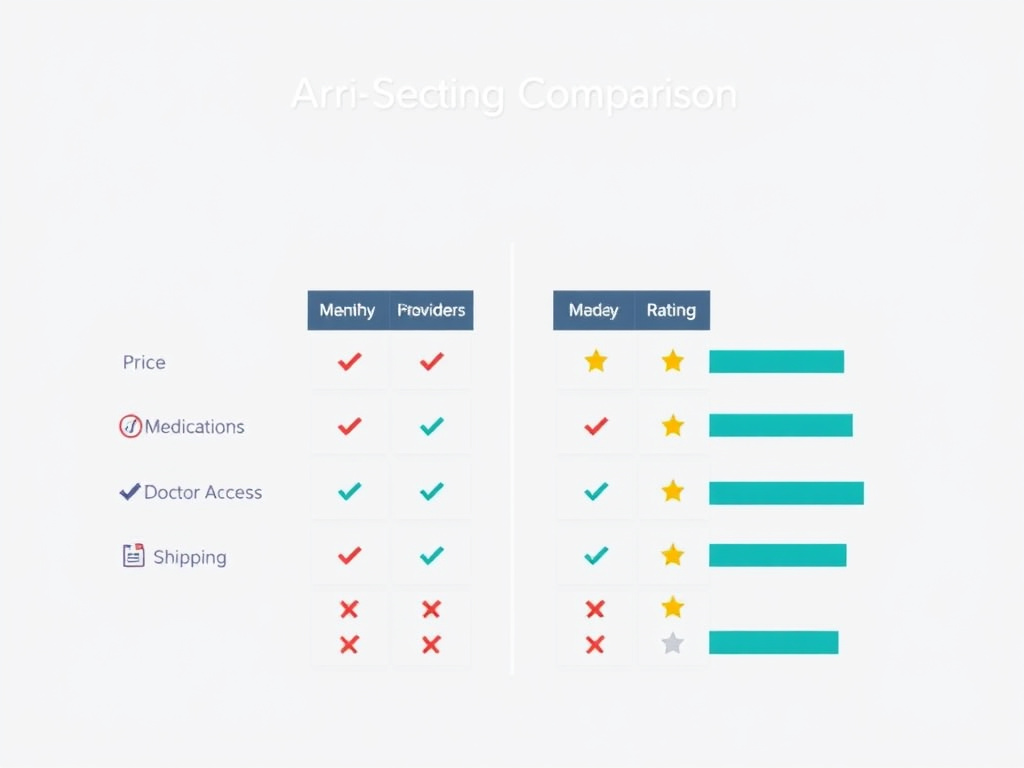
Custom 2026 image for Peptide Therapy US vs Mexico, provider comparisons, and better treatment decision-making.
Image description: Unique image for this page covering Peptide Therapy US vs Mexico, provider comparisons, safety, cost, provider selection, and patient decision-making.
Medical Disclaimer: This content is for informational purposes only and does not constitute medical advice. Always consult a qualified healthcare provider before starting, stopping, or changing any medication or treatment. FormBlends articles are source-checked against medical and regulatory references, but they are not a substitute for a personal medical consultation.
Disclosure: FormBlends is one of the providers discussed in this article. Our editorial team independently researches and verifies all pricing and claims. Pricing was last verified in March 2026. Read our editorial policy.
Written by FormBlends Editorial Research
Prepared by FormBlends Editorial Research. Claims are checked against primary regulatory, trial, label, and public-health sources where available. Reviewed against primary medical, regulatory, and trial sources for accuracy, sourcing, and patient-safety framing.
Ready to get started?
Provider-reviewed GLP-1 and peptide therapy, delivered to your door.