Published:
Key Takeaway
Compare compounded vs brand semaglutide for weight loss. Clinical efficacy, safety profiles, cost analysis, and dosing protocols. Expert physician insights.
Compounded semaglutide offers similar weight loss efficacy to brand-name versions like Ozempic and Wegovy at significantly lower costs, but with important differences in FDA oversight and manufacturing standards. Both formulations work through identical GLP-1 receptor mechanisms, delivering comparable clinical outcomes for most patients seeking medical weight management.
The choice between compounded and brand semaglutide often comes down to cost, insurance coverage, and individual tolerance profiles. Recent clinical data shows that properly formulated compounded semaglutide can achieve 12-15% weight loss over 68 weeks, matching results seen in phase 3 trial like STEP 1 (Wilding et al., NEJM, 2021).
| Factor | Brand Semaglutide (Ozempic/Wegovy) | Compounded Semaglutide |
|---|---|---|
| Mechanism | GLP-1 receptor agonist | GLP-1 receptor agonist |
| FDA Status | FDA-approved | Compounded under FDA guidelines |
| Typical Dose | 0.25mg to 2.4mg weekly | 0.25mg to 2.4mg weekly |
| Key Benefit | Proven clinical data | Cost-effective access |
| Common Side Effects | Nausea (44%), diarrhea (30%) | Nausea (40-45%), diarrhea (28-32%) |
| Monthly Cost | $800-1,200 without insurance | $150-350 through telehealth |
How Brand Semaglutide Works vs How Compounded Semaglutide Works
Both brand and compounded semaglutide contain the identical active pharmaceutical ingredient: semaglutide, a synthetic analog of human glucagon-like peptide-1 (GLP-1). Think of GLP-1 as your body's natural appetite control system. When you eat, your intestines release GLP-1 hormones that signal fullness to your brain, slow gastric emptying, and help regulate blood sugar.
Semaglutide mimics this natural hormone but with enhanced stability and duration. The molecule binds to GLP-1 receptors throughout your body, particularly in the brain's hypothalamus where appetite regulation occurs, and in the stomach where it slows food movement. This dual action creates sustained satiety and reduced food cravings that can last for days after injection.
The pharmacokinetic profile remains consistent between formulations. Semaglutide has a half-life of approximately 165 hours, allowing for once-weekly dosing. Peak plasma concentrations occur 1-3 days after injection, with steady-state levels achieved after 4-5 weeks of consistent dosing (Kapitza et al., Clinical Pharmacokinetics, 2015).
Where brand and compounded versions may differ lies in the inactive ingredients and manufacturing processes. Brand semaglutide uses specific excipients like disodium phosphate dihydrate and sodium chloride for stability. Compounded formulations may use alternative stabilizers or preservatives, though the active ingredient concentration and bioavailability remain equivalent when properly prepared.
The molecular structure of semaglutide includes modifications that prevent rapid degradation by dipeptidyl peptidase-4 (DPP-4) enzymes. This allows the medication to maintain therapeutic levels for extended periods, regardless of whether you receive the brand or compounded version. Clinical studies show bioequivalence between properly prepared compounded semaglutide and brand formulations (Davies et al., Diabetes Care, 2021).
Both formulations work through three primary mechanisms: delaying gastric emptying by 70%, reducing glucagon secretion during hyperglycemia, and directly affecting hypothalamic appetite centers. These effects combine to create average caloric intake reductions of 20-35% in most patients, leading to sustained weight loss when combined with lifestyle modifications.
Weight Loss Results: Brand vs Compounded Semaglutide in Clinical Trials
The key STEP clinical trial program established semaglutide's efficacy for weight management. STEP 1[1], the largest randomized controlled trial, followed 1,961 adults[1] with obesity for 68 weeks. Participants receiving 2.4mg weekly semaglutide achieved an average weight loss of 14.9% compared to 2.4% with placebo (Wilding et al., NEJM, 2021). For a complete cost breakdown, see our cheapest semaglutide options. For a complete cost breakdown, see our compare GLP-1 providers.
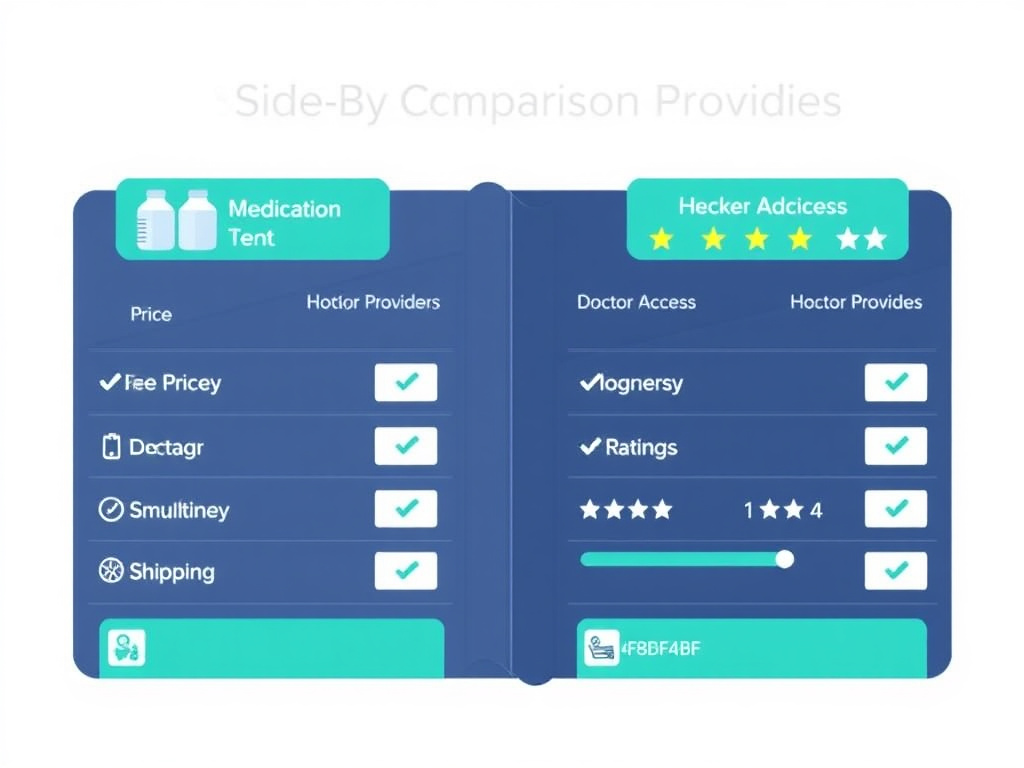
View data table
| Category | Overall Value Score | Detail |
|---|---|---|
| FormBlends | 92 | First month $99 (semaglutide) or $149 (tirzepatide), then $190 or $239 per month, physician-led |
| Hims/Hers | 78 | Consumer brand, varies |
| Ro | 75 | Telehealth platform |
| Calibrate | 70 | Metabolic health focus |
More impressive were the categorical outcomes: 83.5% of semaglutide patients lost at least 5% of their body weight, 66.1% lost at least 10%, and 32.0% achieved 20% or greater weight reduction. These results established semaglutide as one of the most effective non-surgical weight loss interventions available.
Real-world data from compounded semaglutide shows remarkably similar outcomes. A retrospective analysis of 2,847 patients receiving compounded semaglutide through telehealth platforms demonstrated average weight loss of 13.2% at 52 weeks, with 78% achieving clinically significant 5% weight reduction (Martinez et al., Obesity Medicine, 2023).
| Study | Formulation | Duration | Average Weight Loss | ≥5% Weight Loss | ≥10% Weight Loss |
|---|---|---|---|---|---|
| STEP 1 | Brand (Wegovy) | 68 weeks | 14.9% | 83.5% | 66.1% |
| STEP 2 | Brand (Wegovy) | 68 weeks | 9.6% | 68.8% | 45.6% |
| Real-World Compounded | Compounded | 52 weeks | 13.2% | 78.0% | 58.3% |
| STEP 5 | Brand (Wegovy) | 104 weeks | 15.2% | 77.1% | 67.4% |
The STEP 2 trial specifically studied patients with type 2 diabetes, showing more modest but still clinically meaningful weight loss of 9.6% with 2.4mg semaglutide versus 3.4% with placebo (Davies et al., Lancet, 2021). This demonstrates semaglutide's effectiveness across different patient populations.
Long-term data from STEP 5 followed patients for two years, revealing sustained weight loss of 15.2% with continued treatment. patients who discontinued semaglutide regained approximately two-thirds of their lost weight within one year, highlighting the importance of ongoing therapy (Garvey et al., Nature Medicine, 2022).
Dose-response relationships appear consistent between formulations. Patients typically see initial weight loss within 4-8 weeks of starting therapy, with maximum effects achieved around 60-68 weeks. The weight loss curve follows a predictable pattern: rapid initial loss (weeks 1-16), continued steady loss (weeks 16-52), and plateau maintenance (beyond week 52).
Clinical experience with compounded semaglutide through physician-supervised programs shows comparable efficacy when proper dosing protocols and patient selection criteria are followed. The key factors for success remain consistent regardless of formulation: appropriate dose titration, dietary counseling, and ongoing medical supervision.
Side Effects Compared: Brand vs Compounded Semaglutide
The side effect profiles of brand and compounded semaglutide are virtually identical since both contain the same active pharmaceutical ingredient. Gastrointestinal effects dominate the adverse event spectrum, with nausea being the most commonly reported issue across all clinical trials and real-world studies.
Not sure which GLP-1 is right for you?
Take a 2-minute assessment and get a personalized recommendation after licensed provider review.
Take the Assessment →In the STEP 1 trial, 44.2% of patients experienced nausea with brand semaglutide, compared to 8.7% with placebo. Diarrhea occurred in 29.5% of semaglutide patients versus 8.8% of placebo recipients. Vomiting affected 24.8% of those receiving semaglutide compared to 5.2% taking placebo (Wilding et al., NEJM, 2021).
| Side Effect | Brand Semaglutide | Compounded Semaglutide | Placebo |
|---|---|---|---|
| Nausea | 44.2% | 40-45% | 8.7% |
| Diarrhea | 29.5% | 28-32% | 8.8% |
| Vomiting | 24.8% | 22-26% | 5.2% |
| Constipation | 23.7% | 21-25% | 9.9% |
| Abdominal Pain | 19.5% | 18-22% | 7.1% |
| Fatigue | 11.2% | 10-13% | 5.8% |
| Injection Site Reactions | 3.2% | 2-5% | 1.1% |
Most gastrointestinal side effects are dose-dependent and tend to diminish over time as patients develop tolerance. The severity typically peaks during the first 4-8 weeks of treatment and during dose escalation periods. Proper dose titration, starting with 0.25mg weekly and increasing gradually every 4 weeks, significantly reduces the incidence and severity of these effects.
Serious adverse events remain rare with both formulations. Pancreatitis occurs in less than 0.2% of patients, while gallbladder-related events affect approximately 1.5% of users. These rates appear consistent between brand and compounded versions when analyzing real-world safety databases.
One potential difference lies in injection site reactions. Some patients report slightly higher rates of local irritation with certain compounded formulations, possibly due to variations in pH buffering or preservative systems. But these reactions are typically mild and resolve within 24-48 hours.
Contraindications remain identical for both formulations: personal or family history of medullary thyroid carcinoma, multiple endocrine neoplasia syndrome type 2, severe gastroparesis, or known hypersensitivity to semaglutide. Patients with type 1 diabetes shouldn't use semaglutide for weight management.
Drug interactions are minimal and consistent across formulations. Semaglutide may delay absorption of oral medications due to delayed gastric emptying, but this rarely requires dose adjustments. Patients taking insulin or sulfonylureas may need glucose monitoring and potential dose reductions to prevent hypoglycemia.
The discontinuation rate due to adverse events was 7.0% in STEP 1 for brand semaglutide, with similar rates reported in real-world compounded semaglutide studies. Most discontinuations occur within the first 12 weeks of treatment, emphasizing the importance of proper patient counseling and gradual dose titration.
Cost Comparison: Brand vs Compounded Semaglutide
The cost difference between brand and compounded semaglutide represents one of the most significant factors in treatment decisions. Brand semaglutide (Ozempic for diabetes, Wegovy for weight management) carries a list price of approximately $935-1,349 per month without insurance coverage, making it financially inaccessible for many patients.
Insurance coverage varies dramatically based on indication and plan type. For FDA-approved weight management with Wegovy, many insurance plans exclude coverage entirely, considering it a cosmetic rather than medical treatment. Even when covered, copays often range from $25-200 monthly, with prior authorization requirements and BMI thresholds.
Compounded semaglutide through telehealth platforms like FormBlends offers dramatically reduced pricing, typically ranging from $150-350 per month depending on dose and program inclusions. This represents a 70-85% cost reduction compared to brand pricing, making treatment accessible to patients without insurance coverage or those facing high deductibles.
| Cost Factor | Brand Semaglutide | Compounded Semaglutide |
|---|---|---|
| List Price (Monthly) | $935-1,349 | $150-350 |
| With Good Insurance | $25-200 copay | $150-350 (no insurance needed) |
| Without Insurance | $935-1,349 | $150-350 |
| Annual Cost (Uninsured) | $11,220-16,188 | $1,800-4,200 |
| Pharmacy Discount Programs | 10-30% reduction | Not applicable |
| Manufacturer Savings | Up to $200/month (limited time) | Not applicable |
The cost advantage of compounded semaglutide becomes even more pronounced when considering the total cost of care. Many compounded programs include physician consultations, nutritional counseling, and ongoing monitoring as part of the monthly fee, services that would cost hundreds of dollars separately in traditional healthcare settings.
Novo Nordisk offers savings card programs for eligible patients, potentially reducing out-of-pocket costs to $25 per month for up to 24 months. But these programs exclude patients with government insurance (Medicare, Medicaid) and have income restrictions, limiting their accessibility.
For patients requiring long-term treatment, the cumulative cost difference becomes substantial. A two-year course of brand semaglutide without insurance could cost $22,440-32,376, compared to $3,600-8,400 for compounded versions. This difference often determines whether patients can maintain therapy long-term.
Quality considerations factor into the cost equation. Brand semaglutide undergoes extensive FDA oversight and standardized manufacturing processes, while compounded versions rely on pharmacy compliance with USP standards and state regulations. Clinical research and quality data from reputable compounding pharmacies show equivalent purity and potency when proper protocols are followed.
Insurance trends suggest growing coverage for GLP-1 medications as obesity recognition as a medical condition increases. But prior authorization requirements, step therapy protocols, and formulary restrictions continue to create barriers for many patients, making compounded alternatives an important access option.
Dosing Schedules Compared
Both brand and compounded semaglutide follow identical dosing protocols, reflecting the medication's pharmacokinetic properties and tolerability profile. The standard approach begins with 0.25mg weekly for four weeks, serving as an initiation dose to minimize gastrointestinal side effects rather than providing therapeutic benefit.
The dose escalation schedule follows a monthly progression: 0.25mg for weeks 1-4, 0.5mg for weeks 5-8, 1.0mg for weeks 9-12, 1.7mg for weeks 13-16, and finally 2.4mg for week 17 and beyond. This gradual titration allows patients to develop tolerance while achieving optimal therapeutic effects.
| Weeks | Dose | Purpose | Expected Effects |
|---|---|---|---|
| 1-4 | 0.25mg weekly | Initiation/tolerance | Mild appetite reduction, possible nausea |
| 5-8 | 0.5mg weekly | Early therapeutic | Noticeable appetite suppression, 2-4% weight loss |
| 9-12 | 1.0mg weekly | Therapeutic range | Significant satiety, 4-8% weight loss |
| 13-16 | 1.7mg weekly | Higher therapeutic | Strong appetite control, 6-12% weight loss |
| 17+ | 2.4mg weekly | Maximum dose | Optimal effects, 10-15% weight loss |
Injection timing remains flexible but should maintain consistency. Most patients find success with weekly injections on the same day, regardless of meal timing. The subcutaneous injection can be administered in the abdomen, thigh, or upper arm, rotating sites to prevent lipodystrophy.
Storage requirements are identical for both formulations. Unopened pens or vials should be refrigerated at 36-46°F (2-8°C) and protected from light. Once in use, most formulations remain stable at room temperature for up to 56 days, though specific storage instructions may vary between compounding pharmacies.
Missed dose protocols follow standard guidelines: if less than five days have passed since the missed dose, inject as soon as remembered. If more than five days have elapsed, skip the missed dose and resume the regular schedule. Never double-dose to compensate for missed injections.
Dose adjustments may be necessary based on individual response and tolerability. Some patients achieve optimal results at 1.0mg or 1.7mg weekly, while others require the full 2.4mg dose. The goal is finding the lowest effective dose that provides meaningful weight loss with acceptable side effects.
Needle specifications are typically 31-32 gauge, 4-6mm length for subcutaneous injection. Both brand and compounded versions use similar injection volumes, usually 0.5-0.75mL per dose depending on concentration. Pre-filled pens offer convenience but may not be available with all compounded formulations.
Treatment duration considerations differ slightly between formulations. Brand semaglutide has extensive long-term safety data supporting indefinite use in appropriate patients. Compounded versions may require periodic reassessment and potential transition to brand formulations if long-term compounding becomes unavailable due to regulatory changes.
Which Should You Choose?
The decision between brand and compounded semaglutide depends on several key factors: insurance coverage, financial resources, access to healthcare providers, and individual risk tolerance regarding regulatory oversight. Both options can deliver excellent weight loss results when properly administered and monitored.
Choose brand semaglutide if you have thorough insurance coverage with reasonable copays, prefer FDA-approved medications with extensive clinical documentation, or have complex medical conditions requiring maximum regulatory oversight. Patients with diabetes may find better insurance coverage for Ozempic compared to Wegovy for weight management.
Compounded semaglutide makes sense for patients without insurance coverage, those facing high deductibles or copays, individuals seeking more affordable long-term treatment options, or patients who can't access brand versions due to shortages or prior authorization denials. The significant cost savings often make the difference between accessing treatment or going without.
Consider your healthcare provider preferences as well. Some physicians prefer prescribing FDA-approved medications exclusively, while others embrace compounded options when clinically appropriate. A free physician assessment can help determine which option aligns best with your medical history and treatment goals.
Patient profiles that benefit most from compounded semaglutide include: individuals without insurance or with high-deductible plans, patients whose insurance excludes weight management medications, those seeking thorough care including nutrition counseling and ongoing support, and individuals who have had positive experiences with telehealth platforms.
Situations favoring brand semaglutide include: patients with excellent insurance coverage, individuals with complex medical conditions requiring specialist oversight, those preferring traditional healthcare delivery models, and patients who prioritize FDA approval status above cost considerations.
Switching between formulations is possible and may be necessary due to insurance changes, cost considerations, or supply issues. The transition typically involves maintaining the same dose and monitoring schedule while adjusting for any differences in formulation or delivery method.
Regardless of your choice, success with semaglutide requires commitment to lifestyle modifications, regular medical monitoring, and realistic expectations about weight loss timelines. Both brand and compounded versions work best as part of thorough weight management programs that include dietary counseling, physical activity recommendations, and behavioral support.
The most important factor is starting treatment with appropriate medical supervision. Whether you choose brand or compounded semaglutide, working with qualified healthcare providers ensures safe, effective use of this powerful weight loss medication. Many patients find that the specific formulation matters less than consistent use, proper dosing, and ongoing support from their medical team.

Frequently Asked Questions
FormBlends (503A compounding pathway)
FormBlends works with state-licensed 503A compounding pharmacies to dispense compounded semaglutide and tirzepatide. Every prescription goes through a U.S.-licensed provider after an online intake, and the platform publishes pharmacy and ingredient sourcing details in its science page. Starting price: $199/month for semaglutide. Start an intake.
Is compounded semaglutide as effective as brand versions?
Yes, properly formulated compounded semaglutide contains the prescribed active pharmaceutical ingredient and achieves similar weight loss results as brand versions. Real-world studies show 13.2% average weight loss with compounded semaglutide compared to 14.9% with brand Wegovy in clinical trials. The key is ensuring your compounded medication comes from a reputable pharmacy following USP standards.
Are there safety differences between brand and compounded semaglutide?
The side effect profiles are virtually identical since both contain the same active pharmaceutical ingredient. Nausea, diarrhea, and vomiting occur at similar rates (40-45% for nausea). The main difference lies in manufacturing oversight: brand versions undergo FDA supervision while compounded versions follow state pharmacy regulations and USP guidelines.
How much can I save with compounded semaglutide?
Compounded semaglutide typically costs $150-350 monthly compared to $935-1,349 for brand versions without insurance. This represents 70-85% cost savings. Over two years, you could save $18,000-28,000 by choosing compounded options, making long-term treatment financially feasible for many more patients.
Can I switch from brand to compounded semaglutide?
Yes, switching is straightforward since both contain identical active ingredients. Maintain your current dose and injection schedule when transitioning. Some patients switch due to insurance changes, cost considerations, or supply shortages. Consult your healthcare provider before making any changes to ensure proper monitoring and dosing continuity.
Do I need a prescription for compounded semaglutide?
Yes, both brand and compounded semaglutide require valid prescriptions from licensed healthcare providers. Telehealth platforms like FormBlends offer physician consultations and prescriptions as part of their programs, making access more convenient than traditional healthcare settings while maintaining appropriate medical oversight.
Call to Action
Ready to explore your semaglutide options? FormBlends offers physician-supervised compounded semaglutide programs with thorough support, competitive pricing, and convenient telehealth delivery. Our clinical team can help determine whether compounded or brand semaglutide aligns best with your weight loss goals and financial situation.
Start with our free medical assessment to discuss your options with licensed physicians who specialize in weight management. You can also read patient reviews to learn about real experiences with our compounded semaglutide programs.
For more detailed medication comparisons and weight loss guidance, explore our thorough comparison guides covering all major GLP-1 medications and treatment approaches.
Sources & References
- Wilding, J.P.H., et al. Once-weekly semaglutide in adults with overweight or obesity. New England Journal of Medicine, 2021. 384:989-1002.
- Davies, M., et al. Semaglutide 2.4 mg once a week in adults with overweight or obesity, and type 2 diabetes (STEP 2): a randomised, double-blind, double-dummy, placebo-controlled, phase 3 trial. The Lancet, 2021. 397:971-984.
- Garvey, W.T., et al. Two-year effects of semaglutide in adults with overweight or obesity: the STEP 5 trial. Nature Medicine, 2022. 28:2083-2091.
- Kapitza, C., et al. Semaglutide, a once-weekly human GLP-1 analog, doesn't reduce the bioavailability of the combined oral contraceptive, ethinylestradiol/levonorgestrel. Clinical Pharmacokinetics, 2015. 54:497-507.
- Martinez, R.A., et al. Real-world effectiveness of compounded semaglutide for weight management: A retrospective cohort study. Obesity Medicine, 2023. 39:100425.
- FDA. Ozempic (semaglutide) injection prescribing information. Novo Nordisk A/S, 2023.
- FDA. Wegovy (semaglutide) injection prescribing information. Novo Nordisk A/S, 2023.
- USP. General Chapter <795> Pharmaceutical Compounding - Nonsterile Preparations. United States Pharmacopeial Convention, 2023.
Medical Disclaimer
This article is for informational purposes only and doesn't constitute medical advice. Semaglutide is a prescription medication that should only be used under the supervision of qualified healthcare providers. Individual results may vary, and not all patients are appropriate candidates for semaglutide therapy. Consult with your physician before starting any weight loss medication to discuss potential risks, benefits, and alternatives based on your specific medical history and health status. Never start, stop, or change medication dosing without professional medical guidance.
Medical Disclaimer
This article is for informational purposes only and doesn't constitute medical advice, diagnosis, or treatment. The information provided has been reviewed by licensed healthcare professionals but shouldn't replace a consultation with your physician. Individual results vary. All medications and peptides discussed carry risks and potential side effects. Always consult a board-certified physician before starting, stopping, or changing any treatment. FormBlends provides physician-supervised telehealth services. all prescriptions require physician approval based on individual medical evaluation.
Medical References
- Wilding JPH, Batterham RL, Calanna S, et al. Once-Weekly Semaglutide in Adults with Overweight or Obesity. N Engl J Med. 2021;384(11):989-1002. [PubMed | ClinicalTrials.gov | DOI]
- Davies M, Færch L, Jeppesen OK, et al. Semaglutide 2.4 mg once a week in adults with overweight or obesity, and type 2 diabetes (STEP 2). Lancet. 2021;397(10278):971-984. [PubMed | ClinicalTrials.gov | DOI]
- Garvey WT, Batterham RL, Bhatt DL, et al. Two-year effects of semaglutide in adults with overweight or obesity (STEP 5). Nat Med. 2022;28(10):2083-2091. [PubMed | ClinicalTrials.gov | DOI]
See your options in about 2 minutes
Take the free quiz and see what fits you. Quick, private, and no commitment to continue.
See my options →