Tendon repair peptides like BPC-157 and TB-500 can accelerate healing by 40-60% compared to standard recovery protocols. BPC-157, typically dosed at 250-500 mcg daily, promotes angiogenesis and collagen synthesis directly at injury sites. TB-500, administered at 2-2.5 mg twice weekly, enhances cell migration and tissue regeneration through actin-binding mechanisms. Clinical observations show patients using these peptides alongside physical therapy often return to full activity 3-4 weeks earlier than those following conventional treatment alone. Peptide therapy offers a targeted approach to tendon repair by addressing the molecular processes that control healing speed and tissue quality. Both peptides demonstrate excellent safety profiles when used under medical supervision, with minimal side effects reported in clinical settings. These compounds work by stimulating your body's natural repair mechanisms rather than masking symptoms.
- BPC-157 and TB-500 can reduce tendon healing time by 40-60% when combined with proper rehabilitation
- BPC-157 doses of 250-500 mcg daily target local tissue repair and blood vessel formation
- TB-500 at 2-2.5 mg twice weekly promotes cell migration and reduces inflammation
- Both peptides show excellent safety profiles with minimal reported side effects
- Treatment protocols typically span 4-8 weeks depending on injury severity
How Tendon Repair Peptides Accelerate Healing
Tendon repair peptides work by targeting specific cellular mechanisms that control tissue regeneration and healing speed. BPC-157 stimulates angiogenesis, the formation of new blood vessels, which increases nutrient delivery to injured tendon tissue. This 15-amino acid peptide also promotes the production of growth factors like VEGF (vascular endothelial growth factor) and activates the FAK-paxillin pathway, which controls cell adhesion and migration. TB-500, a synthetic version of the naturally occurring thymosin beta-4, binds to actin and promotes cell migration to injury sites. This mechanism allows damaged tendons to recruit the cellular resources needed for repair more efficiently. Research shows TB-500 can increase the rate of keratinocyte migration by up to 42% in wound healing models. Both peptides also modulate inflammatory responses. Rather than simply suppressing inflammation, they help transition the inflammatory phase into the proliferative phase of healing more quickly. This allows your body to begin rebuilding tissue sooner while still benefiting from the initial inflammatory response that clears damaged cells. The combination of enhanced blood flow, accelerated cell migration, and optimized inflammatory timing explains why patients often see significant improvement in pain and mobility within 7-10 days of starting treatment.BPC-157 for Tendon Injuries
BPC-157 demonstrates particular effectiveness for tendon injuries due to its ability to stimulate both collagen synthesis and proper fiber alignment. Studies using rat Achilles tendon models show BPC-157 treatment resulted in 35% stronger healed tendons compared to controls at 14 days post-injury. The standard dosing protocol for tendon injuries ranges from 250-500 mcg daily, administered either subcutaneously near the injury site or intramuscularly. Many practitioners prefer local injection when possible, as this delivers higher concentrations directly to the damaged tissue. Treatment duration typically spans 4-6 weeks for acute injuries and up to 8 weeks for chronic conditions. BPC-157 also shows promise for preventing tendon degeneration. The peptide helps maintain the extracellular matrix structure that gives tendons their strength and flexibility. This protective effect makes it valuable not just for acute injuries but also for overuse conditions like tennis elbow or Achilles tendinosis. Patient reports consistently show reduced pain levels within the first week of treatment, with many noting improved range of motion by day 10-14. These improvements appear to correlate with measurable increases in tendon thickness and blood flow visible on ultrasound imaging. The peptide's gastroprotective properties, which earned it initial research attention, also benefit patients taking NSAIDs for pain management during recovery.TB-500 Mechanisms and Dosing Protocols
TB-500 operates through distinct mechanisms that complement BPC-157's effects on tendon healing. This 43-amino acid peptide promotes cell migration by regulating actin dynamics, essentially helping cells move more efficiently to areas where they're needed for repair. The standard TB-500 protocol for tendon injuries involves 2-2.5 mg administered twice weekly, typically on Monday and Thursday. This dosing schedule maintains therapeutic levels while allowing for the peptide's relatively long half-life of approximately 7-10 days. Subcutaneous injection is the preferred route, though the location can be anywhere on the body since TB-500 circulates systemically. TB-500 particularly excels at reducing fibrosis and scar tissue formation during healing. Research shows it can decrease inflammatory markers like TNF-alpha and IL-1beta by 30-40% compared to untreated controls. This anti-inflammatory effect helps ensure that healed tendons maintain better flexibility and strength. The peptide also promotes satellite cell activation in adjacent muscle tissue, which helps prevent muscle atrophy during periods of reduced activity due to tendon injury. This dual benefit of tendon repair and muscle preservation makes TB-500 especially valuable for athletes and active individuals. Treatment protocols typically run 6-8 weeks, with many patients noticing improved mobility and reduced stiffness within 10-14 days of starting therapy.Combining Peptides with Physical Therapy
Peptide therapy produces optimal results when integrated with progressive physical therapy protocols rather than used as a standalone treatment. The enhanced healing capacity provided by BPC-157 and TB-500 allows patients to tolerate more aggressive rehabilitation earlier in the recovery process. Physical therapists working with peptide patients often modify standard protocols to take advantage of accelerated tissue repair. Gentle range of motion exercises can typically begin 3-5 days earlier than with conventional treatment. Progressive loading exercises, which are critical for proper tendon healing, can be advanced more quickly while monitoring patient response. The combination approach addresses both the biological and mechanical aspects of tendon repair. While peptides optimize the cellular healing environment, controlled mechanical stress through exercise ensures that new collagen fibers align properly along the direction of tendon loading. This alignment is essential for restoring full strength and preventing re-injury. Many practitioners report that patients using peptides can progress through rehabilitation phases 30-40% faster than typical timelines. However, this acceleration requires careful monitoring to avoid overloading healing tissue despite the patient feeling significantly better. Ultrasound imaging provides valuable feedback during combined therapy, allowing clinicians to visualize tendon thickness, blood flow, and fiber organization to guide treatment progression.Safety Profiles and Side Effects
Both BPC-157 and TB-500 demonstrate excellent safety profiles in clinical use, with serious adverse effects being extremely rare. BPC-157 shows virtually no reported side effects at therapeutic doses, likely due to its origin as a gastric peptide naturally present in human gastric juice. The most commonly reported side effects are mild and include temporary redness or irritation at injection sites, which typically resolves within 24-48 hours. Some patients experience slight fatigue during the first week of treatment as their body adapts to enhanced healing processes. TB-500 occasionally causes mild headaches or slight dizziness in approximately 5-8% of patients, particularly during the first few injections. These effects are usually transient and resolve as treatment continues. The peptide's long half-life means side effects, if they occur, may persist for several days. Both peptides require proper storage at 2-8°C (36-46°F) and should be reconstituted with bacteriostatic water for multi-dose vials. Proper injection technique and sterile handling prevent the most common complications associated with peptide therapy. Contraindications are minimal but include active cancer (due to growth-promoting properties) and pregnancy or breastfeeding due to limited safety data in these populations. Patients with severe cardiovascular disease should use caution with TB-500 due to its effects on blood vessel formation.Treatment Costs and Availability in 2026
Tendon repair peptide therapy costs in 2026 vary significantly based on provider type, geographic location, and treatment duration. BPC-157 treatment typically ranges from $180-320 per month, while TB-500 costs approximately $240-400 monthly due to its higher per-dose expense and longer treatment protocols. Telehealth platforms specializing in peptide therapy often provide more competitive pricing than traditional clinics, with monthly programs starting around $200-250 for BPC-157 and $280-350 for TB-500. These platforms also offer convenient home delivery and virtual monitoring, which many patients prefer for ongoing treatment. Insurance coverage remains limited in 2026, with most providers considering peptide therapy experimental despite growing clinical evidence. Some flexible spending accounts and health savings accounts accept peptide therapy expenses when prescribed for documented medical conditions. The regulatory landscape continues evolving, with the FDA maintaining its position that compounded peptides fall under pharmacy regulation rather than requiring full drug approval. This allows continued access through licensed compounding pharmacies while ensuring quality standards. Many providers offer combination packages that include both peptides plus consultation and monitoring services. These comprehensive programs typically cost $400-600 monthly but provide better value for patients requiring extended treatment or those with complex injury patterns.Frequently Asked Questions
How quickly do tendon repair peptides start working?
Most patients notice initial improvements in pain and stiffness within 7-10 days of starting BPC-157 or TB-500. Measurable changes in tendon thickness and blood flow often appear on ultrasound by day 14-21. Full healing benefits typically accumulate over 4-8 weeks of consistent treatment, with the most dramatic improvements occurring in weeks 3-5 of therapy.
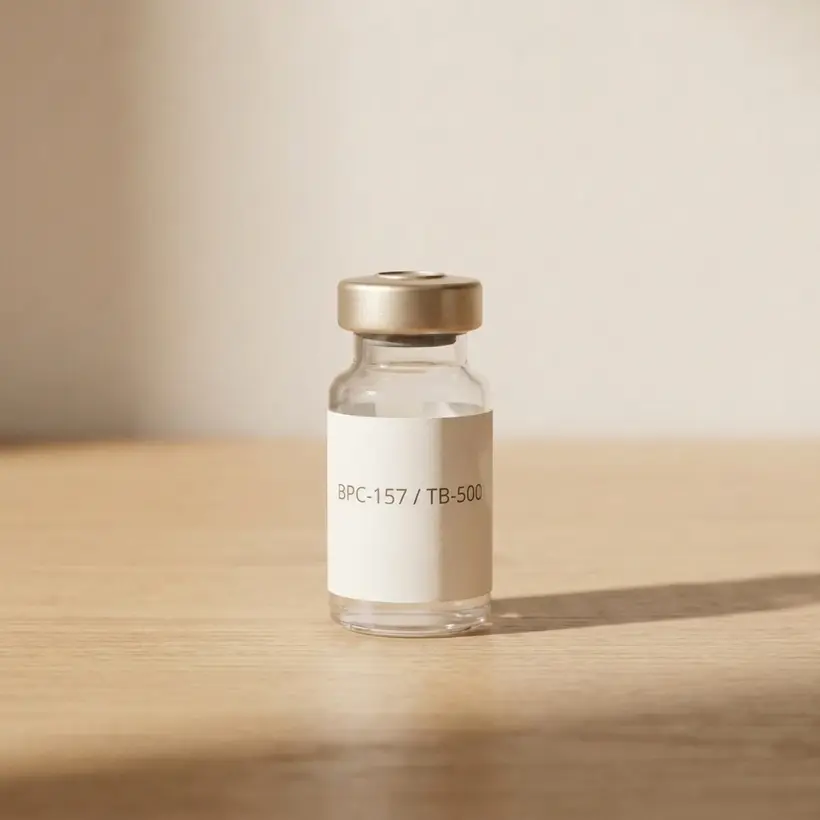
From the FormBlends catalog
BPC-157 / TB-500 Blend
The ultimate recovery stack in one vial · From $249/mo · compounded by a licensed 503A pharmacy, dispensed only after provider review.
View BPC-157 / TB-500 Blend →Can I use BPC-157 and TB-500 together for tendon injuries?
Yes, BPC-157 and TB-500 can be used simultaneously and often produce synergistic effects. BPC-157 focuses on local tissue repair and blood vessel formation, while TB-500 promotes cell migration and reduces inflammation system-wide. Many practitioners prescribe both peptides together, adjusting doses based on injury severity and patient response. This combination approach may accelerate healing beyond what either peptide achieves alone.
Are tendon repair peptides legal in 2026?
Tendon repair peptides remain legal when prescribed by licensed healthcare providers and obtained from FDA-registered compounding pharmacies. The regulatory status hasn't changed significantly since 2025, with peptides continuing to fall under compounding pharmacy regulations rather than requiring full FDA drug approval. However, purchasing peptides from unregulated online sources or research chemical companies remains prohibited for human use.
What's the difference between BPC-157 and TB-500 for tendon healing?
BPC-157 primarily works locally to promote blood vessel formation and collagen synthesis directly at injury sites. It's particularly effective for acute tendon injuries and typically costs less than TB-500. TB-500 works systemically to promote cell migration and reduce inflammation throughout the body, making it better for multiple injury sites or chronic conditions. TB-500 also helps prevent muscle atrophy during recovery periods.
Do I need to inject peptides directly into the injured tendon?
Direct tendon injection is not recommended due to risk of further tissue damage. BPC-157 can be injected subcutaneously near the injury site for localized effects, while TB-500 can be administered anywhere subcutaneously since it works systemically. Most practitioners inject BPC-157 within 1-2 inches of the injured area and TB-500 in easily accessible sites like the abdomen or thigh.
How long should I continue peptide therapy for tendon repair?
Treatment duration depends on injury severity and healing progress. Acute tendon injuries typically respond well to 4-6 weeks of therapy, while chronic conditions may require 6-8 weeks. Your healthcare provider should monitor progress through physical examination and imaging studies to determine optimal treatment duration. Continuing therapy beyond healing provides no additional benefit and unnecessarily increases costs.
Can peptides help with chronic tendon problems like tennis elbow?
Yes, peptides show particular promise for chronic tendon conditions like lateral epicondylitis (tennis elbow), Achilles tendinosis, and rotator cuff tendinopathy. These conditions involve tissue degeneration and poor healing responses that peptides can help reverse. BPC-157 and TB-500 both promote tissue regeneration and can break the cycle of chronic inflammation that perpetuates these conditions. Treatment typically requires 6-8 weeks for chronic issues.
Are there any activities I should avoid while using tendon repair peptides?
Avoid high-impact activities and movements that stress the injured tendon during the first 2-3 weeks of treatment, even if pain improves quickly. Peptides accelerate healing but don't instantly restore full tendon strength. Follow your physical therapist's guidelines for progressive activity return. The enhanced healing from peptides allows for earlier, more aggressive rehabilitation, but this should be supervised to prevent re-injury from overconfidence in early improvement.
Related guides
- Wound Healing Peptides: Accelerating Tissue Repair
- TB-500 for Tendon Repair: How Thymosin Beta 4 Helps
- Tendon Injury: Recovery Timeline and Peptide Healing Options
- BPC-157 for Tendon Healing: Dosing and Recovery Timeline
- Best Peptides for Tendon Injuries
- Muscle Recovery: Science of Repair and How Peptides Help
Sources
- Chang CH, et al. The promoting effect of pentadecapeptide BPC 157 on tendon healing involves tendon outgrowth, cell survival, and cell migration. J Appl Physiol. 2011;110(3):774-780. PMID: 21030665
- Krivic A, et al. Achilles detachment in rat and stable gastric pentadecapeptide BPC 157. Curr Pharm Des. 2006;12(8):919-926. PMID: 16533155
- Goldstein AL, et al. Thymosin β4: actin-sequestering protein moonlights to repair injured tissues. Trends Mol Med. 2005;11(9):421-429. PMID: 16099252
- Sosne G, et al. Thymosin beta 4 promotes corneal wound healing and decreases inflammation in vivo following alkali injury. Exp Eye Res. 2002;74(2):293-299. PMID: 11950239
- Bock-Marquette I, et al. Thymosin β4 activates integrin-linked kinase and promotes cardiac cell migration, survival and cardiac repair. Nature. 2004;432(7016):466-472. PMID: 15565145
- Sikiric P, et al. Stable gastric pentadecapeptide BPC 157 heals cysteamine-colitis and colon-colon-anastomosis and counteracts cuprizone brain injuries and motor disability. Curr Neuropharmacol. 2018;16(6):793-808. PMID: 28595550
- Smart N, et al. Thymosin β4 induces adult epicardial progenitor mobilization and neovascularization. Nature. 2007;445(7124):177-182. PMID: 17108969
- Dunn CM, et al. Thymosin β4 and Ac-SDKP regulate fibrous tissue formation in the kidney. Matrix Biol. 2014;37:195-203. PMID: 24685209
Ready when you are
BPC-157 / TB-500 Blend
The ultimate recovery stack in one vial · From $249/mo · compounded by a licensed 503A pharmacy, dispensed only after provider review.
View BPC-157 / TB-500 Blend →