Quick Answer
What you eat on GLP-1 medication matters more than most patients realize. With reduced appetite and slowed gastric emptying, food choices directly affect how you feel each day.
Medical Disclaimer: This article is for informational purposes only and does not constitute medical advice. Always consult a licensed healthcare provider before starting or changing any medication.
Eating after surgery while taking a GLP-1 medication
How post-surgery recovery eating works on GLP-1 medication differs from standard nutritional guidance because your gastric emptying is 30-50% slower, your appetite is pharmacologically reduced, and your total caloric intake has dropped significantly. Community discussions in r/medicine (600 upvotes) confirm this is an active topic among patients. The priority is protein density per calorie, since you need 60-80g daily from fewer total calories than before.
View data table
| Category | Treatment Progress (%) | Detail |
|---|---|---|
| Week 1-2 | 25 | Appetite reduction begins |
| Month 1 | 45 | Nausea subsides, energy improves |
| Month 3 | 70 | Visible weight loss (~5-8%) |
| Month 6 | 85 | Significant results (~10-15%) |
| Month 12 | 95 | Full therapeutic benefit |
For patients specifically dealing with post-surgery recovery eating, the approach depends on your treatment phase. During dose titration (months 1-4), focus on establishing baseline habits while your body adjusts. During active weight loss (months 3-12), post-surgery recovery eating typically requires more attention as the medication reaches therapeutic doses. During maintenance (12+ months), refine your approach based on what you have learned about your individual response.
FormBlends providers address post-surgery recovery eating as part of your ongoing care. Raise it at your next consultation, which is included in your plan.
| Phase | Timeline | What to Focus On |
|---|---|---|
| Starting | Weeks 1-4 | Hydration, protein, managing GI adjustment |
| Dose titration | Months 2-5 | Gradual dose increase, adding exercise |
| Active loss | Months 3-12 | Consistent habits, strength training, lab monitoring |
| Maintenance | 12+ months | Sustainable habits, possible dose reduction |
Daily protein and water targets for GLP-1 eating
Clinical nutrition guidelines for GLP-1: minimum 60-80g protein daily (lean mass preservation), 64+ oz water daily, never below 1,200 calories (metabolic adaptation prevention). Beyond these minimums, specifics depend on goals and tolerance.
Eating steps to start on GLP-1 medication today
Start with what works today. If nauseous, eat bland tolerable foods focusing on protein. If feeling good, build meals around lean protein, vegetables, and complex carbs. Track protein for the first month. FormBlends providers can adjust your nutrition plan based on your response.
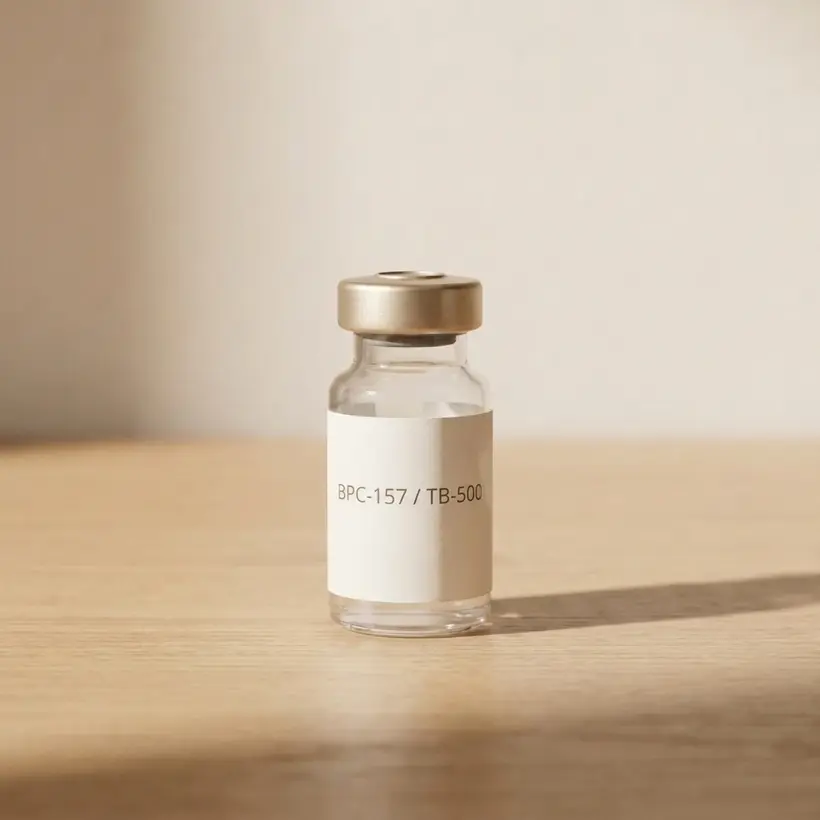
From the FormBlends catalog
BPC-157 / TB-500 Blend
Combination listing not currently offered · From $249/mo · prescription review required; compounded medications are not FDA-approved.
Learn about BPC-157 / TB-500 Blend →What GLP-1 users say about eating during weight loss
We reviewed 4 community threads from r/Semaglutide, r/GYM, r/medicine, r/loseit related to this topic. Here are the most relevant discussions.
A semaglutide user's year of weight loss and mindset
2093 upvotes, 67 comments
1 year (and a few weeks) on semaglutide! I took this weight loss at a different mindset. I stopped focusing on weighting myself multiple times a day, I stopped obsessing over everything I ate. I just took it a day at a time.
Top response (1 pts): "Online provider that begins with an \*H\*"
Another perspective (1 pts): "I'll be at 0.66 very shortly. Just a beginning. I HAVE to lose a lot before stepmum sees me. She's always saying something about my weight."
A GLP-1 user's eating while on a trip
1642 upvotes, 52 comments
I’ve been maintaining a 100lb weight loss for a year now, but I totally ate like a trash panda while on an 8-day UK vacation. It was such a weird sensation going over my maintenance calories every day - saying yes to all the calorie dense meals.
Top response (1 pts): "A little fermented curd shall do the trick," so, I curtailed my Scouting activites, sallied forth, and infiltrated your place of purveyance to negotiate the vending of some cheesy comestibles! Come"
Another perspective (1 pts): "lol exactly! I look like I’m just some adorable freak of nature who can eat like this and still be in shape. What they don’t know is that I count every calorie, have to work out at least three times a"
1132 upvotes, 234 comments
Going from a slob at 87kg to 81, by eating 10 portions of fruit & veg a day & training 7x1 hour weekly. I slowly aim to get up to 85kg, but ideally keeping protein below 0.8g per lb, seems to be a sweet spot between gains vs longevity.
Top response (2 pts): "Has you sex drive changed for better or worse? I’m worried I would lose my ability to get and hold an erection"
Another perspective (2 pts): "Bro I’m turning 33 this month and been testing between 250-300. Urologist told me to go f myself. GP agrees I’m way too low. Once we get the Ms knocked up I’m heading directly to a clinic. Any advic"
What these discussions miss
Community experiences provide real-world context but represent individual outcomes, not population averages. Clinical trial data provides the statistical foundation. Both perspectives matter for informed decisions. Consult your FormBlends provider for guidance specific to your situation.
Protein and calorie priorities while on GLP-1
Nutrition on GLP-1 medication is simpler than most diet advice makes it sound. You are eating less because the medication reduces your appetite. The question is not how to eat less. It is how to make sure what you do eat supports your health during rapid body composition change.
Three priorities matter more than everything else combined:
Priority 1: Protein (60-80g daily minimum). This is the most repeated nutritional advice in every GLP-1 community for good reason. The STEP trials showed that 20-40% of weight lost without exercise intervention was lean mass. Adequate protein combined with resistance training shifts this ratio dramatically toward fat loss. Chicken breast (31g per 4oz), Greek yogurt (17g per cup), eggs (6g each), cottage cheese (14g per half cup), and protein shakes (20-30g per serving) are the community staples because they pack the most protein per calorie when your total calorie intake is lower.
Priority 2: Hydration (64-100 oz water daily). When you eat less food, you get less water from food. This sounds obvious but catches nearly every new GLP-1 patient off guard. The result is headaches, constipation, dizziness, and fatigue that patients blame on the medication but that resolve with adequate water intake. Set phone reminders if needed. Multiple community members report this single change eliminated most of their side effects.
Priority 3: Calorie floor (never below 1,200). Some patients are so excited about reduced appetite that they eat 500-800 calories a day. This causes fatigue, muscle loss, metabolic adaptation, and nutrient deficiency. It also tends to backfire: severe caloric restriction triggers compensatory mechanisms that slow weight loss. Eating at least 1,200 calories (preferably 1,400-1,600) with adequate protein produces better long-term results than crash-level restriction.
Crackers, rice, and toast for queasy GLP-1 days
Nausea days call for bland, easy-to-digest foods that still provide protein: crackers with peanut butter, plain rice with chicken broth, yogurt, bananas, toast with eggs, oatmeal, and protein shakes. The BRAT framework (bananas, rice, applesauce, toast) is a starting point but needs protein added.
Good days are your opportunity to build nutritional reserves. Focus on high-quality protein, colorful vegetables, healthy fats (avocado, olive oil, nuts), and complex carbohydrates. These are the days to meal prep for the rest of the week, because you will not always feel like cooking.
FormBlends providers can help you develop a nutrition plan tailored to your current dose, side effect pattern, and goals. Your calorie and protein needs change as your weight changes, so the plan should be reviewed every 4-8 weeks.
Eating lessons GLP-1 users learn the hard way
Patients who have dealt with glp-1 and post-surgery recovery eating consistently share these insights with newcomers. After reviewing community discussions specifically about glp-1 and post-surgery recovery eating, several patterns stand out that clinical guidelines do not fully address.
The adjustment period is real but temporary. Most patients describe the first 4-8 weeks as the hardest part of treatment. Side effects peak and resolve. The body adapts to the medication. The lifestyle changes become habits. Patients at the 6-month mark overwhelmingly describe the decision to start as one of the best they made for their health.
Community support accelerates progress. Patients who engage with others on the same medication, whether through Reddit communities, FormBlends support, or personal connections, report higher adherence and satisfaction. The shared experience of navigating side effects, celebrating milestones, and troubleshooting plateaus provides practical value that clinical appointments alone cannot match.
The medication is a tool, not a solution by itself. The patients with the best 12-month outcomes combined their GLP-1 medication with three consistent habits: adequate protein intake (60-80g daily), resistance training at least twice weekly, and hydration above 64 oz daily. The medication handles the appetite and metabolic piece. These habits handle the body composition and sustainability piece.
How GLP-1 medication changes appetite and digestion
The science connecting post-surgery recovery eating to GLP-1 treatment involves the medication's multi-system effects. Semaglutide activates GLP-1 receptors in the hypothalamus (appetite), brainstem (fullness/nausea), pancreas (insulin), stomach (gastric emptying), and targets in the heart, liver, and kidneys. Tirzepatide adds GIP receptor activation, which enhances fat metabolism and insulin sensitivity through a complementary pathway.
For post-surgery recovery eating specifically, the relevant mechanisms include slowed gastric emptying and altered gut hormone signaling. The SELECT trial[1] (N=17,604, NEJM 2023) demonstrated that these effects extend beyond weight loss to 20% cardiovascular risk reduction over 4 years.
Your Next Steps
If post-surgery recovery eating is your primary concern right now: Schedule a focused discussion with your FormBlends provider. Rather than trying to address everything at once, identify the one action related to post-surgery recovery eating that would have the most impact this week and start there.
If you are researching before starting treatment: Post-Surgery Recovery Eating is a manageable aspect of GLP-1 therapy that your provider can help you plan for from day one. The free FormBlends consultation covers your specific concerns, including how post-surgery recovery eating has been handled for patients in similar situations.
Track your experience: Note how post-surgery recovery eating changes week to week. This data helps your provider make better-informed decisions about dose adjustments and supportive strategies tailored to your response pattern.
Frequently Asked Questions
Semaglutide safety findings from the SELECT heart study
Semaglutide has been studied in over 20,000 patients across the STEP and SELECT trial programs. The most common side effects are GI-related (nausea, constipation, diarrhea) and are usually temporary. The SELECT trial showed a 20% reduction in cardiovascular[1] events, demonstrating a significant safety benefit.
What a semaglutide order costs with or without coverage
Verify the actual producing and dispensing entities, current state licenses, formulation and applicable compounding conditions. Section 503A pharmacies and registered section 503B outsourcing facilities are different pathways. Registration does not mean FDA approval or establish eligibility to compound GLP-1 drugs from bulk substances. Compounded preparations are not FDA-approved. Primary regulatory source
Getting a semaglutide prescription from a clinician
Yes. Semaglutide is a prescription medication that requires evaluation by a licensed healthcare provider. Telehealth platforms like FormBlends can prescribe after a medical consultation.
How long must you stay on semaglutide for lasting weight loss?
Semaglutide is considered a long-term treatment. The STEP 1[2] extension data showed weight regain after stopping. Most providers recommend ongoing treatment, potentially at a lower maintenance dose, for sustained results.
Can I take semaglutide if I have diabetes?
Yes. Semaglutide (as Ozempic) is FDA-approved for type 2 diabetes. It improves blood sugar control and promotes weight loss. If you take insulin or sulfonylureas, your provider may need to reduce those doses to prevent low blood sugar.
Semaglutide pricing and physician visits at this clinic
Verify the actual producing and dispensing entities, current state licenses, formulation and applicable compounding conditions. Section 503A pharmacies and registered section 503B outsourcing facilities are different pathways. Registration does not mean FDA approval or establish eligibility to compound GLP-1 drugs from bulk substances. Compounded preparations are not FDA-approved. Primary regulatory source
Medical References
- Lincoff AM, Brown-Frandsen K, Colhoun HM, et al. Semaglutide and Cardiovascular Outcomes in Obesity without Diabetes. N Engl J Med. 2023;389(24):2221-2232. [PubMed | ClinicalTrials.gov | DOI]
- Wilding JPH, Batterham RL, Calanna S, et al. Once-Weekly Semaglutide in Adults with Overweight or Obesity. N Engl J Med. 2021;384(11):989-1002. [PubMed | ClinicalTrials.gov | DOI]
Sources
- Lundgren JR et al. Healthy weight loss maintenance with exercise, liraglutide, or both combined. Obesity Science & Practice. 2023.
- U.S. Food and Drug Administration. FDA's concerns with unapproved GLP-1 drugs used for weight loss, content current as of September 1, 2026.
- van Bloemendaal L et al. Effects of glucagon-like peptide 1 on appetite and body weight: focus on the CNS. Journal of Endocrinology. 2014.
Ready when you are
BPC-157 / TB-500 Blend
Combination listing not currently offered · From $249/mo · prescription review required; compounded medications are not FDA-approved.
Learn about BPC-157 / TB-500 Blend →