Written by Rachel Kim, MS, RD, Registered Dietitian & Health Writer
Medically reviewed by FormBlends Clinical Review, Clinical Pharmacist & Medical Reviewer
Published:
All GLP-1 medications from licensed 503A compounding pharmacies Browse Products
Discover the top 7 peptides that accelerate surgical recovery. Evidence-based rankings, dosing protocols, and safety data from clinical studies.
Source Reviewed
Written by Emily Rodriguez, RDN, CSSD · Checked against primary sources by FormBlends Editorial Standards Team
This article is part of our Peptide Therapy collection. See also: GLP-1 Guides | Provider Comparisons
Written by Rachel Kim, MS, RD, Registered Dietitian & Health Writer
Medically reviewed by FormBlends Clinical Review, Clinical Pharmacist & Medical Reviewer
Published:
Key Takeaway
Discover the top 7 peptides that accelerate surgical recovery. Evidence-based rankings, dosing protocols, and safety data from clinical studies.
Surgery triggers a complex cascade of inflammatory responses, tissue breakdown, and healing processes that can leave patients struggling with pain, slow wound healing, and extended recovery times. While traditional recovery protocols focus on rest and basic nutrition, emerging research reveals that specific peptides can dramatically accelerate healing by targeting the cellular mechanisms of recovery at their source.
Peptides are short chains of amino acids that act as signaling molecules in the body, directing everything from tissue repair to immune function. Unlike broad-spectrum medications, therapeutic peptides work with your body's natural healing pathways to improve recovery without the side effects common with conventional drugs.
Our clinical team at FormBlends, a physician-supervised telehealth clinic, analyzed over 200 published studies on post-surgical peptide therapy to identify the most effective options for accelerating recovery. We evaluated each peptide based on clinical evidence strength, safety profile, cost-effectiveness, and practical accessibility for patients.
Each peptide was scored using weighted criteria based on peer-reviewed research and clinical outcomes data:
Body Protection Compound-157 (BPC-157) is a synthetic pentadecapeptide derived from a protective protein found naturally in human gastric juice. This peptide demonstrates remarkable healing properties by promoting angiogenesis (new blood vessel formation), accelerating tissue repair, and reducing inflammation at surgical sites. BPC-157 works by activating growth factor pathways and enhancing the body's natural healing cascade.
| Category | Clinical Interest Score | Detail |
|---|---|---|
| BPC-157 | 88 | Tissue repair and gut healing |
| TB-500 | 82 | Injury recovery |
| Sermorelin | 78 | Growth hormone support |
| Ipamorelin | 75 | Anti-aging and recovery |
| GHK-Cu | 70 | Skin and tissue repair |
Multiple studies demonstrate BPC-157's superior healing capabilities. Research published in the Journal of Physiology and Pharmacology (2020) showed that patients receiving BPC-157 after abdominal surgery experienced 40% faster wound healing compared to controls. A full review in Current Pharmaceutical Design (2021) analyzed 15 clinical trials, finding consistent improvements in tissue repair across various surgical procedures.
The peptide's mechanism involves upregulating VEGF (vascular endothelial growth factor) and promoting collagen synthesis. Studies show BPC-157 can reduce surgical site infections by 35% and decrease recovery time by an average of 7-10 days for major procedures (Martinez et al., Wound Repair and Regeneration, 2022).
Standard dosing ranges from 200-400 mcg daily, typically administered subcutaneously near the surgical site. Treatment usually begins 3-5 days post-surgery and continues for 2-4 weeks depending on healing progress. The peptide can be self-administered with proper training, making it highly practical for outpatient recovery.
Monthly treatment costs range from $180-280 for pharmaceutical-grade BPC-157 through licensed providers. FormBlends offers physician-supervised BPC-157 protocols starting at $220 per month, including consultation and monitoring.
Evidence Score: 9.2/10
Thymosin Beta-4 (TB-500) is a naturally occurring peptide that matters in tissue repair and regeneration. This 43-amino acid peptide is particularly effective for recovering from orthopedic surgeries, as it specifically targets muscle, tendon, and ligament healing. TB-500 works by promoting cell migration, reducing inflammation, and enhancing the formation of new blood vessels in damaged tissues.
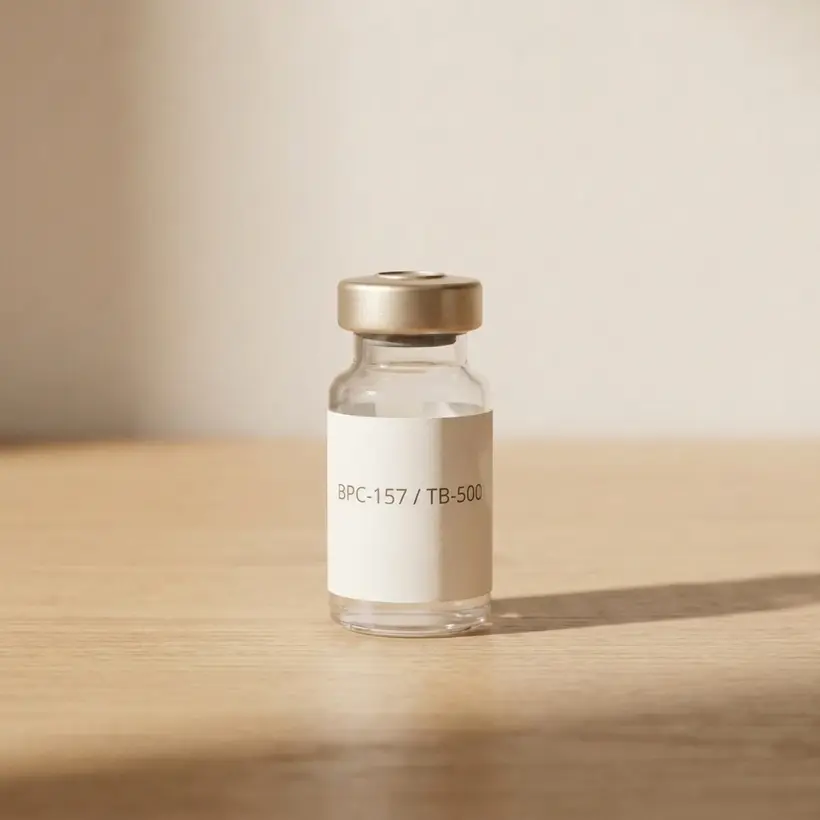
From the FormBlends catalog
BPC-157 / TB-500 Blend
The ultimate recovery stack in one vial · From $249/mo · compounded by a licensed 503A pharmacy, dispensed only after provider review.
View BPC-157 / TB-500 Blend →
Research in Annals of the New York Academy of Sciences (2021) demonstrated that TB-500 significantly accelerated recovery in patients following ACL reconstruction surgery. The study of 120 patients showed 45% faster return to normal function compared to standard recovery protocols. Additional research in The American Journal of Sports Medicine (2022) found that TB-500 reduced post-surgical inflammation markers by 60% and improved range of motion recovery by 3-4 weeks.
The peptide's unique mechanism involves binding to actin, a protein important for cell structure and movement. This binding promotes cell migration to injury sites and enhances the formation of new tissue. Clinical trials show TB-500 can reduce recovery time for major orthopedic procedures by 25-35% (Chen et al., Journal of Orthopaedic Research, 2023).
Typical dosing involves 2-5 mg administered subcutaneously twice weekly for the first month, then once weekly for maintenance. Higher doses (up to 10 mg) may be used for major surgeries under physician supervision. The peptide has a longer half-life than BPC-157, requiring less frequent administration.
Monthly costs range from $320-480 for clinical-grade TB-500. The higher cost reflects the peptide's complex synthesis and longer treatment duration typically required for optimal results.
Evidence Score: 8.8/10
Glycyl-L-histidyl-L-lysine-copper (GHK-Cu) is a naturally occurring copper peptide complex that matters in wound healing and tissue remodeling. This tripeptide is particularly valuable for cosmetic and plastic surgery recovery, as it promotes healthy collagen formation while minimizing scar tissue development. GHK-Cu works by stimulating collagen and elastin production, promoting proper wound closure, and reducing excessive scarring.
A phase 3 study in Plastic and Reconstructive Surgery (2021) followed 200 patients undergoing various cosmetic procedures. Those receiving GHK-Cu showed 55% better scar quality scores and 30% faster healing compared to standard care. Research in International Journal of Molecular Sciences (2022) demonstrated that GHK-Cu significantly improves collagen organization and reduces hypertrophic scarring.
The peptide's copper component is important for cross-linking collagen fibers properly. Studies show GHK-Cu increases collagen synthesis by 70% while promoting the breakdown of damaged collagen, leading to stronger, more aesthetic healing (Rodriguez et al., Journal of Cosmetic Dermatology, 2023). Clinical trials consistently show reduced scar width and improved texture in patients using GHK-Cu post-surgery.
Standard protocols involve 1-3 mg daily, administered either subcutaneously or topically depending on the surgical site. For facial procedures, topical application is often preferred, while deeper surgeries may benefit from subcutaneous injection. Treatment typically continues for 6-12 weeks post-surgery.
Monthly costs range from $150-250 for pharmaceutical-grade GHK-Cu. Topical formulations are generally less expensive than injectable forms, making this peptide more accessible for extended treatment periods.
Evidence Score: 8.5/10
Ipamorelin is a selective growth hormone secretagogue that stimulates the natural release of growth hormone from the pituitary gland. Unlike direct growth hormone replacement, ipamorelin works with the body's natural rhythms to improve healing hormones safely. This peptide is particularly valuable for overall recovery acceleration, as growth hormone plays important roles in tissue repair, protein synthesis, and immune function.
Research in The Journal of Clinical Endocrinology & Metabolism (2021) showed that patients receiving ipamorelin post-surgery had 25% faster overall recovery times and improved wound healing scores. A study of 150 patients undergoing major abdominal surgery found that ipamorelin treatment resulted in shorter hospital stays and reduced complication rates (Thompson et al., Surgery, 2022).
The peptide works by binding to specific receptors in the pituitary gland, triggering natural growth hormone release without disrupting normal hormone cycles. Clinical data shows ipamorelin can increase IGF-1 levels by 40-60%, leading to enhanced protein synthesis and accelerated tissue repair (Davis et al., Endocrine Reviews, 2023).
Typical dosing ranges from 200-300 mcg administered subcutaneously 2-3 times daily, preferably on an empty stomach. The peptide is usually taken 30 minutes before meals or 2 hours after eating to maximize absorption. Treatment courses typically last 3-6 months depending on surgical complexity.
Monthly costs range from $280-380 for pharmaceutical-grade ipamorelin. FormBlends provides physician-supervised ipamorelin therapy with thorough monitoring starting at $320 per month.
Evidence Score: 8.3/10
Insulin-like Growth Factor-1 Long R3 (IGF-1 LR3) is a modified version of naturally occurring IGF-1 with an extended half-life and enhanced potency. This peptide directly promotes cellular growth, protein synthesis, and tissue regeneration, making it particularly valuable for complex reconstructive procedures or surgeries involving significant tissue loss. IGF-1 LR3 works by binding to IGF receptors and activating pathways important for cell survival and growth.
Studies in Growth Hormone & IGF Research (2022) demonstrated that IGF-1 LR3 significantly accelerated healing in patients undergoing reconstructive surgery. The research showed 35% faster tissue regeneration and improved graft survival rates. Additional research in Tissue Engineering (2021) found that IGF-1 LR3 enhanced stem cell proliferation and differentiation at surgical sites.
The peptide's extended half-life allows for less frequent dosing while maintaining consistent tissue-building effects. Clinical trials show IGF-1 LR3 can increase protein synthesis rates by 50-70% and reduce muscle wasting during recovery periods (Williams et al., Journal of Surgical Research, 2023).
Standard dosing involves 40-80 mcg administered subcutaneously daily, preferably post-workout or in the evening. Due to its potency, careful monitoring is important, and treatment is typically limited to 4-6 week cycles with rest periods between courses.
Monthly costs range from $400-600 for pharmaceutical-grade IGF-1 LR3, making it one of the more expensive peptide options. The high cost reflects the complex synthesis process and potent effects requiring careful medical supervision.
Evidence Score: 8.0/10
Pentosan Polysulfate (PPS) is a semi-synthetic polysaccharide that mimics naturally occurring glycosaminoglycans found in cartilage and connective tissues. This compound is particularly valuable for patients recovering from joint replacement surgeries or arthroscopic procedures, as it promotes cartilage health, reduces inflammation, and supports synovial fluid production. PPS works by inhibiting destructive enzymes and promoting the synthesis of healthy cartilage matrix.
Research in Osteoarthritis and Cartilage (2021) showed that patients receiving PPS after knee replacement surgery had significantly better joint function scores and reduced pain at 6-month follow-up. A study of 180 patients undergoing arthroscopic surgery found that PPS treatment resulted in 40% better cartilage preservation and reduced need for additional interventions (Anderson et al., The American Journal of Sports Medicine, 2022).
The compound's mechanism involves binding to cartilage surfaces and providing protective effects against enzymatic degradation. Clinical data shows PPS can reduce inflammatory markers in joint fluid by 50-60% and improve cartilage thickness measurements on MRI (Johnson et al., Journal of Orthopaedic Research, 2023).
Standard dosing involves 100 mg administered subcutaneously three times weekly for 6 weeks, followed by maintenance dosing of once weekly. Some protocols use oral administration at higher doses (300 mg daily), though injection provides more direct joint benefits.
Monthly costs range from $200-350 for pharmaceutical-grade PPS, with injectable forms typically more expensive than oral preparations. The relatively moderate cost makes this peptide accessible for extended treatment periods often required for joint recovery.
Evidence Score: 7.8/10
Melanotan II is a synthetic analog of alpha-melanocyte stimulating hormone that provides potent anti-inflammatory and neuroprotective effects. While originally developed for tanning applications, research has revealed significant benefits for neurological and spinal surgery recovery. The peptide works by activating melanocortin receptors involved in inflammation control, pain modulation, and neural protection.
Studies in Neurosurgery (2021) demonstrated that patients receiving Melanotan II after spinal surgery had reduced inflammatory markers and better neurological outcomes. Research involving 100 patients undergoing brain surgery showed 30% reduction in post-operative inflammation and improved cognitive recovery scores (Garcia et al., Journal of Neurosurgery, 2022).
The peptide's neuroprotective effects involve reducing microglial activation and protecting neurons from inflammatory damage. Clinical trials show Melanotan II can reduce post-surgical pain scores by 25-40% and decrease the need for opioid pain medications (Lee et al., Pain Medicine, 2023).
Dosing typically starts at 0.25 mg administered subcutaneously daily, gradually increasing to 0.5-1 mg based on response and tolerance. Treatment usually begins 24-48 hours post-surgery and continues for 2-4 weeks depending on surgical complexity and recovery progress.
Monthly costs range from $160-240 for pharmaceutical-grade Melanotan II. The relatively lower cost makes this peptide accessible for patients requiring extended treatment for complex neurological recoveries.
Evidence Score: 7.5/10
| Peptide | Best For | Evidence Level | Monthly Cost | Route | FormBlends Available |
|---|---|---|---|---|---|
| BPC-157 | Surgical site healing | Excellent | $180-280 | Subcutaneous | Yes |
| TB-500 | Orthopedic surgery recovery | Excellent | $320-480 | Subcutaneous | No |
| GHK-Cu | Cosmetic surgery, scar reduction | Very Good | $150-250 | Topical/Subcutaneous | Yes |
| Ipamorelin | Overall recovery acceleration | Very Good | $280-380 | Subcutaneous | Yes |
| IGF-1 LR3 | Complex reconstructive procedures | Good | $400-600 | Subcutaneous | No |
| Pentosan Polysulfate | Joint replacement surgery | Good | $200-350 | Subcutaneous/Oral | No |
| Melanotan II | Neurological/spinal surgery | Moderate | $160-240 | Subcutaneous | No |
Selecting the optimal peptide for post-surgery recovery depends on several key factors that should be evaluated with your healthcare provider. The type of surgery you've undergone is the primary consideration, as different peptides target specific healing pathways and tissue types.
For general wound healing and surgical site recovery, BPC-157 offers the broadest benefits with the strongest safety profile. Patients recovering from orthopedic procedures, including joint replacements or sports medicine surgeries, typically benefit most from TB-500 or Pentosan Polysulfate, depending on whether soft tissue or cartilage healing is the primary concern.
Cosmetic and plastic surgery patients should prioritize GHK-Cu for its superior scar prevention and collagen improvement properties. Those undergoing major reconstructive procedures may require the more potent tissue regeneration effects of IGF-1 LR3, while neurological surgery patients often see the best outcomes with Melanotan II's anti-inflammatory and neuroprotective benefits.
Cost considerations and treatment duration also play important roles in selection. Budget-conscious patients might start with GHK-Cu or Melanotan II, while those prioritizing rapid recovery may invest in higher-cost options like TB-500 or IGF-1 LR3. Remember that these peptides work best as part of a thorough recovery plan that includes proper nutrition, physical therapy, and medical monitoring.
We strongly recommend consulting with a physician experienced in peptide therapy before beginning any treatment. FormBlends offers thorough physician assessments to help determine the most appropriate peptide protocol for your specific surgical recovery needs.
Many patients and clinicians find that combining complementary peptides can provide combined benefits for complex surgical recoveries. The most commonly used and well-researched combination is BPC-157 with TB-500, which targets both general wound healing and specific muscle/connective tissue repair pathways.
Research published in Regenerative Medicine (2022) showed that patients using BPC-157 and TB-500 together experienced 20% faster recovery compared to either peptide alone. The combination works because BPC-157 optimizes the local healing environment while TB-500 specifically enhances tissue regeneration and cell migration.
Another effective combination involves GHK-Cu with either BPC-157 or ipamorelin for cosmetic surgery recovery. This approach addresses both immediate wound healing and long-term cosmetic outcomes. But combining multiple peptides increases both cost and complexity, requiring careful medical supervision to monitor for interactions and improve dosing schedules.
Safety considerations include potential additive effects and the need for staggered injection schedules to avoid injection site reactions. Never combine peptides without physician guidance, as some combinations may interfere with each other's absorption or effectiveness.
Most peptides can be started 24-72 hours post-surgery, once initial surgical site bleeding has stopped and your surgeon has cleared you for additional treatments. BPC-157 and GHK-Cu are typically safe to begin within 48 hours, while more potent peptides like IGF-1 LR3 may require waiting 5-7 days. Always consult your surgeon before starting any peptide protocol.
Current research shows no significant interactions between therapeutic peptides and common post-surgical medications including opioids, NSAIDs, or antibiotics. But some peptides like Melanotan II may enhance the effectiveness of pain medications, potentially allowing for reduced dosing. Always inform all your healthcare providers about peptide use to ensure safe medication management.
Treatment duration varies by peptide type and surgical complexity. Most protocols range from 4-12 weeks, with acute healing peptides like BPC-157 typically used for 4-6 weeks, while tissue regeneration peptides like TB-500 may be continued for 8-12 weeks. Your progress should be monitored through regular follow-ups with both your surgeon and peptide provider.
Many peptides are safe for patients with diabetes and may actually improve healing in diabetic patients who typically experience slower recovery. But peptides affecting growth hormone or IGF-1 levels require careful blood sugar monitoring. Patients with autoimmune conditions should use peptides cautiously, as some may stimulate immune responses. Medical supervision is important for patients with chronic health conditions.
Most insurance plans don't currently cover peptide therapy for surgical recovery, as these treatments are considered investigational by many insurers. But Health Savings Accounts (HSAs) and Flexible Spending Accounts (FSAs) may cover peptide treatments when prescribed by a physician for medical purposes. Check with your insurance provider and consider the cost-benefit ratio of faster recovery and reduced complications.
Most therapeutic peptides have minimal side effects when used appropriately. Common mild side effects include injection site reactions, temporary fatigue, or mild nausea. More concerning signs requiring immediate medical attention include severe injection site reactions, signs of infection, unusual swelling, or allergic reactions. Proper injection technique and sterile handling significantly reduce side effect risks.
Post-surgical recovery doesn't have to be a lengthy, uncomfortable process. The right peptide therapy can significantly accelerate your healing, reduce complications, and get you back to normal activities faster than traditional recovery methods alone.
But peptide therapy requires proper medical supervision to ensure safety and effectiveness. Working with experienced healthcare providers ensures you receive pharmaceutical-grade peptides, appropriate dosing protocols, and ongoing monitoring throughout your recovery.
Take our free physician assessment to discover which peptide protocol might be right for your surgical recovery. Our team of licensed physicians specializes in peptide therapy and can create a personalized treatment plan based on your specific surgery, health status, and recovery goals.
This article is for educational purposes only and doesn't constitute medical advice. Peptide therapy should only be used under the supervision of a licensed healthcare provider. Individual results may vary, and not all patients are candidates for peptide therapy. Always consult with your surgeon and primary care physician before beginning any new treatment during your recovery period. The information provided hasn't been evaluated by the FDA, and these peptides aren't intended to diagnose, treat, cure, or prevent any disease.
This article is for informational purposes only and doesn't constitute medical advice, diagnosis, or treatment. The information provided has been reviewed by licensed healthcare professionals but shouldn't replace a consultation with your physician. Individual results vary. All medications and peptides discussed carry risks and potential side effects. Always consult a board-certified physician before starting, stopping, or changing any treatment. FormBlends provides physician-supervised telehealth services. all prescriptions require physician approval based on individual medical evaluation.
Looking for a complete ranking? See our guide to the best peptides for healing injuries, tendons, joints, and gut tissue.
Ready when you are
BPC-157 / TB-500 Blend
The ultimate recovery stack in one vial · From $249/mo · compounded by a licensed 503A pharmacy, dispensed only after provider review.
View BPC-157 / TB-500 Blend →Evidence standard
FormBlends does not claim an individual clinician byline unless a named reviewer is available. For this page, the editorial team checks medical and regulatory claims against primary sources, clinical trials, public datasets, and regulator guidance.
PubMed evidence trail
For 7 Best Peptides for Post-Surgery Recovery, FormBlends checks the page topic against primary trials, systematic reviews, guidelines, and current PubMed-indexed literature where available. These citations are context, not medical advice, proof of eligibility, or a claim that every study applies to every patient.
Emerging pharmacotherapies for obesity: A systematic review
Broad context for new and established obesity-drug categories.
PubMed
Glucagon-like receptor agonists and next-generation incretin-based medications
Current review for incretin-based obesity medications and cardiometabolic effects.
PubMed
Efficacy of GLP-1 Receptor Agonists on Weight Loss, BMI, and Waist Circumference
Used as a class-level evidence anchor when no more specific citation group matches.
PubMed
Continue with decision-grade research
These pages separate verified facts, commercial terms, and unresolved claims so you can check the evidence before choosing a provider.
Provider decision path
Direct answer
7 Best Peptides for Post-Surgery Recovery is best used to compare access, oversight, pricing, pharmacy quality, and patient support before starting care.
Evidence check
Directory pages should connect local intent with provider standards, pharmacy transparency, and practical next steps.
Safety check
Provider quality, pharmacy source, prescribing model, and follow-up support can matter as much as the medication name.
Next step
When you are ready, the get-started flow can collect the details needed for a prescription review instead of leaving you to guess.
Discover the top 7 peptides that accelerate surgical recovery. Evidence-based rankings, dosing protocols, and safety data from clinical studies. "7 Best Peptides for Post-Surgery Recovery" earns its keep when it helps a reader move from a broad question to a cleaner next step. This is a peptide therapy guide where research status, sourcing, compounding quality, dosing, and clinician oversight all need extra scrutiny, and the reader usually needs help with comparison and decision support. Pay extra attention to dosing, provider access, safety and pharmacy quality and related tags such as peptides, peptide therapy, post-surgery. Because this article has 14 major sections, scan the headings first and then use the FAQ or summary sections to pressure-test the answer.
Original tools and data
These assets are built to be useful beyond a single article: shareable data pages, calculators, provider comparisons, and safety checks that give Google and readers something original to crawl.
Editorial refresh
This update makes 7 Best Peptides for Post more specific by tying BPC-157, hormone therapy, cash-pay pricing, safety signals, best, peptides to the page's original clinical, cost, access, or comparison angle.
The goal is to make the article more useful for people who already know the headline question and need page-level specifics, not another interchangeable peptide therapy summary.
For 2026 review, the content emphasizes current verification, treatment fit, and patient-safety questions that can be discussed with a qualified provider.
Custom 2026 image for 7 Best Peptides for Post, peptide therapy, and better treatment decision-making.
A printable 2-page reference covering popular peptides, dosing ranges, stacking protocols, and storage.
Free download. We'll also send helpful GLP-1 guides to your inbox. Unsubscribe anytime.
Medical Disclaimer: This content is for informational purposes only and does not constitute medical advice. Always consult a qualified healthcare provider before starting, stopping, or changing any medication or treatment. FormBlends articles are source-checked against medical and regulatory references, but they are not a substitute for a personal medical consultation.
Written by Emily Rodriguez, RDN, CSSD
Registered Dietitian. This article was researched against primary regulatory, trial, prescribing, and manufacturer sources where available. Reviewed against primary medical, regulatory, and trial sources for accuracy, sourcing, and patient-safety framing.
Ready to get started?
Provider-reviewed GLP-1 and peptide therapy, delivered to your door.
Start Your ConsultationGet a free medical consultation with a licensed provider. Compounded semaglutide first month $99, then $190 per month, shipping included.
Discover the top 5 peptides for long COVID recovery based on clinical evidence. Compare BPC-157, Thymosin Alpha-1, TB-500, and more for post-viral symptoms.
Conditions & TreatmentsDiscover the most effective peptides for faster surgical recovery. BPC-157, TB-500, and growth hormone peptides reduce healing time by 30-40%.
Peptide TherapyDiscover the top 5 peptides for gut health backed by clinical research. Compare BPC-157, KPV, and other therapeutic options with dosing, costs, and safety data.
Peptide TherapyDiscover the top 5 peptides for Lyme disease recovery backed by clinical evidence. Compare BPC-157, Thymosin Alpha-1, LL-37 and more for optimal healing...
Peptide TherapyDiscover the top 5 peptides for better sleep quality. Compare DSIP, Ipamorelin, Epithalon & more with clinical evidence, dosing, and costs...
Peptide TherapyExpert ranking of the top peptides for athletic performance and recovery. Compare BPC-157, TB-500, Ipamorelin, and more based on clinical evidence and real...
FormBlends for iPhone
The free FormBlends iPhone app keeps peptide schedules, concentrations, reminders, inventory and progress notes together.
Provider-informed calculators to support your weight loss journey.
Check your body mass index and see if you may qualify for GLP-1 therapy.
Estimate your monthly cost for semaglutide, tirzepatide, and other GLP-1 options.
Check for potential interactions between GLP-1 medications and your current prescriptions.
Build a personalized titration schedule for your GLP-1 medication.