Key Takeaway
Complete guide to post-surgery recovery peptide stacks using BPC-157, TB-500, and GH peptides. Protocols for faster surgical healing and reduced scarring.
A post-surgery recovery peptide stack accelerates wound healing, reduces inflammation and scarring, supports tissue regeneration, and helps restore function faster after surgical procedures by providing the biological signals your body needs for optimal repair..
Surgery is controlled trauma. Even when it's medically necessary and expertly performed, the body must heal incisions, reconnect tissue, resolve inflammation, and rebuild structural integrity. The speed and quality of this recovery varies enormously between individuals, and much of that variation comes down to biological factors that peptide therapy can directly influence.
At FormBlends, we work with patients who are preparing for or recovering from orthopedic procedures, cosmetic surgery, abdominal surgery, and other operations. Our physicians coordinate with surgical teams to design peptide protocols that complement standard post-surgical care.
Why Surgical Healing Benefits From Peptide Support
Standard post-surgical care focuses on infection prevention, pain management, and physical rehabilitation. What it often doesn't address is the biological capacity for repair. Two patients undergoing the same surgery with the same surgeon can have dramatically different recovery timelines based on their growth hormone levels, inflammatory response, blood supply to the wound, and collagen production capacity.
Peptide therapy fills this gap by:
- Increasing blood vessel formation at the surgical site (angiogenesis)
- Upregulating growth factors that drive tissue repair (VEGF, EGF, FGF)
- Accelerating cell migration to the wound
- Improving growth hormone levels for collagen production and protein synthesis
- Managing inflammation without suppressing the healing immune response
- Reducing excessive scarring through anti-fibrotic mechanisms
Core Peptides For Post-Surgical Recovery
BPC-157
BPC-157 is the backbone of any post-surgical peptide protocol. Its ability to promote angiogenesis, stimulate growth factor expression, and protect tissue from further damage makes it uniquely suited for surgical recovery. Research has shown BPC-157 to accelerate healing in muscle, tendon, ligament, bone, and skin, covering virtually every tissue type involved in surgical repair.
Post-surgery specific benefits:
- Speeds incision closure and wound healing
- Reduces post-surgical inflammation without compromising immune defense
- Protects against anastomotic complications in GI surgery
- Counteracts NSAID-related side effects (relevant for post-surgical pain management)
- Supports internal tissue healing (not just surface wounds)
BPC-157 peptide therapy
TB-500
TB-500 contributes to surgical recovery through its powerful cell migration and anti-fibrotic properties. After surgery, the body needs to move repair cells to the wound site efficiently and rebuild tissue without excessive scarring. TB-500 excels at both.
Post-surgery specific benefits:
- Mobilizes endothelial cells and repair cells to surgical sites
- Reduces scar tissue formation and fibrosis
- Promotes more functional, flexible healing
- Supports blood vessel formation throughout healing tissue
- Works systemically, reaching surgical sites regardless of injection location
TB-500 peptide therapy
GHK-Cu
GHK-Cu matters in the remodeling phase of surgical healing. It stimulates collagen synthesis, recruits immune cells for debris cleanup, and provides antioxidant protection to healing tissue. For cosmetic surgery patients in particular, GHK-Cu's effects on scar appearance and skin quality are highly valued.
Sermorelin or CJC-1295/Ipamorelin
Growth hormone improvement supports surgical recovery by increasing collagen production, protein synthesis, and the overall metabolic resources available for repair. Patients with lower GH levels tend to heal more slowly, making GH peptide support especially valuable for older patients or those with documented GH deficiency. growth hormone peptide stack
Recommended Post-Surgery Stacks
Stack 1: BPC-157 + TB-500 + GHK-Cu (thorough Surgical Recovery)
Our most thorough post-surgical protocol, covering all phases of wound healing from inflammation management through remodeling.
From the FormBlends catalog
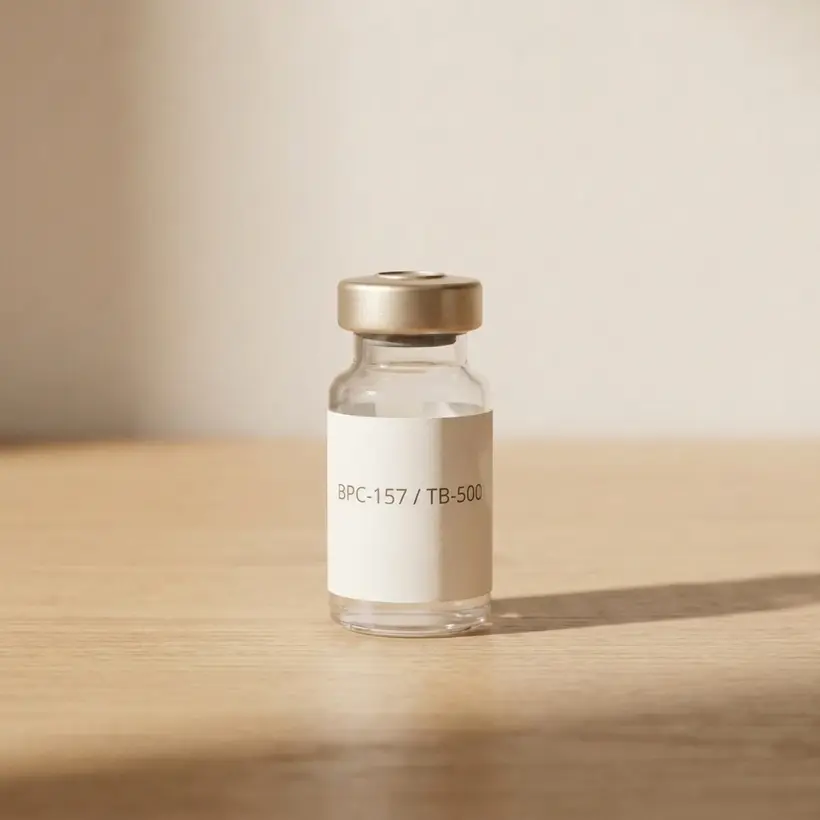
BPC-157 / TB-500 Blend
The ultimate recovery stack in one vial · From $249/mo · compounded by a licensed 503A pharmacy, dispensed only after provider review.
View BPC-157 / TB-500 Blend →- BPC-157: 250-500 mcg daily, subcutaneous (near surgical site if possible)
- TB-500: 2-2.5 mg twice weekly for weeks 1-4, then 2 mg weekly for weeks 5-8
- GHK-Cu: 200-400 mcg daily, subcutaneous. Topical GHK-Cu on incisions once they're closed.
- Best for: Major surgical procedures, orthopedic surgery, cosmetic surgery where scarring is a concern
Stack 2: BPC-157 + TB-500 (Standard Surgical Recovery)
The two-peptide core stack that delivers reliable healing support for most surgical recoveries. BPC-157 TB-500 stack protocol
- BPC-157: 250-500 mcg daily
- TB-500: 2 mg twice weekly (loading), then weekly
- Best for: Moderate surgical procedures, patients wanting a simpler protocol
Stack 3: BPC-157 + TB-500 + Sermorelin (Recovery + GH Improvement)
Adding growth hormone support creates an even more potent recovery environment. This stack is particularly beneficial for patients over 40, where declining GH levels may be limiting healing capacity.
- BPC-157: 250-500 mcg daily
- TB-500: 2 mg twice weekly (loading), then weekly
- Sermorelin: 200-300 mcg before bed
- Best for: Older patients, those with slow healing history, major orthopedic reconstruction
Timing: Before And After Surgery
When you start peptide therapy relative to your surgery matters. We generally recommend a pre-surgical preparation phase when the surgical schedule allows.
Pre-Surgery (If Time Allows)
- 2-4 weeks before surgery: Begin BPC-157 and consider starting a GH peptide to improve your body's repair infrastructure before the procedure.
- 48 hours before surgery: Discontinue peptides (or per your surgeon's instructions). Some surgeons may want a longer washout period. Always coordinate with your surgical team.
- Purpose: Pre-loading with BPC-157 can upregulate growth factor expression and improve blood supply to the surgical area before the procedure even begins.
Post-Surgery
- 24-72 hours after surgery: Resume BPC-157 once your surgeon clears you (typically within the first few days). Begin TB-500 loading phase.
- Week 1-2: Full protocol in place. BPC-157 daily, TB-500 twice weekly, GHK-Cu daily (injectable). Topical GHK-Cu once incisions are closed and sutures/staples are removed.
- Weeks 3-4: Continue full protocol. GH peptides (sermorelin or CJC-1295/ipamorelin) can be added once initial acute healing is stable.
- Weeks 5-12: Maintenance phase. TB-500 drops to weekly. Continue BPC-157 and GHK-Cu. Continue GH peptides.
Communication With Your Surgeon
Always inform your surgeon about any peptide therapy. Most surgeons are open to complementary therapies that support healing, but they need to know what their patients are using. Your FormBlends physician can communicate directly with your surgical team if needed.
Expected Results
Patients using post-surgical peptide protocols frequently report faster timelines compared to previous surgeries or compared to expectations set by their surgical team.
Week 1
Reduced swelling and inflammation at the surgical site. Pain may be somewhat lower than expected. Bruising may resolve faster. Some patients report that their surgeon comments on faster-than-expected initial healing.
Weeks 2-4
Incisions heal rapidly. Physical therapy milestones may be reached ahead of schedule. Range of motion and functional recovery progress faster. Pain medication requirements may decrease sooner than the standard timeline.
Weeks 4-8
Significant structural healing. For orthopedic surgeries, weight-bearing and movement milestones are often reached earlier. Cosmetic surgery patients see reduced scarring and better skin quality at incision sites. Return-to-activity timelines may be compressed.
Weeks 8-12
Advanced healing and remodeling. Scars continue to mature and flatten (GHK-Cu and TB-500 effects). Strength and functional capacity approach pre-surgical levels. Many patients report feeling recovered "weeks ahead of schedule."
Surgery-Specific Considerations
Different surgeries benefit from slight protocol adjustments.
Orthopedic Surgery (Joint Replacement, ACL Repair, Rotator Cuff)
Prioritize BPC-157 and TB-500 for tendon-to-bone healing. Add GH peptides for collagen synthesis. Inject BPC-157 subcutaneously near the surgical site when possible. Coordinate with your physical therapist for loading progression. joint recovery peptide stack
Cosmetic Surgery (Facelift, Abdominoplasty, Liposuction)
GHK-Cu is particularly important for cosmetic surgery recovery. Both injectable and topical forms help minimize scarring and improve skin quality at incision sites. GH improvement supports skin elasticity and healing.
Abdominal Surgery
BPC-157 is especially valuable for abdominal procedures due to its gastroprotective properties. It supports internal tissue healing and may help prevent adhesion formation. Oral BPC-157 can complement injectable protocols for GI surgery.
Dental and Oral Surgery
BPC-157 has documented effects on oral mucosal healing. It can be taken orally (capsule or liquid held in the mouth) to support healing after dental implants, extractions, or jaw surgery.
Safety Considerations
Post-surgical peptide use requires coordination with your surgical team and careful timing.
Side Effects
- Injection site reactions (choose sites away from the surgical wound)
- Mild nausea (uncommon)
- Water retention from GH peptides
- Lightheadedness
Precautions
- Don't inject directly into a surgical wound
- Wait for surgeon clearance before beginning or resuming peptides post-surgery
- Monitor for signs of infection at the surgical site (peptides promote healing but aren't antibiotics)
- If your surgery involves cancer removal, GH and angiogenesis-promoting peptides may be contraindicated. Discuss with your oncologist.
Contraindications
- Surgery for cancer (growth-promoting peptides may be inappropriate)
- Active infection at the surgical site
- Pregnancy or breastfeeding
- Uncontrolled bleeding disorders
Frequently Asked Questions
Can I start peptides if my surgery was months ago and I am still recovering slowly?
Yes. Peptide therapy can support healing even when started weeks or months after surgery. Late intervention helps with tissue remodeling, scar reduction, and resolving lingering inflammation. The sooner you start, the better, but it's never too late to support the healing process.
Will my surgeon know about these peptides?
We always encourage transparency with your entire medical team. Many surgeons are aware of peptide therapy and supportive of it. Your FormBlends physician can provide information to your surgeon and coordinate care. Keeping your surgical team informed ensures the safest and most effective recovery.
Can peptides replace physical therapy after surgery?
No. Peptides accelerate biological healing, but physical therapy provides the mechanical loading and movement patterns needed for functional recovery. The two are complementary, and the best outcomes come from using both. Peptide-enhanced healing may allow faster progression through PT milestones.
Are there peptides I should avoid before surgery?
Some peptides that affect blood clotting or blood pressure should be paused before surgery. Your FormBlends physician will provide specific guidance based on your protocol and surgical type. Always follow your surgeon's pre-operative instructions regarding supplements and medications.
How much faster will I recover with peptides?
Recovery timelines vary by individual and procedure. Many patients report reaching recovery milestones 2-4 weeks ahead of standard timelines. Some report even faster progress. Setting realistic expectations with your physician and surgeon is important.
Recover Faster With FormBlends
Surgery is stressful enough without a prolonged recovery. Peptide therapy gives your body the biological tools it needs to heal efficiently, reduce scarring, and return to your life faster. At FormBlends, our physicians design post-surgical peptide protocols in coordination with your surgical team, ensuring safe, effective, and improved recovery.
Schedule your consultation with a FormBlends physician today, ideally before your procedure, so we can build a recovery protocol that starts working for you from day one.
Ready when you are
BPC-157 / TB-500 Blend
The ultimate recovery stack in one vial · From $249/mo · compounded by a licensed 503A pharmacy, dispensed only after provider review.
View BPC-157 / TB-500 Blend →