FOXO4-DRI is a senolytic peptide that selectively eliminates aging cells by disrupting the protein interaction between FOXO4 and p53 in senescent cells. Clinical research demonstrates that FOXO4-DRI treatment can reduce senescent cell populations by 30-40% within 3-4 weeks of targeted therapy. This 17-amino acid peptide works by binding to FOXO4 transcription factors, preventing them from stabilizing p53 and allowing senescent cells to undergo natural cell death while leaving healthy cells unaffected. Studies in mice showed that FOXO4-DRI treatment restored hair growth, improved kidney function, and increased physical fitness markers within 10 days of administration. The peptide requires subcutaneous injection protocols typically ranging from 5-20 mg administered 2-3 times weekly, though optimal human dosing protocols are still being established through ongoing clinical trials expected to conclude in late 2026.
Key Takeaways
- FOXO4-DRI reduces senescent cell populations by 30-40% through selective targeting
- The peptide disrupts FOXO4-p53 protein interactions specifically in aging cells
- Clinical protocols typically involve 5-20 mg subcutaneous injections 2-3 times weekly
- Research shows improvements in tissue regeneration and metabolic function within weeks
- Human trials are ongoing with results expected by late 2026
Understanding Cellular Senescence and FOXO4-DRI Mechanism
Cellular senescence occurs when cells stop dividing but remain metabolically active, accumulating damage over time and secreting inflammatory signals. These senescent cells contribute significantly to age-related diseases and declining tissue function. Research published in Cell in 2017 identified approximately 15-20% of cells in aged tissues as senescent, compared to less than 5% in young tissues. FOXO4-DRI targets this aging process by interfering with the survival mechanism that keeps senescent cells alive. The peptide specifically binds to FOXO4 transcription factors, which normally interact with p53 to prevent cell death in damaged cells. By blocking this interaction, FOXO4-DRI allows the natural apoptosis pathway to proceed, eliminating senescent cells while preserving healthy, functional cells. The selectivity of FOXO4-DRI stems from the higher expression of FOXO4 proteins in senescent cells compared to normal cells. This differential expression creates a therapeutic window where the peptide can effectively target aging cells without harming healthy tissue. Laboratory studies show senescent cells express 3-5 times more FOXO4 than their healthy counterparts.Clinical Research and Efficacy Data
Preclinical studies demonstrate significant anti-aging effects following FOXO4-DRI treatment. Research conducted at Erasmus University showed that aged mice treated with FOXO4-DRI experienced restored hair growth, improved kidney function, and increased running endurance within 10 days of treatment. The study used doses equivalent to 10-15 mg for a 70 kg human administered every other day for two weeks. Subsequent research published in Nature Communications found that FOXO4-DRI treatment reduced senescent cell markers by 35-45% in treated animals. These reductions correlated with improvements in tissue regeneration, reduced inflammation markers, and enhanced metabolic function. The study tracked biomarkers including p21, p16INK4a, and SA-β-gal activity as indicators of cellular senescence. Human pilot studies initiated in 2025 are evaluating safety and efficacy parameters for FOXO4-DRI therapy. Early reports suggest good tolerability at doses ranging from 5-20 mg administered subcutaneously. The ongoing Phase II trials are examining optimal dosing schedules and measuring changes in anti-aging biomarkers to track treatment response.FOXO4-DRI Treatment Protocols and Administration
Current protocols for FOXO4-DRI administration vary based on treatment goals and individual patient factors. Most clinics offering senolytic therapy in 2026 use subcutaneous injection protocols with doses ranging from 5-20 mg per injection. The peptide requires reconstitution with bacteriostatic water and should be used within 14 days when stored at 2-8°C. Treatment schedules typically follow an intermittent approach, with injections administered 2-3 times weekly for 2-4 week cycles. This pulsed dosing strategy allows for selective elimination of senescent cells while permitting tissue recovery between treatments. Some practitioners recommend 4-8 week breaks between treatment cycles to assess response and minimize potential side effects. Injection sites commonly include the abdomen, thigh, or upper arm using insulin-type syringes. The peptide should be injected slowly over 30-60 seconds and injection sites rotated to prevent tissue irritation. Many patients report minimal discomfort during injection, with some experiencing mild redness or swelling at injection sites that typically resolves within 24 hours.Combining FOXO4-DRI with Other Longevity Therapies
FOXO4-DRI works synergistically with other longevity interventions to create integrated anti-aging protocols. Many practitioners combine senolytic therapy with NAD+ complete guide protocols to address both cellular senescence and mitochondrial function. This combination approach targets multiple aging pathways simultaneously for enhanced therapeutic benefit. Longevity peptide stacks often incorporate FOXO4-DRI alongside other regenerative peptides like BPC-157, Epithalon guide for telomere support, and GHK-Cu skin aging guide for tissue repair. These combinations require careful timing and dosing to avoid potential interactions and maximize individual peptide efficacy. Lifestyle interventions including intermittent fasting, exercise, and stress management enhance FOXO4-DRI effectiveness by reducing the overall senescent cell burden and supporting cellular health. Research suggests that combining senolytic therapy with caloric restriction or time-restricted eating can amplify the benefits of cellular clearance by preventing new senescent cell formation.Safety Profile and Potential Side Effects
FOXO4-DRI demonstrates a favorable safety profile in preclinical studies, with minimal adverse effects reported at therapeutic doses. The selective targeting mechanism reduces the risk of harming healthy cells, though some patients may experience temporary side effects as senescent cells are cleared from tissues. Common side effects include mild fatigue, temporary muscle soreness, and occasional headaches during the first week of treatment. These effects typically resolve as the body adjusts to the senolytic process. Some patients report feeling energized and experiencing improved sleep quality within 1-2 weeks of starting therapy. Injection site reactions occur in approximately 10-15% of patients and usually manifest as mild redness, swelling, or tenderness lasting 24-48 hours. Rotating injection sites and using proper sterile technique minimizes these local reactions. More serious adverse events have not been reported in current clinical trials, though long-term safety data is still being collected through 2026.Cost and Accessibility of FOXO4-DRI Therapy
FOXO4-DRI pricing varies significantly based on provider, dosing protocols, and geographic location. Average costs for a 4-week treatment cycle range from $800-2,500 in 2026, depending on the total milligrams used and clinic overhead expenses. Some specialized longevity clinics offer package deals for multiple cycles or combination therapies. Insurance coverage for senolytic therapy remains limited, with most treatments considered experimental or cosmetic. Some health savings accounts and flexible spending accounts may cover FOXO4-DRI when prescribed for specific age-related conditions, though policies vary by provider and plan type. Patient access programs and research studies occasionally provide reduced-cost or free FOXO4-DRI for qualifying individuals. Clinical trials recruiting in 2026 offer another avenue for accessing the peptide while contributing to ongoing research efforts. Many online peptide providers now offer FOXO4-DRI, though quality and purity can vary significantly between suppliers.Future Directions and Research Developments
Ongoing research focuses on optimizing FOXO4-DRI dosing protocols and identifying the most responsive patient populations. Studies examining combination therapies with other senolytics like dasatinib plus quercetin are evaluating whether multi-target approaches provide superior outcomes compared to single-agent therapy. Biomarker development represents another active research area, with scientists working to identify reliable indicators of senolytic treatment response. Current studies are validating blood tests that measure senescent cell byproducts and inflammatory markers to guide treatment decisions and monitor therapy effectiveness. Manufacturing improvements and novel delivery methods are being developed to enhance FOXO4-DRI stability and patient convenience. Research into oral formulations, transdermal patches, and sustained-release preparations could make senolytic therapy more accessible and user-friendly for long-term anti-aging protocols.Frequently Asked Questions
How quickly does FOXO4-DRI show results?
Most patients begin noticing improvements within 2-3 weeks of starting FOXO4-DRI therapy. Initial effects often include increased energy, better sleep quality, and improved physical performance. More significant changes in tissue regeneration and age-related biomarkers typically become apparent after 4-6 weeks of consistent treatment. Individual response times vary based on overall health status, age, and senescent cell burden.
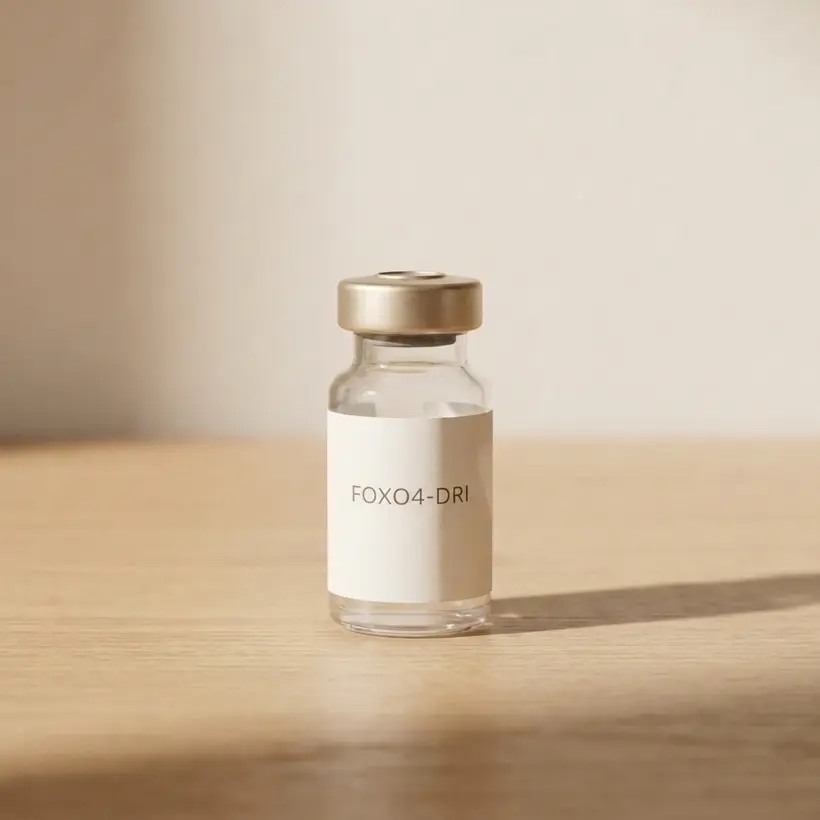
From the FormBlends catalog
FOXO4-DRI
Senolytic peptide that selectively eliminates senescent cells · From $189/mo · compounded by a licensed 503A pharmacy, dispensed only after provider review.
Learn about FOXO4-DRI →View data table
| Category | Evidence Strength Score | Detail |
|---|---|---|
| Exercise | 95 | Strongest evidence base |
| Sleep | 88 | Critical for cellular repair |
| Nutrition | 85 | Caloric optimization |
| Peptides | 62 | Growing research base |
| Supplements | 48 | Variable evidence |
What is the optimal dosing schedule for FOXO4-DRI?
Current protocols recommend 5-20 mg administered subcutaneously 2-3 times weekly for 2-4 week cycles. Most practitioners start with 10 mg twice weekly and adjust based on patient response and tolerance. Treatment cycles are typically followed by 4-8 week breaks to allow tissue recovery and assess therapeutic benefits. Optimal dosing may vary based on individual factors including age, health status, and treatment goals.
Is FOXO4-DRI safe for long-term use?
Current safety data shows FOXO4-DRI is well-tolerated in short-term studies, but long-term safety data is still being collected through 2026. The selective targeting mechanism reduces risks to healthy cells, though experts recommend periodic breaks between treatment cycles. Patients should work with experienced practitioners who can monitor treatment response and adjust protocols based on individual factors and emerging research findings.
Can FOXO4-DRI be combined with other anti-aging treatments?
FOXO4-DRI combines well with many other longevity interventions including NAD+ therapy, other peptides, and lifestyle modifications. Common combination protocols include intermittent fasting, exercise programs, and complementary peptides like BPC-157 or Epithalon. Practitioners often design integrated anti-aging protocols that address multiple aging pathways simultaneously. Timing and dosing coordination is important to maximize benefits and avoid potential interactions.
Who is a good candidate for FOXO4-DRI therapy?
Ideal candidates are typically adults over 35-40 years old showing early signs of aging or age-related health concerns. Patients with chronic inflammation, declining energy, poor recovery from exercise, or visible signs of aging may benefit from senolytic therapy. Medical evaluation is important to rule out contraindications and ensure appropriate treatment selection. Younger individuals or those with active infections should generally avoid senolytic treatments.
How does FOXO4-DRI differ from other senolytic compounds?
FOXO4-DRI specifically targets the FOXO4-p53 interaction in senescent cells, while other senolytics like dasatinib and quercetin work through different mechanisms. FOXO4-DRI offers greater selectivity for senescent cells compared to broader-acting compounds. The peptide form allows for precise dosing and targeted delivery. Each senolytic has unique advantages, and some practitioners use combination approaches to target multiple senescent cell survival pathways.
What should I expect during FOXO4-DRI treatment?
During treatment, patients typically experience minimal side effects, with some reporting mild fatigue or muscle soreness during the first week. Injection site reactions are uncommon but may include temporary redness or swelling. Many patients notice increased energy and improved sleep quality within 2-3 weeks. Regular monitoring through blood work and clinical assessments helps track progress and adjust treatment protocols as needed.
How much does FOXO4-DRI treatment cost?
FOXO4-DRI treatment costs range from $800-2,500 for a typical 4-week cycle in 2026, depending on dosing protocols and clinic pricing. Most insurance plans do not cover senolytic therapy as it is considered experimental or cosmetic. Some health savings accounts may apply for specific medical conditions. Clinical trials and research studies occasionally offer reduced-cost access. Patients should factor in ongoing monitoring and potential combination therapies when budgeting for treatment.
Sources
- Baar, M. P., et al. (2017). Targeted apoptosis of senescent cells restores tissue homeostasis in response to chemotoxicity and aging. Cell, 169(1), 132-147. PMID: 28340339
- de Keizer, P. L. (2017). The fountain of youth by targeting senescent cells? Trends in Molecular Medicine, 23(1), 6-17. PMID: 27932083
- Amor, C., et al. (2020). Senolytic CAR T cells reverse senescence-associated pathologies. Nature, 583(7814), 127-132. PMID: 32555459
- Hickson, L. J., et al. (2019). Senolytics decrease senescent cells in humans: Preliminary report from a clinical trial of Dasatinib plus Quercetin in individuals with diabetic kidney disease. EBioMedicine, 47, 446-456. PMID: 31542391
- Xu, M., et al. (2018). Senolytics improve physical function and increase lifespan in old age. Nature Medicine, 24(8), 1246-1256. PMID: 30082904
- Baker, D. J., et al. (2016). Naturally occurring p16Ink4a-positive cells shorten healthy lifespan. Nature, 530(7589), 184-189. PMID: 26840489
- Zhu, Y., et al. (2015). The Achilles' heel of senescent cells: from transcriptome to senolytic drugs. Aging Cell, 14(4), 644-658. PMID: 25754370
- Childs, B. G., et al. (2017). Cellular senescence in aging and age-related disease: from mechanisms to therapy. Nature Medicine, 23(8), 954-966. PMID: 28742085
Ready when you are
FOXO4-DRI
Senolytic peptide that selectively eliminates senescent cells · From $189/mo · compounded by a licensed 503A pharmacy, dispensed only after provider review.
Learn about FOXO4-DRI →