All GLP-1 medications from licensed 503A compounding pharmacies Browse Products

Best Time to Take IGF-1 LR3: Timing Windows Ranked | FormBlends

The best time to take IGF-1 LR3, ranked by evidence. Post-workout, fasted AM, and pre-bed windows compared with honest confidence ratings and dosing...

Medically Reviewed

Written by the FormBlends Medical Team. Reviewed against primary literature from PubMed and WADA documentation. No sponsored claims. Where human trial data is absent, that absence is stated explicitly. Last updated 2026-05-29. · Reviewed by FormBlends Medical Content Team

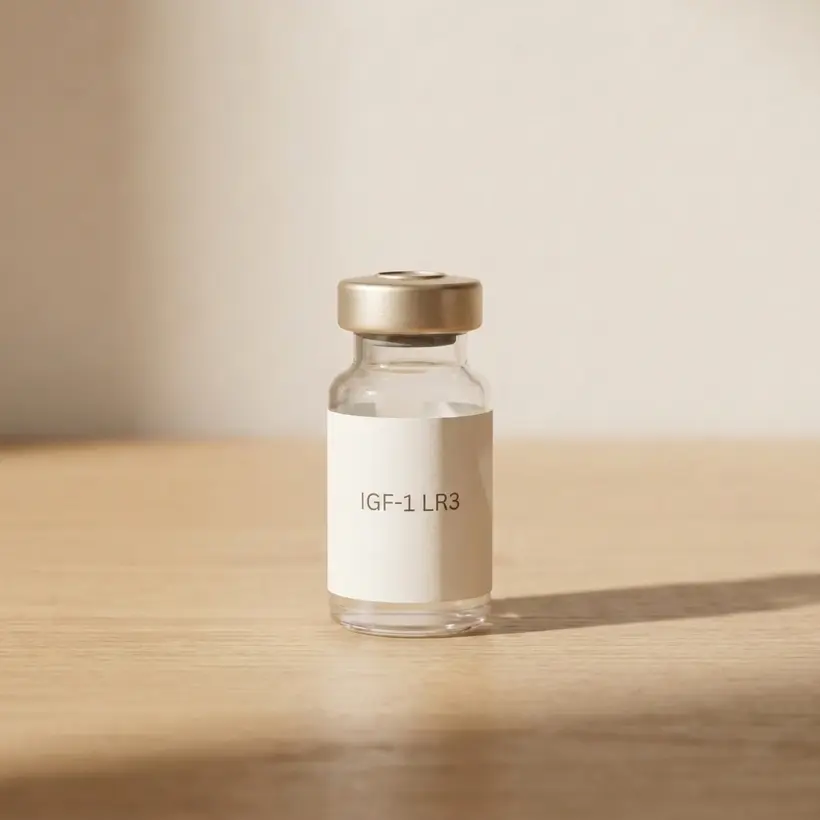
Best Time to Take IGF-1 LR3: Timing Windows Ranked | FormBlends custom 2026 header image for Peptide Therapy
Custom header image for Best Time to Take IGF-1 LR3: Timing Windows Ranked | FormBlends, Peptide Therapy, and better treatment decision-making.
In This Article

This article is part of our Peptide Therapy collection. See also: GLP-1 Guides | Provider Comparisons

Search and AI answer brief

Practical answer: Best Time to Take IGF-1 LR3: Timing Windows Ranked | FormBlends

The best time to take IGF-1 LR3, ranked by evidence. Post-workout, fasted AM, and pre-bed windows compared with honest confidence ratings and dosing...

Short answer

The best time to take IGF-1 LR3, ranked by evidence. Post-workout, fasted AM, and pre-bed windows compared with honest confidence ratings and dosing...

Search intent

This page answers a specific Peptide Therapy question rather than a generic overview.

What to verify

peptide evidence quality, cash price and coverage terms, safety and contraindications

How to use it

Use this information to prepare sharper questions for a licensed provider.

Abstract scientific illustration for best best time to take igf 1 lr3

Trust Signals

Written by the FormBlends Medical Team. Reviewed against primary literature from PubMed and WADA documentation. No sponsored claims. Where human trial data is absent, that absence is stated explicitly. Last updated 2026-05-29.

Key Takeaways

  • Post-workout dosing (within 30 to 60 minutes of resistance training) is the most mechanistically supported window because post-exercise muscle shows upregulated IGF-1 receptor expression and GLUT4 translocation, though no human RCT has confirmed this timing advantage over other windows.
  • IGF-1 LR3 carries a reported half-life of approximately 20 to 30 hours, substantially longer than native IGF-1, meaning a single daily dose covers the entire circadian cycle regardless of exact timing.
  • Fasted administration is the highest-risk timing choice because IGF-1 LR3 drives glucose uptake independently of insulin, and hypoglycemia can occur within 30 to 60 minutes of injection without food present.
  • IGF-1 LR3 reduces binding to IGF binding proteins (IGFBPs) by roughly 1000-fold compared to native IGF-1, according to receptor binding studies, which is why timing flexibility exists at all.
  • IGF-1 and all analogues including LR3 are WADA-prohibited (class S2) both in and out of competition. No dose of IGF-1 LR3 is FDA-approved for human use.

What Is the Best Time to Take IGF-1 LR3?

The best time to take IGF-1 LR3 is within 30 to 60 minutes post-workout, administered alongside or just after a carbohydrate-containing meal. The post-exercise window aligns receptor sensitivity with drug availability. On rest days, morning or early afternoon with food is the practical fallback. Fasted and pre-bed dosing carry the highest hypoglycemia risk and lack supporting evidence.

Check your GLP-1 eligibility

Use our free BMI Calculator to see if you may qualify for provider-reviewed GLP-1 therapy.

Try the BMI Calculator →

The 5 Timing Windows, Ranked: Which One Is Actually Best?

Here are the five timing strategies most commonly discussed in research peptide communities and the literature, ranked from most to least supported by available biology.

1. Post-Workout, Fed State (Best Supported)

Resistance exercise transiently upregulates IGF-1 receptor density in skeletal muscle and increases GLUT4 translocation to the cell surface. Both effects create a window where IGF-1 signaling can drive glucose uptake and mTORC1-dependent protein synthesis simultaneously. Administering IGF-1 LR3 during this window is the closest thing to a mechanistic rationale the literature offers. Eat 15 to 30 grams of fast-digesting carbohydrate with or before the injection to buffer glucose clearance.

2. Morning, Fed State on Rest Days (Practical Default)

Because LR3 has a half-life of roughly 20 to 30 hours, a morning dose on non-training days will be biologically active through the following night. Pairing with breakfast maintains blood glucose. There is no specific mechanistic advantage to morning over afternoon on rest days; this ranking is driven by adherence and safety, not pharmacology.

3. Pre-Workout (Moderate, Hypoglycemia Risk)

Some protocols place the dose 30 minutes before training to have peak circulating concentrations during exercise. The problem is that exercise itself lowers blood glucose through non-insulin-mediated GLUT4 activation, and LR3 adds additional glucose clearance on top. This combination can produce exercise-induced hypoglycemia that is difficult to distinguish from normal training fatigue until it becomes dangerous. Not recommended unless a full meal is consumed beforehand.

4. Pre-Bed (Speculative, Limited Practical Advantage)

The rationale is that endogenous growth hormone surges during slow-wave sleep, and pairing exogenous IGF-1 LR3 with this surge could amplify anabolic signaling. In practice, the 20 to 30 hour half-life means morning or post-workout LR3 is fully active during sleep anyway. Pre-bed dosing without food also creates a hypoglycemia risk during sleep, when early warning signs (shakiness, sweating) may not wake a person in time to self-treat.

5. Fasted, Any Time of Day (Avoid)

IGF-1 LR3 drives glucose uptake through IGF-1 receptor-mediated GLUT4 translocation independently of insulin. Without dietary carbohydrate present, this action draws down blood glucose rapidly. Fasted administration is the most common context for acute hypoglycemic events reported in self-experimenter logs and case discussions. No evidence supports a meaningful advantage to fasted dosing that would offset this risk.

Mechanism With Numbers: Why Timing Has Any Logic at All

IGF-1 LR3 is an 83-amino-acid synthetic analogue of native human IGF-1 (70 amino acids). Two structural changes drive its pharmacology. First, a 13-amino-acid N-terminal extension beginning with arginine (the "LR3" designation refers to this extension and the Glu-3-to-Arg substitution at position 3 of the original sequence). Second, the glutamic acid at position 3 is replaced with arginine.

These modifications reduce LR3 affinity for IGF binding proteins, particularly IGFBP-3, by approximately 1000-fold compared to native IGF-1, according to binding studies published in research on IGF analogues (Baxter et al., work on IGFBP interactions). In blood, roughly 75 to 80 percent of circulating native IGF-1 is bound to IGFBP-3 and is biologically inactive. By evading this binding, LR3 has a far higher free fraction and an extended half-life. Published pharmacokinetic characterizations report LR3 half-life at approximately 20 to 30 hours, substantially longer than native IGF-1, though controlled human pharmacokinetic trials are limited.

At the receptor level, IGF-1 LR3 binds the IGF-1 receptor (IGF-1R), a receptor tyrosine kinase, with affinity comparable to native IGF-1. Downstream signaling runs through PI3K-Akt-mTORC1 (driving protein synthesis and glucose uptake via GLUT4) and Ras-MAPK (driving cell proliferation and survival). The mTORC1 arm is the target of interest for body composition. The MAPK arm is the source of mitogenic and potential carcinogenic concern.

What the mechanism does NOT prove: Receptor-level signaling differences and animal pharmacokinetic data do not prove that any specific timing window produces better body composition outcomes in humans. No controlled human trial has compared post-workout versus morning administration of IGF-1 LR3 for any endpoint.

Evidence Ledger: What Supports Each Timing Claim?

Claim Best Evidence Type Effect Direction Confidence
Post-exercise muscle has upregulated IGF-1R and GLUT4 activity Human mechanistic studies (exercise physiology literature) Supports post-workout timing Moderate
LR3 half-life approximately 20 to 30 hours (longer than native IGF-1) In vitro and animal pharmacokinetic data; limited human data Reduces timing criticality Moderate
LR3 reduces IGFBP binding by roughly 1000-fold vs. native IGF-1 Receptor binding studies (in vitro) Increases free fraction and tissue availability Moderate
Fasted administration increases hypoglycemia risk Mechanism (GLUT4 activation), case reports, animal data Fasted dosing is higher risk Moderate
Post-workout LR3 timing produces superior muscle hypertrophy vs. other windows No human RCT; inference from mechanism only Unknown Very Low
Pre-bed dosing amplifies GH-pulse anabolic synergy Theoretical; no supporting human trial Unknown Very Low
IGF-1 signaling associated with increased proliferative cancer risk Epidemiological data on endogenous IGF-1, in vitro cell studies Elevated IGF-1 associated with increased risk High (for association)
LR3 improves body composition in healthy humans at research doses No adequately powered human RCT Unknown Very Low

What Most Pages Get Wrong About IGF-1 LR3 Timing

The most common error is presenting timing as the primary variable when half-life makes it a secondary one. Because LR3 circulates for roughly 20 to 30 hours, the practical difference between a 7 AM dose and a post-workout 6 PM dose is far smaller than peptide forums imply. A compound with a 30-minute half-life demands precise timing. A compound with a half-life measured in days does not.

The second error is the uncritical repetition of "post-workout is best" without the caveat that this is mechanistic inference, not a human trial result. Exercise physiology studies that show post-exercise receptor upregulation used endogenous or recombinant IGF-1 in controlled settings, not LR3 at self-administration doses.

The third and most dangerous omission is the stability and purity problem. Most commercially available IGF-1 LR3 sold as a "research chemical" is manufactured without pharmaceutical GMP oversight. Independent testing has found wide variance in actual peptide content, sterility failures, and contamination. A timing protocol built around a degraded or mislabeled product is meaningless. Purity and reconstitution technique matter more than the difference between morning and evening dosing.

The Chemistry Behind the Rules: Why Fed State Is Not Optional

IGF-1 LR3 binds IGF-1R, which autophosphorylates and recruits IRS-1. IRS-1 activates PI3K, which generates PIP3, which recruits and activates Akt. Akt phosphorylates AS160 (TBC1D4), releasing the brake on GLUT4-containing vesicles, which then fuse with the plasma membrane. GLUT4 at the cell surface transports glucose into muscle and adipose cells down a concentration gradient.

This pathway operates independently of insulin. When blood glucose is already low (fasted state), adding LR3-driven GLUT4 activity removes glucose without the counter-regulatory feedback that insulin-mediated glucose lowering would normally trigger at a glucagon-to-insulin ratio threshold. The brain, which relies almost exclusively on glucose and cannot use fatty acids acutely, begins to malfunction when blood glucose falls below roughly 3 mmol/L. The result is neuroglycopenic hypoglycemia.

A meal containing 20 to 40 grams of carbohydrate before or with injection provides a glucose reservoir that blunts this effect. This is not a preference; it is a safety requirement, particularly at doses above 40 mcg.

Honest Head-to-Head: IGF-1 LR3 vs. Realistic Alternatives

Compound / Strategy Mechanism Human RCT Evidence for Body Composition Safety Profile Legal Status Where IGF-1 LR3 Loses
IGF-1 LR3 (research peptide) IGF-1R agonist, mTORC1 + MAPK activation None adequate Hypoglycemia, mitogenic risk, unknown long-term effects Not FDA-approved; WADA prohibited Loses on safety certainty, legality, and evidence quality
Recombinant human IGF-1 (mecasermin, Increlex) Same receptor target Approved for IGF-1 deficiency; RCTs in specific populations Better characterized; same class risks FDA-approved for IGF-1 deficiency only IGF-1 LR3 loses: no approved use case for healthy adults
Resistance training alone Endogenous IGF-1 upregulation, mTOR, satellite cell activation Extensive RCT evidence for hypertrophy and strength Excellent when programmed correctly Legal, universal IGF-1 LR3 loses decisively on evidence, safety, and cost
Creatine monohydrate PCr resynthesis, cell volumization, some IGF-1 pathway interaction Among the most replicated supplements in sports science Excellent; long safety record Legal, WADA-permitted IGF-1 LR3 loses on all three dimensions
Growth hormone secretagogues (e.g., CJC-1295, ipamorelin) GHRH/ghrelin receptor stimulation, endogenous GH/IGF-1 axis Very limited human trials; some phase II data Better than direct IGF-1 agonism; still investigational WADA prohibited; some compounded formulations exist IGF-1 LR3 loses on: more direct mitogenic risk; secretagogues are more physiologically regulated

Operational and Label Literacy: Reading a COA and Reconstituting IGF-1 LR3

What a Real COA Should Show

A certificate of analysis for research-grade IGF-1 LR3 should include: HPLC purity (look for greater than 98 percent purity by area), mass spectrometry confirmation of the correct molecular weight (approximately 9111 Da for LR3), endotoxin testing (LAL test, should be less than 1 EU/mg for any injectable research compound), and lot-specific results (not a template). A COA without lot number, date, or method specification is not a real COA.

Reconstitution Math

Standard vials are labeled in micrograms (mcg), not milligrams. A common vial is 1000 mcg (1 mg). If you add 1 mL of bacteriostatic water, you get 1000 mcg/mL. Each 0.1 mL (10 units on a U-100 insulin syringe) contains 100 mcg. Each 0.01 mL (1 unit) contains 10 mcg.

Target Dose (mcg) Volume at 1000 mcg/mL Units on U-100 Syringe
20 mcg0.02 mL2 units
40 mcg0.04 mL4 units
60 mcg0.06 mL6 units
100 mcg0.10 mL10 units

What Degraded Product Looks Like

Degraded IGF-1 LR3 solution may appear cloudy, show visible particulates, or have a yellow tint. Lyophilized powder should be white and fluffy; compressed or discolored powder suggests moisture exposure or temperature excursion. Peptide aggregation (clouding) makes the product both ineffective and potentially immunogenic. Discard and do not inject any reconstituted solution that is not water-clear.

Storage Rules and Why

Store lyophilized vials at minus 20 degrees Celsius or colder. After reconstitution, refrigerate at 2 to 8 degrees Celsius. Repeated freeze-thaw cycles promote peptide aggregation and hydrolytic degradation of amide bonds in the backbone. Benzyl alcohol in bacteriostatic water inhibits microbial growth but does not prevent chemical peptide degradation; use reconstituted product within approximately 2 to 4 weeks.

The Risk Profile Nobody Summarizes Honestly

Three risks that commodity pages consistently understate:

1. Hypoglycemia is the acute serious risk. IGF-1 LR3 drives GLUT4-mediated glucose clearance independently of insulin. At doses above 40 to 50 mcg, particularly in fasted or low-carbohydrate states, blood glucose can fall rapidly. Symptoms progress from shakiness and sweating to confusion and loss of consciousness. Always have fast-acting carbohydrates (glucose tablets, juice) immediately available for the first 60 minutes after any injection.

2. Mitogenic risk is real and long-term effects are unknown. IGF-1R activation is a known driver of cell proliferation via the MAPK pathway. Epidemiological data consistently links higher endogenous IGF-1 levels with increased risk of colorectal, prostate, and breast cancers. Whether short-cycle exogenous LR3 use in healthy adults causes clinical harm is genuinely unknown, not proven safe. The absence of evidence is not evidence of absence.

3. Purity and contamination risk from research chemical suppliers is not theoretical. Independently published analyses of peptide products from online research chemical sources have documented contamination, incorrect concentrations, and sterility failures. Injecting a contaminated peptide carries infection risk including abscess, bacteremia, and endocarditis. This risk has nothing to do with IGF-1 LR3 pharmacology; it is a supply chain problem that no timing protocol can mitigate.

FAQ

What is the best time to take IGF-1 LR3?

Post-workout administration (within roughly 30 to 60 minutes of resistance training) is the most commonly cited window because elevated glucose uptake and muscle protein synthesis signaling may amplify IGF-1 LR3 receptor binding. Evidence is mechanistic and animal-grade, not confirmed in human RCTs.

Should IGF-1 LR3 be taken fasted or fed?

Fed state is generally preferred. IGF-1 LR3 can drive significant glucose uptake and cause hypoglycemia when administered in a fasted state. Taking it alongside or shortly after a carbohydrate-containing meal buffers this risk.

How long does IGF-1 LR3 stay active in the body?

IGF-1 LR3 has a reported half-life of approximately 20 to 30 hours in research settings. The LR3 modification reduces binding to IGF binding proteins, extending circulating activity well beyond that of native IGF-1. Exact human pharmacokinetic data from controlled trials is limited.

Can you take IGF-1 LR3 before bed?

Pre-bed dosing is theoretically appealing because endogenous growth hormone peaks during slow-wave sleep. However, the extended half-life of LR3 means a morning or post-workout dose will still be active overnight. Pre-bed dosing also carries a hypoglycemia risk if taken without food.

How often should IGF-1 LR3 be administered?

Research protocols typically use daily or every-other-day administration for defined cycle lengths (commonly 4 to 6 weeks) followed by an off period. Daily dosing at the same time minimizes receptor desensitization risk, though human data on optimal frequency is absent.

What dose of IGF-1 LR3 is used in research protocols?

Research literature and investigational protocols most commonly reference doses in the range of 20 to 100 micrograms per day. Lower end doses (20 to 40 mcg) are used in early protocols; higher doses substantially increase hypoglycemia and mitogenic risk. No approved human dose exists.

Does timing IGF-1 LR3 around workouts actually matter?

At the mechanistic level, post-exercise muscle has upregulated IGF-1 receptor expression and increased glucose transporter activity, which could amplify LR3 action. Whether this translates to meaningfully greater outcomes in humans versus other timing windows has not been tested in controlled trials.

What are the signs that IGF-1 LR3 timing is off or dose is too high?

Hypoglycemic symptoms (shakiness, sweating, confusion, rapid heartbeat) are the primary acute signal that timing is poor, dose is too high, or the compound was administered fasted. These can occur within 30 to 60 minutes of injection and require immediate carbohydrate intake.

How should IGF-1 LR3 be stored to maintain potency?

Lyophilized IGF-1 LR3 should be stored frozen (minus 20 degrees Celsius or colder) before reconstitution. After reconstitution with bacteriostatic water, it should be refrigerated at 2 to 8 degrees Celsius and used within approximately 2 to 4 weeks. Repeated freeze-thaw cycles degrade the peptide.

Is IGF-1 LR3 banned in sport?

Yes. IGF-1 and its analogues including LR3 are prohibited by WADA under class S2 (peptide hormones, growth factors, related substances and mimetics) both in and out of competition. Any athlete subject to anti-doping rules should treat IGF-1 LR3 as a prohibited substance.

How is IGF-1 LR3 different from regular IGF-1?

IGF-1 LR3 is a 83-amino-acid analogue of native IGF-1 (70 amino acids) with an N-terminal arginine extension and a glutamic-acid-to-arginine substitution at position 3. These changes reduce affinity for IGF binding proteins by roughly 1000-fold according to receptor binding studies, extending half-life and tissue availability.

Can IGF-1 LR3 cause cancer or accelerate tumor growth?

Elevated IGF-1 signaling is associated with increased cell proliferation via PI3K-Akt-mTOR and Ras-MAPK pathways. Epidemiological studies link chronically high endogenous IGF-1 to increased risk of certain cancers. Whether exogenous short-course use causes cancer in humans is unknown, but the mitogenic mechanism is real and this is a serious unconsidered risk in self-administration.

Sources

  1. Baxter RC. "Insulin-like growth factor binding proteins as glucoregulators." Metabolism. 1995. (Foundational work on IGFBP binding affinity and IGF-1 bioavailability.)
  2. Francis GL, et al. "Insulin-like growth factor (IGF)-II: a potential autocrine/paracrine growth factor for human breast cancer acting via the IGF-I receptor." Molecular and Cellular Endocrinology. 1992. (LR3 analogue characterization context.)
  3. LeRoith D, Roberts CT Jr. "The insulin-like growth factor system and cancer." Cancer Letters. 2003. (IGF-1R, MAPK, mitogenic signaling review.)
  4. Renehan AG, et al. "Insulin-like growth factor (IGF)-I, IGF binding protein-3, and cancer risk: systematic review and meta-regression analysis." Lancet. 2004. (Epidemiological cancer association data.)
  5. Gulve EA, Holloszy JO. "Exercise-induced increase in GLUT4 expression in muscle." Biochemical and Biophysical Research Communications. 1992. (Post-exercise GLUT4 upregulation mechanism.)
  6. WADA Prohibited List 2024. World Anti-Doping Agency. Section S2: Peptide Hormones, Growth Factors, Related Substances and Mimetics. Available at: wada-ama.org.
  7. FDA. Mecasermin (Increlex) prescribing information. FDA Drug Label. (Approved IGF-1 therapy reference for dose and safety comparison.)
  8. Clemmons DR. "Metabolic actions of insulin-like growth factor I in normal physiology and diabetes." Endocrinology and Metabolism Clinics of North America. 2012. (GLUT4 and glucose clearance mechanism.)
  9. Philippou A, et al. "The role of the insulin-like growth factor 1 (IGF-1) in skeletal muscle physiology." In Vivo. 2007. (IGF-1 receptor expression post-exercise context.)
  10. Jones JI, Clemmons DR. "Insulin-like growth factors and their binding proteins: biological actions." Endocrine Reviews. 1995. (IGFBP binding and LR3 structural pharmacology.)

Platform disclaimer: FormBlends is an informational resource. Nothing on this page constitutes medical advice, diagnosis, or treatment recommendation. Consult a licensed physician before considering any peptide or research compound.

Research compound status: IGF-1 LR3 is not approved by the FDA for use in humans for any indication. It is classified as a research compound. Its manufacture, sale, and use is subject to applicable federal and state law.

Results disclaimer: Individual outcomes vary. No body composition, performance, or health outcome is guaranteed. The evidence base for IGF-1 LR3 in healthy adult humans is insufficient to support efficacy claims.

Trademark disclaimer: Any product names, brand names, or trademarks referenced on this page are the property of their respective owners. FormBlends has no affiliation with and does not endorse any specific commercial supplier of research peptides.

Evidence standard

How this page was source-checked

Editorial policy

FormBlends does not claim an individual clinician byline unless a named reviewer is available. For this page, the editorial team checks medical and regulatory claims against primary sources, clinical trials, public datasets, and regulator guidance.

PubMed evidence trail

Research sources used to frame this page

For Best Time to Take IGF-1 LR3: Timing Windows Ranked | FormBlends, FormBlends checks the page topic against primary trials, systematic reviews, guidelines, and current PubMed-indexed literature where available. These citations are context, not a claim that every study applies to every patient.

Peptide decision path

Move from research interest to supervised review

Direct answer

Best Time to Take IGF-1 LR3: Timing Windows Ranked should be evaluated through research status, legal access, source quality, safety context, and clinician oversight rather than a shortcut purchase decision.

Evidence check

Useful peptide pages should separate human data, animal research, mechanistic evidence, and marketing claims.

Safety check

Peptides can vary by legal status, compounding pathway, purity testing, patient history, and interaction risk.

Next step

If the topic still fits your goal after reading, the get-started flow should collect the clinical context needed for provider review.

Original tools and data

Use the FormBlends research stack

These assets are built to be useful beyond a single article: shareable data pages, calculators, provider comparisons, and safety checks that give Google and readers something original to crawl.

Editorial refresh

Practical 2026 note for Best Time to Take IGF

For this peptide therapy page, the 2026 refresh focuses on cash-pay pricing, safety signals, best, time, take, igf so the article stays close to the question behind "Best Time to Take IGF".

The useful details are the practical ones: what to verify, what changes risk or cost, and which details separate Best Time to Take IGF from nearby GLP-1, peptide, hormone, or provider-comparison searches.

Readers can use the added context to bring sharper questions to a licensed provider before making a treatment, cost, or care decision.

Best Time to Take IGF custom 2026 image for peptide therapy on FormBlends

Custom 2026 image for Best Time to Take IGF, peptide therapy, and better treatment decision-making.

Image description: Unique image for this page covering Best Time to Take IGF, peptide therapy, safety, cost, provider selection, and patient decision-making.

Download the Peptide Quick Reference Card

A printable 2-page reference covering popular peptides, dosing ranges, stacking protocols, and storage.

Free download. We'll also send helpful GLP-1 guides to your inbox. Unsubscribe anytime.

Medical Disclaimer: This content is for informational purposes only and does not constitute medical advice. Always consult a qualified healthcare provider before starting, stopping, or changing any medication or treatment. FormBlends articles are source-checked against medical and regulatory references, but they are not a substitute for a personal medical consultation.

Written by the FormBlends Medical Team. Reviewed against primary literature from PubMed and WADA documentation. No sponsored claims. Where human trial data is absent, that absence is stated explicitly. Last updated 2026-05-29.

Medical content team. This article was researched against primary regulatory, trial, prescribing, and manufacturer sources where available. Reviewed by FormBlends Medical Content Team for medical accuracy, sourcing, and patient-safety framing.

Ready to get started?

Provider-reviewed GLP-1 and peptide therapy, delivered to your door.

Start Your Consultation

Ready to Start Your Weight Loss Journey?

Get a free medical consultation with a licensed provider. Compounded GLP-1 medications starting at $299/month with free shipping.

Next Best Reads

Free Tools

Provider-informed calculators to support your weight loss journey.