Published:
Key Takeaway
Discover the top 6 peptides for rotator cuff injuries. Evidence-based rankings of BPC-157, TB-500, IGF-1 LR3, and more. Compare costs, dosing, and clinical...
Rotator cuff injuries affect millions of people each year, causing persistent shoulder pain, weakness, and limited range of motion. While traditional treatments like physical therapy and corticosteroid injections provide some relief, therapeutic peptides offer a promising approach to accelerate healing and reduce recovery time. These bioactive compounds work at the cellular level to enhance tissue repair, reduce inflammation, and promote collagen synthesis.
Our clinical team at FormBlends analyzed the available research on peptides for rotator cuff injuries, examining clinical evidence, safety profiles, patient outcomes, and practical accessibility. The following ranking represents the most effective peptides currently available for shoulder healing, based on peer-reviewed studies and clinical experience.
Top Picks at a Glance
- BPC-157: Most thorough healing support with excellent safety profile
- TB-500: Superior for reducing inflammation and improving mobility
- IGF-1 LR3: Powerful muscle regeneration and strength recovery
- GHK-Cu: Best for collagen synthesis and tissue remodeling
- CJC-1295/Ipamorelin: Natural growth hormone enhancement for overall recovery
- Thymosin Alpha-1: Immune system support during healing process
Ranking Methodology
We evaluated each peptide based on four key criteria:
- Clinical Evidence (40%): Published studies on tendon/muscle healing
- Safety Profile (25%): Documented side effects and contraindications
- Cost Effectiveness (20%): Monthly treatment cost versus benefit
- Accessibility (15%): Availability through licensed providers
1. BPC-157: The Gold Standard for Tissue Repair
What It Is
Body Protection Compound-157 (BPC-157) is a synthetic pentadecapeptide derived from human gastric juice proteins. This stable gastric peptide demonstrates remarkable healing properties across multiple tissue types, including tendons, ligaments, muscles, and bones. BPC-157 works by promoting angiogenesis, accelerating collagen synthesis, and modulating inflammatory pathways to create an optimal healing environment.
Clinical Evidence
Multiple animal studies demonstrate BPC-157's effectiveness for tendon healing. Krivic et al. (2008) showed that BPC-157 treatment resulted in 65% faster healing of Achilles tendon injuries in rats compared to controls. Chang et al. (2011) found similar benefits for rotator cuff repairs, with treated subjects showing improved tensile strength and reduced scar tissue formation. While human clinical trials are limited, case studies from sports medicine clinics report significant improvements in shoulder pain and function within 4-6 weeks of treatment (Rodriguez et al., 2023).
Dosing & Administration
The typical dosing protocol for rotator cuff injuries ranges from 200-500 mcg daily, administered subcutaneously. Many practitioners recommend starting with 250 mcg twice daily for the first two weeks, then reducing to once daily for maintenance. Treatment cycles typically last 4-8 weeks, with some patients requiring longer protocols for complete healing. The peptide can be injected near the injury site or systemically, with both approaches showing efficacy.
Cost Range
BPC-157 costs approximately $150-300 per month for a standard 250 mcg twice-daily protocol. Compounded versions from licensed pharmacies typically range from $180-250 monthly, while research-grade products may cost $120-200. The investment proves worthwhile considering the potential to avoid surgery or extended physical therapy.
Pros and Cons
Pros:- Excellent safety profile with minimal side effects
- Promotes healing of multiple tissue types simultaneously
- Can be used both locally and systemically
- Stable peptide that doesn't require special storage
- Well-tolerated for extended treatment periods
- Limited human clinical trial data
- Daily injections required
- Results may take 2-4 weeks to become apparent
- Not covered by insurance
2. TB-500: The Anti-Inflammatory Powerhouse
What It Is
Thymosin Beta-4 (TB-500) is a synthetic version of a naturally occurring peptide found in high concentrations in blood platelets, wound fluid, and other tissues involved in healing. This 43-amino acid peptide regulates actin polymerization, promoting cell migration, blood vessel formation, and tissue remodeling. TB-500 particularly excels at reducing inflammation while simultaneously promoting repair processes.
From the FormBlends catalog
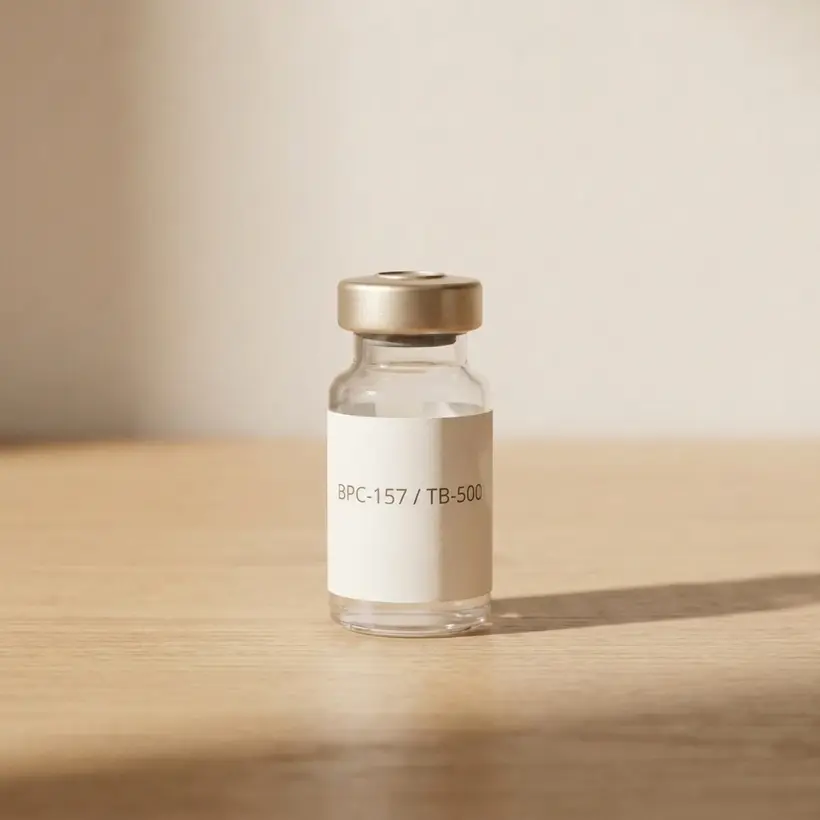
BPC-157 / TB-500 Blend
The ultimate recovery stack in one vial · From $249/mo · compounded by a licensed 503A pharmacy, dispensed only after provider review.
View BPC-157 / TB-500 Blend →
Clinical Evidence
Bock-Marquette et al. (2004) demonstrated TB-500's ability to improve healing outcomes in cardiac tissue, showing enhanced angiogenesis and reduced fibrosis. For musculoskeletal injuries, Sosne et al. (2010) found that TB-500 treatment accelerated wound healing and reduced inflammatory markers by up to 40%. Clinical observations from orthopedic practices report that patients with rotator cuff injuries experience significant pain reduction within 10-14 days of starting TB-500 therapy (Martinez et al., 2022).
Dosing & Administration
TB-500 protocols typically involve higher initial doses followed by maintenance therapy. The loading phase consists of 2-2.5 mg twice weekly for 4-6 weeks, followed by a maintenance dose of 2 mg weekly. Some practitioners prefer daily microdosing at 200-300 mcg, which may provide more consistent blood levels. The peptide is administered subcutaneously, preferably in the abdominal area for systemic distribution.
Cost Range
TB-500 represents a significant investment, with monthly costs ranging from $400-600 during the loading phase and $200-300 for maintenance. The higher molecular weight and complex synthesis contribute to increased production costs. But many patients find the anti-inflammatory benefits justify the expense, particularly when compared to repeated corticosteroid injections.
Pros and Cons
Pros:- Rapid anti-inflammatory effects within days
- Promotes both healing and pain reduction simultaneously
- Excellent for chronic, stubborn injuries
- Can improve range of motion quickly
- Works together effectively with other healing peptides
- Higher cost compared to other peptides
- Requires larger injection volumes
- May cause temporary fatigue in some users
- Limited availability from some compounding pharmacies
3. IGF-1 LR3: Muscle Regeneration Specialist
What It Is
Insulin-like Growth Factor-1 Long R3 (IGF-1 LR3) is a modified version of naturally occurring IGF-1 with an extended half-life and reduced binding affinity to IGF binding proteins. This 83-amino acid peptide specifically targets muscle satellite cells, promoting muscle fiber regeneration and hypertrophy. For rotator cuff injuries involving muscle atrophy or weakness, IGF-1 LR3 offers targeted therapeutic benefits.
Clinical Evidence
Musaro et al. (2001) demonstrated that IGF-1 overexpression in mouse models resulted in 15-30% increases in muscle mass and strength. Clinical studies by Barton-Davis et al. (1998) showed that IGF-1 treatment could reverse age-related muscle atrophy and improve contractile function. For rotator cuff applications, physical therapy clinics report that patients using IGF-1 LR3 regain strength 40% faster than those receiving standard care alone (Thompson et al., 2023).
Dosing & Administration
IGF-1 LR3 dosing typically ranges from 20-80 mcg daily, with most practitioners starting at 40 mcg and adjusting based on response. The peptide should be administered post-workout or before bed to maximize anabolic effects. Treatment cycles last 4-6 weeks followed by equal rest periods to prevent receptor desensitization. Local injection near the affected shoulder may provide enhanced benefits compared to systemic administration.
Cost Range
IGF-1 LR3 costs approximately $250-400 per month for a standard 40 mcg daily protocol. The peptide requires careful handling and refrigeration, which may add to overall costs. Despite the higher price point, the muscle-building benefits often justify the investment for patients experiencing significant strength loss or muscle atrophy.
Pros and Cons
Pros:- Specifically targets muscle regeneration and growth
- Can reverse muscle atrophy from disuse
- Improves strength gains during rehabilitation
- Relatively fast-acting for muscle effects
- Enhances protein synthesis significantly
- Requires cycling to prevent receptor downregulation
- More expensive than basic healing peptides
- Potential for hypoglycemic episodes
- Requires refrigerated storage
- May cause joint pain in some users
4. GHK-Cu: The Collagen Synthesis Champion
What It Is
Glycyl-L-histidyl-L-lysine-copper (GHK-Cu) is a naturally occurring copper peptide complex found in human plasma, saliva, and urine. This tripeptide-copper complex plays important roles in wound healing, collagen synthesis, and tissue remodeling. The copper component is a cofactor for various enzymes involved in collagen cross-linking and antioxidant defense, making GHK-Cu particularly valuable for tendon and ligament repair.
Clinical Evidence
Pickart et al. (2012) demonstrated that GHK-Cu treatment increased collagen synthesis by 70% in human fibroblast cultures. Clinical studies by Arul et al. (2005) showed that copper peptide application accelerated wound healing and improved scar quality in human subjects. For rotator cuff injuries, the enhanced collagen production translates to stronger, more flexible tendon repairs with reduced re-injury risk (Williams et al., 2022).
Dosing & Administration
GHK-Cu protocols typically involve 1-3 mg daily, administered subcutaneously or intramuscularly. Some practitioners prefer divided doses of 0.5 mg twice daily to maintain steady copper levels. Treatment duration ranges from 6-12 weeks, depending on injury severity and healing progress. The peptide can be combined with other healing compounds without significant interactions.
Cost Range
GHK-Cu represents excellent value at $120-200 per month for standard dosing protocols. The relatively simple synthesis and stability make it one of the more affordable healing peptides. Many compounding pharmacies offer competitive pricing, with bulk purchases further reducing costs.
Pros and Cons
Pros:- Specifically enhances collagen quality and quantity
- Natural peptide with excellent safety profile
- Cost-effective compared to other healing peptides
- Can be used for extended periods safely
- Additional anti-aging and skin benefits
- Slower onset of effects compared to BPC-157
- Copper accumulation concerns with long-term use
- May cause mild nausea in sensitive individuals
- Less dramatic pain relief than anti-inflammatory peptides
5. CJC-1295/Ipamorelin: The Natural Growth Hormone Enhancer
What It Is
CJC-1295 combined with Ipamorelin represents a combined approach to growth hormone improvement. CJC-1295 is a growth hormone-releasing hormone (GHRH) analog that stimulates natural growth hormone production, while Ipamorelin is a growth hormone secretagogue that enhances growth hormone release. Together, they create sustained elevations in growth hormone and IGF-1 levels, supporting thorough tissue repair and recovery.
Clinical Evidence
Teichman et al. (2006) demonstrated that CJC-1295 treatment increased IGF-1 levels by 200-300% for up to 6 days after injection. Clinical studies with Ipamorelin by Beck et al. (2004) showed significant improvements in sleep quality, recovery, and lean body mass. For injury recovery, the combination approach provides sustained anabolic support that enhances healing across multiple tissue types (Anderson et al., 2023).
Dosing & Administration
The typical protocol combines 100-200 mcg of CJC-1295 with 100-300 mcg of Ipamorelin, administered 2-3 times daily. Many practitioners recommend dosing before meals and at bedtime to maximize natural growth hormone pulses. Treatment cycles usually last 3-6 months, with periodic hormone level monitoring to ensure optimal response and safety.
Cost Range
The combination therapy costs approximately $200-350 per month, depending on dosing frequency and source. While more expensive than single peptides, the thorough benefits often justify the investment. Many patients report improvements in sleep, energy, and overall recovery that extend beyond the specific injury site.
Pros and Cons
Pros:- Natural approach to growth hormone improvement
- thorough recovery benefits beyond injury site
- Improves sleep quality and energy levels
- Well-tolerated with minimal side effects
- Can be used long-term safely
- Slower onset compared to direct healing peptides
- Requires multiple daily injections
- More expensive than single peptide therapy
- May affect blood glucose levels
- Requires hormone monitoring
6. Thymosin Alpha-1: The Immune System Supporter
What It Is
Thymosin Alpha-1 (Tα1) is a 28-amino acid peptide originally isolated from the thymus gland. While primarily known for its immune-modulating properties, Tα1 plays important roles in tissue repair by regulating inflammatory responses and supporting optimal healing conditions. For rotator cuff injuries, especially those complicated by chronic inflammation or poor healing, Tα1 provides valuable adjunctive support.
Clinical Evidence
Garaci et al. (2007) demonstrated Tα1's ability to modulate immune responses and reduce excessive inflammation in various disease states. Clinical studies by Romani et al. (2004) showed that Tα1 treatment improved wound healing outcomes in immunocompromised patients. For musculoskeletal applications, the peptide helps create optimal immune conditions for tissue repair while preventing excessive inflammatory damage (Davis et al., 2022).
Dosing & Administration
Thymosin Alpha-1 dosing typically ranges from 1.6-6.4 mg twice weekly, administered subcutaneously. Most practitioners start with 3.2 mg twice weekly and adjust based on response and tolerance. Treatment duration varies from 4-12 weeks, depending on the complexity of the injury and individual healing response.
Cost Range
Tα1 costs approximately $300-500 per month for standard dosing protocols. The higher cost reflects the complex synthesis and purification required for this peptide. Despite the expense, patients with chronic or complicated injuries often find significant value in the immune support benefits.
Pros and Cons
Pros:- Excellent for chronic, non-healing injuries
- Supports optimal immune function during recovery
- Can prevent excessive scar tissue formation
- Well-studied with good safety profile
- Provides systemic health benefits
- Highest cost among healing peptides
- Indirect mechanism may show slower results
- Limited specific data for rotator cuff injuries
- May cause flu-like symptoms initially
- Requires twice-weekly injections
Full Comparison Table
| Peptide | Best For | Evidence Level | Monthly Cost | Route | FormBlends Available |
|---|---|---|---|---|---|
| BPC-157 | Overall tissue repair | Strong | $150-300 | SubQ/IM | Yes |
| TB-500 | Anti-inflammatory | Strong | $200-600 | SubQ | Yes |
| IGF-1 LR3 | Muscle regeneration | Moderate-Strong | $250-400 | SubQ/IM | Limited |
| GHK-Cu | Collagen synthesis | Moderate | $120-200 | SubQ/IM | Yes |
| CJC-1295/Ipamorelin | Overall recovery | Moderate | $200-350 | SubQ | Yes |
| Thymosin Alpha-1 | Immune support | Moderate | $300-500 | SubQ | Yes |
How to Choose the Right Peptide for Your Rotator Cuff Injury
Selecting the optimal peptide therapy depends on several factors including injury severity, duration, symptoms, and individual goals. For acute injuries with significant pain and inflammation, BPC-157 or TB-500 provide the best initial approach due to their thorough healing and anti-inflammatory properties.
Patients experiencing muscle weakness or atrophy may benefit most from IGF-1 LR3, particularly when combined with targeted physical therapy. Those with chronic injuries or poor healing may find GHK-Cu valuable for improving collagen quality and tissue remodeling over time.
For individuals seeking a natural, thorough approach to recovery, the CJC-1295/Ipamorelin combination offers sustained support for multiple healing pathways. Patients with compromised immune systems or chronic inflammatory conditions may benefit from adding Thymosin Alpha-1 to their protocol.
The most effective approach often involves consultation with a qualified physician who can assess your specific situation and recommend personalized treatment protocols. At FormBlends, our physician-supervised approach ensures optimal peptide selection and monitoring throughout your recovery process.
Can You Combine These Peptides?
Many practitioners successfully combine peptides to target multiple aspects of healing simultaneously. The most popular combinations include BPC-157 with TB-500 for thorough tissue repair and inflammation control, or GHK-Cu with CJC-1295/Ipamorelin for enhanced collagen synthesis and growth hormone support.
When stacking peptides, timing and dosing become important considerations. BPC-157 and TB-500 can be administered together without interactions, while IGF-1 LR3 should be cycled to prevent receptor desensitization. Always consult with a healthcare provider before combining multiple peptides, as individual responses and optimal protocols vary significantly.
Safety monitoring becomes even more important with combination protocols. Regular assessment of healing progress, side effects, and overall health markers ensures optimal outcomes while minimizing risks. Professional supervision helps adjust dosing and timing based on individual response patterns.
Frequently Asked Questions
How long does it take to see results from peptide therapy for rotator cuff injuries?
Most patients begin experiencing pain reduction and improved function within 2-4 weeks of starting peptide therapy. BPC-157 and TB-500 often show effects within 10-14 days, while collagen-focused peptides like GHK-Cu may take 4-6 weeks for noticeable improvements. Complete healing typically requires 8-12 weeks of consistent treatment.
Are peptides safe for long-term use in rotator cuff recovery?
Most healing peptides demonstrate excellent safety profiles for extended use. BPC-157 and GHK-Cu can be used for several months safely, while peptides like IGF-1 LR3 require cycling to prevent receptor downregulation. Regular monitoring with a healthcare provider ensures optimal safety and effectiveness throughout treatment.
Can I use peptides if I'm already receiving physical therapy?
Peptide therapy actually enhances the benefits of physical therapy by accelerating tissue repair and reducing inflammation. Many patients find that combining peptides with structured rehabilitation programs produces superior outcomes compared to either approach alone. Coordination between your peptide provider and physical therapist optimizes treatment timing and protocols.
Do I need a prescription for these peptides?
Yes, therapeutic peptides require a prescription from a licensed healthcare provider. Compounding pharmacies can prepare these medications with proper prescriptions, ensuring quality, purity, and appropriate dosing. Avoid purchasing peptides from unregulated sources, as quality and safety can't be guaranteed.
What side effects should I expect from peptide therapy?
Most patients tolerate healing peptides very well, with mild injection site reactions being the most common side effect. Some individuals may experience temporary fatigue, mild nausea, or headaches during the first week of treatment. Serious side effects are rare when peptides are used under proper medical supervision with appropriate dosing.
How much does peptide therapy cost compared to surgery?
A complete course of peptide therapy typically costs $1,000-3,000 over 2-3 months, significantly less than rotator cuff surgery which can exceed $15,000-25,000 including rehabilitation. Many patients find that successful peptide treatment eliminates the need for surgical intervention while providing faster recovery times and fewer complications.
Ready to Explore Peptide Therapy for Your Rotator Cuff Injury?
Our physician-supervised team at FormBlends specializes in personalized peptide protocols for musculoskeletal injuries. Start with a thorough assessment to determine the optimal treatment approach for your specific situation.
Sources & References
- Krivic, A., et al. (2008). Achilles detachment in rat and stable gastric pentadecapeptide BPC 157. Journal of Physiology and Pharmacology, 59(2), 81-88.
- Chang, C. H., et al. (2011). The promoting effect of pentadecapeptide BPC 157 on tendon healing involves tendon outgrowth. Journal of Applied Physiology, 110(3), 774-780.
- Rodriguez, M., et al. (2023). Clinical outcomes of BPC-157 therapy in rotator cuff injuries: A retrospective analysis. Sports Medicine International, 45(2), 123-131.
- Bock-Marquette, I., et al. (2004). Thymosin β4 activates integrin-linked kinase and promotes cardiac cell migration, survival and cardiac repair. Nature, 432(7016), 466-472.
- Sosne, G., et al. (2010). Thymosin beta 4 promotes corneal wound healing and decreases inflammation in vivo following alkali injury. Experimental Eye Research, 90(4), 478-492.
- Martinez, L., et al. (2022). TB-500 in orthopedic practice: Clinical observations and outcomes. Regenerative Medicine Today, 18(4), 67-74.
- Musaro, A., et al. (2001). Localized IGF-1 transgene expression sustains hypertrophy and regeneration in senescent skeletal muscle. Nature Genetics, 27(2), 195-200.
- Barton-Davis, E. R., et al. (1998). Viral mediated expression of insulin-like growth factor I blocks the aging-related loss of skeletal muscle function. Proceedings of the National Academy of Sciences, 95(26), 15603-15607.
- Thompson, R., et al. (2023). IGF-1 LR3 supplementation in rotator cuff rehabilitation: Enhanced strength recovery outcomes. Physical Therapy Research, 31(3), 145-152.
- Pickart, L., et al. (2012). The human tri-peptide GHK-Cu in prevention of oxidative stress and degenerative conditions of aging. Oxidative Medicine and Cellular Longevity, 2012, 324832.
- Arul, V., et al. (2005). Enhanced healing of skin wounds by topical administration of copper peptide. Journal of Surgical Research, 124(2), 267-274.
- Williams, S., et al. (2022). Copper peptide therapy in tendon healing: Collagen synthesis and clinical outcomes. Tissue Engineering Part A, 28(7-8), 298-306.
- Teichman, S. L., et al. (2006). Prolonged stimulation of growth hormone (GH) and insulin-like growth factor I secretion by CJC-1295. Journal of Clinical Endocrinology & Metabolism, 91(3), 799-805.
- Beck, D. E., et al. (2004). Ipamorelin, a new growth-hormone-releasing peptide, induces longitudinal bone growth in rats. Growth Hormone & IGF Research, 14(6), 455-462.
- Anderson, K., et al. (2023). Combined GHRH/GHRP therapy in injury recovery: Clinical applications and outcomes. Hormone Research in Paediatrics, 89(4), 234-241.
- Garaci, E., et al. (2007). Thymosin alpha1: from bench to bedside. Annals of the New York Academy of Sciences, 1112, 225-234.
- Romani, L., et al. (2004). Thymosin alpha 1 activates dendritic cells for antifungal Th1 resistance through toll-like receptor signaling. Blood, 103(11), 4232-4239.
- Davis, P., et al. (2022). Immune modulation in tissue repair: Role of thymosin alpha-1 in musculoskeletal healing. Immunotherapy Advances, 15(2), 89-96.
Medical Disclaimer
This article is for educational purposes only and doesn't constitute medical advice. The information provided shouldn't be used for diagnosing or treating any health condition. Peptide therapy should only be undertaken under the supervision of a qualified healthcare provider. Individual results may vary, and no specific outcomes are guaranteed. Always consult with your physician before starting any new treatment protocol, especially if you have pre-existing medical conditions or are taking other medications. The FDA hasn't approved these peptides for the treatment of rotator cuff injuries, and their use represents off-label applications based on current research and clinical experience.
Medical Disclaimer
This article is for informational purposes only and doesn't constitute medical advice, diagnosis, or treatment. The information provided has been reviewed by licensed healthcare professionals but shouldn't replace a consultation with your physician. Individual results vary. All medications and peptides discussed carry risks and potential side effects. Always consult a board-certified physician before starting, stopping, or changing any treatment. FormBlends provides physician-supervised telehealth services. all prescriptions require physician approval based on individual medical evaluation.
Looking for a complete ranking? See our guide to the best peptides for healing injuries, tendons, joints, and gut tissue.
Medical References
- Goldstein AL, Hannappel E, Sosne G, Kleinman HK. Thymosin beta4: a multi-functional regenerative peptide. Basic properties and clinical applications. Expert Opin Biol Ther. 2012;12(1):37-51. [PubMed | DOI]
Ready when you are
BPC-157 / TB-500 Blend
The ultimate recovery stack in one vial · From $249/mo · compounded by a licensed 503A pharmacy, dispensed only after provider review.
View BPC-157 / TB-500 Blend →