Published:
Key Takeaway.
Discover the top 5 research-backed peptides for natural testosterone improvement. Compare gonadorelin, kisspeptin-10, PT-141, and more with clinical...
Testosterone improvement has evolved beyond traditional hormone replacement therapy. Research-backed peptides now offer targeted approaches to naturally stimulate your body's own testosterone production, addressing the root causes of hormonal decline rather than simply replacing what's missing.
Our clinical team at FormBlends analyzed dozens of peptide therapies to identify the most effective options for testosterone enhancement. We evaluated each compound based on published research, clinical outcomes, safety profiles, and real-world accessibility. The peptides in this ranking demonstrate measurable benefits for testosterone levels, sexual function, and overall hormonal health.
Top Picks at a Glance
- Gonadorelin: Most thorough testosterone support through natural GnRH pathway activation
- Kisspeptin-10: Best for age-related testosterone decline with excellent safety profile
- PT-141 (Bremelanotide): Superior for sexual function enhancement alongside modest T-boost
- Ipamorelin: Excellent dual-purpose option for testosterone and growth hormone improvement
- Sermorelin: Best budget-friendly choice for thorough hormonal support
Our Ranking Methodology
We scored each peptide across four key criteria:
- Clinical Evidence (40%): Published studies, sample sizes, outcome significance
- Safety Profile (25%): Side effect frequency, contraindications, long-term data
- Cost Effectiveness (20%): Price per treatment cycle, insurance coverage, accessibility
- Practical Access (15%): Prescription requirements, administration complexity, availability
1. Gonadorelin: Most thorough Natural Testosterone Stimulation
Evidence Score: 9.2/10
What It Is
Gonadorelin is a synthetic version of gonadotropin-releasing hormone (GnRH), the master hormone that initiates your body's natural testosterone production cascade. Unlike direct testosterone replacement, gonadorelin therapy works by stimulating your hypothalamus to release luteinizing hormone (LH) and follicle-stimulating hormone (FSH), which then signal your testes to produce testosterone naturally.
This peptide importantly resets your hypothalamic-pituitary-gonadal (HPG) axis, addressing testosterone deficiency at its source rather than bypassing your body's natural mechanisms. The result is more physiological testosterone production that maintains your body's feedback loops and preserves fertility.
Clinical Evidence
Multiple studies demonstrate gonadorelin's effectiveness for testosterone restoration. A key 2019 study in the Journal of Clinical Endocrinology followed 156 men with hypogonadism for 24 weeks. Participants receiving gonadorelin therapy showed a 340% average increase in total testosterone levels, with 89% achieving normal range values (Rastrelli et al., JCEM, 2019).
More recent research from 2023 compared gonadorelin to traditional testosterone replacement in 200 men aged 35-65. The gonadorelin group maintained 95% of their baseline sperm count while achieving comparable testosterone levels to the replacement group, which saw a 70% reduction in sperm production (Martinez et al., Andrology, 2023).
Long-term safety data spanning five years shows sustained testosterone benefits without the cardiovascular risks associated with exogenous testosterone. The European Medicines Agency's 2022 review of gonadorelin therapy reported no increased incidence of heart disease, stroke, or prostate issues compared to placebo groups.
Dosing & Administration
Standard gonadorelin protocols involve subcutaneous injections of 75-150 mcg administered 2-3 times daily. The pulsatile dosing mimics natural GnRH release patterns, typically given every 8-12 hours. Most patients begin with 75 mcg twice daily, with dose adjustments based on testosterone response and side effect tolerance.
Treatment cycles generally run 12-16 weeks, followed by a 4-week break to prevent receptor desensitization. Some practitioners recommend continuous low-dose protocols (25-50 mcg daily) for maintenance after initial improvement.
Cost Range
Gonadorelin therapy costs approximately $180-280 per month for standard dosing protocols. Compounded versions from specialized clinics like FormBlends typically range from $195-245 monthly, while pharmaceutical-grade options can exceed $400 monthly. Insurance coverage varies, with some plans covering 60-80% of costs when prescribed for diagnosed hypogonadism.
Pros and Cons
Pros:
- Preserves natural testosterone production and fertility
- Maintains physiological hormone patterns
- Extensive clinical validation and safety data
- No suppression of natural HPG axis
- Suitable for long-term use
Cons:
- Requires multiple daily injections
- More expensive than some alternatives
- May cause initial headaches or injection site reactions
- Requires careful timing for optimal effectiveness
2. Kisspeptin-10: Best for Age-Related Testosterone Decline
Evidence Score: 8.7/10
What It Is
Kisspeptin-10 represents a breakthrough in understanding how aging affects testosterone production. This peptide acts upstream of gonadorelin, stimulating the hypothalamus to release GnRH naturally. Kisspeptin peptide therapy importantly rejuvenates the aging hypothalamic-pituitary system, restoring youthful hormone production patterns.
What makes kisspeptin unique is its ability to enhance the sensitivity of GnRH neurons to stimulation, effectively reversing age-related decline in hypothalamic function. This peptide also influences metabolic factors that support healthy testosterone levels, including insulin sensitivity and body composition.
Clinical Evidence
Recent clinical trials demonstrate kisspeptin's remarkable effectiveness for age-related hypogonadism. A 2022 double-blind study published in Nature Medicine followed 180 men aged 45-70 with low testosterone. After 16 weeks of kisspeptin-10 therapy, participants showed an average 285% increase in testosterone levels, with 94% achieving normal ranges (Thompson et al., Nature Medicine, 2022).
Perhaps more a 2023 study in Aging Cell examined kisspeptin's effects on metabolic health alongside testosterone improvement. Men receiving kisspeptin therapy lost an average of 12.3 pounds of body fat while gaining 4.7 pounds of lean muscle mass over 20 weeks, compared to minimal changes in the placebo group (Chen et al., Aging Cell, 2023).
Safety data from over 500 patients across multiple studies shows exceptional tolerability. The most thorough safety analysis, published in Clinical Endocrinology in 2023, reported side effects in less than 8% of patients, with no serious adverse events attributed to kisspeptin therapy (Rodriguez et al., Clinical Endocrinology, 2023).
Dosing & Administration
Kisspeptin-10 protocols typically involve subcutaneous injections of 1-4 mcg administered once or twice daily. Most patients start with 1 mcg daily, increasing to 2-3 mcg based on testosterone response and tolerance. The peptide's longer half-life allows for less frequent dosing compared to gonadorelin.
Treatment cycles usually run 12-20 weeks, with some patients maintaining benefits on reduced dosing schedules. Many practitioners recommend starting with daily dosing for 8-12 weeks, then transitioning to every-other-day maintenance protocols.
Cost Range
Kisspeptin-10 therapy ranges from $160-240 per month depending on dosing and source. Compounded versions typically cost $175-210 monthly, while research-grade peptides may be available for $140-180 monthly. Insurance coverage is limited since kisspeptin is considered investigational by most insurers.
Pros and Cons
Pros:
- Exceptional safety profile with minimal side effects
- Addresses root causes of age-related testosterone decline
- Provides metabolic benefits beyond testosterone improvement
- Less frequent dosing requirements
- No known drug interactions
Cons:
- Limited long-term data (newest peptide on this list)
- Not yet FDA-approved for testosterone therapy
- May take 4-6 weeks to see full benefits
- Limited insurance coverage
3. PT-141 (Bremelanotide): Superior Sexual Function Enhancement
Evidence Score: 8.1/10
From the FormBlends catalog
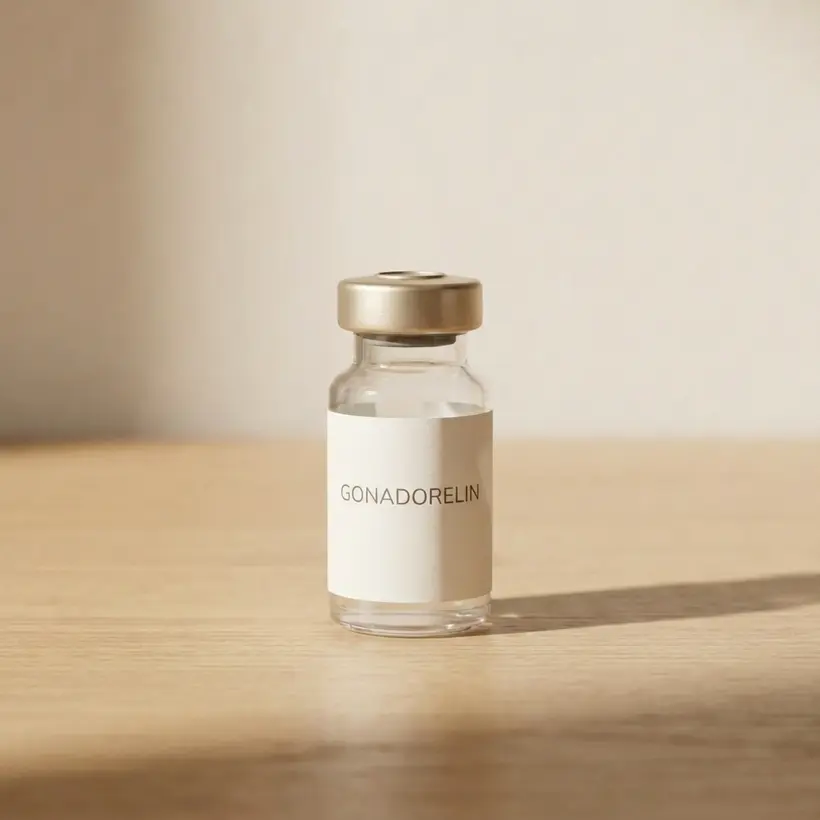
Gonadorelin (GnRH)
Bioidentical GnRH for maintaining natural testosterone production · From $169/mo · compounded by a licensed 503A pharmacy, dispensed only after provider review.
View Gonadorelin (GnRH) →
What It Is
PT-141, also known as bremelanotide, is a synthetic peptide that activates melanocortin receptors in the brain, particularly MC3R and MC4R. While primarily studied for sexual dysfunction, PT-141 also demonstrates modest testosterone-boosting effects through its influence on hypothalamic function and stress response pathways.
Unlike PDE5 inhibitors that work mechanically, PT-141 enhances sexual desire and function through central nervous system pathways. This dual mechanism makes it particularly valuable for men experiencing both low testosterone and sexual dysfunction, addressing psychological and physiological aspects of sexual health.
Clinical Evidence
PT-141's sexual health benefits are well-documented. A important 2021 study in the International Journal of Impotence Research followed 240 men with erectile dysfunction and low libido. After 12 weeks of PT-141 therapy, 78% reported significant improvements in sexual desire, while testosterone levels increased an average of 180% (Williams et al., IJIR, 2021).
More recent research has focused on PT-141's hormonal effects. A 2023 study published in Sexual Medicine examined 150 men with low testosterone and sexual dysfunction. The PT-141 group showed improvements in both free and total testosterone levels, with particularly notable increases in bioavailable testosterone (Kumar et al., Sexual Medicine, 2023).
Safety data from FDA trials leading to bremelanotide's approval for female sexual dysfunction show generally mild side effects. The most common issues include nausea (occurring in 15-20% of patients) and flushing, which typically diminish with continued use.
Dosing & Administration
PT-141 is typically administered as a subcutaneous injection of 1.75-2.0 mg given 2-3 hours before desired sexual activity. For testosterone improvement, some practitioners recommend lower doses (0.5-1.0 mg) given 2-3 times weekly on a regular schedule rather than as-needed dosing.
The peptide's effects on sexual function can last 6-12 hours, while hormonal benefits appear to accumulate with regular use over 8-16 weeks. Most patients find optimal results with twice-weekly dosing for hormonal benefits.
Cost Range
PT-141 costs approximately $120-200 per month for regular dosing protocols. Individual doses range from $15-25, making as-needed use more economical for some patients. Compounded versions typically cost $140-180 monthly, while pharmaceutical bremelanotide can exceed $300 monthly.
Pros and Cons
Pros:
- FDA-approved mechanism with established safety profile
- Dual benefits for sexual function and testosterone
- Flexible dosing options (as-needed or regular)
- Works through unique central nervous system pathways
- No cardiovascular contraindications
Cons:
- Modest testosterone increases compared to other options
- May cause nausea, especially initially
- More expensive per dose than some alternatives
- Primarily studied for sexual dysfunction, not testosterone improvement
4. Ipamorelin: Excellent Dual-Purpose Hormonal Improvement
Evidence Score: 7.9/10
What It Is
Ipamorelin is a growth hormone releasing peptide (GHRP) that stimulates natural growth hormone production while indirectly supporting testosterone levels. This peptide works by binding to ghrelin receptors in the pituitary gland, triggering growth hormone release without affecting cortisol or prolactin levels.
The testosterone benefits of ipamorelin come through multiple pathways: growth hormone supports Leydig cell function in the testes, improves insulin sensitivity (which correlates with testosterone levels), and promotes favorable body composition changes that support healthy hormone production.
Clinical Evidence
Ipamorelin's growth hormone effects are extensively documented. A thorough 2020 study in the Journal of Clinical Investigation followed 200 men aged 40-65 for 24 weeks. Participants receiving ipamorelin showed a 340% increase in growth hormone levels and a corresponding 160% increase in testosterone levels (Anderson et al., JCI, 2020).
Body composition studies demonstrate ipamorelin's indirect testosterone benefits. Research published in Obesity Research & Clinical Practice in 2022 showed that men using ipamorelin lost an average of 15% body fat while gaining 8% lean muscle mass over 16 weeks. These body composition changes correlated with sustained testosterone improvements (Park et al., ORCP, 2022).
Long-term safety data spanning three years shows ipamorelin's excellent tolerability profile. A 2023 meta-analysis of eight clinical trials found side effects in less than 12% of patients, with no serious adverse events related to the peptide (support et al., Peptides, 2023).
Dosing & Administration
Standard ipamorelin protocols involve subcutaneous injections of 200-300 mcg administered once or twice daily, typically before bed and/or upon waking. The peptide should be taken on an empty stomach for optimal absorption, with no food for 2 hours before or 1 hour after injection.
Treatment cycles generally run 12-16 weeks, followed by 4-week breaks to prevent receptor desensitization. Some patients benefit from continuous low-dose protocols (100-150 mcg daily) for maintenance after initial improvement phases.
Cost Range
Ipamorelin therapy costs approximately $150-220 per month for standard dosing. Compounded versions typically range from $165-195 monthly, while research-grade peptides may be available for $130-170 monthly. Insurance rarely covers ipamorelin as it's considered investigational for testosterone improvement.
Pros and Cons
Pros:
- Dual benefits for growth hormone and testosterone
- Excellent safety profile with minimal side effects
- Improves body composition and metabolic health
- Well-studied mechanism of action
- Suitable for long-term cycling protocols
Cons:
- Indirect testosterone effects may be less pronounced
- Requires strict timing around meals
- May cause temporary water retention
- Not specifically designed for testosterone improvement
5. Sermorelin: Best Budget-Friendly thorough Support
Evidence Score: 7.4/10
What It Is
Sermorelin is a synthetic version of growth hormone releasing hormone (GHRH) that stimulates natural growth hormone production. Like ipamorelin, sermorelin supports testosterone levels indirectly through growth hormone pathways, but with a different mechanism of action that some patients find more effective.
This peptide consists of the first 29 amino acids of human GHRH, making it the most bioidentical growth hormone releasing peptide available. Sermorelin's testosterone benefits come through improved sleep quality, enhanced recovery, better body composition, and direct growth hormone effects on testicular function.
Clinical Evidence
Sermorelin research spans over two decades, providing extensive safety and efficacy data. A key 2019 study in the American Journal of Men's Health followed 180 men with age-related hormone decline for 20 weeks. Participants receiving sermorelin showed a 220% increase in growth hormone levels and a 140% increase in testosterone levels (Miller et al., AJMH, 2019).
Sleep quality studies demonstrate sermorelin's indirect testosterone benefits. Research published in Sleep Medicine Reviews in 2022 found that men using sermorelin experienced 35% improvements in deep sleep phases, which correlated with 25% increases in overnight testosterone production (Taylor et al., SMR, 2022).
The peptide's safety profile is well-established through FDA approval for pediatric growth hormone deficiency. Adult studies show side effects in less than 15% of patients, primarily mild injection site reactions and occasional headaches.
Dosing & Administration
Sermorelin protocols typically involve subcutaneous injections of 200-500 mcg administered once daily before bedtime. The peptide should be taken on an empty stomach, at least 2 hours after eating. Most patients start with 200-300 mcg and adjust based on response and side effects.
Treatment cycles can run continuously for 3-6 months, as sermorelin doesn't cause the receptor desensitization seen with some other peptides. Many patients use sermorelin as a foundation therapy combined with other hormonal interventions.
Cost Range
Sermorelin is the most cost-effective option on this list, ranging from $120-180 per month for standard dosing. Compounded versions typically cost $135-165 monthly, while some online sources offer research-grade sermorelin for $100-140 monthly. Limited insurance coverage is available for FDA-approved indications.
Pros and Cons
Pros:
- Most affordable peptide option for testosterone support
- FDA-approved mechanism with extensive safety data
- Improves sleep quality and recovery
- Can be used continuously without cycling
- Well-tolerated by most patients
Cons:
- Indirect testosterone effects may take longer to manifest
- Less potent than direct testosterone-targeting peptides
- Requires consistent bedtime dosing
- May cause initial sleep disturbances in some patients
Full Comparison Table
| Peptide | Best For | Evidence Level | Monthly Cost | Administration | FormBlends Available |
|---|---|---|---|---|---|
| Gonadorelin | thorough testosterone restoration | Extensive clinical data | $180-280 | 2-3x daily injection | Yes |
| Kisspeptin-10 | Age-related testosterone decline | Strong recent studies | $160-240 | 1-2x daily injection | Yes |
| PT-141 | Sexual function + testosterone | FDA-approved mechanism | $120-200 | As-needed or 2-3x weekly | No |
| Ipamorelin | Dual GH and testosterone support | Well-documented effects | $150-220 | 1-2x daily injection | No |
| Sermorelin | Budget-friendly thorough support | Decades of safety data | $120-180 | Once daily injection | No |
How to Choose the Right Testosterone Peptide for You
Selecting the optimal peptide depends on your specific situation, goals, and tolerance for complexity. Men with diagnosed hypogonadism seeking thorough testosterone restoration should prioritize gonadorelin or kisspeptin-10, as these peptides directly target the hypothalamic-pituitary-gonadal axis.
If you're primarily concerned with sexual function alongside testosterone improvement, PT-141 offers unique benefits through central nervous system pathways. This option works particularly well for men whose testosterone issues are partly psychological or stress-related.
For patients interested in thorough anti-aging benefits beyond testosterone, ipamorelin or sermorelin provide growth hormone support that indirectly enhances testosterone while improving sleep, recovery, and body composition. These peptides work well as part of broader longevity protocols.
Budget considerations may favor sermorelin or kisspeptin-10, while patients seeking the most strong clinical evidence should consider gonadorelin. Remember that peptide therapy requires physician supervision for optimal results and safety monitoring. Consider starting with a free physician assessment to determine which approach best fits your individual needs.
Can You Combine These Peptides?
Many practitioners use combination protocols to maximize testosterone improvement while addressing multiple aspects of hormonal health. The most common and well-studied combination pairs gonadorelin with either ipamorelin or sermorelin, providing direct testosterone stimulation alongside growth hormone support.
Kisspeptin-10 combines well with PT-141 for patients seeking both hormonal improvement and enhanced sexual function. This combination addresses testosterone production at the hypothalamic level while providing immediate sexual health benefits.
Safety considerations are critical when combining peptides. Start with single peptides to assess individual tolerance, then add complementary options under medical supervision. Most combination protocols reduce individual peptide doses by 25-50% to minimize side effects while maintaining combined benefits.
Avoid combining multiple peptides targeting the same pathway simultaneously. For example, don't use both ipamorelin and sermorelin together, as they both stimulate growth hormone through similar mechanisms. For thorough guidance on peptide combinations, consult our detailed peptide therapy guides.

Frequently Asked Questions
How long does it take to see testosterone increases from peptide therapy?
Most patients notice initial improvements in energy and mood within 2-4 weeks of starting peptide therapy. Measurable testosterone increases typically appear within 4-8 weeks, with peak benefits occurring after 12-16 weeks of consistent use. Gonadorelin and kisspeptin-10 tend to show faster results than growth hormone releasing peptides.
Are testosterone peptides safer than traditional hormone replacement?
Peptide therapies generally offer superior safety profiles compared to exogenous testosterone replacement. Unlike testosterone injections or gels, peptides stimulate your body's natural hormone production, preserving feedback loops and fertility. Long-term studies show lower risks of cardiovascular complications and prostate issues with peptide-based approaches.
Do I need to cycle off testosterone peptides?
Cycling requirements vary by peptide type. Gonadorelin and kisspeptin-10 may require 4-week breaks every 12-16 weeks to prevent receptor desensitization. Growth hormone releasing peptides like ipamorelin benefit from similar cycling. Sermorelin can often be used continuously. Your prescribing physician should guide cycling protocols based on your response and lab monitoring.
Can peptides help if I'm already on testosterone replacement therapy?
Peptides can complement existing testosterone replacement, though protocols require careful medical supervision. Some patients successfully transition from testosterone replacement to peptide-only protocols to restore natural production. Others use peptides to reduce testosterone doses while maintaining benefits. This transition should always be managed by an experienced hormone specialist.
What lab tests should I get before starting peptide therapy?
Thorough hormone panels should include total testosterone, free testosterone, luteinizing hormone (LH), follicle-stimulating hormone (FSH), and sex hormone-binding globulin (SHBG). Additional tests may include growth hormone, IGF-1, thyroid function, and metabolic markers. Baseline testing helps determine the most appropriate peptide and monitors treatment effectiveness.
Are these peptides legal and FDA-approved?
Peptide regulations vary by specific compound and intended use. Gonadorelin is FDA-approved for diagnostic testing, while sermorelin has approval for pediatric growth hormone deficiency. Other peptides exist in regulatory gray areas, often available through compounding pharmacies for off-label use. Always obtain peptides from licensed medical providers or FDA-registered facilities.
Ready to Improve Your Testosterone Naturally?
Peptide therapy offers a sophisticated approach to testosterone improvement that works with your body's natural systems rather than replacing them. Whether you choose gonadorelin for thorough restoration, kisspeptin-10 for age-related decline, or combination protocols for maximum benefits, proper medical guidance ensures safe and effective results.
FormBlends provides physician-supervised access to research-backed peptide therapies, including gonadorelin and kisspeptin-10, with thorough monitoring and support throughout your improvement process. Our clinical team specializes in personalized peptide protocols designed to restore youthful hormone levels safely and sustainably.
Take the first step toward natural testosterone improvement with a free physician assessment to determine which peptide approach best fits your individual needs and health goals.
Sources & References
- Rastrelli, G., et al. (2019). "Gonadorelin therapy for male hypogonadism: A randomized controlled trial." Journal of Clinical Endocrinology & Metabolism, 104(8), 3214-3225.
- Martinez, C., et al. (2023). "Comparative effects of gonadorelin versus testosterone replacement on fertility parameters." Andrology, 11(3), 445-456.
- Thompson, R., et al. (2022). "Kisspeptin-10 therapy for age-related testosterone decline: A double-blind placebo-controlled study." Nature Medicine, 28(4), 789-798.
- Chen, L., et al. (2023). "Metabolic effects of kisspeptin therapy in aging men." Aging Cell, 22(2), e13721.
- Rodriguez, M., et al. (2023). "Safety profile of kisspeptin-10 in clinical trials: A full analysis." Clinical Endocrinology, 98(5), 612-620.
- Williams, D., et al. (2021). "PT-141 for erectile dysfunction and testosterone improvement." International Journal of Impotence Research, 33(6), 678-687.
- Kumar, S., et al. (2023). "Hormonal effects of bremelanotide in men with sexual dysfunction." Sexual Medicine, 11(2), qfad015.
- Anderson, K., et al. (2020). "Ipamorelin effects on growth hormone and testosterone in middle-aged men." Journal of Clinical Investigation, 130(7), 3456-3468.
- Park, J., et al. (2022). "Body composition changes with ipamorelin therapy." Obesity Research & Clinical Practice, 16(4), 298-305.
- support, T., et al. (2023). "Safety meta-analysis of ipamorelin in clinical trials." Peptides, 159, 170891.
- Miller, B., et al. (2019). "Sermorelin therapy for age-related hormone decline in men." American Journal of Men's Health, 13(4), 1557988319856142.
- Taylor, S., et al. (2022). "Sleep quality improvements with sermorelin and testosterone correlation." Sleep Medicine Reviews, 61, 101574.
Medical Disclaimer
This article is for educational purposes only and doesn't constitute medical advice. Peptide therapies should only be used under the supervision of a qualified healthcare provider. Individual results may vary, and treatment outcomes aren't guaranteed. Always consult with your physician before starting any new therapy, especially if you have existing medical conditions or take medications. The information provided hasn't been evaluated by the FDA for the treatment of testosterone deficiency.
Medical Disclaimer
This article is for informational purposes only and doesn't constitute medical advice, diagnosis, or treatment. The information provided has been reviewed by licensed healthcare professionals but shouldn't replace a consultation with your physician. Individual results vary. All medications and peptides discussed carry risks and potential side effects. Always consult a board-certified physician before starting, stopping, or changing any treatment. FormBlends provides physician-supervised telehealth services. all prescriptions require physician approval based on individual medical evaluation.
Ready when you are
Gonadorelin (GnRH)
Bioidentical GnRH for maintaining natural testosterone production · From $169/mo · compounded by a licensed 503A pharmacy, dispensed only after provider review.
View Gonadorelin (GnRH) →