All GLP-1 medications from licensed 503A compounding pharmacies Browse Products

Glutathione Injection Dosage Per Week: Complete Dosing Guide | FormBlends

Evidence-based glutathione injection dosage guide: 600mg, 1000mg, and 1500mg protocols, subcutaneous vs IV dosing, frequency, and what clinical data...

Medically Reviewed

Written by the FormBlends Medical Team. Evidence graded against primary literature (PubMed/PMC). FDA safety communications referenced directly. No affiliate relationships influence dosage recommendations. Last reviewed: May 29, 2026. · Reviewed by Forman et al., 2009

Glutathione Injection Dosage Per Week: Complete Dosing Guide | FormBlends custom 2026 header image for Peptide Therapy
Custom header image for Glutathione Injection Dosage Per Week: Complete Dosing Guide | FormBlends, Peptide Therapy, and better treatment decision-making.
In This Article

This article is part of our Peptide Therapy collection. See also: GLP-1 Guides | Provider Comparisons

Search and AI answer brief

Practical answer: Glutathione Injection Dosage Per Week: Complete Dosing Guide | FormBlends

Evidence-based glutathione injection dosage guide: 600mg, 1000mg, and 1500mg protocols, subcutaneous vs IV dosing, frequency, and what clinical data...

Short answer

Evidence-based glutathione injection dosage guide: 600mg, 1000mg, and 1500mg protocols, subcutaneous vs IV dosing, frequency, and what clinical data...

Search intent

This page answers a specific Peptide Therapy question rather than a generic overview.

What to verify

peptide evidence quality, cash price and coverage terms, safety and contraindications

How to use it

Use this information to prepare sharper questions for a licensed provider.

Abstract scientific illustration for peptides glutathione dosage
Trust signals: Written by the FormBlends Medical Team. Evidence graded against primary literature (PubMed/PMC). FDA safety communications referenced directly. No affiliate relationships influence dosage recommendations. Last reviewed: May 29, 2026.

Key Takeaways

  • No FDA-approved injectable glutathione product exists; all injection protocols in the US use compounded preparations off-label.
  • The most rigorous skin-outcome RCT (Handog et al., 2016, n=60) used 500 mg IV twice weekly for 8 weeks and found measurable skin lightening versus placebo.
  • Neurological studies (Parkinson's disease) used 1400 mg IV three times per week; benefit was not confirmed in subsequent controlled trials.
  • The FDA issued a 2020 safety communication specifically warning of serious adverse events including Stevens-Johnson syndrome linked to IV glutathione for skin lightening from compounded products.
  • Subcutaneous glutathione dosing has no validated clinical-trial dose; bioavailability via SQ route is likely lower than IV due to rapid oxidation of the free thiol at the injection depot.

Published clinical trials use 500 mg to 1400 mg per session, two to three times per week, depending on indication. No universal "recommended" weekly dose exists because there is no FDA-approved injectable formulation. The most evidence-supported skin-lightening dose in a placebo-controlled trial is 1000 mg per week (500 mg x 2 sessions). Higher doses of 1500 mg per week or more are widely marketed but lack proportionally stronger evidence.

What Is Glutathione and Why Does the Route Matter?

Glutathione (gamma-L-glutamyl-L-cysteinyl-glycine, GSH) is a tripeptide synthesized intracellularly from glutamate, cysteine, and glycine by two enzymes: glutamate-cysteine ligase and glutathione synthetase. It is the most abundant non-protein thiol in mammalian cells, present at millimolar concentrations (roughly 1-10 mM intracellularly versus micromolar in plasma).

Check your GLP-1 eligibility

Use our free BMI Calculator to see if you may qualify for provider-reviewed GLP-1 therapy.

Try the BMI Calculator →

Route matters because glutathione is not a stable circulating hormone. It is consumed rapidly in the plasma (half-life in human blood is estimated on the order of minutes due to rapid cellular uptake and extracellular breakdown by gamma-glutamyltransferase). This means that oral supplementation, IV bolus, and subcutaneous depot deliver very different plasma concentration-time profiles, and downstream cellular effects depend on whether cells can take up exogenous GSH directly or must synthesize it from precursors delivered by the bloodstream.

Evidence Ledger: What the Data Actually Shows

Claim Best Evidence Type Key Study / Source Effect Direction Confidence
IV glutathione (500 mg x2/week) reduces melanin index vs placebo over 8 weeks Randomized, double-blind, placebo-controlled trial (n=60) Handog et al., J Clin Aesthet Dermatol, 2016 Positive (small effect) Moderate
IV glutathione raises plasma GSH levels acutely after infusion Pharmacokinetic human studies Multiple PK studies; reviewed by Forman et al., 2009 Positive (transient) High
IV glutathione (1400 mg x3/week) improves Parkinson motor scores Small open-label pilot (n=9) Sechi et al., Prog Neuropsychopharmacol Biol Psychiatry, 1996 Positive (uncontrolled) Low
IV glutathione reduces nephrotoxicity during cisplatin chemotherapy Multiple RCTs, small to moderate sample sizes Cascinu et al., J Clin Oncol, 1995; others Positive (renal protection) Moderate
Higher IV doses (1500+ mg/week) produce proportionally greater skin lightening No dose-comparison RCT found No qualifying study Undemonstrated Very Low
Subcutaneous glutathione raises plasma GSH comparably to IV No qualifying clinical trial found No qualifying study Undemonstrated Very Low
Oral liposomal glutathione raises blood GSH over weeks Small RCT (n=54) Richie et al., Eur J Nutr, 2015 Positive (modest) Moderate
IV glutathione causes serious adverse events (SJS, renal failure) via contaminated compounded products Adverse event reports, FDA safety communication FDA Safety Communication, 2020 Harm signal Moderate

Dosage Table: 600 mg, 1000 mg, 1500 mg Protocols Compared

Dose Per Session Typical Frequency Weekly Total Route Most Studied At This Dose Clinical Evidence Common Context
600 mg 2-3x / week 1200-1800 mg IV (some IM) Antioxidant biomarker studies; limited skin RCT data at this exact dose Starting/conservative protocol, oncology support
1000 mg 2x / week 2000 mg IV Commonly used in compounded IV wellness; close to Handog protocol; moderate evidence base Skin brightening, general antioxidant support
1500 mg 1-2x / week 1500-3000 mg IV Widely marketed; no dose-comparison RCT supports superiority over 1000 mg Aggressive skin lightening protocols
1400 mg 3x / week 4200 mg IV Sechi et al. 1996 pilot (Parkinson's, n=9); effect not replicated in controlled trials Historical neurological protocols
SQ dose (empirical) 3-5x / week 1800-4000 mg Subcutaneous No clinical trial validation; practitioner-derived dosing only Home self-injection protocols

Mechanism with Numbers: How Glutathione Works at the Cellular Level

GSH donates electrons through its free thiol group (on cysteine) to neutralize reactive oxygen species (ROS) and reduce peroxides via glutathione peroxidase (GPx). In doing so, two GSH molecules are oxidized to glutathione disulfide (GSSG). The enzyme glutathione reductase, using NADPH, regenerates GSH from GSSG. This GSH/GSSG redox couple is the primary indicator of cellular oxidative stress.

In melanogenesis, the proposed mechanism for skin lightening is threefold: (1) GSH binds copper at the active site of tyrosinase, the rate-limiting enzyme in melanin synthesis, competitively inhibiting activity; (2) GSH shifts melanin production from eumelanin (brown/black) toward phaeomelanin (yellow/red) by acting as a co-substrate; (3) antioxidant quenching of the DOPA quinone intermediate reduces polymerization to melanin pigment. The Handog 2016 trial measured the melanin index (Mexameter) and individual typology angle as objective endpoints, finding statistically significant reductions over 8 weeks at the 500 mg x2/week dose.

What this mechanism does NOT prove: tyrosinase inhibition measured in vitro at supraphysiological concentrations does not automatically translate to the same effect in skin at pharmacological plasma doses. The plasma half-life of exogenous GSH is short, and it is unclear what fraction reaches melanocytes in the basal epidermis intact versus as constituent amino acids.

What Most Pages Get Wrong About Glutathione Injection Dosage

The Subcutaneous Bioavailability Problem

Nearly every medspa and wellness blog lists "subcutaneous" as a convenient alternative to IV, often with identical dose recommendations. This is pharmacologically unsupported. The thiol group of glutathione oxidizes rapidly in aqueous environments, especially at physiological pH and temperature. In a subcutaneous depot, the injected solution sits in interstitial fluid (pH ~7.4, 37 degrees C, exposed to oxygen) before lymphatic absorption. The oxidation rate at these conditions is substantially faster than in a sealed, refrigerated vial. The result is that a meaningful fraction of the dose may be GSSG (oxidized, inactive form) before systemic absorption occurs.

No published pharmacokinetic trial compares plasma GSH AUC after equivalent SQ versus IV doses of glutathione in humans. Any practitioner claiming specific SQ bioavailability numbers is extrapolating, not citing data.

The Dose-Response Assumption

The jump from 600 mg to 1000 mg to 1500 mg per session is marketed as a linear upgrade. There is no dose-escalation RCT for glutathione injections that demonstrates a dose-response relationship across these doses for any outcome. The one well-designed skin RCT used 500 mg x2/week. The assumption that doubling the dose doubles the effect is not supported by the existing evidence base.

Intramuscular vs IV Conflation

Many protocols use "IV or IM" interchangeably. Intramuscular administration avoids the risks of IV access but adds local tissue exposure to a high-concentration antioxidant solution that can cause injection-site reactions. IM pharmacokinetics differ from IV (slower absorption, lower peak Cmax, longer time to peak). These are not equivalent routes for the same listed dose.

The Chemistry Behind Storage and Stability Rules

Glutathione degrades primarily through two pathways: (1) oxidation of the cysteine thiol to form GSSG (reversible in vivo but irreversible once significantly advanced in solution), and (2) hydrolysis of the gamma-glutamyl peptide bond, which is the same bond cleaved by gamma-glutamyltransferase in the intestine and on cell surfaces. Both reactions are accelerated by heat, light (particularly UV, which generates ROS), alkaline pH, and exposure to transition metal ions (iron, copper catalyze thiol oxidation via Fenton-type chemistry).

This is why the rules exist:

  • Store at 2-8 C: Every 10 degree C increase in temperature roughly doubles the rate of most chemical degradation reactions (Arrhenius approximation). Refrigeration slows both oxidation and hydrolysis.
  • Protect from light: Photon energy drives radical chain reactions that oxidize thiols. Amber vials block the wavelengths most responsible.
  • Use promptly after reconstitution: Once a lyophilized product is dissolved in aqueous solvent, dissolved oxygen begins reacting with the thiol immediately. A product reconstituted days before use may contain predominantly GSSG.
  • Avoid metal contamination: Iron or copper ions in diluent water catalyze radical oxidation. This is why USP Water for Injection, not tap water, is required for reconstitution.
  • Check color: Reduced glutathione solutions should be clear and colorless. Yellowing or browning indicates GSSG accumulation and broader oxidative breakdown products. Discard discolored solutions.

Head-to-Head: IV Glutathione vs Alternatives

Comparator Mechanism Bioavailability Strength vs IV GSH Weakness vs IV GSH Evidence Quality for Skin/Antioxidant Outcome
IV Glutathione (GSH) Direct GSH delivery; transient plasma elevation 100% (IV reference) Highest peak plasma levels; only route with meaningful RCT skin data IV access required; short plasma half-life; FDA safety warning; no approved product Moderate (one RCT)
Oral Glutathione Partially absorbed intact; mostly cleaved to amino acids Low (significantly less than IV; exact % varies by formulation) Convenient; low risk; no injection needed GSH loses vs IV for acute plasma elevation; effect on skin unproven in well-controlled trials Low
Liposomal Oral Glutathione Lipid encapsulation improves GI absorption; some intact delivery Better than standard oral; still below IV Better bioavailability than standard oral (Richie et al. 2015 demonstrated blood GSH rise) Higher cost; still inferior plasma peak to IV; skin data lacking Moderate (blood GSH), Low (skin)
N-Acetylcysteine (NAC) Cysteine precursor; replenishes intracellular GSH synthesis Oral ~10%; IV ~100% Extensive safety/efficacy data (acetaminophen toxicity, COPD, psychiatric uses); oral option effective for raising tissue GSH over time Does not directly deliver GSH; slower onset; less skin lightening evidence; different mechanism High (toxicology), Low (skin lightening)
Topical Vitamin C (L-ascorbic acid) Tyrosinase inhibition; ROS quenching; independent of GSH Vehicle-dependent penetration Far more RCT evidence for skin brightening; accessible; no injection risk Does not raise systemic GSH; local effect only; unstable formulation challenges High (skin brightening)
Tranexamic acid (oral/topical/IV) Plasmin inhibition; reduces UV-induced prostaglandin signaling to melanocytes Oral ~30-50%; IV 100% Multiple RCTs for melasma with strong effect sizes; oral option; established safety profile Thrombotic risk at systemic doses; not an antioxidant; different mechanism High (melasma)

Honest concession: For skin lightening with rigorous evidence support, topical vitamin C and oral/topical tranexamic acid have a stronger and larger evidence base than IV glutathione. IV glutathione is not the best-evidenced option for this indication.

Label and COA Literacy: How to Evaluate a Compounded Glutathione Product

Because injectable glutathione in the US is a compounded preparation, not an FDA-approved drug, quality depends entirely on the pharmacy's standards. Here is what to verify:

COA Element What It Should Show Red Flag
Identity (HPLC or MS) Confirmed as L-glutathione (reduced form, GSH) No identity testing listed; only "glutathione" without specifying reduced vs oxidized
Assay / Potency Labeled concentration within +/-10% of stated dose (e.g., 200 mg/mL ± 20 mg) No potency range given; or tested only at release and not at expiry
GSH/GSSG ratio GSH fraction should dominate; high GSSG means the active reduced form has degraded GSSG not measured at all
Sterility Passes USP sterility test (or passed BET/rapid sterility method) "Prepared under aseptic conditions" without a sterility test result
Endotoxin (Bacterial) Below 0.2 EU/mL for IV products (USP standard for intrathecal/IV injectables) Limit not stated; result absent; or limit stated without a test result
pH Typically 3.5-5.5 for stability (low pH slows thiol oxidation); labeled on COA pH not listed; solution at neutral or alkaline pH increases oxidation rate
Beyond-use date Conservative; refrigerated sterile compounds generally 30-90 days depending on USP 797 category Beyond-use dates extending many months without stability data

Reconstitution math example: A vial labeled "600 mg lyophilized glutathione." To prepare a 200 mg/mL solution for IV push: add 3 mL of sterile water or normal saline. For a slower IV drip, dilute the reconstituted solution further into 50-100 mL normal saline. Do not use bacteriostatic water (benzyl alcohol can react with thiol groups). Inject or infuse within 1-2 hours of reconstitution.

Real Safety Risks and the 2020 FDA Warning

FDA Safety Communication (November 2020): The FDA issued a safety communication warning consumers and health care providers about serious adverse events associated with IV glutathione injections used for skin lightening. Reported events included Stevens-Johnson syndrome/toxic epidermal necrolysis, kidney failure, and septicemia. These were linked to compounded preparations. The FDA specifically noted that no injectable glutathione product is FDA-approved for skin lightening or any other indication. The communication did not establish a frequency for these events, but its issuance reflects a signal sufficient for regulatory action.

Additional safety considerations:

  • Bronchospasm: Rapid IV infusion of glutathione has been associated with bronchoconstriction in some reports; slow infusion rates (over 15-30 minutes rather than bolus) are generally recommended.
  • Drug interactions: Glutathione may theoretically reduce the efficacy of certain chemotherapy agents (particularly alkylating agents and platinum compounds) by conjugating reactive drug metabolites. This is relevant in oncology settings; not a concern in healthy individuals.
  • Zinc depletion: Some chronic IV glutathione users have reported or been found to have reduced zinc levels, possibly due to GSH's metal-chelating properties, though this is not well-characterized in prospective studies.
  • Infection risk: Any injectable route carries infection risk. Contaminated compounded products are the most serious real-world risk, as the FDA communication documents.

FAQ

What is a typical glutathione injection dosage per week? Clinical trials have used a wide range. Neurological studies (Parkinson's disease) typically used 1400 mg IV three times per week. Skin-lightening studies have used 500 mg IV two to three times per week. There is no single FDA-approved weekly dose because glutathione has no approved injectable indication in the US.
What is the glutathione injection dosage per day for IV therapy? Daily IV dosing is uncommon in published research. Most protocols are 2-3 times per week rather than daily. When daily administration was studied, doses ranged from 600 mg to 1200 mg per session, but tolerability data at daily frequency are limited.
Is 600 mg, 1000 mg, or 1500 mg the right glutathione dose? 600 mg is the lowest clinically studied dose for skin and antioxidant outcomes. 1000 mg is a commonly used middle dose in compounded IV protocols. 1500 mg is toward the higher end; the Handog et al. 2016 RCT used 500 mg twice weekly and showed measurable skin effects, suggesting dose escalation beyond 1000 mg has diminishing evidence support.
What is the glutathione subcutaneous dosage? Subcutaneous glutathione injection is not well-studied in published clinical trials. Most evidence uses IV or intramuscular routes. Subcutaneous bioavailability of glutathione is likely lower than IV due to local oxidation and lymphatic absorption kinetics. Practitioners using SQ routes typically use doses similar to IM (600-1200 mg), but this is empirical, not trial-validated.
How long does it take to see results from glutathione injections? The Handog et al. 2016 RCT observed measurable skin lightening changes over an 8-week protocol. Antioxidant biomarker changes in some studies appeared within 1-4 weeks. Timeline varies substantially by goal, baseline glutathione status, and dose.
Is glutathione a peptide? Glutathione (gamma-L-glutamyl-L-cysteinyl-glycine) is a tripeptide: three amino acids linked by peptide bonds. It is biosynthesized endogenously and is the most abundant intracellular antioxidant. Its classification as a peptide is chemically accurate, though it behaves more like a small molecule than a signaling peptide.
Can glutathione injections be taken subcutaneously at home? Compounded glutathione solutions are available for subcutaneous self-injection, but this is not FDA-approved and carries risks including injection-site reactions, sterility concerns, and uncertain bioavailability. Any injectable use should be supervised by a licensed prescriber.
What are the real risks of high-dose glutathione injections? The FDA issued a 2020 safety communication warning of rare but serious adverse events associated with IV glutathione used for skin lightening, including Stevens-Johnson syndrome, renal failure, and septicemia from contaminated compounded products. Frequency of serious events is unknown but cases prompted regulatory action.
Does oral glutathione replace injectable glutathione? No. Oral glutathione has poor systemic bioavailability because it is largely cleaved by gastrointestinal enzymes and intestinal gamma-glutamyltransferase. Liposomal and S-acetyl forms improve absorption somewhat but do not replicate IV pharmacokinetics. For outcomes requiring rapid plasma elevation, injectable routes are pharmacologically distinct.
How should reconstituted glutathione injection be stored? Reconstituted glutathione solutions should be stored at 2-8 degrees Celsius, protected from light, and used promptly. The free thiol group on cysteine oxidizes readily to form glutathione disulfide (GSSG). Yellow or brown discoloration indicates significant oxidation and the solution should be discarded.
What does a certificate of analysis for glutathione injection show? A COA for compounded glutathione should confirm identity (HPLC), assay potency (target concentration within +/-10%), sterility testing, endotoxin limits (below 0.2 EU/mL for IV products per USP), and absence of heavy metals. Critically, it should report the ratio of reduced (GSH) to oxidized (GSSG) glutathione, because a high GSSG fraction means the active form has already degraded.
Is glutathione approved by the FDA for injection? No. Glutathione has no FDA-approved injectable drug product for any indication. It is used off-label through compounding pharmacies in the US. The FDA issued a 2020 safety communication specifically about IV glutathione for skin lightening due to reported adverse events.

Sources

Evidence standard

How this page was source-checked

Editorial policy

FormBlends does not claim an individual clinician byline unless a named reviewer is available. For this page, the editorial team checks medical and regulatory claims against primary sources, clinical trials, public datasets, and regulator guidance.

PubMed evidence trail

Research sources used to frame this page

For Glutathione Injection Dosage Per Week: Complete Dosing Guide | FormBlends, FormBlends checks the page topic against primary trials, systematic reviews, guidelines, and current PubMed-indexed literature where available. These citations are context, not a claim that every study applies to every patient.

Comparison decision path

Use this comparison to narrow the provider review question

Direct answer

Glutathione Injection Dosage Per Week: Complete Dosing Guide should help you decide which option deserves a clinical review, not force a one-size answer.

Evidence check

A strong comparison should connect mechanism, evidence strength, safety, access, and cost instead of only naming a winner.

Safety check

The right choice can change based on history, medication interactions, side effects, budget, and availability.

Next step

After comparing, use the get-started flow to route your goals and health history into the right prescription review path.

Original tools and data

Use the FormBlends research stack

These assets are built to be useful beyond a single article: shareable data pages, calculators, provider comparisons, and safety checks that give Google and readers something original to crawl.

Editorial refresh

Practical 2026 note for Glutathione Injection Dosage Per Week

Glutathione Injection Dosage Per Week now carries extra 2026 context around BPC-157, cash-pay pricing, safety signals, peptides, glutathione, dosage, because those are the subtopics readers tend to compare before they trust a medical or wellness recommendation.

Instead of adding filler, this page keeps the named treatment terms, practical verification points, and next-step questions close to peptides glutathione dosage.

Readers should use the section to check current eligibility, pharmacy or provider policies, and safety questions with a licensed professional before acting.

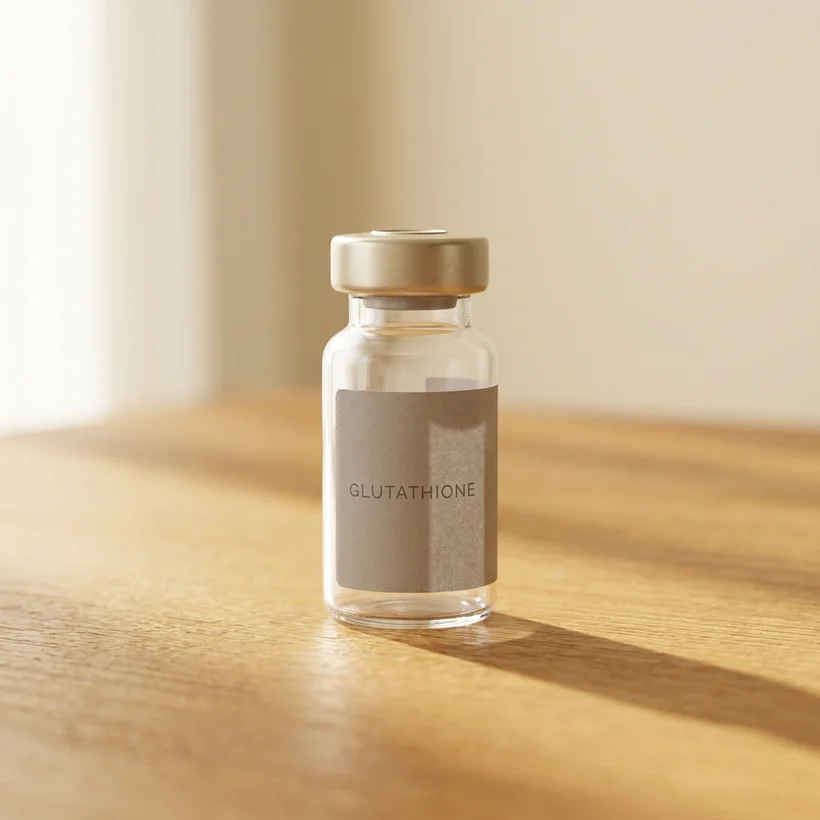
Glutathione Injection Dosage Per Week custom 2026 image for peptide therapy on FormBlends

Custom 2026 image for Glutathione Injection Dosage Per Week, peptide therapy, and better treatment decision-making.

Image description: Unique image for this page covering Glutathione Injection Dosage Per Week, peptide therapy, safety, cost, provider selection, and patient decision-making.

Download the Peptide Quick Reference Card

A printable 2-page reference covering popular peptides, dosing ranges, stacking protocols, and storage.

Free download. We'll also send helpful GLP-1 guides to your inbox. Unsubscribe anytime.

Medical Disclaimer: This content is for informational purposes only and does not constitute medical advice. Always consult a qualified healthcare provider before starting, stopping, or changing any medication or treatment. FormBlends articles are source-checked against medical and regulatory references, but they are not a substitute for a personal medical consultation.

Written by the FormBlends Medical Team. Evidence graded against primary literature (PubMed/PMC). FDA safety communications referenced directly. No affiliate relationships influence dosage recommendations. Last reviewed: May 29, 2026.

Medical content team. This article was researched against primary regulatory, trial, prescribing, and manufacturer sources where available. Reviewed by Forman et al., 2009 for medical accuracy, sourcing, and patient-safety framing.

Ready to get started?

Provider-reviewed GLP-1 and peptide therapy, delivered to your door.

Start Your Consultation

Ready to Start Your Weight Loss Journey?

Get a free medical consultation with a licensed provider. Compounded GLP-1 medications starting at $299/month with free shipping.

Next Best Reads

Free Tools

Provider-informed calculators to support your weight loss journey.