All GLP-1 medications from licensed 503A compounding pharmacies Browse Products

NAD+ 500mg Dosage: Injection, Nasal Spray & Reconstitution Guide | FormBlends

NAD+ 500mg dosage guide: injection protocols, nasal spray dosing, step-by-step reconstitution math, evidence ledger, and what most pages get wrong.

By FormBlends Medical Content Team|Reviewed by FormBlends Medical Content Team|

Medically Reviewed

Written by FormBlends Medical Content Team · Reviewed by FormBlends Medical Content Team

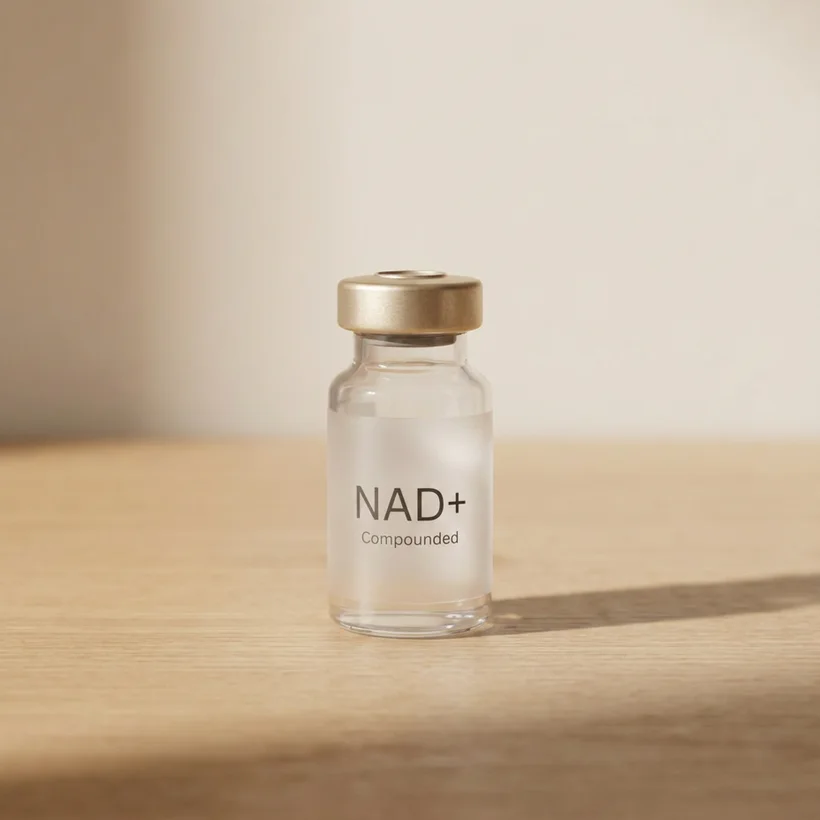
NAD+ 500mg Dosage: Injection, Nasal Spray & Reconstitution Guide | FormBlends custom 2026 header image for Peptide Therapy
Custom header image for NAD+ 500mg Dosage: Injection, Nasal Spray & Reconstitution Guide | FormBlends, Peptide Therapy, and better treatment decision-making.
In This Article

This article is part of our Peptide Therapy collection. See also: GLP-1 Guides | Provider Comparisons

Search and AI answer brief

Practical answer: NAD+ 500mg Dosage: Injection, Nasal Spray & Reconstitution Guide | FormBlends

NAD+ 500mg dosage guide: injection protocols, nasal spray dosing, step-by-step reconstitution math, evidence ledger, and what most pages get wrong.

Short answer

NAD+ 500mg dosage guide: injection protocols, nasal spray dosing, step-by-step reconstitution math, evidence ledger, and what most pages get wrong.

Search intent

This page answers a specific Peptide Therapy question rather than a generic overview.

What to verify

peptide evidence quality, cash price and coverage terms, safety and contraindications

How to use it

Use this information to prepare sharper questions for a licensed provider.

Abstract scientific illustration for peptides nad dosage
Reviewed by: FormBlends Medical Team  |  Last updated: May 29, 2026  |  Reading time: ~9 min  |  Evidence standard: Claims graded by study type in the Evidence Ledger below

Trust Signals

This page cites only published literature and compounding-pharmacy guidance. Dosing ranges are drawn from named human studies where they exist and from compounding protocols where they do not. Every mechanistic claim is separated from clinical outcome evidence. No affiliate relationships influence content.

Key Takeaways

1. NAD+ is a dinucleotide coenzyme, not a peptide; degradation chemistry differs from amino-acid-based compounds and drives specific reconstitution and storage rules.
2. A 500mg lyophilized vial reconstituted with 5mL bacteriostatic water yields exactly 100mg/mL; the most common dosing error is using saline, which accelerates hydrolytic degradation.
3. IV infusion side effects (flushing, chest tightness) are mechanistically explained by GPR109A-mediated prostaglandin release and are rate-dependent, not dose-dependent in absolute terms.
4. Human RCT evidence supports oral NAD+ precursor supplementation raising blood NAD+ levels (Martens et al., Cell Metabolism 2018); direct injectable NAD+ longevity benefits in healthy humans have no RCT support as of this writing.
5. Reconstituted NAD+ solution should be discarded after 7-14 days even under refrigeration; bacteriostatic water slows microbial growth but does not stop NAD+ hydrolysis to AMP and nicotinamide.

Direct Answer: What Is the Right NAD+ 500mg Dosage?

For injectable use, compounding protocols most commonly place NAD+ dosing between 100mg and 500mg per day, with 500mg vials used as a single loading dose or split across multiple days. There is no FDA-approved dosing standard. Route matters significantly: IV delivers full bioavailability; subcutaneous bioavailability in humans is uncharacterized.

Table of Contents

  1. Is NAD+ actually a peptide?
  2. Evidence ledger: what do we actually know?
  3. How does NAD+ work? Mechanism with numbers
  4. NAD+ peptide dosage per day: injection and nasal spray
  5. How to reconstitute NAD+ 500mg: step-by-step with math
  6. What most pages get wrong about NAD+ dosage
  7. The chemistry behind the storage and diluent rules
  8. Honest head-to-head: injectable NAD+ vs. precursors vs. oral NR/NMN
  9. Label and COA literacy: how to evaluate your vial
  10. Side effects and infusion reactions
  11. FAQ
  12. Sources

Is NAD+ Actually a Peptide?

No. NAD+ (nicotinamide adenine dinucleotide) is a dinucleotide coenzyme composed of two nucleotides joined by a phosphoanhydride bond. It contains no amino acids and no peptide bonds. The label "NAD+ peptide" is a market convention because NAD+ is sold by the same compounding and research-compound vendors that supply injectable peptides. The distinction is not semantic: peptides degrade primarily through peptide-bond hydrolysis at specific sites, while NAD+ degrades through glycosidic bond cleavage (releasing nicotinamide) and phosphoanhydride hydrolysis. This means the reconstitution, storage, and incompatibility rules differ meaningfully from those of BPC-157, TB-500, or similar peptides.

Check your GLP-1 eligibility

Use our free BMI Calculator to see if you may qualify for provider-reviewed GLP-1 therapy.

Try the BMI Calculator →

Evidence Ledger: What Do We Actually Know?

ClaimBest Evidence TypeKey Reference / NotesEffect DirectionConfidence
Oral NMN raises blood NAD+ in middle-aged adultsHuman RCT (n=25)Yoshino et al., Science 2021Positive (muscle NAD+ increased)Moderate
Oral NR raises whole-blood NAD+ in healthy adultsHuman RCT (n=12)Martens et al., Cell Metabolism 2018Positive, dose-dependentModerate
IV NAD+ reduces addiction withdrawal symptomsSmall case series / uncontrolledMultiple clinic reports; no blinded RCT publishedPositive (anecdotal)Very Low
NAD+ extends lifespan in model organisms (mice, worms)Animal studiesMultiple preclinical studies via NMN/NR supplementationPositive in some modelsLow (animal only)
Injectable NAD+ improves energy or cognition in healthy humansAnecdote / mechanism inferenceNo published RCTUnestablishedVery Low
Rapid IV NAD+ causes flushing via GPR109AMechanistic / pharmacologyNiacin-receptor pharmacology literatureEstablished mechanismHigh (mechanism)
NAD+ declines with age in human tissueCross-sectional human dataMassudi et al., PLOS ONE 2012Decline confirmedModerate
Subcutaneous NAD+ bioavailability vs. IV in humansNo published PK dataNot studied in humansUnknownVery Low

Summary judgment: Raising systemic NAD+ via oral precursors in humans is moderately well-supported. The specific benefits of injectable NAD+ beyond IV bioavailability convenience are not established in controlled trials.

How Does NAD+ Work? Mechanism with Numbers

NAD+ is the oxidized form of the NAD+/NADH redox couple, which participates in over 500 enzymatic reactions, primarily as an electron carrier in the mitochondrial electron transport chain. Beyond redox chemistry, NAD+ is a required substrate for three enzymatic families with distinct signaling roles:

  • Sirtuins (SIRT1-7): NAD+-dependent deacylases that regulate gene expression, mitochondrial biogenesis, and DNA repair. SIRT1 Km for NAD+ is roughly 100-200 micromolar depending on substrate; intracellular NAD+ in aged tissue may fall below this range, which is the theoretical basis for supplementation.
  • PARPs (poly-ADP-ribose polymerases): Consume large quantities of NAD+ during DNA damage repair. PARP1 alone can deplete cellular NAD+ rapidly after genotoxic stress, which is why PARP inhibitor drugs indirectly alter NAD+ economy.
  • CD38: A NAD+ hydrolase expressed on immune cells; CD38 activity increases with age and is now considered a major driver of age-related NAD+ decline (Camacho-Pereira et al., Cell Metabolism 2016).

What the mechanism does NOT prove: That exogenous IV NAD+ raises intracellular NAD+ in the specific tissues relevant to a given outcome (brain, muscle, liver) to a degree sufficient to meaningfully activate sirtuins or PARPs in a healthy adult. Plasma pharmacokinetics of injected NAD+ in humans have not been formally published in peer-reviewed literature with tissue-level data.

NAD+ Peptide Dosage Per Day: Injection and Nasal Spray

RouteCommon Protocol RangeFrequencyNotesEvidence Basis
IV infusion250-750mg per sessionDaily x 4-10 days (loading); 1-2x/week maintenanceMust be diluted in 500mL NS or D5W; slow infusion (2-4 hrs); clinic supervision recommendedCompounding pharmacy protocols; addiction medicine case series
Subcutaneous injection100-500mg per dayDaily or every other dayBioavailability vs. IV unknown; injection site discomfort reported at higher concentrationsCompounding protocols; no formal PK study
Intramuscular injection100-300mg per sessionDaily or several times per weekLess common; similar bioavailability caveats as SQCompounding protocols
Nasal sprayTypically 1-2mg per actuation; 2-8 actuations per session1-3x dailyNasal mucosa absorption is faster than oral; exact bioavailability unstudied vs. IVProduct design inference; no published human PK comparison
Oral (NAD+ itself)Not standard; oral NAD+ is largely degraded in gutN/AOral NR or NMN are preferred precursor routesPharmacological reasoning; oral NAD+ absorption studies limited
No standard exists. These ranges reflect compounding pharmacy practice and clinician convention, not FDA-approved labeling. Individual supervision is required before beginning any injectable protocol.

How to Reconstitute NAD+ 500mg: Step-by-Step with Math

What you need: 500mg lyophilized NAD+ vial, bacteriostatic water for injection (BWI), 3mL or 5mL syringe, 18-21g drawing needle, 25-27g injection needle, alcohol swabs.

Reconstitution math

Diluent AddedFinal ConcentrationVolume per 100mg DoseVolume per 250mg DoseVolume per 500mg Dose
2mL BWI250mg/mL0.4mL1.0mL2.0mL
2.5mL BWI200mg/mL0.5mL1.25mL2.5mL
5mL BWI100mg/mL1.0mL2.5mL5.0mL
10mL BWI50mg/mL2.0mL5.0mL10.0mL

Procedure

  1. Wipe the vial septum and BWI vial top with separate alcohol swabs; allow to dry 30 seconds.
  2. Draw the desired volume of BWI into a syringe.
  3. Insert the needle into the NAD+ vial at an angle and release the BWI slowly down the inner glass wall. Do not inject directly onto the powder cake; direct pressure causes foaming and partial denaturation of cofactor structure.
  4. Gently swirl the vial in a circular motion for 20-30 seconds. Do not vortex or shake vigorously; mechanical shear accelerates ring-opened degradation products.
  5. The solution should be clear and colorless to faintly yellow. A deep yellow or brown color indicates degradation; discard the vial.
  6. Label with date and time. Refrigerate at 2-8°C. Use within 7-14 days.

What Most Pages Get Wrong About NAD+ Dosage

This section covers the details nearly every competitor page omits.

1. Using saline as a diluent for the vial. Normal saline (0.9% NaCl) is appropriate for IV bag dilution before infusion but is a poor choice for reconstituting the lyophilized vial itself. Chloride ions promote hydrolytic degradation of the nicotinamide glycosidic bond. Bacteriostatic water contains no electrolytes that compete with the molecule's stability. Use BWI for the vial, normal saline or D5W only for the IV bag.

2. Treating subcutaneous NAD+ as equivalent to IV. Every published human pharmacokinetic study on exogenous NAD+ uses IV or oral precursor routes. No published data characterizes the bioavailability of subcutaneous NAD+. Claims that SQ NAD+ delivers outcomes equivalent to IV are not supported by evidence.

3. Ignoring the photodegradation problem. NAD+ in solution undergoes photodegradation through its adenine ring at UV wavelengths, producing fluorescent degradation products. Reconstituted vials left on countertops or in bright light lose potency. Store in the original amber vial or wrap in foil.

4. Confusing NAD+ with NMN and NR. Most longevity research cited to support "NAD+ injections" was done with oral NMN or NR supplementation. These are precursors that raise NAD+ intracellularly via the salvage pathway. Injecting NAD+ directly is pharmacologically different, and whether this more efficiently raises intracellular NAD+ in specific tissues compared to oral precursors is not established.

5. Omitting purity risk. Research-grade NAD+ sold outside a licensed compounding pharmacy is not subject to USP or FDA compounding oversight. A certificate of analysis (COA) from a third-party accredited lab (e.g., HPLC purity greater than 98%, endotoxin below 1 EU/mg for injectable use) is the minimum meaningful quality signal. Many vendor COAs test only identity, not purity or endotoxin levels.

The Chemistry Behind the Storage and Diluent Rules

NAD+ contains two labile sites: the N-glycosidic bond linking nicotinamide to the ribose ring, and the phosphoanhydride bridge connecting the two nucleotides.

Hydrolysis: In aqueous solution, the glycosidic bond cleaves to release free nicotinamide and ADP-ribose. This reaction is catalyzed by elevated temperature (rate roughly doubles per 10°C increase), low pH (acid conditions favor cleavage), and high ionic strength. This is why refrigeration and neutral pH diluents matter: they slow, but do not stop, this irreversible degradation.

Photodegradation: The adenine moiety absorbs UV light (peak around 260nm). Photoproducts include ring-opened adenine derivatives that alter the molecule's redox activity. A solution exposed to fluorescent lab lighting for several hours accumulates measurable photoproduct. Lyophilized powder in amber glass is far more stable than solution; this is why the powder form is preferred for storage and why reconstituting only what you will use in the near term is the correct practice.

Why saline accelerates degradation: High chloride concentrations can act as nucleophiles at the electrophilic carbon of the nicotinamide ring under physiological conditions, competing with hydrolysis to produce chlorinated byproducts. At the dilutions used for IV infusion bags this effect is minor and clinically accepted; at the higher concentrations in a reconstituted vial, it is more relevant. The rule: BWI for the stock vial, saline for the IV bag only.

Honest Head-to-Head: Injectable NAD+ vs. Oral Precursors vs. Other Options

AttributeIV NAD+ (500mg)SQ NAD+ (500mg)Oral NMN (500mg)Oral NR (500mg)
Bioavailability100% (IV)Unknown; uncharacterizedRaises blood NAD+; muscle NAD+ shown in RCT (Yoshino et al. 2021)Raises whole-blood NAD+; dose-dependent (Martens et al. 2018)
Human RCT evidenceNone for longevity/performanceNoneYes (n=25 in best trial)Yes (small trials)
Administration burdenHigh (clinic, slow infusion)Moderate (self-inject)Low (capsule)Low (capsule)
Cost per 500mg doseHigh (compound + clinical fee)ModerateLow-moderateLow-moderate
Side effect riskFlushing, nausea, chest tightness at rapid infusion ratesInjection-site discomfort; systemic effects poorly characterizedGenerally well-tolerated; mild GI in some usersGenerally well-tolerated; skin flushing at high doses
Where injectable winsFastest route to peak plasma NAD+; used in addiction medicine settingsConvenience vs. IV if bioavailability is adequate (unproven)Loses on speed of deliveryLoses on speed of delivery
Where injectable losesCost, access, side effects, zero long-term RCT dataBioavailability entirely uncharacterizedWins on safety data and accessibilityWins on safety data and cost

Bottom line: For a healthy adult seeking long-term NAD+ support, oral NMN or NR has more published human evidence, lower cost, and lower risk than injectable NAD+. Injectable protocols are most defensible in acute clinical settings (addiction medicine, metabolic crisis) where rapid systemic delivery justifies the logistics.

Label and COA Literacy: How to Evaluate Your NAD+ 500mg Vial

What a minimally acceptable COA for injectable-grade NAD+ should include:

  • Identity: HPLC or mass spectrometry confirmation that the compound is NAD+ (not NADH, NMN, or a contaminant).
  • Purity: HPLC purity greater than 98% by area. Ask specifically which degradation products are quantified; nicotinamide and AMP are the primary breakdown products.
  • Endotoxin (LAL test): For any injectable product, endotoxin should be below 1 EU/mg (per USP general chapter on bacterial endotoxins). Many research-compound COAs skip this test entirely. Absence of an endotoxin result on a COA for an injectable compound is a red flag.
  • Sterility: A licensed compounding pharmacy fills under ISO 5 cleanroom conditions and tests for sterility. Research-compound vendors are not required to and typically do not.
  • Lot number and date: COAs should be lot-specific, not a general document. A COA without a lot number matching your vial is not meaningful quality assurance.

What degraded NAD+ looks like: Freshly reconstituted solution is clear to faintly straw-yellow. Deep yellow, amber, or brown coloration indicates significant glycosidic cleavage products. A fluorescent yellow-green appearance under UV lamp is consistent with photodegradation products. Discard any vial showing these signs.

Side Effects and Infusion Reactions

The most clinically significant side effects of NAD+ are route-dependent.

IV infusion reactions (chest tightness, flushing, nausea, palpitations, headache) are well-documented in clinic protocols and are mechanistically tied to the rate of NAD+ hydrolysis to nicotinamide in plasma. Free nicotinamide activates GPR109A (the niacin receptor) on mast cells, endothelium, and Langerhans cells, triggering prostaglandin D2 release and transient vasodilation. Slowing the infusion rate from a 30-minute push to a 2-4 hour drip markedly reduces symptom frequency and severity. This is not an allergic reaction; it is a direct pharmacological effect.

Subcutaneous injection discomfort is reported anecdotally, particularly at higher concentrations. There are no published adverse event series for SQ NAD+.

Nasal spray side effects are not formally characterized in the published literature for NAD+ specifically.

Contraindications: NAD+ IV is not recommended in patients with active malignancy being treated with PARP inhibitors, given mechanistic interaction with NAD+ consumption pathways. Consult an oncologist. Use in pregnancy and lactation is unstudied.

FAQ

What is the standard NAD+ 500mg peptide injection dosage per day?
Most clinical and compounding protocols use 100-500mg per day subcutaneously or intravenously. The 500mg vial is typically split into multiple injections or used as a single daily dose over a short loading period. There is no FDA-approved dosing standard; figures come from compounding pharmacy protocols and small human studies.

How do you reconstitute a NAD+ 500mg vial?
Add bacteriostatic water slowly along the vial wall. For a 500mg lyophilized vial, adding 5mL bacteriostatic water yields a 100mg/mL solution. Adding 2.5mL yields 200mg/mL. Draw the diluent in a fresh syringe, inject gently, and swirl without shaking to avoid denaturation.

What is the NAD+ nasal spray dosage?
Nasal spray formulations used in research typically deliver 1-2mg per actuation, with protocols ranging from 1-4 actuations per nostril per session. Bioavailability via nasal mucosa is estimated to be higher than oral but lower than IV, though no head-to-head pharmacokinetic studies in humans have been published comparing all three routes.

Is NAD+ actually a peptide?
No. NAD+ (nicotinamide adenine dinucleotide) is a dinucleotide coenzyme, not a peptide. It contains no amino acids. The term "NAD+ peptide" is a market label used because NAD+ is sold alongside injectable research peptides. Understanding this distinction matters for stability and reconstitution since NAD+ degrades differently than peptide bonds.

How long does a reconstituted NAD+ 500mg vial last?
Once reconstituted with bacteriostatic water, NAD+ solution should be refrigerated at 2-8°C and used within 7-14 days per standard compounding guidance. Bacteriostatic water (0.9% benzyl alcohol) inhibits microbial growth but does not stop NAD+ chemical degradation. Discard if the solution turns yellow-brown.

What is the difference between NAD+ IV and subcutaneous dosing?
IV administration bypasses first-pass effects and delivers 100% bioavailability but requires clinical supervision because rapid infusion causes flushing, nausea, and chest tightness. Subcutaneous injections are slower-onset and self-administerable but have uncertain bioavailability relative to IV. Subcutaneous NAD+ has not been formally studied in published pharmacokinetic trials.

What diluent should be used to reconstitute NAD+ 500mg?
Bacteriostatic water (0.9% benzyl alcohol) is the standard choice for multi-dose vials because the preservative inhibits bacterial growth. Sterile water for injection can be used but creates a single-use situation. Do not use saline for the stock vial; chloride ions can accelerate NAD+ degradation in solution.

Does NAD+ 500mg interact with other medications?
NAD+ participates in hundreds of enzymatic reactions. Drugs that deplete NAD+ (e.g., high-dose niacin, some chemotherapeutics, alcohol) may compete with or alter the response. PARP inhibitors used in oncology directly affect NAD+ consumption pathways. Consult a physician before combining with any prescribed therapy.

What does the evidence actually say about NAD+ injection benefits in humans?
Small human trials and one notable pilot by Martens et al. (Cell Metabolism, 2018) showed that oral NMN supplementation raised blood NAD+ levels in middle-aged adults. Direct NAD+ IV studies in humans are limited to addiction medicine (small case series) and rare metabolic disease. Longevity and performance claims in healthy adults lack RCT support.

Why does NAD+ IV infusion cause flushing and chest tightness?
Rapid IV NAD+ releases nicotinamide, which activates GPR109A (niacin receptor) on immune and vascular cells, triggering prostaglandin D2 release and vasodilation. Slowing the infusion rate markedly reduces these symptoms. This is the same mechanism behind the flush from high-dose niacin supplements.

How should a NAD+ 500mg vial be stored before reconstitution?
Lyophilized (freeze-dried) NAD+ powder is stable at 2-8°C for the labeled shelf life and can tolerate brief room temperature exposure during shipping. Protect from light; NAD+ undergoes photodegradation. Once reconstituted, refrigerate and use within 7-14 days.

Is NAD+ 500mg safe for self-injection at home?
Subcutaneous self-injection carries lower acute risk than IV. However, NAD+ sold as a research compound is not FDA-approved for human use, and product purity is unverified unless a COA from a third-party lab is provided. IV administration at home is not recommended due to infusion-reaction risk.

Sources

  1. Martens CR, Denman BA, Mazzo MR, et al. Chronic nicotinamide riboside supplementation is well-tolerated and elevates NAD+ in healthy middle-aged and older adults. Nature Communications. 2018;9(1):1286.
  2. Yoshino M, Yoshino J, Kayser BD, et al. Nicotinamide mononucleotide increases muscle insulin sensitivity in prediabetic women. Science. 2021;372(6547):1224-1229.
  3. Massudi H, Grant R, Braidy N, et al. Age-associated changes in oxidative stress and NAD+ metabolism in human tissue. PLOS ONE. 2012;7(7):e42357.
  4. Camacho-Pereira J, Tarrago MG, Chini CCS, et al. CD38 dictates age-related NAD decline and mitochondrial dysfunction through an SIRT3-dependent mechanism. Cell Metabolism. 2016;23(6):1127-1139.
  5. Rajman L, Chwalek K, Sinclair DA. Therapeutic potential of NAD-boosting molecules: the in vivo evidence. Cell Metabolism. 2018;27(3):529-547.
  6. Ziegler M. New functions of a long-known molecule. Emerging roles of NAD in cellular signaling. European Journal of Biochemistry. 2000;267(6):1550-1564.
  7. Irie J, Inagaki E, Fujita M, et al. Effect of oral administration of nicotinamide mononucleotide on clinical parameters and nicotinamide metabolite levels in healthy Japanese men. Endocrine Journal. 2020;67(2):153-160.
  8. United States Pharmacopeia. USP General Chapter <85> Bacterial Endotoxins Test. USP-NF.
  9. Airhart SE, Shireman LM, Risler LJ, et al. An open-label, non-randomized study of the pharmacokinetics of the nutritional supplement nicotinamide riboside (NR) and its effects on blood NAD+ levels in healthy volunteers. PLOS ONE. 2017;12(12):e0186459.

Platform: FormBlends is an informational and educational platform. Nothing on this page constitutes medical advice, diagnosis, or treatment. Always consult a licensed healthcare provider before beginning any injectable or supplemental protocol.

Research Compound: NAD+ sold as a lyophilized research compound has not been evaluated or approved by the FDA for human use. It is intended for research purposes only. Compounded NAD+ preparations are subject to state pharmacy board and FDA compounding regulations; verify your source's compliance status.

Results: Individual responses to NAD+ supplementation vary. No specific outcomes are guaranteed. Statements on this page reflect the current scientific literature and do not constitute claims about any specific product.

Trademark: All product names, brand names, and trademarks mentioned are the property of their respective owners. FormBlends is not affiliated with any named study authors or institutions.

Evidence standard

How this page was source-checked

Editorial policy

FormBlends does not claim an individual clinician byline unless a named reviewer is available. For this page, the editorial team checks medical and regulatory claims against primary sources, clinical trials, public datasets, and regulator guidance.

PubMed evidence trail

Research sources used to frame this page

For NAD+ 500mg Dosage: Injection, Nasal Spray & Reconstitution Guide | FormBlends, FormBlends checks the page topic against primary trials, systematic reviews, guidelines, and current PubMed-indexed literature where available. These citations are context, not a claim that every study applies to every patient.

Peptide decision path

Move from research interest to supervised review

Direct answer

NAD+ 500mg Dosage: Injection, Nasal Spray & Reconstitution Guide should be evaluated through research status, legal access, source quality, safety context, and clinician oversight rather than a shortcut purchase decision.

Evidence check

Useful peptide pages should separate human data, animal research, mechanistic evidence, and marketing claims.

Safety check

Peptides can vary by legal status, compounding pathway, purity testing, patient history, and interaction risk.

Next step

If the topic still fits your goal after reading, the get-started flow should collect the clinical context needed for provider review.

Original tools and data

Use the FormBlends research stack

These assets are built to be useful beyond a single article: shareable data pages, calculators, provider comparisons, and safety checks that give Google and readers something original to crawl.

Editorial refresh

Practical 2026 note for NAD+ 500mg Dosage

This update makes NAD+ 500mg Dosage more specific by tying BPC-157, cash-pay pricing, safety signals, peptides, nad, dosage to the page's original clinical, cost, access, or comparison angle.

The goal is to make the article more useful for people who already know the headline question and need page-level specifics, not another interchangeable peptide therapy summary.

For 2026 review, the content emphasizes current verification, treatment fit, and patient-safety questions that can be discussed with a qualified provider.

NAD+ 500mg Dosage custom 2026 image for peptide therapy on FormBlends

Custom 2026 image for NAD+ 500mg Dosage, peptide therapy, and better treatment decision-making.

Image description: Unique image for this page covering NAD+ 500mg Dosage, peptide therapy, safety, cost, provider selection, and patient decision-making.

Download the Peptide Quick Reference Card

A printable 2-page reference covering popular peptides, dosing ranges, stacking protocols, and storage.

Free download. We'll also send helpful GLP-1 guides to your inbox. Unsubscribe anytime.

Medical Disclaimer: This content is for informational purposes only and does not constitute medical advice. Always consult a qualified healthcare provider before starting, stopping, or changing any medication or treatment. FormBlends articles are source-checked against medical and regulatory references, but they are not a substitute for a personal medical consultation.

Written by FormBlends Medical Content Team

Medical content team. This article was researched against primary regulatory, trial, prescribing, and manufacturer sources where available. Reviewed by FormBlends Medical Content Team for medical accuracy, sourcing, and patient-safety framing.

Ready to get started?

Provider-reviewed GLP-1 and peptide therapy, delivered to your door.

Start Your Consultation

Ready to Start Your Weight Loss Journey?

Get a free medical consultation with a licensed provider. Compounded GLP-1 medications starting at $299/month with free shipping.

Next Best Reads

Free Tools

Provider-informed calculators to support your weight loss journey.