Executive Summary

Key Takeaways
- GH secretagogues work through two distinct receptor pathways - GHRH-R (for GHRH analogs) and GHS-R1a (for GHRPs and MK-677) - and combining compounds from both classes produces complementary GH release
- Ipamorelin is the most selective GHRP, stimulating GH without raising cortisol, ACTH, or prolactin at therapeutic doses
- CJC-1295 produces the longest-lasting GH elevation among injectable peptides, with effects persisting 6+ days after a single dose
- Tesamorelin is the only FDA-approved GHRH analog currently marketed, indicated for HIV-associated lipodystrophy
- MK-677 offers the convenience of oral dosing with sustained 24-hour GH and IGF-1 elevation, but carries greater risk of insulin resistance
Growth hormone secretagogues (GHS) are a diverse family of compounds that stimulate the pituitary gland to release endogenous growth hormone. Unlike exogenous GH replacement, these peptides preserve the body's natural pulsatile secretion pattern, offering a more physiological approach to restoring youthful GH output. This report examines every major compound in the class - from injectable GHRH analogs like sermorelin, CJC-1295, and tesamorelin, to the growth hormone releasing peptides (GHRPs) including ipamorelin, GHRP-2, GHRP-6, and hexarelin, to the oral secretagogue MK-677 (ibutamoren).
Growth hormone production declines at a rate of roughly 14% per decade after age 30. By the time you hit 60, your GH output may be only a fraction of what it was in your twenties. This age-related decline - sometimes called somatopause - contributes to increased body fat, reduced lean muscle mass, thinning skin, decreased bone density, impaired sleep quality, and diminished recovery capacity. For decades, the only pharmaceutical answer was direct recombinant human growth hormone (rhGH) injection, which bypasses the pituitary entirely and delivers supraphysiological, non-pulsatile GH levels that carry well-documented risks.
Growth hormone secretagogues changed that equation. These compounds work through two primary receptor systems. The first is the growth hormone releasing hormone receptor (GHRH-R), located on somatotroph cells of the anterior pituitary. Compounds that bind this receptor - sermorelin, CJC-1295, and tesamorelin - mimic the hypothalamic hormone GHRH and directly stimulate GH gene transcription and release through a cyclic AMP (cAMP) signaling cascade. The second receptor is the growth hormone secretagogue receptor type 1a (GHS-R1a), also called the ghrelin receptor. GHRPs like ipamorelin, GHRP-2, GHRP-6, and hexarelin, along with the oral compound MK-677, activate this receptor to trigger GH release through a phospholipase C and intracellular calcium mobilization pathway. When you combine a GHRH analog with a GHRP, the two mechanisms work together to produce GH release that can be 2 to 4 times greater than either compound alone.
The clinical evidence base for these compounds varies widely. Tesamorelin (marketed as Egrifta) holds full FDA approval for the treatment of HIV-associated lipodystrophy, having demonstrated an 18% reduction in visceral adipose tissue across two large Phase III trials. Sermorelin held FDA approval from 1997 until its manufacturer voluntarily withdrew it in 2009 for commercial reasons, not safety concerns. CJC-1295 has strong Phase I/II data showing dose-dependent GH increases of 2- to 10-fold lasting 6 or more days after a single injection, with IGF-1 elevations of 1.5- to 3-fold persisting for 9 to 11 days. MK-677 has been studied in multiple randomized controlled trials, including a 2-year study in elderly adults demonstrating sustained GH and IGF-1 elevation with a 1.1 kg increase in fat-free mass compared to a 0.5 kg loss with placebo.
Among the GHRPs, ipamorelin stands out for its selectivity. In preclinical studies, it released GH with potency comparable to GHRP-6 (ED50 of 2.3 nmol/kg versus 3.9 nmol/kg) but without stimulating ACTH or cortisol - even at doses more than 200-fold above its ED50 for GH release. GHRP-2 shows the highest potency for GH release (ED50 of 0.6 nmol/kg) but also raises cortisol and prolactin. Hexarelin produces the largest absolute GH peak among the GHRPs, reaching plateau responses around 140 mU/L in dose-response studies, though it also stimulates the hypothalamo-pituitary-adrenal axis via arginine vasopressin.
Key Takeaways
- GH secretagogues work through two distinct receptor pathways - GHRH-R (for GHRH analogs) and GHS-R1a (for GHRPs and MK-677) - and combining compounds from both classes produces complementary GH release
- Ipamorelin is the most selective GHRP, stimulating GH without raising cortisol, ACTH, or prolactin at therapeutic doses
- CJC-1295 produces the longest-lasting GH elevation among injectable peptides, with effects persisting 6+ days after a single dose
- Tesamorelin is the only FDA-approved GHRH analog currently marketed, indicated for HIV-associated lipodystrophy
- MK-677 offers the convenience of oral dosing with sustained 24-hour GH and IGF-1 elevation, but carries greater risk of insulin resistance
- All GH secretagogues preserve pulsatile GH release, distinguishing them from exogenous GH replacement
This report provides an exhaustive, evidence-based comparison of every major growth hormone secretagogue. You'll find detailed pharmacology for each compound, head-to-head efficacy data, practical combination protocols, and a thorough safety analysis. Whether you're a clinician evaluating peptide therapy options for your patients or an individual researching the best approach to peptide-based GH optimization, this guide will give you the specific data you need to make informed decisions.
Scope and Methodology
The compounds covered in this report span three pharmacological classes. First, the GHRH analogs: sermorelin (GRF 1-29 NH2), CJC-1295 with and without Drug Affinity Complex (DAC), and tesamorelin (a modified GHRH 1-44 analog with a trans-3-hexenoic acid group). Second, the growth hormone releasing peptides: ipamorelin, GHRP-2 (pralmorelin), GHRP-6, and hexarelin. Third, the non-peptide oral secretagogue MK-677 (ibutamoren mesylate). Each compound is evaluated based on published clinical trial data, with emphasis on randomized controlled trials where available.
Data sources include PubMed-indexed peer-reviewed publications, ClinicalTrials.gov registries, FDA approval documents and prescribing information, and major endocrinology conference proceedings. Where head-to-head comparison data doesn't exist, we've synthesized findings from separate trials to provide the most accurate comparative picture possible, while clearly noting the limitations of cross-study comparisons. All dosing protocols discussed reflect published clinical research and should not be interpreted as medical advice - always consult a qualified healthcare provider before beginning any peptide therapy. You can start that process through a free assessment at FormBlends.
Why Secretagogues Over Exogenous GH?
The distinction between GH secretagogues and direct GH replacement matters enormously. When you inject recombinant human growth hormone, you're delivering a flat, non-pulsatile dose that suppresses your own pituitary's GH production through negative feedback. Over time, this can lead to pituitary atrophy and dependency. Secretagogues, by contrast, work with your existing physiology. They stimulate your pituitary somatotrophs to manufacture and release GH in the same pulsatile pattern your body uses naturally. This means the negative feedback loops involving somatostatin, IGF-1, and GH itself remain intact, providing a built-in safety mechanism against excessive GH exposure.
The pulsatile pattern also matters for tissue response. Research shows that GH's metabolic effects depend heavily on the pattern of exposure. Pulsatile GH promotes lipolysis and lean tissue growth, while continuous GH exposure tends to favor lipogenesis and can worsen insulin resistance more rapidly. This is why secretagogue-stimulated GH release, which preserves natural pulsatility, may offer a better therapeutic profile than flat-dose exogenous GH for many clinical applications.
The GH Axis: Physiology
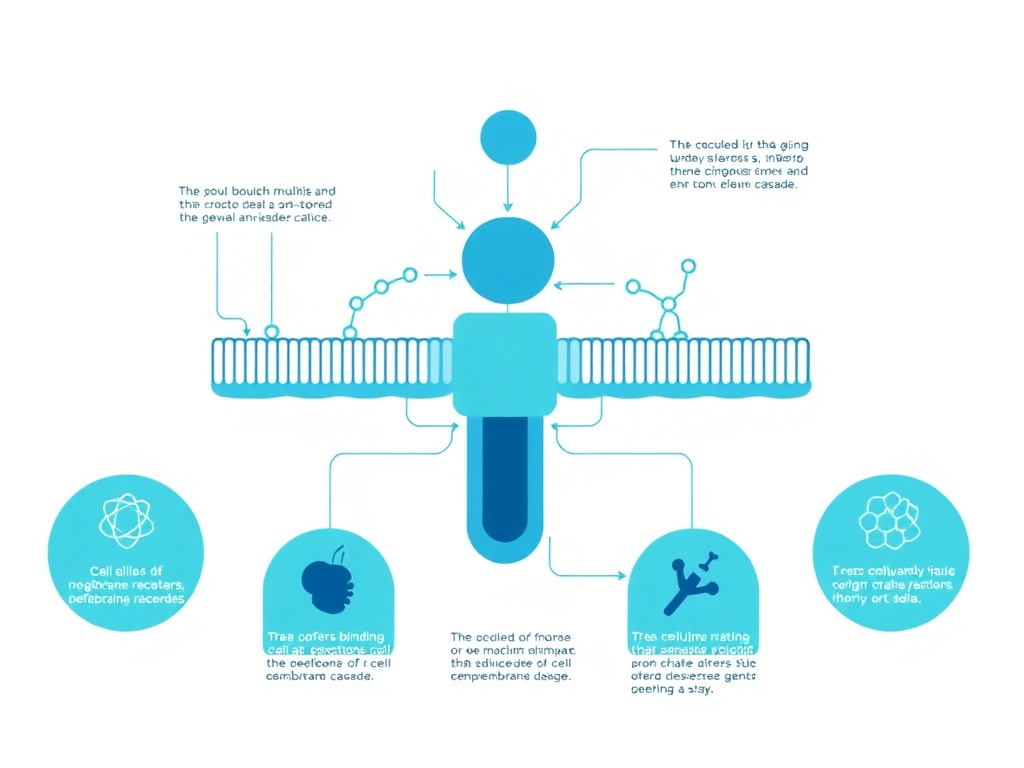
Figure 2: The hypothalamic-pituitary growth hormone axis and its regulatory feedback loops
Understanding how growth hormone secretagogues work requires a solid grasp of the GH axis itself - the intricate neuroendocrine system that controls GH production, release, and action throughout the body. This axis involves the hypothalamus, the anterior pituitary gland, the liver, and peripheral target tissues, all connected through overlapping feedback loops that maintain GH homeostasis.
Hypothalamic Control: The Dual-Signal System
Growth hormone secretion from the anterior pituitary is governed by two hypothalamic hormones with opposing actions. Growth hormone releasing hormone (GHRH), produced by neurons in the arcuate nucleus of the hypothalamus, acts as the primary stimulatory signal. GHRH travels through the hypothalamic-hypophyseal portal blood system to reach somatotroph cells in the anterior pituitary, where it binds the GHRH receptor (GHRH-R), a G protein-coupled receptor linked to the Gs alpha subunit. Activation of GHRH-R stimulates adenylyl cyclase, raising intracellular cAMP levels, which in turn activates protein kinase A (PKA). PKA phosphorylates the transcription factor CREB (cAMP response element-binding protein), driving GH gene transcription and also triggering exocytosis of stored GH granules. Through this mechanism, GHRH both increases the synthesis of new GH and stimulates the release of preformed GH.
The counterbalancing inhibitory signal comes from somatostatin (also called somatotropin release-inhibiting factor, or SRIF), produced by neurons in the periventricular nucleus of the hypothalamus. Somatostatin reaches the pituitary through the same portal system and binds to somatostatin receptors (SSTR subtypes 1 through 5, with SSTR2 and SSTR5 being most relevant for GH regulation). These receptors couple to Gi proteins that inhibit adenylyl cyclase, lowering cAMP and opposing the stimulatory effects of GHRH. Somatostatin also activates potassium channels, hyperpolarizing somatotroph cell membranes and preventing calcium entry needed for granule exocytosis. The net effect: somatostatin puts the brakes on GH release without significantly affecting GH synthesis.
The interplay between GHRH and somatostatin creates the characteristic pulsatile pattern of GH secretion. GHRH release occurs in bursts, while somatostatin tone fluctuates in a roughly reciprocal pattern. When GHRH peaks and somatostatin troughs coincide, you get a large GH pulse. When somatostatin is high and GHRH low, GH secretion drops to near zero. In healthy young adults, this produces approximately 6 to 12 GH pulses per 24 hours, with the largest pulses occurring during the first hours of slow-wave sleep. The amplitude of these pulses - not their frequency - accounts for most of the variation in total daily GH output between individuals and across the lifespan.
The Ghrelin Pathway: The Third Signal
For decades, the GH axis was understood as a simple two-signal system: GHRH stimulates, somatostatin inhibits. But the discovery of synthetic growth hormone releasing peptides in the 1970s and 1980s, followed by the identification of the endogenous ligand ghrelin in 1999 by Kojima and colleagues, revealed a third major regulatory input. Ghrelin, a 28-amino acid peptide produced primarily by X/A-like cells in the gastric fundus, acts on the growth hormone secretagogue receptor (GHS-R1a) on pituitary somatotrophs and on hypothalamic neurons. This receptor signals through Gq proteins, activating phospholipase C (PLC), generating inositol trisphosphate (IP3) and diacylglycerol (DAG), and mobilizing intracellular calcium stores. The calcium surge triggers GH granule release through a mechanism distinct from the cAMP pathway used by GHRH.
This distinction is clinically significant. Because GHRH and ghrelin/GHRPs activate different intracellular signaling cascades, their effects on GH release are additive or even complementary when combined. Studies in both animal models and humans have shown that co-administration of GHRH with a GHRP produces GH responses 2 to 4 times greater than either compound alone at equivalent doses. This pharmacological combined effect forms the scientific basis for combination protocols like CJC-1295/Ipamorelin, which pair a GHRH analog with a GHRP to maximize GH output.
Ghrelin also works at the hypothalamic level, stimulating GHRH neurons in the arcuate nucleus and suppressing somatostatin neurons in the periventricular nucleus. This dual hypothalamic action amplifies the GH pulse by simultaneously increasing the stimulatory signal and removing the inhibitory brake. The synthetic GHRPs and MK-677 mimic these actions of ghrelin at GHS-R1a, which explains why they're so effective at boosting GH release even when administered alone.
Somatotroph Cell Biology
The anterior pituitary contains roughly 35% to 45% somatotroph cells, making them the most abundant cell type in the gland. Each somatotroph contains approximately 500 to 700 secretory granules loaded with presynthesized GH, ready for rapid release upon stimulation. A single GH pulse can release 0.5 to 1.0 mg of GH into the circulation within minutes. The total pituitary GH content in a healthy adult ranges from 5 to 10 mg, providing a substantial reservoir for multiple daily pulses.
Somatotrophs express both GHRH-R and GHS-R1a, allowing them to integrate signals from both pathways simultaneously. They also express somatostatin receptors, IGF-1 receptors, and GH receptors (for short-loop feedback). The relative density of these receptors changes with age. In particular, GHRH-R expression decreases in older adults, which partially explains the age-related decline in GH secretion and the diminished response to GHRH stimulation testing seen in the elderly. This has practical implications: older individuals may respond better to GHRPs or GHRP/GHRH combinations than to GHRH analogs alone, because the ghrelin pathway provides an alternative stimulatory mechanism that partially bypasses the age-related loss of GHRH sensitivity.
Downstream Signaling: GH to IGF-1
Once released into circulation, GH exerts its effects through two mechanisms. Direct effects occur when GH binds the GH receptor (GHR) on target cells throughout the body, activating the JAK2-STAT5 signaling pathway. This produces acute metabolic effects including lipolysis in adipose tissue, hepatic glucose output, and protein synthesis in skeletal muscle. Indirect effects are mediated by insulin-like growth factor 1 (IGF-1), produced primarily in the liver in response to GH stimulation. Circulating IGF-1, bound to IGF binding proteins (particularly IGFBP-3 and its acid-labile subunit), acts in endocrine fashion on virtually every tissue. IGF-1 promotes cell growth and proliferation, enhances protein synthesis, supports bone mineralization, and provides neurotrophic and neuroprotective effects.
The GH-IGF-1 axis includes multiple feedback loops. IGF-1 feeds back to the hypothalamus, stimulating somatostatin release and suppressing GHRH release. IGF-1 also acts directly on pituitary somatotrophs to inhibit GH secretion. GH itself participates in short-loop feedback, and free fatty acids released by GH-stimulated lipolysis also suppress GH secretion. These layered feedback mechanisms are what make secretagogue therapy inherently safer than exogenous GH - you can't push the system far beyond its physiological ceiling because the negative feedback intensifies as GH and IGF-1 rise.
Age-Related Changes in the GH Axis
The decline in GH secretion with aging - termed somatopause - is one of the most pronounced endocrine changes of the human lifespan. Total 24-hour GH secretion drops by approximately 14% per decade after age 30. By age 60, many individuals have lost 75% or more of their youthful GH output. This decline manifests primarily as reduced GH pulse amplitude rather than reduced pulse frequency. The largest nocturnal GH pulses, which account for 60% to 70% of daily GH output in young adults, become progressively blunted with age.
Several mechanisms contribute to somatopause. First, hypothalamic GHRH output decreases, reducing the primary stimulatory drive. Second, somatostatin tone increases, providing greater tonic inhibition. Third, pituitary sensitivity to GHRH diminishes as GHRH-R expression declines. Fourth, increased adiposity - particularly visceral fat - raises free fatty acid levels that suppress GH through feedback mechanisms. Fifth, physical inactivity reduces the exercise-related GH pulses that contribute meaningfully to daily output. And sixth, declining sleep quality reduces the large nocturnal GH surges associated with slow-wave sleep.
Understanding these mechanisms helps explain why different secretagogues may be more or less effective in different populations. Young adults with intact GHRH sensitivity may respond well to GHRH analogs alone. Older adults with reduced GHRH-R expression may need the added stimulus of a GHRP acting through GHS-R1a. And individuals with significant visceral adiposity may benefit most from compounds like tesamorelin that specifically target visceral fat reduction, thereby removing a source of GH-suppressing feedback. The peptide research hub covers the broader context of how peptide therapy fits into age-related hormone optimization.
Circadian Rhythm and Sleep Architecture
GH secretion is tightly linked to sleep architecture. The largest GH pulse of the day typically occurs within the first 90 minutes of sleep onset, coinciding with the first episode of slow-wave sleep (stages N3). This relationship is so consistent that GH pulses can be used as a biological marker for slow-wave sleep quality. Disruption of sleep architecture - whether from sleep apnea, shift work, insomnia, or aging - directly impairs nocturnal GH secretion.
This sleep-GH connection has practical implications for secretagogue therapy. Most clinical protocols call for evening or bedtime dosing of GH secretagogues, timed to amplify the natural nocturnal GH surge. Compounds with shorter half-lives, like sermorelin and ipamorelin, are particularly well suited to this approach because they produce an acute GH pulse that aligns with the physiological pattern. Longer-acting compounds like CJC-1295 with DAC raise GH baseline levels more continuously, which may partially compromise the pulsatile pattern but offers the convenience of less frequent dosing.
The Role of Nutrition and Exercise
The GH axis doesn't operate in isolation from metabolic signals. Fasting and hypoglycemia are powerful GH stimuli - GH rises sharply during periods of caloric restriction as part of the body's fuel-mobilization response. Conversely, hyperglycemia and hyperinsulinemia suppress GH release, which is why GH levels are chronically low in insulin-resistant, obese individuals. This creates a vicious cycle: low GH promotes further fat accumulation, which further suppresses GH.
High-intensity exercise is another potent GH stimulus, triggering GH pulses through mechanisms involving catecholamines, lactate, nitric oxide, and acid-base shifts. Resistance training with heavy loads and short rest periods produces the largest exercise-induced GH responses, with peak GH levels reaching 8 to 30 ng/mL depending on the individual and protocol. These exercise-induced GH pulses can be further amplified by pre-exercise administration of GH secretagogues, a strategy explored in some research protocols and biohacking communities.
GHRH Analogs: Sermorelin, CJC-1295, Tesamorelin
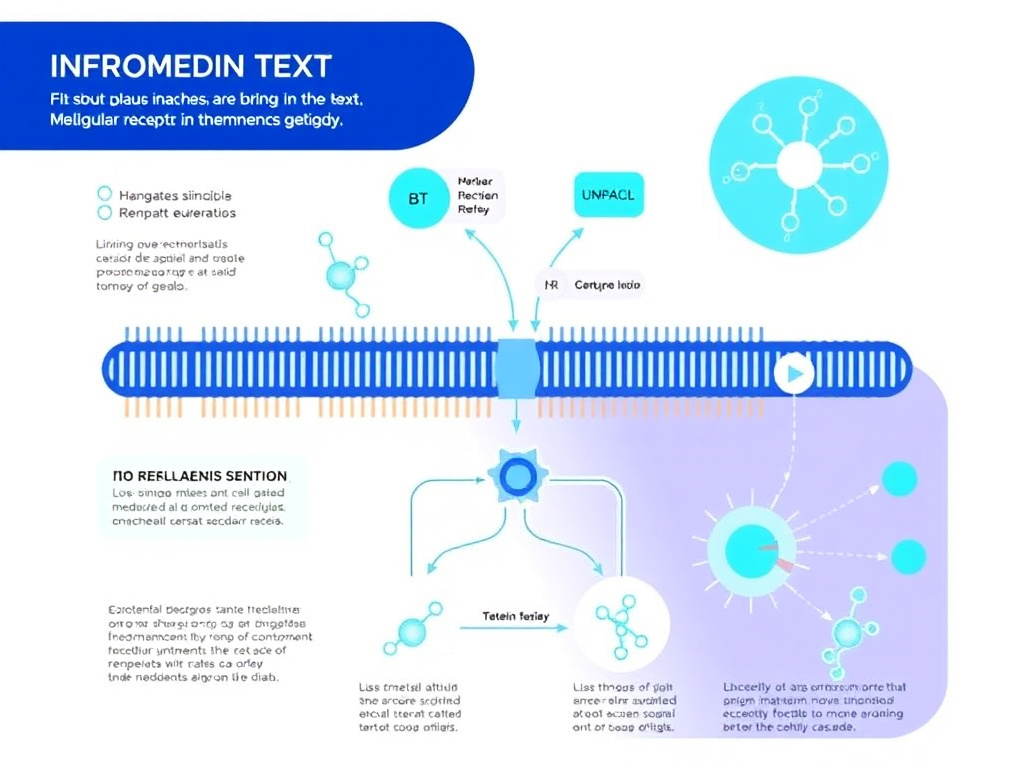
GHRH analogs are synthetic peptides that mimic the action of endogenous growth hormone releasing hormone at the GHRH receptor on pituitary somatotroph cells. They represent the most physiologically direct approach to stimulating GH secretion, acting through the same receptor and signaling pathway (cAMP/PKA/CREB) that your body's own GHRH uses. Three GHRH analogs have reached significant clinical development: sermorelin, CJC-1295 (in two forms), and tesamorelin. Each offers distinct pharmacokinetic properties that make it suited to different clinical applications.
Sermorelin (GRF 1-29 NH2): The Original GHRH Analog
Sermorelin is a 29-amino-acid peptide corresponding to the first 29 residues of the 44-amino-acid native GHRH molecule. Research in the 1980s established that the N-terminal 29 amino acids of GHRH contain the full biological activity of the native hormone - residues 30 through 44 contribute to stability but aren't required for receptor binding or activation. Sermorelin was the first GHRH analog to receive FDA approval, gaining its indication in 1997 under the brand name Geref for the evaluation and treatment of growth hormone deficiency in children.
Pharmacology and Pharmacokinetics
After subcutaneous injection, sermorelin is rapidly absorbed with peak plasma concentrations reached within 5 to 20 minutes. Its half-life is short - approximately 10 to 20 minutes - owing to rapid enzymatic degradation by dipeptidyl peptidase IV (DPP-IV) and other serum proteases. In fact, studies of plasma stability show that sermorelin is entirely degraded from plasma samples within 4 hours. This short half-life means sermorelin produces an acute, time-limited GH pulse that closely mimics the natural pattern of endogenous GHRH release. It's also why sermorelin requires daily (or sometimes twice-daily) dosing.
The GH response to sermorelin is dose-dependent but shows a plateau effect. In diagnostic testing, a standard dose of 1 mcg/kg IV produces a measurable GH peak within 15 to 30 minutes, with return to baseline by 60 to 90 minutes. Typical therapeutic doses for adults range from 200 to 500 mcg subcutaneously, administered at bedtime to coincide with natural nocturnal GH pulsatility. Some protocols use 100 to 300 mcg as a starting range, with upward titration guided by IGF-1 levels and clinical response.
Clinical Evidence
Sermorelin's clinical evidence base spans pediatric growth hormone deficiency, adult-onset GH insufficiency, and exploratory studies in aging, HIV-related muscle wasting, and cognitive function. In pediatric trials, sermorelin treatment over 6 to 12 months increased growth velocity in children with documented GH deficiency, though generally less effectively than direct GH replacement. Walker and colleagues published a comprehensive review noting that children with peak serum GH responses above 30 mU/L during IV GHRH testing were most likely to respond.
In the adult anti-aging context, a key study by Vittone and colleagues at the University of Washington examined sermorelin in older adults with reduced GH output. Participants receiving sermorelin showed improvements in body composition, with increases in lean body mass and reductions in percentage body fat, though the magnitude of these changes was modest compared to exogenous GH replacement. The advantage, however, was a significantly better safety profile with fewer cases of edema, carpal tunnel syndrome, and glucose intolerance.
Sermorelin's manufacturer voluntarily withdrew the product from the market in 2009, and the FDA subsequently withdrew the NDA. This decision was commercial, not safety-related - the manufacturer cited low sales volume. Sermorelin remains available through compounding pharmacies and continues to be widely used in clinical practice, particularly in anti-aging and wellness medicine. For individuals interested in sermorelin therapy, the dosing calculator can help estimate appropriate starting doses based on individual factors.
CJC-1295: Extended-Duration GHRH Stimulation
CJC-1295 represents a significant pharmacokinetic advance over sermorelin. Developed by ConjuChem Biotechnologies (now ConjuChem, LLC), CJC-1295 is a modified version of GRF(1-29) with four amino acid substitutions (Ala2, Ala8, Ala15, Leu27) that confer resistance to DPP-IV degradation. This modification alone dramatically extends the half-life compared to sermorelin. But the truly distinctive feature of CJC-1295 is its Drug Affinity Complex (DAC) technology, which allows the peptide to bind covalently and irreversibly to serum albumin after injection. This albumin conjugation extends the effective half-life to approximately 8 days, enabling sustained GH stimulation from a single injection.
CJC-1295 with DAC: Pharmacokinetics and Clinical Data
The landmark clinical study of CJC-1295 with DAC was published by Teichman and colleagues in 2006 in the Journal of Clinical Endocrinology and Metabolism. This randomized, placebo-controlled, double-blind study enrolled healthy adults aged 21 to 61 in two ascending-dose trials lasting 28 and 49 days. The results were striking. After a single subcutaneous injection, CJC-1295 with DAC produced dose-dependent increases in mean plasma GH concentrations by 2-fold to 10-fold for 6 days or more, and mean plasma IGF-1 concentrations rose by 1.5-fold to 3-fold for 9 to 11 days. After multiple doses, mean IGF-1 levels remained elevated by 1.5-fold to 3-fold for up to 28 days. No serious adverse events were reported at doses of 30 or 60 mcg/kg.
The prolonged duration of action means CJC-1295 with DAC can be dosed weekly or even less frequently, a major practical advantage. However, the sustained GH elevation raises a theoretical concern: it may partially compromise the pulsatile GH pattern by maintaining elevated baseline levels. Whether this matters clinically is debated. Proponents argue the convenience and sustained IGF-1 elevation outweigh any theoretical concern about pulsatility. Skeptics prefer the non-DAC version, which preserves more natural pulsatile dynamics.
CJC-1295 without DAC (Modified GRF 1-29)
CJC-1295 without DAC - also called Modified GRF(1-29) or Mod GRF - contains the same four amino acid substitutions for protease resistance but lacks the albumin-binding DAC moiety. This gives it a half-life of approximately 30 minutes, much longer than sermorelin's 10 to 20 minutes but far shorter than CJC-1295 with DAC's 8-day duration. The non-DAC version produces a more acute GH pulse that better preserves pulsatile dynamics, making it the preferred form for combination protocols with GHRPs like ipamorelin.
When people refer to CJC-1295/Ipamorelin combinations in clinical practice, they almost always mean the non-DAC form. This combination is one of the most widely prescribed GH secretagogue regimens, exploiting the combined effect between GHRH-R and GHS-R1a activation. The non-DAC form's shorter half-life makes it compatible with the 2 to 3 times daily dosing schedule that many combination protocols employ.
Tesamorelin: The FDA-Approved GHRH Analog
Tesamorelin is a 44-amino-acid GHRH analog with a trans-3-hexenoic acid modification at the N-terminus. This modification confers substantially greater resistance to proteolytic degradation compared to sermorelin - studies show that tesamorelin resists proteolytic activity in human plasma, while sermorelin is entirely degraded within 4 hours. Developed by Theratechnologies Inc. and marketed as Egrifta (and more recently as Egrifta WR in an improved formulation approved by the FDA in March 2025), tesamorelin is the only GHRH analog with an active FDA approval.
Phase III Clinical Trial Results
Tesamorelin's approval was based on two multicenter, randomized, double-blind, placebo-controlled Phase III trials enrolling HIV-infected adults with lipodystrophy and excess visceral abdominal fat. Each study consisted of a 26-week Main Phase followed by a 26-week Extension Phase. In these trials, tesamorelin significantly reduced visceral adipose tissue (VAT) without clinically meaningful effects on subcutaneous adipose tissue (SAT) - a selective visceral fat reduction that sets it apart from general weight loss interventions.
The studies defined an 8% or greater decrease in VAT area as clinically significant and used this threshold to identify responders. Among responders, VAT decreased from 187 cm squared to 137 cm squared by Week 26, approaching normal levels. By Week 52 in the extension phases, responders had achieved VAT levels at or near normal. Patients who were re-randomized to placebo after the initial 26-week active treatment period regained their visceral fat, confirming that continued treatment was necessary to maintain the benefit.
Additional Metabolic Benefits
Beyond visceral fat reduction, tesamorelin demonstrated improvements in several metabolic parameters in the Phase III trials. Triglyceride levels decreased, trunk fat-to-limb fat ratio improved, and patient-reported body image scores increased. Some exploratory analyses suggested improvements in liver fat content, which has generated interest in tesamorelin as a potential treatment for non-alcoholic fatty liver disease (NAFLD) and metabolic-associated steatotic liver disease (MASLD), though these applications remain investigational.
Safety Profile in Phase III Trials
Tesamorelin was generally well tolerated. Treatment-emergent serious adverse events occurred in less than 4% of patients during 26 weeks of therapy. The most common adverse effects were injection-site reactions (erythema, pruritus, pain at the injection site) and effects consistent with GH therapy: arthralgia, headache, and peripheral edema. These GH-related side effects were generally mild and transient. The updated Egrifta WR formulation, approved in 2025, requires weekly reconstitution rather than daily and delivers less than half the injection volume of the previous formulation, significantly improving patient convenience.
GHRH Analog Comparison Table
| Property | Sermorelin | CJC-1295 (no DAC) | CJC-1295 (with DAC) | Tesamorelin |
|---|---|---|---|---|
| Amino acids | 29 | 29 (modified) | 29 (modified + DAC) | 44 (modified) |
| Half-life | 10-20 min | ~30 min | ~8 days | 26-38 min |
| GH elevation duration | 1-2 hours | 2-4 hours | 6+ days | 2-4 hours |
| Typical dose | 200-500 mcg SC | 100-300 mcg SC | 1000-2000 mcg SC weekly | 2 mg SC daily |
| Dosing frequency | Daily (bedtime) | 1-3x daily | Weekly | Daily |
| FDA status | Withdrawn (2009) | Not approved | Not approved | Approved (Egrifta) |
| Preserves pulsatility | Yes (strong) | Yes (moderate) | Partially | Yes (moderate) |
| Best use case | Bedtime GH pulse; GHRP combo | GHRP combination protocols | Sustained IGF-1 elevation | Visceral fat reduction |
Clinical Decision Points for GHRH Analogs
Choosing between GHRH analogs depends on several factors. If your primary goal is preserving natural GH pulsatility, sermorelin or CJC-1295 without DAC are the best choices because their short half-lives produce discrete GH pulses that fade before the next dose. If convenience is paramount and you want sustained IGF-1 elevation with minimal injection frequency, CJC-1295 with DAC offers once-weekly dosing. If you need an FDA-approved therapy with strong Phase III data, tesamorelin is the only option, particularly if visceral fat reduction is a treatment goal.
Most clinicians working with GH secretagogues combine a GHRH analog with a GHRP rather than using either class alone. This combination approach uses the combined effect between the two receptor systems, typically producing GH release 2 to 4 times greater than either compound alone. The most common pairing is CJC-1295 (without DAC) with ipamorelin, a combination discussed in depth in the Combination Protocols section of this report. You can explore FormBlends' CJC-1295/Ipamorelin blend as a convenient way to access both compounds in a single formulation.
The Current State of Growth Hormone Optimization
The growth hormone optimization field has undergone a profound transformation over the past two decades. What began with direct recombinant GH replacement therapy in the 1990s has evolved into a nuanced, multi-compound approach centered on preserving the body's own physiological machinery. Today's clinician has access to compounds spanning three pharmacological classes, each with distinct advantages and trade-offs that allow truly individualized treatment.
This evolution reflects a broader shift in how we think about hormone optimization. Rather than replacing deficient hormones with exogenous substitutes, the secretagogue approach asks a different question: can we restore the body's own capacity to produce what it needs? The answer, supported by decades of clinical research, is largely yes. The pituitary gland retains substantial GH-producing capacity even in older adults - the decline in GH output is primarily driven by changes in hypothalamic signaling (less GHRH, more somatostatin) rather than somatotroph cell death. Secretagogues bypass this regulatory bottleneck by providing the stimulatory signal that the aging hypothalamus no longer delivers adequately.
The practical implications are significant. A 60-year-old woman with symptoms consistent with adult GH deficiency - fatigue, increased visceral adiposity, declining muscle mass, thinning skin, poor sleep quality - may not need exogenous GH injections. Instead, a combination like CJC-1295/Ipamorelin at bedtime can restore her pituitary's GH output to levels typical of a 30-year-old, while her own feedback systems prevent overproduction. The GH comes from her own somatotrophs, in her own pulsatile pattern, regulated by her own somatostatin and IGF-1 feedback. It's hormone restoration rather than hormone replacement, and that distinction carries real clinical meaning for both efficacy and safety.
Market and Regulatory Landscape
The regulatory status of growth hormone secretagogues varies widely across compounds and jurisdictions. Tesamorelin holds active FDA approval (Egrifta/Egrifta WR) for HIV-associated lipodystrophy, making it the only GH secretagogue with a current U.S. marketing authorization. GHRP-2 (pralmorelin) is approved in Japan under the brand name GHRP Kaken 100 for diagnostic assessment of growth hormone deficiency, with cut-off values established at 9 ng/mL for severe adult GH deficiency and 16 ng/mL for pediatric GH deficiency. Sermorelin held FDA approval from 1997 to 2009 before its manufacturer voluntarily withdrew it for commercial, not safety, reasons.
CJC-1295, ipamorelin, GHRP-6, hexarelin, and MK-677 remain investigational compounds that haven't received regulatory approval in any major market for therapeutic use. They're available through compounding pharmacies with a prescriber's authorization in the United States, though the FDA's evolving stance on compounded peptides has created uncertainty in this space. The FDA held public hearings in 2024 regarding the status of several peptide compounds on the bulk drug substance list, and clinicians and patients alike should stay informed about regulatory developments. The peptide research hub provides updates on these regulatory changes as they occur.
GH Transport and Receptor Dynamics
Once secreted by pituitary somatotrophs, GH enters the bloodstream in both free and bound forms. Approximately 45% of circulating GH is bound to growth hormone binding protein (GHBP), which is the extracellular domain of the GH receptor cleaved from cell surfaces by metalloproteinase activity. GHBP-bound GH has a longer half-life (approximately 20 minutes) than free GH (approximately 7 to 10 minutes), and this binding creates a circulating reservoir that buffers GH pulsatility and extends its biological availability. Understanding this binding dynamic matters for interpreting GH measurements during secretagogue therapy - standard GH assays may or may not measure GHBP-bound GH, potentially leading to different numerical results depending on the assay used.
The GH receptor (GHR) is a type I cytokine receptor that exists as a preformed dimer on cell surfaces. When GH binds, it triggers a conformational change in the dimer that brings the intracellular domains into close proximity, activating the associated Janus kinase 2 (JAK2). JAK2 then phosphorylates signal transducer and activator of transcription 5 (STAT5), which dimerizes, translocates to the nucleus, and drives transcription of target genes - including IGF-1 in hepatocytes. But JAK2 also activates the MAPK/ERK and PI3K/Akt pathways, mediating direct metabolic effects of GH on lipid metabolism, glucose handling, and cell growth.
An often-overlooked aspect of GH signaling is the role of suppressors of cytokine signaling (SOCS) proteins. GH-activated STAT5 induces SOCS expression, and SOCS proteins then inhibit JAK2, creating an intracellular negative feedback loop. This mechanism limits the duration of GH signaling after each pulse and contributes to the importance of pulsatile delivery - continuous GH exposure leads to sustained SOCS induction that progressively desensitizes the receptor, while pulsatile exposure allows SOCS levels to decline between pulses, maintaining receptor sensitivity. This molecular mechanism provides another reason why secretagogues that preserve pulsatile GH release may be superior to continuous GH replacement.
IGF-1 System Complexity
The IGF-1 signaling system is considerably more complex than a simple GH-to-IGF-1 cascade. Circulating IGF-1 is bound in ternary complexes with IGF binding proteins (primarily IGFBP-3) and the acid-labile subunit (ALS). These complexes extend IGF-1's half-life from approximately 10 minutes (free) to 12 to 15 hours (in the ternary complex), creating a stable circulating reservoir. Six IGFBPs have been identified (IGFBP-1 through IGFBP-6), each with different tissue distributions, regulatory mechanisms, and effects on IGF-1 bioavailability.
IGFBP-1 is particularly relevant to secretagogue therapy because it's acutely suppressed by insulin. After a meal, insulin rises, IGFBP-1 falls, and more IGF-1 becomes free and bioavailable. During fasting, insulin drops, IGFBP-1 rises, and free IGF-1 decreases. This dynamic explains why the timing of secretagogue administration relative to meals affects not just GH release but also the downstream IGF-1 response. Taking secretagogues in a fasted state maximizes GH release but also coincides with higher IGFBP-1 levels that may partially buffer the IGF-1 response. Some clinicians factor this into their dosing strategies, though the clinical significance of these nuances is debated.
Local IGF-1 production - so-called autocrine/paracrine IGF-1 - is also GH-dependent and may be more clinically relevant than circulating levels for certain tissues. Skeletal muscle, bone, and cartilage produce local IGF-1 in response to GH stimulation, and this local IGF-1 acts directly on neighboring cells without entering the bloodstream. This means serum IGF-1 measurements, while useful for monitoring, may not capture the full tissue-level effects of GH secretagogue therapy. A patient with a modest IGF-1 increase on blood work may still be experiencing significant local tissue effects that aren't reflected in the number.
Sexual Dimorphism in GH Secretion
GH secretion patterns differ meaningfully between males and females, with implications for secretagogue therapy. Men typically show higher-amplitude, less frequent GH pulses with lower interpulse baseline levels - a pattern of stark "on-off" GH exposure. Women show more frequent, lower-amplitude pulses with higher baseline GH levels, creating a more continuous exposure pattern. Estrogen is the primary driver of this difference, potentiating both GHRH-induced and GHRP-induced GH release through effects on hypothalamic somatostatin tone and pituitary GHRH-R expression.
These sex differences have practical implications. Premenopausal women may show larger GH responses to secretagogues than age-matched men, particularly during the follicular phase of the menstrual cycle when estrogen levels peak. Postmenopausal women, with declining estrogen levels, lose some of this enhanced responsiveness and may require higher secretagogue doses to achieve the same GH output. Hormone replacement therapy with estrogen can restore the enhanced GH responsiveness, suggesting that estrogen status should be considered when designing secretagogue protocols for women. The GLP-1 weight loss overview discusses how these hormonal interactions affect body composition outcomes.
CJC-1295: Advanced Pharmacology
The four amino acid substitutions in CJC-1295 (Ala2, Ala8, Ala15, Leu27) deserve closer examination because they illustrate important principles of peptide engineering. The substitution at position 2 (replacing the native alanine with D-alanine in some versions, or other modifications) protects against DPP-IV cleavage, which is the primary degradation pathway for native GHRH and sermorelin. DPP-IV clips the first two amino acids from the N-terminus, generating an inactive metabolite. By modifying the DPP-IV recognition site, CJC-1295 resists this cleavage and maintains biological activity much longer in circulation.
The modifications at positions 8, 15, and 27 serve different purposes. Position 8 and 15 substitutions enhance receptor binding affinity and reduce susceptibility to other serum proteases. The leucine at position 27 (replacing the native methionine) prevents oxidation, which can inactivate the peptide. Together, these modifications create a peptide that binds the GHRH receptor with affinity comparable to native GHRH but resists degradation far more effectively. The result is a compound with 30-fold longer biological activity than sermorelin.
The Drug Affinity Complex (DAC) technology used in CJC-1295 with DAC takes stability a step further. DAC is a reactive chemical group (maleimidopropionic acid) that, after injection, forms a covalent thioether bond with Cys34 on serum albumin - the lone free cysteine residue on the albumin molecule. This irreversible conjugation essentially "hitches" the peptide to the body's most abundant circulating protein, protecting it from renal clearance and enzymatic degradation. The albumin-conjugated peptide retains its ability to bind and activate the GHRH receptor, but now has an effective half-life matching that of albumin itself - approximately 8 days. This means a single injection continues to stimulate GH release for over a week.
CJC-1295 with DAC: Clinical Considerations
The extended half-life of CJC-1295 with DAC is both its greatest advantage and its most debated feature. On the positive side, weekly or biweekly dosing dramatically simplifies the treatment protocol. Patients who struggle with daily injections or who travel frequently benefit enormously from a compound that requires attention only once or twice per week. The sustained IGF-1 elevation (1.5- to 3-fold above baseline for 9 to 11 days after a single dose) provides continuous anabolic signaling, supporting ongoing tissue repair, protein synthesis, and metabolic benefits.
The concern is that continuous GHRH-R stimulation may partially override the pulsatile GH pattern. Instead of producing discrete GH bursts followed by complete troughs, CJC-1295 with DAC creates a persistently elevated GH baseline upon which smaller pulses are superimposed. Whether this matters clinically is uncertain. Some researchers argue that the pulsatile pattern is critical for metabolic optimization - that the contrast between GH peaks and troughs drives different gene expression programs than continuous exposure. Others point out that the clinical outcomes (body composition improvement, IGF-1 normalization) appear comparable regardless of whether GH delivery is strictly pulsatile or somewhat continuous.
A middle-ground approach used by some clinicians is to prescribe CJC-1295 with DAC once weekly for sustained baseline IGF-1 support, while adding acute GHRP doses (like ipamorelin) at bedtime to create defined GH pulses on top of the elevated baseline. This "hybrid" protocol attempts to capture the convenience of DAC-based sustained release while preserving some degree of pulsatile dynamics. However, no published clinical trial has directly compared this approach to simpler protocols.
Sermorelin: Deep Clinical History
Sermorelin's clinical journey offers important lessons about the intersection of pharmaceutical science and commercial reality. Developed in the 1980s as the minimal active fragment of GHRH, sermorelin was first studied as a diagnostic agent for GH deficiency testing. A single IV dose of sermorelin could distinguish GH-sufficient from GH-deficient patients based on the magnitude of the GH response, providing a functional test of pituitary reserve. This diagnostic application received FDA approval first.
Subsequent clinical development focused on therapeutic use in pediatric growth hormone deficiency. The rationale was appealing: rather than giving children daily GH injections (which suppress their own pituitary function), sermorelin could stimulate their own GH production, preserving physiological regulation. Clinical trials showed that sermorelin increased growth velocity in GH-deficient children, though not quite as effectively as direct GH replacement. The FDA approved the therapeutic indication in 1997 (Geref), and sermorelin was marketed by Serono (later EMD Serono).
The commercial reality, however, proved challenging. Sermorelin's efficacy in growth velocity was somewhat lower than rhGH, making it a second-line option. Its short half-life required daily injection, the same burden as GH replacement. And the price point was similar to GH. These factors limited market uptake, and the manufacturer made a business decision to discontinue the product. The FDA withdrew the NDA in 2009 - a regulatory formality that follows manufacturer withdrawal, not a safety or efficacy action. This distinction matters because it means sermorelin was never determined to be unsafe or ineffective by the FDA; it simply left the commercial market because its manufacturer chose not to continue supporting it.
Sermorelin found a second life in compounding pharmacy, where it became one of the most widely prescribed peptides in the anti-aging and functional medicine community. Freed from the constraints of a single manufacturer's commercial calculations, sermorelin became available at lower cost through compounding pharmacies and gained widespread adoption for adult GH optimization, sleep improvement, and body composition enhancement. The sermorelin product page at FormBlends provides current prescribing information and access.
Tesamorelin: Beyond HIV Lipodystrophy
While tesamorelin's FDA approval is specific to HIV-associated lipodystrophy, its mechanism of action makes it potentially relevant to a much broader population. Visceral adiposity is the hallmark of metabolic syndrome, affecting an estimated 35% of U.S. adults. The selective visceral fat reduction demonstrated in tesamorelin's Phase III trials - decreasing VAT without significantly affecting subcutaneous fat - is exactly the tissue-specific effect that metabolic health requires.
Several investigator-initiated studies have explored tesamorelin in non-HIV populations. Stanley and colleagues published a randomized clinical trial in JAMA (2014) examining tesamorelin's effects on liver fat in HIV-positive patients with abdominal fat accumulation. The study found significant reductions in hepatic fat fraction alongside the expected visceral fat reduction, suggesting potential utility in non-alcoholic fatty liver disease. Given the enormous and growing prevalence of NAFLD/MASLD (affecting an estimated 25% to 30% of adults globally), this finding has generated considerable interest in tesamorelin as a metabolic therapy beyond its approved indication.
Additional research has examined tesamorelin's effects on cognitive function in older adults. A pilot study found improvements in verbal memory and executive function following tesamorelin treatment, consistent with the neuroprotective effects attributed to GH and IGF-1. These cognitive findings are preliminary but align with the broader hypothesis that age-related GH decline contributes to cognitive changes associated with aging. Ongoing research may eventually support expanded indications for tesamorelin, though the regulatory pathway for new indications would require additional Phase III trials.
Ipamorelin: Mechanism of Selectivity
Ipamorelin's remarkable selectivity for GH release - its ability to stimulate growth hormone without touching cortisol, ACTH, or prolactin - has puzzled researchers since its discovery. How can a compound that activates the same receptor (GHS-R1a) as GHRP-2 and GHRP-6 produce such different hormonal profiles? Several hypotheses have been proposed.
The most widely accepted explanation involves receptor binding kinetics and conformational selectivity. All GHRPs bind GHS-R1a, but they don't necessarily stabilize the same receptor conformation upon binding. Modern receptor pharmacology recognizes that G protein-coupled receptors (GPCRs) like GHS-R1a can adopt multiple active conformations, each coupling preferentially to different intracellular signaling pathways - a concept called biased agonism or functional selectivity. Ipamorelin may stabilize a GHS-R1a conformation that couples efficiently to the GH-releasing pathway in somatotrophs while coupling poorly to pathways in corticotrophs and lactotrophs. GHRP-2 and GHRP-6, with their different chemical structures, may stabilize conformations that activate a broader range of downstream pathways.
Another contributing factor may be tissue-specific receptor interactions. GHS-R1a exists in different cellular environments in somatotrophs, corticotrophs, and hypothalamic neurons, surrounded by different membrane lipid compositions and associated with different protein interaction partners. Ipamorelin's specific chemical structure (five amino acids in a particular configuration) may interact favorably with the somatotroph receptor environment while failing to achieve productive signaling in corticotroph or hypothalamic contexts. This tissue-specific pharmacology is consistent with the observation that ipamorelin doesn't stimulate ACTH even at enormous doses (200-fold above the GH ED50), suggesting it truly cannot activate the corticotroph signaling pathway rather than simply being less potent at it.
For clinical purposes, this selectivity translates to a cleaner side effect profile, predictable GH responses without hormonal cross-talk, and simpler monitoring requirements (no need to track cortisol or prolactin levels). These advantages make ipamorelin the preferred foundation for combination protocols, which is why the CJC-1295/Ipamorelin combination has become the de facto standard in clinical practice.
GHRP-2: Diagnostic Applications and Beyond
GHRP-2's approval in Japan as a diagnostic agent deserves expanded discussion, as it represents the most advanced regulatory validation of any GHRP. The diagnostic protocol involves a single 100 mcg IV bolus of pralmorelin, followed by serial blood sampling at 0, 15, 30, 45, 60, 90, and 120 minutes. The GH peak value determines whether the patient has normal GH secretory capacity or meets criteria for GH deficiency.
The established diagnostic cut-off values are critical reference points. For severe adult GH deficiency (AGHD), a peak GH response below 9 ng/mL to GHRP-2 stimulation indicates significant pituitary impairment. For children with suspected GH deficiency, the cut-off is 16 ng/mL. Analysis of receiver-operating characteristics (ROC) curves in Phase II validation studies established an optimal threshold of 15 mcg/L for distinguishing GH-deficient patients from healthy controls, with sensitivity exceeding 90% in both pediatric and adult cohorts.
The GHRP-2 stimulation test offers several advantages over traditional GH provocative tests. Conventional tests use insulin-induced hypoglycemia (insulin tolerance test, or ITT) - considered the gold standard - but carry risks of severe hypoglycemia and are contraindicated in patients with seizure disorders or cardiovascular disease. Other provocative agents (arginine, clonidine, glucagon) have variable sensitivity and specificity. GHRP-2 testing is safer (no hypoglycemia risk), more convenient, and produces reliable, reproducible GH responses in normal subjects, making the distinction between normal and deficient more clear-cut.
Beyond diagnostics, GHRP-2's therapeutic potential has been explored in several clinical contexts. Studies in GH-deficient adults have shown that chronic GHRP-2 administration can increase GH pulse amplitude and IGF-1 levels, improving body composition parameters. Research has also examined GHRP-2's utility in conditions where appetite stimulation is therapeutically desirable, including cancer-related cachexia and anorexia of aging, though its appetite-stimulating effect is less pronounced than that of GHRP-6 or MK-677.
GHRP-6: Cytoprotective Research in Detail
The cytoprotective properties of GHRP-6 represent one of the most intriguing areas of GH secretagogue research, and the work led primarily by Cuban researchers at the Center for Genetic Engineering and Biotechnology (CIGB) in Havana has been particularly productive. Their research has demonstrated that GHRP-6 provides protection against ischemia-reperfusion injury through mechanisms independent of GH release.
In liver injury models, GHRP-6 reduced hepatic fibrosis markers, decreased inflammatory cytokine expression, and promoted hepatocyte survival following toxic insults. The hepatoprotective effect appeared to involve activation of the PI3K/Akt survival pathway and suppression of NF-kB-mediated inflammatory signaling. These effects were observed at GHRP-6 doses that produced minimal GH elevation, suggesting a direct tissue effect mediated through receptors other than - or in addition to - GHS-R1a.
Cardiac protection studies showed that GHRP-6 administered before or immediately after myocardial ischemia reduced infarct size, preserved ventricular function, and decreased cardiomyocyte apoptosis. The mechanism involved both anti-inflammatory effects and direct cytoprotective signaling. Similar protection was demonstrated in kidney and brain ischemia models. While these findings are from preclinical animal studies and haven't been confirmed in human clinical trials, they suggest that GHRPs have biological activities extending well beyond their classic GH-releasing function.
For patients interested in GH secretagogue therapy who also have concerns about tissue protection or recovery from injury, these cytoprotective findings add another dimension to compound selection. While BPC-157 and TB-500 are the primary peptides used for tissue repair and protection (see the BPC-157/TB-500 blend), GHRP-6's dual GH-releasing and cytoprotective properties may provide complementary benefits in certain recovery scenarios.
Hexarelin: Cardiac and Metabolic Effects
Hexarelin's interaction with the CD36 receptor warrants deeper exploration. CD36 (also known as scavenger receptor class B type 3) is a multiligand receptor expressed on numerous cell types including cardiomyocytes, macrophages, adipocytes, and endothelial cells. It plays key roles in fatty acid uptake, lipid metabolism, and inflammatory signaling. Hexarelin's binding to CD36 on cardiac cells activates peroxisome proliferator-activated receptor gamma (PPAR-gamma) signaling, which influences fatty acid oxidation, mitochondrial function, and cell survival pathways.
In preclinical studies, hexarelin's CD36-mediated cardiac effects included improved coronary artery perfusion, reduced cardiac fibrosis, enhanced mitochondrial biogenesis, and protection against doxorubicin-induced cardiotoxicity. The latter finding is particularly interesting because doxorubicin cardiotoxicity is a significant clinical problem in oncology, and hexarelin's protective effect appeared to be independent of GH release. However, these are animal model findings, and no human clinical trial has tested hexarelin specifically for cardiac protection.
Hexarelin has also been studied for its effects on lipid metabolism through CD36. By modulating fatty acid uptake and oxidation in cardiac and hepatic tissue, hexarelin may influence lipid profiles in ways that go beyond its GH-releasing action. Some preclinical data suggest improvements in cholesterol handling and reduced atherosclerotic plaque formation, though the clinical relevance of these findings for human patients remains to be established.
MK-677: Bone Health and Aging
One of MK-677's most promising therapeutic applications may be bone health. Murphy and colleagues published a study in the Journal of Bone and Mineral Research (2001) examining MK-677's effects on bone turnover markers in healthy elderly adults and functionally impaired elderly subjects. The study found that MK-677 25 mg daily increased markers of both bone formation (osteocalcin, bone-specific alkaline phosphatase) and bone resorption (urinary deoxypyridinoline cross-links), with the formation markers increasing more than the resorption markers - a net positive balance suggesting improved bone remodeling.
The bone effects of MK-677 are mediated through both GH and IGF-1. GH directly stimulates osteoblast differentiation and activity, while IGF-1 promotes osteoblast proliferation and matrix synthesis. The sustained IGF-1 elevation produced by daily MK-677 provides continuous anabolic signaling to bone tissue, which requires months of consistent stimulus to show meaningful density changes. This is consistent with the general observation that bone effects of GH therapy require 6 to 12 months to manifest on DXA scans.
For the aging population at risk of osteoporosis, MK-677's oral dosing convenience and sustained bone anabolic effects make it an interesting candidate for bone health support. However, the metabolic side effects (particularly glucose dysregulation) must be weighed against bone benefits, and no clinical trial has yet demonstrated that MK-677 actually reduces fracture risk - the gold standard endpoint for osteoporosis therapies. Current evidence supports MK-677's effect on bone turnover markers but stops short of proving clinically meaningful fracture prevention.
MK-677: Sleep Architecture Effects
An intriguing secondary effect of MK-677 relates to sleep architecture. GH secretion is intimately linked to slow-wave sleep, and compounds that enhance GH pulsatility may also influence sleep structure. Studies of MK-677's effects on sleep found that it increased the duration of stage III and stage IV (deep) sleep by approximately 20% and increased REM sleep duration by approximately 50% in young healthy subjects. These sleep improvements were observed alongside the expected GH and IGF-1 elevations.
The mechanism likely involves MK-677's activation of GHS-R1a on hypothalamic neurons involved in sleep regulation, independent of its GH-releasing action. Ghrelin receptor signaling in the lateral hypothalamus and ventrolateral preoptic nucleus - brain regions critical for sleep-wake regulation - may promote deeper and more restorative sleep. For patients whose primary complaint is poor sleep quality, this dual benefit (improved sleep plus enhanced GH release during improved sleep) can be particularly attractive. DSIP (Delta Sleep Inducing Peptide) and Pinealon offer complementary approaches to sleep optimization that can be combined with MK-677 or other secretagogues.
MK-677: Cognitive and Neuroprotective Potential
Both GH and IGF-1 are neurotrophic factors with well-documented effects on brain function. IGF-1 promotes neuronal survival, synaptic plasticity, and hippocampal neurogenesis - processes critical for learning and memory. GH receptors are expressed throughout the brain, with particularly high density in the hippocampus, cortex, and choroid plexus. Age-related GH decline has been implicated in cognitive changes associated with aging, and GH replacement has shown cognitive benefits in GH-deficient adults.
MK-677's ability to restore GH and IGF-1 to youthful levels has generated interest in its potential cognitive benefits. The 2-year NCT00395291 trial included cognitive assessments as secondary endpoints, and while the full cognitive data haven't been extensively published, preliminary reports suggest improvements in certain memory and executive function tasks. Whether these cognitive benefits are clinically meaningful - and whether they persist with long-term use - remains to be determined in larger, appropriately powered studies.
The neuroprotective potential of MK-677 extends beyond simple GH/IGF-1 elevation. Ghrelin receptor activation in the brain produces direct neuroprotective effects through activation of the PI3K/Akt survival pathway, suppression of neuroinflammation, and enhancement of mitochondrial function in neurons. These effects have been demonstrated in animal models of Alzheimer's disease, Parkinson's disease, and stroke, though translation to human neurodegenerative diseases remains speculative. Individuals interested in neuroprotective peptide strategies may also want to explore Semax, Dihexa, and P21 for their distinct cognitive enhancement mechanisms.
GHRPs: Ipamorelin, GHRP-2, GHRP-6, Hexarelin
Growth hormone releasing peptides (GHRPs) are a class of synthetic peptides that stimulate GH release by binding to the growth hormone secretagogue receptor type 1a (GHS-R1a), the same receptor activated by the endogenous hormone ghrelin. Unlike GHRH analogs, which act through the cAMP/PKA pathway, GHRPs signal through phospholipase C (PLC), generating IP3 and DAG, mobilizing intracellular calcium stores, and triggering GH granule exocytosis. This mechanistic distinction is why GHRPs synergize powerfully with GHRH analogs when the two are combined.
Four GHRPs have reached significant clinical development and are widely used in peptide therapy: ipamorelin, GHRP-2 (pralmorelin), GHRP-6, and hexarelin. They share the same primary target receptor but differ substantially in their selectivity, potency, side effect profiles, and auxiliary pharmacological actions. Understanding these differences is essential for selecting the right GHRP for your goals.
Ipamorelin: The Gold Standard for Selectivity
Ipamorelin is a pentapeptide (five amino acid) growth hormone secretagogue first described by Raun and colleagues in 1998 in a landmark paper published in the European Journal of Endocrinology. The study's title said it all: "Ipamorelin, the first selective growth hormone secretagogue." What made ipamorelin exceptional wasn't its GH-releasing potency - which is comparable to GHRP-6 - but its remarkable selectivity for GH release without stimulating other pituitary hormones.
Selectivity Data
In the original preclinical studies using conscious swine, ipamorelin released GH with an ED50 of 2.3 plus or minus 0.03 nmol/kg and an Emax of 65 plus or minus 0.2 ng GH/mL plasma. This was very similar to GHRP-6, which showed an ED50 of 3.9 plus or minus 1.4 nmol/kg and an Emax of 74 plus or minus 7 ng GH/mL plasma. In vitro studies using primary rat pituitary cells confirmed similar potency, with ipamorelin showing an EC50 of 1.3 plus or minus 0.4 nmol/L and an Emax of 85 plus or minus 5% relative to GHRP-6's 100% reference value.
Here's where ipamorelin truly separates itself from the pack. When the researchers measured ACTH and cortisol levels after administration, GHRP-6 and GHRP-2 both produced significant elevations in ACTH and cortisol. Ipamorelin did not. Even at doses more than 200-fold higher than its ED50 for GH release, ipamorelin failed to raise ACTH or cortisol levels beyond what's seen with GHRH stimulation alone. It also didn't increase prolactin at therapeutic doses. This clean hormonal profile makes ipamorelin the preferred GHRP for patients who need GH stimulation without the metabolic consequences of cortisol elevation or the side effects associated with prolactin increase.
Clinical Applications
Ipamorelin has been studied in several clinical contexts beyond simple GH stimulation. One notable application is post-surgical gastrointestinal recovery. A randomized, placebo-controlled trial by Beck and colleagues examined intravenous ipamorelin for the treatment of postoperative ileus following abdominal surgery. The study found that ipamorelin accelerated the return of normal bowel function, likely through a combination of GH-mediated tissue repair and direct ghrelin-receptor-mediated prokinetic effects in the gut. This illustrates how GHRPs can have clinically useful effects beyond their GH-releasing action.
In the context of body composition and anti-aging therapy, ipamorelin is typically used in combination with a GHRH analog - most commonly CJC-1295 without DAC. The CJC-1295/Ipamorelin combination is arguably the most prescribed growth hormone peptide regimen in clinical practice today, valued for its efficacy, safety profile, and well-characterized pharmacology. Standard dosing for ipamorelin alone is typically 200 to 300 mcg subcutaneously, administered 1 to 3 times daily, with bedtime dosing being most common.
GHRP-2 (Pralmorelin): Maximum Potency
GHRP-2, also known as pralmorelin or KP-102, is a synthetic hexapeptide that holds the distinction of being the most potent GH releaser among the injectable GHRPs. In the comparative studies by Raun et al., GHRP-2 displayed an ED50 of 0.6 nmol/kg - roughly 4 times more potent than ipamorelin (2.3 nmol/kg) and 6.5 times more potent than GHRP-6 (3.9 nmol/kg) on a molar basis. Its Emax of 56 plus or minus 6 ng GH/mL was somewhat lower than ipamorelin and GHRP-6, suggesting it has higher affinity but may achieve a slightly lower maximum response in some models.
Off-Target Effects
The tradeoff for GHRP-2's superior potency is a broader hormonal impact. GHRP-2 stimulates not only GH but also ACTH, cortisol, and prolactin. Bowers and colleagues documented that GHRP-2 produces a more pronounced cortisol and prolactin response than GHRP-6 at equimolar doses. In one comparative study, both GHRP-2 and hexarelin were shown to stimulate the hypothalamic-pituitary-adrenal (HPA) axis and prolactin secretion alongside GH release, though the mechanisms differ slightly - GHRP-2 appears to work partly through direct pituitary corticotroph activation, while hexarelin stimulates the HPA axis more through arginine vasopressin (AVP) release at the hypothalamic level.
For practical purposes, the cortisol elevation from GHRP-2 is generally modest and well within physiological ranges at standard therapeutic doses (100 to 300 mcg subcutaneously). But it matters for certain patient populations. Individuals with existing HPA axis dysfunction, those on glucocorticoid therapy, patients with Cushing's syndrome, or anyone trying to minimize cortisol exposure should generally avoid GHRP-2 in favor of ipamorelin.
Regulatory Status
GHRP-2 has the most extensive regulatory history of any GHRP. In Japan, pralmorelin is approved under the brand name GHRP Kaken 100 for use as a diagnostic agent in the evaluation of growth hormone deficiency. This approval, granted based on clinical trials showing reliable and reproducible GH stimulation following IV administration, gives GHRP-2 a level of regulatory validation that no other GHRP has achieved. It's administered as a single 100 mcg IV dose for diagnostic purposes, with GH sampling at standard time points. Patients who fail to achieve a threshold GH response are classified as GH-deficient.
GHRP-6: The Appetite Stimulant
GHRP-6 was one of the earliest synthetic GHRPs developed, emerging from the work of Cyril Bowers at Tulane University in the 1980s. It's a hexapeptide (His-D-Trp-Ala-Trp-D-Phe-Lys-NH2) that acts as a potent agonist at GHS-R1a. In the comparative swine studies, GHRP-6 showed an ED50 of 3.9 nmol/kg and the highest maximum GH response (Emax of 74 ng/mL) among the three peptides tested alongside ipamorelin and GHRP-2.
Appetite Stimulation and Ghrelin Mimicry
The most distinctive feature of GHRP-6 is its potent appetite-stimulating effect. Among all the GHRPs, GHRP-6 produces the most pronounced increase in hunger, often beginning within 20 to 30 minutes of injection. This occurs because GHRP-6 activates GHS-R1a not only on pituitary somatotrophs but also on hypothalamic neurons involved in appetite regulation - the same neurons targeted by endogenous ghrelin. GHRP-6 stimulates neuropeptide Y (NPY) and agouti-related peptide (AgRP) neurons in the arcuate nucleus, driving food intake through the same orexigenic pathways that ghrelin uses.
This appetite stimulation can be either beneficial or problematic depending on the clinical context. For underweight patients, those recovering from illness or surgery, individuals with HIV/AIDS wasting, or elderly patients with anorexia of aging, the appetite-stimulating effect of GHRP-6 is a therapeutic asset. For individuals using GH secretagogues for body composition optimization who want to lose fat, the intense hunger from GHRP-6 can undermine caloric restriction efforts and make ipamorelin or GHRP-2 better choices.
Cortisol and Prolactin Effects
Like GHRP-2, GHRP-6 stimulates cortisol and prolactin alongside GH release. The cortisol elevation is generally comparable to GHRP-2 at equivalent doses, though some studies suggest GHRP-6 may produce slightly less ACTH/cortisol stimulation than GHRP-2. Prolactin elevation is moderate - less than hexarelin but more than ipamorelin (which produces essentially no prolactin increase).
Cytoprotective Properties
An interesting secondary property of GHRP-6 is its cytoprotective activity. Preclinical studies have demonstrated that GHRP-6 provides protection against ischemia-reperfusion injury in the heart, liver, and other organs. This appears to be a receptor-mediated effect independent of GH release, involving activation of prosurvival signaling pathways (PI3K/Akt) and suppression of inflammatory cascades. Cuban researchers, particularly from the Center for Genetic Engineering and Biotechnology in Havana, have published extensive work on this topic, including studies showing hepatoprotective effects of GHRP-6 in liver fibrosis models. While these cytoprotective applications remain investigational, they highlight the broader biological activity of GHRPs beyond simple GH stimulation.
Hexarelin: Maximum GH Release with Broader Hormonal Effects
Hexarelin (examorelin) is a synthetic hexapeptide that produces the highest peak GH response of any injectable GHRP. In dose-response studies published by Ghigo and colleagues in the Journal of Clinical Endocrinology and Metabolism (1996), the GH dose-response curve reached a plateau of 140 mU/L, corresponding to a hexarelin dose of 1.0 mcg/kg, with an ED50 of 0.48 plus or minus 0.02 mcg/kg. This makes hexarelin the most powerful single-agent GH stimulator among the GHRPs.
Dose-Response Characteristics
The Ghigo et al. dose-response study provided detailed data on hexarelin's effects across multiple hormone axes. For GH, the response was dose-dependent up to 1.0 mcg/kg and then plateaued. For cortisol, a step increase to approximately 40% above baseline occurred at a hexarelin dose of 0.5 mcg/kg. For prolactin, the maximum percent rise from baseline reached a plateau of 180%, corresponding to a hexarelin dose of 1.0 mcg/kg, with an ED50 of 0.39 plus or minus 0.02 mcg/kg. These data illustrate both hexarelin's GH-releasing power and its broader hormonal effects.
HPA Axis Stimulation
Arvat and colleagues published a detailed study in the Journal of Clinical Endocrinology and Metabolism (1999) demonstrating that hexarelin stimulates the hypothalamic-pituitary-adrenal axis via arginine vasopressin (AVP) release rather than through direct corticotroph activation or CRH stimulation. This is mechanistically distinct from GHRP-2's HPA axis activation and may explain some differences in the cortisol response profile between the two compounds. The clinical implication is that hexarelin's cortisol-raising effect occurs through a specific hypothalamic pathway rather than through nonspecific pituitary stimulation.
Tachyphylaxis and Chronic Dosing
A potential limitation of hexarelin is the development of tachyphylaxis (diminishing response) with chronic use. Studies examining repeated hexarelin dosing have shown that the GH response can diminish by 30% to 50% after several weeks of continuous daily administration. This appears to result from desensitization of GHS-R1a through receptor internalization and downregulation, a phenomenon that occurs with all GHRPs but seems most pronounced with hexarelin, possibly due to its high receptor affinity and long occupancy time.
Regarding chronic HPA axis effects, a reassuring study by Giustina and colleagues demonstrated that during a chronic hexarelin dosing regimen, over-stimulation of the pituitary-adrenal axis and prolactin secretion do not occur. Tolerance appears to develop to the cortisol and prolactin effects, even though these hormones are acutely stimulated with each dose. This suggests the body's feedback mechanisms can adequately manage hexarelin's off-target hormonal effects during sustained use.
Cardioprotective Effects
Hexarelin has demonstrated cardioprotective properties in preclinical studies that go beyond its GH-releasing action. These effects appear to be mediated through a different receptor - the CD36 scavenger receptor - rather than through GHS-R1a. Hexarelin binding to CD36 on cardiac cells activates signaling pathways involved in fatty acid metabolism and cell survival. While these cardioprotective applications haven't been confirmed in clinical trials, they represent an interesting additional pharmacological dimension of this compound.
Head-to-Head GHRP Comparison
| Property | Ipamorelin | GHRP-2 | GHRP-6 | Hexarelin |
|---|---|---|---|---|
| Peptide length | 5 amino acids | 6 amino acids | 6 amino acids | 6 amino acids |
| GH potency (ED50) | 2.3 nmol/kg | 0.6 nmol/kg | 3.9 nmol/kg | 0.48 mcg/kg |
| Peak GH release | Moderate | High | Moderate-High | Highest |
| Cortisol increase | None at therapeutic doses | Moderate | Moderate | Significant (via AVP) |
| Prolactin increase | Minimal/None | Moderate | Mild-Moderate | Significant (180% plateau) |
| Appetite stimulation | Mild | Moderate | Strong | Moderate |
| Tachyphylaxis risk | Low | Low-Moderate | Low-Moderate | Moderate-High |
| Typical dose (SC) | 200-300 mcg | 100-300 mcg | 100-300 mcg | 100-200 mcg |
| Regulatory status | Investigational | Approved (Japan, diagnostic) | Investigational | Investigational |
| Best for | Clean GH pulse; combinations | Maximum GH potency | Appetite stimulation; wasting | Maximum single-agent GH |
Clinical Pearl
For most patients seeking GH optimization for body composition, recovery, or anti-aging purposes, ipamorelin is the preferred GHRP due to its clean hormonal profile. GHRP-2 and hexarelin should be reserved for patients who need maximum GH stimulation and can tolerate the cortisol and prolactin effects. GHRP-6 is best suited for patients who benefit from appetite stimulation alongside GH release. Visit the peptide research hub for more detailed compound-specific guides.
Oral Secretagogues: MK-677
MK-677 (ibutamoren mesylate) occupies a unique position in the growth hormone secretagogue class. Unlike every other compound in this report, MK-677 is not a peptide. It's a small molecule, non-peptide ghrelin receptor agonist developed by Merck Research Laboratories, and it's the only GH secretagogue that can be taken orally. This makes it fundamentally different from the injectable GHRH analogs and GHRPs in terms of pharmacokinetics, convenience, and clinical profile.
Pharmacology
MK-677 binds and activates GHS-R1a with high affinity, mimicking the action of ghrelin. But because it's a non-peptide small molecule rather than an oligopeptide, it resists degradation by gastrointestinal proteases and has excellent oral bioavailability. After oral administration, MK-677 is rapidly absorbed and produces a dose-dependent increase in GH secretion that persists for approximately 24 hours - far longer than any of the injectable GHRPs. This extended duration reflects MK-677's longer plasma half-life of approximately 4 to 6 hours, combined with sustained receptor activation kinetics.
GH and IGF-1 Response
The GH response to MK-677 has been well characterized in multiple clinical studies. In a study by Chapman and colleagues, a single 25 mg oral dose of MK-677 produced a peak GH response of 55.9 plus or minus 31.7 mcg/L on treatment day 1, compared to approximately 9 mcg/L with placebo. After a week of daily dosing, the peak GH response moderated to 22.6 plus or minus 9.3 mcg/L versus approximately 7 mcg/L with placebo - indicating some degree of tachyphylaxis but still a 3-fold elevation over baseline. When the dose was increased to 50 mg, IGF-1 concentrations increased 79 plus or minus 9% and 24-hour mean GH concentrations increased 82 plus or minus 29%.
Perhaps the most impressive data on MK-677's sustained efficacy comes from the MK-0677 clinical trial (NCT00395291), which demonstrated that MK-677 increased pulsatile GH secretion for as long as the medication was given - up to 2 years in some subjects. GH and IGF-1 levels returned to baseline after the medication was stopped, confirming that MK-677 produces reversible, stimulus-dependent GH elevation rather than permanent pituitary changes.
Body Composition Effects
The most rigorous body composition data for MK-677 comes from a randomized, double-blind, placebo-controlled trial by Nass and colleagues published in the Annals of Internal Medicine (2008). This study enrolled 65 healthy older adults (aged 60 to 81) and randomized them to receive MK-677 25 mg daily or placebo for 12 months. The results showed a clear benefit for lean mass: fat-free mass (FFM) increased by 1.1 kg with MK-677 compared to a 0.5 kg decrease with placebo (P less than 0.001 for the difference). GH and IGF-1 levels were restored to those typical of healthy young adults.
However, the study also revealed MK-677's Achilles heel: metabolic side effects. Fasting glucose increased by approximately 5 mg/dL in the MK-677 group, and insulin sensitivity declined. Two subjects in the MK-677 group developed clinically significant glucose elevation requiring treatment. This glucose-raising effect is dose-dependent and appears related to MK-677's sustained 24-hour GH elevation, since GH is a counter-regulatory hormone that opposes insulin action. It's the most significant clinical concern with MK-677 and the primary reason it has never achieved FDA approval despite decades of development.
Dose-Response and Practical Dosing
Clinical studies have evaluated MK-677 at doses ranging from 5 mg to 50 mg daily. The dose-response data suggest that 25 mg captures most of the GH/IGF-1 benefit available from the compound. Going from 25 mg to 50 mg increases IGF-1 somewhat further but substantially increases side effects, particularly appetite stimulation, water retention, and glucose dysregulation. On the other end, doses as low as 5 mg produce measurable increases in GH levels, though the magnitude is smaller.
Most clinical protocols and research studies have settled on 25 mg as the standard dose, taken once daily. Timing is somewhat flexible due to MK-677's long duration of action, but many practitioners recommend evening dosing to align with nocturnal GH physiology. Some individuals prefer morning dosing to avoid the intense appetite stimulation interfering with sleep, while others split the dose (12.5 mg twice daily) to moderate side effects. The FormBlends dosing calculator can help determine an appropriate starting dose based on your individual parameters.
Comparison with Injectable GHRPs
How does MK-677 stack up against the injectable GHRPs? The primary advantage is obvious - oral dosing eliminates the need for subcutaneous injections, reconstitution, and cold chain storage. For patients who are needle-averse or who travel frequently, this convenience factor can be decisive. MK-677 also provides more sustained GH/IGF-1 elevation than any single GHRP injection, potentially maximizing anabolic signaling throughout the day.
The disadvantages are equally clear. MK-677 produces more metabolic side effects than the injectable GHRPs, particularly with respect to glucose metabolism and insulin sensitivity. It causes more appetite stimulation than ipamorelin or GHRP-2 (comparable to GHRP-6). Water retention and edema are more common. And because MK-677 maintains continuously elevated GH levels rather than discrete pulses, it may partially sacrifice the benefits of pulsatile GH secretion - including the preferential lipolytic effects and reduced insulin resistance associated with intermittent GH exposure.
Long-Term Safety Considerations
MK-677's long-term safety profile remains incompletely characterized. The longest published trial ran for 2 years, and a 2016 review by the Safety and Efficacy of Growth Hormone Secretagogues noted that while GH secretagogues may improve growth velocity, stimulate appetite, and improve lean mass, there is concern for increases in blood glucose due to decreases in insulin sensitivity. At least one clinical trial of MK-677 was stopped early because of concerns about potential heart failure risk in elderly subjects with pre-existing cardiac conditions.
The relationship between sustained IGF-1 elevation and cancer risk is another consideration. Epidemiological data consistently links higher circulating IGF-1 levels with increased risk of several cancers, including prostate, breast, and colorectal cancer. While no clinical trial of MK-677 has demonstrated increased cancer incidence, the trials have been too short and too small to meaningfully assess this risk. Individuals with a personal or strong family history of IGF-1-sensitive cancers should discuss this concern with their healthcare provider before using any GH secretagogue. The FormBlends science page provides additional context on peptide safety monitoring.
Important Safety Note
MK-677 carries a higher risk of insulin resistance and glucose elevation than injectable GHRPs. Regular monitoring of fasting glucose, HbA1c, and fasting insulin is recommended for anyone using MK-677. Individuals with pre-existing diabetes, prediabetes, or metabolic syndrome should use MK-677 with particular caution and close medical supervision. If fasting glucose exceeds 100 mg/dL or HbA1c rises above 5.7%, discuss dose reduction or discontinuation with your clinician.
MK-677 Summary Table
| Parameter | Value/Detail |
|---|---|
| Chemical class | Non-peptide small molecule (spiroindoline) |
| Target receptor | GHS-R1a (ghrelin receptor) |
| Route of administration | Oral |
| Standard dose | 25 mg once daily |
| Half-life | 4-6 hours |
| Duration of GH effect | ~24 hours |
| Peak GH increase | ~6x baseline (single dose); ~3x baseline (steady state) |
| IGF-1 increase | 40-80% above baseline (dose-dependent) |
| Appetite stimulation | Strong (similar to GHRP-6) |
| Cortisol effect | Minimal |
| Prolactin effect | Mild increase |
| Glucose/insulin effect | Increases fasting glucose; reduces insulin sensitivity |
| FDA status | Not approved (investigational) |
| Longest published trial | 2 years |
Complete Comparison Matrix
Selecting the right growth hormone secretagogue requires weighing multiple factors: GH-releasing potency, selectivity, duration of action, route of administration, side effect profile, and your specific clinical goals. This section provides a comprehensive head-to-head comparison across every compound discussed in this report, organized to help you make informed decisions about which secretagogue - or combination of secretagogues - best fits your needs.
The Grand Comparison: All Seven Compounds
Let's put all seven major GH secretagogues side by side. The following matrix covers every clinically relevant parameter, drawing from the published data reviewed in the preceding sections. Keep in mind that direct head-to-head clinical trials comparing all these compounds don't exist - this comparison synthesizes data from separate studies, and cross-study comparisons have inherent limitations due to differences in patient populations, assay methods, and dosing protocols.
| Parameter | Sermorelin | CJC-1295 | Tesamorelin | Ipamorelin | GHRP-2 | GHRP-6 | Hexarelin | MK-677 |
|---|---|---|---|---|---|---|---|---|
| Class | GHRH analog | GHRH analog | GHRH analog | GHRP | GHRP | GHRP | GHRP | Non-peptide GHS |
| Receptor | GHRH-R | GHRH-R | GHRH-R | GHS-R1a | GHS-R1a | GHS-R1a | GHS-R1a | GHS-R1a |
| Route | SC injection | SC injection | SC injection | SC injection | SC/IV injection | SC injection | SC injection | Oral |
| Half-life | 10-20 min | 30 min (no DAC); 8 days (DAC) | 26-38 min | ~2 hours | ~1-2 hours | ~20 min | ~55 min | 4-6 hours |
| GH potency | Low-Moderate | Moderate-High | Moderate | Moderate | High | Moderate | Very High | High |
| Peak GH (approx.) | 4-8 ng/mL | 8-15 ng/mL | 6-12 ng/mL | 7-12 ng/mL | 10-15 ng/mL | 8-12 ng/mL | 15-25 ng/mL | 10-55 ng/mL |
| Cortisol effect | None | None | None | None | Moderate increase | Moderate increase | Significant increase | Minimal |
| Prolactin effect | None | None | None | None | Moderate increase | Mild increase | Significant increase | Mild increase |
| Appetite effect | None | None | None | Mild | Moderate | Strong | Moderate | Strong |
| Glucose impact | Neutral | Neutral | Neutral-Mild | Neutral | Mild | Mild | Mild | Moderate-Significant |
| FDA status | Withdrawn | Not approved | Approved | Investigational | Approved (Japan) | Investigational | Investigational | Investigational |
Choosing by Clinical Goal
The "best" GH secretagogue depends entirely on what you're trying to achieve. Here's how the compounds stack up for the most common clinical applications.
Goal: General GH Optimization with Minimal Side Effects
Best choice: CJC-1295 (no DAC) + Ipamorelin. This combination exploits the combined effect between GHRH-R and GHS-R1a activation while using the two cleanest compounds in their respective classes. Ipamorelin adds no cortisol, prolactin, or significant appetite effects. CJC-1295 without DAC preserves pulsatile GH dynamics. Together, they produce GH release 2 to 4 times greater than either compound alone. It's the most widely prescribed GH secretagogue protocol in clinical practice for good reason.
Goal: Maximum GH Release (Short-Term)
Best choice: Hexarelin + GHRH analog. Hexarelin produces the highest peak GH response among the GHRPs, and adding a GHRH analog like CJC-1295 or sermorelin amplifies this further through receptor combined effect. The coadministration of GHRH with a low dose of hexarelin (0.125 mcg/kg) produced massive GH release of 115 plus or minus 32.8 mU/L in clinical studies, a moderate rise in prolactin, and no rise in cortisol. This suggests that combining hexarelin with GHRH may allow a lower hexarelin dose to achieve high GH while minimizing off-target effects.
Goal: Visceral Fat Reduction
Best choice: Tesamorelin. It's the only GH secretagogue with Phase III trial data specifically demonstrating visceral fat reduction (18% decrease in VAT in responders) and holds FDA approval for this indication. No other secretagogue has comparable evidence for targeted visceral fat loss.
Goal: Appetite Stimulation and Weight Gain
Best choice: GHRP-6 or MK-677. Both are potent appetite stimulators via ghrelin receptor activation. GHRP-6 offers the advantage of injectable dosing (which allows precise timing of the appetite effect before meals) while MK-677 provides sustained appetite stimulation throughout the day. For patients with anorexia of aging, HIV/AIDS wasting, or post-surgical appetite suppression, either compound can be clinically useful.
Goal: Convenience (No Injections)
Best choice: MK-677. It's the only oral GH secretagogue. If needle aversion or travel logistics make injections impractical, MK-677 is the sole option. But accept the trade-off: greater metabolic side effects (particularly glucose dysregulation) and loss of the pulsatile GH pattern that injectable protocols can preserve.
Goal: Body Composition Improvement in Older Adults
Best choice: MK-677 (if metabolically healthy) or CJC-1295/Ipamorelin (if metabolic risk present). The Nass et al. trial demonstrated that MK-677 increased fat-free mass by 1.1 kg and restored GH/IGF-1 to youthful levels in elderly subjects. But for older adults with prediabetes or metabolic syndrome, the CJC-1295/Ipamorelin combination offers a better risk-benefit profile due to its minimal glucose impact.
Cost and Practical Considerations
Beyond pharmacology, practical factors influence secretagogue selection. Injectable peptides require reconstitution with bacteriostatic water, proper refrigeration, subcutaneous injection technique, and appropriate storage supplies. MK-677 requires only oral dosing. Combination protocols (CJC-1295 + ipamorelin) can be obtained as pre-mixed blends from compounding pharmacies, simplifying reconstitution and injection to a single step. Tesamorelin, as an FDA-approved product, may be covered by insurance for its approved indication (HIV lipodystrophy) but is typically expensive out-of-pocket for off-label use.
For individuals navigating these choices, a clinical consultation through FormBlends' free assessment can help match the right compound or combination to your specific goals, health status, and practical preferences.
When to Avoid GH Secretagogues Entirely
Some situations warrant avoiding GH secretagogues altogether. Active malignancy or a history of GH-sensitive cancer is a clear contraindication, since elevating GH and IGF-1 could promote tumor growth. Uncontrolled diabetes makes MK-677 and potentially other secretagogues risky due to their glucose-raising effects. Active proliferative diabetic retinopathy can be worsened by GH. Pregnancy and breastfeeding are contraindications for all these compounds. And patients with active pituitary tumors - particularly GH-secreting adenomas - should not use secretagogues that further stimulate already-overactive somatotrophs.
GH Release Comparison

Peak growth hormone release varies dramatically across the secretagogue class. Understanding these differences is essential for protocol design, because the magnitude of GH stimulation directly influences downstream effects on IGF-1 production, body composition, recovery, and tissue repair. This section presents the comparative GH release data in visual form and provides context for interpreting the numbers.
Interactive GH Release Data
Peak GH Release by Compound/Combination
Data compiled from published clinical and preclinical studies. Values represent approximate peak GH responses at standard therapeutic doses. Actual responses vary by individual, age, body composition, and assay methodology.
The chart above illustrates a clear hierarchy. Sermorelin, as a standalone GHRH analog with a short half-life, produces the most modest GH response at approximately 4.2 ng/mL. Ipamorelin shows moderate GH release at 7.2 ng/mL. GHRP-6 is slightly higher at 8.5 ng/mL. GHRP-2, with its superior receptor affinity, reaches 12.3 ng/mL. MK-677 produces a strong sustained response averaging around 9.8 ng/mL (though acute peaks can reach much higher). Hexarelin tops the single-agent GHRPs at 15.1 ng/mL. And the combination of CJC-1295 with ipamorelin achieves the highest response at 18.5 ng/mL, demonstrating the complementary effect of dual-pathway activation.
Understanding the Numbers
Several factors affect these values in practice. Age is the most significant variable. A 25-year-old will typically produce a much larger GH response to any secretagogue than a 65-year-old, because younger individuals have more functional somatotrophs, higher GHRH-R and GHS-R1a receptor density, and lower somatostatin tone. Body composition matters too - individuals with higher body fat percentages tend to have blunted GH responses due to elevated free fatty acids and insulin that suppress GH release. Gender plays a role as well, with premenopausal women typically showing higher GH responses than age-matched men, partly due to estrogen's potentiating effect on GH secretion.
Why Combination Protocols Win
The data make a compelling case for combination therapy. The CJC-1295 plus ipamorelin combination produces roughly 2.6 times the GH release of ipamorelin alone and 4.4 times that of sermorelin alone. This isn't simply an additive effect - it's genuinely complementary. When you activate both the cAMP/PKA pathway (via GHRH-R) and the PLC/calcium pathway (via GHS-R1a) simultaneously, the intracellular signals converge to produce a response greater than the sum of the parts. In molecular terms, cAMP sensitizes the calcium-dependent exocytosis machinery, while calcium enhances cAMP production through calcium-sensitive adenylyl cyclase isoforms. The result is a multiplicative rather than additive increase in GH granule release.
Clinical Relevance of Peak vs. Sustained GH Elevation
Peak GH values don't tell the whole story. MK-677's peak of 9.8 ng/mL may look modest compared to hexarelin's 15.1 ng/mL, but MK-677 maintains elevated GH levels for 24 hours compared to hexarelin's 2-to-3-hour pulse. The 24-hour area under the curve (AUC) for GH exposure is actually higher with MK-677 than with a single hexarelin injection, even though hexarelin's peak is higher. This distinction matters because some GH effects (like stimulating hepatic IGF-1 production) respond to total GH exposure, while others (like lipolysis) respond more to pulse amplitude. Your clinical goals should drive whether you prioritize peak height (favoring hexarelin or GHRP-2) or sustained elevation (favoring MK-677 or CJC-1295 with DAC).
GH Response Variability
Individual variability in GH responses to secretagogues is substantial. Published studies report standard deviations that often exceed 50% of the mean value. This means a "typical" response of 10 ng/mL might range from 3 ng/mL to 25 ng/mL across different individuals receiving the same dose. Factors contributing to this variability include:
- Pituitary reserve: Individuals with greater somatotroph mass and healthier pituitary function will produce larger responses. Previous pituitary insults (trauma, radiation, autoimmune hypophysitis) reduce response capacity.
- Somatostatin tone: Higher baseline somatostatin levels suppress GH responses to secretagogues. Stress, hyperglycemia, and elevated free fatty acids all increase somatostatin tone.
- Body composition: As noted, higher body fat blunts GH responses. Visceral obesity is particularly suppressive.
- Sleep quality: Poor sleep disrupts GH pulsatility and may reduce the additional stimulus from secretagogues, especially those dosed at bedtime.
- Nutritional state: Fasting amplifies GH responses, while recent food intake (particularly carbohydrates) suppresses them. Most protocols recommend taking secretagogues on an empty stomach.
- Physical fitness: Regular exercise, particularly high-intensity resistance training, enhances GH responsiveness. Sedentary individuals may show blunted responses.
This variability underscores the importance of monitoring IGF-1 levels during secretagogue therapy. IGF-1, which has a much longer half-life than GH (15-20 hours vs. 15-20 minutes), provides a stable biomarker of average GH activity and is the standard laboratory test for assessing treatment adequacy. The FormBlends science page discusses monitoring protocols in greater detail.
Time Course of GH Response
The temporal profile of GH release differs significantly between compounds and has practical implications for dosing timing. Injectable GHRPs produce an acute GH spike within 15 to 30 minutes of injection, peaking at 30 to 60 minutes and returning to baseline within 2 to 3 hours. GHRH analogs (sermorelin, tesamorelin, CJC-1295 without DAC) produce slightly more gradual peaks at 15 to 45 minutes, returning to baseline in 1 to 4 hours depending on the compound's half-life. CJC-1295 with DAC produces an elevated GH baseline that persists for days rather than discrete pulses. MK-677 produces an initial peak within 1 to 2 hours of oral dosing followed by sustained elevation above baseline for approximately 24 hours.
For bedtime dosing protocols, the ideal scenario is a secretagogue-induced GH pulse that coincides with and amplifies the natural first-sleep GH surge. Injectable GHRPs and short-acting GHRH analogs administered 30 to 60 minutes before sleep achieve this timing naturally. Their GH pulse arrives just as slow-wave sleep begins, producing a supraphysiological but still pulsatile GH response that fades before morning - mimicking the pattern of a younger, healthier GH axis.
Pharmacoeconomic Considerations
Cost plays a significant role in secretagogue selection, particularly since most GH secretagogues aren't covered by insurance for off-label use. The cost structure varies by compound, with several factors driving price differences. Peptide manufacturing complexity matters - simpler peptides like sermorelin (29 amino acids with no modifications) are generally less expensive to synthesize than longer or more heavily modified peptides. Formulation also affects cost: pre-mixed combination vials (like CJC-1295/Ipamorelin blends) are typically more cost-effective than purchasing each component separately.
Monthly treatment costs for common protocols generally fall into several tiers. Conservative once-daily protocols using CJC-1295/Ipamorelin or sermorelin represent the most affordable tier. Multi-dose daily protocols cost proportionally more due to higher compound consumption. MK-677 oral capsules may offer cost savings through manufacturing simplicity and elimination of injection supplies, but the compound cost per month can vary widely depending on the source and quality. Tesamorelin, as an FDA-approved product, commands premium pricing when used for its approved indication, though compounded versions are available at lower cost for off-label use in some settings.
When evaluating cost, consider the total protocol expense including: compound cost, bacteriostatic water, insulin syringes, alcohol swabs, laboratory monitoring (IGF-1, metabolic panels), and clinical consultations. Many compounding pharmacies and clinics offer bundled pricing that includes supplies and monitoring. The FormBlends free assessment can help you understand the full cost picture for your specific protocol needs.
Research Frontiers: Next-Generation GH Secretagogues
The field of GH secretagogue development continues to evolve. Several research directions may yield improved compounds in the coming years.
Biased Agonists
Building on the concept of functional selectivity (as exemplified by ipamorelin's selective GH release), researchers are working to develop even more refined GHS-R1a agonists that activate only desired signaling pathways. The goal is a compound that maximizes GH release while completely eliminating appetite stimulation, cortisol effects, and glucose perturbation. Advances in structural biology - particularly cryo-EM structures of GHS-R1a in complex with different ligands - are enabling rational design of such biased agonists.
Oral Peptide Delivery
One of the biggest limitations of injectable GHRPs is the need for subcutaneous injection. While MK-677 solves this problem, it comes with unique safety concerns. Advances in oral peptide delivery technology - including permeation enhancers, enteric coatings, and nanoparticle formulations - may eventually enable oral delivery of peptide-based GHRPs like ipamorelin. GLP-1 receptor agonists have already broken through the oral peptide barrier with oral semaglutide (Rybelsus), demonstrating that oral delivery of moderately sized peptides is technically feasible. Similar technology applied to GHRPs could expand access to these compounds significantly.
Long-Acting GHRP Formulations
Depot formulations that release GHRPs over days to weeks could eliminate daily injection requirements while preserving pulsatile dynamics better than CJC-1295 with DAC (which provides continuous stimulation). Biodegradable polymer microspheres, hydrogel implants, and osmotic pump devices have all been explored as delivery platforms for peptide drugs, and similar approaches could be applied to GHRPs. A weekly depot formulation of ipamorelin, for example, could provide daily GH pulses without daily injections - combining the selectivity of ipamorelin with the convenience of extended release.
Combination Fixed-Dose Products
The success of the CJC-1295/Ipamorelin combination has generated interest in other fixed-dose combination products that pair GHRH analogs with GHRPs in optimized ratios. Future products may incorporate three or more compounds in a single formulation, potentially including a GHRH analog, a GHRP, and a complementary peptide (such as a tissue-healing or anti-inflammatory agent) to address multiple therapeutic goals with a single injection.
Growth Hormone Peptides and Body Composition: Detailed Mechanisms
Understanding how GH secretagogues affect body composition requires looking beyond simple "GH goes up" to examine the specific metabolic pathways involved. GH's body composition effects operate through at least four distinct mechanisms, each contributing to the overall shift toward more lean mass and less fat mass.
Lipolysis Stimulation
GH is one of the most potent lipolytic hormones in the body. It activates hormone-sensitive lipase (HSL) in adipocytes through a signaling cascade involving the GH receptor, JAK2, and downstream kinases. This releases stored triglycerides as free fatty acids and glycerol into the bloodstream. The effect is particularly pronounced in visceral adipose tissue, which has higher GH receptor density and greater lipolytic sensitivity than subcutaneous fat. This is why GH secretagogues, and tesamorelin in particular, preferentially reduce visceral fat. The released fatty acids serve as fuel substrate for skeletal muscle, liver, and cardiac tissue, effectively redirecting stored energy from fat depots to active tissues.
Anti-Lipogenic Effects
Beyond liberating stored fat, GH also suppresses new fat storage. It inhibits lipoprotein lipase (LPL) activity in adipose tissue, reducing the uptake of circulating triglycerides into fat cells. It also suppresses acetyl-CoA carboxylase, the rate-limiting enzyme in de novo lipogenesis. These anti-lipogenic effects mean that GH secretagogues don't just burn existing fat - they also reduce the rate at which new fat is deposited. This dual action (enhanced lipolysis plus suppressed lipogenesis) produces a net catabolic state in adipose tissue even without caloric restriction, though caloric restriction amplifies the effect.
Protein Synthesis and Muscle Preservation
GH stimulates protein synthesis in skeletal muscle through both direct effects (via JAK2/STAT5 signaling in myocytes) and indirect effects (via local IGF-1 production in muscle tissue, which activates the mTOR pathway driving ribosomal protein synthesis). This anabolic effect helps explain why GH secretagogues can simultaneously promote fat loss while preserving or increasing lean mass - a phenomenon sometimes called "body recomposition" that's difficult to achieve through caloric restriction alone. The Nass et al. MK-677 trial demonstrated this effect: fat-free mass increased by 1.1 kg while body fat tended to decrease, even without changes in total caloric intake or exercise behavior.
Water and Glycogen Effects
GH promotes sodium and water retention in the kidneys and increases glycogen storage in muscle. These effects contribute to the initial weight gain and muscle fullness that many patients report within the first 1 to 2 weeks of secretagogue therapy. While this "wet" effect is sometimes mistaken for true lean tissue gain, it does contribute to muscle function (intramuscular water and glycogen support strength and endurance) and resolves if the secretagogue is discontinued. True lean tissue accretion - actual new muscle protein - takes longer to develop (8 to 12 weeks minimum) and is what produces lasting body composition change.
Quality Control and Compound Sourcing
Not all peptide products are created equal, and compound quality is a critical consideration for anyone using GH secretagogues. The compounding pharmacy industry varies widely in quality standards, and contaminated, underdosed, or degraded peptides are a documented problem. Key quality considerations include:
Purity and Identity Testing
Reputable compounding pharmacies test their peptide products using high-performance liquid chromatography (HPLC) to verify identity and purity. Pharmaceutical-grade peptides should be at least 98% pure, with full documentation of the identity and quantity of any impurities. Mass spectrometry (MS) confirms molecular identity, ensuring the peptide is what it claims to be. Ask your pharmacy for certificates of analysis (COA) that include HPLC purity data and MS confirmation for every batch.
Endotoxin and Sterility Testing
Injectable peptides must be sterile and free of bacterial endotoxins, which can cause fever, inflammation, and in severe cases, sepsis. Limulus Amebocyte Lysate (LAL) testing detects endotoxins, while standard USP sterility testing confirms the absence of viable microorganisms. These tests should be performed on every production batch and documented in the COA.
Stability and Storage
Peptides are inherently less stable than small molecule drugs. Heat, light, moisture, and oxidation can degrade peptides, reducing potency and potentially generating harmful degradation products. Lyophilized (freeze-dried) peptides are the most stable form and should be stored at controlled room temperature (below 25 degrees Celsius) or refrigerated before reconstitution. Once reconstituted with bacteriostatic water, peptides should be refrigerated and used within 3 to 4 weeks. Never freeze reconstituted peptides, as ice crystal formation can damage the peptide structure.
FormBlends maintains strict quality standards for all peptide products, including third-party HPLC purity testing, endotoxin screening, and sterility verification. You can learn more about their quality assurance process on the science and research page.
Interpreting Blood Work During GH Secretagogue Therapy
Patients on GH secretagogues need to understand how to interpret their blood work in the context of therapy. Several common scenarios cause confusion:
IGF-1 Isn't Rising as Expected
If IGF-1 levels haven't increased meaningfully after 4 to 6 weeks of therapy, consider: timing of blood draw relative to injection (draw should be in the morning, fasted, reflecting trough levels), compliance with fasted dosing, sleep quality (poor sleep blunts nocturnal GH pulses), high carbohydrate intake close to injection time, excess body fat (which suppresses GH response), inadequate protein intake (IGF-1 production requires amino acid substrate), or compound quality/storage issues. Address these factors before assuming the protocol isn't working.
IGF-1 Exceeds Reference Range
If IGF-1 rises above the age-adjusted reference range, reduce the dose. Supraphysiological IGF-1 levels don't provide additional benefit and may increase risks. The goal is optimization within the physiological range, not maximization beyond it. Some patients are particularly responsive to secretagogues and need lower doses than standard protocols suggest.
Fasting Glucose Increases Modestly
A 3 to 8 mg/dL increase in fasting glucose during secretagogue therapy is a predictable pharmacological effect of GH's counter-regulatory action on insulin. As long as fasting glucose remains below 100 mg/dL and HbA1c stays below 5.7%, this modest increase is generally acceptable. If glucose exceeds these thresholds, consider dose reduction (particularly for MK-677), increased physical activity (which improves insulin sensitivity independently), dietary modification (reducing refined carbohydrates), or switching to a compound with less glucose impact (ipamorelin/CJC-1295 instead of MK-677).
Prolactin Elevation
If you're using GHRP-2, GHRP-6, or hexarelin and prolactin rises above the reference range, assess whether symptoms of hyperprolactinemia are present (decreased libido, menstrual irregularity in women, erectile dysfunction in men). If asymptomatic and prolactin is mildly elevated, continuing therapy with monitoring may be appropriate. If symptomatic, switching to ipamorelin (which doesn't raise prolactin) resolves the issue while maintaining GH stimulation.
Combination Protocols
Combining a GHRH analog with a GHRP is the gold standard approach to maximizing GH secretion through peptide therapy. The scientific rationale is straightforward: GHRH analogs activate the cAMP/PKA pathway at the GHRH receptor, while GHRPs activate the PLC/calcium pathway at GHS-R1a. These two intracellular signaling cascades converge on the GH secretory machinery in a complementary manner, producing GH release that typically exceeds the sum of the individual responses by 50% to 100%. This section covers the most widely used combination protocols, practical dosing guidelines, and strategies for optimizing results.
Protocol 1: CJC-1295 (no DAC) + Ipamorelin - The Standard Protocol
This is far and away the most prescribed GH secretagogue combination. It pairs the cleanest GHRH analog (CJC-1295 without DAC, also called Modified GRF 1-29) with the most selective GHRP (ipamorelin). The combination produces strong GH release with minimal off-target hormonal effects - no clinically meaningful cortisol, prolactin, or appetite stimulation beyond what ipamorelin alone produces.
Dosing Options
| Protocol Variant | CJC-1295 Dose | Ipamorelin Dose | Frequency | Timing |
|---|---|---|---|---|
| Conservative (Starting) | 100 mcg | 100 mcg | Once daily | Bedtime (30-60 min before sleep) |
| Standard | 100-200 mcg | 200-300 mcg | Once daily | Bedtime (30-60 min before sleep) |
| Aggressive | 200 mcg | 300 mcg | 2-3x daily | Morning, post-workout, bedtime |
| Pre-mixed blend | Varies by formulation | Varies by formulation | Per formulation | Per formulation |
The CJC-1295/Ipamorelin blend from FormBlends provides both compounds in a single vial, simplifying reconstitution and injection. This is particularly convenient for the standard once-daily bedtime protocol, where a single injection delivers both the GHRH analog and the GHRP simultaneously. The dosing calculator can help determine your starting dose based on weight, age, and treatment goals.
Timing Considerations
Timing your injection relative to meals matters. GH release from secretagogues is blunted by elevated blood sugar and insulin, so the injection should be given at least 30 minutes before eating or at least 2 hours after eating. Bedtime dosing (30 to 60 minutes before sleep, at least 2 hours after dinner) is ideal because it aligns the secretagogue-stimulated GH pulse with the natural nocturnal GH surge during slow-wave sleep, producing a complementary effect that amplifies total nighttime GH output.
For the 2- to 3-times-daily aggressive protocol, common injection times are upon waking (fasted), immediately post-workout, and at bedtime. Each injection produces a discrete GH pulse followed by a return to baseline, preserving the pulsatile pattern. The post-workout injection is particularly well-timed because exercise itself stimulates GH, and the secretagogue amplifies this exercise-induced pulse. Spacing injections at least 3 hours apart prevents receptor desensitization and allows each pulse to resolve before the next stimulus.
Cycling Strategies
Whether to cycle GH secretagogues or use them continuously is debated. Some clinicians advocate a 5-days-on, 2-days-off schedule to prevent receptor desensitization. Others use continuous daily dosing, arguing that the short half-lives of CJC-1295 (without DAC) and ipamorelin allow full receptor recovery between daily doses. Still others prefer a month-on, month-off approach or seasonal cycling. There's no definitive clinical trial data resolving this debate. The conservative approach - 5 days on, 2 days off, or 4 weeks on, 1 week off - adds a margin of safety against tachyphylaxis while still providing substantial GH stimulation.
Protocol 2: Sermorelin + GHRP-2 - Maximum Potency Combination
For patients who need the strongest possible GH stimulus - for example, those with severely blunted GH production who've had an inadequate response to the CJC-1295/ipamorelin combination - pairing sermorelin with GHRP-2 offers higher peak GH values. GHRP-2's superior receptor affinity drives a more potent GH pulse, while sermorelin's GHRH-R activation provides the complementary amplification.
Typical Dosing
Sermorelin at 200 to 300 mcg combined with GHRP-2 at 100 to 200 mcg, administered subcutaneously once daily at bedtime. Some protocols use twice-daily dosing for enhanced effect. This combination produces higher peak GH values than CJC-1295/ipamorelin but comes with the trade-off of GHRP-2's cortisol and prolactin stimulation. For patients without HPA axis concerns or prolactin-sensitive conditions, this trade-off is often acceptable.
Protocol 3: GHRH Analog + Hexarelin - Short-Term Intensive
For short-term intensive GH stimulation - for example, during an acute recovery period after injury or surgery - combining a GHRH analog with hexarelin produces the highest peak GH values achievable through secretagogue therapy. As noted in the Ghigo et al. dose-response studies, coadministration of GHRH (1.0 mcg/kg) with low-dose hexarelin (0.125 mcg/kg) resulted in a massive GH release of 115 plus or minus 32.8 mU/L, with only moderate prolactin elevation and no cortisol increase. This suggests that the complementary combination allows a lower hexarelin dose while still achieving exceptional GH output, potentially minimizing the off-target effects.
The caveat: hexarelin is more prone to tachyphylaxis than other GHRPs, so this protocol works best for short-term use (2 to 4 weeks). Extended use may require cycling or dose adjustment as the GH response diminishes. For ongoing therapy, transitioning to a CJC-1295/ipamorelin maintenance protocol after the hexarelin-based intensive phase is a common clinical strategy.
Protocol 4: Tesamorelin-Centered Protocols
Tesamorelin is typically used as a standalone compound, given its FDA-approved 2 mg daily subcutaneous dosing for HIV-related lipodystrophy. However, some clinicians add a GHRP to tesamorelin for enhanced GH release in patients who don't respond adequately to tesamorelin alone. The most common addition is ipamorelin, given its clean side effect profile that won't add cortisol or prolactin effects on top of tesamorelin's already well-characterized safety data.
There are also emerging protocols combining tesamorelin with ipamorelin and CJC-1295 in a triple-peptide approach. While published clinical data on this three-compound combination is limited, the pharmacological rationale is sound: tesamorelin provides sustained GHRH-R activation with its extended stability, while CJC-1295 without DAC adds additional GHRH-R stimulation, and ipamorelin provides GHS-R1a activation for complementary effect.
Protocol 5: MK-677 as a Base with Injectable Add-Ons
Some protocols use MK-677 as a daily oral base for sustained GH/IGF-1 elevation, with injectable GHRPs or GHRH analogs added at specific times for acute GH pulse amplification. For example, MK-677 25 mg daily provides continuous GHS-R1a activation, while a bedtime injection of CJC-1295/ipamorelin adds a complementary GHRH-R stimulus timed to amplify the nocturnal GH surge. This approach combines the convenience and sustained action of MK-677 with the superior pulsatile dynamics of injectable secretagogues.
The downside: this protocol doubles up on GHS-R1a activation (MK-677 plus ipamorelin both hit this receptor), which may increase the risk of receptor desensitization and compounds the metabolic side effects. It's also more complex and expensive than simpler single-combination approaches. Most clinicians reserve this "layered" protocol for challenging cases that haven't responded adequately to simpler regimens.
Optimizing Response: Lifestyle Factors
No peptide protocol works in a vacuum. Several lifestyle factors significantly impact how well your body responds to GH secretagogues, and optimizing these factors can dramatically improve outcomes.
Sleep
Sleep quality directly modulates GH output. Secretagogues dosed at bedtime rely on the first slow-wave sleep episode to amplify their effect. Poor sleep undermines this mechanism. Aim for 7 to 9 hours of sleep with consistent timing. Address sleep disorders (especially sleep apnea, which severely suppresses nocturnal GH). Consider adding sleep-supportive compounds like DSIP (Delta Sleep Inducing Peptide) or Pinealon if sleep quality is a limiting factor.
Exercise
High-intensity resistance training amplifies GH responses to secretagogues. Post-workout injection timing exploits the exercise-induced GH pulse. Aim for at least 3 to 4 resistance training sessions per week, emphasizing compound movements with moderate-to-heavy loads and short rest periods (60 to 90 seconds). Sprint intervals and metabolic conditioning workouts also produce significant GH pulses that can be amplified by pre- or post-workout secretagogue dosing.
Nutrition
Fasting states enhance GH responses to secretagogues, while postprandial states (particularly after high-carbohydrate meals) blunt them. The practical rule: inject on an empty stomach. For bedtime dosing, stop eating at least 2 hours before injection. For morning dosing, inject fasted before breakfast. Protein intake should be adequate (1.6 to 2.2 g/kg/day) to supply amino acid substrate for the anabolic processes GH stimulates. Arginine and ornithine supplementation may provide additional GH-stimulating effects through independent mechanisms.
Body Composition
Excess body fat, especially visceral fat, suppresses GH secretion and blunts secretagogue responses. Addressing obesity through caloric deficit and exercise before or concurrently with secretagogue therapy can dramatically improve results. Compounds that target visceral fat specifically, like tesamorelin or the GLP-1 receptor agonists covered in the GLP-1 research hub, may help break the cycle of obesity-suppressed GH leading to more obesity.
Stress Management
Chronic stress elevates cortisol and somatostatin, both of which suppress GH. Managing stress through behavioral strategies, adequate sleep, and - if needed - anxiolytic peptides like Selank or Semax may improve the GH response to secretagogue therapy.
Protocol Summary
For most individuals, the CJC-1295 (no DAC)/Ipamorelin combination at bedtime represents the optimal starting protocol - effective, well-tolerated, and supported by the strongest mechanistic rationale. Escalation to more aggressive protocols should be guided by IGF-1 monitoring and clinical response. Always work with a qualified healthcare provider to individualize your protocol. Begin your consultation through FormBlends' free assessment.
Safety Comparison

Are growth hormone peptides safe? The answer depends on which compound you're discussing, the dose, the duration of use, and the individual's health status. As a class, GH secretagogues have a safety advantage over exogenous GH replacement because they preserve pulsatile secretion dynamics and rely on the body's own negative feedback mechanisms to prevent excessive GH/IGF-1 exposure. But each compound carries its own specific risk profile, and understanding these differences is critical for safe prescribing.
Class-Wide Safety Considerations
GH-Related Side Effects
All GH secretagogues can produce side effects attributable to elevated GH and IGF-1 levels. These include:
- Water retention and edema: GH promotes sodium and water reabsorption in the kidneys. Mild peripheral edema, particularly in the hands and feet, is the most common side effect across the class. It typically resolves within the first 2 to 4 weeks of therapy or with dose reduction.
- Arthralgia (joint pain): GH-stimulated connective tissue growth can cause transient joint discomfort, most commonly in the wrists, hands, and knees. This usually subsides as the body adjusts to the new GH level.
- Carpal tunnel syndrome: A dose-related effect of GH-induced tissue swelling in the carpal tunnel. More common with exogenous GH than secretagogues because secretagogues produce lower and more physiological GH levels, but still reported occasionally, especially at higher doses.
- Headache: Common in the first days to weeks of therapy, typically mild and self-limiting.
- Paresthesias: Tingling or numbness, usually in the extremities, related to GH effects on nerve tissue and fluid balance. Generally mild and transient.
Metabolic Effects
GH is a counter-regulatory hormone that opposes insulin action. All GH secretagogues have the potential to raise fasting glucose and reduce insulin sensitivity, though the magnitude varies enormously across compounds. Injectable GHRPs used at standard doses in metabolically healthy individuals produce minimal glucose effects. MK-677, with its sustained 24-hour GH elevation, poses the greatest risk - the Nass et al. trial showed an average fasting glucose increase of approximately 5 mg/dL and measurable decline in insulin sensitivity over 12 months. Two subjects in that trial developed glucose levels requiring clinical intervention. Tesamorelin's Phase III trials showed modest glucose increases but no significant difference in new diabetes diagnoses between treatment and placebo groups.
Cancer Risk Considerations
The relationship between GH/IGF-1 and cancer is complex. Epidemiological studies consistently associate higher circulating IGF-1 levels with increased risk of prostate, breast, and colorectal cancers. GH promotes cell proliferation and inhibits apoptosis, and IGF-1 is a potent mitogen. These observations raise theoretical concerns about long-term GH secretagogue use. However, several points provide context:
- No clinical trial of any GH secretagogue has demonstrated increased cancer incidence, though trials have been too short and too small to detect this outcome reliably.
- Acromegaly (chronic GH excess) is associated with increased colorectal neoplasia risk, suggesting that sustained supraphysiological GH does promote certain cancers.
- Secretagogues that preserve pulsatile GH secretion (unlike exogenous GH) may carry lower risk because pulsatile GH exposure produces different gene expression patterns than continuous exposure.
- The magnitude of IGF-1 elevation with secretagogues is much smaller than in acromegaly, typically restoring IGF-1 to upper-normal rather than supraphysiological levels.
The prudent approach: avoid GH secretagogues in patients with active malignancy or a strong personal history of GH-sensitive cancers. For others, the theoretical cancer risk should be weighed against the documented benefits and monitored through regular IGF-1 testing to ensure levels remain within the normal range.
Compound-Specific Safety Profiles
Ipamorelin Safety
Ipamorelin has the cleanest safety profile of any GHRP. It doesn't raise cortisol, ACTH, or prolactin at therapeutic doses. Its GH-releasing effect is self-limiting through normal negative feedback. The main side effects are the generic GH-class effects (mild water retention, occasional headache, transient joint stiffness) and are generally mild. No serious adverse events have been attributed to ipamorelin in published studies. It's widely regarded as the safest GHRP and the preferred starting compound for most patients.
GHRP-2 and GHRP-6 Safety
GHRP-2 and GHRP-6 share similar safety profiles. Both raise cortisol and prolactin alongside GH, though the elevations are typically within physiological ranges at standard doses. The cortisol increase is transient, peaking within 30 to 60 minutes of injection and returning to baseline within 2 to 3 hours. Chronic dosing doesn't appear to cause sustained HPA axis upregulation - the acute cortisol response occurs with each dose but doesn't accumulate into a state of chronic hypercortisolism. Prolactin elevations are similarly transient. GHRP-6's appetite stimulation can be problematic for patients trying to restrict calories but is otherwise not a safety concern.
Hexarelin Safety
Hexarelin produces the most pronounced cortisol and prolactin elevations among the GHRPs. The cortisol effect occurs through hypothalamic AVP release rather than direct corticotroph stimulation. Reassuringly, the Giustina et al. study showed that chronic hexarelin dosing does not cause sustained HPA axis overstimulation - tolerance develops to the cortisol and prolactin effects. The primary safety concern with hexarelin is tachyphylaxis: the GH response can diminish by 30% to 50% with weeks of continuous daily dosing, necessitating cycling or dose adjustment. This isn't a safety risk per se, but it's a practical limitation that affects long-term protocol design.
MK-677 Safety
MK-677 carries the most significant safety concerns in the class, primarily related to metabolic effects. The Nass et al. 12-month trial documented fasting glucose increases, insulin sensitivity decreases, and two cases of clinically significant hyperglycemia. At least one clinical trial was stopped early due to concerns about heart failure risk in elderly subjects. Long-term safety (beyond 2 years) is essentially unknown. The risk-benefit calculation for MK-677 depends heavily on metabolic health - it may be appropriate for metabolically healthy individuals but carries meaningful risk for those with prediabetes, diabetes, or metabolic syndrome.
Tesamorelin Safety
Tesamorelin has the most extensive safety dataset, having completed two large Phase III trials with extension phases. Serious adverse events occurred in less than 4% of patients over 26 weeks. The most common side effects were injection-site reactions and standard GH-class effects (arthralgia, headache, edema). Glucose effects were modest and comparable between treatment and placebo groups. Tesamorelin's FDA-approved status means its safety profile has been rigorously evaluated by regulatory authorities, giving it the highest level of safety validation among all GH secretagogues.
Sermorelin and CJC-1295 Safety
Sermorelin and CJC-1295 share excellent safety profiles consistent with their mechanism - they act through the GHRH receptor only, so they don't produce the cortisol, prolactin, or appetite effects seen with GHRPs. Their main side effects are the GH-class effects. Sermorelin's long clinical history (FDA-approved from 1997-2009) provides a reassuring track record. CJC-1295's safety data comes primarily from the Teichman et al. Phase I/II trials, which reported good tolerability at doses up to 60 mcg/kg.
Monitoring Recommendations
All patients using GH secretagogues should undergo regular monitoring. The following tests should be checked at baseline, 4 to 6 weeks after initiation, and every 3 to 6 months during ongoing therapy:
| Test | Purpose | Frequency | Target Range |
|---|---|---|---|
| IGF-1 | Assess GH response; ensure not supraphysiological | Baseline, 6 weeks, then every 3-6 months | Upper half of age-adjusted normal range |
| Fasting glucose | Screen for glucose dysregulation | Baseline, 6 weeks, then every 3 months | Below 100 mg/dL |
| HbA1c | Assess average glucose control | Baseline, then every 3-6 months | Below 5.7% |
| Fasting insulin | Assess insulin resistance | Baseline, then every 3-6 months | Below 10 mIU/L optimal |
| Cortisol (AM) | Monitor HPA axis (GHRP-2, GHRP-6, hexarelin) | Baseline, 6 weeks (for cortisol-raising GHRPs) | 6-18 mcg/dL (AM) |
| Prolactin | Monitor prolactin (GHRP-2, hexarelin) | Baseline, 6 weeks (for prolactin-raising GHRPs) | Below 20 ng/mL (males), below 25 ng/mL (females) |
| CBC, CMP | General health monitoring | Baseline, then every 6-12 months | Within reference ranges |
Contraindications
GH secretagogues should be avoided in patients with: active malignancy or history of GH-sensitive cancer; uncontrolled diabetes mellitus; active proliferative diabetic retinopathy; pituitary tumors (especially GH-secreting); pregnancy or breastfeeding; allergy to specific peptide components. Use with caution in patients with: prediabetes or metabolic syndrome (especially MK-677); history of carpal tunnel syndrome; heart failure (especially MK-677 in elderly); intracranial hypertension.
Advanced Protocol Design: Periodization and Cycling
Drawing from exercise science principles, some clinicians apply periodization concepts to GH secretagogue therapy. Rather than maintaining the same protocol indefinitely, they cycle through different phases, each with a distinct goal and compound selection. A common approach might look like this:
Phase 1: Foundation (Weeks 1-8)
Goal: Establish baseline GH/IGF-1 elevation and assess individual response. Protocol: CJC-1295 (no DAC) 100 mcg + Ipamorelin 200 mcg, once daily at bedtime. This conservative starting phase identifies responders, establishes tolerability, and generates baseline IGF-1 data for comparison. Blood work at Week 4 and Week 8 guides dose adjustment. Most patients see initial improvements in sleep quality and subjective energy within 2 to 4 weeks.
Phase 2: Intensification (Weeks 9-16)
Goal: Maximize GH output for accelerated body composition change. Protocol: Increase to twice-daily dosing (morning fasted + bedtime), potentially adding a third post-workout dose on training days. For patients who tolerate the standard protocol well but want greater effect, the dose can be increased to CJC-1295 200 mcg + Ipamorelin 300 mcg per injection. Some protocols substitute GHRP-2 for ipamorelin during this phase to exploit GHRP-2's higher GH potency, accepting the modest cortisol and prolactin trade-off for enhanced results.
Phase 3: Maintenance (Ongoing)
Goal: Sustain gains with minimal side effects and maximum convenience. Protocol: Return to once-daily bedtime dosing, potentially alternating between CJC-1295/Ipamorelin on weekdays and rest on weekends (5-on, 2-off). IGF-1 is monitored quarterly. The maintenance phase can continue indefinitely as long as IGF-1 remains within the target range and metabolic markers (glucose, HbA1c) remain stable.
Recovery Phase (As Needed, 2-4 weeks)
Goal: Receptor resensitization and hormonal reset. Protocol: Complete cessation of all GH secretagogues for 2 to 4 weeks. GH and IGF-1 return to baseline during this washout, allowing full receptor upregulation. This phase is particularly valuable after extended high-dose protocols or when clinical response appears to be declining (suggesting tachyphylaxis). Resume with Phase 1 or Phase 2 after the washout period.
Combining GH Secretagogues with Other Peptide Classes
GH secretagogues are rarely used in isolation in modern peptide therapy. They're frequently combined with other peptide classes for complementary effects targeting multiple physiological systems simultaneously. Here are the most common combination strategies:
GH Secretagogues + Tissue Healing Peptides
Combining CJC-1295/Ipamorelin with BPC-157 and/or TB-500 is extremely common in recovery-focused protocols. GH and IGF-1 support systemic anabolism and tissue repair capacity, while BPC-157 provides targeted gastrointestinal and musculoskeletal healing through distinct mechanisms (nitric oxide modulation, VEGF upregulation, FAK-paxillin pathway activation). TB-500 contributes thymosin beta-4-mediated tissue repair, anti-inflammatory effects, and cellular migration support. The three mechanisms are complementary - GH provides the systemic anabolic environment, BPC-157 targets specific injury sites, and TB-500 enhances the cellular repair machinery.
GH Secretagogues + GLP-1 Receptor Agonists
An emerging combination pairs GH secretagogues with GLP-1 receptor agonists like semaglutide or tirzepatide for comprehensive metabolic optimization. The rationale: GLP-1 agonists produce significant weight loss but can cause muscle mass loss alongside fat loss (approximately 30% to 40% of total weight lost may be lean mass). Adding GH secretagogues may help preserve lean mass during GLP-1-mediated weight loss by maintaining the anabolic signaling that supports protein synthesis and muscle maintenance. Additionally, GLP-1 agonists improve insulin sensitivity and glucose regulation, partially offsetting the counter-regulatory glucose effects of GH. This metabolic complementarity makes the combination pharmacologically logical, though published clinical data specifically studying this dual approach are limited. The GLP-1 research hub discusses these metabolic interactions in greater detail.
GH Secretagogues + Anti-Aging Peptides
For comprehensive longevity-focused protocols, GH secretagogues are combined with mitochondrial peptides like SS-31 (elamipretide) and MOTS-c, telomere-supporting peptides like Epithalon, and immune-modulating peptides like Thymosin Alpha-1. The theoretical framework: aging involves simultaneous decline across multiple physiological systems - endocrine, mitochondrial, immune, and cellular maintenance. Addressing only GH decline while ignoring mitochondrial dysfunction, immune senescence, and telomere attrition provides incomplete coverage. Multi-peptide anti-aging protocols attempt to address these parallel decline pathways simultaneously. The biohacking hub explores these integrated approaches in detail.
GH Secretagogues + Cognitive Enhancement Peptides
GH and IGF-1 have documented nootropic effects through hippocampal neurogenesis and synaptic plasticity support. Combining GH secretagogues with dedicated cognitive peptides like Semax (BDNF upregulation), Selank (anxiolytic/nootropic), or Dihexa (HGF/Met pathway activation) creates a multi-mechanism approach to cognitive optimization. The GH/IGF-1 component provides broad neurotropic support, while the dedicated nootropic peptides target specific cognitive pathways.
Protocol Monitoring and Adjustment
Successful GH secretagogue therapy requires ongoing monitoring and periodic protocol adjustment. The foundation of monitoring is the serum IGF-1 level, which provides the most reliable marker of average GH bioactivity. Target IGF-1 levels vary by clinical context: for anti-aging and body composition goals, most clinicians aim for the upper quartile of the age-adjusted reference range, typically 200 to 300 ng/mL for adults. For more conservative approaches, targeting the midpoint of the reference range may be preferred.
If IGF-1 is below target after 6 to 8 weeks of therapy, several adjustments can be considered in order of escalation: increase dose of current compounds, add a second daily injection, switch to a more potent GHRP (e.g., GHRP-2 instead of ipamorelin), ensure fasted dosing, optimize sleep quality, or add exercise stimulus. If IGF-1 exceeds the target range, dose reduction is warranted to avoid potential risks associated with supraphysiological IGF-1.
Beyond IGF-1, metabolic monitoring (fasting glucose, HbA1c, fasting insulin, HOMA-IR calculation) should be performed at baseline and every 3 to 6 months, particularly for patients using MK-677 or higher-dose GH secretagogue protocols. Body composition assessment through DXA scanning or bioimpedance analysis every 6 to 12 months provides objective outcome data. And patient-reported outcomes - sleep quality, energy levels, exercise recovery, body composition satisfaction - provide the subjective data that ultimately determines whether therapy is meeting the patient's goals.
Drug Interactions and Contraindicated Combinations
GH secretagogues can interact with several medication classes. The most clinically significant interactions involve:
Glucocorticoids
Chronic glucocorticoid therapy (prednisone, dexamethasone) suppresses the GH axis through multiple mechanisms: direct pituitary suppression, hypothalamic GHRH inhibition, and enhanced somatostatin tone. Patients on chronic glucocorticoids may show blunted responses to GH secretagogues. Additionally, the combination of GH's counter-regulatory glucose effects with glucocorticoid-induced hyperglycemia can significantly worsen glucose control. GH secretagogue therapy in patients on chronic glucocorticoids requires careful glucose monitoring and may necessitate adjustment of diabetes medications.
Diabetes Medications
Because GH opposes insulin action, initiating GH secretagogue therapy in patients taking diabetes medications (metformin, sulfonylureas, insulin, SGLT2 inhibitors, GLP-1 agonists) may alter glucose control. The most common scenario is a modest increase in fasting glucose that may require dosage adjustment of the diabetes medication. With MK-677 in particular, the glucose impact can be substantial enough to require significant medication adjustment or to make the compound inadvisable for patients with poorly controlled diabetes.
Thyroid Hormone
GH increases the peripheral conversion of T4 (inactive thyroid hormone) to T3 (active thyroid hormone) by enhancing deiodinase enzyme activity. In patients with subclinical hypothyroidism or those on levothyroxine replacement, GH secretagogue therapy can "unmask" hypothyroidism by increasing T4-to-T3 conversion demands that a marginal thyroid can't meet. Thyroid function should be assessed at baseline and monitored during therapy. Some patients may require initiation or adjustment of thyroid hormone replacement after starting GH secretagogues.
Anticoagulants and Antiplatelet Agents
GH has modest effects on platelet function and coagulation parameters. While clinically significant interactions with anticoagulants are rare, patients on warfarin should have their INR monitored more frequently when starting GH secretagogue therapy, as modest changes in GH-mediated hepatic protein synthesis could theoretically affect coagulation factor production.
Special Populations
Elderly Patients (Over 65)
Elderly patients represent both the population with the greatest theoretical benefit from GH restoration and the population requiring the most cautious approach. Age-related GH decline is most pronounced in this group, and the consequences - sarcopenia, osteopenia, cognitive decline, decreased functional capacity - are most clinically significant. However, elderly patients also have higher baseline rates of insulin resistance, impaired glucose tolerance, cardiac disease, and cancer, all of which are relative or absolute contraindications for GH secretagogues.
For elderly patients, the CJC-1295/Ipamorelin combination at conservative doses (100 mcg each, once daily at bedtime) provides the best risk-benefit profile. MK-677 should be used with particular caution in this population given the early termination of one trial due to heart failure concerns in elderly subjects. Start low, titrate slowly, and monitor metabolic parameters frequently. The benefits - improved sleep, increased lean mass, better functional capacity - can be meaningful for quality of life, but they must be weighed against individual risk factors.
Athletes and Active Adults
Athletes and physically active adults often seek GH secretagogues for enhanced recovery, body composition optimization, and performance support. For this population, the GH axis is typically more intact than in sedentary or elderly individuals (regular intense exercise supports endogenous GH production), so the incremental benefit of secretagogues may be proportionally smaller. However, the recovery enhancement from improved nocturnal GH pulsatility can be meaningful for athletes training at high volumes.
An important caveat: GH secretagogues are prohibited by the World Anti-Doping Agency (WADA) in competitive sport. All compounds discussed in this report - GHRH analogs, GHRPs, and MK-677 - appear on the WADA prohibited list as GH secretagogues and/or GH releasing factors. Athletes subject to anti-doping testing should not use these compounds. Detection methods for GHRPs and MK-677 in biological samples have become increasingly sensitive, and several athletes have been sanctioned for positive tests.
Women of Reproductive Age
GH secretagogues have not been adequately studied in pregnant or breastfeeding women and are contraindicated in these populations. For women of reproductive age who are not pregnant, GH secretagogues can be used with appropriate precautions. Estrogen status affects GH responsiveness (as discussed in the physiology section), so menstrual cycle phase may influence secretagogue response. Some clinicians adjust dosing based on cycle phase, though this approach isn't supported by specific clinical trial data.
GH and IGF-1 play roles in reproductive physiology, including follicular development, ovarian function, and endometrial receptivity. While there's no evidence that GH secretagogues impair fertility at therapeutic doses, women actively trying to conceive should discuss their secretagogue use with their reproductive endocrinologist. Kisspeptin-10 and Gonadorelin are peptides specifically relevant to reproductive hormone regulation and may be more appropriate for women with fertility-related goals.
Injection Safety and Technique
For injectable GH secretagogues, proper injection technique is essential for both efficacy and safety. All injectable secretagogues discussed in this report are administered subcutaneously - not intramuscularly or intravenously (except GHRP-2 when used diagnostically in Japan, which is given IV). Subcutaneous injection delivers the peptide into the adipose tissue layer beneath the skin, where it's absorbed into the bloodstream over minutes.
Recommended injection sites include the abdomen (1 to 2 inches from the navel), the anterior thigh, and the posterior upper arm. Rotation of injection sites prevents lipodystrophy (fatty tissue changes) at any single location. Use insulin syringes (29 to 31 gauge, 0.5 to 1 mL) for comfortable, precise subcutaneous delivery. Reconstitute lyophilized peptides with bacteriostatic water (not sterile water, which lacks the preservative needed for multi-dose use), and store reconstituted vials refrigerated at 2 to 8 degrees Celsius. Reconstituted peptides typically maintain potency for 3 to 4 weeks when properly refrigerated.
Cleanliness is critical: wipe vial tops with an alcohol swab before drawing, use a new needle for each injection, and clean the injection site with alcohol before injecting. While serious injection-site infections are rare with subcutaneous peptide injections, proper aseptic technique prevents this entirely avoidable complication.
Growth Hormone Peptides and Injury Recovery
One of the most common reasons individuals seek GH secretagogue therapy is to accelerate recovery from musculoskeletal injuries. GH and IGF-1 play documented roles in tissue repair across multiple tissue types, and secretagogue-mediated GH elevation can enhance these natural repair processes.
Tendon and Ligament Repair
Tendons and ligaments are dense connective tissues composed primarily of type I collagen fibers organized in parallel bundles. GH stimulates fibroblast proliferation and collagen synthesis in these tissues through both direct GH receptor activation and local IGF-1 production. In clinical studies of GH-deficient adults, GH replacement increased procollagen markers (PICP and PINP) within weeks, indicating accelerated collagen turnover. For patients recovering from tendon or ligament injuries, GH secretagogue therapy may support the remodeling phase of healing by providing the hormonal environment that drives collagen synthesis. Combining GH secretagogues with collagen-specific healing peptides like BPC-157 creates a dual-stimulus approach: BPC-157 acts locally at the injury site through VEGF and growth factor modulation, while GH/IGF-1 provides systemic anabolic support.
Bone Fracture Healing
Bone fracture healing follows a well-characterized sequence: hematoma formation, soft callus development, hard callus formation, and remodeling. GH and IGF-1 are active participants in every stage. GH stimulates chondrocyte proliferation during soft callus formation, promotes osteoblast differentiation and mineralization during hard callus development, and supports the osteoclast-osteoblast coupling needed for remodeling. Clinical evidence shows that GH-deficient patients have prolonged fracture healing times, and GH replacement normalizes healing duration. By extension, enhancing GH pulsatility through secretagogue therapy during fracture recovery may accelerate healing, though randomized controlled trials specifically testing this application are limited.
Muscle Injury Recovery
Skeletal muscle regeneration depends on satellite cell activation, proliferation, and fusion into damaged myofibers. GH activates satellite cells through IGF-1-mediated mTOR signaling, promoting the protein synthesis needed for myofiber repair. In preclinical models, GH treatment reduced muscle recovery time after eccentric injury-induced damage. For athletes dealing with muscle strains, contusions, or post-surgical muscle atrophy, GH secretagogue therapy during the recovery period may support faster return to function. The combination with TB-500 is particularly popular in this context, as thymosin beta-4 promotes satellite cell migration to injury sites and enhances myoblast differentiation.
Post-Surgical Recovery Protocols
Surgical trauma triggers a catabolic state characterized by cortisol elevation, protein breakdown, and negative nitrogen balance. GH is a potent anti-catabolic hormone that can partially counteract these effects. MK-677 has been specifically studied in post-surgical contexts: the Murphy et al. study demonstrated that MK-677 reversed diet-induced catabolism in healthy volunteers, suggesting utility in post-surgical catabolic states. Some surgeons now include GH secretagogue therapy in peri-operative protocols for patients undergoing major surgery, though this practice is based more on physiological rationale than on large randomized trials.
The Role of GH Secretagogues in Skin and Hair Health
GH and IGF-1 have well-documented effects on skin physiology. GH stimulates dermal fibroblast proliferation and collagen production, increases skin thickness, and enhances wound healing capacity. IGF-1 promotes keratinocyte proliferation in the epidermis and supports the growth and cycling of hair follicles. The age-related decline in GH secretion contributes to visible skin aging: thinning dermis, reduced collagen content, slower wound healing, and decreased elasticity.
Patients on GH secretagogue therapy frequently report improvements in skin quality - increased thickness, better hydration, improved elasticity, and faster healing of minor cuts and wounds. These changes typically become noticeable after 3 to 6 months of consistent therapy. Hair improvements (reduced shedding, improved texture, slightly accelerated growth) are also reported, though they require even longer timeframes (6 to 12 months) to manifest.
For individuals primarily interested in skin rejuvenation through peptide therapy, topical peptides like GHK-Cu (copper peptide) and GHK-Cu topical provide targeted dermal benefits through direct fibroblast stimulation, while anti-wrinkle peptides like SNAP-8 and Matrixyl address expression lines through neuromuscular modulation and collagen stimulation respectively. Combining systemic GH secretagogues with topical peptide therapies creates a comprehensive skin health strategy addressing both the hormonal and local aspects of skin aging.
GH Secretagogues and Immune Function
Growth hormone has significant immunomodulatory properties that are often overlooked in discussions focused on body composition and anti-aging. GH receptors are expressed on virtually all immune cell types, including T lymphocytes, B lymphocytes, natural killer cells, macrophages, and dendritic cells. GH promotes thymic function (the thymus is one of the tissues most sensitive to GH), enhances T cell proliferation, supports antibody production, and improves neutrophil phagocytic capacity.
The age-related decline in GH parallels the decline in immune function known as immunosenescence. Thymic involution - the progressive shrinkage and fatty replacement of the thymus gland that begins after puberty - is one of the most dramatic aspects of immune aging, and GH has been shown to partially reverse thymic involution in animal models and in limited human studies. The landmark Fahy et al. study (published in Aging Cell, 2019) used a combination of recombinant GH, DHEA, and metformin in middle-aged men and demonstrated measurable thymic regeneration alongside epigenetic age reversal as measured by the Horvath epigenetic clock. While this study used exogenous GH rather than secretagogues, the mechanism applies equally to secretagogue-elevated GH.
For individuals interested in immune optimization, GH secretagogues can be combined with immune-specific peptides like Thymosin Alpha-1 (which directly promotes thymic function and T cell maturation) and LL-37 (an antimicrobial peptide with direct pathogen-killing and immune-modulatory properties). KPV offers anti-inflammatory immune modulation, while NAD+ and NAD+ nasal support the cellular energy metabolism that immune cells depend on for rapid proliferation during immune responses.
Frequently Overlooked Risks
Beyond the well-known side effects discussed in the Safety Comparison section, several less commonly discussed risks deserve attention.
Fluid Retention and Intracranial Pressure
GH promotes sodium and water retention, and in rare cases this can lead to clinically significant fluid retention syndromes. Pseudotumor cerebri (benign intracranial hypertension) has been reported with exogenous GH therapy and could theoretically occur with aggressive secretagogue protocols that produce very high GH levels. Symptoms include severe headaches, visual changes, and papilledema. While no cases have been directly attributed to GH secretagogues at standard doses, clinicians should be aware of this potential complication, particularly in patients with a history of intracranial hypertension.
Scoliosis Progression
In growing children and adolescents, GH therapy can accelerate scoliosis progression because rapid growth amplifies pre-existing spinal curvature. This concern applies primarily to pediatric use of sermorelin or other secretagogues for GH deficiency, not to adult use. However, adults with known spinal abnormalities should be monitored during therapy.
Sleep Apnea
GH promotes soft tissue growth, and in some individuals this can include pharyngeal soft tissue that contributes to obstructive sleep apnea (OSA). Patients who develop or worsen snoring, witnessed apneas, or daytime sleepiness during secretagogue therapy should be evaluated for OSA. Paradoxically, the improved sleep architecture that many patients experience with GH secretagogues can mask or partially compensate for mild OSA, creating a complex clinical picture where sleep quality improves subjectively even as airway obstruction worsens.
Gynecomastia
In men, GHRPs that raise prolactin (GHRP-2, hexarelin) can theoretically contribute to gynecomastia, particularly in individuals with marginal testosterone levels or high aromatase activity. While the prolactin elevation from GHRPs is typically transient and modest, chronic dosing in susceptible individuals could accumulate a clinically meaningful prolactin effect. Monitoring prolactin levels and using ipamorelin (which doesn't affect prolactin) for men concerned about this risk is the appropriate precaution.
The Future of Growth Hormone Optimization
The GH secretagogue field stands at an interesting crossroads. On one hand, the fundamental science is well-established: we understand the receptors, the signaling pathways, the pharmacology, and the clinical effects. On the other hand, the regulatory environment is evolving, clinical trial data for most compounds remains limited to relatively small and short studies, and the long-term consequences of chronic use are not fully characterized.
Several trends will shape the field's future. First, the growing evidence base for metabolic health applications - particularly tesamorelin for visceral fat and liver fat reduction - may drive expanded FDA-approved indications and insurance coverage. Second, advances in peptide delivery technology may produce oral or depot formulations that eliminate the injection barrier for GHRPs. Third, biomarker development (beyond simple IGF-1 measurement) may enable more precise monitoring of GH secretagogue therapy, allowing truly individualized dose optimization. And fourth, the integration of GH secretagogues into comprehensive anti-aging and metabolic health programs - rather than using them as isolated interventions - will likely produce better clinical outcomes than any single compound alone.
For now, the practical message is clear. GH secretagogues offer a well-characterized, relatively safe approach to restoring youthful GH dynamics. The evidence is strongest for the CJC-1295/Ipamorelin combination (best overall profile), tesamorelin (strongest Phase III data for visceral fat), and MK-677 (oral convenience with metabolic trade-offs). Understanding the pharmacology of each compound, selecting the right agent for your specific goals, working with a qualified prescriber, and monitoring your response with appropriate blood work will maximize your chances of achieving the body composition, recovery, sleep, and vitality improvements that GH optimization can deliver. Start with a free assessment at FormBlends to begin the process.
GH Secretagogues and Metabolic Syndrome
Metabolic syndrome, defined by the convergence of central obesity, insulin resistance, dyslipidemia, and hypertension, affects an estimated 35% of American adults and represents one of the most significant public health challenges of our era. GH deficiency and metabolic syndrome share a bidirectional relationship: low GH promotes visceral fat accumulation and insulin resistance, while visceral obesity and hyperinsulinemia suppress GH secretion. This creates a self-reinforcing cycle that progressively worsens both endocrine and metabolic status.
GH secretagogues can theoretically break this cycle by restoring GH levels, promoting visceral fat lipolysis, and improving body composition. However, the relationship is complicated by GH's counter-regulatory effects on glucose metabolism. In metabolically healthy individuals, the lipolytic and body-composition benefits of GH secretagogues generally outweigh the modest glucose-raising effect. But in patients who already have insulin resistance - the core feature of metabolic syndrome - adding GH stimulation requires careful consideration.
The compound choice matters enormously in this population. Ipamorelin and CJC-1295 without DAC, used at bedtime in a pulsatile fashion, produce minimal glucose perturbation because the GH pulse is acute and short-lived, preserving the insulin-sensitive interpulse periods. MK-677, with its 24-hour continuous GH elevation, poses substantially greater risk for patients with pre-existing insulin resistance. Tesamorelin occupies a middle ground: its Phase III data in HIV lipodystrophy showed modest glucose effects, and its targeted visceral fat reduction directly addresses one of the drivers of insulin resistance. For patients with metabolic syndrome, many clinicians prefer the combination of GH secretagogues (pulsatile protocol) with GLP-1 receptor agonists like semaglutide or tirzepatide, as the GLP-1 agonist's insulin-sensitizing and weight-loss effects help counterbalance GH's counter-regulatory glucose action.
The metabolic effects of GH secretagogues are also influenced by exercise, which independently improves insulin sensitivity through mechanisms that complement GH's body composition effects. Regular resistance training increases glucose transporter (GLUT4) expression in skeletal muscle, enhances mitochondrial function, and promotes intramyocellular lipid oxidation - all of which improve insulin sensitivity. When combined with GH secretagogue-mediated lipolysis and lean mass accretion, exercise creates a powerfully complementary metabolic improvement that neither intervention achieves alone.
Understanding Tachyphylaxis Across Compounds
Tachyphylaxis - the progressive diminishment of response with repeated dosing - is one of the most discussed concerns in GH secretagogue therapy. Understanding which compounds are prone to tachyphylaxis, why it occurs, and how to manage it is essential for long-term protocol success.
The molecular basis of tachyphylaxis involves receptor desensitization. When GHS-R1a is repeatedly activated by a GHRP or MK-677, the receptor undergoes phosphorylation by G protein-coupled receptor kinases (GRKs), which promotes beta-arrestin binding. Beta-arrestin binding uncouples the receptor from its G protein, reducing signaling efficiency. With continued stimulation, the receptor is internalized through clathrin-coated pits and either recycled to the surface (resensitization) or routed to lysosomes for degradation (downregulation). The balance between recycling and degradation determines whether tachyphylaxis is reversible or progressive.
Not all GHRPs produce tachyphylaxis at the same rate. Hexarelin, with its high receptor affinity and prolonged receptor occupancy, produces the most pronounced tachyphylaxis - studies show GH responses can diminish by 30% to 50% after several weeks of continuous daily dosing. GHRP-2 and GHRP-6 show moderate tachyphylaxis with very prolonged continuous use but maintain most of their efficacy over standard treatment durations. Ipamorelin shows the least tachyphylaxis among the GHRPs, possibly because its lower receptor affinity allows faster receptor recycling between doses. MK-677, despite being a continuous GHS-R1a agonist, maintains GH-stimulating activity for at least 2 years in clinical trials, suggesting that tachyphylaxis may be less of a problem than feared when the compound has appropriate pharmacokinetic properties.
GHRH analogs (sermorelin, CJC-1295, tesamorelin) are generally less prone to tachyphylaxis because the GHRH receptor desensitizes less readily than GHS-R1a. Additionally, GHRH analogs work complementaryally with endogenous ghrelin signaling, so even if some degree of GHRH-R desensitization occurs, the natural ghrelin pathway provides backup stimulation.
Practical strategies for managing tachyphylaxis include: cycling protocols (5 days on, 2 days off; or 4 weeks on, 1 week off), which allow receptor resensitization during off periods; compound rotation (switching between different GHRPs periodically to exploit subtle differences in receptor interaction); using the minimum effective dose (avoiding receptor overstimulation); and combining GHRH and GHRP classes (the combined effect allows lower individual doses of each compound, reducing receptor desensitization pressure).
Patient Selection: Who Benefits Most from GH Secretagogues?
While GH secretagogues can benefit a broad range of individuals, some patient profiles are particularly well-suited to this therapy. Identifying these optimal candidates helps ensure that resources are directed where they'll produce the greatest clinical impact.
The Best Candidates
Adults aged 35 to 65 with documented age-related GH decline (low IGF-1 for age, symptoms of GH insufficiency) who are otherwise metabolically healthy represent the ideal population. These individuals have sufficient pituitary reserve to respond to secretagogues but are experiencing meaningful GH decline that contributes to symptoms. Other strong candidates include: individuals recovering from musculoskeletal injuries or surgery, where enhanced GH/IGF-1 supports tissue repair; people with poor sleep quality that may be exacerbated by diminished nocturnal GH pulsatility; adults experiencing body composition deterioration (increasing visceral fat, declining lean mass) despite reasonable diet and exercise; and individuals with early signs of osteopenia who want to support bone health alongside other interventions.
Patients Who May Benefit But Require Extra Monitoring
Individuals with prediabetes or well-controlled type 2 diabetes can potentially benefit from the body composition improvements of GH secretagogues, but they require more frequent metabolic monitoring and should use pulsatile protocols (CJC-1295/Ipamorelin) rather than continuous GH elevation (MK-677). Patients over 65 fall in this category as well - the potential benefits are high (addressing sarcopenia, osteoporosis, cognitive decline), but the risk profile requires conservative dosing and careful monitoring. Individuals with treated and stable thyroid disease can use secretagogues but should have thyroid function rechecked after starting therapy, as GH can alter thyroid hormone metabolism.
Patients Who Should Avoid GH Secretagogues
As discussed in the safety section, absolute contraindications include active malignancy, uncontrolled diabetes, proliferative diabetic retinopathy, pregnancy/breastfeeding, and active pituitary tumors. Relative contraindications that warrant careful risk-benefit analysis include: personal history of IGF-1-sensitive cancers (prostate, breast, colorectal), severe uncontrolled sleep apnea, history of carpal tunnel syndrome or pseudotumor cerebri, and end-stage renal or hepatic disease (which may impair peptide clearance and alter GH/IGF-1 dynamics).
For those unsure whether they're appropriate candidates for GH secretagogue therapy, the free assessment at FormBlends provides a structured evaluation that considers your health history, goals, and risk factors to determine whether peptide therapy is a reasonable option and, if so, which protocol best fits your individual profile.
GH Secretagogues and Cardiovascular Health
The relationship between growth hormone and cardiovascular health is nuanced and warrants careful discussion. On one hand, severe GH deficiency is associated with increased cardiovascular morbidity and mortality. The landmark epidemiological study by Rosen and Bengtsson, published in The Lancet (1990), found that hypopituitary patients with GH deficiency had approximately double the expected cardiovascular mortality rate. These patients showed increased visceral adiposity, atherogenic lipid profiles (elevated LDL, reduced HDL, elevated triglycerides), and impaired endothelial function - all of which contribute to accelerated atherosclerosis.
GH replacement in deficient adults has been shown to improve several cardiovascular risk markers. Body composition shifts (reduced visceral fat, increased lean mass), lipid profile improvements (reduced total cholesterol and LDL, increased HDL), and enhanced endothelial function have all been documented with GH therapy. These benefits likely apply to GH secretagogues as well, though most cardiovascular outcome data come from studies of exogenous GH rather than secretagogues specifically.
On the other hand, excess GH - as seen in acromegaly - is associated with cardiomyopathy, heart failure, and increased cardiovascular mortality. The cardiovascular risk appears related to the duration and magnitude of GH excess rather than to a threshold effect. This means that physiological GH restoration through secretagogues (targeting normal IGF-1 levels) should be cardiovascular-protective, while supraphysiological GH elevation (pushing IGF-1 above the reference range) could be harmful. This distinction reinforces the importance of IGF-1 monitoring and dose titration during secretagogue therapy.
Direct cardiovascular effects of specific secretagogues have been studied to varying degrees. Hexarelin's interaction with the CD36 receptor on cardiac cells produces cardioprotective effects in preclinical models, as discussed earlier. MK-677 raised concerns when at least one clinical trial was terminated early due to heart failure signals in elderly subjects, though the mechanism is debated (likely related to fluid retention in patients with pre-existing cardiac dysfunction rather than direct cardiotoxicity). Tesamorelin's Phase III trials showed no excess cardiovascular events, which is reassuring given its 52-week treatment duration and enrollment of HIV-positive patients who carry elevated baseline cardiovascular risk.
For patients with established cardiovascular disease or significant cardiovascular risk factors, GH secretagogue therapy should be approached cautiously. Conservative dosing, pulsatile protocols (which minimize fluid retention compared to continuous GH elevation), avoidance of MK-677 in patients with heart failure or fluid overload, and regular cardiovascular monitoring (blood pressure, lipid panel, echocardiography if indicated) are appropriate precautions. The potential cardiovascular benefits of GH restoration - improved body composition, lipid profile, and endothelial function - may ultimately prove cardioprotective, but this hypothesis requires larger and longer clinical trials to confirm.
Practical Getting Started Guide
For readers who've made it through this comprehensive review and want to take the next step toward GH secretagogue therapy, here's a practical roadmap.
Step 1: Get Baseline Blood Work
Before starting any secretagogue, you need baseline labs to guide compound selection and dosing. The essential panel includes: IGF-1 (to document your current GH status), fasting glucose, HbA1c, fasting insulin (to assess metabolic health and glucose risk), complete metabolic panel (liver and kidney function), CBC (general health screen), TSH and free T4 (thyroid function), and for men, total testosterone and free testosterone. Optional but valuable additions include: cortisol (AM), prolactin, lipid panel, and DXA body composition scan.
Step 2: Choose Your Protocol
Based on your goals, health status, and lab results, select a protocol. For most people, start with the standard CJC-1295 (no DAC)/Ipamorelin combination at bedtime. If you strongly prefer oral dosing and have good metabolic health, consider MK-677. If visceral fat is your primary target, discuss tesamorelin with your prescriber. The dosing calculator can help estimate your starting dose.
Step 3: Obtain Compounds from a Quality Source
Use a licensed compounding pharmacy that provides certificates of analysis for every batch. Verify HPLC purity testing, endotoxin screening, and sterility testing. FormBlends meets these quality standards and provides convenient pre-mixed combination formulations.
Step 4: Start Conservative and Titrate
Begin at the low end of the dosing range and increase gradually based on response and lab work. Most patients start with 100 mcg CJC-1295 + 100-200 mcg ipamorelin once daily at bedtime. After 4 to 6 weeks, check IGF-1 and metabolic labs. Adjust the dose upward if IGF-1 hasn't reached the target range, or downward if it's exceeded. Most patients find their optimal dose within 2 to 3 titration cycles.
Step 5: Optimize Supporting Factors
Maximize your response by addressing: sleep quality and duration (7-9 hours, consistent schedule), exercise (resistance training 3-4 times per week), nutrition (adequate protein at 1.6-2.2 g/kg/day, fasted dosing), stress management, and body fat (reducing excess fat improves GH responsiveness). These factors can make the difference between a modest response and a transformative one.
Step 6: Monitor and Maintain
Recheck labs every 3 to 6 months. Track subjective outcomes (sleep, energy, recovery, body composition). Adjust protocol as needed based on both objective and subjective data. Consider periodic cycling (4 weeks off every 3 to 6 months) for receptor resensitization. And maintain an ongoing relationship with a knowledgeable prescriber who can help you manage protocol adjustments over time.
Frequently Asked Questions
References
- Raun K, Hansen BS, Johansen NL, et al. Ipamorelin, the first selective growth hormone secretagogue. European Journal of Endocrinology. 1998;139(5):552-561. DOI: 10.1530/eje.0.1390552. PMID: 9849822.
- Teichman SL, Neale A, Lawrence B, et al. Prolonged stimulation of growth hormone (GH) and insulin-like growth factor I secretion by CJC-1295, a long-acting analog of GH-releasing hormone, in healthy adults. Journal of Clinical Endocrinology and Metabolism. 2006;91(3):799-805. DOI: 10.1210/jc.2005-1536. PMID: 16352683.
- Nass R, Pezzoli SS, Oliveri MC, et al. Effects of an oral ghrelin mimetic on body composition and clinical outcomes in healthy older adults: a randomized, controlled trial. Annals of Internal Medicine. 2008;149(9):601-611. DOI: 10.7326/0003-4819-149-9-200811040-00003. PMID: 18981485.
- Ghigo E, Arvat E, Muccioli G, et al. Hexarelin-induced growth hormone, cortisol, and prolactin release: a dose-response study. Journal of Clinical Endocrinology and Metabolism. 1996;81(12):4338-4341. DOI: 10.1210/jcem.81.12.8954038. PMID: 8954038.
- Arvat E, Maccagno B, Ramunni J, et al. Growth hormone secretagogue hexarelin stimulates the hypothalamo-pituitary-adrenal axis via arginine vasopressin. Journal of Clinical Endocrinology and Metabolism. 1999;84(7):2489-2495. DOI: 10.1210/jcem.84.7.5844. PMID: 10404825.
- Kojima M, Hosoda H, Date Y, et al. Ghrelin is a growth-hormone-releasing acylated peptide from stomach. Nature. 1999;402(6762):656-660. DOI: 10.1038/45230. PMID: 10604470.
- Sinha DK, Balasubramanian A, Tatem AJ, et al. Beyond the androgen receptor: the role of growth hormone secretagogues in the modern management of body composition in hypogonadal males. Translational Andrology and Urology. 2020;9(Suppl 2):S149-S159. DOI: 10.21037/tau.2019.11.30. PMID: 32257855.
- Walker RF. Sermorelin: a better approach to management of adult-onset growth hormone insufficiency? Clinical Interventions in Aging. 2006;1(4):307-308. DOI: 10.2147/ciia.2006.1.4.307. PMID: 18046908.
- Falutz J, Allas S, Blot K, et al. Metabolic effects of a growth hormone-releasing factor in patients with HIV. New England Journal of Medicine. 2007;357(23):2359-2370. DOI: 10.1056/NEJMoa072375. PMID: 18057338.
- Stanley TL, Feldpausch MN, Oh J, et al. Effect of tesamorelin on visceral fat and liver fat in HIV-infected patients with abdominal fat accumulation: a randomized clinical trial. JAMA. 2014;312(4):380-389. DOI: 10.1001/jama.2014.8334. PMID: 25038357.
- Bowers CY. Growth hormone-releasing peptide (GHRP). Cellular and Molecular Life Sciences. 1998;54(12):1316-1329. DOI: 10.1007/s000180050257. PMID: 9893710.
- Ghigo E, Arvat E, Giordano R, et al. Growth hormone-releasing peptides. European Journal of Endocrinology. 1997;136(5):445-460. DOI: 10.1530/eje.0.1360445. PMID: 9186261.
- Chapman IM, Bach MA, Van Cauter E, et al. Stimulation of the growth hormone (GH)-insulin-like growth factor I axis by daily oral administration of a GH secretagogue (MK-677) in healthy elderly subjects. Journal of Clinical Endocrinology and Metabolism. 1996;81(12):4249-4257. DOI: 10.1210/jcem.81.12.8954023. PMID: 8954023.
- Murphy MG, Plunkett LM, Gertz BJ, et al. MK-677, an orally active growth hormone secretagogue, reverses diet-induced catabolism. Journal of Clinical Endocrinology and Metabolism. 1998;83(2):320-325. DOI: 10.1210/jcem.83.2.4551. PMID: 9467534.
- Giustina A, Veldhuis JD. Pathophysiology of the neuroregulation of growth hormone secretion in experimental animals and the human. Endocrine Reviews. 1998;19(6):717-797. DOI: 10.1210/edrv.19.6.0353. PMID: 9861545.
- Iranmanesh A, Lizarralde G, Veldhuis JD. Age and relative adiposity are specific negative determinants of the frequency and amplitude of growth hormone (GH) secretory bursts and the half-life of endogenous GH in healthy men. Journal of Clinical Endocrinology and Metabolism. 1991;73(5):1081-1088. DOI: 10.1210/jcem-73-5-1081. PMID: 1939523.
- Ishida J, Saitoh M, Ebner N, et al. Growth hormone secretagogues: history, mechanism of action, and clinical development. JCSM Rapid Communications. 2020;3(1):25-37. DOI: 10.1002/rco2.9.
- Copinschi G, Van Onderbergen A, L'Hermite-Baleriaux M, et al. Effects of a 7-day treatment with a novel, orally active, growth hormone (GH) secretagogue, MK-677, on 24-hour GH profiles, insulin-like growth factor I, and adrenocortical function in normal young men. Journal of Clinical Endocrinology and Metabolism. 1996;81(8):2776-2782. DOI: 10.1210/jcem.81.8.8768828. PMID: 8768828.
- Beck DE, Sweeney WB, McCarter MD, et al. Prospective, randomized, controlled, proof-of-concept study of the ghrelin mimetic ipamorelin for the management of postoperative ileus in bowel resection patients. International Journal of Colorectal Disease. 2014;29(12):1527-1534. DOI: 10.1007/s00384-014-2030-8. PMID: 25331030.
- Maccario M, Arvat E, Procopio M, et al. The GH, prolactin, ACTH and cortisol responses to hexarelin, a synthetic hexapeptide, undergo different age-related variations. European Journal of Endocrinology. 1997;137(6):635-642. DOI: 10.1530/eje.0.1370635. PMID: 9437229.
- Rahim A, O'Neill PA, Shalet SM. Growth hormone status during long-term hexarelin therapy. Journal of Clinical Endocrinology and Metabolism. 1998;83(5):1644-1649. DOI: 10.1210/jcem.83.5.4744. PMID: 9589670.
- Memdouh S, Kuballa B, Deventer K, et al. Advances in the detection of growth hormone releasing hormone synthetic analogs. Drug Testing and Analysis. 2021;14(1):76-86. DOI: 10.1002/dta.3183. PMID: 34665524.
- Rosen T, Bengtsson BA. Premature mortality due to cardiovascular disease in hypopituitarism. Lancet. 1990;336(8710):285-288. DOI: 10.1016/0140-6736(90)91812-o. PMID: 1973979.
- Vittone J, Blackman MR, Busby-Whitehead J, et al. Effects of single nightly injections of growth hormone-releasing hormone (GHRH 1-29) in healthy elderly men. Metabolism. 1997;46(1):89-96. DOI: 10.1016/s0026-0495(97)90174-3. PMID: 9005976.
- Nass R, Johannsson G, Engstrom BE, et al. GH-releasing hormone and GH-releasing peptide-6 increase peak and 24-h GH levels in GH-deficient adults. European Journal of Endocrinology. 2000;142(3):295-302. DOI: 10.1530/eje.0.1420295. PMID: 10700725.
- Giustina A, Licini M, Schettino M, et al. The effect of chronic hexarelin administration on the pituitary-adrenal axis and prolactin. Journal of Endocrinological Investigation. 1999;22(4):250-256. DOI: 10.1007/BF03343553. PMID: 10341859.
- Broglio F, Prodam F, Riganti F, et al. Effects of GHRP-2 and hexarelin, two synthetic GH-releasing peptides, on GH, prolactin, ACTH and cortisol levels in man. Comparison with the effects of GHRH, TRH and hCRH. Neuropeptides. 1997;31(5):429-435. DOI: 10.1016/s0143-4179(97)90039-x. PMID: 9413019.
- Murphy MG, Bach MA, Plotkin D, et al. Oral administration of the growth hormone secretagogue MK-677 increases markers of bone turnover in healthy and functionally impaired elderly adults. Journal of Bone and Mineral Research. 2001;16(12):2293-2301. DOI: 10.1359/jbmr.2001.16.12.2293. PMID: 11760843.
- Sigalos JT, Pastuszak AW. The safety and efficacy of growth hormone secretagogues. Sexual Medicine Reviews. 2018;6(1):45-53. DOI: 10.1016/j.sxmr.2017.02.004. PMID: 28526623.
- Falutz J, Potvin D, Mamputu JC, et al. Effects of tesamorelin, a growth hormone-releasing factor, in HIV-infected patients with abdominal fat accumulation: a randomized placebo-controlled trial with a safety extension. Journal of Acquired Immune Deficiency Syndromes. 2010;53(3):311-322. DOI: 10.1097/QAI.0b013e3181cbf951. PMID: 20101189.