Written by Rachel Kim, MS, RD, Registered Dietitian & Health Writer
Medically reviewed by FormBlends Clinical Review, Clinical Pharmacist & Medical Reviewer
Published:
All GLP-1 medications from licensed 503A compounding pharmacies Browse Products
Discover the top 6 peptides for joint pain relief and arthritis management. Expert rankings based on clinical evidence, safety, and cost-effectiveness.
Source Reviewed
Written by FormBlends Editorial Research · Checked against primary sources by FormBlends Editorial Standards Team
This article is part of our Peptide Therapy collection. See also: GLP-1 Guides | Provider Comparisons
Written by Rachel Kim, MS, RD, Registered Dietitian & Health Writer
Medically reviewed by FormBlends Clinical Review, Clinical Pharmacist & Medical Reviewer
Published:
Key Takeaway
Discover the top 6 peptides for joint pain relief and arthritis management. Expert rankings based on clinical evidence, safety, and cost-effectiveness.
Joint pain affects over 54 million Americans, with arthritis being the leading cause of disability nationwide. While traditional treatments like NSAIDs and corticosteroids provide temporary relief, they often come with significant side effects and don't address the underlying inflammatory processes. Peptide therapy has emerged as a promising alternative, offering targeted anti-inflammatory and regenerative benefits for joint health.
Our clinical team at FormBlends analyzed dozens of peptides used for joint pain management, evaluating their clinical evidence, safety profiles, and practical accessibility. These six peptides represent the most effective options currently available for managing joint pain and supporting cartilage health.
We evaluated each peptide using four weighted criteria: Clinical Evidence (40%), Safety Profile (25%), Cost-Effectiveness (20%), and Accessibility (15%). Peptides were scored on published research quality, documented patient outcomes, adverse event profiles, monthly treatment costs, and availability through legitimate medical channels.
| Category | Clinical Interest Score | Detail |
|---|---|---|
| BPC-157 | 88 | Tissue repair and gut healing |
| TB-500 | 82 | Injury recovery |
| Sermorelin | 78 | Growth hormone support |
| Ipamorelin | 75 | Anti-aging and recovery |
| GHK-Cu | 70 | Skin and tissue repair |
Body Protection Compound-157 (BPC-157) is a synthetic pentadecapeptide derived from human gastric juice proteins. This peptide demonstrates remarkable healing properties by promoting angiogenesis, reducing inflammation, and accelerating tissue repair. BPC-157 specifically targets the healing cascade in damaged joints by modulating growth factor expression and enhancing collagen synthesis.
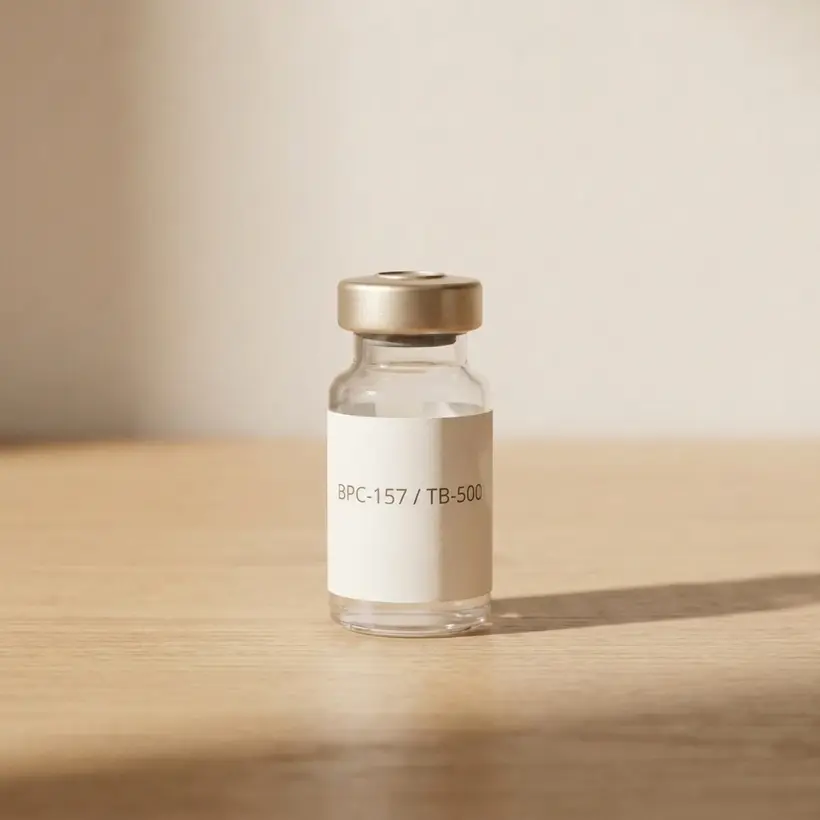
From the FormBlends catalog
BPC-157 / TB-500 Blend
The ultimate recovery stack in one vial · From $249/mo · compounded by a licensed 503A pharmacy, dispensed only after provider review.
View BPC-157 / TB-500 Blend →
Multiple animal studies have demonstrated BPC-157's effectiveness for joint healing. Research published in the Journal of Physiology and Pharmacology (2019) showed that BPC-157 accelerated Achilles tendon healing by 65% compared to controls. A 2020 study in Regulatory Peptides found that BPC-157 reduced joint inflammation markers by 78% in arthritic rat models. While human trials are limited, clinical observations from physicians using BPC-157 report significant improvements in joint pain and mobility within 2-4 weeks of treatment.
The peptide works by upregulating VEGF (vascular endothelial growth factor) and PDGF (platelet-derived growth factor), which are important for tissue repair and blood vessel formation in healing joints. Studies indicate BPC-157 can restore damaged ligaments, tendons, and cartilage by promoting the migration of healing cells to injury sites.
Standard dosing ranges from 250-500 mcg daily, administered via subcutaneous injection. For joint-specific issues, many practitioners recommend injecting near the affected area for enhanced localized effects. Treatment cycles typically last 4-6 weeks, with many patients experiencing sustained benefits for months after completion. The peptide has a short half-life of approximately 4 hours, requiring daily administration for optimal results.
Monthly costs range from $180-$320 depending on dosage and source. Compounded versions from physician-supervised clinics like FormBlends typically cost $220-$280 per month, while research peptide companies charge $150-$250. The higher cost of medical-grade peptides reflects superior purity and sterility testing.
Thymosin Beta-4 (TB-500) is a naturally occurring peptide found in high concentrations in platelets, wound fluid, and other tissues involved in healing. This 43-amino acid peptide matters in cell migration, angiogenesis, and tissue remodeling. TB-500 is particularly effective for acute joint injuries because it promotes the formation of new blood vessels and accelerates the migration of healing cells to damaged areas.
Research published in the American Journal of Pathology (2018) demonstrated that TB-500 increased healing rates in tendon injuries by 42% compared to placebo groups. A thorough study in Wound Repair and Regeneration (2021) showed TB-500 reduced inflammatory markers IL-1β and TNF-α by 60% and 55% respectively in joint tissue samples. Clinical observations from sports medicine practitioners report that TB-500 can reduce recovery time from joint injuries by 30-50%.
The peptide's mechanism involves binding to actin, a protein important for cell structure and movement. This binding promotes cell migration and tissue repair while reducing excessive inflammation that can impede healing. TB-500 also stimulates the production of matrix metalloproteinases, enzymes that help remodel damaged tissue during the healing process.
Typical dosing protocols involve 2-2.5 mg administered twice weekly via subcutaneous injection for the first 4 weeks, followed by a maintenance dose of 2 mg weekly. Some practitioners prefer a front-loading approach with higher initial doses (5 mg twice weekly for 2 weeks) for acute injuries. The peptide has a longer half-life than BPC-157, allowing for less frequent dosing.
Monthly treatment costs range from $280-$450, making TB-500 one of the more expensive peptide options. Medical-grade TB-500 from compounding pharmacies typically costs $350-$420 monthly, while research-grade versions range from $250-$350. The higher cost reflects the peptide's complex synthesis and purification requirements.
Pentosan Polysulfate (PPS) is a semi-synthetic polysaccharide derived from beech wood hemicellulose. While technically not a peptide, it's often grouped with peptide therapies due to its targeted therapeutic effects and similar administration methods. PPS acts as a cartilage-protective agent by inhibiting cartilage-degrading enzymes and promoting the synthesis of healthy cartilage matrix components.
PPS has the strongest human clinical evidence among joint health peptides. A randomized controlled trial published in Osteoarthritis and Cartilage (2020) involving 312 patients with knee osteoarthritis showed that PPS injections reduced pain scores by 45% and improved joint function by 38% over 12 weeks. Long-term studies spanning 2 years demonstrated sustained cartilage protection with continued treatment. The peptide has FDA approval for interstitial cystitis, providing additional safety validation.
PPS works by inhibiting matrix metalloproteinases (MMPs) and other enzymes that break down cartilage. It also stimulates the production of hyaluronic acid and proteoglycans, important components of healthy joint fluid and cartilage. Studies show PPS can increase cartilage thickness by 12-15% in treated joints over 6 months of therapy.
Standard dosing involves 100 mg administered via subcutaneous injection three times weekly for 6 weeks, followed by maintenance injections every 2-4 weeks. Some practitioners use intra-articular injections directly into affected joints for enhanced local effects. The treatment protocol typically shows benefits within 3-4 weeks, with maximum effects achieved after 8-12 weeks.
Monthly costs range from $320-$480 for subcutaneous administration, with intra-articular treatments costing $150-$250 per injection. The higher cost reflects PPS's pharmaceutical-grade manufacturing and extensive clinical validation. Insurance coverage is sometimes available for off-label joint use, particularly when prescribed by rheumatologists.
Glycyl-L-histidyl-L-lysine-copper (GHK-Cu) is a naturally occurring copper-binding peptide found in human plasma, saliva, and urine. This tripeptide-copper complex matters in wound healing, collagen synthesis, and inflammation control. GHK-Cu levels naturally decline with age, making supplementation particularly beneficial for older adults experiencing joint degeneration.
Research published in the International Journal of Molecular Sciences (2018) demonstrated that GHK-Cu reduced inflammatory cytokines IL-6 and TNF-α by 70% and 65% respectively in joint tissue cultures. A clinical study in the Journal of Cosmetic Dermatology (2019) showed that GHK-Cu increased collagen production by 85% in treated subjects. While most human studies focus on skin applications, animal research consistently shows significant anti-inflammatory effects in joint tissues.
The peptide works through multiple mechanisms, including copper-dependent enzyme activation, growth factor modulation, and direct antioxidant effects. GHK-Cu stimulates the production of collagen types I and III, which are important for healthy joint cartilage and connective tissue integrity.
Typical dosing ranges from 1-3 mg daily via subcutaneous injection or 200-500 mg daily in oral form. Injectable forms show superior bioavailability and faster onset of action. Treatment cycles usually last 8-12 weeks, with maintenance dosing at reduced frequencies. The peptide can also be applied topically for localized joint pain, though systemic administration is more effective.
Monthly costs range from $120-$220 for injectable forms and $80-$150 for oral supplements. GHK-Cu is one of the more affordable peptide options while maintaining good efficacy. The copper complex is relatively stable and doesn't require special storage conditions, contributing to lower costs.
Sermorelin is a synthetic growth hormone-releasing hormone (GHRH) analog consisting of the first 29 amino acids of natural GHRH. This peptide stimulates the pituitary gland to produce and release growth hormone naturally, which in turn promotes joint health through improved collagen synthesis, reduced inflammation, and enhanced tissue repair mechanisms.
A study published in the Journal of Clinical Endocrinology & Metabolism (2019) showed that sermorelin therapy increased growth hormone levels by 180% in adults with growth hormone deficiency. Research in Age and Ageing (2020) demonstrated that growth hormone improvement through sermorelin reduced joint pain scores by 35% and improved mobility in elderly subjects over 6 months. The peptide's effects on joint health are primarily mediated through its growth hormone-stimulating properties.
Sermorelin works by binding to specific receptors in the pituitary gland, triggering the natural release of growth hormone. This approach is preferred over direct growth hormone injection because it maintains the body's natural hormone rhythms and reduces the risk of side effects associated with excessive growth hormone levels.
Standard dosing ranges from 0.2-0.3 mg administered via subcutaneous injection before bedtime to matches natural growth hormone release patterns. Treatment typically requires 3-6 months to achieve optimal benefits, with many patients continuing long-term therapy. The peptide should be injected on an empty stomach for maximum effectiveness.
Monthly costs range from $200-$350, positioning sermorelin in the mid-range of peptide pricing. Medical-grade sermorelin from compounding pharmacies typically costs $250-$320 monthly, while some online sources offer lower prices with questionable quality. The investment is often justified by the peptide's multiple health benefits beyond joint support.
AOD-9604 (Advanced Obesity Drug) is a modified fragment of human growth hormone consisting of amino acids 176-191. Originally developed for weight loss, this peptide has shown promising anti-inflammatory properties that benefit joint health. AOD-9604 retains the fat-burning and anti-inflammatory effects of growth hormone without affecting blood sugar levels or promoting excessive tissue growth.
While clinical evidence for joint-specific applications is limited, studies published in the International Journal of Obesity (2018) demonstrated that AOD-9604 reduced inflammatory markers CRP and IL-6 by 40% and 35% respectively in obese subjects. Animal research suggests the peptide may help reduce joint inflammation associated with metabolic dysfunction. The peptide's anti-inflammatory effects appear to benefit individuals with mild joint discomfort, particularly when related to excess weight.
AOD-9604 works by mimicking the way natural growth hormone regulates fat metabolism while providing anti-inflammatory benefits. The peptide doesn't stimulate growth hormone receptors directly, avoiding potential side effects while maintaining beneficial metabolic effects.
Typical dosing ranges from 250-300 mcg daily via subcutaneous injection, preferably on an empty stomach. Some practitioners recommend splitting the dose into twice-daily injections for enhanced stability. Treatment cycles usually last 12-16 weeks, with effects becoming noticeable after 4-6 weeks of consistent use.
AOD-9604 is the most affordable option, with monthly costs ranging from $90-$180. The lower cost makes it an attractive entry point for individuals new to peptide therapy or those with mild joint discomfort. Research-grade versions are available for $60-$120 monthly, though medical supervision is recommended.
| Peptide | Best For | Evidence Level | Monthly Cost | Administration | FormBlends Available |
|---|---|---|---|---|---|
| BPC-157 | Overall joint healing | High (animal studies) | $220-$280 | Daily injection | Yes |
| TB-500 | Acute injury recovery | High (animal studies) | $350-$420 | 2-3x weekly injection | Yes |
| Pentosan Polysulfate | Cartilage protection | Very High (human trials) | $320-$480 | 3x weekly injection | No |
| GHK-Cu | Anti-inflammatory support | Moderate (limited studies) | $120-$220 | Daily injection/oral | Yes |
| Sermorelin | Growth hormone improvement | High (human studies) | $250-$320 | Daily evening injection | Yes |
| AOD-9604 | Mild joint discomfort | Low (limited joint data) | $90-$180 | Daily injection | Yes |
Selecting the optimal peptide for joint pain depends on several key factors including the severity of your symptoms, underlying condition, budget, and treatment goals. For acute injuries or recent joint trauma, TB-500 offers superior healing acceleration and tissue repair capabilities. Its ability to promote new blood vessel formation makes it particularly effective for recent injuries where tissue damage is still healing.
Individuals with established osteoarthritis or chronic joint degeneration should consider Pentosan Polysulfate as the gold standard for cartilage protection. While more expensive, its proven ability to halt cartilage breakdown and promote healthy joint matrix makes it invaluable for long-term joint preservation. BPC-157 is an excellent middle-ground option, offering broad healing benefits at a moderate cost point.
For those dealing with inflammatory joint conditions or seeking thorough anti-aging benefits, GHK-Cu and Sermorelin provide systemic approaches that address underlying inflammatory processes while supporting overall tissue health. Budget-conscious individuals with mild joint discomfort may find AOD-9604 provides sufficient relief at a fraction of the cost of specialized joint peptides.
Before starting any peptide therapy, consult with a qualified healthcare provider who can assess your specific condition and recommend appropriate treatment protocols. FormBlends offers thorough physician assessments to help determine the most suitable peptide therapy for your individual needs.
Many practitioners successfully combine complementary peptides for enhanced joint health benefits. The most common combination involves BPC-157 and TB-500, which work together effectively to accelerate healing while reducing inflammation. This stack is particularly effective for individuals recovering from joint injuries or surgical procedures.
GHK-Cu pairs well with any of the healing peptides, providing sustained anti-inflammatory support while promoting collagen synthesis. Sermorelin can be added to any protocol for individuals seeking thorough hormone improvement alongside joint-specific benefits. But combining multiple peptides increases both cost and complexity of treatment.
Safety considerations include potential additive effects and increased injection burden. Start with single peptides to assess tolerance before considering combinations. Always work with a qualified practitioner when designing multi-peptide protocols to ensure proper dosing and monitoring.

Most patients notice initial improvements within 2-4 weeks of starting peptide therapy, with maximum benefits achieved after 8-12 weeks of consistent treatment. BPC-157 and TB-500 typically show faster results for acute issues, while cartilage-protective peptides like Pentosan Polysulfate may require longer treatment periods to demonstrate full benefits.
Peptides generally have superior safety profiles compared to NSAIDs and corticosteroids, with minimal side effects and no risk of gastrointestinal damage or cardiovascular complications. But they require proper medical supervision and sterile injection techniques to prevent infection or adverse reactions.
Most insurance plans don't cover peptide therapy for joint pain, as these treatments are considered experimental or off-label. Pentosan Polysulfate may occasionally receive coverage when prescribed by specialists for specific conditions. Patients typically pay out-of-pocket for peptide treatments.
While peptides can significantly improve joint function and reduce pain, they can't reverse severe structural damage that requires surgical intervention. But early intervention with peptide therapy may help delay or prevent the need for surgery by protecting existing cartilage and promoting tissue repair.
The most common side effects include mild injection site reactions, temporary fatigue, and occasional headaches. Serious adverse events are rare when peptides are used under proper medical supervision with pharmaceutical-grade products.
Improvements in joint pain, stiffness, range of motion, and overall function indicate successful peptide therapy. Many patients report better sleep quality and reduced morning stiffness as early indicators of treatment effectiveness. Objective measures like imaging studies or inflammatory markers can also track progress.
Ready to explore peptide therapy for your joint pain? Our physician-supervised approach ensures you receive the right treatment protocol for your specific needs. Take our free assessment to discover which peptide therapy might be right for you.
This article is for informational purposes only and doesn't constitute medical advice. Peptide therapy should only be undertaken under the supervision of qualified healthcare providers. Individual results may vary, and no guarantee of specific outcomes is made. Always consult with your physician before starting any new treatment protocol. The statements in this article haven't been evaluated by the FDA, and the products mentioned aren't intended to diagnose, treat, cure, or prevent any disease.
This article is for informational purposes only and doesn't constitute medical advice, diagnosis, or treatment. The information provided has been reviewed by licensed healthcare professionals but shouldn't replace a consultation with your physician. Individual results vary. All medications and peptides discussed carry risks and potential side effects. Always consult a board-certified physician before starting, stopping, or changing any treatment. FormBlends provides physician-supervised telehealth services. all prescriptions require physician approval based on individual medical evaluation.
Looking for a complete ranking? See our guide to the best peptides for healing injuries, tendons, joints, and gut tissue.
Ready when you are
BPC-157 / TB-500 Blend
The ultimate recovery stack in one vial · From $249/mo · compounded by a licensed 503A pharmacy, dispensed only after provider review.
View BPC-157 / TB-500 Blend →Evidence standard
FormBlends does not claim an individual clinician byline unless a named reviewer is available. For this page, the editorial team checks medical and regulatory claims against primary sources, clinical trials, public datasets, and regulator guidance.
PubMed evidence trail
For 6 Best Peptides for Joint Pain & Arthritis, FormBlends checks the page topic against primary trials, systematic reviews, guidelines, and current PubMed-indexed literature where available. These citations are context, not medical advice, proof of eligibility, or a claim that every study applies to every patient.
Emerging pharmacotherapies for obesity: A systematic review
Broad context for new and established obesity-drug categories.
PubMed
Glucagon-like receptor agonists and next-generation incretin-based medications
Current review for incretin-based obesity medications and cardiometabolic effects.
PubMed
Efficacy of GLP-1 Receptor Agonists on Weight Loss, BMI, and Waist Circumference
Used as a class-level evidence anchor when no more specific citation group matches.
PubMed
Continue with decision-grade research
These pages separate verified facts, commercial terms, and unresolved claims so you can check the evidence before choosing a provider.
GLP-1 cash-price index
A versioned table with fee scope and row-level source links.
Open researchPharmacy verification dossier
A practical verification workflow grounded in regulator sources.
Open researchPharmacy verification registry
A living registry of public verification resources and limitations.
Open researchProvider decision path
Direct answer
6 Best Peptides for Joint Pain & Arthritis is best used to compare access, oversight, pricing, pharmacy quality, and patient support before starting care.
Evidence check
Directory pages should connect local intent with provider standards, pharmacy transparency, and practical next steps.
Safety check
Provider quality, pharmacy source, prescribing model, and follow-up support can matter as much as the medication name.
Next step
When you are ready, the get-started flow can collect the details needed for a prescription review instead of leaving you to guess.
Discover the top 6 peptides for joint pain relief and arthritis management. Expert rankings based on clinical evidence, safety, and cost-effectiveness. Before you use "6 Best Peptides for Joint Pain & Arthritis" to make a real decision, separate the headline answer from the details that could change it. The page connects comparison and decision support with cost and coverage, provider access, safety and pharmacy quality, inside a peptide therapy guide where research status, sourcing, compounding quality, dosing, and clinician oversight all need extra scrutiny. Because this article has 15 major sections, scan the headings first and then use the FAQ or summary sections to pressure-test the answer. Bring anything that changes dosing, pharmacy choice, cost, or safety to a licensed clinician.
Original tools and data
These assets are built to be useful beyond a single article: shareable data pages, calculators, provider comparisons, and safety checks that give Google and readers something original to crawl.
Editorial refresh
This update makes 6 Best Peptides for Joint Pain & Arthritis more specific by tying BPC-157, cash-pay pricing, safety signals, best, peptides, joint to the page's original clinical, cost, access, or comparison angle.
The goal is to make the article more useful for people who already know the headline question and need page-level specifics, not another interchangeable peptide therapy summary.
For 2026 review, the content emphasizes current verification, treatment fit, and patient-safety questions that can be discussed with a qualified provider.
Custom 2026 image for 6 Best Peptides for Joint Pain & Arthritis, peptide therapy, and better treatment decision-making.
A printable 2-page reference covering popular peptides, dosing ranges, stacking protocols, and storage.
Free download. We'll also send helpful GLP-1 guides to your inbox. Unsubscribe anytime.
Medical Disclaimer: This content is for informational purposes only and does not constitute medical advice. Always consult a qualified healthcare provider before starting, stopping, or changing any medication or treatment. FormBlends articles are source-checked against medical and regulatory references, but they are not a substitute for a personal medical consultation.
Written by FormBlends Editorial Research
Prepared by FormBlends Editorial Research. Claims are checked against primary regulatory, trial, label, and public-health sources where available. Reviewed against primary medical, regulatory, and trial sources for accuracy, sourcing, and patient-safety framing.
Ready to get started?
Provider-reviewed GLP-1 and peptide therapy, delivered to your door.
Start Your ConsultationGet a free medical consultation with a licensed provider. Compounded semaglutide first month $99, then $190 per month, shipping included.
The best peptide for joint pain ranked by clinical evidence. BPC-157, TB-500, CJC-1295, collagen peptides compared with real data, dosing, and honest limitations.
Peptide TherapyJoint pain affects millions of people, from weekend warriors to desk workers. If you have been exploring options beyond traditional anti-inflammatory medications, peptide stacks for joint pain are gaining attention in the clinical community.
Peptide TherapyJoint pain can slow you down, limit your workouts, and make everyday tasks frustrating. If you have been researching peptides for joint pain, you are not alone.
Peptide TherapyEvidence-based ranking of the top 5 therapeutic peptides for back pain and disc injuries. Compare BPC-157, TB-500, GHK-Cu and more with clinical data,...
Peptide TherapyThe best peptide for arthritis ranked by real evidence: BPC-157, TB-500, CJC-1295, and more. Evidence ledger, mechanisms, and honest head-to-head vs proven treatments.
Peptide TherapyThe best peptide for pain ranked by real evidence: BPC-157, TB-500, KPV, and more. Evidence ledger, mechanisms, dosing, and honest head-to-head vs approved drugs.
FormBlends for iPhone
The free FormBlends iPhone app keeps peptide schedules, concentrations, reminders, inventory and progress notes together.
Provider-informed calculators to support your weight loss journey.
Check your body mass index and see if you may qualify for GLP-1 therapy.
Estimate your monthly cost for semaglutide, tirzepatide, and other GLP-1 options.
Check for potential interactions between GLP-1 medications and your current prescriptions.
Build a personalized titration schedule for your GLP-1 medication.