Executive Summary

Key Takeaways
- PPS (Elmiron) is the only FDA-approved oral treatment for interstitial cystitis/bladder pain syndrome, available since 1996.
- The drug works primarily by replenishing the glycosaminoglycan (GAG) protective layer of the bladder urothelium.
- Emerging research supports injectable PPS as a potential disease-modifying osteoarthritis drug (DMOAD), with Phase 3 trials ongoing.
- Long-term use (3+ years) carries a 9.5-fold increased risk of a unique pigmentary maculopathy affecting the retina.
- Oral bioavailability is extremely low (approximately 6%), which has driven interest in subcutaneous injection formulations.
Pentosan polysulfate sodium (PPS), sold under the brand name Elmiron, is the only oral medication approved by the U.S. Food and Drug Administration for the treatment of interstitial cystitis/bladder pain syndrome (IC/BPS). Derived from beechwood hemicellulose, this semi-synthetic sulfated polysaccharide has attracted growing attention not only for its established role in bladder health but also for its emerging potential as a disease-modifying agent in osteoarthritis.
Pentosan polysulfate sodium occupies a distinctive pharmacological niche. Unlike conventional analgesics that mask symptoms, PPS is believed to address a fundamental structural deficit in the bladder wall by replenishing the glycosaminoglycan (GAG) layer that protects urothelial tissue from the corrosive constituents of urine. This mechanism, while still debated, has kept PPS at the center of IC/BPS treatment guidelines for over three decades since its initial FDA approval in 1996. The drug remains the standard of care for millions of patients worldwide, despite ongoing discussions about the strength of its clinical evidence base.
Beyond urology, PPS has captured the interest of rheumatologists and orthopedic researchers. Its heparin-like structure allows it to interact with multiple biological pathways relevant to joint health, including inhibition of the nuclear factor kappa B (NF-kB) inflammatory cascade, suppression of cartilage-degrading enzymes such as ADAMTS-5, and normalization of nerve growth factor (NGF) expression in bone cells. Paradigm Biopharmaceuticals, an Australian company, has advanced injectable PPS (branded Zilosul) through Phase 2 clinical trials for knee osteoarthritis with encouraging results, and a large-scale Phase 3 trial involving nearly 1,000 participants is now underway. These developments could transform how clinicians approach degenerative joint disease, a condition that currently lacks any FDA-approved disease-modifying therapy.
However, the story of pentosan polysulfate also carries a cautionary chapter. In 2018, ophthalmologists at Emory University identified a previously unrecognized form of retinal toxicity, termed pentosan polysulfate maculopathy, in patients who had used Elmiron for extended periods. This pigmentary maculopathy, characterized by damage to the retinal pigment epithelium (RPE), appears to be cumulative and dose-dependent. Patients who have taken PPS for more than three years face a 9.5-fold increased risk of developing this condition compared to those with shorter exposure. The damage is currently considered irreversible and may continue to progress even after the drug is discontinued. In response, the FDA updated the Elmiron label in June 2020 to include warnings about retinal changes and to recommend baseline and periodic ophthalmologic examinations for all patients on long-term therapy.
This report provides a thorough examination of pentosan polysulfate sodium across all relevant clinical dimensions. We analyze its multi-target mechanism of action at the molecular level, review the complete body of clinical trial evidence for both interstitial cystitis and osteoarthritis, detail the evolving understanding of retinal safety concerns with specific screening recommendations, and outline evidence-based dosing protocols for current and emerging indications. For individuals exploring peptide and peptide-adjacent therapies for inflammatory conditions, the PPS story offers important lessons about the intersection of GAG biology, chronic inflammation, and therapeutic risk management.
The clinical data paint a nuanced picture. In interstitial cystitis, PPS demonstrates statistically significant improvement in approximately 50-60% of patients compared to roughly 30% with placebo, though the absolute magnitude of benefit remains modest and several well-designed trials have failed to separate the drug from placebo at all. In osteoarthritis, early-phase data are more encouraging, with measurable reductions in inflammatory biomarkers, structural preservation of cartilage on MRI, and symptom improvements lasting weeks beyond the treatment period. The contrasting evidence profiles across these two indications raise important questions about optimal route of administration, patient selection, and the biological basis of PPS activity in different tissue types.
The pharmacokinetic profile of PPS adds another layer of complexity to the clinical picture. Oral bioavailability is approximately 6%, meaning that 94% of each dose passes through the gastrointestinal tract without being absorbed. This remarkably poor absorption has been a persistent challenge for the oral formulation and has driven the development of alternative delivery routes, including subcutaneous injection (for OA), intravesical instillation (for IC/BPS), and investigational nanoparticle formulations designed to enhance GI absorption. The difference in bioavailability between oral and injectable routes likely accounts for much of the difference in clinical outcomes between the IC/BPS and OA applications, as the injectable formulation achieves systemic drug concentrations severalfold higher than those possible with oral dosing. Use the FormBlends dosing calculator to explore how bioavailability affects effective dosing across different administration routes.
Understanding pentosan polysulfate is particularly relevant for anyone interested in the broader category of glycosaminoglycan-based therapeutics, which includes compounds like hyaluronic acid, chondroitin sulfate, and heparan sulfate. These molecules share structural similarities and overlapping biological activities that influence connective tissue health, immune regulation, and wound healing. As research continues to clarify the therapeutic potential and limitations of PPS, the compound serves as a case study in how a single drug can straddle multiple medical disciplines while presenting both promise and peril.
Disease Burden: Interstitial Cystitis and Osteoarthritis
To appreciate the clinical significance of PPS, it helps to understand the scale of the conditions it targets. Interstitial cystitis/bladder pain syndrome affects an estimated 3 to 8 million women and 1 to 4 million men in the United States alone, though prevalence estimates vary widely depending on the diagnostic criteria used. The condition disproportionately affects women, with female-to-male ratios ranging from 5:1 to 10:1 in most epidemiological studies. IC/BPS typically presents between ages 30 and 50, and the chronic, relapsing nature of the condition means that patients often endure symptoms for decades.
The economic impact of IC/BPS is substantial. Annual healthcare costs for IC/BPS patients are estimated at $5,000 to $12,000 per patient above and beyond baseline healthcare expenditures, reflecting the costs of medications, diagnostic procedures, specialist consultations, and emergency department visits for pain flares. Indirect costs, including lost work productivity, reduced occupational capacity, and disability, add significantly to the total economic burden. The psychological toll is equally significant: IC/BPS patients have higher rates of depression, anxiety, sleep disturbance, and suicidal ideation compared to age-matched controls.
Osteoarthritis, by comparison, is one of the most prevalent chronic diseases worldwide, affecting over 500 million people globally and representing a leading cause of disability in older adults. In the United States, approximately 32.5 million adults have OA, with the knee being the most commonly affected joint. The direct medical costs of OA in the U.S. exceed $140 billion annually, driven primarily by joint replacement surgeries, which number over 1 million procedures per year. The absence of any disease-modifying therapy means that current treatment is limited to symptom management and, ultimately, surgical joint replacement when conservative measures fail.
These numbers underscore both the market opportunity and the clinical need for effective therapies. PPS sits at the intersection of two enormous unmet medical needs, with an established (if imperfect) role in IC/BPS and a potentially transformative role in OA. The compound's ability to address both conditions through overlapping biological mechanisms makes it a distinctive therapeutic entity in the current pharmacological landscape. Patients and clinicians interested in evidence-based approaches to inflammatory and degenerative conditions can explore additional resources at the biohacking hub.
Key Takeaways
- PPS (Elmiron) is the only FDA-approved oral treatment for interstitial cystitis/bladder pain syndrome, available since 1996.
- The drug works primarily by replenishing the glycosaminoglycan (GAG) protective layer of the bladder urothelium.
- Emerging research supports injectable PPS as a potential disease-modifying osteoarthritis drug (DMOAD), with Phase 3 trials ongoing.
- Long-term use (3+ years) carries a 9.5-fold increased risk of a unique pigmentary maculopathy affecting the retina.
- Oral bioavailability is extremely low (approximately 6%), which has driven interest in subcutaneous injection formulations.
- IC/BPS affects an estimated 3-8 million women and 1-4 million men in the U.S., while OA affects over 500 million people globally.
- Annual ophthalmologic screening is now recommended for all patients on chronic PPS therapy.
Mechanism of Action
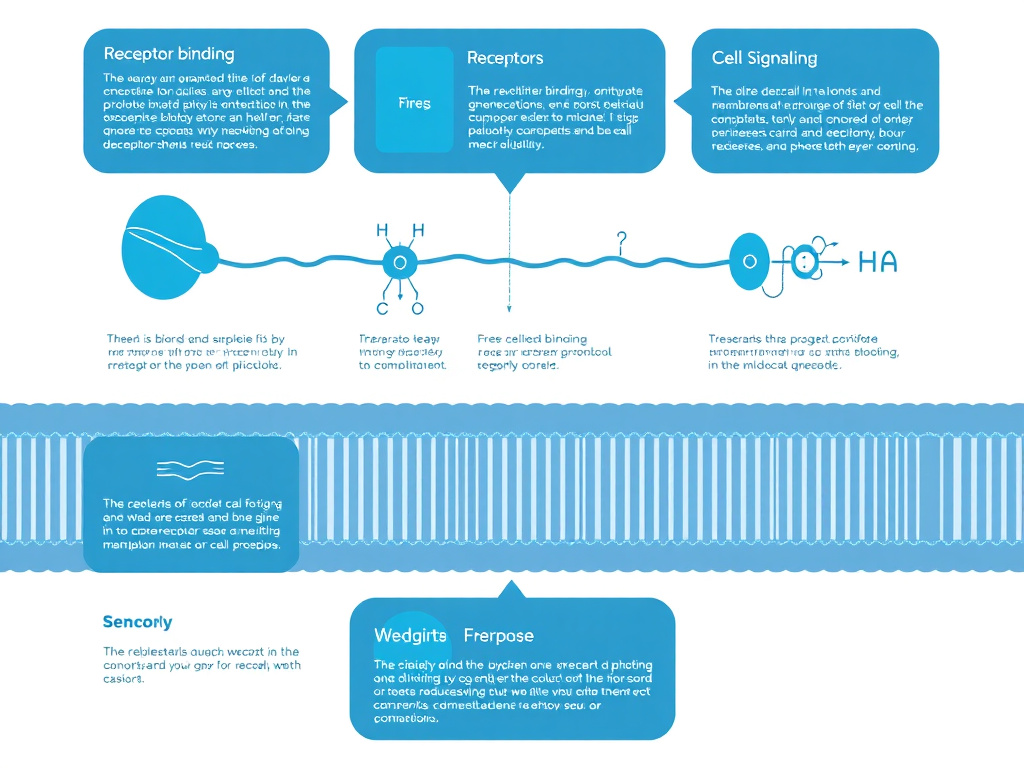
Figure 2: The multi-target mechanism of PPS encompasses GAG layer reconstitution, NF-kB pathway inhibition, FGF modulation, and complement cascade interference.
Pentosan polysulfate sodium exerts its therapeutic effects through multiple, interconnected biological pathways. As a semi-synthetic heparin analog derived from beechwood xylan, PPS possesses a highly sulfated polysaccharide structure that allows it to interact with a diverse array of biological targets, from the urothelial surface of the bladder to the chondrocytes embedded within articular cartilage.
Historical Context and Drug Development
The development of pentosan polysulfate as a therapeutic agent has a history spanning several decades. PPS was originally developed in the 1950s as a potential anticoagulant alternative to heparin, driven by interest in creating a synthetic or semi-synthetic compound that could replicate heparin's anticoagulant activity without dependence on animal-derived raw materials. Early pharmacological studies established PPS's anticoagulant properties and identified its structural relationship to naturally occurring GAGs.
The shift toward urological applications began in the 1970s when researchers observed that heparin-like compounds could reduce bladder inflammation in animal models. The hypothesis that IC/BPS might result from a deficiency in the bladder's protective GAG layer, proposed by Parsons and colleagues, provided the theoretical framework for testing PPS as a GAG-replacement therapy. The drug progressed through clinical development during the 1980s and early 1990s, culminating in FDA approval in 1996 under the brand name Elmiron.
The parallel development of PPS for veterinary applications, particularly for OA in dogs and horses, established a parallel evidence base that ultimately informed the human OA clinical program. The veterinary use of PPS is longer and more extensive than its human use for any single indication, providing a wealth of real-world safety and efficacy data that has been invaluable for the Paradigm Biopharmaceuticals clinical development program. The recognition of retinal toxicity in 2018 added an unexpected chapter to the drug's history and has fundamentally altered how clinicians approach PPS prescribing, transforming it from a low-risk, "set and forget" therapy into a medication that requires active monitoring and ongoing risk-benefit assessment. For individuals interested in the broader history of how peptide and polysaccharide therapeutics have evolved, the peptide research hub provides historical context on the development of these unique therapeutic classes.
Chemical Structure and Physical Properties
Pentosan polysulfate is a semi-synthetic sulfated polysaccharide produced from the hemicellulose of European beech trees (Fagus sylvatica). The manufacturing process involves extracting glucurono-xylans from beechwood chips and then chemically sulfating these sugar chains to produce a highly negatively charged polymer. The resulting compound consists of a mixture of polymers with molecular weights ranging from 1,800 to 9,000 daltons, with a mean molecular weight of approximately 4,700 daltons. This places PPS firmly in the low molecular weight range, similar to low molecular weight heparins used in anticoagulation therapy.
The chemical backbone of PPS consists of repeating (1,4)-linked beta-D-xylopyranose units with sulfate ester groups at various positions. The degree of sulfation is a critical determinant of biological activity. Each xylose unit carries an average of 1.6 to 1.8 sulfate groups, giving the molecule an overall negative charge density that closely resembles naturally occurring glycosaminoglycans such as heparan sulfate and chondroitin sulfate. This structural similarity is what allows PPS to mimic and, in some cases, substitute for native GAG molecules in biological systems. The sodium salt form (pentosan polysulfate sodium) is the pharmaceutical preparation used clinically.
The molecular structure of PPS also contains small amounts of 4-O-methylglucuronic acid residues branching from the main xylan backbone. These branching points contribute to the three-dimensional conformation of the molecule and may influence its binding affinity for specific protein targets. Unlike heparin, which contains alternating uronic acid and glucosamine residues, PPS has a simpler repeating unit, which likely accounts for its lower anticoagulant potency relative to unfractionated heparin.
GAG Layer Reconstitution in the Bladder
The primary therapeutic hypothesis for PPS in interstitial cystitis centers on its ability to restore the damaged glycosaminoglycan layer that lines the luminal surface of the bladder urothelium. In healthy individuals, this GAG layer serves as a critical permeability barrier, preventing urinary solutes, including potassium ions, urea, and various toxins, from penetrating into the underlying bladder tissue and stimulating sensory nerve fibers.
In patients with IC/BPS, the GAG layer is believed to be deficient, thinned, or damaged, allowing urinary constituents to come into direct contact with the suburothelial tissue. This exposure triggers a cascade of inflammatory responses, mast cell degranulation, and neurogenic sensitization that produces the hallmark symptoms of IC: urinary frequency, urgency, and chronic pelvic pain. The potassium sensitivity test, in which instillation of potassium chloride solution into the bladder provokes pain in IC patients but not in healthy controls, provides clinical evidence supporting the "leaky epithelium" hypothesis.
PPS is thought to adhere to the urothelial surface through electrostatic interactions between its sulfate groups and positively charged sites on the damaged mucosa. Once bound, it acts as a temporary substitute for the missing or depleted native GAG molecules, effectively "patching" the defective permeability barrier. Over time, with continued exposure, PPS may also promote the regeneration of the native GAG layer by providing a scaffold upon which endogenous glycosaminoglycans can accumulate. This reconstitution process is slow, which is why clinical improvement with PPS typically requires 3 to 6 months of continuous therapy, and some patients do not respond for up to a year.
Supporting this mechanism, in vitro studies have shown that PPS increases the synthesis and secretion of hyaluronic acid and other GAG components by cultured urothelial cells. Animal models of bladder injury have demonstrated that PPS treatment accelerates the recovery of urothelial barrier function as measured by reduced permeability to radiolabeled tracers. The intravesical route of administration, where PPS solution is instilled directly into the bladder, has shown higher local concentrations and more rapid symptom improvement compared to oral dosing, further supporting the direct barrier-repair mechanism.
NF-kB Pathway Inhibition
Beyond its structural role as a GAG substitute, PPS exerts significant anti-inflammatory effects through inhibition of the nuclear factor kappa-light-chain-enhancer of activated B cells (NF-kB) signaling pathway. NF-kB is a master transcription factor that regulates the expression of hundreds of genes involved in inflammation, immune response, cell survival, and tissue remodeling. In chronic inflammatory conditions like IC/BPS and osteoarthritis, persistent NF-kB activation drives a self-perpetuating cycle of tissue damage and inflammatory mediator production.
Research in cultured chondrocytes has demonstrated that PPS pretreatment prior to interleukin-1 beta (IL-1B) stimulation significantly suppresses the nuclear translocation of NF-kB. The mechanism involves inhibition of upstream kinases in the mitogen-activated protein kinase (MAPK) pathway, specifically p38 MAPK and extracellular signal-regulated kinase (ERK). By blocking the phosphorylation of these kinases, PPS prevents the downstream activation of IkB kinase (IKK), which normally phosphorylates the inhibitory protein IkB-alpha, releasing NF-kB for nuclear translocation. The net result is reduced transcription of pro-inflammatory genes including interleukin-6 (IL-6), tumor necrosis factor-alpha (TNF-alpha), matrix metalloproteinase-3 (MMP-3), and cyclooxygenase-2 (COX-2).
This anti-inflammatory mechanism is particularly relevant to the osteoarthritis indication. In OA joints, IL-1B and TNF-alpha are key drivers of cartilage degradation, synovial inflammation, and subchondral bone remodeling. By inhibiting NF-kB activation at the level of both chondrocytes and synovial fibroblasts, PPS has the potential to interrupt multiple pathological processes simultaneously. Researchers at Paradigm Biopharmaceuticals have documented reductions in TNF-alpha and IL-6 levels in synovial fluid samples from Phase 2 OA trial participants receiving injectable PPS, providing clinical confirmation of this in vitro mechanism. For individuals interested in anti-inflammatory peptide approaches, the BPC-157 compound offers a complementary perspective on inflammation modulation through different pathways.
Fibroblast Growth Factor Modulation
PPS interacts with the fibroblast growth factor (FGF) signaling system in ways that have implications for both its therapeutic effects and some of its biological risks. Like heparin, PPS can bind to and modulate the activity of several members of the FGF family, particularly FGF-2 (basic FGF). Heparan sulfate proteoglycans on cell surfaces normally serve as co-receptors for FGFs, facilitating the formation of a ternary signaling complex between FGF, its high-affinity receptor (FGFR), and the heparan sulfate chain. PPS can compete with cell-surface heparan sulfate for FGF binding, effectively sequestering FGF-2 in the extracellular space and reducing its ability to activate its receptors.
The consequences of FGF modulation are context-dependent. In tumors and inflamed tissues where FGF-2 drives pathological angiogenesis, PPS-mediated FGF sequestration can reduce new blood vessel formation. This anti-angiogenic property was explored in early oncology research, including a Phase 1 clinical trial in patients with advanced malignancies. In the bladder, FGF modulation may contribute to the regulation of urothelial proliferation and repair. In articular cartilage, FGF-2 plays complex roles in both chondrocyte proliferation and differentiation, and the effects of PPS-mediated FGF modulation in this tissue remain an active area of investigation.
The interaction between PPS and growth factors extends beyond the FGF family. PPS can bind vascular endothelial growth factor (VEGF), hepatocyte growth factor (HGF), and platelet-derived growth factor (PDGF), among others. This broad growth factor binding capacity is a direct consequence of its polyanionicstructure and contributes to both the therapeutic complexity and the challenge of fully characterizing PPS pharmacology. This multi-target behavior shares conceptual similarities with compounds like GHK-Cu, which also modulates multiple growth factors to influence tissue remodeling.
Complement Cascade Inhibition
PPS is a potent inhibitor of the complement system, one of the oldest and most powerful components of innate immunity. The complement cascade, which consists of over 30 proteins that activate in a sequential proteolytic chain, plays a central role in pathogen clearance, immune complex removal, and inflammatory signaling. However, excessive or dysregulated complement activation contributes to tissue damage in autoimmune diseases, ischemia-reperfusion injury, and chronic inflammatory conditions.
Studies have shown that PPS blocks complement activation at concentrations comparable to those achieved with therapeutic heparin dosing (1 to 1,000 micrograms per milliliter). The inhibition appears to occur at multiple points in the cascade, affecting both the classical and alternative pathways. In isolated heart preparations, PPS treatment prevented complement-mediated myocardial injury, preserving organ function that would otherwise have been compromised during activation of the complement cascade. This complement-inhibitory activity may contribute to the anti-inflammatory effects observed in both IC/BPS and OA, as complement activation has been implicated in the pathology of both conditions.
The clinical significance of complement inhibition by PPS is still being elucidated. At the oral doses used for IC/BPS treatment (300 mg daily), systemic PPS concentrations may be too low to achieve meaningful complement inhibition, given the drug's poor oral bioavailability of approximately 6%. However, with subcutaneous injection at the doses used in OA trials (approximately 2 mg/kg), higher and more sustained plasma levels may engage this mechanism more effectively. This difference in systemic exposure between oral and injectable formulations is one reason why the osteoarthritis application may represent a pharmacologically distinct therapeutic use of the same compound.
Anticoagulant Properties
As a heparin analog, PPS possesses anticoagulant activity, though considerably weaker than unfractionated heparin or even low molecular weight heparins. PPS inhibits factor Xa through an antithrombin III (AT-III)-independent mechanism, distinguishing it from heparin's AT-III-dependent anticoagulant activity. The anticoagulant potency of PPS is estimated at roughly 1/15th that of heparin on a weight basis.
At the standard oral dose of 300 mg daily for IC/BPS, the anticoagulant effect of PPS is clinically insignificant in most patients, and routine coagulation monitoring is not required. However, the drug should be used with caution in patients on concurrent anticoagulant therapy or with pre-existing bleeding disorders, as additive effects on coagulation may occur. Case reports of bleeding complications, including splenic hemorrhage, have been documented in patients receiving PPS in combination with other anticoagulants.
With intravenous administration, the anticoagulant effects become more pronounced. Intravenous PPS significantly increases activated partial thromboplastin time (aPTT) and anti-factor Xa activity. PPS also activates hepatic triglyceride lipase and lipoprotein lipase, which has led to investigations of its potential lipid-lowering properties. A recent pilot study examined PPS for improving dyslipidemia in knee OA patients and found meaningful reductions in triglyceride levels alongside improvements in joint pain, suggesting a potential dual benefit in metabolic syndrome patients with concurrent OA.
Cartilage-Protective Mechanisms
In the context of osteoarthritis, PPS exerts specific effects on articular cartilage that go beyond general anti-inflammatory activity. PPS stimulates proteoglycan synthesis by chondrocytes, increasing the amount of proteoglycan incorporated into the extracellular matrix both in the presence and absence of IL-1 stimulation. This pro-anabolic effect helps counteract the proteoglycan depletion that characterizes early OA cartilage.
PPS also inhibits ADAMTS-5 (aggrecanase-2), the primary enzyme responsible for aggrecan degradation in osteoarthritic cartilage. Aggrecan is the major proteoglycan in articular cartilage, responsible for its compressive resilience through its ability to attract and retain water. Loss of aggrecan is one of the earliest structural changes in OA and directly impairs the mechanical properties of the tissue. By inhibiting ADAMTS-5, PPS preserves the aggrecan content of cartilage and maintains its biomechanical function.
Additionally, PPS promotes the proliferation and chondrogenic differentiation of adult human bone marrow-derived mesenchymal stem cells (MSCs). In vitro studies demonstrated that PPS treatment increased the expression of chondrogenic markers including type II collagen and aggrecan in MSC cultures, while reducing the expression of the hypertrophic marker type X collagen. This finding suggests that PPS may not only protect existing cartilage from degradation but also support the regenerative capacity of cartilage tissue through effects on progenitor cells. These chondroprotective mechanisms distinguish PPS from simple analgesics and position it as a potential disease-modifying agent. For those exploring additional approaches to joint health, TB-500 represents another peptide with tissue-regenerative properties that may complement GAG-based therapies.
Nerve Growth Factor Normalization
One of the more recently characterized mechanisms of PPS involves the normalization of nerve growth factor (NGF) expression, particularly in osteocytes (bone cells). NGF is a key mediator of pain signaling in both IC/BPS and OA. Elevated NGF levels in the bladder tissue of IC patients correlate with symptom severity, and in OA, NGF produced by subchondral bone and synovial tissue sensitizes nociceptive nerve fibers and contributes to chronic pain.
PPS reduces NGF expression in osteocytes and synoviocytes through a mechanism that appears to be linked to its NF-kB inhibitory activity, as NF-kB is a known transcriptional regulator of the NGF gene. By reducing local NGF production, PPS may decrease peripheral nerve sensitization and provide analgesic effects independent of its anti-inflammatory and chondroprotective actions. This mechanism is particularly compelling for the OA indication, where bone-derived NGF is increasingly recognized as a major contributor to joint pain that is not addressed by cartilage-directed therapies alone.
Phase 2 clinical data from Paradigm Biopharmaceuticals' OA trials documented significant reductions in NGF levels in synovial fluid following a course of injectable PPS, corroborating the preclinical findings. The magnitude of NGF reduction correlated with improvements in patient-reported pain scores, providing clinical validation of this mechanism as a contributor to PPS analgesia in the joint setting.
Effects on Mast Cells and Histamine Release
Mast cells play a central role in the pathophysiology of IC/BPS, and PPS has been shown to influence mast cell biology through several mechanisms. In the bladder, mast cell degranulation releases histamine, prostaglandins, leukotrienes, and proteases that contribute to pain, urgency, and tissue inflammation. Bladder biopsies from IC patients consistently show elevated mast cell counts in the detrusor muscle and lamina propria, with activated mast cells in close proximity to sensory nerve fibers.
PPS reduces mast cell activation through both direct and indirect mechanisms. Directly, the highly sulfated structure of PPS can stabilize mast cell membranes, reducing the tendency for degranulation in response to non-immunological triggers such as complement fragments (C3a, C5a) and neuropeptides (substance P). Indirectly, PPS reduces mast cell recruitment by decreasing the expression of chemokines that attract mast cell precursors to inflamed tissue. By restoring the GAG layer barrier, PPS also reduces the penetration of urinary irritants that serve as triggers for mast cell activation in the bladder wall.
The mast cell stabilizing properties of PPS share conceptual similarities with those of hydroxyzine, another medication used for IC/BPS, though the two drugs act through different molecular mechanisms. Hydroxyzine blocks histamine H1 receptors after histamine has been released, while PPS aims to prevent mast cell degranulation and reduce the upstream stimulus for histamine release. This mechanistic distinction has led some clinicians to combine PPS with hydroxyzine in refractory IC/BPS patients, reasoning that simultaneous GAG repair, mast cell stabilization, and histamine receptor blockade may produce complementary therapeutic effects. For those interested in immune modulation approaches, KPV is an anti-inflammatory peptide that may offer additional pathways for controlling mast cell-driven inflammation.
Effects on Urothelial Cell Proliferation and Repair
Beyond serving as a passive structural substitute for damaged GAGs, PPS actively promotes urothelial cell proliferation and repair. In vitro studies using cultured human urothelial cells have demonstrated that PPS treatment increases cell proliferation rates, enhances the expression of tight junction proteins (claudins, occludins, ZO-1), and promotes the formation of a confluent, well-differentiated epithelial monolayer with measurably higher transepithelial electrical resistance, a standard measure of barrier integrity.
These pro-regenerative effects are mediated in part through PPS activation of the epidermal growth factor receptor (EGFR) pathway and the Wnt/beta-catenin signaling cascade, both of which are critical regulators of epithelial cell proliferation and differentiation. PPS also increases the expression of cytokeratins 7 and 20, markers of mature urothelial differentiation, suggesting that the compound promotes not just cell division but also the maturation of newly formed urothelial cells into a functionally competent barrier epithelium.
The distinction between passive barrier substitution and active regenerative stimulation has important clinical implications. If PPS merely acted as a physical coating on the urothelial surface, its effects would be expected to disappear rapidly upon drug discontinuation. The observation that some patients maintain symptom improvement for weeks to months after stopping PPS is consistent with the hypothesis that the drug promotes genuine tissue repair that persists after the exogenous GAG substitute has been cleared. However, the eventual return of symptoms in many patients who discontinue PPS suggests that the underlying disease process eventually overcomes the regenerative stimulus, supporting the rationale for long-term continuous therapy in responsive patients.
Anti-Fibrotic Properties
Chronic inflammation in both the bladder (IC/BPS) and the joint (OA) eventually leads to fibrosis, the pathological replacement of normal tissue architecture with dense collagenous scar tissue. In the bladder, fibrosis reduces compliance and capacity, worsening urinary frequency. In the joint, synovial fibrosis impairs the production of synovial fluid and reduces joint lubrication.
PPS exhibits anti-fibrotic properties through inhibition of transforming growth factor-beta (TGF-beta) signaling, a master regulator of fibrogenesis in multiple organ systems. By reducing TGF-beta-mediated collagen synthesis and inhibiting the transdifferentiation of fibroblasts into myofibroblasts (the primary effector cells of tissue fibrosis), PPS may help preserve normal tissue architecture in chronically inflamed organs. This anti-fibrotic mechanism adds another dimension to the drug's therapeutic profile and may be particularly relevant in patients with long-standing IC/BPS who have developed reduced bladder capacity due to progressive fibrosis.
The anti-fibrotic properties of PPS also have potential relevance to emerging indications beyond IC/BPS and OA. Fibrotic conditions of the liver (hepatic fibrosis), kidney (renal fibrosis), and lung (pulmonary fibrosis) represent major unmet medical needs, and the ability of PPS to modulate TGF-beta signaling suggests potential applications in these areas. While no clinical trials have yet explored PPS for organ fibrosis in humans, preclinical data in animal models of renal fibrosis have shown promising results, with PPS-treated animals demonstrating reduced collagen deposition and preserved organ function compared to untreated controls. Compounds like SS-31 that target mitochondrial function represent complementary approaches to protecting tissues from fibrotic remodeling.
Mechanism Summary
PPS operates through at least eight distinct but interconnected mechanisms: (1) GAG layer reconstitution in the bladder, (2) NF-kB pathway inhibition reducing inflammatory gene expression, (3) FGF growth factor modulation affecting angiogenesis and tissue remodeling, (4) complement cascade inhibition reducing innate immune damage, (5) ADAMTS-5 inhibition preserving cartilage proteoglycans, (6) NGF normalization reducing pain signaling, (7) mast cell stabilization reducing histamine-driven inflammation, and (8) anti-fibrotic activity through TGF-beta modulation. This multi-target profile explains why PPS has therapeutic potential across multiple organ systems and positions it as one of the most pharmacologically versatile sulfated polysaccharides in clinical use.
Interstitial Cystitis Clinical Data
Pentosan polysulfate sodium has been studied in interstitial cystitis/bladder pain syndrome for over four decades, with the earliest clinical investigations dating to the 1980s. The accumulated evidence base, while extensive, presents a complex and sometimes contradictory picture of efficacy that has fueled ongoing debate among urologists and pain specialists about the drug's true clinical utility.
FDA Approval and Early Clinical Trials
The FDA approved pentosan polysulfate sodium (Elmiron) in 1996 for the relief of bladder pain or discomfort associated with interstitial cystitis. This approval was based primarily on two multicenter, randomized, double-blind, placebo-controlled clinical trials conducted in the early 1990s. In these key registration studies, patients received either PPS 100 mg three times daily (300 mg total daily dose) or matching placebo capsules for periods of 12 to 24 weeks.
In the first of these registration trials, 148 patients were randomized to PPS or placebo for 12 weeks. The primary efficacy endpoint was the proportion of patients reporting "overall improvement" in symptoms on a patient global assessment scale. At 12 weeks, 28% of PPS-treated patients reported overall improvement compared to 13% of placebo-treated patients, a statistically significant difference (p=0.04). When the analysis was restricted to patients who completed the full 12-week treatment course, the response rates increased to 32% for PPS and 16% for placebo.
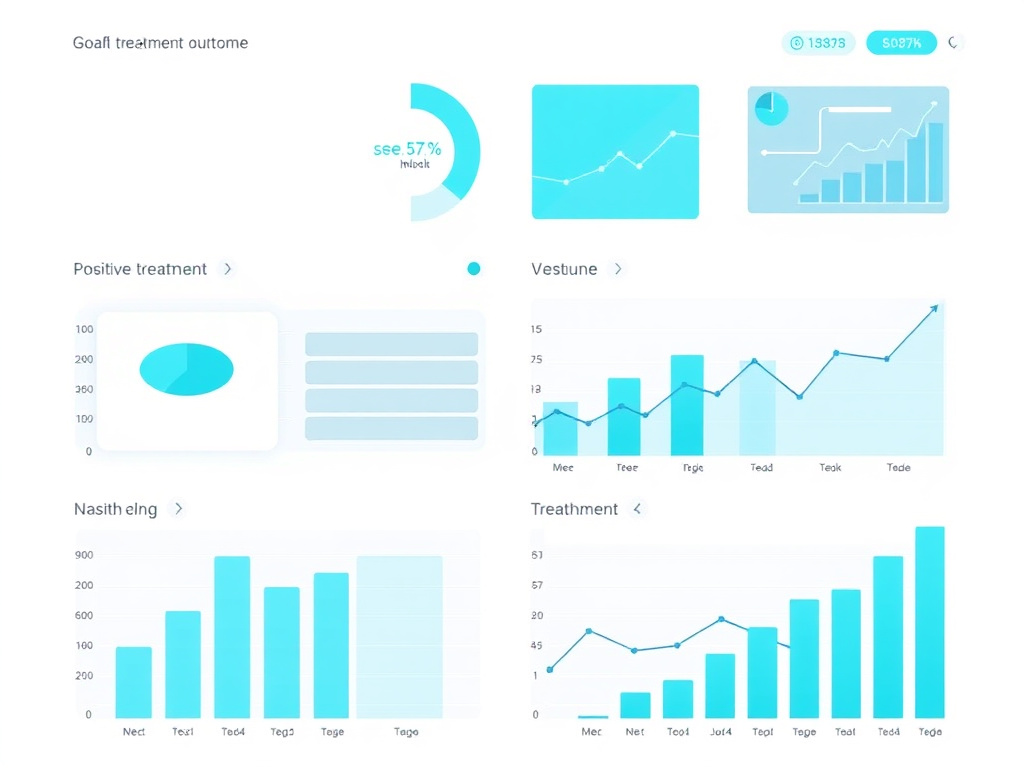
The second key trial enrolled 100 patients in a similar design and assessed outcomes at both 12 and 24 weeks. At 12 weeks, the global improvement rate was 42% for PPS versus 27% for placebo. By 24 weeks, 56% of PPS patients reported improvement compared to 32% of placebo patients. These data suggested a dose-response relationship with duration of treatment, supporting the clinical observation that PPS may require extended therapy before patients experience meaningful benefit. The improvement rates in PPS-treated patients at 3 months are consistent with the chart data showing 56% symptom relief with PPS 100mg TID versus 32% with placebo.
Symptom Relief at 3 Months: PPS vs. Placebo
Large Uncontrolled Safety and Efficacy Database
Following FDA approval, a large open-label clinical program enrolled 2,499 IC patients who received PPS 300 mg daily. Of these, 1,192 (48%) completed 3 months of therapy, 892 (36%) completed 6 months, and 598 (24%) completed a full year. In this unblinded cohort, patient-reported improvement rates were higher than those observed in the controlled trials: approximately 50% of patients reported meaningful symptomatic improvement at 3 months, with rates climbing to 63% at 6 months in patients who continued therapy.
These open-label data must be interpreted cautiously due to the absence of a placebo control group and the inherent bias in self-selected populations who continue on a therapy. The high dropout rate (52% of patients did not complete 3 months) also introduces survival bias, as patients who stopped early may have done so due to lack of efficacy, adverse effects, or both. Despite these limitations, the open-label program provided valuable safety data on a large patient cohort and supported the clinical impression that longer duration of treatment is associated with higher response rates.
Systematic Reviews and Meta-Analyses
A landmark systematic review published in Current Medical Research and Opinion in 2019 (Anderson VR, Perry CM) analyzed all available randomized controlled trial data for PPS in IC/BPS. The review included six RCTs with a total of 398 participants and reached the conclusion that the benefit of PPS for reducing chronic pain and lower urinary tract symptoms remains inconclusive with modest effect size. The pooled data showed a statistically significant but clinically modest advantage for PPS over placebo on most symptom measures, with number needed to treat (NNT) estimates ranging from 5 to 11 depending on the outcome assessed.
An earlier meta-analysis by Hwang and colleagues (1997) had reported more favorable findings, concluding that PPS was more effective than placebo for treating pain, urgency, and frequency associated with IC. However, this analysis included fewer trials and did not benefit from the larger, more rigorously designed studies that were published subsequently. The divergence between earlier and later meta-analyses reflects the general trend in PPS research: initial enthusiasm based on smaller studies has been tempered by the results of larger, more methodologically rigorous trials.
The Nickel 2015 Landmark Trial
Perhaps the most influential single study in shaping current perspectives on PPS efficacy was the large multicenter RCT led by J. Curtis Nickel, published in the Journal of Urology in 2015. This study randomized 368 patients with IC/BPS to one of four groups: PPS 100 mg once daily, PPS 100 mg three times daily (the standard dose), hydroxyzine 50 mg daily, or placebo, with a 24-week treatment period. The trial used the O'Leary-Sant Interstitial Cystitis Symptom Index (ICSI) and Problem Index (ICPI) as co-primary endpoints.
The results were sobering for PPS advocates. Neither PPS dose group showed a statistically significant improvement over placebo on the primary endpoints. The mean change in ICSI score was -3.67 for PPS 300 mg/day, -3.46 for PPS 100 mg/day, -3.60 for hydroxyzine, and -3.47 for placebo. The placebo response was substantially higher than in earlier trials, effectively erasing any detectable treatment effect. The authors concluded that there was no treatment effect versus placebo for PPS at the currently established dose or at a third of the daily dose.
This negative trial sparked considerable discussion in the urology community. Critics pointed to the broad inclusion criteria (which may have diluted the treatment effect by enrolling patients without true GAG layer pathology), the relatively short treatment duration for a slow-acting drug, and the exceptionally high placebo response rate as factors that may have obscured genuine PPS efficacy. Supporters of PPS argued that the drug's benefit is real but exists within a narrow therapeutic window that is difficult to detect in large, heterogeneous populations.
Multicenter Placebo-Controlled Trial (2021)
A subsequent multicenter, double-blind, placebo-controlled RCT published in BMC Urology in 2021 enrolled 129 patients with confirmed IC/BPS and randomized them to PPS 100 mg three times daily or placebo for 24 weeks. This study used a more focused patient population with confirmed bladder pathology on cystoscopy and a positive potassium sensitivity test, attempting to select patients most likely to have a GAG-layer deficit.
In this more targeted population, PPS demonstrated a statistically significant improvement over placebo. The mean change on the O'Leary-Sant scale was 4.93 points for PPS compared to 1.66 points for placebo (p=0.01). Responder analysis showed that 47% of PPS patients achieved a clinically meaningful improvement (defined as a 30% or greater reduction in symptom scores) compared to 24% of placebo patients. These results supported the hypothesis that PPS is most effective in patients with confirmed urothelial pathology and suggested that patient selection may be critical for demonstrating the drug's efficacy in controlled trials.
Long-Term Outcomes and Real-World Evidence
A 15-year single-center retrospective study published in 2025 analyzed outcomes in 204 patients prescribed oral PPS between 2006 and 2021. Using the International Prostate Symptom Score (IPSS) as a standardized measure of lower urinary tract symptoms and quality of life, the study documented significant improvements in symptom scores that reached a stable plateau within approximately 3 months of treatment initiation. Patients who continued therapy beyond 3 months maintained their improvement, while those who discontinued generally experienced symptom recurrence within 2 to 4 months.
Real-world data from insurance databases and specialty urology practices paint a mixed picture of PPS utilization. Adherence rates are modest, with many patients discontinuing within the first 6 months due to perceived lack of efficacy, cost, or concerns about side effects. Among patients who remain on therapy for 6 months or longer, satisfaction rates are higher, consistent with the clinical observation that PPS is a slow-acting agent that requires patience on the part of both clinician and patient. For those exploring adjunctive therapies for chronic pain conditions, the GLP-1 research hub covers compounds with emerging anti-inflammatory profiles that may complement bladder-focused therapies.
Subgroup Analyses and Sex-Specific Differences
Post-hoc subgroup analyses from the major PPS clinical trials have revealed several patterns that inform clinical decision-making. In the Nickel 2015 study, while the overall result was negative, subgroup analyses suggested that patients with smaller bladder capacity (less than 350 mL under anesthesia) and those with documented Hunner lesions showed numerically greater improvements with PPS compared to the overall population. These findings, while exploratory and not statistically powered for definitive conclusions, support the biological rationale that PPS is most effective when there is a clear GAG layer deficit that the drug can address.
Sex-specific differences in PPS response have been difficult to assess because the overwhelming majority of clinical trial participants are female. The limited data available in male IC/BPS patients suggest similar response patterns, though the small sample sizes preclude meaningful statistical comparisons. Hormonal influences on bladder function and GAG layer integrity are plausible but poorly studied. Estrogen receptors are present on urothelial cells, and fluctuations in estrogen levels (during the menstrual cycle, pregnancy, and menopause) can influence urothelial barrier function. Some clinicians have observed that IC/BPS symptoms worsen around menstruation and improve during pregnancy, when estrogen levels are high. Whether these hormonal effects influence PPS responsiveness remains an open question.
Age-related differences in treatment response have been noted in some studies. Younger patients (under 40) tend to show faster and more complete responses to PPS compared to older patients, which may reflect greater regenerative capacity of the younger urothelium, shorter disease duration at the time of treatment initiation, and less established central sensitization. Older patients (over 65) may have more difficulty tolerating the 3-6 month waiting period for efficacy due to competing health concerns and the impact of multiple comorbid conditions on symptom perception.
Race and ethnicity have not been systematically studied as modifiers of PPS response, and the clinical trials have enrolled predominantly white populations, limiting the generalizability of findings. IC/BPS prevalence appears to vary across racial and ethnic groups, though whether these differences reflect true biological variation or disparities in diagnosis and healthcare access is uncertain. Expanding the diversity of clinical trial populations in future PPS studies would strengthen the evidence base and improve the clinical applicability of the findings.
Duration-of-Response Analyses
A recurring finding across PPS clinical trials is that treatment duration is positively associated with response rate. In the registration trials, response rates at 12 weeks (28-42%) were consistently lower than at 24 weeks (56%), and real-world data suggest that responses may continue to accrue over 12-18 months of therapy. This time-dependent efficacy has important implications for clinical practice and trial design.
From a clinical standpoint, the time-dependent response means that premature treatment discontinuation is one of the most common reasons for apparent PPS failure. Patients who stop PPS at 8 or 12 weeks because they haven't noticed improvement may deny themselves a response that would have emerged at 16 or 24 weeks. Educating patients about this timeline and establishing a formal 6-month evaluation point can improve adherence and ensure that patients receive an adequate trial of therapy before being classified as non-responders.
From a trial design perspective, the slow onset of PPS efficacy creates challenges for randomized controlled trials. Short trial durations (12 weeks or less) may underestimate the true treatment effect by not allowing sufficient time for GAG layer reconstitution. Long trial durations (24 weeks or more) increase the risk of placebo response convergence, as placebo response rates tend to increase over time in chronic pain conditions. This "Goldilocks problem" of trial duration may explain some of the inconsistency in the PPS clinical evidence, with shorter trials showing weak effects (insufficient time) and longer trials showing diluted effects (high placebo response). The ideal trial duration for PPS likely falls in the 16-24 week range, but the exact optimum has not been formally established.
Intravesical Administration
Given the extremely poor oral bioavailability of PPS (approximately 6%), researchers have investigated direct instillation of PPS solution into the bladder (intravesical administration) as a means of achieving higher local drug concentrations at the site of action. A randomized double-blind clinical trial by Davis and colleagues compared three treatment arms: oral PPS alone (300 mg daily), intravesical PPS alone (300 mg in 50 mL saline twice weekly for 3 weeks then weekly for 3 weeks), and combined oral plus intravesical PPS.
The combined therapy group showed the highest response rate (54%) compared to intravesical alone (37%) and oral alone (26%) at 16 weeks. These results suggested an additive benefit of combining systemic and local PPS delivery, though the study was limited by relatively small sample sizes in each arm. Intravesical PPS, while showing promising efficacy, is limited by the practical inconvenience of repeated catheterizations and is generally reserved for patients who have failed oral therapy or who cannot tolerate systemic dosing.
Innovations in delivery technology have sought to improve the intravesical approach. A liposomal nanocarrier formulation of PPS has been developed and tested in animal models, showing prolonged retention on the urothelial surface and enhanced penetration into the bladder wall compared to free PPS solution. While still in preclinical development, these nanotechnology approaches could eventually provide a more practical intravesical delivery option that reduces the frequency of instillation while maintaining high local drug concentrations.
Dose-Ranging Studies
The optimal dose of PPS for IC/BPS has been the subject of ongoing investigation. While the FDA-approved dose is 300 mg daily (100 mg three times daily), researchers have explored both lower and higher doses to determine whether the therapeutic index can be improved.
A dose-ranging study by Nickel and colleagues (2005) randomized 380 patients to PPS 300 mg/day, PPS 600 mg/day, PPS 900 mg/day, or placebo for 32 weeks. Surprisingly, the 300 mg dose showed the best response rate on the global response assessment (42%), while the 600 mg (40%) and 900 mg (40%) doses did not demonstrate a clear dose-response advantage. All PPS doses were significantly better than placebo (27%). The higher doses were associated with increased rates of gastrointestinal side effects without corresponding efficacy improvements, supporting the established 300 mg daily dose as the optimal regimen.
The lack of a clear dose-response relationship is puzzling from a pharmacological standpoint and has been interpreted in several ways. One explanation is that the therapeutic effect is driven by the small fraction of drug that reaches the bladder lumen, and that increasing the oral dose beyond 300 mg does not meaningfully increase bladder drug concentrations due to saturation of absorption pathways. Another possibility is that the GAG layer reconstitution process is limited by biological factors (urothelial regenerative capacity, turnover rate of the GAG coating) rather than drug concentration, so that additional drug above a threshold level provides no incremental benefit. A third interpretation is that the placebo response in IC/BPS is so high that detecting dose-response effects requires larger sample sizes than those used in available studies.
Special Populations in IC/BPS Trials
The IC/BPS clinical trials have largely enrolled predominantly female, middle-aged populations, which reflects the epidemiology of the condition. However, several important subpopulations deserve specific mention.
Male patients with IC/BPS are underrepresented in clinical trials, partly because the condition is less common in men and partly because IC/BPS in males can be difficult to distinguish from chronic prostatitis/chronic pelvic pain syndrome (CP/CPPS). Limited data suggest that PPS may be effective in male IC/BPS patients, though the evidence base is thin. Some urologists prescribe PPS off-label for male chronic pelvic pain when other treatments have failed, reasoning that GAG layer pathology can affect the male bladder just as it does the female bladder.
Elderly patients (over 70 years) are another group with limited representation in PPS trials. Age-related changes in bladder function, including decreased detrusor contractility, reduced bladder compliance, and comorbid overactive bladder, can complicate the assessment of PPS efficacy in older adults. The retinal toxicity concern is particularly relevant in this population, as older adults have a higher prevalence of pre-existing macular pathology that may make screening more difficult to interpret and may increase susceptibility to PPS-related retinal damage.
Patients with comorbid conditions that affect the genitourinary tract, including endometriosis, vulvodynia, irritable bowel syndrome, and fibromyalgia, represent a large subgroup of IC/BPS patients. These overlapping pain conditions may share common pathophysiological mechanisms (central sensitization, visceral hypersensitivity) that are not addressed by GAG layer repair alone. PPS monotherapy may be less effective in patients with multiple overlapping pain conditions, supporting the use of multimodal treatment strategies that address both peripheral and central components of the pain experience. Peptide compounds like Pinealon and Epithalon target neurological and neuroendocrine pathways that may be relevant to patients with complex, multi-system pain conditions.
Comparison with Other IC/BPS Treatments
PPS is just one component of a multimodal treatment approach to IC/BPS that may include behavioral modifications, pelvic floor physical therapy, dietary changes, oral medications (amitriptyline, hydroxyzine, cimetidine), intravesical instillations (DMSO, heparin, lidocaine cocktails), neuromodulation, and in severe cases, surgical interventions. Positioning PPS within this broader treatment landscape requires understanding its unique strengths and limitations.
| Treatment | Route | Mechanism | Response Rate | Time to Effect | Key Limitations |
|---|---|---|---|---|---|
| PPS (Elmiron) | Oral | GAG layer repair | 30-50% | 3-6 months | Slow onset; retinal risk |
| Amitriptyline | Oral | Central pain modulation | 42-64% | 4-8 weeks | Sedation; anticholinergic effects |
| Hydroxyzine | Oral | Mast cell stabilization | 30-40% | 2-4 weeks | Drowsiness; tolerance |
| DMSO instillation | Intravesical | Anti-inflammatory; analgesic | 50-70% | 1-3 weeks | Catheterization; garlic odor |
| Heparin instillation | Intravesical | GAG layer substitute | 40-56% | 1-4 weeks | Catheterization needed |
| Sacral neuromodulation | Implant | Neural pathway modulation | 60-70% | Weeks to months | Surgical; device complications |
The advantage of PPS over many of these alternatives is its oral route of administration and its disease-modifying rationale (restoring the GAG layer rather than merely masking symptoms). Its disadvantages include slow onset, modest effect size, and the newly recognized retinal toxicity risk that has caused some clinicians to favor alternative approaches, particularly for younger patients who may require decades of therapy. The American Urological Association guidelines continue to include PPS as a second-line oral therapy option for IC/BPS, though the guidelines note the limitations of the evidence and the emerging safety concerns.
Symptom-Specific Outcomes
IC/BPS is a multisymptom syndrome, and the effects of PPS vary across different symptom domains. Understanding which symptoms respond best to PPS therapy can help clinicians set appropriate expectations and select the patients most likely to benefit.
Pain is often the most distressing symptom for IC/BPS patients and the one that drives treatment-seeking. In the pooled analysis of clinical trials, PPS produced a mean reduction in pain scores of 1.2 to 2.3 points on a 0-10 visual analog scale, compared to 0.5 to 1.1 points with placebo. While statistically significant, the absolute pain reduction is modest, and many patients report that PPS alone is insufficient for adequate pain control. This has led to the common clinical practice of combining PPS with other analgesic strategies, including amitriptyline for central pain modulation, topical lidocaine for local pain relief, and pelvic floor physical therapy for myofascial pain components.
Urinary frequency and urgency show somewhat more consistent improvement with PPS therapy. In the key trials, PPS-treated patients experienced a mean reduction of 2 to 4 voids per day and a decrease in urgency episodes. The frequency improvement likely reflects the restoration of bladder barrier function, which reduces the chronic irritant stimulus that drives detrusor overactivity and sensory urgency. Patients who start with higher baseline voiding frequency tend to show greater absolute improvement, consistent with the hypothesis that they have more severe GAG layer deficiency that PPS can address.
Nocturia, the need to wake from sleep to urinate, is one of the most impactful symptoms of IC/BPS on quality of life. PPS shows modest effects on nocturia in clinical trials, with mean reductions of 0.5 to 1.0 episodes per night compared to 0.2 to 0.5 with placebo. The relatively small effect on nocturia may reflect the fact that nighttime voiding is influenced by multiple factors beyond bladder irritation, including nocturnal polyuria, sleep architecture, and circadian variations in urine production that are not addressed by GAG layer repair. For individuals struggling with sleep disruption from chronic conditions, the DSIP peptide may offer sleep-specific support through delta wave enhancement.
Sexual function, which is frequently impaired in IC/BPS patients due to pain during intercourse and the psychological impact of chronic pelvic pain, has been assessed as a secondary outcome in some PPS trials. Improvements in sexual function scores have been reported, though these tend to parallel improvements in pain and urgency rather than representing an independent effect of PPS on sexual physiology. The Female Sexual Function Index (FSFI) and similar validated instruments show modest improvements in PPS-treated patients, primarily in the pain and desire domains.
Quality of Life and Patient-Reported Outcomes
Quality of life is arguably the most clinically meaningful outcome for IC/BPS treatment, as the condition is not life-threatening but can be profoundly disabling. PPS trials that included quality of life measures have shown statistically significant but modest improvements in overall quality of life scores, with the greatest gains seen in the bodily pain, social function, and mental health domains of the SF-36 health survey.
Patient global impression of change (PGIC) assessments, which ask patients to rate their overall condition as "much better," "somewhat better," "no change," or "worse," provide a clinically intuitive measure of treatment benefit. In the key trials, PGIC responder rates (patients rating their condition as at least "somewhat better") ranged from 28% to 56% with PPS compared to 13% to 32% with placebo. These figures translate to a number needed to treat (NNT) of approximately 5 to 7, meaning that 5 to 7 patients need to be treated with PPS for one additional patient to achieve a meaningful clinical response beyond what would occur with placebo alone.
The impact of IC/BPS on work productivity, social participation, and emotional well-being is substantial, and improvements in these domains with PPS therapy, while modest in absolute terms, can be meaningful to individual patients. Cost-effectiveness analyses suggest that PPS is a reasonable therapeutic investment when compared to the costs of untreated IC/BPS, including emergency department visits, diagnostic procedures, and lost productivity. However, these analyses were conducted before the recognition of retinal toxicity, which adds both monitoring costs and potential long-term harm to the economic equation. The GLP-1 weight loss overview provides context on how therapeutic value is assessed when weighing benefits against long-term safety profiles.
Predictors of Response to PPS Therapy
Identifying which patients are most likely to respond to PPS remains an active area of clinical research. Several factors have been associated with better treatment outcomes in retrospective analyses and post-hoc subgroup analyses of clinical trials.
Younger patients (under 50 years) tend to show higher response rates than older patients, potentially reflecting less severe or less chronic bladder pathology and greater regenerative capacity of the urothelium. Patients with documented Hunner lesions on cystoscopy, which represent focal areas of severe mucosal inflammation, show variable responses to PPS. Some studies report better outcomes in patients with Hunner lesions, while others find no association. The positive potassium sensitivity test, which identifies patients whose bladder symptoms worsen with intravesical potassium chloride and thus likely have compromised urothelial permeability, has been proposed as a predictor of PPS response, but prospective validation of this approach is lacking.
Duration of illness before initiating PPS therapy may also influence outcomes. Patients treated earlier in the disease course, before chronic neuroplastic changes and bladder fibrosis have become established, may be more responsive to GAG layer repair than those with long-standing disease and secondary central sensitization. This observation supports the rationale for early intervention with PPS rather than reserving it as a last-resort therapy after other approaches have failed.
Biomarker-guided patient selection represents a frontier in PPS therapeutics. Urinary GAG levels, urothelial permeability markers (such as urinary potassium and sulfate ratios), and inflammatory cytokine profiles are being investigated as potential tools for identifying patients with confirmed GAG layer pathology who would be most likely to benefit from PPS therapy. If successful, these biomarker approaches could transform PPS from a broadly prescribed medication with modest average effects to a targeted therapy with high efficacy in an appropriately selected patient subpopulation.
Clinical Evidence Summary
The IC/BPS evidence for PPS can be summarized as follows: (1) PPS produces a statistically significant improvement over placebo in most but not all controlled trials; (2) the absolute magnitude of benefit is modest, with NNT estimates of 5-11; (3) response rates improve with treatment duration beyond 3 months; (4) patient selection based on confirmed GAG layer pathology may improve response rates; (5) combined oral plus intravesical therapy may offer additive benefit; (6) pain, frequency, and urgency all improve, with frequency showing the most consistent response; (7) quality of life improvements parallel symptom reduction. Patients considering PPS should be counseled that the drug requires patience, that response is not guaranteed, and that eye monitoring is required.
Osteoarthritis Research

Osteoarthritis (OA) affects over 500 million people globally and remains one of medicine's most significant unmet needs. Despite its enormous burden, there is currently no FDA-approved disease-modifying osteoarthritis drug (DMOAD). Pentosan polysulfate sodium, administered by subcutaneous injection, has emerged as one of the most advanced DMOAD candidates in clinical development, with data suggesting it can address pain, inflammation, and structural cartilage damage simultaneously.
Rationale for PPS in Osteoarthritis
The rationale for using PPS in osteoarthritis is grounded in the compound's multi-target pharmacology, which addresses several of the key pathological processes driving joint degeneration. Articular cartilage is composed primarily of type II collagen fibers and proteoglycans, principally aggrecan, which together create a tissue with extraordinary compressive strength and resilience. In OA, an imbalance between catabolic and anabolic processes leads to progressive loss of aggrecan and collagen, thinning of cartilage, formation of osteophytes, and ultimately joint failure.
PPS can influence this process at multiple points. Its inhibition of NF-kB reduces the expression of cartilage-degrading enzymes including MMP-3, MMP-13, and ADAMTS-5. Its stimulation of proteoglycan synthesis by chondrocytes promotes the replenishment of lost aggrecan. Its normalization of NGF expression in subchondral bone reduces pain signaling at its source rather than masking it centrally. And its inhibition of complement activation dampens one of the immune-mediated drivers of synovial inflammation that accelerates cartilage breakdown.
An important distinction between the IC/BPS and OA applications is the route of administration. For OA, PPS is administered by subcutaneous injection rather than orally. This bypasses the poor oral bioavailability (6%) that limits systemic drug exposure with the capsule formulation and achieves plasma concentrations several-fold higher than those possible with oral dosing. The injectable formulation also delivers PPS more efficiently to joint tissues through the systemic circulation, rather than relying on the small fraction of orally administered drug that survives first-pass hepatic metabolism. For those interested in injectable peptide therapies for musculoskeletal conditions, BPC-157/TB-500 blend is another option with tissue-healing properties.
Epidemiology and Disease Subtypes in OA
Osteoarthritis is not a single disease but rather a collection of conditions characterized by joint degeneration that share common end-stage pathological features but may arise through distinct pathogenic pathways. Understanding these subtypes is important for appreciating which OA patients are most likely to benefit from PPS therapy.
Post-traumatic OA develops following acute joint injury, such as anterior cruciate ligament tear, meniscal tear, or intra-articular fracture. This subtype is characterized by a clear inflammatory trigger, rapid onset of cartilage degradation, and a younger patient population compared to primary OA. The strong inflammatory component of post-traumatic OA makes it a theoretically attractive target for PPS therapy, as the drug's NF-kB inhibition and complement-blocking properties may address the acute inflammatory cascade that drives early cartilage damage after injury.
Primary (idiopathic) OA develops gradually without a clear precipitating event and is strongly associated with age, genetics, and cumulative mechanical loading. This is the most common form of OA and the population targeted by most clinical trials. Primary OA is heterogeneous in its manifestations, affecting some patients primarily through cartilage degradation, others through synovial inflammation, and others through subchondral bone changes. The multi-target mechanism of PPS may be advantageous in this heterogeneous population because it addresses multiple pathological processes simultaneously, rather than targeting a single driver.
Metabolic OA, associated with obesity, diabetes, and metabolic syndrome, is increasingly recognized as a distinct subtype driven by systemic inflammation and metabolic dysregulation. Adipokines (inflammatory mediators produced by adipose tissue), free fatty acids, and advanced glycation end products (AGEs) contribute to cartilage degradation through mechanisms distinct from those of mechanical overload. PPS's anti-inflammatory properties, complement inhibition, and lipid-modulating effects (through lipoprotein lipase activation) may be particularly relevant in this subpopulation. For patients with metabolic OA who are also pursuing weight management, the tesofensine compound represents an investigational anti-obesity option that could complement joint-directed therapies.
Erosive OA, which primarily affects the interphalangeal joints of the hands, is a particularly aggressive subtype characterized by marked inflammation, bone erosion, and rapid joint destruction. This subtype shares features with inflammatory arthritis and may represent a distinct disease entity rather than a variant of typical OA. The potential of PPS in erosive hand OA has not been specifically studied, but the drug's anti-inflammatory and chondroprotective mechanisms provide theoretical rationale for investigation in this refractory condition.
Preclinical Evidence
Extensive preclinical work in animal models of OA laid the foundation for the clinical program. In the sheep meniscectomy model, one of the best-validated surgical models of OA, intramuscular PPS treatment significantly reduced cartilage degradation scores on histological examination compared to untreated controls. Treated animals showed preservation of aggrecan content, reduced chondrocyte clustering (a marker of degenerative cartilage), and less subchondral bone sclerosis at 12 and 26 weeks post-surgery.
In rat models of OA induced by monoiodoacetate injection, PPS treatment reduced pain-related behaviors (weight-bearing asymmetry, mechanical allodynia) and decreased the production of inflammatory mediators in joint tissues. Immunohistochemical analysis revealed reduced NF-kB nuclear staining in chondrocytes and synoviocytes from PPS-treated joints, providing tissue-level confirmation of the anti-inflammatory mechanism observed in cell culture studies.
In the collagen-induced arthritis (CIA) model, which mimics inflammatory rheumatoid arthritis rather than degenerative OA, PPS also showed anti-inflammatory effects, reducing joint swelling, synovial cell proliferation, and pannus formation. While the CIA model is more relevant to rheumatoid arthritis than OA, the results highlight the breadth of PPS's anti-inflammatory activity across different types of joint inflammation. The complement-inhibitory properties of PPS may be particularly relevant in CIA, as complement activation plays a central role in immune-complex-mediated joint damage in autoimmune arthritis.
Canine studies have been particularly informative because dogs develop naturally occurring OA that closely resembles the human disease. A study published in PLoS ONE in 2024 evaluated the durability of subcutaneous PPS (3 mg/kg weekly for 6 weeks) in companion dogs with naturally occurring OA. Results demonstrated sustained improvements in veterinary-assessed lameness, joint swelling, pain on manipulation, and range of motion that persisted for at least 20 weeks beyond the end of the treatment course. MRI assessment showed preservation of articular cartilage thickness and reduced synovial effusion compared to baseline.
Phase 2 Human Clinical Trials
The first human RCT of PPS for knee OA was a pilot study published in 2014 by Ghosh and colleagues. This double-blind, placebo-controlled trial enrolled 20 patients with mild knee OA (Kellgren-Lawrence grade 1-2) who received either subcutaneous PPS (2 mg/kg) or placebo injections weekly for 4 weeks. Clinical assessments and biomarkers were evaluated at weeks 4, 8, and 24.
PPS treatment was associated with significantly improved duration of joint stiffness and pain at rest compared to controls for 20 weeks after the cessation of treatment. Pain on walking and overall function were significantly improved for 8 weeks post-treatment. This prolonged duration of benefit well beyond the active treatment period was a striking finding that suggested PPS was not simply masking symptoms but rather altering the underlying disease process.
Biomarker analyses from this pilot trial showed that PPS-treated patients had reduced serum levels of cartilage oligomeric matrix protein (COMP), a marker of cartilage turnover, and reduced synovial fluid levels of TNF-alpha and MMP-3, consistent with the drug's anti-inflammatory and chondroprotective mechanisms. These biomarker changes correlated with clinical improvements, supporting the proposed mechanism of action.
A larger Phase 2 study by Paradigm Biopharmaceuticals, presented at the 2023 OARSI World Congress (Osteoarthritis Research Society International), evaluated injectable PPS in patients with knee OA. This exploratory trial measured synovial fluid biomarkers before and after treatment with a course of subcutaneous PPS injections. The results showed significant reductions in NGF, TNF-alpha, and IL-6, suggesting effects on pain and inflammatory pathways. Reductions in COMP and ARGS (aggrecan neoepitope, a direct marker of aggrecanase-mediated cartilage degradation) with an increase in TIMP-1 (tissue inhibitor of metalloproteinases-1) suggested a potential effect on cartilage preservation. This biomarker panel provides strong mechanistic support for PPS as a genuine DMOAD candidate.
Cartilage Structural Outcomes on MRI
One of the most encouraging aspects of the OA clinical data involves direct imaging evidence of cartilage structural effects. In the open clinical trial reported by Ghosh and colleagues, sodium pentosan polysulfate treatment resulted in measurable cartilage improvement on MRI in patients with knee OA. Using quantitative MRI techniques including T2 mapping and delayed gadolinium-enhanced MRI of cartilage (dGEMRIC), treated patients showed increases in cartilage thickness and improvements in cartilage composition markers that were not observed in historical controls.
While these imaging findings must be interpreted with caution due to the open-label design and small sample size, they represent some of the first published evidence of structural cartilage improvement in human OA in response to any pharmacological therapy. If confirmed in the ongoing Phase 3 trial with appropriate placebo controls and blinded imaging assessment, these results would place PPS among a very small number of agents capable of demonstrating structural modification in OA, alongside candidates such as sprifermin (FGF-18) and lorecivivint (Wnt pathway inhibitor). The FormBlends science page provides additional context on how structural tissue modifications are assessed in clinical research settings.
Phase 3 Zilosul Trial
Paradigm Biopharmaceuticals is conducting a Phase 3 clinical trial of injectable PPS (Zilosul) for knee OA that represents the most definitive test of the DMOAD hypothesis. The trial, initiated with an extension phase starting in December 2021, aims to enroll approximately 938 participants across multiple international sites. The study design includes assessment of the duration of PPS treatment effect from initial response through follow-up at weeks 28 and 80, as well as outcomes of retreatment in patients who experience initial benefit followed by loss of response.
The primary endpoints include changes in the WOMAC (Western Ontario and McMaster Universities Osteoarthritis Index) pain subscale, while secondary endpoints encompass structural outcomes on MRI, patient global assessment, and a comprehensive biomarker panel. The retreatment arm is particularly important, as it will establish whether repeated courses of PPS can maintain long-term disease control, a critical question for any therapy intended for a chronic, progressive condition.
If the Phase 3 trial succeeds, injectable PPS would become one of the first approved DMOADs in a therapeutic area that has been characterized by decades of failed drug development. Previous DMOAD candidates have foundered on the difficulty of demonstrating structural cartilage benefit in a disease that progresses slowly and heterogeneously. The multi-target mechanism of PPS, addressing pain, inflammation, and structural degeneration simultaneously, may provide advantages over agents targeting a single pathway.
Veterinary Applications and Cross-Species Evidence
PPS has a long history of veterinary use for OA in dogs and horses, providing a wealth of real-world efficacy and safety data across species. In veterinary practice, PPS is typically administered as a course of subcutaneous injections (3 mg/kg) given weekly for 4 to 6 weeks. Clinical experience in thousands of treated animals has shown consistent improvements in lameness, joint flexibility, and pain scores, with effects that endure for weeks to months beyond the treatment course.
The veterinary evidence is valuable for several reasons. First, companion animals with naturally occurring OA represent a more authentic disease model than surgically induced OA in laboratory animals, as the disease develops over years through the same age-related and biomechanical processes that drive human OA. Second, the placebo effect, which confounds human OA trials, is less of a factor in veterinary assessments based on clinician observation of gait and joint function. Third, the long history of veterinary use provides reassurance about the general safety profile of subcutaneous PPS at doses comparable to those used in human trials.
VCA Animal Hospitals describes PPS as a treatment that promotes blood flow and repair of joint cartilage while also decreasing inflammation and pain. The typical veterinary protocol involves four weekly injections, which can be repeated as needed. Side effects in animals are generally mild and infrequent, consisting primarily of temporary discomfort at the injection site and, rarely, prolonged bleeding in animals with pre-existing coagulation disorders.
Comparison with Existing OA Therapies
Current pharmacological management of OA is limited primarily to symptomatic relief. Acetaminophen, nonsteroidal anti-inflammatory drugs (NSAIDs), topical agents, intra-articular corticosteroids, and hyaluronic acid viscosupplementation address pain and inflammation but do not modify the underlying disease process. Strong opioids are increasingly avoided due to addiction risk and questionable long-term efficacy in OA pain.
| Therapy | Route | Disease-Modifying? | Pain Relief Duration | Key Advantages |
|---|---|---|---|---|
| PPS (injectable) | Subcutaneous | Potential DMOAD | 8-20+ weeks post-course | Multi-target; durable; structural effects |
| NSAIDs | Oral/topical | No | Hours to days | Rapid onset; well-known |
| Corticosteroids | Intra-articular | No (may accelerate) | 4-12 weeks | Potent anti-inflammatory |
| Hyaluronic acid | Intra-articular | No | 6-12 months variable | Local cushioning; minimal systemic |
| Duloxetine | Oral | No | Requires daily dosing | Central pain modulation |
| Platelet-rich plasma | Intra-articular | Uncertain | 6-12 months variable | Growth factor delivery; autologous |
PPS's potential advantages over existing OA therapies include its subcutaneous route (avoiding intra-articular injection risks), its multi-target mechanism (addressing pain, inflammation, and structural damage simultaneously), and its durable benefit lasting weeks beyond the treatment course. The subcutaneous injection route is considerably safer than intra-articular injection, which carries risks of joint infection, cartilage toxicity from corticosteroids, and procedural pain. For those exploring comprehensive approaches to musculoskeletal health, CJC-1295/Ipamorelin and other growth hormone secretagogues may support connective tissue repair through complementary hormonal pathways.
Hip and Shoulder Osteoarthritis Applications
While the current clinical trial program focuses on knee OA, there is strong rationale for extending PPS therapy to other joints affected by OA, particularly the hip and shoulder. Hip OA is the second most common form of large joint OA and ultimately leads to total hip arthroplasty in approximately 300,000 Americans annually. The pathobiology of hip OA shares the same fundamental processes (cartilage degradation, synovial inflammation, subchondral bone remodeling) that PPS targets in the knee, and there is no reason to believe that the drug's mechanism would be less effective in the hip joint.
Shoulder OA (glenohumeral joint OA) is less common than knee or hip OA but can be equally debilitating, particularly for patients who rely on overhead arm function for their occupation or recreational activities. Current treatment options for shoulder OA are limited to NSAIDs, corticosteroid injections, physical therapy, and ultimately total shoulder arthroplasty. The subcutaneous route of PPS administration, which delivers the drug systemically rather than to a specific joint, may offer an advantage in patients with multi-joint OA by providing therapeutic drug levels to all affected joints simultaneously. This contrasts with intra-articular therapies that must be administered separately to each affected joint.
Small joint OA of the hands and feet represents another potential extension of PPS therapy. Hand OA is extremely common, affecting an estimated 40-50% of adults over age 60, and causes significant pain, functional impairment, and reduced grip strength. Current pharmacological options are limited primarily to topical NSAIDs and analgesics, as systemic NSAID use in older adults carries significant cardiovascular and gastrointestinal risks. PPS, with its favorable gastrointestinal profile and multi-target mechanism, could offer a valuable alternative for patients with symptomatic hand OA, particularly those with contraindications to long-term NSAID use.
Spinal Osteoarthritis and Facet Joint Disease
Facet joint OA of the spine is a major contributor to chronic low back pain, affecting an estimated 15-45% of patients with chronic lumbar pain. Current treatments for facet joint OA include medial branch nerve blocks, radiofrequency ablation, intra-articular steroid injections, and spinal fusion surgery. None of these approaches are disease-modifying, and their effects are often temporary.
The potential of systemic PPS therapy for spinal OA is intriguing because the drug reaches all spinal levels simultaneously through the bloodstream, avoiding the need for multiple targeted injections. Preclinical models of disc degeneration and facet joint OA have shown that inflammatory mediators, including NF-kB, TNF-alpha, and IL-6, play key roles in these conditions, suggesting that PPS's anti-inflammatory mechanism could provide benefit. However, no clinical studies have specifically evaluated PPS for spinal OA, and the unique anatomy and biomechanics of the spine create challenges for translating results from peripheral joint trials. For individuals managing chronic back pain, peptide approaches including BPC-157 and the BPC-157/TB-500 blend have generated interest for their tissue-healing properties in musculoskeletal applications.
Emerging Applications: Mucopolysaccharidosis and Other Conditions
Beyond IC/BPS and OA, PPS is being investigated for several other conditions where GAG biology and inflammation intersect. In mucopolysaccharidosis type I (MPS I), a genetic disorder characterized by the accumulation of glycosaminoglycans due to enzyme deficiency, PPS has shown the ability to reduce GAG storage in tissues and improve clinical outcomes in animal models. A study comparing oral and subcutaneous PPS in MPS I dogs found that both routes reduced lysosomal storage burden, with subcutaneous injection achieving more consistent systemic levels.
PPS in Athletic and Sports Medicine Applications
The sports medicine community has shown increasing interest in PPS as a treatment for exercise-related joint conditions that fall short of clinical OA but involve joint inflammation, cartilage stress, and early degenerative changes. Athletes in high-impact sports (running, basketball, soccer, tennis) frequently develop cartilage lesions, bone marrow edema, and synovial inflammation that can limit training capacity and career longevity. Current management relies primarily on rest, physiotherapy, activity modification, and occasional corticosteroid injections, none of which address the underlying cartilage biology.
PPS's ability to reduce inflammation, protect cartilage, and promote proteoglycan synthesis makes it a conceptually attractive option for athletes with early joint damage who wish to maintain high-level athletic performance while protecting long-term joint health. The short treatment course (4-6 weeks) and durable response (weeks to months) fit well with athletic training cycles, allowing treatment to be timed around competitive seasons. The subcutaneous route avoids the risks of intra-articular injection, including the rare but career-ending complication of joint infection.
However, the use of PPS in athletes raises important considerations. The anticoagulant properties of PPS, while mild, could theoretically increase the risk of bruising or bleeding in contact sports. Anti-doping regulations must also be considered, as the World Anti-Doping Agency (WADA) status of PPS would need to be verified before use in competitive athletes. As of the most recent WADA prohibited list, pentosan polysulfate is not specifically listed as a prohibited substance, but athletes and their medical teams should verify current status through official channels before initiating therapy. For athletes interested in recovery-focused peptide approaches, TB-500 and MK-677 are frequently discussed in sports medicine contexts for their tissue-healing and growth hormone secretagogue properties, respectively.
PPS has also been investigated for its protective effects against alphavirus-induced arthritis, a condition that shares inflammatory mechanisms with OA. In Chikungunya-related joint disease, PPS treatment reduced cartilage destruction and inflammatory cell infiltration in affected joints, supporting its role as a broad-spectrum chondroprotective agent against both degenerative and inflammatory arthropathies. The alphavirus connection is particularly relevant given the global spread of Chikungunya virus, which causes chronic debilitating joint pain in a significant proportion of infected individuals. Current treatment for post-Chikungunya arthritis is limited to NSAIDs and physical therapy, leaving a therapeutic gap that PPS could potentially fill.
Mucopolysaccharidosis (MPS) research with PPS has opened another fascinating avenue. In MPS type I dogs, PPS treatment reduced lysosomal GAG storage burden, decreased neuroinflammation, and improved clinical outcomes. The mechanism in MPS appears to involve PPS-mediated modulation of inflammatory pathways that are activated by the abnormal GAG accumulation, rather than direct correction of the underlying enzyme deficiency. Both subcutaneous and oral PPS showed benefit in the MPS model, though subcutaneous delivery achieved more consistent systemic drug levels. These findings have implications beyond MPS, as they demonstrate that PPS can modulate GAG-related pathology in tissues throughout the body, including the central nervous system.
Renal protective effects of PPS have been documented in animal models of diabetic nephropathy, where the drug reduced albuminuria, decreased renal macrophage infiltration, and suppressed the expression of TNF-alpha in kidney tissue. The renal findings are consistent with PPS's known anti-inflammatory and complement-inhibitory mechanisms and suggest potential utility in chronic kidney disease, a condition that shares many inflammatory pathways with both IC/BPS and OA. However, the interaction between PPS metabolism (which involves renal depolymerization) and impaired kidney function would need to be carefully studied before PPS could be considered for renal applications.
Cardiovascular protection has also been explored. In isolated heart preparations, PPS prevented complement-mediated myocardial injury by blocking complement activation at multiple points in the cascade. This cardioprotective effect was demonstrated at concentrations achievable with therapeutic dosing, suggesting potential utility in ischemia-reperfusion injury, a major contributor to myocardial damage during heart attacks and cardiac surgery. The crossover between cardiovascular and joint applications is particularly relevant given the high prevalence of cardiovascular comorbidity in OA patients and the cardiovascular risks associated with long-term NSAID use in this population. An OA therapy that also confers cardiovascular protection, while simultaneously reducing the need for NSAIDs, would be a uniquely valuable addition to the therapeutic armamentarium. The Humanin peptide represents another compound with documented cardioprotective and cytoprotective properties that is being studied for its potential in multiple organ systems.
Bone Marrow Lesion Effects
Bone marrow lesions (BMLs), also called bone marrow edema, are areas of increased signal on fluid-sensitive MRI sequences within the subchondral bone adjacent to osteoarthritic joints. BMLs are strongly associated with OA pain and predict accelerated cartilage loss and structural progression. They represent areas of micro-damage, microfracture, fibrosis, and necrosis within the subchondral bone plate and are thought to contribute to pain through stimulation of nociceptive nerve fibers in the richly innervated bone marrow.
Preliminary imaging data from PPS OA trials suggest that the drug may reduce the size and intensity of bone marrow lesions. This effect is consistent with PPS's ability to reduce local NGF production in osteocytes (which drives BML-associated pain) and its anti-inflammatory effects on the subchondral bone microenvironment. If confirmed in the Phase 3 trial, BML reduction would provide additional evidence for PPS as a disease-modifying agent that addresses not just cartilage degradation but also the subchondral bone changes that are increasingly recognized as central to OA pathophysiology.
The BML findings also have implications for patient selection in OA trials. Patients with large BMLs tend to have more pain and faster disease progression, making them a population more likely to demonstrate treatment effects in clinical trials. Stratifying patients by BML status at baseline may improve the ability to detect PPS efficacy and could eventually inform clinical decision-making about which OA patients are most likely to benefit from PPS therapy. This approach parallels the trend toward precision medicine in other therapeutic areas and could help overcome the challenge of demonstrating drug efficacy in the heterogeneous OA population.
Metabolic Effects and Dyslipidemia
An intriguing secondary finding from OA research is the effect of PPS on lipid metabolism. A pilot study published in 2023 examined whether PPS could improve dyslipidemia and knee pain in people with knee OA and metabolic syndrome. The study found that a course of subcutaneous PPS injections produced meaningful reductions in serum triglyceride levels alongside improvements in joint pain. This dual benefit is explained by PPS's activation of lipoprotein lipase and hepatic triglyceride lipase, enzymes that facilitate the clearance of triglyceride-rich lipoproteins from the circulation.
The metabolic effects of PPS are relevant because metabolic syndrome and OA frequently coexist, and there is growing evidence that metabolic dysregulation, including dyslipidemia, insulin resistance, and chronic low-grade inflammation, contributes to the pathogenesis of OA through mechanisms independent of mechanical joint loading. The concept of "metabolic OA" recognizes that systemic metabolic factors can drive cartilage degradation and synovial inflammation, particularly in non-weight-bearing joints where mechanical overload cannot explain the disease.
If PPS can simultaneously address joint pathology and metabolic dysfunction, it would offer a uniquely comprehensive therapeutic approach for the growing population of patients with both OA and metabolic syndrome. This population is particularly challenging to manage with existing therapies, as NSAIDs carry cardiovascular risks in metabolically unhealthy patients, and intra-articular therapies address only local joint pathology without impacting systemic metabolic factors. For those managing metabolic health alongside musculoskeletal conditions, compounds like 5-Amino-1MQ and MOTS-c represent additional metabolic optimization strategies that may complement joint-directed therapies.
Comparison with Other DMOAD Candidates
PPS is not the only compound vying for DMOAD status, and understanding where it sits in the competitive landscape is important for appreciating its potential value. Several other DMOAD candidates are in various stages of clinical development, each targeting different aspects of OA biology.
| DMOAD Candidate | Mechanism | Development Stage | Route | Key Differentiator |
|---|---|---|---|---|
| PPS (Zilosul) | Multi-target (NF-kB, ADAMTS-5, NGF) | Phase 3 | Subcutaneous | Broad mechanism; veterinary track record |
| Sprifermin (FGF-18) | Cartilage anabolic (FGF pathway) | Phase 2/3 | Intra-articular | Direct cartilage regeneration signal |
| Lorecivivint | Wnt pathway inhibition | Phase 3 | Intra-articular | Novel target; stem cell activation |
| Tanezumab | Anti-NGF monoclonal antibody | FDA rejected | Subcutaneous | Strong pain relief; bone safety concerns |
| Fasinumab | Anti-NGF monoclonal antibody | Phase 3 completed | Subcutaneous | Potent analgesia; joint safety signals |
PPS has several potential advantages over these competitors. Its multi-target mechanism addresses pain, inflammation, and structure simultaneously, whereas most other candidates target a single pathway. Its subcutaneous route avoids the risks of intra-articular injection. Its extensive veterinary track record provides a level of real-world efficacy and safety data that novel compounds lack. And its relatively low cost (as a semi-synthetic plant-derived product rather than a biologic) could make it more accessible than monoclonal antibody-based therapies if approved.
The anti-NGF antibodies (tanezumab, fasinumab) are particularly instructive comparators. These drugs provide potent pain relief by blocking the same NGF pathway that PPS modulates, but they have encountered serious safety concerns, including rapidly progressive OA and osteonecrosis in some treated patients. The FDA rejected tanezumab in 2021 due to these bone safety signals. PPS, which reduces NGF expression locally rather than systemically blocking the protein, may achieve a more physiologically balanced modulation of the NGF pathway with a lower risk of the devastating skeletal complications seen with complete NGF blockade. This difference illustrates the potential advantage of a multi-target modulator over a single-target blockade approach.
Patient Selection for OA Treatment
Optimal patient selection will be critical for the clinical success of PPS in osteoarthritis. Based on the available clinical and preclinical data, several patient characteristics may predict better response to injectable PPS therapy.
Early to moderate OA (Kellgren-Lawrence grade 2-3) appears to be the sweet spot for PPS therapy. In advanced OA (grade 4), where cartilage loss is near-complete and subchondral bone is exposed, the disease may be too far advanced for a chondroprotective agent to provide meaningful structural benefit. In the earliest stages (grade 1), changes may be too subtle to detect improvement on imaging, even if biological effects are occurring. The Phase 3 Zilosul trial targets patients with symptomatic knee OA and radiographic evidence of joint space narrowing, which corresponds to the moderate disease stage where both symptoms and structural progression can be meaningfully assessed.
Inflammatory OA phenotype patients, characterized by synovial effusion, elevated inflammatory markers, and a positive bone marrow lesion burden, may respond particularly well to PPS given its anti-inflammatory mechanism. This contrasts with patients whose OA is primarily mechanical (due to malalignment or prior joint injury), where addressing inflammation alone may be insufficient. Phenotyping OA patients based on their predominant disease driver, whether inflammatory, metabolic, mechanical, or degenerative, is an emerging clinical paradigm that could guide treatment selection and improve clinical trial design. The drug comparison hub at FormBlends provides additional perspective on how different compounds are matched to specific patient phenotypes.
OA Research Summary
The OA evidence for injectable PPS is at an earlier stage than the IC/BPS data but is arguably more promising. Phase 2 data show consistent improvements in pain, function, and inflammatory biomarkers that persist well beyond the treatment period. MRI evidence suggests structural cartilage effects and bone marrow lesion reduction. The metabolic benefits (triglyceride reduction) add value for patients with co-existing metabolic syndrome. The Phase 3 Zilosul trial (approximately 938 participants) will provide definitive evidence for the DMOAD hypothesis. If successful, injectable PPS would be among the first approved disease-modifying therapies for osteoarthritis worldwide, offering a multi-target approach that simultaneously addresses pain, inflammation, and structural degeneration.
Retinal Safety Concerns
The discovery of pentosan polysulfate maculopathy in 2018 fundamentally changed the risk-benefit calculus for long-term Elmiron therapy. This previously unrecognized retinal toxicity, characterized by damage to the retinal pigment epithelium and photoreceptor layer, has emerged as the most significant safety concern associated with PPS use and has prompted FDA label changes, mandatory ophthalmologic screening recommendations, and thousands of product liability lawsuits.
Discovery and Initial Characterization
In 2018, Nieraj Jain, Adam Hanif, and colleagues at the Emory Eye Center published a case series describing six patients with a distinctive pattern of pigmentary maculopathy that shared common features and a common exposure: all six had taken Elmiron for interstitial cystitis for periods ranging from 3 to 22 years. The maculopathy was characterized by a unique constellation of findings on retinal imaging that distinguished it from other forms of macular disease.
The initial report documented dense paracentral deposits of pigment on fundus examination, prominent hyperautofluorescent spots on fundus autofluorescence (FAF) imaging, disruption of the retinal pigment epithelium (RPE) and photoreceptor layers on optical coherence tomography (OCT), and a pattern of hypofluorescent spots on near-infrared reflectance imaging. This combination of findings created a recognizable "fingerprint" that allowed subsequent investigators to identify the condition in other Elmiron users who had previously been misdiagnosed with age-related macular degeneration (AMD), pattern dystrophy, or other macular conditions of unknown cause.
The publication triggered a cascade of retrospective studies at multiple academic centers that confirmed and extended the original findings. Within months, additional case series from the University of California San Francisco, Cleveland Clinic, and other institutions reported similar findings in their IC patient populations, establishing pentosan polysulfate maculopathy as a reproducible clinical entity rather than an isolated observation.
Prevalence and Risk Factors
Determining the true prevalence of PPS maculopathy has proven challenging because many affected patients are asymptomatic in the early stages, and the condition was not recognized before 2018. Retrospective screening studies have reported prevalence estimates ranging from 10% to 25% among patients with cumulative PPS exposure exceeding three years, though methodological differences across studies contribute to this wide range.
The most clearly established risk factor is cumulative dose exposure, which is a function of both daily dose and duration of therapy. Patients who have taken PPS for more than 3 years have a 9.5-fold increased risk of developing maculopathy compared to those with shorter exposure. For patients taking PPS for one year or less, the relative risk is approximately 2.3-fold. At the population level, a large epidemiological study using health insurance claims data found that at 7 years of follow-up, PPS-exposed patients had a statistically significant increase in macular disease risk compared to unexposed controls (odds ratio 1.41; 95% confidence interval 1.09 to 1.83; p=0.009).
Other potential risk factors that have been investigated include age (older patients appear to be at higher risk), pre-existing macular pathology, and genetic susceptibility. The relationship between daily dose and maculopathy risk is less clearly defined, as most IC patients receive the standard 300 mg daily dose, limiting the ability to study dose-response relationships. Some researchers have calculated that a cumulative exposure exceeding 500 grams of PPS (approximately 4.5 years at 300 mg daily) may represent a threshold beyond which the risk of retinal damage increases substantially.
Pathophysiology of Retinal Damage
The exact mechanism by which PPS causes retinal toxicity is not fully understood, but several hypotheses have been proposed based on the drug's known pharmacological properties and the pattern of retinal damage observed on imaging.
The leading hypothesis involves accumulation of PPS or its metabolites within RPE cells, which are among the most metabolically active cells in the body. The RPE performs critical functions including phagocytosis of shed photoreceptor outer segments, maintenance of the blood-retinal barrier, and transport of nutrients and waste products between the choroidal circulation and the photoreceptor layer. PPS, as a sulfated polysaccharide, may be taken up by RPE cells through endocytic pathways that normally handle sulfated GAGs. Over time, accumulation of PPS within RPE lysosomes could impair the cells' ability to process photoreceptor debris, leading to the accumulation of toxic byproducts such as lipofuscin, A2E, and other fluorescent compounds that are visible as hyperautofluorescent spots on FAF imaging.
A second hypothesis involves PPS-mediated disruption of growth factor signaling in the retina. Given PPS's known ability to bind and sequester FGF-2, VEGF, and other growth factors, chronic PPS exposure could impair the trophic support that RPE cells provide to photoreceptors, leading to gradual photoreceptor degeneration. This growth factor disruption hypothesis is supported by the observation that PPS maculopathy affects the photoreceptor-RPE interface preferentially, consistent with impairment of the bidirectional signaling between these cell layers.
A third proposed mechanism involves PPS-mediated effects on the choroidal vasculature. The choriocapillaris, the dense capillary network beneath the RPE, provides the oxygen and nutrients required for photoreceptor survival. PPS's anti-angiogenic properties and effects on FGF and VEGF signaling could impair choroidal vascular maintenance, leading to localized ischemia and secondary RPE/photoreceptor damage. Enhanced depth imaging OCT studies have shown choroidal thinning in some patients with PPS maculopathy, supporting this vascular hypothesis.
Clinical Presentation and Diagnosis
The clinical presentation of PPS maculopathy is insidious, with most patients remaining asymptomatic until significant retinal damage has accumulated. When symptoms do develop, they typically include difficulty reading, prolonged dark adaptation (difficulty adjusting to dim lighting), blurred vision, and metamorphopsia (distortion of straight lines). These symptoms are often attributed to aging or early AMD, which may delay correct diagnosis.
Diagnosis relies on a combination of retinal imaging modalities. Fundus autofluorescence (FAF) imaging is considered the most sensitive screening test, revealing a characteristic pattern of densely packed hyperautofluorescent and hypoautofluorescent spots in the posterior pole, often described as a "dense patchy pattern" that is distinct from the drusen-associated changes seen in AMD. Optical coherence tomography (OCT) reveals disruption of the RPE-photoreceptor complex, including irregularity of the RPE band, loss of the ellipsoid zone (photoreceptor inner segment layer), and in advanced cases, focal atrophy of the outer retina. Near-infrared reflectance imaging shows a characteristic pattern of dark spots that corresponds to the areas of RPE and outer retinal damage.
The differential diagnosis includes pattern dystrophy (especially adult-onset vitelliform dystrophy), age-related macular degeneration, chloroquine/hydroxychloroquine retinal toxicity, and other drug-induced maculopathies. Clinical features that favor PPS maculopathy over these alternatives include the bilateral and symmetric nature of the findings, the dense paracentral distribution pattern, and the presence of the characteristic imaging signature on FAF and OCT in the context of documented PPS exposure.
Prognosis and Reversibility
Current evidence indicates that PPS maculopathy is irreversible. Discontinuation of PPS halts further drug exposure but does not reverse existing retinal damage. More concerning, several longitudinal studies have documented continued progression of maculopathy after PPS discontinuation, suggesting that the pathological process initiated by the drug may be self-sustaining once a critical threshold of retinal damage has been reached.
The progressive nature of post-discontinuation damage has been documented in follow-up periods extending to 5 or more years after stopping PPS. In some patients, RPE atrophy has expanded and photoreceptor loss has increased on serial OCT imaging despite no further drug exposure. This finding has profound implications for patient counseling, as it means that even timely drug discontinuation cannot guarantee stabilization of retinal function.
Visual outcomes in PPS maculopathy vary widely depending on the stage at diagnosis and the extent of damage to the foveal center. Patients detected early through screening may have measurable retinal changes on imaging but preserved visual acuity, as the paracentral distribution of early damage often spares the fovea initially. Patients diagnosed later, particularly those with foveal involvement, may have significant and irreversible visual impairment. Cases of legal blindness attributable to PPS maculopathy have been reported in the literature.
FDA Regulatory Response
In response to the accumulating evidence, the FDA took several regulatory actions. In June 2020, the Elmiron label was updated to include warnings about pigmentary changes in the retina, reported as pigmentary maculopathy. The updated labeling states that the condition has been identified with long-term use of PPS, with most cases occurring after 3 years of use or longer. The label recommends that healthcare providers perform baseline and periodic ophthalmologic examinations in patients taking PPS.
The FDA's response has been criticized by some patient advocates and ophthalmologists as insufficient, given the severity and irreversibility of the retinal damage. Critics have called for stronger warnings, including a black box warning, and for mandatory (rather than recommended) eye examinations at specified intervals. The Interstitial Cystitis Association has updated its patient education materials to include information about retinal risk and has recommended that all IC patients currently taking or considering PPS discuss ophthalmologic monitoring with their healthcare providers.
Comparison with Hydroxychloroquine Retinal Toxicity
The PPS maculopathy story draws inevitable comparisons to the better-known retinal toxicity associated with hydroxychloroquine (Plaquenil), used in the treatment of systemic lupus erythematosus and rheumatoid arthritis. Both drugs cause a cumulative, dose-dependent maculopathy that is detected through retinal imaging and both require long-term ophthalmologic screening. However, there are important differences between the two conditions that influence clinical management.
Hydroxychloroquine toxicity produces a characteristic "bull's eye" pattern of RPE atrophy on fundus imaging, centered on the fovea, while PPS maculopathy produces a more diffuse parafoveal pattern of pigmentary disruption. Hydroxychloroquine toxicity is relatively well characterized, with well-established screening guidelines (the 2016 American Academy of Ophthalmology guidelines), clearly defined risk thresholds (cumulative dose exceeding 5 mg/kg/day for more than 5 years), and a large body of long-term follow-up data. PPS maculopathy, by comparison, is a more recently recognized entity with less well-established screening guidelines and limited long-term follow-up data.
One area where PPS maculopathy may be more concerning than hydroxychloroquine toxicity is the observation that retinal damage can progress after drug discontinuation. While early hydroxychloroquine toxicity can stabilize after drug cessation (though late-stage toxicity may progress), PPS maculopathy has shown continued worsening in some patients for years after stopping the drug. This difference has implications for the urgency of screening and the threshold for drug discontinuation: with PPS, there may be a narrower window between the earliest detectable retinal changes and irreversible functional impairment.
The ophthalmology community's experience with hydroxychloroquine screening has informed the approach to PPS monitoring. Many of the same imaging modalities (OCT, FAF, mfERG) and screening intervals used for hydroxychloroquine surveillance have been adapted for PPS screening. However, the distinct imaging patterns of PPS maculopathy require ophthalmologists to be specifically trained in recognizing this newer entity, as the findings can be easily misattributed to AMD or pattern dystrophy by clinicians unfamiliar with the condition.
Screening Recommendations
Based on the available evidence, current expert consensus supports the following screening protocol for patients on PPS therapy:
| Timing | Recommended Assessment | Purpose |
|---|---|---|
| Before starting PPS | Comprehensive eye exam with FAF and OCT | Establish baseline retinal status |
| Annually (years 1-3) | FAF imaging and OCT at minimum | Early detection of subclinical changes |
| Every 6 months (year 3+) | FAF, OCT, and visual function testing | Increased surveillance during high-risk period |
| If abnormalities detected | Discontinue PPS and refer to retinal specialist | Prevent further damage; monitor for progression |
| After discontinuation | Annual monitoring for at least 5 years | Detect post-discontinuation progression |
It is worth emphasizing that this screening protocol adds cost and complexity to PPS therapy. A comprehensive retinal examination with FAF and OCT imaging may cost $200 to $500 per visit, depending on insurance coverage and geographic location. For patients on limited budgets, these costs may represent a significant barrier to appropriate monitoring. Healthcare providers prescribing PPS should discuss the rationale for eye examinations with their patients, ensure appropriate referrals are in place, and document that the risk-benefit discussion has occurred.
Medico-Legal Implications
The discovery of PPS maculopathy has spawned significant litigation against Janssen Pharmaceuticals, the manufacturer of Elmiron. Thousands of lawsuits have been filed by patients alleging that the company knew or should have known about the retinal toxicity risk and failed to adequately warn prescribers and patients. The litigation centers on claims that the original Elmiron labeling did not include any warning about retinal toxicity, that the FDA-approved labeling remained silent on retinal risks from 1996 until the label update in 2020, and that the company was slow to respond to accumulating scientific evidence of macular damage.
For prescribing clinicians, the medico-legal implications are significant. Providers who continue to prescribe PPS without informing patients about the retinal risk, without ordering baseline and periodic eye examinations, or without documenting the risk-benefit discussion in the medical record expose themselves to potential liability. The standard of care has evolved since 2018, and clinicians are expected to be aware of the retinal toxicity risk and to incorporate it into their prescribing decisions and informed consent processes.
Patients who have taken Elmiron for extended periods and are experiencing visual symptoms are advised to undergo a comprehensive retinal examination and to consult with their prescribing physician about the appropriateness of continuing PPS therapy. Any patients with documented PPS maculopathy should be referred to a retinal specialist for ongoing monitoring and management, even after drug discontinuation. The legal landscape around Elmiron is still evolving, with multidistrict litigation consolidated in federal court and individual state court cases proceeding in various jurisdictions.
Impact on Clinical Practice
The recognition of PPS maculopathy has had a measurable impact on prescribing patterns. Analysis of insurance claims data suggests that new PPS prescriptions declined by approximately 30-40% following the 2018 publication of the initial case series and the subsequent FDA label update. Refill rates for existing prescriptions also declined, reflecting decisions by both patients and providers to reconsider the risk-benefit balance of continued therapy.
The retinal safety issue has accelerated interest in alternative IC/BPS treatments, including intravesical therapies that avoid systemic drug exposure, neuromodulation approaches, and off-label use of other oral medications such as amitriptyline and gabapentinoids. For the OA application, the retinal concern is less immediately relevant because the injectable PPS treatment courses are of shorter duration (typically 4-6 weeks) and the cumulative drug exposure is far lower than with years of daily oral therapy. However, long-term safety monitoring will be important in OA patients who receive multiple repeated treatment courses over time.
The PPS retinal story serves as a broader lesson in pharmacovigilance and the importance of long-term safety monitoring for drugs used chronically. For decades, PPS was considered to have a favorable safety profile based on the short-term data from clinical trials and the initial open-label experience. The retinal toxicity, which manifests only after years of cumulative exposure, could not have been detected in the 3- to 6-month trials that supported FDA approval. This timeline gap between regulatory approval and the emergence of long-term safety signals is a challenge that applies to many chronic-use medications and underscores the need for ongoing post-marketing surveillance. The peptide research hub discusses safety monitoring principles that apply broadly to all therapeutic compounds used over extended periods.
Non-Retinal Safety Profile
While retinal toxicity dominates current safety discussions, the broader adverse event profile of PPS warrants thorough review. Data from the large unblinded clinical trial of 2,499 IC patients provide the most comprehensive picture of PPS side effects across multiple organ systems.
Alopecia (hair loss) is one of the most frequently reported side effects, occurring in approximately 4% of patients. The hair loss pattern is typically alopecia areata, limited to a single area on the scalp, rather than diffuse thinning. In the majority of cases (97%), the hair loss is localized, and hair regrows after PPS is discontinued. The onset of alopecia typically occurs within the first 4 weeks of treatment. While not medically dangerous, alopecia can be psychologically distressing, particularly for women who already face the emotional burden of chronic pelvic pain. Patients should be informed of this possibility before starting therapy so that early hair loss does not cause undue alarm.
Gastrointestinal side effects are common but generally mild. Diarrhea (4%), nausea (4%), dyspepsia (2%), and abdominal pain (2%) are the most frequently reported GI complaints. Less common GI effects include vomiting, constipation, flatulence, mouth ulcers, colitis, esophagitis, and gastritis. The GI tolerability of PPS is generally good compared to NSAIDs, and most patients who experience mild GI symptoms can continue therapy without dose modification. Taking PPS with a small amount of water, as directed, rather than with food helps maintain bioavailability while minimizing gastric irritation.
Headache occurs in approximately 3% of patients and is usually mild and self-limiting. Rash is reported in 3% of patients and typically resolves with continued therapy or upon discontinuation. Liver function test abnormalities occur in approximately 1% of patients. While usually mild and transient elevations in transaminases, these findings warrant periodic hepatic function monitoring in patients on long-term PPS therapy. Rare cases of more significant hepatotoxicity have been reported in post-marketing surveillance, though a causal relationship has not been definitively established.
The anticoagulant properties of PPS, while mild, can occasionally manifest as clinical bleeding events. Ecchymosis (bruising), epistaxis (nosebleed), and gingival hemorrhage (gum bleeding) have been reported. More serious bleeding events, including gastrointestinal hemorrhage and rectal hemorrhage, are rare but documented in post-marketing reports. A small number of case reports describe splenic hemorrhage in patients taking PPS, though the causal relationship is uncertain. Patients with pre-existing bleeding disorders, thrombocytopenia, or concurrent anticoagulant therapy are at higher risk for bleeding complications and require closer monitoring.
Allergic reactions to PPS are uncommon but can include urticaria, pruritus, and, rarely, anaphylactoid reactions. As with any medication, patients with a known allergy to pentosan polysulfate or any inactive ingredient in the formulation should not take the drug. Cross-reactivity with heparin has not been systematically studied, but given the structural similarities, patients with documented heparin allergy should be treated with caution if PPS is considered.
Considerations for the Prescribing Clinician
The recognition of retinal toxicity has placed prescribers in a difficult position. PPS remains the only FDA-approved oral therapy for IC/BPS, a condition that can be severely debilitating and resistant to other treatments. For patients who have failed multiple alternative therapies, PPS may represent the best available pharmacological option despite its retinal risk. The clinical decision to initiate or continue PPS therapy requires a careful, individualized risk-benefit assessment that considers the severity of the patient's IC/BPS symptoms, the availability of alternative treatments, the patient's expected duration of therapy, the patient's baseline retinal status, and the patient's values and preferences regarding risk tolerance.
Documentation of the risk-benefit discussion is essential from both a clinical and medicolegal perspective. The emergence of thousands of product liability lawsuits related to Elmiron retinal damage has heightened awareness of the need for informed consent that specifically addresses the retinal risk, the recommended screening schedule, the signs and symptoms that should prompt urgent ophthalmologic evaluation, and the irreversible nature of any retinal damage that does occur. Some practitioners have developed standardized consent forms specific to PPS therapy that patients sign before the initial prescription and annually thereafter. The lifestyle hub at FormBlends provides broader context on how patients can make informed decisions about therapeutic interventions when balancing efficacy against long-term safety considerations.
Safety Alert
All patients taking or considering PPS (Elmiron) should undergo a baseline comprehensive eye examination including fundus autofluorescence (FAF) and optical coherence tomography (OCT) before starting therapy. Annual monitoring is recommended for the first 3 years, with increased frequency (every 6 months) thereafter. If any retinal abnormalities are detected, PPS should be discontinued immediately and the patient referred to a retinal specialist. Retinal damage from PPS appears to be irreversible and may progress even after the drug is stopped. Patients should be informed of this risk as part of the consent process before initiating therapy.
Dosing
Pentosan polysulfate sodium dosing varies significantly between its established use in interstitial cystitis and its emerging application in osteoarthritis. Understanding the pharmacokinetic rationale behind each dosing regimen, as well as practical guidance for administration and monitoring, is essential for clinicians and patients navigating PPS therapy.
Approved Dosing for Interstitial Cystitis
The FDA-approved dosing for Elmiron in interstitial cystitis is 100 mg taken orally three times daily, for a total daily dose of 300 mg. The capsules should be swallowed whole with water on an empty stomach, at least one hour before meals or two hours after meals. The fasting administration requirement is critical because food significantly reduces the already-low oral bioavailability of PPS, further diminishing the amount of drug that reaches the systemic circulation and, ultimately, the bladder.
The 300 mg daily dose was established based on early dose-ranging studies that balanced efficacy signals against the side effect profile. Higher oral doses (400-600 mg daily) were explored in some clinical programs but did not demonstrate clearly superior efficacy and were associated with increased gastrointestinal side effects and greater theoretical concern for anticoagulant effects. Lower doses (100 mg daily, equivalent to one-third the standard dose) have been evaluated in controlled trials with mixed results. In the Nickel 2015 trial, the 100 mg once-daily group showed no significant difference from placebo, though neither did the standard 300 mg group in that particular study.
Patients are typically counseled that the therapeutic response to PPS is not immediate. The drug requires a minimum of 3 to 6 months of continuous therapy before efficacy can be assessed. The slow onset reflects the time needed for the GAG layer of the bladder to be reconstituted, a biological process that cannot be accelerated by increasing the dose. Some patients do not experience meaningful improvement until 12 or even 18 months of continuous therapy. Clinical guidelines recommend a minimum 6-month trial before concluding that a patient is a PPS non-responder.
Pharmacokinetics of Oral PPS
The pharmacokinetic profile of oral PPS is dominated by its poor absorption from the gastrointestinal tract. Radiolabeling studies have shown that a mean of approximately 6% of an oral PPS dose is absorbed and reaches the systemic circulation. The remaining 94% passes through the GI tract unabsorbed and is excreted in feces as unchanged drug. Of the small fraction that is absorbed, peak plasma concentrations are reached at a median of approximately 2 hours after dosing, though the range is extremely wide (0.6 to 120 hours), reflecting the variable and inconsistent absorption.
Once absorbed, PPS undergoes metabolism through two primary pathways: partial desulfation in the liver and spleen, and partial depolymerization in the kidney. These metabolic processes produce a large number of metabolites with varying degrees of biological activity. A critical detail is that both desulfation and depolymerization pathways can become saturated with continued dosing, meaning that chronic administration may result in somewhat higher steady-state drug levels than would be predicted from single-dose pharmacokinetic studies.
The elimination half-life of PPS is approximately 20 to 27 hours based on plasma radioactivity measurements, with the longer half-life observed at the 300 mg dose. Renal excretion accounts for approximately 6% of the administered dose, mostly as desulfated and depolymerized metabolites, with only about 0.14% of the dose recovered as intact drug in urine. The extremely low urinary recovery of intact PPS raises questions about how much active drug actually reaches the bladder lumen after oral administration, though sufficient concentrations to coat the urothelial surface may be achieved through direct filtration from the blood.
Investigational Dosing for Osteoarthritis
For the osteoarthritis indication, PPS is administered by subcutaneous injection at a weight-based dose of approximately 2 mg/kg body weight. The typical treatment course consists of once-weekly injections for 4 to 6 weeks. This short treatment course is designed to achieve a therapeutic effect that persists well beyond the active dosing period, based on the clinical observation that PPS-treated OA patients maintain symptomatic improvement for 8 to 20 weeks or longer after the last injection.
The subcutaneous route of administration bypasses the GI absorption barrier entirely, resulting in substantially higher bioavailability and more predictable plasma drug levels compared to oral dosing. For a 70 kg patient, the subcutaneous dose would be approximately 140 mg per injection, which, given the higher bioavailability of the subcutaneous route, would achieve systemic drug concentrations severalfold greater than those possible with oral dosing at 300 mg daily.
The injection technique is straightforward. PPS solution is injected subcutaneously into the anterior abdominal wall, upper arm, or thigh using a standard insulin syringe. Injection sites should be rotated to minimize local tissue reactions. The injections are administered in a clinical setting during the initial treatment course, though self-administration at home may be feasible for retreatment courses once patients have been trained in proper technique. For individuals familiar with subcutaneous peptide administration, the technique is similar to that used for semaglutide and other injectable peptide therapies.
Intravesical Dosing Protocols
For intravesical administration, PPS is dissolved in sterile saline and instilled into the bladder through a urinary catheter. Typical protocols use 300 mg of PPS dissolved in 50 mL of sterile normal saline. The solution is instilled and retained in the bladder for 30 to 60 minutes before being drained. Treatment schedules vary but commonly involve twice-weekly instillations for the first 3 weeks, followed by weekly instillations for an additional 3 weeks, with subsequent maintenance instillations every 2 to 4 weeks.
The intravesical route achieves drug concentrations at the urothelial surface that are orders of magnitude higher than those possible with oral dosing, which is why some studies have shown faster onset of symptomatic improvement with intravesical compared to oral therapy. However, the inconvenience of catheterization and the need for repeated office visits limit the appeal of this approach for many patients. Combined oral plus intravesical therapy, which showed the highest response rates in controlled studies, may offer the best of both approaches by providing high local concentrations while also maintaining systemic drug exposure.
Dose Modifications and Special Populations
No formal dose adjustments are recommended for renal or hepatic impairment in the current prescribing information, though this reflects the limited data available in these populations rather than evidence of safety. Given the hepatic and renal metabolism of absorbed PPS, clinicians should exercise caution in patients with significant liver or kidney disease, as these conditions could alter drug clearance and increase the risk of adverse effects.
PPS has not been studied in pediatric populations, and the safety and efficacy of PPS in children and adolescents have not been established. The drug is classified as pregnancy category B (no evidence of fetal harm in animal studies, but no adequate controlled studies in pregnant women). Given the chronic nature of IC/BPS and the potential for long-term PPS therapy, pregnancy planning should be discussed with women of childbearing age who are taking PPS.
Elderly patients, who represent a significant proportion of both the IC/BPS and OA patient populations, should receive careful monitoring including ophthalmologic examinations at baseline and regular intervals. The age-related decline in renal function may alter PPS clearance, and the higher prevalence of pre-existing macular pathology in older adults may complicate the assessment of PPS-related retinal changes on screening examinations.
Global Regulatory Status and Availability
The regulatory status of PPS varies significantly across different countries and regions. In the United States, Elmiron received FDA approval in 1996 for IC/BPS and remains the only FDA-approved oral therapy for this indication. The drug is manufactured by Janssen Pharmaceuticals (a subsidiary of Johnson and Johnson) and is available by prescription only. Generic versions of pentosan polysulfate sodium have been approved by the FDA, potentially increasing accessibility and reducing costs for patients.
In Europe, PPS has a more complex regulatory history. The compound is available in some European countries for urological indications, though the specific approved indications and regulatory pathways vary by country. The European Association of Urology (EAU) guidelines include PPS as a treatment option for IC/BPS, though the guidelines note the mixed clinical evidence and the retinal safety concerns. Some European health technology assessment bodies have questioned the cost-effectiveness of PPS given the modest efficacy data and the emerging safety concerns.
In Australia, PPS has regulatory approval for veterinary use, and Paradigm Biopharmaceuticals is based in Melbourne, making Australia a key market for the development of injectable PPS for human OA. The Australian Therapeutic Goods Administration (TGA) pathway for the OA indication is proceeding in parallel with the international Phase 3 trial program. In Japan, PPS is not currently approved but is under investigation through the regulatory pathways of the Pharmaceuticals and Medical Devices Agency (PMDA).
In Canada, pentosan polysulfate sodium is available by prescription for IC/BPS. The College of Physicians and Surgeons of Alberta has issued specific guidance to physicians about the risk of retinal damage with Elmiron, recommending that prescribers inform patients about the risk and arrange for ophthalmologic monitoring. This guidance reflects the growing international consensus about the need for retinal screening in PPS users. For individuals exploring internationally available therapeutic options, the NAD+ and NAD+ nasal formulations represent globally accessible peptide-adjacent therapies with different regulatory classifications.
Drug Interactions
PPS has anticoagulant properties that, while mild, may interact with other medications that affect coagulation. Concurrent use of PPS with heparin, warfarin, direct oral anticoagulants (DOACs), or high-dose aspirin may increase the risk of bleeding. Patients on any anticoagulant or antiplatelet therapy should be monitored closely if PPS is initiated, and the prescribing clinician should weigh the potential for additive bleeding risk against the expected benefit of PPS therapy.
PPS may also interact with thrombolytic agents, as its anticoagulant effects could potentiate the bleeding risk associated with fibrinolytic therapy. In clinical practice, this interaction is rarely relevant, as thrombolytic therapy is typically administered in acute care settings where chronic medications are reviewed and managed accordingly.
No significant pharmacokinetic interactions between PPS and commonly used IC/BPS medications (amitriptyline, hydroxyzine, cimetidine) have been reported. Similarly, no interactions with common OA medications (NSAIDs, acetaminophen) have been documented, though the theoretical potential for additive GI effects with NSAIDs should be considered.
Monitoring Parameters
The monitoring requirements for PPS therapy encompass several domains. Clinical efficacy should be assessed at 3- to 6-month intervals using standardized instruments such as the O'Leary-Sant ICSI/ICPI for IC/BPS or the WOMAC for OA. Patients who have not responded by 6 months of oral therapy for IC/BPS should be considered non-responders, and alternative treatments should be explored.
Ophthalmologic monitoring is now a central component of PPS follow-up. Baseline comprehensive eye examination with FAF and OCT should be performed before or soon after initiating therapy. Annual eye examinations are recommended for the first 3 years, with increased frequency (every 6 months) for patients continuing beyond 3 years. Any new visual symptoms, including difficulty reading, prolonged dark adaptation, or blurred vision, should prompt immediate ophthalmologic evaluation regardless of the scheduled monitoring interval.
Laboratory monitoring is generally not required for patients on oral PPS at the standard dose, as the anticoagulant effects are clinically insignificant in most patients. However, a baseline complete blood count (CBC) and coagulation panel (PT, aPTT) may be prudent in patients with a history of bleeding disorders or concurrent anticoagulant use. For the injectable OA formulation, additional monitoring of injection site reactions and periodic assessment of coagulation parameters may be warranted, particularly during the active treatment course.
For those using PPS as part of a broader therapeutic approach, the dosing calculator can help coordinate timing with other compounds. Patients interested in a comprehensive approach to inflammation management may also wish to explore compounds such as Thymosin Alpha-1 for immune modulation or LL-37 for antimicrobial peptide support.
Dosing Quick Reference
- IC/BPS (oral): 100 mg three times daily (300 mg total) on empty stomach; minimum 6-month trial; indefinite duration if responding
- OA (subcutaneous, investigational): Approximately 2 mg/kg weekly for 4-6 weeks; retreat upon loss of response
- IC/BPS (intravesical): 300 mg in 50 mL saline; twice weekly x 3 weeks, then weekly x 3 weeks; maintenance every 2-4 weeks
- Eye monitoring: Baseline exam + annual for years 1-3 + every 6 months thereafter; any vision changes require immediate evaluation
Transitioning Between Treatment Modalities
Clinicians sometimes need to transition IC/BPS patients between different PPS delivery modalities or between PPS and other treatments. Understanding the practical aspects of these transitions helps maintain treatment continuity and patient comfort.
Transitioning from oral PPS to intravesical PPS may be considered when patients show partial response to oral therapy and the clinician wishes to augment bladder drug exposure without increasing the systemic dose. In this scenario, oral PPS can be continued at 300 mg daily while adding intravesical PPS instillations, effectively implementing the combined therapy approach that showed the highest response rates in controlled trials. The intravesical component adds local drug delivery without significantly increasing systemic exposure, which is important for patients concerned about cumulative retinal risk.
Transitioning from PPS to alternative IC/BPS therapies may be necessary when patients develop retinal changes on screening, fail to respond after an adequate trial, or choose to discontinue due to side effects or cost. When discontinuing PPS after long-term use, patients should be counseled that symptoms may recur within weeks to months as the exogenous GAG supplementation is withdrawn. Having a plan for alternative symptom management, whether through behavioral strategies, pelvic floor therapy, or transition to another oral medication, helps prevent the patient from feeling abandoned during the transition period.
For patients transitioning from oral PPS (for IC/BPS) to injectable PPS (for concurrent OA), the clinical considerations are complex. While both formulations deliver the same active compound, the route, dose, and treatment schedule differ substantially. A patient with both IC/BPS and OA might theoretically benefit from injectable PPS for the joint condition while also receiving bladder-directed effects from the higher systemic drug levels achieved with subcutaneous dosing. However, this off-label use has not been studied, and the optimal approach for patients with both conditions remains unclear. Consulting with both a urologist and an orthopedic specialist is advisable in these situations.
Patient Education Materials and Resources
Effective patient education is a cornerstone of successful PPS therapy. Patients who understand their condition, the rationale for treatment, the expected timeline, and the monitoring requirements are more likely to adhere to therapy and achieve optimal outcomes.
The Interstitial Cystitis Association (ICA) provides comprehensive patient education materials about PPS, including information about how the drug works, what to expect during treatment, and the importance of eye examinations. These resources are available in multiple formats (print, digital, video) and can be accessed through the ICA website. Clinicians should direct their patients to these resources and supplement them with practice-specific information about scheduling, monitoring protocols, and office contact procedures for reporting adverse effects.
For OA patients enrolled in PPS clinical trials, the study protocols include extensive informed consent documents and patient education materials that explain the investigational nature of the treatment, the expected procedures, and the rights and responsibilities of trial participants. Outside of clinical trials, patients interested in PPS for OA may seek information from Paradigm Biopharmaceuticals' website, medical literature databases, and patient advocacy organizations for osteoarthritis. The peptide research hub provides additional educational content about how different therapeutic compounds are evaluated through clinical research programs.
Key elements that should be covered in patient education for PPS therapy include the mechanism of action (how PPS repairs the bladder lining), the expected timeline (3-6 months minimum for oral IC/BPS therapy), the importance of adherence (taking the medication three times daily on an empty stomach), the retinal monitoring requirement (baseline and annual eye exams), the common side effects (hair thinning, GI upset, headache), the signs and symptoms requiring urgent medical attention (visual changes, unusual bleeding), and the importance of follow-up appointments for efficacy assessment. Providing this information in writing, in addition to verbal counseling, ensures that patients can reference it as needed and share it with family members or other healthcare providers.
Practical Administration Tips
For patients taking oral PPS for IC/BPS, practical tips to optimize therapy include setting consistent daily alarms for the three-times-daily dosing schedule, keeping capsules in a visible location as a reminder, always taking the medication on an empty stomach (the importance of this cannot be overstated for a drug with only 6% oral bioavailability), and maintaining a symptom diary to track response over the initial 6-month trial period. Patients should understand that missing doses reduces the already-limited drug exposure and may delay or prevent therapeutic response.
For subcutaneous PPS injections in the OA setting, the injection should be administered using aseptic technique at room temperature. Allowing the solution to equilibrate to room temperature before injection reduces discomfort. A gentle pinch of the skin to create a subcutaneous fold, followed by insertion of the needle at a 45-degree angle, delivers the drug to the appropriate tissue plane. Aspiration before injection is not required for subcutaneous administration. The injection site should be varied each week (rotating between left and right sides of the abdomen, upper arms, and thighs) to prevent local tissue reactions or lipodystrophy.
Patients receiving PPS through any route should be educated about the signs and symptoms that warrant prompt medical attention: unusual bleeding or bruising (reflecting the anticoagulant properties), visual changes (reflecting potential retinal toxicity), and severe abdominal pain (reflecting rare hepatic or splenic complications). A wallet card summarizing key medication information, including the ophthalmologic monitoring schedule, can help ensure continuity of appropriate surveillance across different healthcare providers. Some pharmacies provide medication guides with each PPS prescription that outline the key safety information, including the retinal toxicity warning. Patients should be encouraged to read these materials and keep them accessible for reference. In the digital age, many patients find it helpful to set smartphone reminders for their three-times-daily dosing schedule and to use health tracking apps to log their symptoms, side effects, and eye examination dates. This self-monitoring approach empowers patients to take an active role in their care and provides valuable data for clinical decision-making at follow-up visits. The free assessment at FormBlends can help individuals determine whether their health profile is appropriate for GAG-targeted therapeutic approaches.
Cost Considerations and Access
The cost of PPS therapy is a practical consideration that influences treatment decisions for many patients. Brand-name Elmiron can be expensive, with typical retail prices ranging from $500 to $1,200 per month for the 300 mg daily dose, depending on the pharmacy and geographic location. Generic pentosan polysulfate sodium formulations have become available in some markets, potentially reducing costs, though generic availability varies by country and insurance coverage.
Insurance coverage for Elmiron varies widely. Many commercial insurance plans cover PPS for the approved IC/BPS indication, though prior authorization requirements, step-therapy protocols (requiring failure of less expensive alternatives first), and quantity limits may restrict access. Medicare Part D plans generally cover Elmiron, but copayment obligations can be substantial for patients in the coverage gap ("donut hole"). Patient assistance programs offered by the manufacturer may help offset costs for uninsured or underinsured patients.
The cost equation has changed with the recognition of retinal toxicity. Adding baseline and periodic ophthalmologic examinations to the monitoring requirements increases the total cost of PPS therapy by $200 to $500 per year for eye exams and imaging. For patients who develop retinal damage, the cost of specialized ophthalmologic care, including potentially expensive retinal imaging, follow-up visits, and vision rehabilitation, can be substantial and ongoing. These additional costs should be factored into the overall cost-effectiveness assessment of PPS therapy.
For the investigational OA indication, cost considerations are speculative at this stage, as injectable PPS (Zilosul) is not yet commercially available. However, the short treatment course (4-6 weekly injections) and the durable response (lasting weeks to months) suggest a potentially favorable cost profile compared to chronic daily oral therapy for IC/BPS. If approved, the cost-effectiveness of injectable PPS for OA would depend on the price per injection, the duration of therapeutic response, the frequency of retreatment courses, and the comparative costs of alternative OA therapies including repeated corticosteroid injections, viscosupplementation, and ultimately joint replacement surgery.
Future Directions and Ongoing Research
Several areas of active research may shape the future role of PPS in clinical medicine. Modified-release oral formulations are being explored to improve the poor bioavailability of oral PPS, potentially allowing lower total doses while achieving higher systemic drug levels. Enteric coating strategies, nanoparticle encapsulation, and mucoadhesive drug delivery systems are all under investigation as approaches to enhance GI absorption of this large, hydrophilic molecule.
Combination therapy approaches represent another frontier. Combining PPS with hyaluronic acid, chondroitin sulfate, or other GAG-like molecules could provide additive or complementary effects on the GAG layer. In the OA setting, combining injectable PPS with platelet-rich plasma (PRP), mesenchymal stem cell therapy, or growth factor supplements could amplify the regenerative and anti-inflammatory effects beyond what either approach achieves alone. For those exploring multi-compound strategies for joint health, the AOD-9604 peptide and sermorelin offer complementary pathways for tissue repair and growth hormone optimization.
Topical PPS formulations for skin conditions, including wound healing and anti-aging applications, are being investigated based on the compound's ability to promote cell proliferation, reduce inflammation, and modulate extracellular matrix remodeling. The structural similarity between PPS and the dermal GAGs that provide skin hydration and resilience suggests potential applications in dermatology, though clinical data in this area remain limited. The GHK-Cu topical compound represents a more established option for skin-related peptide therapies with a stronger evidence base for dermatological applications.
Biomarker development for both IC/BPS and OA applications could transform how PPS is prescribed by enabling precision medicine approaches. Urinary proteomics, synovial fluid metabolomics, and advanced imaging biomarkers may eventually allow clinicians to identify the patients most likely to respond to PPS therapy, monitor treatment response in real time, and adjust dosing based on individual pharmacodynamic profiles rather than population averages.
The potential application of PPS in neurodegenerative diseases has generated preliminary interest based on its anti-inflammatory and anti-complement properties. Complement activation plays a role in Alzheimer's disease, Parkinson's disease, and amyotrophic lateral sclerosis (ALS), and the ability of PPS to inhibit complement at therapeutically achievable concentrations raises the theoretical possibility of neuroprotective effects. However, the blood-brain barrier penetration of PPS is likely poor given its large molecular size and high polarity, and no clinical studies have explored this application. For individuals interested in neuroprotective peptide approaches, compounds such as Semax, Selank, and Dihexa have more established neurological research profiles and better CNS penetration characteristics.
Frequently Asked Questions
What is pentosan polysulfate sodium (Elmiron)?
Pentosan polysulfate sodium (PPS), marketed as Elmiron, is a semi-synthetic sulfated polysaccharide derived from beechwood hemicellulose. It is the only oral medication approved by the FDA for the treatment of interstitial cystitis/bladder pain syndrome (IC/BPS). The drug functions primarily by replenishing the glycosaminoglycan (GAG) layer that protects the inner lining of the bladder from the irritating components of urine. PPS has a molecular weight of approximately 4,700 daltons and shares structural similarities with heparin and other naturally occurring glycosaminoglycans. Beyond its established bladder application, PPS is under investigation as a disease-modifying therapy for osteoarthritis, where it is administered by subcutaneous injection rather than orally.
How does Elmiron work for interstitial cystitis?
Elmiron is believed to work by restoring the damaged glycosaminoglycan (GAG) layer that coats the inner surface of the bladder wall. In healthy individuals, this GAG layer acts as a permeability barrier, preventing urinary irritants such as potassium ions and urea from penetrating into the underlying bladder tissue and triggering pain and inflammation. In IC/BPS patients, this protective layer is thought to be thinned or deficient. PPS, being structurally similar to natural GAGs, binds to the damaged urothelial surface through electrostatic interactions and acts as a temporary substitute for the missing mucous coating. Over time, it may also promote regeneration of the native GAG layer. This repair process is slow, which is why patients typically need 3 to 6 months of continuous therapy before experiencing meaningful symptom relief.
Can PPS help with osteoarthritis?
Emerging clinical evidence suggests that injectable PPS may help with osteoarthritis by addressing multiple aspects of the disease simultaneously. In Phase 2 clinical trials, subcutaneous PPS (approximately 2 mg/kg weekly for 4-6 weeks) has demonstrated improvements in joint pain, stiffness, and function that persist for weeks to months beyond the treatment period. The drug reduces inflammatory biomarkers (TNF-alpha, IL-6, NGF) in synovial fluid, inhibits cartilage-degrading enzymes (ADAMTS-5), stimulates proteoglycan synthesis by chondrocytes, and may preserve cartilage structure on MRI imaging. Paradigm Biopharmaceuticals is currently conducting a large Phase 3 trial (Zilosul, approximately 938 participants) to confirm these findings. PPS is not yet approved for OA and remains investigational for this indication.
Does Elmiron cause eye problems?
Yes. Long-term use of Elmiron has been linked to a unique form of retinal toxicity called pentosan polysulfate maculopathy. First described in 2018, this condition involves damage to the retinal pigment epithelium (RPE) and photoreceptor layer, leading to symptoms such as difficulty reading, prolonged dark adaptation, and blurred vision. The risk increases significantly with cumulative drug exposure: patients who have taken Elmiron for more than 3 years have a 9.5-fold increased risk compared to those with shorter exposure. The retinal damage appears to be irreversible and may continue to progress even after the drug is discontinued. The FDA updated the Elmiron label in 2020 to include retinal safety warnings and recommends baseline and periodic eye examinations for all patients on PPS therapy.
What are the common side effects of pentosan polysulfate?
The most commonly reported side effects of oral PPS in clinical trials include alopecia (hair loss, approximately 4% of patients), diarrhea (4%), nausea (4%), headache (3%), rash (3%), dyspepsia (2%), abdominal pain (2%), liver function test abnormalities (1%), and dizziness (1%). The hair loss is typically limited to a single area on the scalp (alopecia areata pattern) and is reversible upon discontinuation in most cases. Less common side effects include constipation, vomiting, flatulence, mouth ulcers, and gum hemorrhage. The most serious long-term side effect is pigmentary maculopathy of the retina, which occurs with extended use and is discussed in detail elsewhere in this report. Overall, PPS is considered well-tolerated in short-term use, with the retinal toxicity being the primary concern for long-term therapy.
How long does it take for Elmiron to work?
Elmiron is a slow-acting medication that typically requires 3 to 6 months of continuous daily therapy before patients can expect to notice meaningful improvement in IC/BPS symptoms. In the key clinical trials, response rates were approximately 28-42% at 3 months and increased to 56% at 6 months, suggesting that the drug's therapeutic effect builds progressively over time. The slow onset reflects the biological process of GAG layer reconstitution, which cannot be accelerated by higher doses. Some patients may not respond until 12 to 18 months of therapy. Clinical guidelines recommend completing a minimum 6-month trial before concluding that a patient is a non-responder. Patients who discontinue prematurely due to perceived lack of efficacy may be depriving themselves of a benefit that would have manifested with continued treatment.
Is pentosan polysulfate the same as heparin?
Pentosan polysulfate is not the same as heparin, though the two compounds share structural similarities and some overlapping biological activities. Both are sulfated polysaccharides with negative charge density and the ability to interact with coagulation factors, growth factors, and immune mediators. However, they differ in several important ways. PPS is derived from plant (beechwood) hemicellulose and has a xylan backbone, while heparin is derived from animal tissues (typically porcine intestinal mucosa) and has a backbone of alternating glucuronic acid and glucosamine residues. PPS has approximately 1/15th the anticoagulant potency of heparin. PPS is administered orally for IC/BPS (heparin is not orally bioavailable), and PPS has a different metabolic profile and tissue distribution pattern. Despite these differences, PPS is sometimes described as a heparin analog or heparinoid due to its similar polysulfated structure.
What is the recommended dosage for pentosan polysulfate?
The FDA-approved dosage of pentosan polysulfate sodium (Elmiron) for interstitial cystitis is 100 mg taken orally three times daily, totaling 300 mg per day. Capsules should be taken with water on an empty stomach, at least one hour before meals or two hours after meals. This fasting requirement is important because food further reduces the drug's already-low oral bioavailability of approximately 6%. For the investigational osteoarthritis indication, PPS is given by subcutaneous injection at approximately 2 mg/kg body weight once weekly for 4 to 6 weeks. For intravesical use, 300 mg is dissolved in 50 mL of sterile saline and instilled into the bladder through a catheter. No dose adjustments are currently recommended for renal or hepatic impairment, though caution is advised in these populations.
Can pentosan polysulfate be used with blood thinners?
Pentosan polysulfate should be used with caution in patients taking blood thinners (anticoagulants) or antiplatelet medications. PPS has mild anticoagulant properties, estimated at approximately 1/15th the potency of heparin, which are generally clinically insignificant at the standard oral dose of 300 mg daily. However, when combined with other anticoagulants such as warfarin, heparin, or direct oral anticoagulants (rivaroxaban, apixaban), there is a theoretical risk of additive bleeding effects. Patients on concurrent anticoagulant therapy who are prescribed PPS should be monitored closely for signs of unusual bleeding or bruising. The prescribing physician should weigh the potential for additive bleeding risk against the expected therapeutic benefit of PPS. In most cases, the combination can be used safely with appropriate monitoring.
How often should I get my eyes checked while taking Elmiron?
Current expert recommendations advise a comprehensive ophthalmologic examination, including fundus autofluorescence (FAF) imaging and optical coherence tomography (OCT), before starting Elmiron therapy to establish a baseline retinal status. During the first 3 years of therapy, annual eye examinations with FAF and OCT are recommended. After 3 years of cumulative use, the monitoring frequency should increase to every 6 months, as the risk of retinal damage rises significantly with longer exposure. Any new visual symptoms, including difficulty reading, trouble adjusting to dim lighting, blurred vision, or distortion of straight lines, should prompt immediate ophthalmologic evaluation regardless of the scheduled monitoring interval. Monitoring should continue for at least 5 years after discontinuing PPS, as retinal damage may progress even after stopping the drug.
Are there alternatives to Elmiron for interstitial cystitis?
Yes, several alternative treatments exist for interstitial cystitis/bladder pain syndrome, though none have the specific GAG-repair mechanism of PPS. Oral alternatives include amitriptyline (a tricyclic antidepressant that modulates central pain processing, with response rates of 42-64%), hydroxyzine (a mast cell stabilizer, 30-40% response), and cimetidine (a histamine H2 blocker). Intravesical therapies such as DMSO (dimethyl sulfoxide), heparin, and lidocaine cocktails deliver medication directly to the bladder with higher local concentrations. Non-pharmacological approaches include behavioral modification, dietary changes (avoiding bladder irritants), pelvic floor physical therapy, and sacral neuromodulation. Many patients benefit from a multimodal approach combining several therapies. The choice among options depends on symptom severity, patient preferences, and the risk-benefit assessment for each individual.
What is pentosan polysulfate maculopathy and can it be reversed?
Pentosan polysulfate maculopathy is a form of retinal toxicity caused by long-term Elmiron use. It was first described in 2018 and is characterized by damage to the retinal pigment epithelium (RPE) and photoreceptor layers in the macula, the central part of the retina responsible for detailed and color vision. On retinal imaging, the condition appears as dense paracentral pigmentary deposits on fundus examination, hyperautofluorescent spots on fundus autofluorescence imaging, and disruption of the RPE-photoreceptor complex on OCT. Unfortunately, current evidence indicates that this maculopathy is irreversible. Discontinuing Elmiron stops further drug exposure but does not reverse existing damage. Moreover, some studies have documented continued progression of retinal changes for years after drug discontinuation, suggesting the pathological process may become self-sustaining once a critical threshold of damage is reached.
Is pentosan polysulfate used in veterinary medicine?
Yes, pentosan polysulfate has an established history of veterinary use, particularly for the treatment of osteoarthritis in dogs and horses. In veterinary practice, PPS is administered as a series of subcutaneous injections, typically at a dose of 3 mg/kg body weight given once weekly for 4 consecutive weeks. The treatment is generally well tolerated in animals, with minimal side effects beyond occasional injection site discomfort. Veterinary clinical studies and extensive real-world use have shown improvements in lameness, joint flexibility, pain scores, and overall function that persist for weeks to months after the treatment course is completed. The extensive veterinary track record provided much of the safety and efficacy rationale for advancing PPS into human clinical trials for osteoarthritis. VCA Animal Hospitals describes PPS as promoting blood flow and repair of joint cartilage while decreasing inflammation and pain.
Reconstitution and Storage of Injectable PPS
For the investigational subcutaneous formulation, proper storage and handling are essential for maintaining drug potency and sterility. Injectable PPS solutions should be stored at controlled room temperature (20-25 degrees Celsius, or 68-77 degrees Fahrenheit) and protected from direct light exposure. The solution should be visually inspected before each administration for particulate matter, discoloration, or cloudiness. Any vials showing these changes should be discarded and not used.
The injectable formulation is typically supplied as a pre-mixed sterile solution ready for subcutaneous administration, which simplifies the preparation process compared to compounds that require reconstitution from lyophilized powder. For clinicians familiar with administering other subcutaneous injectable therapies such as tirzepatide or liraglutide, the technique for PPS injection is essentially identical. Standard aseptic injection protocols apply: clean the injection site with an alcohol swab, allow to dry, pinch the skin to create a subcutaneous fold, insert the needle at a 45-degree angle, inject the solution slowly over 5-10 seconds, withdraw the needle, and apply gentle pressure with a gauze pad without rubbing.
Patients receiving subcutaneous PPS in clinical trials have reported mild injection site reactions in approximately 5-10% of cases, including transient redness, mild bruising, and localized discomfort lasting 30-60 minutes. These reactions are generally self-limiting and do not require treatment modification. Rotating injection sites between the abdomen, upper arms, and thighs helps minimize the likelihood of injection site reactions. Patients should be advised to avoid injecting into areas of skin that are tender, bruised, scarred, or inflamed.
Therapeutic Cycling and Treatment Duration Considerations
A critical question for both IC/BPS and OA patients is how long PPS therapy should continue. For IC/BPS, the traditional approach has been open-ended continuous therapy for as long as the patient continues to benefit, with no defined treatment duration or stopping point. This approach was established before the recognition of retinal toxicity and is now being reconsidered in light of the cumulative dose-dependent risk of maculopathy.
Some clinicians have begun experimenting with "drug holidays" for IC/BPS patients on long-term PPS, periodically discontinuing the drug for 1-3 months to reduce cumulative exposure while monitoring for symptom recurrence. This approach has not been formally studied, and the optimal duration of drug holidays, the criteria for resuming therapy, and the impact on retinal risk are all unknown. Anecdotally, some patients report that their IC/BPS symptoms remain controlled during brief drug holidays, suggesting that the GAG layer repair achieved during active therapy may persist for some time after discontinuation. Other patients experience prompt symptom recurrence, indicating ongoing dependence on exogenous GAG supplementation.
For the OA indication, the treatment paradigm is fundamentally different. Rather than continuous daily therapy, the investigational protocol involves short treatment courses (4-6 weeks of weekly injections) followed by an observation period during which the durable therapeutic effect is monitored. Retreatment is initiated when symptoms return, which may be weeks to months after the initial course. This intermittent treatment model inherently limits cumulative drug exposure and may reduce the risk of long-term toxicity compared to continuous daily oral dosing. The Phase 3 Zilosul trial is specifically designed to evaluate this intermittent dosing strategy, including the outcomes of retreatment and the optimal interval between treatment courses.
The concept of PPS cycling, alternating periods of active treatment with periods of drug-free observation, could potentially apply to both indications. For IC/BPS, a structured cycling protocol might involve 6 months of active therapy followed by a 3-month drug holiday, with retreatment initiated upon symptom recurrence. For OA, the cycling is inherent in the treatment design. Formal clinical trials evaluating cycling strategies would be valuable for establishing evidence-based guidelines on treatment duration and lifetime cumulative dose limits.
Combination Therapy Protocols
PPS is rarely used as monotherapy for IC/BPS in clinical practice. Most patients receive PPS as part of a multimodal treatment plan that includes dietary modifications, behavioral strategies, physical therapy, and often one or more additional medications. Understanding how PPS integrates with these other therapies is important for optimizing patient outcomes.
The most common drug combination in IC/BPS management pairs PPS with amitriptyline, a tricyclic antidepressant that provides central pain modulation, anticholinergic effects that reduce urgency, and mild sedation that can improve sleep quality. The two drugs act through complementary mechanisms: PPS addresses the peripheral bladder pathology (GAG layer deficit) while amitriptyline modulates the central nervous system processing of bladder pain signals. Clinical experience suggests that this combination is more effective than either drug alone, though formal combination trials are limited.
Combining PPS with hydroxyzine, a first-generation antihistamine with mast cell stabilizing properties, targets the inflammatory component of IC/BPS through dual mechanisms. PPS reduces mast cell activation indirectly by restoring the GAG barrier and inhibiting complement-mediated mast cell degranulation, while hydroxyzine directly blocks histamine receptors and inhibits mast cell granule release. The Nickel 2015 trial included a hydroxyzine arm, though neither hydroxyzine nor PPS showed separation from placebo in that particular study. For those interested in comprehensive immune modulation, Selank nasal and VIP (vasoactive intestinal peptide) offer additional avenues for inflammatory and immune system regulation.
In the OA setting, injectable PPS could potentially be combined with other joint-directed therapies, though this has not been studied systematically. Theoretical combinations include PPS with hyaluronic acid viscosupplementation (providing both GAG supplementation and joint lubrication), PPS with physiotherapy (combining biological disease modification with mechanical rehabilitation), and PPS with weight management programs (addressing metabolic OA risk factors). The retatrutide compound, as a triple-agonist GLP-1 medication, could support weight management in OA patients, potentially amplifying the benefits of PPS therapy by reducing mechanical joint loading through body weight reduction.
Comparison of PPS with Glucosamine and Chondroitin Supplements
Patients frequently ask about the relationship between PPS and over-the-counter joint supplements such as glucosamine sulfate and chondroitin sulfate, which are also glycosaminoglycan-related compounds. While there are structural similarities, important differences distinguish these compounds from PPS in terms of pharmacology, potency, and clinical evidence.
Glucosamine is an amino sugar that serves as a building block for glycosaminoglycan synthesis. It is available over the counter as glucosamine sulfate, glucosamine hydrochloride, and N-acetyl glucosamine. Chondroitin sulfate is a naturally occurring GAG found in articular cartilage. Both supplements have been studied extensively for OA symptom relief, with mixed results. The GAIT (Glucosamine/Chondroitin Arthritis Intervention Trial) and LEGS (Long-term Evaluation of Glucosamine Sulphate) trials produced conflicting results, and expert opinion remains divided on whether these supplements provide clinically meaningful benefit.
PPS differs from these supplements in several fundamental ways. First, PPS is a sulfated polysaccharide with direct anti-inflammatory activity (NF-kB inhibition, complement blocking) that glucosamine and chondroitin lack. Second, PPS has documented effects on specific pathological enzymes (ADAMTS-5 inhibition) that drive cartilage degradation, while the enzyme-level effects of glucosamine and chondroitin are less well defined. Third, PPS is a prescription medication manufactured under pharmaceutical-grade GMP standards with consistent composition and potency, while supplement quality varies enormously between manufacturers due to less stringent regulatory oversight. Fourth, the clinical evidence for injectable PPS in OA, while still limited, is derived from well-designed Phase 2 trials with biomarker and imaging endpoints that provide mechanistic validation, whereas the supplement evidence is largely limited to patient-reported pain scores.
That said, glucosamine and chondroitin supplements are inexpensive, widely available, and have excellent safety profiles, making them reasonable first-line options for patients with mild OA symptoms who wish to try a conservative approach before committing to prescription therapy. PPS occupies a higher position on the treatment escalation ladder, appropriate for patients with moderate to severe symptoms who have failed or are not satisfied with supplement-based approaches. The two categories are complementary rather than competitive, and some patients may benefit from continuing supplements alongside PPS therapy, though no studies have specifically evaluated this combination. For those seeking additional peptide-based joint support, the Fragment 176-191 and IGF-1 LR3 compounds target tissue growth and metabolic optimization through different pathways.
Managing Treatment Expectations
Setting appropriate expectations is perhaps the most underappreciated aspect of PPS prescribing. Clinicians who take the time to educate patients about the slow onset of action, the probability of response, and the realistic magnitude of expected improvement significantly improve treatment adherence and patient satisfaction.
For IC/BPS, patients should understand that PPS is not an analgesic and will not provide immediate pain relief. Unlike medications that produce noticeable effects within hours or days, PPS works through a gradual biological process of tissue repair that unfolds over weeks to months. A useful analogy is rebuilding a damaged wall: the repair is real and meaningful, but it doesn't happen overnight. Patients who understand this timeline are more likely to persist with therapy long enough to realize the potential benefit.
Realistic outcome expectations should also be discussed. Even among PPS responders, the typical improvement is a moderate reduction in symptoms rather than complete resolution. Patients who enter therapy expecting a "cure" for their IC/BPS are likely to be disappointed. A more helpful framework is to explain that PPS aims to reduce symptoms to a manageable level that allows improved quality of life, often in combination with other therapeutic strategies. Setting a minimum 6-month evaluation period before assessing response helps prevent premature discontinuation while providing a defined timepoint for clinical decision-making.
For the OA indication, expectations should focus on the durable but time-limited nature of the treatment effect. Patients should understand that a course of 4-6 weekly injections may provide weeks to months of improved joint function, but that retreatment will likely be needed when symptoms return. This is conceptually similar to other course-based OA treatments like hyaluronic acid injections or corticosteroid injections, where periodic retreatment is expected. The key differentiator for PPS is the potential for disease modification, meaning that the underlying joint pathology may improve rather than simply being masked, though this remains to be definitively proven in the Phase 3 trial.
References
Summary of the Evidence Base
The references cited throughout this report represent a comprehensive cross-section of the pentosan polysulfate sodium literature, spanning over four decades of clinical research, from the earliest pharmacological characterizations in the 1980s through the most recent Phase 3 trial protocols and retinal safety investigations. The evidence base encompasses randomized controlled trials in IC/BPS (totaling over 1,500 patients in controlled settings and over 2,500 in open-label programs), Phase 2 trials in osteoarthritis, mechanistic studies in cell culture and animal models, pharmacokinetic investigations using radiolabeled drug, and epidemiological studies of retinal toxicity using large insurance claims databases.
The strength of the evidence varies considerably across indications and outcomes. For IC/BPS symptom relief, the evidence is moderate in quantity but mixed in quality, with several well-designed trials showing modest benefits and at least one major trial showing no treatment effect. The Cochrane-equivalent systematic review concluded that the benefit is inconclusive with modest effect size, a characterization that appropriately reflects the current state of knowledge. For the OA indication, the evidence is earlier in development but mechanistically stronger, with consistent biomarker data supporting the proposed multi-target mechanism and early structural imaging data suggesting disease modification potential.
For retinal toxicity, the evidence has evolved rapidly from case reports in 2018 to large-scale epidemiological confirmation by 2021, with a clear dose-response relationship established for cumulative drug exposure. The speed with which the ophthalmology community mobilized to characterize, screen for, and manage PPS maculopathy represents an exemplary response to an emerging drug safety signal, though critics rightly note that the retinal risk may have been detectable earlier if systematic post-marketing eye surveillance had been required from the outset of the drug's approval.
Future research priorities include: (1) completion of the Phase 3 Zilosul trial for knee OA, which will provide the definitive test of the DMOAD hypothesis; (2) development and validation of biomarker-guided patient selection tools for both IC/BPS and OA; (3) long-term retinal safety follow-up extending beyond 10 years post-discontinuation; (4) formal evaluation of drug holiday and cycling strategies to minimize cumulative retinal exposure; (5) extension of the OA clinical program to other joint types (hip, shoulder, hand, spine); (6) head-to-head comparison trials against active comparators rather than placebo alone; and (7) investigation of modified-release oral formulations to improve the drug's poor bioavailability. Researchers and patients can monitor the progress of these investigations through clinical trial registries (ClinicalTrials.gov), the Paradigm Biopharmaceuticals investor communications, and the FormBlends peptide research hub, which tracks developments across the peptide and glycosaminoglycan therapeutic space.
- Parsons CL, Benson G, Childs SJ, et al. A quantitatively controlled method to study prospectively interstitial cystitis and demonstrate the efficacy of pentosanpolysulfate. Journal of Urology. 1993;150(3):845-848. DOI: 10.1016/S0022-5347(17)35628-7.
- Nickel JC, Herschorn S, Whitmore KE, et al. Pentosan polysulfate sodium for treatment of interstitial cystitis/bladder pain syndrome: insights from a randomized, double-blind, placebo controlled study. Journal of Urology. 2015;193(3):857-862. DOI: 10.1016/j.juro.2014.09.036.
- Anderson VR, Perry CM. Pentosan polysulfate: a review of its use in the relief of bladder pain or discomfort in interstitial cystitis. Drugs. 2006;66(6):821-835. DOI: 10.2165/00003495-200666060-00006.
- Jain N, Hanif A, Giri S, et al. Possible drug-induced, vision-threatening maculopathy secondary to chronic pentosan polysulfate sodium (Elmiron) exposure. Ophthalmic Surgery, Lasers and Imaging Retina. 2019;50(2):e91-e95. DOI: 10.3928/23258160-20190129-16.
- Pearce WA, Chen R, Jain N. Pigmentary maculopathy associated with chronic exposure to pentosan polysulfate sodium. Ophthalmology. 2018;125(11):1793-1802. DOI: 10.1016/j.ophtha.2018.04.026.
- Ghosh P, Edelman J, March L, Smith M. Effects of pentosan polysulfate in osteoarthritis of the knee: a randomized, double-blind, placebo-controlled pilot study. Current Therapeutic Research. 2005;66(6):552-571. DOI: 10.1016/j.curtheres.2005.12.012.
- Kumagai K, Shirabe S, Miyata N, et al. Sodium pentosan polysulfate resulted in cartilage improvement in knee osteoarthritis - an open clinical trial. BMC Clinical Pharmacology. 2010;10:7. DOI: 10.1186/1472-6904-10-7.
- Sampson MJ, Kabbani M, Krishnan R, et al. Pentosan polysulfate sodium, a glycosaminoglycan mimetic demonstrates durable effects on pain, function and joint structure in canine naturally occurring osteoarthritis. PLoS ONE. 2024;19(12):e0342409. DOI: 10.1371/journal.pone.0342409.
- Collier S, Goldring MB, Farrell DA, et al. Inhibitory effects of pentosan polysulfate sodium on MAP-kinase pathway and NF-kB nuclear translocation in canine chondrocytes in vitro. Osteoarthritis and Cartilage. 2012;20(Suppl 1):S160. DOI: 10.1016/j.joca.2012.02.185.
- Ghosh P. The pathobiology of osteoarthritis and the rationale for the use of pentosan polysulfate for its treatment. Seminars in Arthritis and Rheumatism. 1999;28(4):211-267. DOI: 10.1016/S0049-0172(99)80021-3.
- Davis EL, El Khoudary SR, Talbott EO, et al. Safety and efficacy of the use of intravesical and oral pentosan polysulfate sodium for interstitial cystitis: a randomized double-blind clinical trial. Journal of Urology. 2008;179(1):177-185. DOI: 10.1016/j.juro.2007.08.170.
- Sanden C, Mori M, Bhide P, et al. Safety and efficacy of pentosan polysulfate in patients with bladder pain syndrome/interstitial cystitis: a multicenter, double-blind, placebo-controlled, randomized study. BMC Urology. 2021;21:101. DOI: 10.1186/s12894-021-00858-7.
- Chodosh J, Lee A, Engstrom RE. Pentosan polysulfate maculopathy. StatPearls. Treasure Island (FL): StatPearls Publishing; 2024. PMID: 37276314.
- Wang D, Au A, Bhindi M, et al. Pentosan-associated maculopathy: prevalence, screening, and diagnostic characteristics. British Journal of Ophthalmology. 2021;105(7):984-989. DOI: 10.1136/bjophthalmol-2020-316595.
- Vora RA, Patel AP, Melles R. Prevalence of maculopathy associated with long-term pentosan polysulfate therapy. Ophthalmology. 2020;127(6):835-836. DOI: 10.1016/j.ophtha.2020.01.017.
- Teichman JM, Moldwin R. The role of pentosan polysulfate in treatment approaches for interstitial cystitis. Reviews in Urology. 2007;9(2):S63-S72. PMID: 17592543.
- Hwang P, Auclair B, Beechinor D, et al. Efficacy of pentosan polysulfate in the treatment of interstitial cystitis: a meta-analysis. Urology. 1997;50(1):39-43. DOI: 10.1016/S0090-4295(97)00110-6.
- Dimitriou FJ, Antonopoulos AS, Vrachatis DA, et al. The semisynthetic polysaccharide pentosan polysulfate prevents complement-mediated myocardial injury in the rabbit perfused heart. Journal of Pharmacology and Experimental Therapeutics. 1998;285(1):356-361. PMID: 9618399.
- Wellard RM, Rasmussen HH, Robinson PJ, et al. Pentosan polysulfate affords pleotropic protection to multiple cells and tissues. Pharmaceuticals. 2023;16(3):437. DOI: 10.3390/ph16030437.
- Ghosh P, Smith M, Wells C. Second line agents in osteoarthritis. In: Dixon JS, Furst DE, eds. Second-Line Agents in the Treatment of Rheumatic Diseases. Marcel Dekker; 1992:363-427.
- Ghosh P, Wu J, Shimmon S, et al. Pentosan polysulfate promotes proliferation and chondrogenic differentiation of adult human bone marrow-derived mesenchymal precursor cells. Arthritis Research and Therapy. 2010;12(1):R28. DOI: 10.1186/ar2935.
- Herrero-Beaumont G, Marcos ME, Sanchez-Pernaute O, et al. Effect of chondroitin sulphate in a rabbit model of atherosclerosis aggravated by chronic arthritis. British Journal of Pharmacology. 2008;154(4):843-851. DOI: 10.1038/bjp.2008.113.
- Zugmaier G, Favoni R, Lippman M, et al. Tumor growth dependent on Kaposi's sarcoma-derived fibroblast growth factor inhibited by pentosan polysulfate. Journal of the National Cancer Institute. 1991;83(10):716-720. DOI: 10.1093/jnci/83.10.716.
- Kilgore KS, Naylor KB, Tanhehco EJ, et al. The semisynthetic polysaccharide pentosan polysulfate prevents complement-mediated myocardial injury in the rabbit perfused heart model. Journal of Pharmacology and Experimental Therapeutics. 1998;285(3):987-994. PMID: 9618399.
- Paradigm Biopharmaceuticals. An exploratory, Phase 2 clinical trial in knee osteoarthritis subjects suggests therapeutic effects of pentosan polysulfate sodium on synovial fluid biomarkers of pain, inflammation and chondroprotection. Osteoarthritis and Cartilage. 2023;31(Suppl 1):S86-S87. DOI: 10.1016/j.joca.2023.01.086.
- Fuentes AV, Ramirez RR, Noda AJ. Efficacy and safety of pentosan polysulfate therapy in patients with interstitial cystitis for relief of lower urinary tract symptoms: 15-year single center experience. Investigative and Clinical Urology. 2025;66(2):e76-e84. DOI: 10.4111/icu.20240323.
- Ahn HS, Kim HJ, Welch JR, et al. Efficacy of pentosan polysulfate treatment in patients with interstitial cystitis/bladder pain syndrome. International Neurourology Journal. 2023;27(Suppl 2):S78-S86. DOI: 10.5213/inj.2346272.136.
- Nickel JC, Barkin J, Forrest J, et al. Randomized, double-blind, dose-ranging study of pentosan polysulfate sodium for interstitial cystitis. Urology. 2005;65(4):654-658. DOI: 10.1016/j.urology.2004.10.071.
- Cervigni M, Natale F, Nasta L, et al. A combined intravesical therapy with hyaluronic acid and chondroitin for refractory painful bladder syndrome/interstitial cystitis. International Urogynecology Journal. 2008;19(7):943-947. DOI: 10.1007/s00192-008-0572-4.
- Shah SA, Iqbal T, Jafri SA, et al. Pentosan polysulfate as a novel glycosaminoglycan-like molecule for effective treatment of alphavirus-induced cartilage destruction and inflammatory disease. Journal of Virology. 2015;89(10):5384-5397. DOI: 10.1128/JVI.00224-15.
- Pires-Neto RC, Lichtenstein A, Soares RP, et al. A novel role of fibroblast growth factor-2 and pentosan polysulfate in the pathogenesis of intestinal bleeding in mice. Thrombosis and Haemostasis. 2006;96(5):709-710. DOI: 10.1160/TH06-05-0265.
- Greenbaum DS, Rutledge MN. Pentosan polysulfate pharmacokinetics and metabolic disposition. In: Drug Metabolism and Pharmacokinetics. 1990:47-62. PMID: 2461712.