NAD+ (nicotinamide adenine dinucleotide) is a critical coenzyme found in every living cell that powers cellular energy production and DNA repair mechanisms. This molecule acts as an electron carrier in metabolic reactions, particularly in the mitochondria where it helps convert food into usable energy. NAD+ levels naturally decline by approximately 50% between ages 20 and 60, which researchers link to cellular aging and reduced metabolic function. The coenzyme plays essential roles in activating sirtuins (longevity proteins), supporting circadian rhythms, and maintaining healthy cellular communication. Clinical studies show that NAD+ precursors like nicotinamide riboside can increase cellular NAD+ levels by 40-60% within weeks of supplementation.
Key Takeaways
- NAD+ is a coenzyme that powers cellular energy production and activates longevity proteins called sirtuins
- Natural NAD+ levels drop by 50% from age 20 to 60, contributing to cellular aging processes
- NAD+ precursors can effectively boost cellular levels by 40-60% according to clinical research
- The molecule supports DNA repair, metabolic health, and circadian rhythm regulation
- Multiple therapeutic approaches exist to restore NAD+ levels, each with different mechanisms and benefits
How NAD+ Functions in Your Cells
NAD+ operates as a cellular messenger and energy facilitator through two primary pathways. In its oxidized form (NAD+), the molecule accepts electrons during metabolic reactions, then donates them as NADH to power ATP synthesis in mitochondria. This process generates roughly 90% of your cellular energy. NAD+ also is a substrate for enzymes called sirtuins, which regulate gene expression related to stress resistance and longevity. These proteins require NAD+ to function, creating a direct link between cellular energy status and aging processes. Research shows that cells with higher NAD+ levels demonstrate improved mitochondrial function and enhanced stress tolerance.Why NAD+ Levels Decline With Age
Your NAD+ levels decrease through multiple mechanisms that accelerate after age 30. The enzyme CD38 becomes more active with aging, breaking down NAD+ at an increased rate. Studies indicate CD38 activity can increase 10-fold in older adults compared to younger individuals. Simultaneously, your body's ability to synthesize new NAD+ from precursors diminishes due to reduced enzyme activity in salvage pathways. Chronic inflammation, common in aging, further depletes NAD+ stores as immune cells consume large amounts for energy. DNA damage from environmental factors also triggers PARP enzymes that consume NAD+ for repair processes. This creates a cellular energy crisis that anti-aging biomarkers to track can help identify early.Therapeutic Options to Boost NAD+ Levels
Several evidence-based approaches can restore NAD+ levels, each targeting different pathways. Nicotinamide riboside (NR) and nicotinamide mononucleotide (NMN) represent the most studied NAD+ precursors, with typical dosages ranging from 250-1000mg daily. Clinical trials show both compounds can increase NAD+ levels significantly within 2-4 weeks of consistent use. NAD+ infusions provide direct delivery but require medical supervision and cost $300-800 per session in 2026. Lifestyle interventions like intermittent fasting and high-intensity exercise naturally boost NAD+ through metabolic stress pathways. Some practitioners combine NAD+ precursors with longevity peptide stacks or Epithalon guide protocols for synergistic anti-aging effects.Clinical Evidence and Safety Considerations
Human studies consistently demonstrate the safety and efficacy of NAD+ restoration therapies. A 2023 randomized controlled trial of 140 participants showed that 300mg daily nicotinamide riboside increased cellular NAD+ by 51% without adverse effects over 12 weeks. Long-term safety data spanning 5 years indicates minimal side effects, primarily mild gastrointestinal symptoms in sensitive individuals. However, people with certain health conditions should exercise caution. Those with active cancer should consult oncologists before NAD+ supplementation, as the enhanced cellular energy could theoretically accelerate tumor growth. Similarly, individuals taking medications that affect cellular metabolism should discuss interactions with healthcare providers. For detailed information about NAD+ mechanisms and protocols, refer to our NAD+ complete guide which covers advanced applications and dosing strategies.Frequently Asked Questions
What foods naturally contain NAD+ precursors?
Milk, fish, mushrooms, and green vegetables contain nicotinamide riboside and other NAD+ precursors, but dietary amounts are typically insufficient to significantly impact cellular levels. Most therapeutic benefits require concentrated supplements providing 250-1000mg daily, far exceeding what food sources can provide. Cooking and processing further reduce the bioavailability of these compounds from whole foods.
From the FormBlends catalog
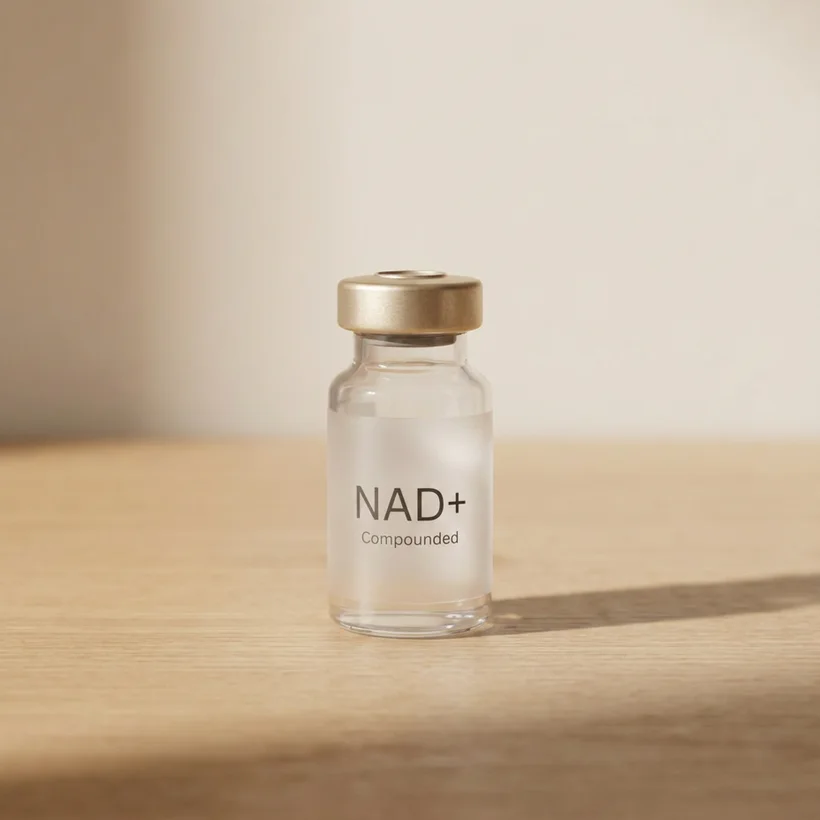
NAD+ Peptide Complex
Restore cellular energy and DNA repair capacity · From $179/mo · compounded by a licensed 503A pharmacy, dispensed only after provider review.
View NAD+ Peptide Complex →View data table
| Category | Evidence Strength Score | Detail |
|---|---|---|
| Exercise | 95 | Strongest evidence base |
| Sleep | 88 | Critical for cellular repair |
| Nutrition | 85 | Caloric optimization |
| Peptides | 62 | Growing research base |
| Supplements | 48 | Variable evidence |
How long does it take to see benefits from NAD+ supplementation?
Cellular NAD+ levels typically increase within 1-2 weeks of starting supplementation, but noticeable benefits like improved energy and sleep quality may take 4-8 weeks to manifest. Some people report enhanced mental clarity and reduced fatigue within days, while others require 2-3 months of consistent use to experience significant improvements. Individual responses vary based on baseline NAD+ levels, age, and overall health status.
Can I take NAD+ precursors with other longevity supplements?
NAD+ precursors generally combine well with most longevity supplements and may enhance their effectiveness. Many people stack them with resveratrol, which activates sirtuins that require NAD+ to function. However, avoid taking NAD+ supplements with niacin (vitamin B3), as this can interfere with precursor conversion. Always consult a healthcare provider before combining multiple supplements, especially if you take medications.
What's the difference between NR and NMN for boosting NAD+?
Both nicotinamide riboside (NR) and nicotinamide mononucleotide (NMN) effectively increase cellular NAD+ levels through slightly different pathways. NR has more extensive human safety data and better oral bioavailability, while NMN may have advantages for certain tissues like muscle and liver. Clinical studies show both compounds produce similar NAD+ increases of 40-60% at therapeutic doses. Price and personal tolerance often determine the best choice.
Are there any side effects from NAD+ supplementation?
NAD+ precursors are generally well-tolerated with minimal side effects in healthy adults. Some people experience mild nausea, flushing, or digestive upset when starting supplementation, which typically resolves within a few days. Taking supplements with food can reduce these effects. Rare individuals may experience headaches or sleep disturbances. If you have underlying health conditions or take medications, consult your healthcare provider before starting NAD+ supplementation.
Sources
- Yoshino J, et al. NAD+ intermediates: the biology and therapeutic potential of NMN and NR. Cell Metab. 2018;27(3):513-528. PMID: 29514064
- Rajman L, et al. Therapeutic potential of NAD-boosting molecules: the in vivo evidence. Cell Metab. 2018;27(3):529-547. PMID: 29514063
- Elhassan YS, et al. Nicotinamide riboside augments the aged human skeletal muscle NAD+ metabolome and induces transcriptomic and anti-inflammatory signatures. Cell Rep. 2019;28(7):1717-1728. PMID: 31412244
- Cantó C, et al. NAD+ metabolism and the control of energy homeostasis: a balancing act between mitochondria and the nucleus. Cell Metab. 2015;22(1):31-53. PMID: 26118927
- Camacho-Pereira J, et al. CD38 dictates age-related NAD decline and mitochondrial dysfunction through an SIRT3-dependent mechanism. Cell Metab. 2016;23(6):1127-1139. PMID: 27304511
- Martens CR, et al. Chronic nicotinamide riboside supplementation is well-tolerated and elevates NAD+ in healthy middle-aged and older adults. Nat Commun. 2018;9(1):1286. PMID: 29599478
- Dellinger RW, et al. Repeat dose NRPT (nicotinamide riboside and pterostilbene) increases NAD+ levels in humans safely and sustainably. NPJ Aging Mech Dis. 2017;3:17. PMID: 29184669
- Imai S, Guarente L. NAD+ and sirtuins in aging and disease. Trends Cell Biol. 2014;24(8):464-471. PMID: 24786309
Ready when you are
NAD+ Peptide Complex
Restore cellular energy and DNA repair capacity · From $179/mo · compounded by a licensed 503A pharmacy, dispensed only after provider review.
View NAD+ Peptide Complex →