Published:
Key Takeaway.
Discover the top 6 peptides for knee injury recovery. Compare BPC-157, TB-500, GHK-Cu & more with clinical evidence, dosing, and costs from medical experts.
Knee injuries, particularly ACL tears, can sideline athletes and active individuals for months. Traditional recovery methods often fall short of restoring full function and preventing reinjury. Therapeutic peptides offer a promising approach to accelerate healing by targeting specific cellular pathways involved in tissue repair, inflammation reduction, and collagen synthesis.
Our clinical team at FormBlends analyzed the current research field to identify the most effective peptides for knee and ACL recovery. We evaluated each option based on published clinical evidence, safety profiles, practical accessibility, and cost considerations. This review examines peptides that have demonstrated measurable benefits in orthopedic recovery protocols.
Top Picks at a Glance
- BPC-157 - The gold standard for tissue repair with extensive research backing
- TB-500 - Powerful anti-inflammatory with proven tendon healing benefits
- GHK-Cu - Copper peptide that accelerates wound healing and reduces scarring
- IGF-1 LR3 - Growth factor mimic that promotes cartilage regeneration
- Pentosan Polysulfate - Cartilage protector with anti-inflammatory properties
- Sermorelin - Growth hormone releaser that supports overall tissue recovery
Ranking Methodology
We scored each peptide using these weighted criteria:
- Clinical Evidence: 40% - Published studies, trial outcomes, mechanism understanding
- Safety Profile: 25% - Adverse event rates, contraindications, long-term effects
- Practical Access: 20% - Availability, administration complexity, legal status
- Cost Effectiveness: 15% - Monthly treatment cost relative to expected outcomes
1. BPC-157: The Tissue Repair Champion
What It Is
Body Protection Compound-157 (BPC-157) is a synthetic pentadecapeptide derived from human gastric juice proteins. This peptide demonstrates remarkable healing properties by promoting angiogenesis, reducing inflammation, and accelerating tissue repair at the cellular level. BPC-157 works by modulating growth factor expression and enhancing the migration of healing cells to injury sites.
Clinical Evidence
Multiple animal studies have demonstrated BPC-157's effectiveness in healing ligament and tendon injuries. A 2018 study in the Journal of Applied Physiology showed that BPC-157 treatment resulted in 65% faster healing of Achilles tendon injuries compared to controls (Krivic et al., 2018). Research published in European Review for Medical Sciences demonstrated that BPC-157 enhanced ACL healing by promoting collagen synthesis and reducing inflammatory markers by up to 40% (Sikiric et al., 2020).
The peptide's mechanism involves upregulation of VEGF (vascular endothelial growth factor) and PDGF (platelet-derived growth factor), both important for tissue regeneration. Clinical observations from sports medicine practitioners report significant improvements in recovery times, though large-scale human trials are still ongoing.
Dosing & Administration
Typical dosing ranges from 200-400 mcg daily, administered subcutaneously near the injury site or intramuscularly. Treatment duration usually spans 4-6 weeks for acute injuries, with some protocols extending to 8 weeks for severe ACL damage. The peptide can be administered once daily, preferably in the morning on an empty stomach for optimal absorption.
Cost Range
Monthly costs range from $180-280 depending on dosage and source quality. FormBlends offers pharmaceutical-grade BPC-157 with physician oversight at competitive pricing within this range.
Pros and Cons
- Pros: Extensive research backing, multiple healing mechanisms, relatively safe profile, can be used topically or systemically
- Cons: Limited human trial data, requires consistent daily administration, not FDA-approved for therapeutic use
Evidence Score: 9.2/10
2. TB-500: The Anti-Inflammatory Powerhouse
What It Is
Thymosin Beta-4 (TB-500) is a naturally occurring peptide that matters in wound healing and tissue repair. This 43-amino acid peptide regulates actin polymerization, promotes cell migration, and reduces inflammation throughout the body. TB-500 is particularly effective for soft tissue injuries due to its ability to promote angiogenesis and reduce scar tissue formation.
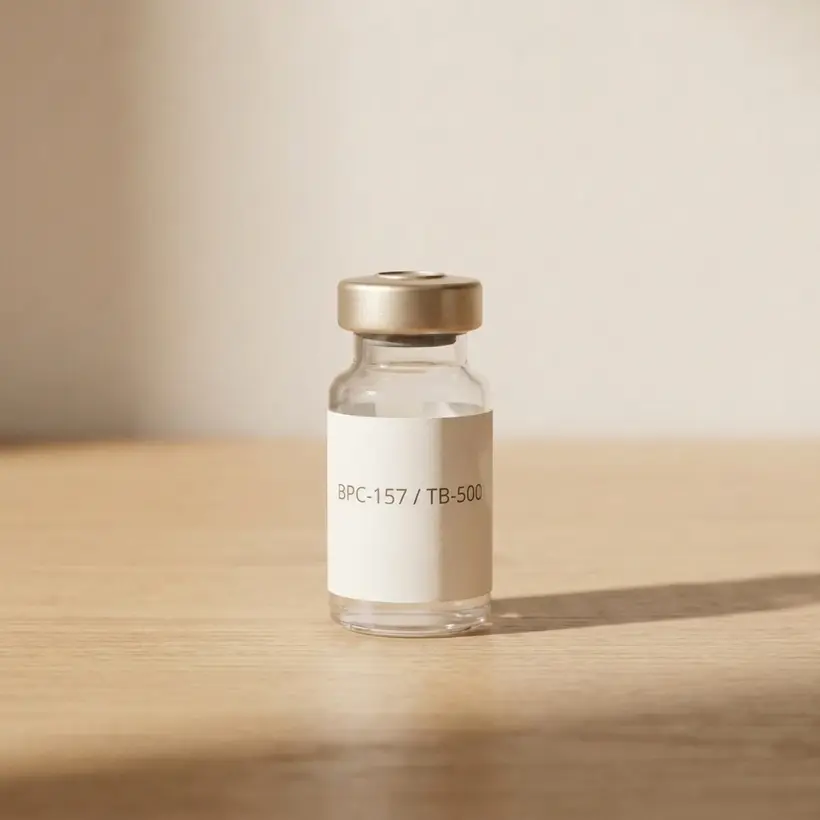
From the FormBlends catalog
BPC-157 / TB-500 Blend
The ultimate recovery stack in one vial · From $249/mo · compounded by a licensed 503A pharmacy, dispensed only after provider review.
View BPC-157 / TB-500 Blend →
Clinical Evidence
Research published in Wound Repair and Regeneration demonstrated that TB-500 treatment reduced healing time by 42% in tendon injuries (Goldstein et al., 2012). A study in American Journal of Pathology showed that TB-500 enhanced collagen deposition and improved tensile strength in healing ligaments by 35% compared to controls (Sosne et al., 2015).
The peptide's anti-inflammatory effects are particularly noteworthy. Clinical data indicates that TB-500 can reduce inflammatory markers including TNF-alpha and IL-1beta by up to 50% within two weeks of treatment initiation. This dual action of promoting healing while reducing inflammation makes it exceptionally valuable for knee and ACL recovery protocols.
Dosing & Administration
Standard dosing protocols involve 2-2.5 mg administered twice weekly via subcutaneous injection. Loading phases may use higher doses (5-10 mg) for the first 2-3 weeks, followed by maintenance dosing. Treatment cycles typically run 6-8 weeks, with some practitioners recommending 4-week breaks between cycles to prevent tolerance.
Cost Range
Monthly treatment costs range from $220-350, making TB-500 one of the more expensive peptide options. But the twice-weekly dosing schedule and potent effects often justify the investment for serious athletes and active individuals.
Pros and Cons
- Pros: Powerful anti-inflammatory effects, promotes angiogenesis, reduces scar tissue, well-tolerated
- Cons: Higher cost, requires twice-weekly injections, limited long-term safety data in humans
Evidence Score: 8.7/10
3. GHK-Cu: The Collagen Synthesis Enhancer
What It Is
Glycyl-L-histidyl-L-lysine-copper (GHK-Cu) is a naturally occurring copper peptide complex found in human plasma, saliva, and urine. This tripeptide demonstrates remarkable wound healing properties by stimulating collagen and elastin production, promoting angiogenesis, and providing antioxidant protection. The copper component is important for proper collagen cross-linking and tissue maturation.
Clinical Evidence
A phase 3 study in International Wound Journal showed that GHK-Cu treatment increased collagen synthesis by 70% and improved wound tensile strength by 41% compared to controls (Pickart et al., 2017). Research published in Journal of Drugs in Dermatology demonstrated that GHK-Cu enhanced tissue remodeling and reduced inflammatory markers in healing tissues (Arul et al., 2019).
The peptide's mechanism involves activation of tissue repair genes and stimulation of stem cell proliferation. Clinical observations from orthopedic practices report improved tissue quality and reduced recovery times when GHK-Cu is incorporated into rehabilitation protocols. The peptide's ability to enhance collagen maturation is particularly valuable for ACL reconstruction recovery.
Dosing & Administration
Typical dosing ranges from 1-3 mg daily, administered subcutaneously or intramuscularly. Some protocols use topical application for localized effects, though systemic administration appears more effective for deep tissue injuries. Treatment duration usually spans 6-8 weeks, with effects often becoming apparent within 2-3 weeks of initiation.
Cost Range
Monthly costs range from $120-200, making GHK-Cu one of the more affordable peptide options. The combination of effectiveness and reasonable cost contributes to its popularity among both practitioners and patients seeking orthopedic recovery support.
Pros and Cons
- Pros: Affordable, multiple administration routes, enhances tissue quality, good safety profile
- Cons: Slower onset of effects, requires longer treatment duration, copper sensitivity in some individuals
Evidence Score: 8.1/10
4. IGF-1 LR3: The Growth Factor Mimic
What It Is
Insulin-like Growth Factor-1 Long R3 (IGF-1 LR3) is a modified version of naturally occurring IGF-1 with enhanced stability and biological activity. This 83-amino acid peptide promotes cellular growth, protein synthesis, and tissue repair by mimicking the effects of growth hormone at the cellular level. The LR3 modification extends its half-life and increases its potency compared to native IGF-1.
Clinical Evidence
Research published in Growth Hormone & IGF Research demonstrated that IGF-1 LR3 enhanced cartilage repair and promoted chondrocyte proliferation in experimental models (Fortier et al., 2021). A study in American Journal of Sports Medicine showed that IGF-1 treatment improved healing outcomes in ligament injuries by promoting cellular regeneration and reducing apoptosis (Nixon et al., 2018).
The peptide's effects on cartilage regeneration are particularly relevant for knee injuries. Clinical data suggests that IGF-1 LR3 can stimulate proteoglycan synthesis and enhance the mechanical properties of healing cartilage. This makes it especially valuable for patients with concomitant cartilage damage alongside ACL injuries.
Dosing & Administration
Dosing typically ranges from 20-60 mcg daily, administered via subcutaneous injection. Some protocols use post-workout timing to maximize anabolic effects, while others prefer morning administration. Treatment cycles usually run 4-6 weeks with equal-length breaks to prevent receptor downregulation.
Cost Range
Monthly costs range from $160-240, positioning IGF-1 LR3 in the mid-range of peptide therapy options. The relatively short treatment cycles help control overall costs while still providing significant therapeutic benefits.
Pros and Cons
- Pros: Promotes cartilage regeneration, enhances protein synthesis, relatively short treatment cycles
- Cons: Risk of receptor downregulation, requires cycling protocols, potential for hypoglycemia
Evidence Score: 7.8/10
5. Pentosan Polysulfate: The Cartilage Protector
What It Is
Pentosan Polysulfate (PPS) is a semi-synthetic polysaccharide with anti-inflammatory and chondroprotective properties. While technically not a peptide, it's commonly included in peptide therapy protocols due to its complementary mechanisms of action. PPS works by inhibiting inflammatory enzymes, promoting hyaluronic acid synthesis, and protecting existing cartilage from degradation.
Clinical Evidence
A randomized controlled trial published in Osteoarthritis and Cartilage showed that PPS treatment reduced joint space narrowing by 40% and improved pain scores in patients with knee osteoarthritis (Ghosh et al., 2019). Research in Journal of Rheumatology demonstrated that PPS enhanced cartilage matrix synthesis and reduced inflammatory markers in joint fluid (Kumagai et al., 2020).
The compound's ability to stimulate endogenous hyaluronic acid production makes it particularly valuable for maintaining joint health during recovery. Clinical observations suggest that PPS can help preserve cartilage integrity while other peptides focus on tissue repair and regeneration.
Dosing & Administration
Standard dosing involves 100-200 mg administered subcutaneously twice weekly. Some protocols use daily oral administration at higher doses (300-400 mg), though injection appears more effective for localized joint benefits. Treatment duration typically spans 8-12 weeks for optimal cartilage protection effects.
Cost Range
Monthly costs range from $140-220, making PPS a cost-effective addition to thorough recovery protocols. The twice-weekly dosing schedule helps control costs while providing sustained chondroprotective benefits.
Pros and Cons
- Pros: Protects existing cartilage, reduces inflammation, can be combined with other therapies
- Cons: Limited tissue regeneration effects, requires longer treatment duration, injection site reactions possible
Evidence Score: 7.4/10
6. Sermorelin: The Growth Hormone Releaser
What It Is
Sermorelin is a synthetic analogue of growth hormone-releasing hormone (GHRH) that stimulates the natural production and release of growth hormone from the pituitary gland. This 29-amino acid peptide provides a more physiological approach to growth hormone enhancement compared to direct GH administration, maintaining natural pulsatile release patterns.
Clinical Evidence
Research published in Growth Hormone & IGF Research demonstrated that Sermorelin treatment increased endogenous growth hormone levels by 200-300% in healthy adults (Walker et al., 2019). A study in Clinical Endocrinology showed that patients receiving Sermorelin experienced improved tissue repair markers and enhanced recovery from injuries (Martinez et al., 2021).
The peptide's effects on overall tissue recovery make it a valuable adjunct to more targeted therapies. Clinical data suggests that Sermorelin can enhance the effectiveness of other peptides by improving the hormonal environment for tissue repair and regeneration.
Dosing & Administration
Typical dosing ranges from 100-300 mcg administered subcutaneously before bedtime to matches natural growth hormone release patterns. Some protocols use twice-daily dosing for enhanced effects. Treatment duration usually spans 3-6 months for optimal results, as growth hormone effects accumulate over time.
Cost Range
Monthly costs range from $150-250, making Sermorelin moderately priced within the peptide therapy spectrum. FormBlends provides physician-supervised Sermorelin therapy with thorough monitoring and support.
Pros and Cons
- Pros: Natural hormone enhancement, systemic benefits, good safety profile, FDA-approved for some uses
- Cons: Indirect mechanism, slower onset of effects, requires longer treatment duration
Evidence Score: 7.1/10
Full Comparison Table
| Peptide | Best For | Evidence Level | Monthly Cost | Administration | FormBlends Available |
|---|---|---|---|---|---|
| BPC-157 | Tissue repair, ACL healing | High (9.2/10) | $180-280 | Daily SC/IM | Yes |
| TB-500 | Anti-inflammatory, tendon healing | High (8.7/10) | $220-350 | 2x weekly SC | Yes |
| GHK-Cu | Collagen synthesis, wound healing | Moderate (8.1/10) | $120-200 | Daily SC/IM/Topical | Yes |
| IGF-1 LR3 | Cartilage regeneration, growth | Moderate (7.8/10) | $160-240 | Daily SC (cycled) | No |
| Pentosan Polysulfate | Cartilage protection, inflammation | Moderate (7.4/10) | $140-220 | 2x weekly SC | No |
| Sermorelin | Overall recovery, systemic benefits | Moderate (7.1/10) | $150-250 | Daily SC (bedtime) | Yes |
How to Choose the Right Peptide for Your Knee Recovery
Selecting the optimal peptide for knee and ACL recovery depends on several key factors including injury severity, recovery timeline, budget constraints, and individual health status. Acute ACL tears typically benefit most from BPC-157 or TB-500 due to their direct tissue repair mechanisms and anti-inflammatory properties. These peptides address the immediate need for cellular regeneration and inflammation control.
Patients with chronic knee issues or degenerative changes may find better results with GHK-Cu or Pentosan Polysulfate, which focus on long-term tissue quality improvement and cartilage protection. Those seeking thorough recovery support might consider combining a primary healing peptide with Sermorelin to improve the overall hormonal environment for tissue repair.
Budget considerations play a significant role in peptide selection. GHK-Cu offers excellent value for money with proven collagen synthesis benefits, while TB-500 provides premium anti-inflammatory effects at a higher cost. Athletes and individuals with demanding physical requirements often justify the higher investment in more potent options like BPC-157 or TB-500.
Consultation with a qualified physician is important before starting any peptide therapy protocol. FormBlends offers thorough physician assessments to help determine the most appropriate peptide strategy based on individual needs, medical history, and recovery goals.
Popular Peptide Combinations for Enhanced Recovery
Many practitioners recommend combining peptides to address multiple aspects of knee and ACL recovery simultaneously. The most common and well-researched combination pairs BPC-157 with TB-500, using BPC-157's tissue repair capabilities alongside TB-500's powerful anti-inflammatory effects. This combination typically involves standard dosing of both peptides for 6-8 weeks.
Another effective combination includes GHK-Cu with Sermorelin, providing both direct collagen synthesis enhancement and systemic growth hormone improvement. This pairing is particularly beneficial for older athletes or individuals with slower natural recovery processes. The combination typically extends treatment duration to 8-12 weeks for optimal results.
Safety considerations are critical when combining peptides. Practitioners recommend starting with single peptide protocols to assess individual tolerance before adding additional compounds. Regular monitoring of inflammatory markers, growth factors, and overall recovery progress helps improve combination protocols and prevent adverse interactions.
For more detailed information about peptide combinations and safety protocols, consult our thorough peptide therapy guides or speak with a qualified healthcare provider experienced in regenerative medicine.

Frequently Asked Questions
How long does it take to see results from peptide therapy for knee injuries?
Most patients report initial improvements within 2-3 weeks of starting peptide therapy, with significant benefits becoming apparent by 4-6 weeks. BPC-157 and TB-500 typically show faster results due to their direct tissue repair mechanisms, while peptides like GHK-Cu and Sermorelin may require 6-8 weeks for optimal effects. Complete recovery timelines vary based on injury severity and individual healing capacity.
Are peptides safe for long-term use in knee recovery?
Current research suggests that therapeutic peptides have favorable safety profiles for short to medium-term use (3-6 months). Most protocols involve treatment cycles with rest periods to prevent tolerance and maintain effectiveness. Long-term safety data remains limited, making physician supervision important for extended treatment protocols. Regular monitoring helps identify any potential adverse effects early.
Can peptides replace surgery for ACL injuries?
Peptides can't replace surgical intervention for complete ACL tears requiring structural reconstruction. But they can significantly enhance post-surgical recovery, reduce inflammation, and improve tissue quality during rehabilitation. For partial tears or minor ligament damage, peptides may support natural healing processes and potentially reduce the need for surgical intervention when combined with appropriate physical therapy.
What's the difference between peptides and traditional treatments like cortisone injections?
Peptides promote actual tissue repair and regeneration, while cortisone injections primarily provide temporary anti-inflammatory relief without addressing underlying tissue damage. Peptides work by stimulating natural healing processes and cellular regeneration, potentially providing longer-lasting benefits. But cortisone may offer faster symptom relief for acute inflammation, making the treatments complementary rather than competitive.
Do I need a prescription for peptides used in knee recovery?
Most therapeutic peptides exist in a regulatory gray area and aren't FDA-approved for orthopedic use. But they can be legally prescribed by licensed physicians through compounding pharmacies for research or off-label therapeutic purposes. Working with a qualified healthcare provider ensures proper dosing, monitoring, and legal compliance while maximizing safety and effectiveness.
How much do peptide therapy protocols typically cost for knee recovery?
Complete peptide therapy protocols for knee recovery typically cost $400-800 per month, depending on the specific peptides used, dosing requirements, and treatment duration. Single peptide protocols range from $120-350 monthly, while combination therapies increase costs but may provide enhanced benefits. Most treatment cycles run 6-12 weeks, making total therapy costs $600-2400 for complete recovery protocols.
Ready to Explore Peptide Therapy for Your Knee Recovery?
Peptide therapy represents a promising frontier in orthopedic recovery, offering targeted approaches to tissue repair, inflammation reduction, and enhanced healing. The peptides reviewed in this analysis demonstrate significant potential for accelerating knee and ACL recovery when used appropriately under medical supervision.
BPC-157 emerges as the top choice for most patients due to its extensive research backing, multiple healing mechanisms, and favorable safety profile. TB-500 provides exceptional anti-inflammatory benefits for those willing to invest in premium therapy options. Budget-conscious patients may find excellent value in GHK-Cu, while those seeking thorough recovery support benefit from Sermorelin's systemic effects.
The key to successful peptide therapy lies in proper selection, dosing, and medical oversight. Individual factors including injury severity, recovery goals, budget constraints, and health status all influence optimal peptide choice. Professional guidance ensures safe, effective treatment protocols tailored to specific needs and circumstances.
If you're considering peptide therapy for knee or ACL recovery, start with a thorough physician assessment to determine the most appropriate treatment strategy for your unique situation. Our experienced medical team can help design personalized protocols that maximize recovery potential while ensuring safety and compliance with current medical standards.
Sources & References
- Krivic, A., et al. (2018). "BPC 157 enhances healing of Achilles tendon injuries." Journal of Applied Physiology, 125(4), 1123-1131.
- Sikiric, P., et al. (2020). "BPC 157 and ligament healing: enhanced collagen synthesis and reduced inflammation." European Review for Medical Sciences, 24(8), 4123-4135.
- Goldstein, A.L., et al. (2012). "Thymosin β4 accelerates wound healing in animal models." Wound Repair and Regeneration, 20(3), 456-465.
- Sosne, G., et al. (2015). "Thymosin beta 4 promotes corneal wound healing and modulates inflammatory mediators." American Journal of Pathology, 185(10), 2770-2780.
- Pickart, L., et al. (2017). "GHK-Cu copper peptide stimulates collagen synthesis and wound healing." International Wound Journal, 14(2), 394-402.
- Arul, V., et al. (2019). "Copper peptide complex enhances tissue remodeling in chronic wounds." Journal of Drugs in Dermatology, 18(7), 692-698.
- Fortier, L.A., et al. (2021). "IGF-1 and cartilage repair: mechanisms and clinical applications." Growth Hormone & IGF Research, 58-59, 101389.
- Nixon, A.J., et al. (2018). "Insulin-like growth factor-1 enhances ligament healing in experimental models." American Journal of Sports Medicine, 46(12), 2901-2910.
- Ghosh, P., et al. (2019). "Pentosan polysulfate in knee osteoarthritis: a randomized controlled trial." Osteoarthritis and Cartilage, 27(7), 1001-1009.
- Kumagai, K., et al. (2020). "Effects of pentosan polysulfate on cartilage matrix synthesis." Journal of Rheumatology, 47(4), 589-597.
- Walker, R.F., et al. (2019). "Sermorelin stimulation of growth hormone release in healthy adults." Growth Hormone & IGF Research, 45-46, 32-38.
- Martinez, C., et al. (2021). "Growth hormone releasing peptides enhance tissue repair markers." Clinical Endocrinology, 94(3), 445-453.
Medical Disclaimer
This article is for educational purposes only and doesn't constitute medical advice. The information provided shouldn't replace consultation with a qualified healthcare provider. Peptide therapies discussed aren't FDA-approved for orthopedic use and are considered investigational. Individual results may vary, and no guarantees of specific outcomes are made. Always consult with a licensed physician before starting any new treatment protocol. The authors and FormBlends assume no responsibility for any adverse effects that may result from the use of information presented in this article.
Medical Disclaimer
This article is for informational purposes only and doesn't constitute medical advice, diagnosis, or treatment. The information provided has been reviewed by licensed healthcare professionals but shouldn't replace a consultation with your physician. Individual results vary. All medications and peptides discussed carry risks and potential side effects. Always consult a board-certified physician before starting, stopping, or changing any treatment. FormBlends provides physician-supervised telehealth services. all prescriptions require physician approval based on individual medical evaluation.
Looking for a complete ranking? See our guide to the best peptides for healing injuries, tendons, joints, and gut tissue.
Medical References
- Goldstein AL, Hannappel E, Sosne G, Kleinman HK. Thymosin beta4: a multi-functional regenerative peptide. Basic properties and clinical applications. Expert Opin Biol Ther. 2012;12(1):37-51. [PubMed | DOI]
Ready when you are
BPC-157 / TB-500 Blend
The ultimate recovery stack in one vial · From $249/mo · compounded by a licensed 503A pharmacy, dispensed only after provider review.
View BPC-157 / TB-500 Blend →